
1. The Breakthrough
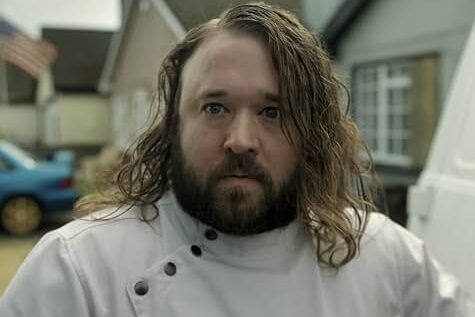
It usually begins with a moment that feels almost too perfect to repeat. For Haley Joel Osment, that moment came early, and it came strong. His performance in The Sixth Sense didn’t just introduce him to audiences, it placed him at the center of a cultural moment that people still reference years later. There was something about the way he delivered that now-famous line that felt natural, almost effortless. It didn’t feel like a child acting, it felt like someone fully present in the story. And because of that, people didn’t just notice him, they remembered him. “I didn’t really understand how big it was at the time,” he later shared in interviews, reflecting on how quickly everything moved around him. But early success carries its own kind of weight, especially when it arrives before you’ve had time to understand yourself outside of it.
The expectations grow quietly, shaped by what people think you’ll become next. For many child actors, that first breakout role becomes both a foundation and a shadow. It opens doors, but it also sets a standard that’s difficult to move beyond. In Osment’s case, his early work created a strong impression that followed him for years. And while that recognition never really faded, it also meant that every step afterward was measured against that beginning. It’s a unique kind of starting point, one that brings both opportunity and quiet pressure at the same time.
2. Growing Up
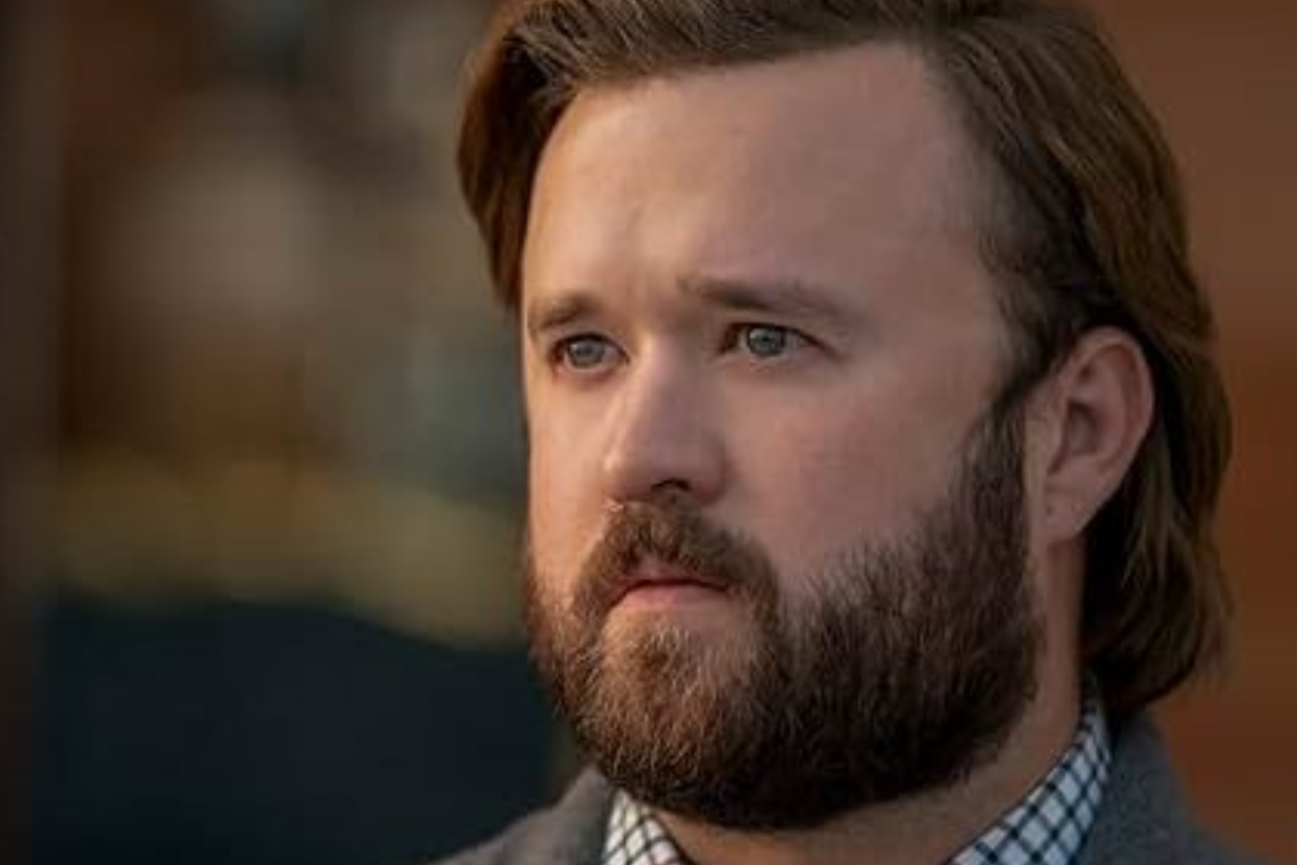
There’s a certain shift that happens when a child actor begins to grow, and it’s not always as smooth as people expect. The industry that once embraced you for your youth slowly starts to look at you differently, and the roles don’t always evolve at the same pace. For Haley Joel Osment, this transition came in a way that felt gradual but noticeable. He continued acting, taking on roles in films like A.I. Artificial Intelligence, but as time went on, the spotlight around him became less intense. It wasn’t a sudden disappearance, more like a quiet step back from the constant attention that had once defined his career.
This phase is something many actors experience, but it often goes unnoticed by audiences who are used to seeing only the highlights. Growing up in the public eye comes with its own set of adjustments, especially when your identity has been shaped by roles from such an early age. “I was just trying to figure out who I was outside of acting,” Osment once explained, capturing that in-between space that doesn’t always get talked about. It’s a period of recalibration, where the focus shifts from performance to personal understanding. And while it may not always be visible, it plays a significant role in shaping what comes next.
3. Stepping Away
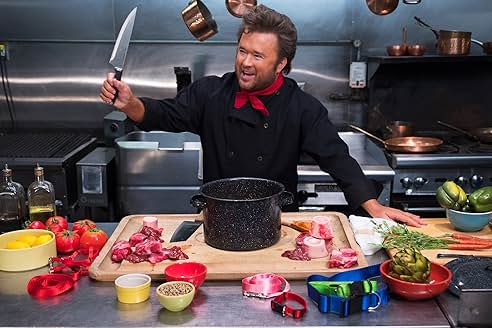
At some point, stepping back becomes less about absence and more about intention. For Osment, there was a period where acting wasn’t the center of everything anymore. Instead of constantly moving from one project to another, he took time to focus on his education and personal life, attending New York University and experiencing something closer to a normal routine. It’s the kind of decision that doesn’t always make headlines, but it often carries long-term impact. “It was important for me to have that space,” he mentioned in a conversation about that time, and it reflects a choice that many people can relate to, even outside of the entertainment world.
What makes this phase meaningful is how it redefines success. In an industry that often rewards constant visibility, choosing to step away can feel like going against the flow. But sometimes, that distance creates clarity. It allows you to return with a stronger sense of direction, rather than simply continuing out of momentum. For Osment, this period wasn’t about losing relevance, it was about gaining perspective. And that perspective becomes visible later, in the kinds of roles he chooses and the way he approaches his work. It’s a reminder that not every pause is a setback. Sometimes, it’s part of building something more sustainable.
4. Finding New Roles
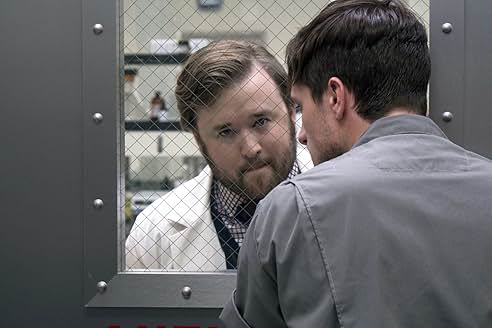
When Haley Joel Osment began returning more consistently to acting, the shift was subtle but clear. The roles he took on were different from what audiences might have expected based on his early career. Instead of trying to recreate the same kind of success, he leaned into characters that felt more layered, sometimes even unexpected. Appearances in projects like The Spoils of Babylon and later television roles showed a willingness to explore, to step outside of the image people had held onto for years. “I wanted to try things that felt different,” he shared, and that intention comes through in the variety of his work.
There’s something refreshing about watching an actor redefine themselves without forcing it. It doesn’t happen overnight, and it doesn’t always follow a clear path. But over time, the consistency builds. Osment’s return wasn’t about reclaiming a past moment, it was about creating something new from where he currently stood. And that approach feels more grounded, more sustainable. It allows room for growth without the pressure of comparison. For audiences, it also offers a chance to see him differently, not just as the child they remember, but as someone still evolving in his craft. And in many ways, that evolution feels more interesting than a simple continuation of what came before.
5. Voice Work

Sometimes, the shift in a career doesn’t happen in front of the camera, it happens in ways people don’t immediately see. For Haley Joel Osment, voice acting became one of those quieter but meaningful directions. While audiences may have been wondering where he went, he was still working consistently, lending his voice to characters in animated series and video games. One of his most recognized roles came through the Kingdom Hearts franchise, where he voiced Sora, a character that built a loyal following over time. “Voice work gave me a different kind of freedom,” he once said, reflecting on how the experience allowed him to focus purely on performance without the added pressure of physical appearance.
There’s something interesting about voice acting that often gets overlooked. It requires a different kind of presence, one that relies entirely on tone, timing, and emotional delivery. And for someone who started so young in live-action roles, it created space to grow without being constantly compared to earlier performances. Over time, this work added another layer to his career, one that didn’t rely on visibility but still carried impact. It also meant that even when he wasn’t appearing on screen, he remained connected to the industry in a steady and meaningful way. For many actors, that kind of balance can be difficult to find, but for Osment, it became a quiet foundation during years when his public presence felt less defined.
6. Comedy Turn
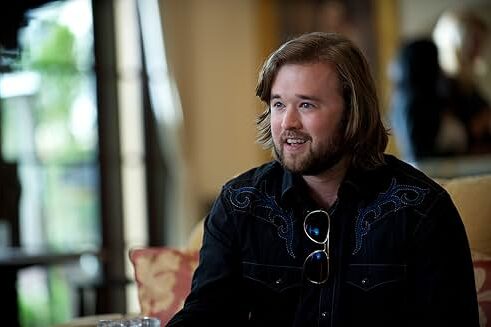
At a certain point, there’s a noticeable shift in how an actor chooses to present themselves, and for Osment, that shift leaned toward comedy. It wasn’t necessarily expected, especially for someone whose early roles were so emotionally intense and serious. But that’s part of what made it work. His appearances in comedic projects revealed a different side, one that felt more relaxed, more experimental, and in some ways, more personal. Shows like Silicon Valley gave him the space to play characters that didn’t carry the same weight as his earlier roles. “Comedy lets you take risks in a different way,” he mentioned in an interview, and that sense of ease comes through in his performances.
What makes this transition meaningful is how it challenges the idea of being defined by one type of role. It’s easy for audiences to hold onto a specific image, especially when it’s tied to such a strong early impression. But stepping into comedy allowed Osment to move beyond that, not by rejecting his past, but by expanding it. It showed that his range wasn’t limited to what people first saw. And over time, that willingness to explore made his career feel less predictable in a good way. It added variety, not just for audiences, but for him as well. And in many ways, that kind of creative freedom becomes more valuable than simply repeating what already worked.
7. Independent Projects

There’s a certain kind of work that doesn’t always make headlines but often carries deeper creative value, and that’s where independent projects come in. For Osment, this space offered something different from mainstream visibility. It allowed him to take on roles that were less about commercial success and more about storytelling. These projects may not always reach wide audiences, but they create room for experimentation, for taking on characters that feel more nuanced or unconventional. “Those smaller projects can be the most rewarding,” he once shared, pointing to the kind of satisfaction that comes from being fully involved in the craft itself.
Independent films often operate with fewer constraints, which can be both challenging and freeing at the same time. For an actor, it means stepping into environments where creativity takes priority over expectation. And for Osment, this phase of his career reflects a level of intentionality. He wasn’t just looking for roles that would bring him back into the spotlight, he was choosing work that aligned with where he was creatively. Over time, these choices begin to shape a different kind of career narrative, one that isn’t driven solely by visibility but by consistency and purpose. It’s a quieter path, but one that often leads to more meaningful growth. And for audiences who follow closely, it offers a deeper appreciation of the range he continues to develop.
8. Returning to TV
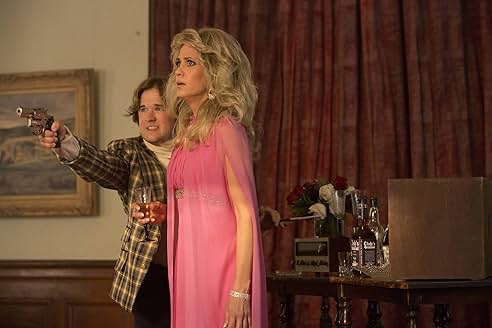
Television has changed a lot over the years, becoming a space where actors can explore long-form storytelling in ways that weren’t always possible before. For Haley Joel Osment, returning to TV felt like a natural step in that evolving landscape. His appearances in series like The Kominsky Method showed a more mature presence, one that reflected both his experience and his growth over time. These roles didn’t rely on nostalgia, they stood on their own, offering something current and grounded. “TV gives you time to really build a character,” he noted, highlighting how the format allows for a deeper kind of storytelling.
What stands out about this phase is how steady it feels. There’s no rush to prove anything, no attempt to recreate past success. Instead, there’s a quiet confidence in the work itself. Returning to television allowed Osment to reconnect with audiences in a way that felt natural, not forced. It also positioned him within an industry that now values consistency and depth just as much as visibility. And over time, these appearances build a different kind of recognition, one that isn’t tied to a single moment but to a body of work that continues to evolve. For viewers, it becomes less about remembering where he started and more about appreciating where he is now. And that shift, while subtle, carries its own kind of significance.
9. Public Perception

There’s always an interesting gap between what people assume and what actually is, especially when it comes to actors who started young. For Haley Joel Osment, public perception seemed to freeze at a certain point in time. Many people still associate him with that early breakthrough, that one defining role that introduced him to the world. And while that recognition never really faded, it also created a kind of distance between who he was then and who he has become since. “People still come up to me about that film,” he once shared, acknowledging how deeply that moment stayed with audiences.
But perception doesn’t always keep up with reality. While people were remembering him as a child actor, he was quietly building a more layered career behind the scenes. This creates a unique dynamic, where the public narrative feels incomplete, not because anything is missing, but because it hasn’t fully caught up. Over time, though, that begins to shift. As new roles emerge and different performances gain attention, the image slowly expands. It’s not about replacing the past, it’s about adding to it. And in many ways, that’s what makes his journey feel more grounded. It reflects how growth often happens quietly, without needing constant recognition to validate it.
10. Staying Grounded

In an industry that often moves quickly and demands constant visibility, there’s something noticeable about choosing a different pace. Osment’s career doesn’t follow the typical pattern of chasing attention or staying in the spotlight at all costs. Instead, there’s a sense of steadiness in how he approaches his work and his life. He’s spoken in interviews about valuing normalcy, about appreciating experiences outside of acting that keep him grounded. “I’ve been lucky to have a life outside of all of this,” he once said, and that perspective shows in the choices he’s made over time.
Staying grounded doesn’t always look dramatic, but it often shapes everything else. It influences the kind of projects you take on, the way you handle public attention, and how you define success for yourself. For Osment, it seems to have created a balance that allows him to continue working without being overwhelmed by the pressures that often come with early fame. And that balance is something many people can relate to, even outside of the entertainment world. It’s about finding a way to stay connected to who you are, even as things around you change. And in the long run, that consistency becomes its own kind of strength.
11. Steady Evolution

When you look at Haley Joel Osment’s career as a whole, what stands out isn’t a single comeback moment, but a steady evolution. There isn’t one point where everything suddenly shifts back into place. Instead, there’s a gradual build, a series of choices that move him forward in a way that feels intentional rather than reactive. From voice acting to comedy, independent films to television, each step adds something new without trying to erase what came before. “I’ve just tried to keep working and learning,” he mentioned in an interview, and that simple approach reflects a deeper consistency.
This kind of growth often goes unnoticed because it doesn’t follow the usual narrative of rise, fall, and return. But in many ways, it’s more realistic. Careers don’t always move in straight lines, and not every phase needs to be defined by visibility. For Osment, the evolution feels personal, shaped by his own pace rather than external expectations. And over time, that creates a body of work that feels authentic, even if it’s not always at the center of attention. It’s a reminder that progress doesn’t always need to be loud to be meaningful. Sometimes, it’s the quiet, consistent movement that carries the most weight.
12. Where He Stands Now

At this point, Haley Joel Osment’s story feels less like a question and more like a quiet answer unfolding over time. He’s still working, still exploring different roles, still finding ways to engage with the craft that first introduced him to the world. But the difference now is in how it all fits together. There’s less urgency, less pressure to meet expectations that were set years ago. Instead, there’s a sense of alignment between where he is and what he chooses to do. “I’m just grateful to still be doing what I love,” he shared, and that sentiment carries a kind of calm clarity.
When you step back and look at the full journey, it becomes clear that not every story is meant to follow a dramatic arc. Some are quieter, more layered, shaped by decisions that don’t always make headlines but still matter deeply. Osment’s path reflects that kind of story. It shows how early success can evolve into something more sustainable, how stepping back can lead to stronger returns, and how growth doesn’t always need to be announced to be real. And maybe that’s what makes it resonate. If you’ve ever wondered what happens after the spotlight shifts, his journey offers a thoughtful answer.


