
Global Goals Face Growing Hurdles
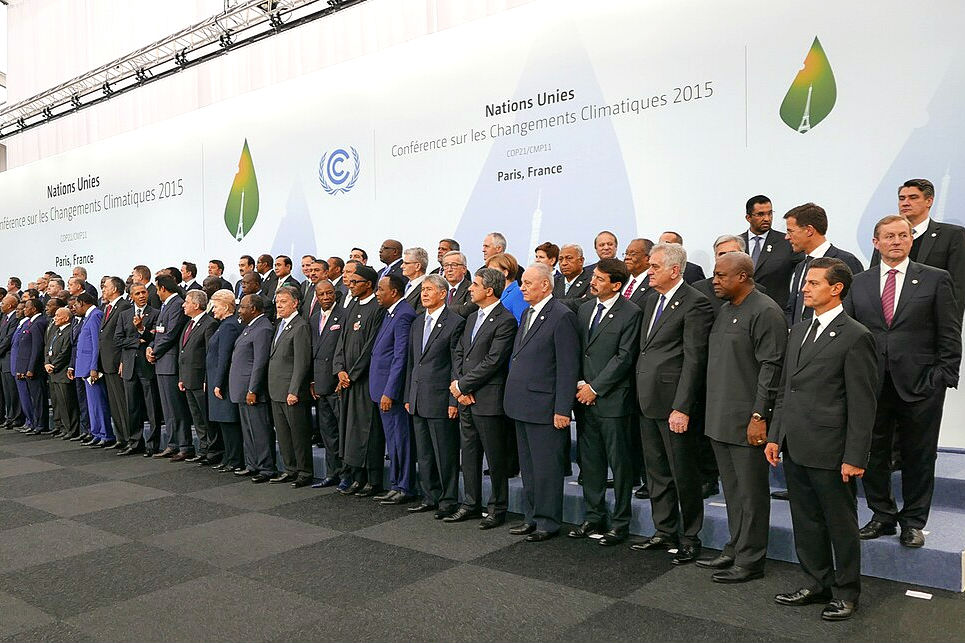
The dream of a cooler planet seemed within reach when 196 nations signed the Paris Agreement on December 12, 2015. It was a moment of pure optimism, a collective promise to protect our children’s future by limiting global warming. For several years, this shared mission provided a roadmap for green energy and international cooperation. Families around the world watched as leaders pledged to shift away from fossil fuels, hoping that scientific guidance would finally outweigh political hesitation and lead us toward a much safer, more sustainable path.
Unfortunately, recent data from the United Nations Environment Program suggests that this optimism is currently facing a reality check. As of 2024, the world is drifting away from its primary goals, with current policies pointing to a temperature rise of 2.3°C to 2.8°C. This growing gap results from a mix of economic pressures and the physical reality of a changing climate. While the urgency has never been greater, the road ahead is complicated by high costs and shifting priorities. Achieving these targets remains possible, but it requires moving beyond hopeful words toward immediate, tangible changes in how we power our lives.
Greenhouse Gas Levels Still Rising
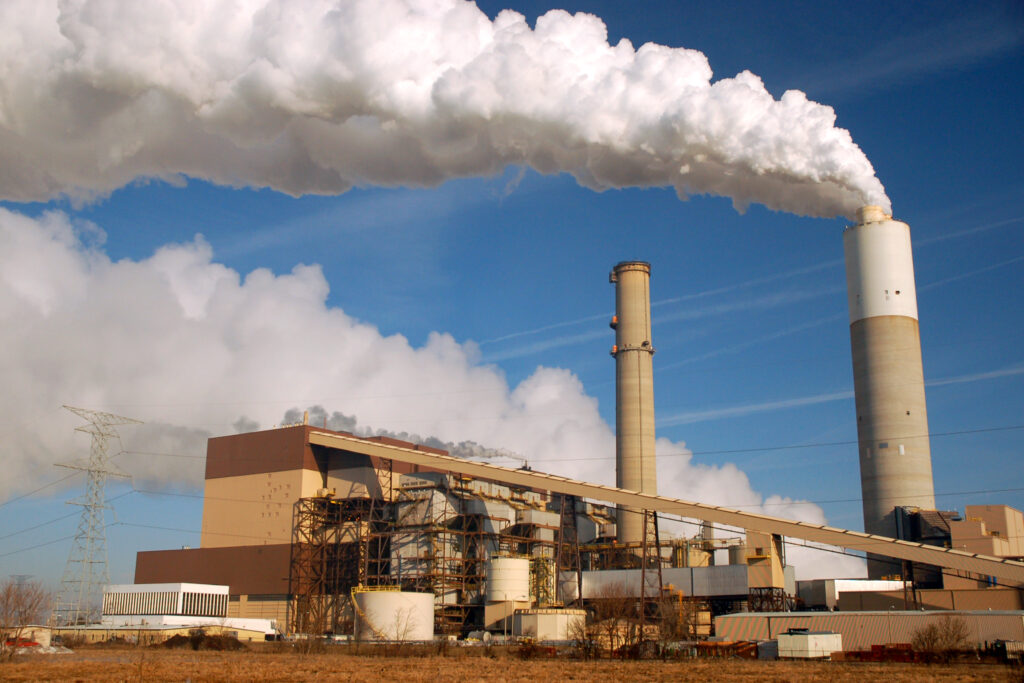
Many experts predicted that global emissions would peak and start to decline, but making that happen has been more challenging. Even with the rise of electric vehicles and solar panels, fossil fuel use remains deeply embedded in our daily routines. As the global economy recovered from the disruptions of 2020, energy demand surged, actually driving emissions to record highs. We’re now seeing a rebound in sectors like international aviation and heavy shipping, which makes the goal of “bending the curve” toward zero emissions feel more like an uphill climb.
Recent scientific studies confirm that greenhouse gas levels hit a new high in 2023, mainly due to ongoing reliance on oil and coal in developing industries. This trend reveals a harsh reality: protecting the environment requires more than just long-term “vision boards.” It calls for structural changes to our transportation systems and to industrial processes established decades ago. While renewable energy is advancing faster than ever, it still hasn’t fully kept up with the world’s increasing demand for power. Each year we postpone these changes, the challenge we face to meet our climate targets becomes much more difficult.
National Promises Often Fall Short
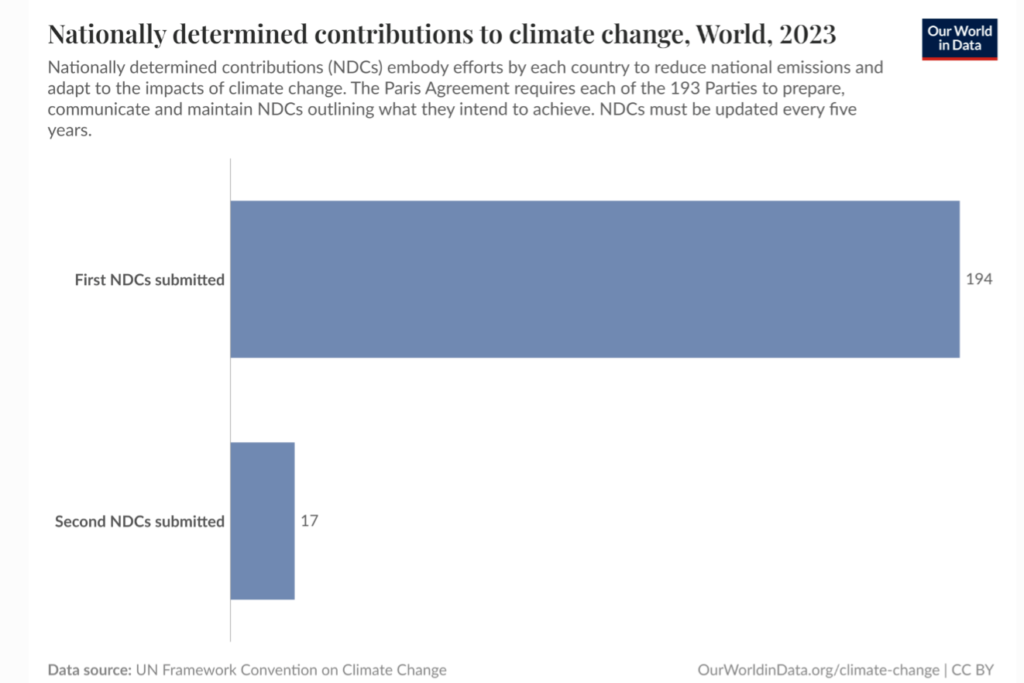
National climate pledges, known as Nationally Determined Contributions (NDCs), were meant to be the foundation of environmental protection. However, a large gap exists between what countries commit to and what the planet actually needs. Analysis from 2023 shows that even if every nation kept all its current promises, global temperatures would still increase by about 2.5°C by 2100. This is well above the 1.5°C limit that scientists consider the “safe” threshold to prevent the worst weather events.
The heart of the problem is often found in the fine print. Many national commitments made since the 2021 Glasgow summit are “conditional,” meaning they only take effect if a country receives specific funding or technological support from abroad. Furthermore, some plans lack a clear, step-by-step strategy for actually hitting those numbers by 2030 or 2050. When promises are made without a solid plan to back them up, global progress slows down to a crawl. To truly protect our environment, we need to bridge the gap between high-level diplomatic pledges and on-the-ground actions.
Turning Words Into Real Action
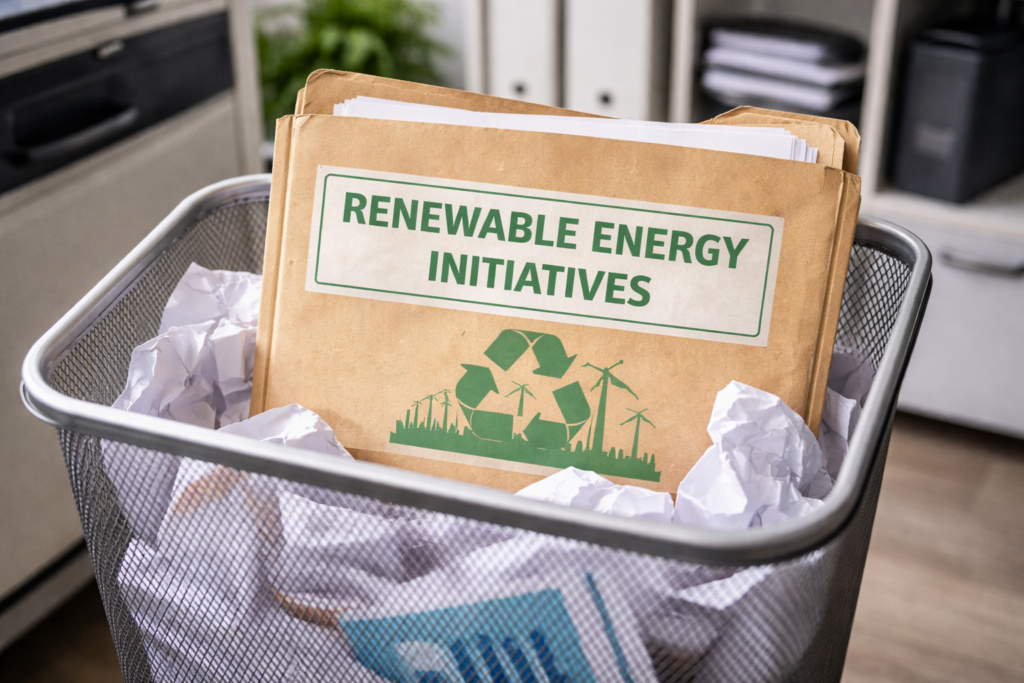
Making a bold promise on a global stage is one thing, but actually implementing those changes back home is a much tougher challenge. Even when leaders speak with genuine urgency, the execution of green policies often gets stuck in a web of bureaucracy and financial red tape. As we move through 2026, many nations find themselves lagging behind the specific targets they set for the end of this decade. This disconnect shows that while ambition is easy to write down, delivering results requires a level of coordination we haven’t quite mastered yet.
One of the biggest hurdles to implementation is getting different parts of a government to work together. For a climate plan to succeed, the departments responsible for energy, agriculture, transport, and finance must all move in the same direction. When these groups have conflicting priorities, progress stalls inevitably. This lack of follow-through doesn’t just hurt the environment; it also erodes public trust in international agreements. If we want to see real improvement, we have to find better ways to navigate the logistical hurdles that keep good ideas from becoming reality in our local communities.
Moving Beyond Our Fuel Habits

Renewable energy is having a major moment, but fossil fuels like oil, gas, and coal still provide the vast majority of the world’s power. For many communities, these industries are more than just energy sources; they represent millions of jobs, vital exports, and the tax revenue that pays for schools and roads. This creates a difficult balancing act for local leaders. Moving away from traditional fuel sources too quickly can cause economic ripples that affect family budgets in the short term, leading many governments to take a slower, more cautious approach.
Global subsidies further complicate the issue. In 2022 alone, support for fossil fuels reached record levels as governments tried to shield citizens from high energy prices. While these subsidies help lower immediate costs for families, they also make it much harder for clean energy like wind and solar to compete fairly. This creates a cycle in which we are essentially paying to keep the old systems running while trying to build new ones. Breaking this dependence is a massive structural challenge that will require both innovative technology and a very careful economic transition.
The Price Of Green Energy
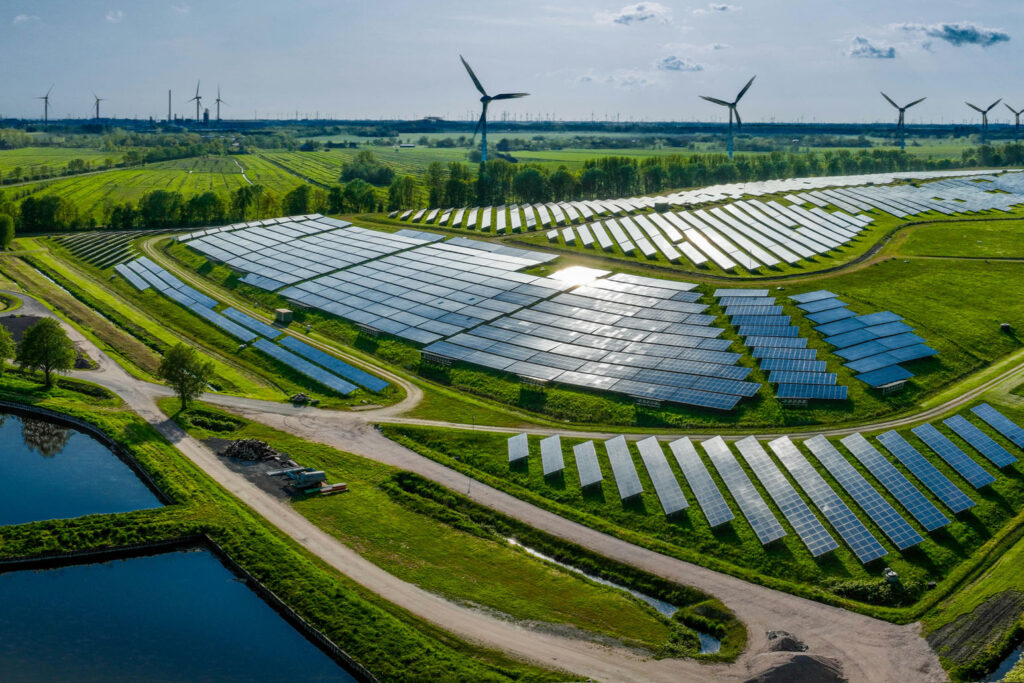
Transitioning to a cleaner economy is a smart long-term move, but the “sticker price” for the necessary upgrades is staggering. Building modern wind farms, installing massive battery storage, and updating aging power grids requires trillions of dollars in upfront investment. For many families and nations, especially those in developing regions, these costs are a major barrier. While everyone wants cleaner air and a stable climate, finding the money to pay for them during periods of inflation and economic uncertainty is a primary reason progress has slowed.
The lack of international financial support is another piece of the puzzle. Wealthier nations originally pledged in 2009 to provide $100 billion annually to help smaller countries go green, but that goal has been difficult to meet consistently. Without this vital funding, many parts of the world are forced to stick with cheaper, older, and dirtier technologies to keep the lights on. To hit our global targets, we need to find better ways to share the financial burden. Investing in a low-carbon future eventually pays off, but overcoming the initial cost remains a significant hurdle.
Navigating Today’s Political Pressures

Climate action is a marathon, but politics often feels like a series of short sprints. Leaders are constantly faced with immediate crises, from rising grocery prices to job security, which can push long-term environmental goals to the bottom of the “to-do” list. Because election cycles usually last only four or five years, there is a natural temptation for politicians to focus on projects that show quick results rather than climate policies that might take decades to bear fruit. This focus on the “here and now” often stalls meaningful progress.
This short-term thinking makes it very hard to maintain a consistent plan. When a new administration takes over, it might roll back the environmental progress made by the previous group, leading to a “two steps forward, one step back” pattern. For businesses and families to invest in green technology, they need to know that the rules won’t change every few years. Without steady, predictable leadership, it becomes nearly impossible to build the momentum needed to reach the ambitious milestones set for 2030 and 2050. Consistency is key to a sustainable future.
Tensions Strain Global Cooperation
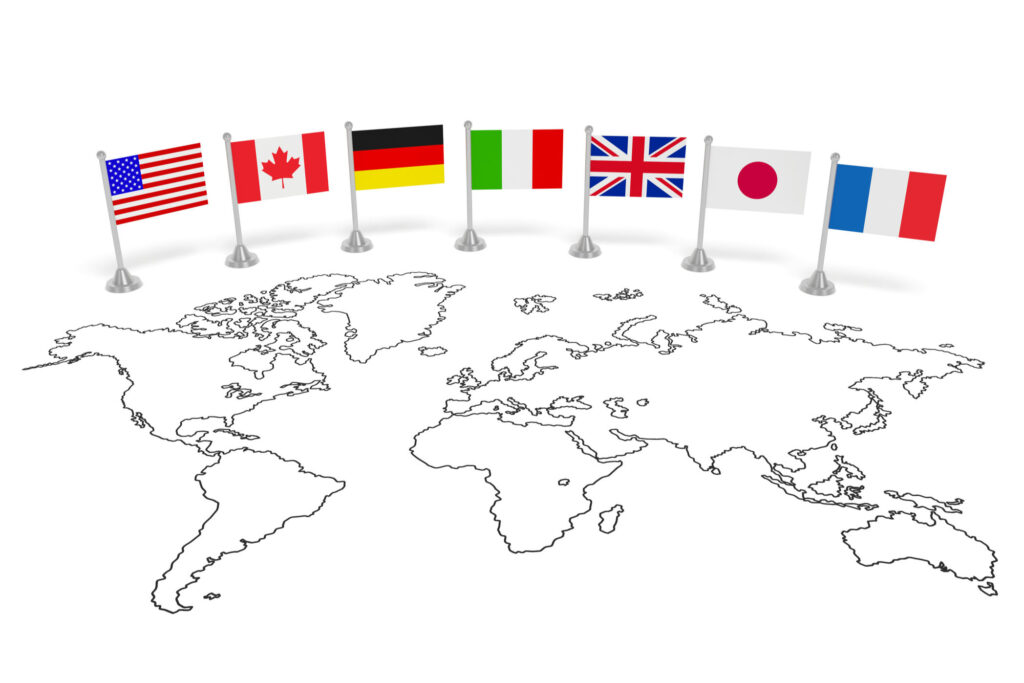
Solving climate change is the ultimate team sport, but unfortunately, the “team” is currently experiencing some major friction. Geopolitical tensions and trade disputes often push environmental goals to the sidelines as nations prioritize their own immediate security and economic dominance. Since international agreements like the 2015 Paris Accord are mostly voluntary, they rely heavily on trust. When that trust breaks down due to outside conflicts, the collective effort to reduce global emissions suffers, making it harder for everyone to stay on track.
Another challenge is the lack of a “global referee” to enforce these rules. If a country misses its target, there are rarely any real consequences other than diplomatic pressure. This leads to a situation where some nations do the heavy lifting while others may not follow through on their end of the bargain. As the world becomes more divided, finding common ground on environmental policy has become more difficult than a decade ago. To reach our targets, we must keep the planet’s health at the center of the conversation, even when other disagreements arise.
Closing The Climate Funding Gap
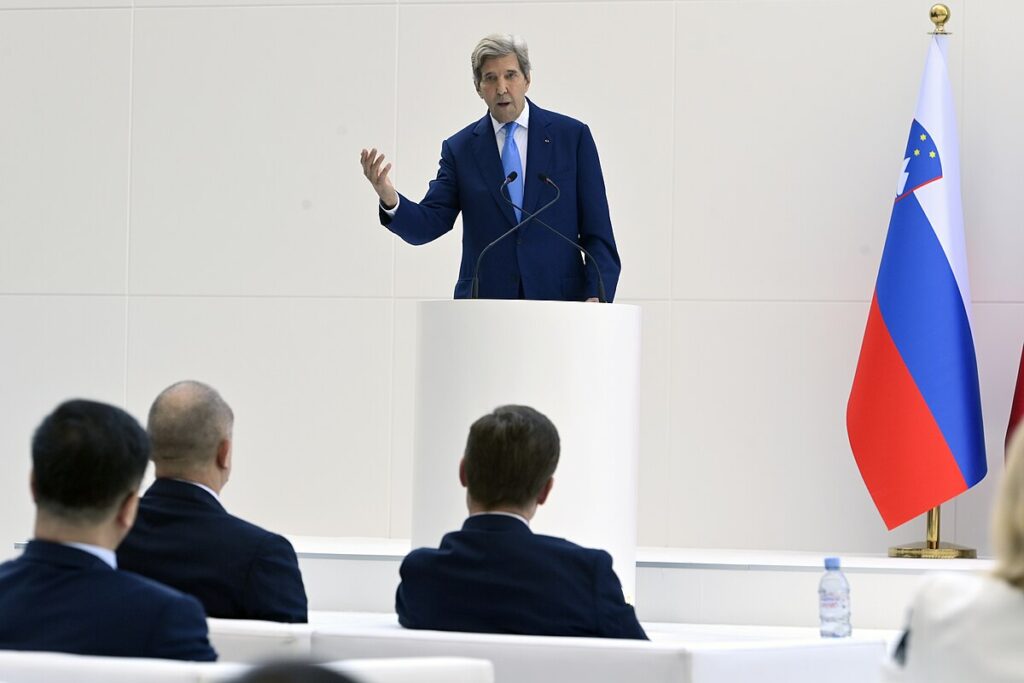
Money is the fuel that powers environmental change, but right now, the tank is running low in the places that need it most. Developing nations are often the most impacted by extreme weather, yet they have the fewest resources to build resilient infrastructure. When funding falls short, these communities are forced to delay their transition to clean energy, prolonging higher global emissions. This isn’t just a financial problem; it’s a question of fairness and global stability for every family involved.
The current imbalance is a major talking point at summits like COP28 and COP29. Countries that contributed the least to historic emissions are now asking for help to deal with the consequences. Without a reliable flow of “climate finance” from wealthier nations, the gap between the world’s richest and poorest will only grow. Helping smaller economies go green is actually a win for everyone, as carbon emissions don’t respect national borders. Closing this funding gap is one of the most practical and necessary steps we can take to get our global climate goals back on track.
Weather Events Slowing Progress
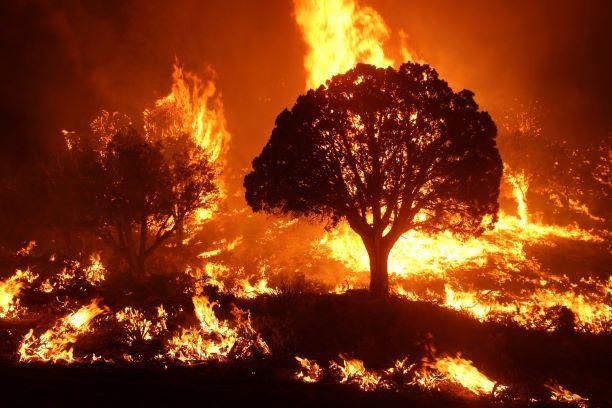
It sounds like a paradox, but the symptoms of climate change are actually making it harder to fight the problem. Extreme weather events, which have become more frequent since 2020, are causing massive disruptions to the very projects meant to help us. For example, severe floods can damage new solar arrays, and intense wildfires can destroy the forests we rely on to soak up carbon. When a community is hit by a disaster, their immediate budget is often redirected toward emergency relief rather than long-term green energy investments.
These disruptions create a difficult “feedback loop.” As the weather gets more unpredictable, the cost of building and maintaining infrastructure goes up. Governments are forced to spend billions of dollars repairing roads and bridges instead of upgrading the power grid or subsidizing electric vehicles. This “crisis mode” can stretch resources thin and distract from the long-term goal of reaching net-zero emissions. To stay on track, we have to find ways to build infrastructure that is not only green but also “climate-proof,” ensuring that our progress can survive the storms ahead.


