
A Man of Many Achievements
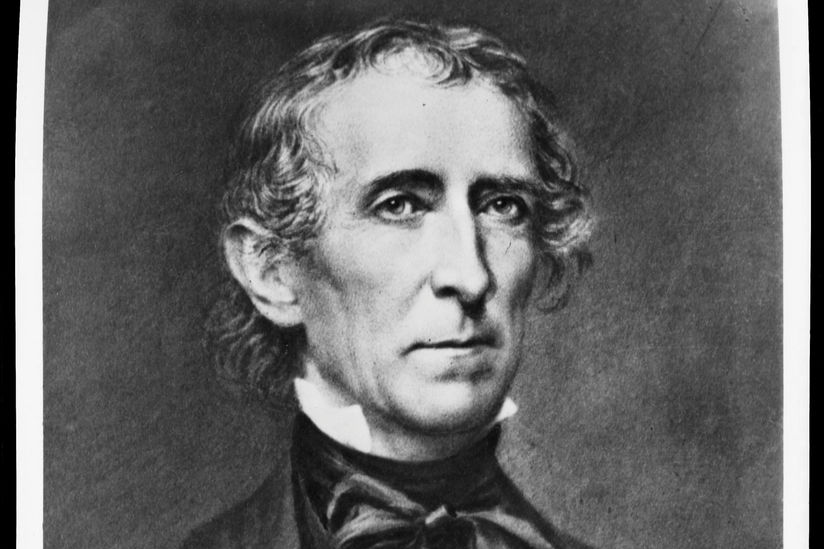
One American president had 15 children, and still had living grandsons in the 21st century. That president was John Tyler. John Tyler (March 29, 1790 – January 18, 1862) was the tenth president of the United States, serving from 1841 to 1845, after briefly holding the office as vice president in 1841. He was elected vice president on the 1840 Whig ticket with William Henry Harrison and succeeded to the presidency following Harrison’s death just 31 days after assuming office. Tyler was a staunch supporter of states’ rights, including on slavery, adopting nationalistic policies only when they did not infringe on the powers of the states. His unexpected rise to the presidency threatened the ambitions of Senator Henry Clay and other Whig politicians, leaving Tyler estranged from both major political parties: the Whigs and the Democrats.
Born into a prominent slaveholding Virginia family, Tyler became a national figure during a period of political upheaval. In the 1820s, the Democratic-Republican Party, then the only major political party, split into different factions. Initially a Jacksonian Democrat, Tyler opposed President Andrew Jackson, criticizing his nullification stance and his expansion of executive power, especially during Jackson’s veto against the recharter of banks. Tyler’s career included serving as a U.S. senator from Virginia, a governor of Virginia, and a member of the U.S. House of Representatives, making him an influential figure in American politics. He also served in the Virginia militia during the War of 1812, attaining the rank of captain.
The President Who Had 15 Children
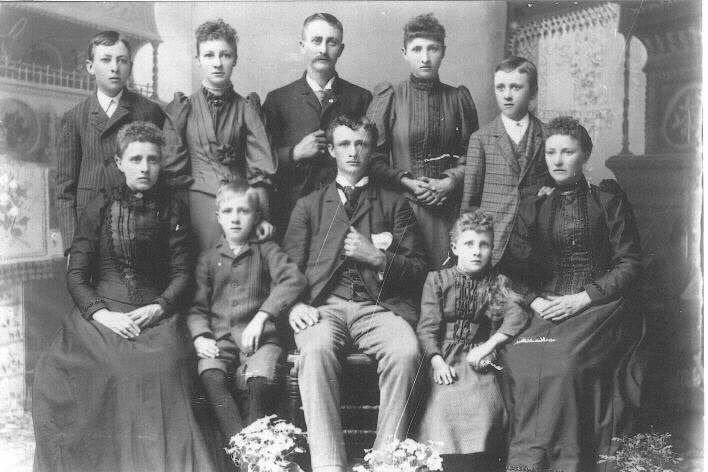
John Tyler occupies a unique place in history that no other president has matched. He fathered 15 children, a record no other American president has matched. To put that in perspective, while most modern families have two or three children, Tyler’s family was five times that size. His first child was born during James Madison’s presidency, and his last arrived just before the Civil War started. Managing such a large family required organization and patience, qualities hard to imagine in a pre-digital age.
What makes this account so compelling is how it connects the past to our modern world in a way that almost resembles science fiction. Tyler’s family line spanned centuries, illustrating that history is a dynamic, living thing rather than just a dusty tome on a shelf. Because he had children later in life, his legacy stayed “young” much longer than his peers. This unique timeline reminds us that the decisions made by one person in the 1800s can still leave a mark in the year 2026.
Tragedy Struck Inside the White House
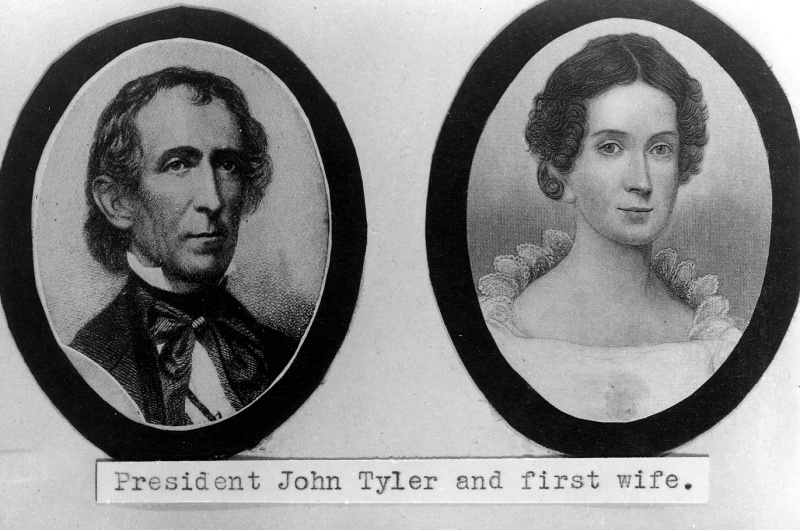
While John Tyler’s life was marked by significant growth, it was also tinged with profound sadness that rippled across the nation. On September 10, 1842, his first wife, Letitia, died within the walls of the White House. This was a historic milestone as she was the first First Lady to pass away during her husband’s presidency. The country watched as the President grappled with the heavy burden of grief while still being expected to carry out his official duties. It was a period of mourning that revealed the vulnerable, human side of the man in the Oval Office.
Letitia’s loss left a deep void in a family that still had several young children at home. Tyler had to find ways to provide emotional stability for his children amid a backdrop of political turmoil. This chapter of his life underscores the reality that even the most powerful figures are not immune to life’s tragedies. His ability to shoulder his responsibilities during such a tough time is often highlighted by historians as a testament to his resilience.
The First President to Marry in Office
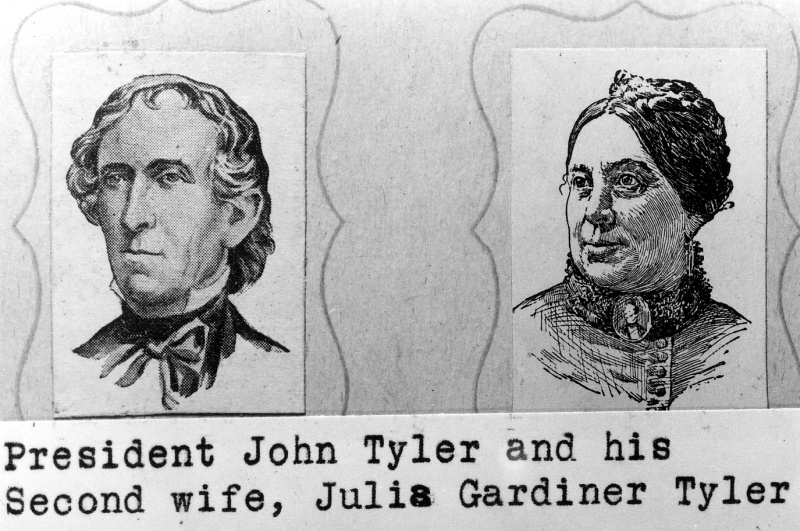
John Tyler once again caught the nation’s attention when he married Julia Gardiner on June 26, 1844. Their secret ceremony in New York City turned into one of the biggest social events of the decade, making Tyler the first sitting president to marry while in office. The news of their union was the talk of every town, largely because Julia was a lively socialite thirty years younger than the President. Their relationship brought a new, energetic vibe to the White House, changing the social atmosphere during the final year of Tyler’s presidency.
This marriage became a media sensation that blurred the lines between private life and public interest. Julia took on the role of First Lady with style and flair, captivating the American public. She was famous for her glamorous parties and her savvy use of the press to boost the President’s social standing. By bringing a new wife and eventually more children into the White House, Tyler showed the world that the residence could be a place of fresh beginnings, forever changing how the public viewed the personal lives of their leaders.
He Kept Having Children for Nearly 50 Years
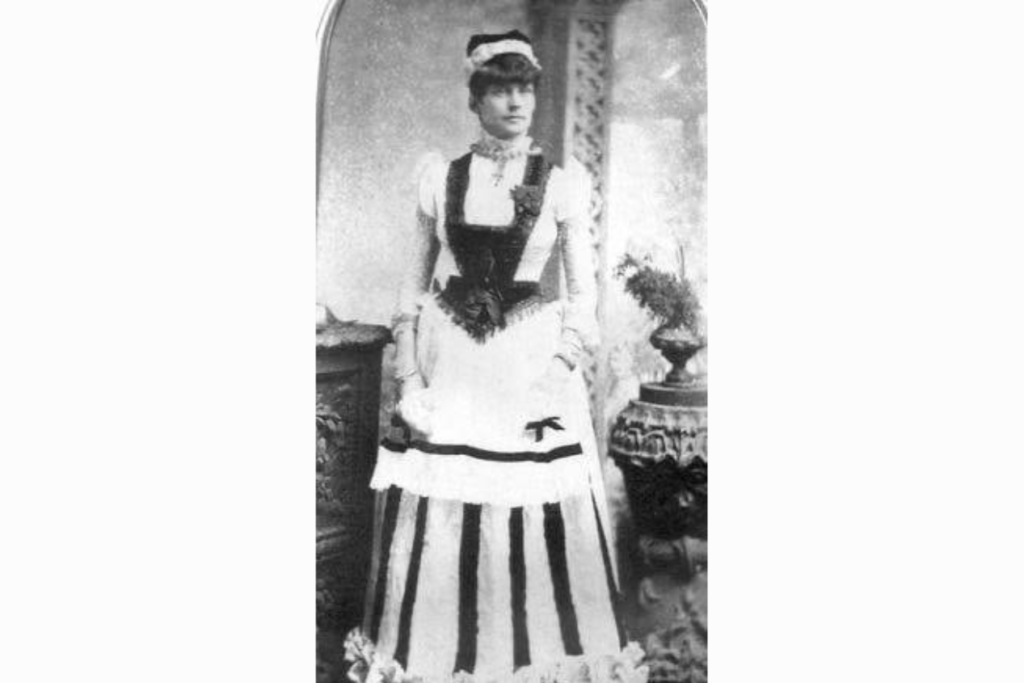
One of the most astonishing facts about John Tyler’s life is the remarkable length of time during which he actively played the role of a father. His eldest daughter, Mary, was born in 1815, the year marking the end of the War of 1812. Fast forward forty-five years to 1860, and Tyler welcomed his youngest daughter Pearl, into the world. This means he spent nearly five decades raising children. Tyler was 25 when his first child was born and 70 when his last child was born.
The vast age difference between his children created a rather unusual household dynamic. Often, Tyler’s older children were old enough to be the parents of his younger ones. This “generational stretch” meant that the family was constantly juggling the concerns of seasoned adults and the needs of infants. For Tyler, this extended timeline is a key reason why his family story continues to attract researchers and historians.
A Family Tree That Reached the 2000s
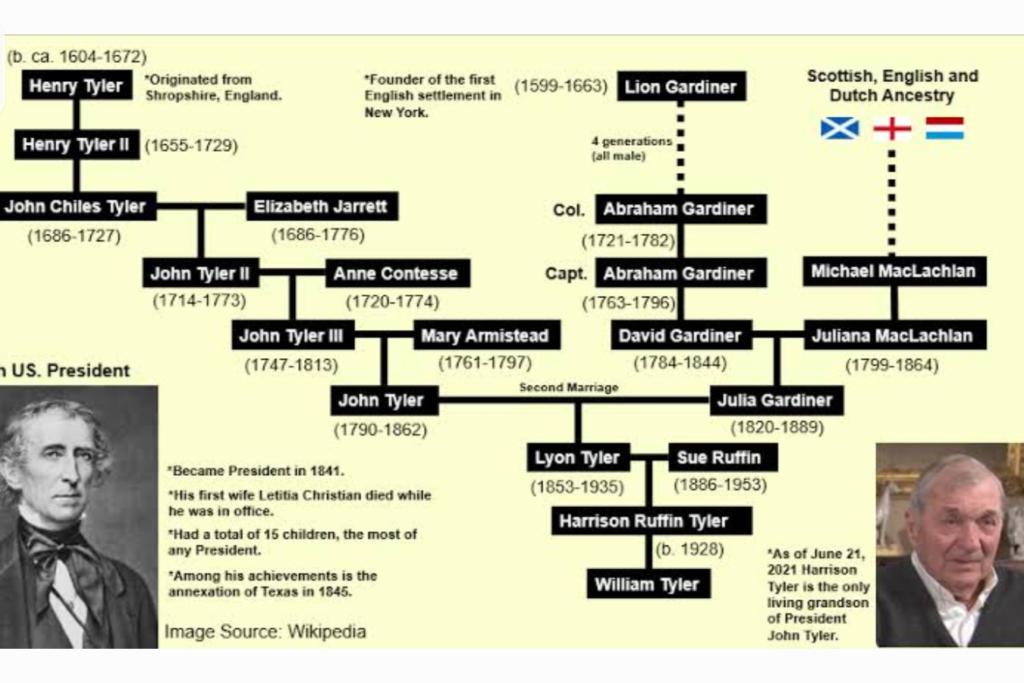
The most remarkable aspect of the Tyler family story is how their timeline spans from the 1700s all the way into the 2000s. John Tyler was born in 1790, during an era when George Washington was still in office. Because Tyler had children late in life, and his son Lyon Gardiner Tyler followed suit, the generations stretched out like an accordion. Lyon even had children in his 70s during the 1920s, creating a historical eyebrow-raiser: John Tyler had living grandsons well into the 21st century. Many people are often taken aback when they first hear this fact.
This extraordinary longevity bridges over 230 years with only three generations. It means that someone alive today could have talked to a person whose grandfather was the 10th President of the United States. This connection makes the early days of American history feel much closer and less like something from long ago. For many, this is the ultimate “fun fact” of presidential history, proving that reality can sometimes be more surprising than fiction.
Life Inside a House With 15 Children
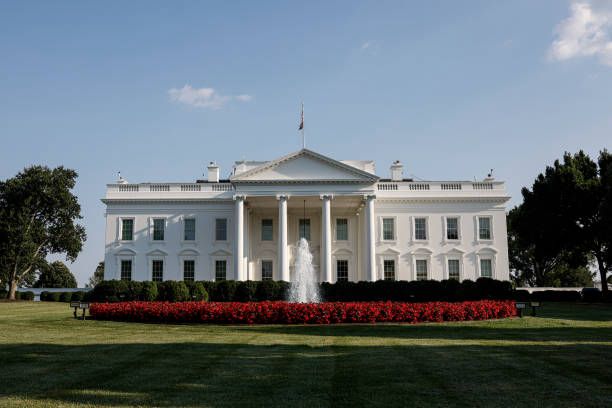
Inside the walls of the Tyler residence, life was a whirlwind of activity that required immense patience and coordination. With 15 children born over several decades, there was never a dull moment or a quiet room. The President’s home operated like a small village, with children of different ages needing varying levels of care, education, and attention. While the President was drafting vetoes or meeting with his cabinet, his children were likely playing in the halls or studying nearby. This domestic chaos sharply contrasted with the formal, often stiff atmosphere of 19th-century politics.
Managing a household this size in the 1800s was a huge challenge. Without modern appliances or instant communication, the daily tasks of feeding, clothing, and schooling so many children were incredibly demanding. Tyler’s dedication to his large family highlights a side of his character that was deeply committed to his roles as provider and mentor. It offers a relatable glimpse into the “work-life balance” of a historical figure, showing that even a president must deal with the messy, beautiful, and loud realities of raising a family in a crowded house.
The Legacy That Outlived His Presidency
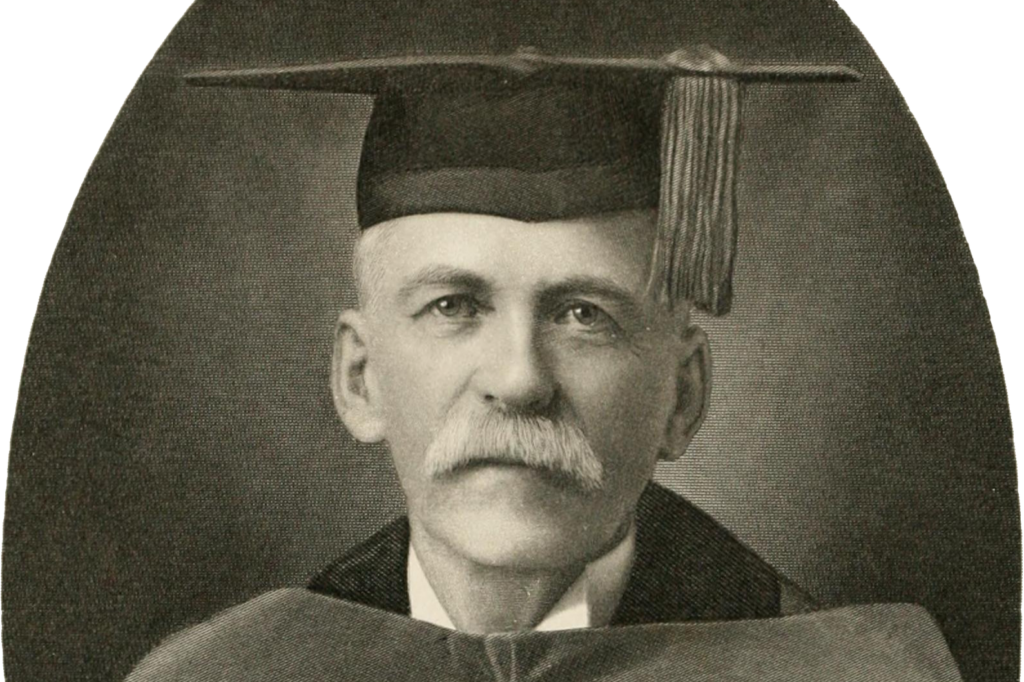
While John Tyler is often remembered for his unusually large family, at least one of his children went on to leave a meaningful mark on American education and historical preservation. His son, Lyon Gardiner Tyler, became a respected educator, historian, and public figure in his own right. He served as the 17th president of the College of William & Mary, one of the oldest institutions in the United States, where he played a key role in reviving the school after the damage and decline it suffered following the Civil War.
During his long tenure, Lyon helped modernize the college, supported the inclusion of women in higher education, and founded a respected historical journal that is still referenced today. His work ensured that important records and stories from early American history were preserved for future generations. In many ways, his achievements show that John Tyler’s legacy was not only about the size of his family, but also about the lasting contributions his children made to the country’s intellectual and cultural life.
The Grandson Who Bridged Centuries

Perhaps the most astonishing part of John Tyler’s story is that his legacy stretched all the way into the 21st century through his grandson, Harrison Ruffin Tyler. Born in 1928, Harrison was not a distant relative but a direct grandson, thanks to two generations of late-in-life fatherhood. He went on to live a full and accomplished life as a chemical engineer, successful businessman, and dedicated preservationist.
Harrison helped restore and maintain Sherwood Forest Plantation, his grandfather’s historic home, and contributed generously to historical and educational causes. When he passed away in 2025 at the age of 96, it marked the end of a remarkable 235-year family timeline that connected the era of George Washington to the modern digital age. In the end, Tyler’s story is a powerful reminder that leadership and family are deeply intertwined. His personal experiences, his two marriages, his many children, and the vast span of his family’s timeline, shaped the man who led the country through a transitional period. By looking at his life through the lens of his 15 children, we get a much richer, more colorful picture of American history.


