
1. Familiar Street Rhythm
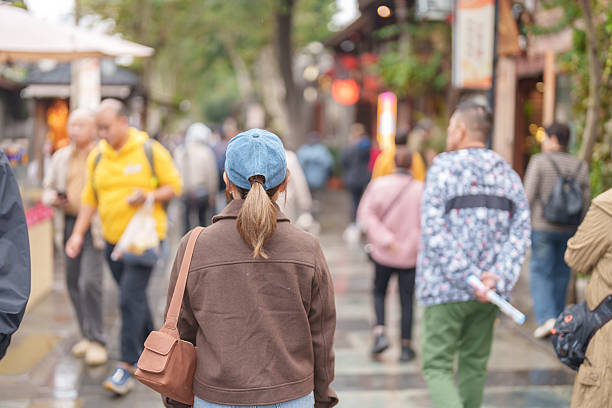
Sometimes it begins with something you don’t consciously notice at first. You step into a new city, and instead of feeling unsure, your body adjusts almost immediately. The pace of walking feels natural, not rushed and not slow. People cross the street in a way that makes sense to you, cars pause at just the right moment, and somehow you don’t feel like you’re constantly calculating your next move. It’s subtle, but it matters. You’re not observing the rhythm from the outside, you’re already part of it. “I didn’t have to figure it out, I just moved with it,” one traveler shared, trying to explain why the place felt easy from the start.
That kind of ease often comes from patterns you’ve already experienced somewhere else. Maybe it reminds you of a city you grew up in, or a place you once visited and quietly understood. The human body remembers movement in ways we don’t always realize. So when a city matches that internal rhythm, it removes a layer of effort. You’re not translating every action, you’re simply responding. And when movement feels natural, everything else begins to settle. Conversations feel easier, navigation feels lighter, and the city slowly stops feeling like something you have to learn. It just becomes something you can move through without resistance.
2. Echoes of Home
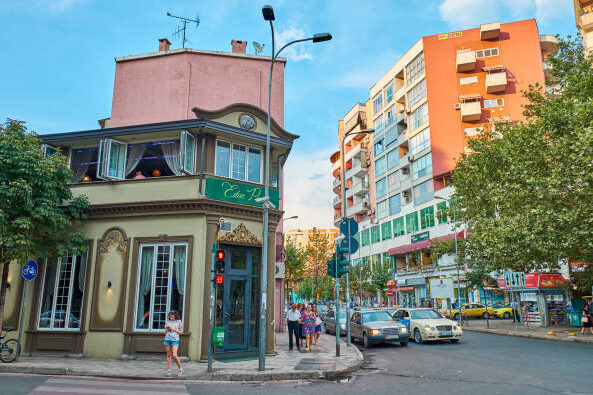
It’s rarely one big thing that creates familiarity. Most times, it’s a collection of small, almost forgettable details. You pass a corner shop that looks like one near your house, or you notice the way balconies are arranged in a way that feels familiar. Maybe it’s the spacing between buildings, or how the streets curve slightly instead of running straight. None of these things stand out on their own, but together, they begin to create a quiet sense of recognition. “It felt like a place I already knew, just in a different version,” someone once wrote, and that captures the feeling perfectly. Familiarity doesn’t need exact matches, it just needs enough resemblance to trigger memory.
These echoes don’t announce themselves, they just sit quietly in the background, making everything feel less distant. And the more you notice them, the more the city begins to soften around you. It stops feeling like a completely new environment and starts to feel like an extension of something you’ve already experienced. That’s what makes it comforting. Not because it’s the same, but because it’s close enough to feel connected. And in that connection, you begin to relax without even realizing it.
3. Language That Feels Close
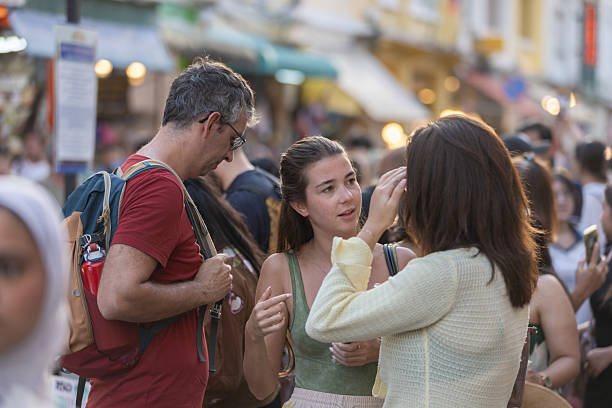
Language can be one of the biggest barriers when traveling, but sometimes it doesn’t feel that way. Even in places where you don’t fully understand what’s being said, there are moments where the language feels approachable. Maybe certain words sound similar to ones you already know, or the tone of conversation feels familiar. You pick up on gestures, expressions, and rhythms that help you follow along, even without full comprehension. “I couldn’t speak it, but I didn’t feel shut out either,” one traveler explained, and that balance is important. It creates a sense of inclusion without requiring perfection.
You’re not fluent, but you’re not completely lost either. And that middle ground makes a difference. It removes the pressure to understand everything and replaces it with a quieter confidence. You begin to trust that you’ll figure things out as you go. Over time, even simple interactions like ordering food or asking for directions start to feel manageable. And when communication feels possible, even in a limited way, the city becomes less intimidating. It opens up just enough for you to feel like you belong in it, even if only for a short time.
4. Shared Social Cues
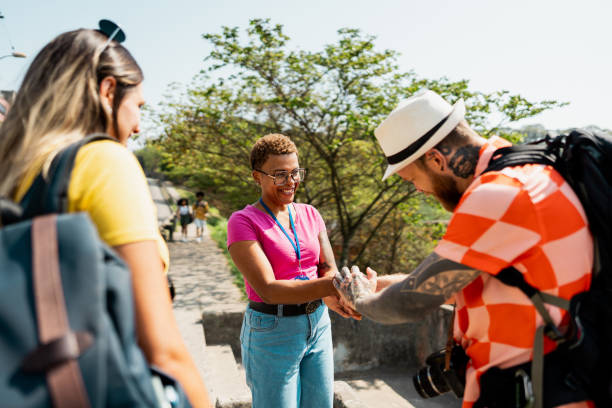
Every city has its own way of doing things, but some feel easier to understand than others. You notice how people stand in line, how they greet each other, how they respond when you ask for help. These small social cues shape how comfortable you feel without you even realizing it. When those cues align with what you’re used to, everything feels smoother. You don’t have to pause and wonder if you’re doing the right thing. “It was easy to know what to do without thinking,” someone noted, reflecting on their experience. That ease comes from recognition.
You understand the unspoken rules, the small behaviors that guide everyday interactions. And because of that, you move with more confidence. You’re not second-guessing your actions or worrying about standing out too much. Instead, you blend in naturally, even if you’re clearly not from there. These shared social patterns create a sense of familiarity that goes beyond physical surroundings. They make the city feel predictable in a comforting way. And when you don’t have to think too hard about how to behave, you can focus more on experiencing the place itself.
5. Predictable Layouts
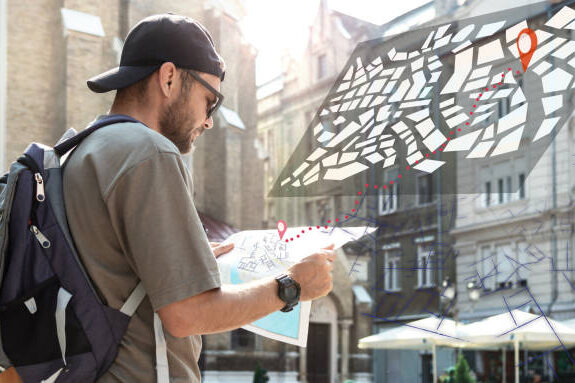
Some cities feel easy to navigate from the very beginning. Not because they’re small, but because they make sense. Streets connect in ways that feel logical, signs are placed where you expect them, and landmarks are easy to recognize. You don’t feel like you’re constantly checking your map or second-guessing your direction. “I only got lost once, and even then, it was easy to find my way back,” a traveler mentioned, and that says a lot about how layout shapes experience. When a city is predictable, it removes a layer of stress.
You’re not worried about making wrong turns or ending up somewhere unfamiliar. Instead, you trust that even if you do take a wrong turn, you’ll figure it out quickly. That sense of control makes the environment feel less overwhelming. It allows you to explore more freely, without the constant need to plan every step. And over time, that ease builds familiarity. The city starts to feel understandable, almost like a place you’ve known longer than you actually have.
6. Familiar Sounds
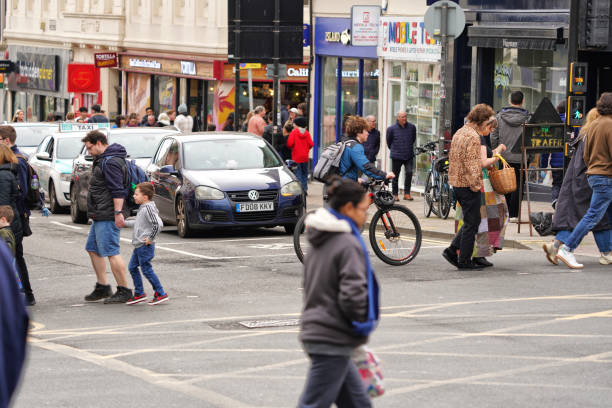
Sometimes, it’s not what you see that settles you, but what you hear. You step into a city and the soundscape feels oddly recognizable. The hum of traffic isn’t too chaotic, conversations blend into the background in a way that feels natural, and even the distant noises; music from a shop, footsteps on pavement, a passing horn, carry a rhythm that doesn’t feel foreign. It’s not identical to what you’re used to, but it’s close enough to feel comfortable. “It sounded like somewhere I’d been before,” someone said once, trying to explain that quiet sense of ease. Sound has a way of bypassing logic.
You don’t analyze it the way you do visuals, you just feel it. And when a city sounds familiar, it creates an immediate sense of calm. You’re not on edge, not trying to filter or adjust. Instead, you move through it with a kind of quiet acceptance. Over time, those sounds begin to anchor your experience. The same street noise in the morning, the same background chatter in the evening. And without realizing it, you begin to associate those sounds with comfort. They stop being unfamiliar and start feeling like part of your routine, even if you’ve only been there for a short while.
7. Food That Feels Known

Food has a way of closing the gap between unfamiliar and familiar almost instantly. You might be trying something completely new, but there’s often a detail that feels recognizable. A certain spice, a cooking style, the way it’s served, or even how it’s shared. These small points of connection make the experience feel less like a risk and more like an extension of something you already understand. “It wasn’t the same as home, but it felt close enough,” a traveler shared, and that’s usually all it takes. That sense of “close enough” softens everything. You’re more open to trying new things because there’s a layer of familiarity underneath it.
Even when the flavors are different, they don’t feel completely distant. And that makes the city feel more approachable. Meals become less about adjusting and more about enjoying. Over time, certain dishes begin to feel comforting in their own way, even if you’ve only had them once or twice. And when food starts to feel familiar, the place itself begins to follow. It becomes easier to settle in, to explore, and to feel like you’re not entirely out of place.
8. Architecture That Resonates
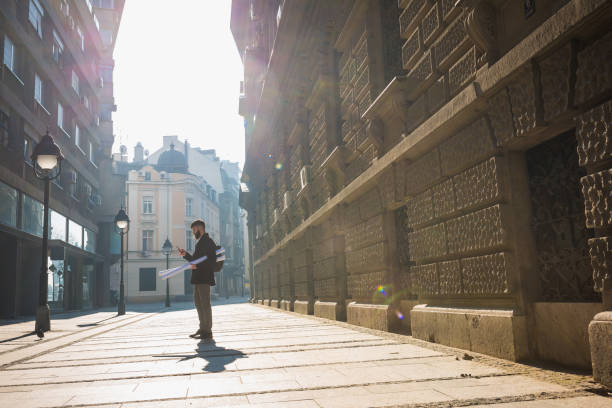
Buildings can shape how a place feels more than we often notice. It’s not always about recognizing a specific structure, but about how the overall space is arranged. The height of buildings, the spacing between them, the way streets open up or narrow down. These elements create a visual rhythm that either feels overwhelming or surprisingly comfortable. “It reminded me of somewhere, I just couldn’t place it,” someone reflected, and that’s usually how it happens. The familiarity isn’t exact, it’s more of an impression. Maybe it’s the way sunlight falls between buildings, or how balconies are designed, or even the colors used across the city.
These details come together to create a sense of recognition that’s hard to explain but easy to feel. When architecture resonates, it makes the environment feel less intimidating. You don’t feel dwarfed by it or disconnected from it. Instead, you feel like you understand how to exist within it. And that understanding creates comfort. It allows you to move through spaces without hesitation, to pause and take things in without feeling overwhelmed. Over time, those structures stop being just buildings and start feeling like part of a place you know.
9. Emotional Timing

Sometimes, the familiarity has less to do with the city and more to do with you. The mood you arrive in, the experiences you’ve had recently, even what you’re looking for at that moment all shape how a place feels. A city might feel familiar simply because it meets you at the right time. Not too early, not too late, just when you’re ready for it. “I think I was just ready for it,” one traveler admitted, and that honesty explains a lot. When your internal state aligns with your environment, everything feels easier. You’re more open, more observant, more willing to connect with what’s around you. And because of that, the city feels like it fits.
It’s not forcing you to adjust too much, and you’re not resisting it either. That alignment creates a sense of familiarity that goes beyond physical details. It feels personal. Like the place understands you in some quiet way. And while that might not always be the case, the feeling itself is real. It shapes your experience, making the city feel less like somewhere new and more like somewhere you were meant to be, even if only for a short time.
10. Small Acts of Kindness
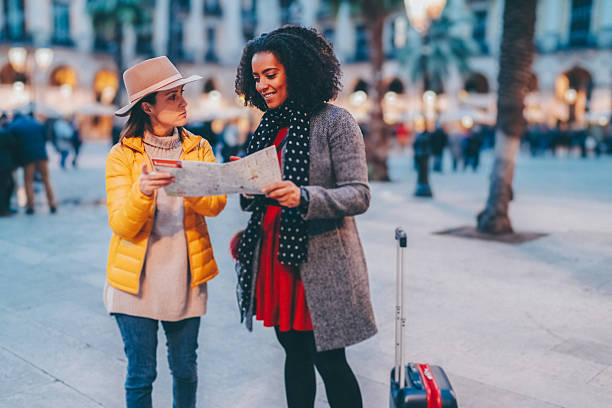
It doesn’t always take much to change how a place feels. Sometimes, it’s just one interaction. Someone giving you directions without hesitation, a stranger holding the door, a brief smile exchanged in passing. These moments are small, almost easy to overlook, but they carry a certain weight. “It only took one kind person to make the whole place feel different,” someone shared, and that shift can happen instantly. Kindness creates a sense of safety and welcome that goes beyond the physical environment.
It reminds you that even in an unfamiliar place, there’s a shared human understanding. And that understanding makes everything feel softer. You’re less guarded, more open, more willing to engage. Over time, these small moments begin to shape your overall impression of the city. It stops feeling distant and starts feeling approachable. And while you might not remember every detail of the place, you’ll remember how it made you feel. And often, that feeling comes down to moments that were simple, brief, and quietly meaningful.
11. Repeated Patterns
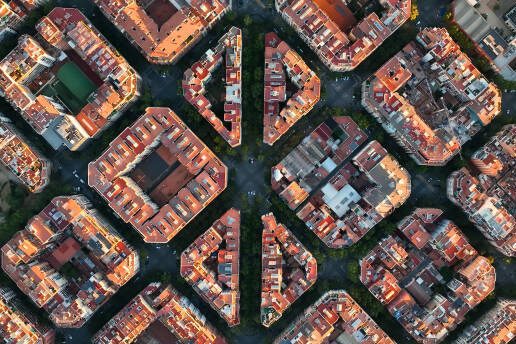
The longer you stay in a city, even for a short trip, the more patterns begin to reveal themselves. You notice the same types of shops appearing on different streets, similar layouts repeating in different areas, familiar routines playing out at different times of the day. These patterns create a sense of predictability that makes the place feel easier to understand. “After a while, I felt like I understood how things worked,” a traveler noted, and that understanding builds gradually. It’s not something you’re taught, it’s something you observe. And as those observations add up, the city starts to feel less random.
You begin to anticipate things, to recognize how spaces function, to move with a bit more confidence. That predictability doesn’t make the city boring, it makes it comfortable. It gives you a sense of orientation, even if you don’t know every detail. And in that comfort, familiarity begins to grow. What once felt new starts to feel known, not because you’ve mastered it, but because you’ve seen enough of it to understand its rhythm
12. A Sense of Belonging
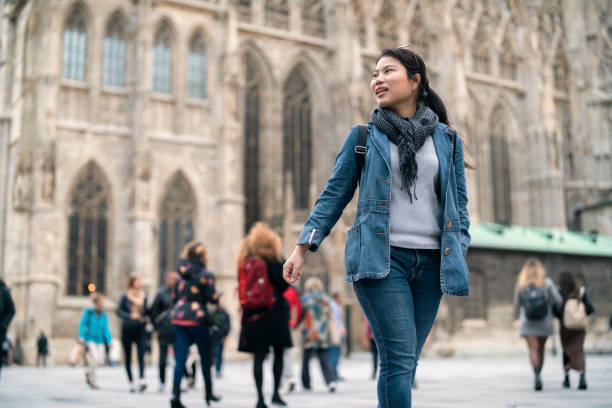
At some point, without a clear reason, something shifts. The city stops feeling like a place you’re visiting and starts to feel like a place you can exist in. You walk without overthinking, make decisions more easily, and move through spaces with a quiet confidence. It’s not exactly like home, but it’s close enough to feel comfortable. “I didn’t feel like I was visiting anymore,” someone said, reflecting on their experience, and that feeling is made up of everything that came before it. The rhythm, the sounds, the people, the small interactions, the moments of ease.
They all come together in a way that feels natural, not forced. And when that happens, the city leaves a different kind of impression. It’s not just somewhere you went, it’s somewhere that stayed with you. Even after you leave, parts of it linger. The way it felt to walk through it, the ease of existing in it, the quiet familiarity that didn’t need explanation. And maybe that’s what makes certain cities unforgettable. Not because they were extraordinary in obvious ways, but because they felt like somewhere you already belonged, even if only for a moment.


