
Energy Security Comes First Now
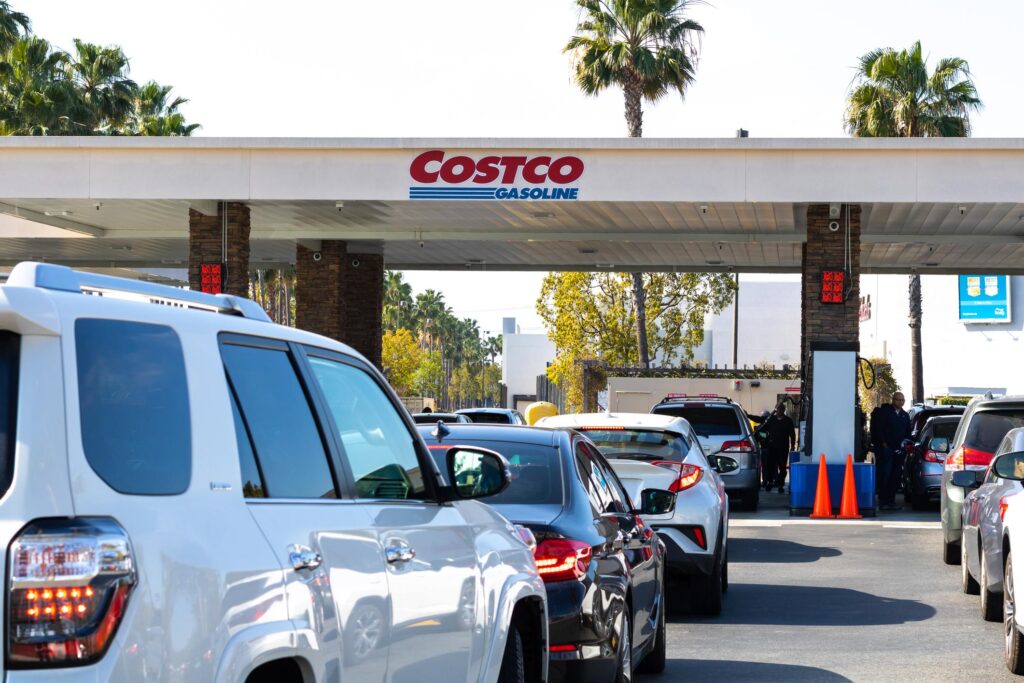
One of the main reasons countries still grow their oil output is the urgent need for energy security. National leaders want to ensure their citizens have reliable access to fuel, especially when the world feels unpredictable. When a country produces its own oil, it reduces its reliance on foreign nations that might be affected by political tension or conflict. The Russian invasion of Ukraine on February 24, 2022, triggered a profound and immediate crisis in global energy supply chains. This resulted in record-high prices for natural gas and oil, and exposing the intense vulnerabilities of nations reliant on concentrated energy imports, particularly in Europe.
The conflict exacerbated an already tight market that was recovering from the COVID-19 pandemic, forcing countries to restructure their energy dependencies and rethink national security strategies. While meeting climate goals is a vital long-term objective, the immediate duty of a leader is to keep the lights on and the economy moving smoothly today. This often leads to new investments in fossil fuels even as green technology grows. It is a tough balancing act between protecting the environment for tomorrow and keeping families safe and warm right now, making the transition to cleaner energy a slower process than many people initially hoped for.
Profits Drive Continued Industry Growth
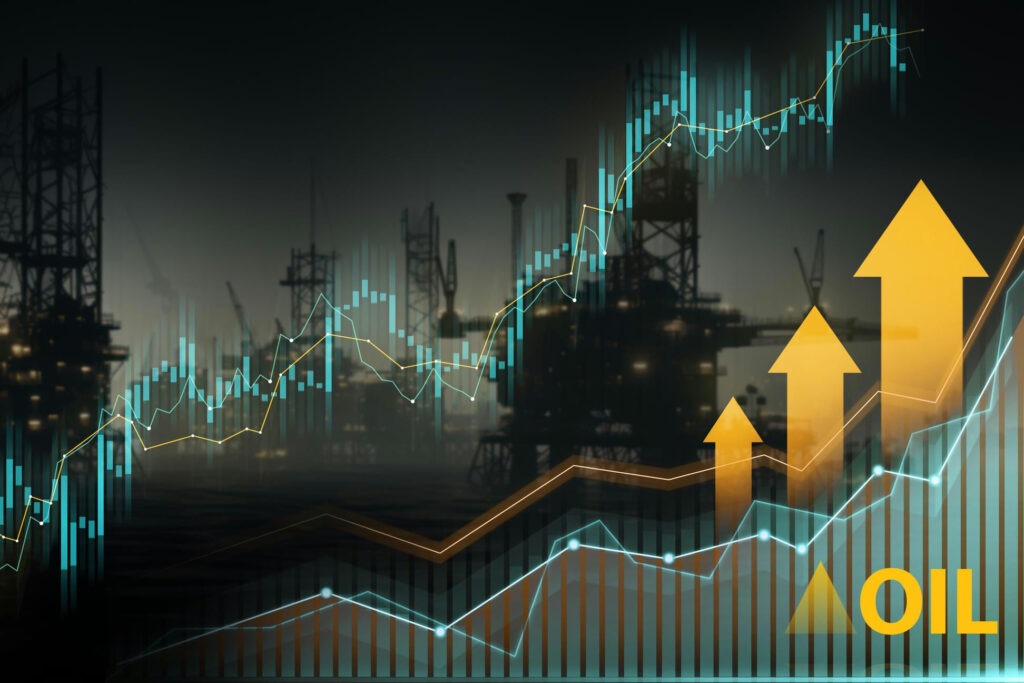
Oil remains one of the most profitable sectors globally, and those financial gains are very tempting for companies to ignore. When global crude oil prices spiked in 2022 and 2023, energy companies saw a huge opportunity to deliver high returns for their shareholders. This surge in cash naturally draws more investment into finding and extracting more oil. This creates a cycle where high profits lead to increased drilling, keeping the industry expanding even during times when public pressure pushes for a switch to cleaner, renewable energy sources. For many local and national governments, these profits are a vital source of tax revenue and export income.
This money often funds public schools, roads, and emergency services that communities depend on daily. While the world spent around $1.7 to $1.8 trillion on clean energy in 2023, such projects usually take years to turn a profit. Of the roughly $2.8 trillion invested globally in energy that year, over $1.7 trillion went into clean energy technologies like renewables, nuclear power, electric vehicles, grid upgrades, storage, and heat pumps. Investment in solar power in 2023 was expected to surpass $1 billion a day, amounting to about $380 billion for the year – outpacing capital spent on oil production for the first time. The growth was driven by rising concerns over energy security, fluctuating fossil fuel prices, and strong policy support, including the U.S. Inflation Reduction Act.
The Powerful Shale Drilling Revolution
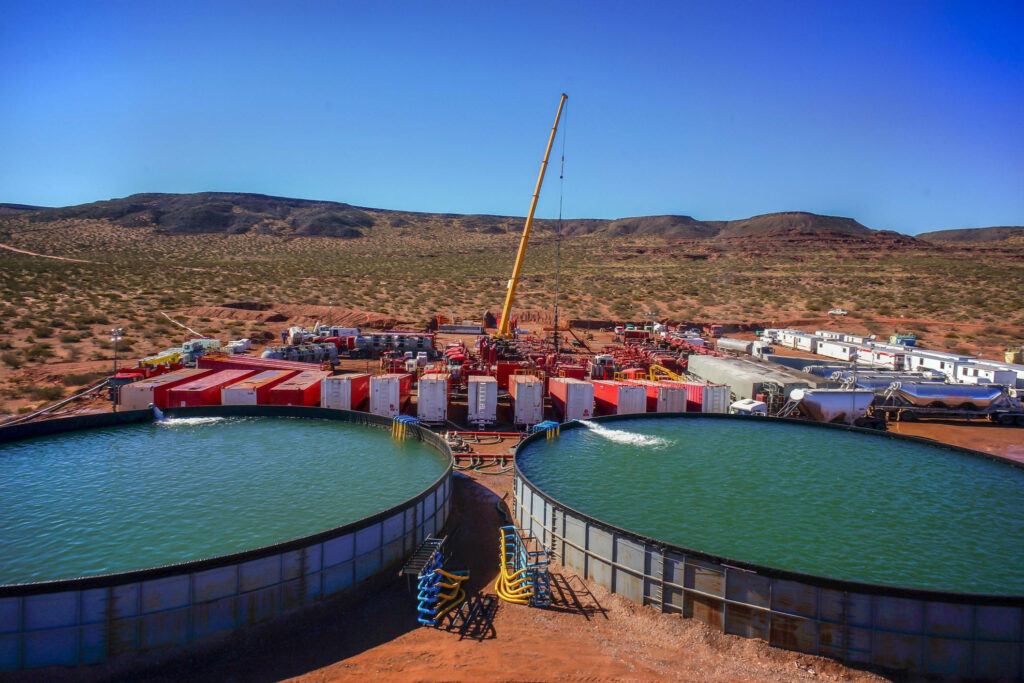
Technological breakthroughs have made getting oil out of the ground faster and more affordable than ever before. For example, the widespread use of hydraulic fracturing and horizontal drilling, which gained massive steam around 2008, allowed companies to reach huge oil reserves that were once impossible to touch. This “Shale Revolution” turned countries like the United States into top global producers almost overnight. Because these new methods are so efficient, it makes a lot of financial sense for companies to keep using them to provide energy to a world that still needs it.
As the cost to extract this oil drops, it stays profitable even if market prices fluctuate. This creates a momentum that is very difficult to stop. Once a company has spent millions of dollars on specialized equipment and trained thousands of workers, they are highly motivated to keep producing to earn back their investment. This technological success has essentially created a “supply push,” where the ease of production keeps oil flowing into the market. While we are making progress on solar and wind, the sheer efficiency of modern drilling technology ensures that fossil fuels remain a dominant part of our current energy reality.
Global Demand For Oil Persists
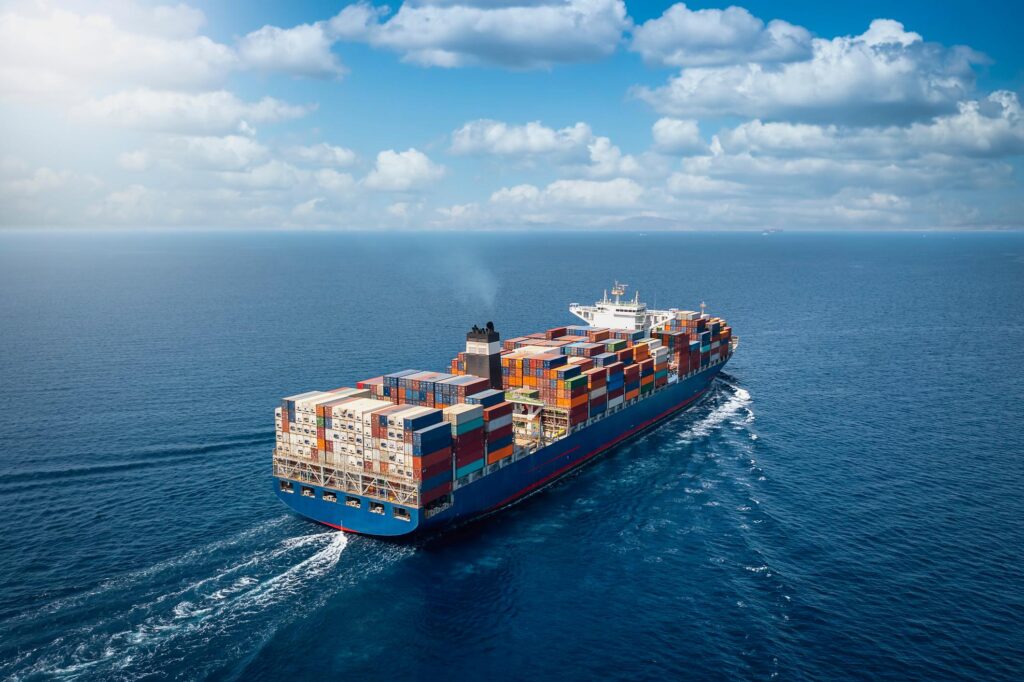
Even though renewable energy is growing fast, the world’s hunger for oil has not yet reached its peak. Modern life still depends heavily on petroleum for things like shipping goods across oceans, flying planes, and manufacturing everyday products. In 2023, global oil demand actually hit record highs as people traveled more and developing nations expanded their economies. As more people around the world enter the middle class, they buy cars and use more electricity, and currently, oil is often the most available way to meet those growing needs.
This steady demand gives producers a very strong reason to keep the supply coming. While electric vehicles are becoming more common, they still represent only a small fraction of the billions of cars on the road today. Many heavy industries, like steel and chemical production, do not have an easy way to run on electricity yet. Because the world is not yet ready to fully function without it, producers step in to fill the gap. This ensures that global trade and transportation don’t grind to a halt while the long, slow shift toward alternative energy sources continues to develop.
Creating Jobs And Economic Growth
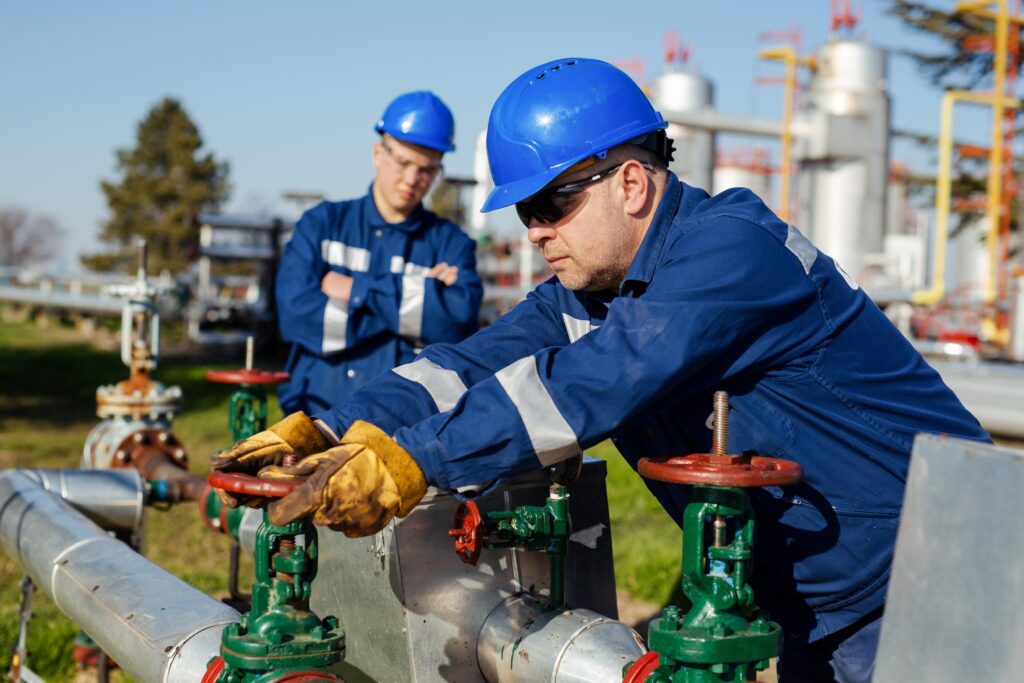
The oil industry is a massive employer, supporting millions of families through jobs in drilling, refining, and engineering. These roles often provide high wages that sustain entire towns and boost local businesses. In many regions, the local economy is built entirely around energy production. If a government were to shut down these operations too quickly, it could cause thousands of people to lose their livelihoods and lead to an economic crisis in those communities. This human element makes the transition away from oil a very sensitive political issue.
Because of these stakes, policymakers usually choose a cautious path. They try to find a balance between protecting the planet and protecting people’s paychecks. By allowing oil production to continue, they buy time to build up new industries, like wind turbine manufacturing or battery technology, which can eventually offer similar employment opportunities. This strategy aims for a “just transition” where no worker is left behind. However, building an entirely new workforce takes years of training and investment. Until those new jobs are fully ready, the reliable economic engine of oil production continues to run to keep the global workforce stable.
Infrastructure Locks Us Into Oil
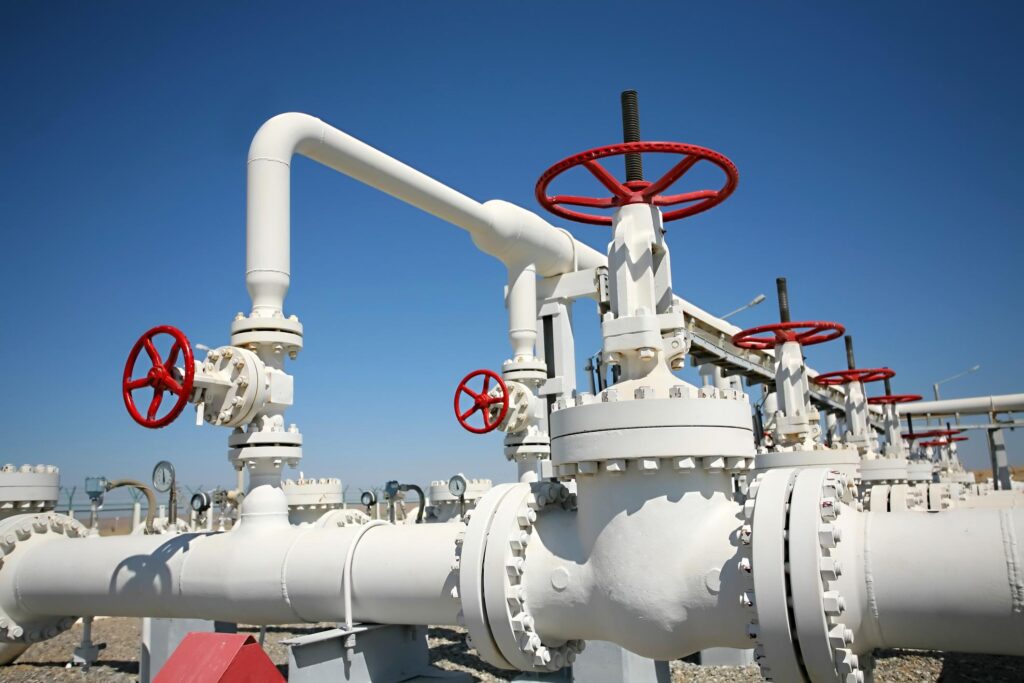
Most modern cities and economies were built specifically to run on fossil fuels, creating what experts call “infrastructure lock-in.” Think about the thousands of miles of pipelines, massive refineries, and storage tanks that cost billions of dollars to build over the last several decades. These assets are designed to last for 40 years or more. Since companies and taxpayers have already invested so much money into these systems, there is a very strong push to keep using them until they have fully paid for themselves. It is difficult to walk away from such expensive investments.
This situation creates a “path dependency,” where it is easier and cheaper to keep doing what we are already set up for than to start over from scratch. Switching to a totally green system requires building an entirely new grid, millions of charging stations, and new ways to heat homes. While we are making progress, for instance, global investment in the energy transition hit $1.1 trillion in 2022, the existing oil infrastructure is still huge and functional. This massive network acts like an anchor, slowing down the speed of change and ensuring that oil remains a central part of our lives while the new system is built.
Complex Realities Of Modern Refineries
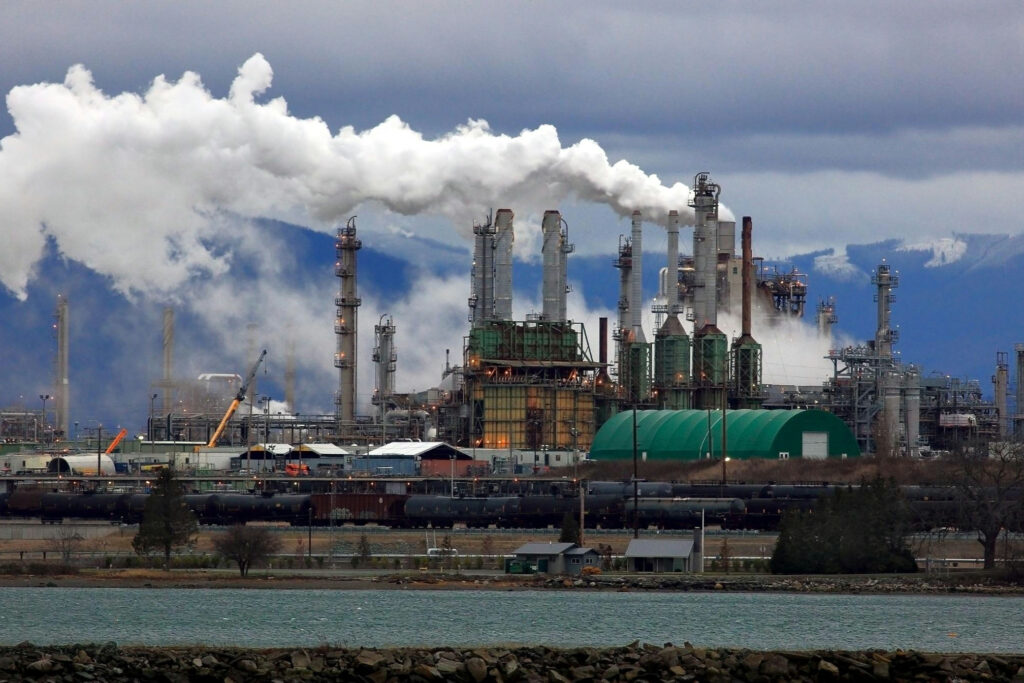
It is a common mistake to think all oil is the same, but refineries are actually highly specialized machines. Many facilities, especially those built in the late 20th century, were designed to process specific types of “heavy” or “sour” crude oil from certain parts of the world. If a country produces a different kind of “light” oil, they might still need to import the heavy kind to keep their refineries running efficiently. This creates a complex web of global trade where countries are often exporting and importing oil at the very same time.
These technical requirements often lead to higher production levels overall. To keep the economy stable and the refineries profitable, nations may expand their own drilling while still buying from others to get the right “mix” for their machines. This structural reality makes it much harder to simply “turn off” oil production. Even if a country wants to be more environmentally friendly, they have to deal with the physical limits ofitsr existing equipment. Until refineries are retrofitted or replaced, which costs billions and takes years, the technical demand for various types of oil will continue to drive production around the globe.
Managing Naturally Declining Oil Wells
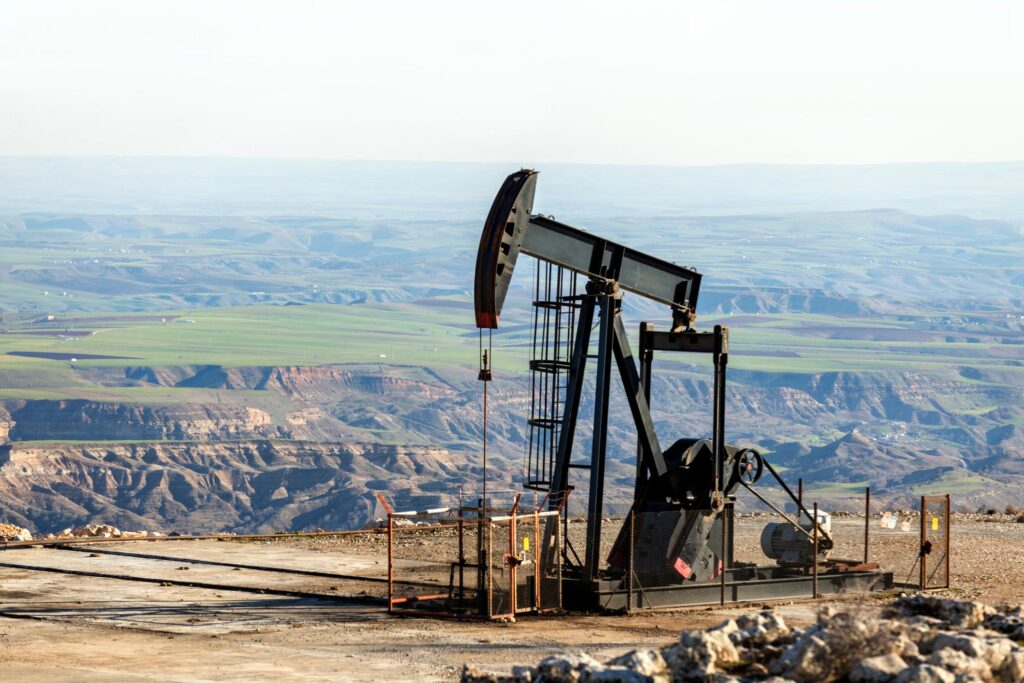
A little-known fact about the energy industry is that oil wells naturally lose their “push” over time. After a well is drilled, its output begins to drop as the underground pressure decreases. This means that if the world wants to keep the same amount of energy available next year as we have today, companies have to constantly drill new wells just to make up for the ones that are drying up. In the oil business, standing still actually means falling behind, which forces a cycle of continuous new exploration and development.
This constant need for new projects can make it look like the industry is aggressively expanding when, in reality, they are often just trying to prevent a total energy shortage. To actually reduce global oil production, we would have to stop drilling new wells and carefully manage the decline of old ones without causing prices to skyrocket. This is a very difficult needle to thread. Because the world still needs a steady supply of fuel for schools, hospitals, and trucks, companies continue to invest in new sites to ensure there isn’t a sudden drop in energy that could hurt the global economy.
Oil As A Geopolitical Tool
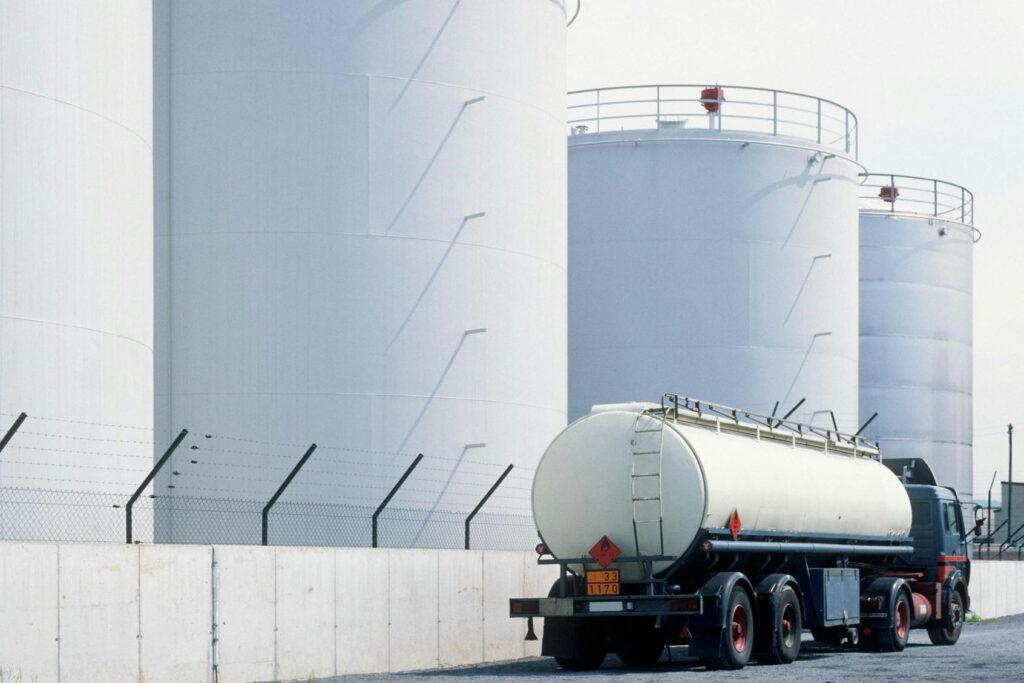
Oil is much more than just a source of power; it is a key part of how countries interact on the world stage. Nations that export large amounts of oil often hold a lot of “soft power,” allowing them to build strong alliances and influence global markets. Being a major energy producer gives a country a seat at the table during important international negotiations. For many decades, energy exports have been used as a tool for diplomacy, helping countries secure their borders and strengthen their positions against rivals.
Because of this strategic value, many governments are hesitant to cut back on production and lose their influence. Even as they talk about climate change, they recognize that having control over energy resources is a matter of national strength. For example, during the global energy shifts of 2022, countries with high production levels were able to navigate the crisis much more effectively than those that relied on others. This geopolitical reality means that oil production is often tied to national pride and security, and deciding to scale back is much more complicated than just looking at environmental data alone.
Transitioning Systems Takes Real Time
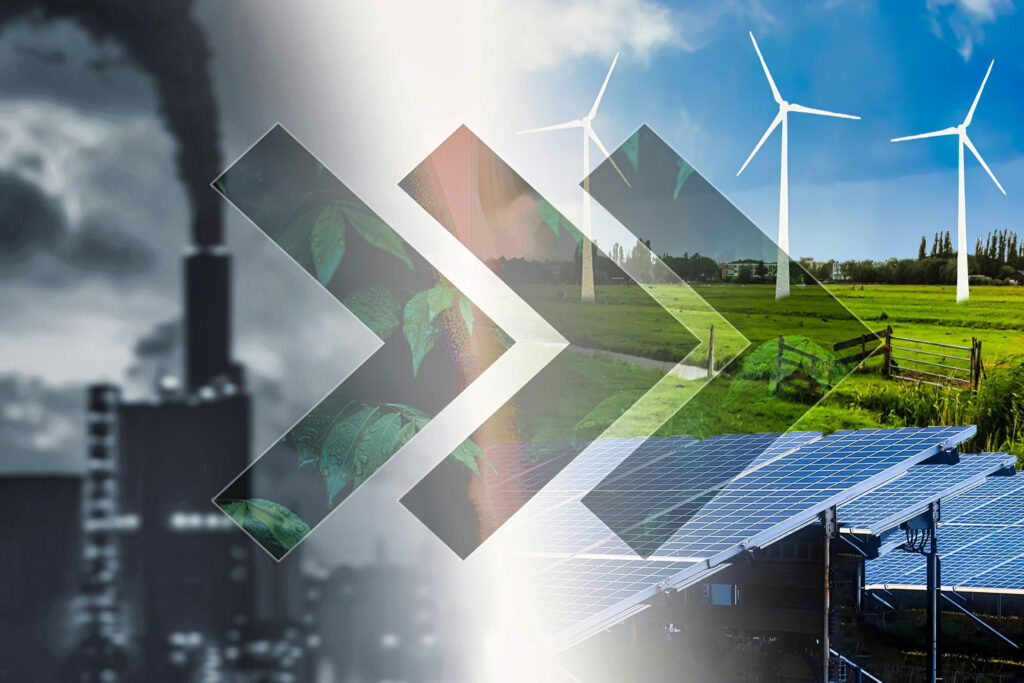
Changing the entire world’s energy system from fossil fuels to renewables is a massive project that simply cannot happen overnight. It is like trying to rebuild an airplane while it is still flying. We need to invent new technologies, update building codes, and change how billions of people live their daily lives. While we have seen incredible growth in wind and solar power over the last decade, these sources still only provide a portion of the world’s total energy. The scale of the change required is truly historic and requires a steady hand.
This gradual pace is not just about a lack of will; it is about practical reality. We need oil to build the very things that will eventually replace it, like the plastic for wind turbine blades or the fuel for trucks that deliver solar panels. Until the new green system is large enough to power everything on its own, oil will continue to play a supporting role. We are currently living in an “overlap” period where the old and new systems exist together. Acknowledging that this shift takes time helps us stay focused on the long-term goal without causing chaos in the present.


