
Why the always-on mindset costs more than it gives

Hustle culture has really changed the way we look at success in the U.S. lately. It used to be about simple motivation, but now it feels like an unwritten rule that you have to be working, improving, or chasing a “side gig” 24/7 just to keep your head above water. For a lot of families, this doesn’t feel like an ambitious choice anymore; it feels like a mandatory requirement to stay relevant in a fast-paced economy.
The problem is that this “grind” isn’t as glamorous as it looks on social media. Since 2021, research has shown a massive spike in burnout, with many professionals reporting that their mental health and family time are suffering. When the vast majority of workers say they’ve felt burnt out, we have to wonder if the “always-on” system is actually broken. It promises us a big payoff, but for many, it just ends up delivering exhaustion and strained relationships instead of the dream life.
Burnout disguised as dedication

Most people think hustle culture is just about having big dreams, but it often ends up normalizing a state of constant exhaustion. We’ve reached a point where working long hours and dealing with intense pressure is seen as “paying your dues” or being a “team player.” This makes it really hard for people to step back and realize that their health is taking a major hit. In this environment, feeling totally drained becomes the new normal rather than a red flag.
The reality is that true burnout isn’t just being a little tired after a long week. According to studies highlighted in 2022, it involves deep emotional exhaustion and a feeling that your work doesn’t even matter anymore. When so many people feel this way, it’s a cultural problem, not a personal one. We’re trapped in a cycle where we push ourselves past healthy limits because we’re afraid of falling behind. It’s a quiet pressure that keeps everyone running on empty.
Using exhaustion as a status symbol

In many offices today, being busy isn’t just a side effect of work; it’s a way to show off how important you are. You’ll hear people casually mentioning how they only got four hours of sleep or showing off their back-to-back meeting schedules like it’s a badge of honor. This “stress bragging” sends a message that if you aren’t overwhelmed, you must not be working hard enough. It completely flips the idea of healthy success on its head.
The irony here is that being tired actually makes us worse at our jobs. Scientific data from the last few years proves that sleep deprivation and chronic stress destroy our ability to focus, remember things, and make good decisions. Even though science tells us we’re less effective when we’re overworked, our culture continues to praise the people who look the most stressed out. We need to start realizing that being exhausted isn’t a sign of winning; it’s a sign that we need a break.
Why the blame usually falls on you

Hustle culture loves the idea that your success is 100% in your hands. The mantra is usually something like, “If you want it bad enough, you’ll find a way.” While that sounds super inspiring at first, it totally ignores the real-world stuff we all deal with, like a tough economy, lack of childcare, or just plain bad luck. It creates a “no excuses” environment that can feel pretty lonely when things don’t go exactly as planned.
When things go wrong, this culture tells us it’s because we didn’t work hard enough. This makes people take failure very personally instead of looking at the bigger picture. During the economic shifts of 2023, many found that even their best efforts couldn’t overcome external market forces. Instead of questioning why the system is so demanding, we end up questioning our own worth. This keeps the hustle cycle going while leaving us feeling full of doubt and extra stress.
The myth that more hours mean more work

We’re told that if we work longer, we’ll get more done, but the math just doesn’t add up. Most evidence shows that after a certain point, our brains just check out. In fact, famous research from Stanford University reveals that productivity drops off a cliff once you hit 50 hours of work in a week. If you push it past 55 hours, you’re basically getting nothing extra done; you’re just staring at a screen and making mistakes.
Our brains aren’t machines that can run forever without a “reboot.” To stay creative and sharp, we actually need periods of rest. When we ignore this, the quality of our work really starts to slide. Hustle culture almost never talks about this “point of diminishing returns,” even though it’s a scientific fact. We’re often trading our precious free time for extra work hours that don’t actually move the needle, which is a pretty bad deal for everyone involved.
Why resting starts to feel like failure

In a world that demands constant action, doing nothing can actually feel pretty stressful. For many people, taking a nap, picking up a hobby, or just sitting on the porch feels like they’re “falling behind.” This guilt is a major sign of how deeply the hustle mindset has gotten into our heads. We’ve been conditioned to think that every minute of the day has to be “productive” or it’s a total waste of time.
This constant pressure keeps our minds in an “always-on” state. Even when we’re supposed to be relaxing with family on a Saturday, we’re often thinking about emails or Monday’s to-do list. Mental health experts have pointed out throughout 2024 that the inability to disconnect is a leading cause of long-term anxiety. We have to remember that rest isn’t a reward you have to “earn” by being exhausted, it’s a basic human necessity that keeps us healthy and happy.
How your relationships take the hit

The more energy we pour into our “grind,” the less we have left for the people who matter most. Hustle culture often tells us that ignoring friends and family is just a temporary sacrifice to get ahead. But the truth is, those “temporary” sacrifices can cause long-term damage to marriages and friendships. You can’t just put your personal life on pause for years and expect everything to stay the same while you chase a promotion.
When our schedules are packed, we stop having those small, meaningful moments with our loved ones. Over time, this leads to feeling lonely, even if you’re successful at work. Studies on overwork consistently show that people who work excessive hours report lower life satisfaction and more conflict at home. While your bank account might grow, your support system might be shrinking. It’s a trade-off that hustle culture rarely mentions, but it’s one of the highest costs of all.
Why being busy isn’t the same as being effective

There’s a big difference between movement and progress, but hustle culture tends to blur the lines. A lot of people fill their days with “performative work”, like answering every email instantly or attending every single meeting, just to feel like they’re doing something. In reality, this often gets in the way of doing the deep, important work that actually matters. We end up spinning our wheels without really getting anywhere significant.
Experts often note that overworking ourselves actually distracts us from our most important goals. When we’re spread too thin, we lose the ability to prioritize. The irony is that while hustle culture rewards the person who looks the busiest, that person is often the least effective. We need to stop valuing “hours logged” and start valuing real results. Making time to think and plan is often much more valuable than just staying busy for the sake of looking productive.
Influencers selling an impossible dream
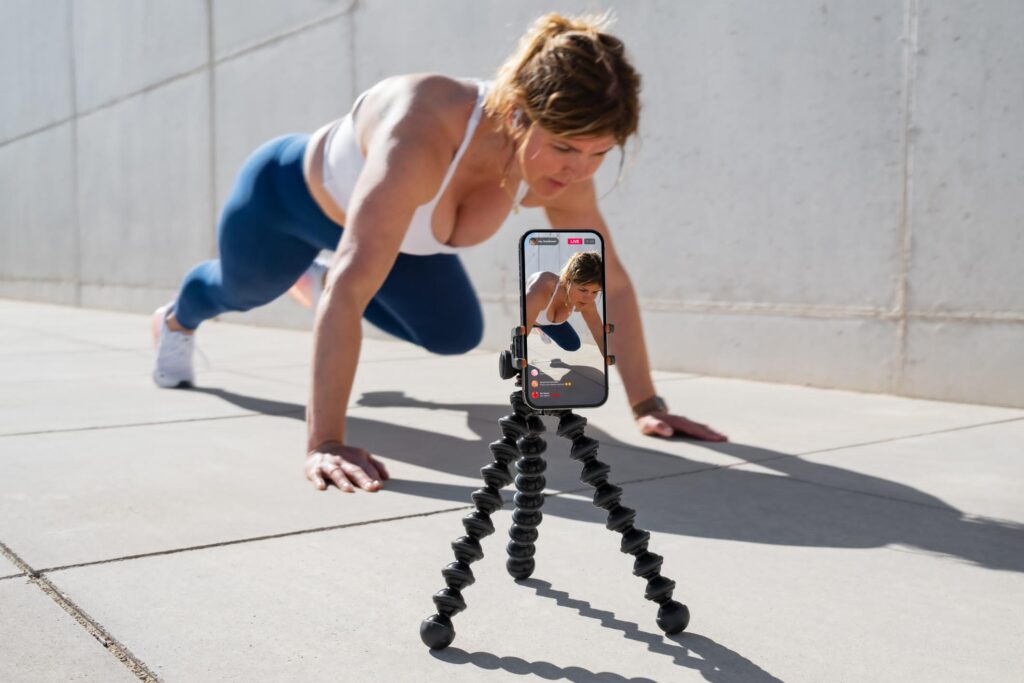
Social media has a huge hand in making us feel like we aren’t doing enough. We see influencers posting about their 5 a.m. gym sessions, their three side businesses, and their perfectly meal-prepped lives. While it can be a little bit motivating, we have to remember that what we’re seeing is a highly edited version of reality. These people often have teams of assistants or are getting paid to make life look that easy.
A lot of these “hustle” posts are actually just advertisements for courses or productivity tools. They want us to feel like we’re missing something so we’ll buy into their “secret” to success. The lifestyle they’re selling isn’t sustainable for the average person with a family and real responsibilities. When we try to live up to these impossible standards, we just end up feeling inadequate. It’s important to remember that real success usually doesn’t look like a glossy Instagram filtered photo.
Ignoring the reality of privilege

One of the biggest flaws in hustle culture is the idea that everyone is starting from the same starting line. It preaches that hard work is the only thing that matters, but it ignores things like where you grew up, who you know, or how much money you started with. This “pull yourself up by your bootstraps” talk can feel pretty unfair to someone working three jobs just to pay rent and keep the lights on.
For many, “hustle” isn’t an ambitious choice, it’s just survival in a tough economy. The “hustle harder” message doesn’t account for real-world barriers that some people face every day. Since early 2023, more critics have pointed out how this mindset shifts the focus away from fair wages and onto individual effort. By acting like everyone has the same opportunities, hustle culture makes complex problems seem simple, which usually just adds more stress to the people who are already struggling.
Your identity is more than just your job

Hustle culture doesn’t just change your schedule; it actually starts to change how you see yourself. When you’re constantly pushed to be productive, it’s easy to start measuring your personal worth by your latest promotion or how many items you checked off your to-do list. Over time, that “always-on” mindset becomes the core of who you are. Research from late 2023 suggests that this pressure often forces people to push their real hobbies and passions to the side because they aren’t “useful” for their career.
The scary part is how fragile this makes us feel. If your whole identity is tied to your work, then a slow month or a tough performance review can feel like a total personal crisis. What once made you a unique individual, like your love for music, hiking, or just being a good friend, can slowly fade into the background. Hustle culture rarely warns us about this risk, but many people eventually wake up and realize they’ve built a life centered entirely on a desk, struggling to remember who they were before the grind started.
The hidden physical and mental toll

We talk a lot about the money we can make from hustling, but we rarely talk about the physical price we pay. Long hours, skipped meals, and constant stress eventually catch up to the body, turning high ambition into chronic health issues. Since 2022, medical studies have increasingly linked overwork to serious risks like high blood pressure and even heart disease. Working more than 55 hours a week has been scientifically shown to spike the risk of major health emergencies, yet our culture often treats sleep and recovery as if they are totally optional extras.
Our mental health takes a massive hit, too. When your brain is constantly scanning for the next task or checking notifications, your stress response never really gets a chance to turn off. This leads to a cycle of anxiety and exhaustion that is incredibly hard to break once it starts. While hustle culture promises a life of luxury and success, it often delivers a reality of doctor visits and burnout instead. It’s a reminder that no amount of career progress is worth losing your health over in the long run.
Success doesn’t actually require the grind

One of the most surprising truths is that you don’t actually need to be “hustling” every second to be successful. While hard work is definitely a piece of the puzzle, the idea that you have to be miserable and exhausted to win is mostly a myth. In fact, many of the most successful businesses are built on smart systems and balance rather than just throwing more hours at a problem. Working “smarter, not harder” is an old cliché, but the data from 2024 shows it’s still the most effective way to reach your goals.
Hustle culture tends to oversimplify success, making it sound like it’s only about who works the longest. In reality, things like timing, who you collaborate with, and your own creativity play a much bigger role in getting ahead. When you’re constantly tired, you actually lose the ability to think creatively and make the big-picture decisions that lead to real growth. True success is rarely about the number of hours you log; it’s about how effectively you use your energy while making sure you still have a life worth living.


