
Energy Security Comes First
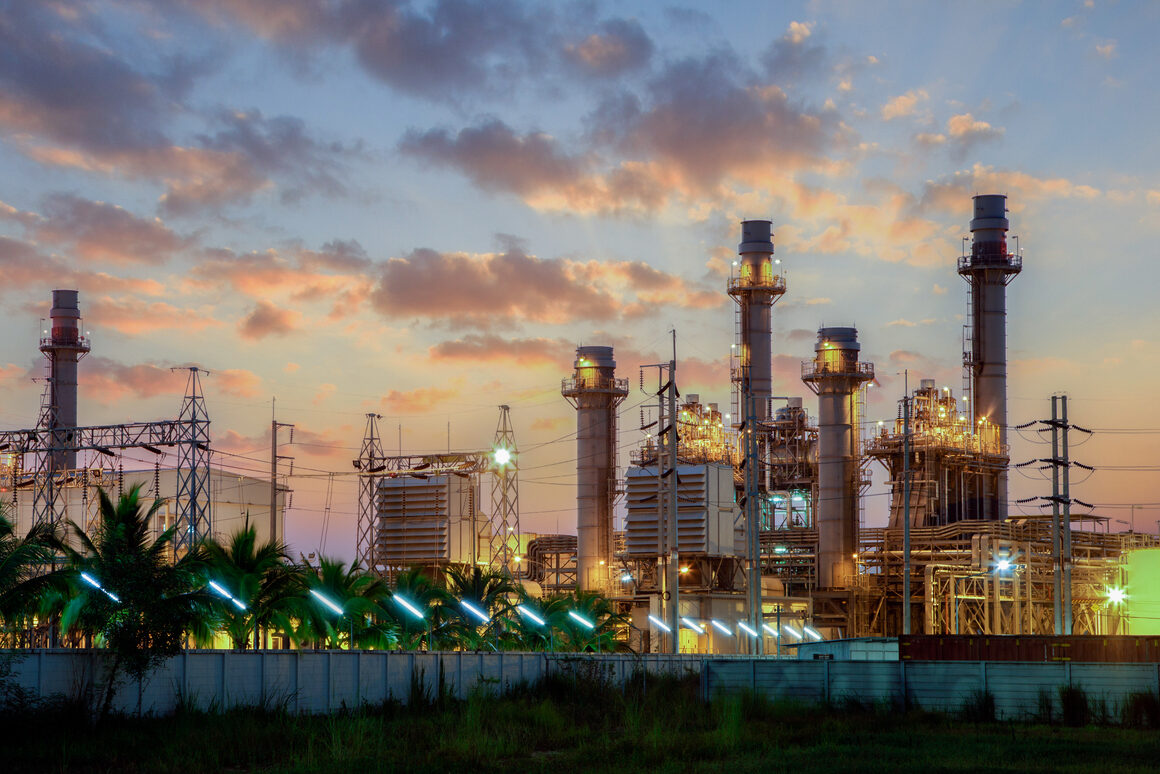
Lately, the energy conversation has started to feel more grounded in everyday reality. A few years ago, it seemed like every country was moving quickly toward renewable energy without hesitation. Now, things feel more measured. Some nations are quietly leaning back on fossil fuels, not because they have abandoned clean energy, but because stability still matters. When electricity becomes uncertain, people notice immediately. Homes, hospitals, and businesses all depend on reliable power, and governments often respond by choosing what works right now rather than what may take years to perfect.
In many places, fossil fuels still offer that reliability. Renewable energy continues to grow, but it does not always provide consistent supply during sudden demand spikes or unexpected shortages. Fossil fuel plants already exist, and they can be adjusted quickly when needed. For countries facing pressure to keep the lights on, returning to fossil fuels feels more like keeping a backup plan ready. While renewable investments continue quietly, leaders are balancing long term goals with short term stability, making practical decisions that reflect everyday energy needs.
Renewable Energy Still Has Gaps
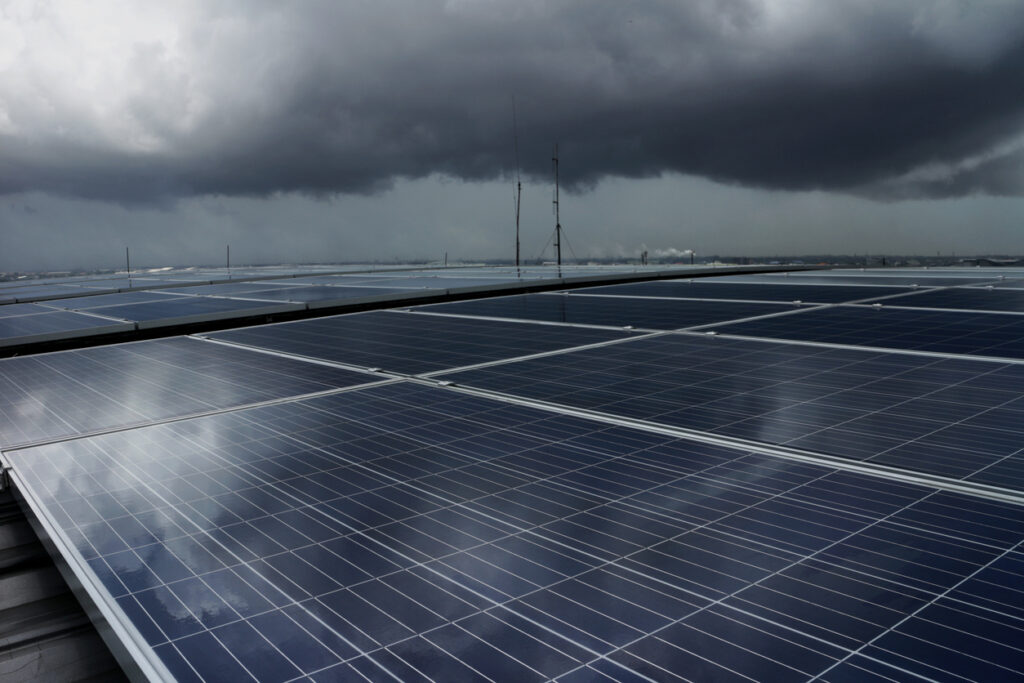
Renewable energy has come a long way, and many countries are proud of the progress they have made. Still, there are moments when renewable sources cannot fully meet demand. Solar power depends on sunlight, and wind power depends on weather conditions that can change without warning. When these sources slow down, countries often turn to fossil fuels to keep electricity steady. It is not always about stepping away from clean energy. Sometimes it is simply about filling in the gaps when renewable supply becomes unpredictable.
This situation becomes more noticeable as electricity demand increases worldwide. Cities are expanding, technology use is growing, and more households rely on electricity throughout the day. During times when renewable output drops, fossil fuels often step in to support demand. Governments see this as a temporary balance rather than a permanent shift. While energy storage and grid improvements continue to develop, fossil fuels remain part of the system. For now, many countries are blending renewable growth with traditional energy sources to maintain reliable power.
Rapid Economic Growth Needs Fast Power
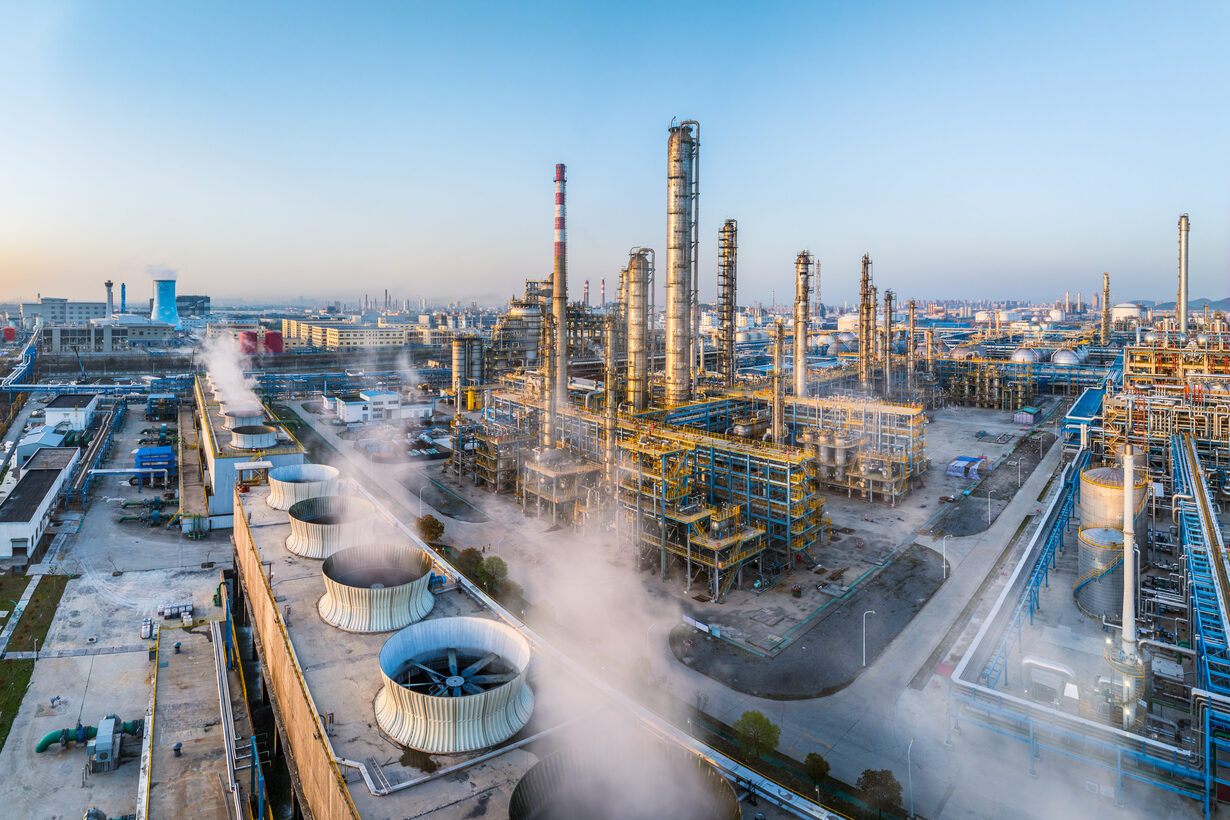
Economic growth often brings opportunity, but it also increases energy demand quickly. As industries expand and cities develop, electricity needs rise faster than expected. For many growing economies, fossil fuels remain one of the quickest ways to meet this demand. Factories, transportation systems, and new infrastructure all require consistent power, and governments often turn to existing energy sources to support development without delays.
Renewable projects take time to build and integrate into national grids. Fossil fuel infrastructure, however, already exists in many countries, making it easier to increase supply when demand rises. Governments focused on economic growth often rely on what can scale quickly while continuing to invest in renewable energy for the future. This creates a balance between development and transition. Countries are not necessarily choosing fossil fuels permanently. Instead, they are using available resources to support growth while gradually expanding cleaner energy systems.
Extreme Weather Is Increasing Energy Demand

Weather patterns have become more unpredictable, and energy demand is changing along with them. Hotter temperatures mean more air conditioning, while colder conditions increase heating needs. These sudden shifts push electricity demand higher than usual, and countries often rely on energy sources that can respond quickly. When temperatures rise or fall unexpectedly, maintaining consistent power becomes a priority.
Renewable energy helps meet demand, but sudden spikes can still create pressure on energy systems. Fossil fuel plants often provide flexible support during these moments. Governments focus on ensuring that homes, schools, and hospitals continue operating without interruption. As extreme weather becomes more common, countries find themselves leaning on fossil fuels during peak demand periods. This does not always signal a long term change. Instead, it reflects the need to manage unpredictable conditions while continuing to build renewable capacity for the future.
Infrastructure For Renewables Takes Time
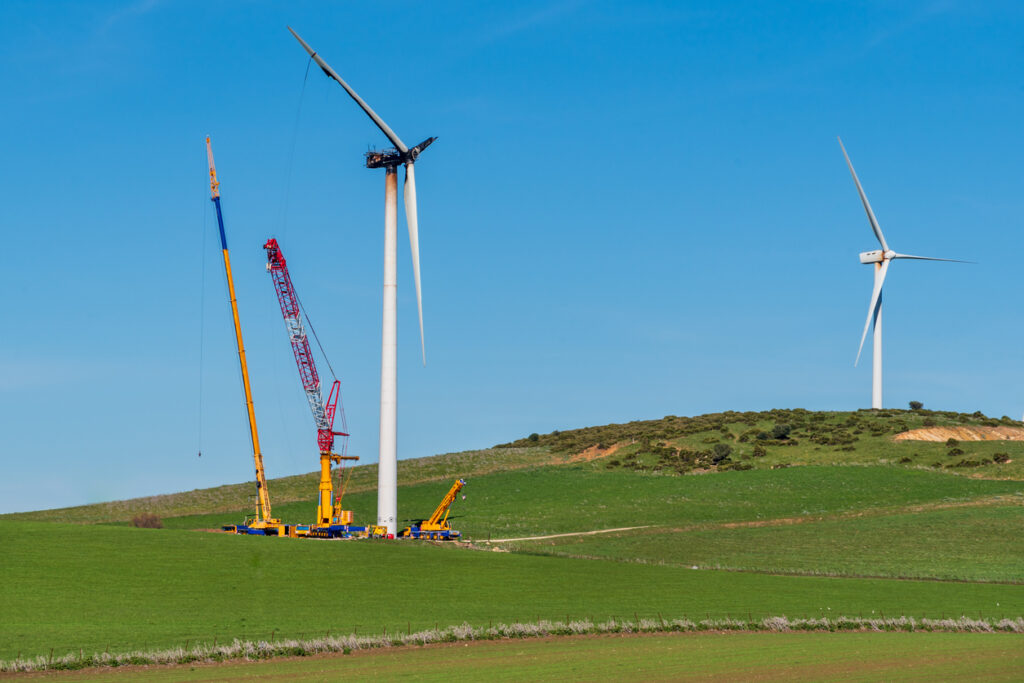
Transitioning to renewable energy involves more than installing solar panels or wind turbines. Countries must upgrade power grids, build storage systems, and expand transmission networks to handle changing energy supply. These improvements take time, planning, and investment. While this work continues, fossil fuel systems remain in place to provide stability and prevent disruptions.
Many countries are still building the infrastructure needed to support renewable energy fully. During this transition, governments rely on existing fossil fuel plants to maintain steady electricity supply. Removing traditional energy sources too quickly could create instability, which leaders aim to avoid. Instead, they are moving forward gradually, expanding renewable capacity while keeping fossil fuels available. This step by step approach allows countries to maintain reliability while preparing for long term clean energy goals.
Energy Prices Influence Decisions
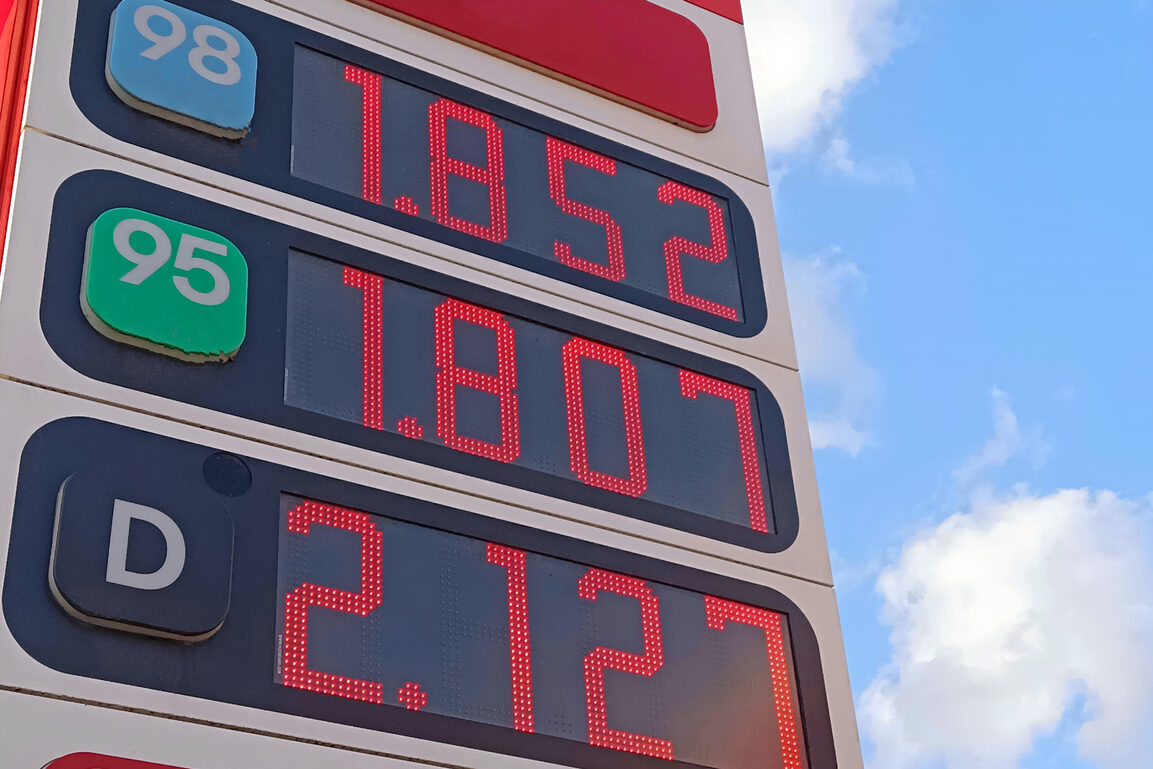
Energy prices have a quiet way of shaping national decisions. When fuel costs rise sharply, governments start looking for the fastest way to stabilize the situation. Expensive energy affects everything, from transportation to food prices, and people begin to feel the pressure quickly. In moments like this, fossil fuels often become part of the solution because they are already available and easier to scale. Countries sometimes increase fossil fuel use simply to keep electricity affordable and prevent sudden economic strain.
When energy becomes too expensive, businesses slow down and households adjust their spending. Governments try to avoid that ripple effect by choosing options that bring quick relief. Fossil fuels often provide that flexibility, especially when renewable capacity is still growing. This does not always signal a long term shift. Instead, it reflects how countries respond to immediate financial pressure. As renewable energy becomes more affordable and infrastructure improves, reliance may decrease. For now, price stability continues to influence energy choices in many parts of the world.
Industrial Demand Still Depends On Fossil Fuels
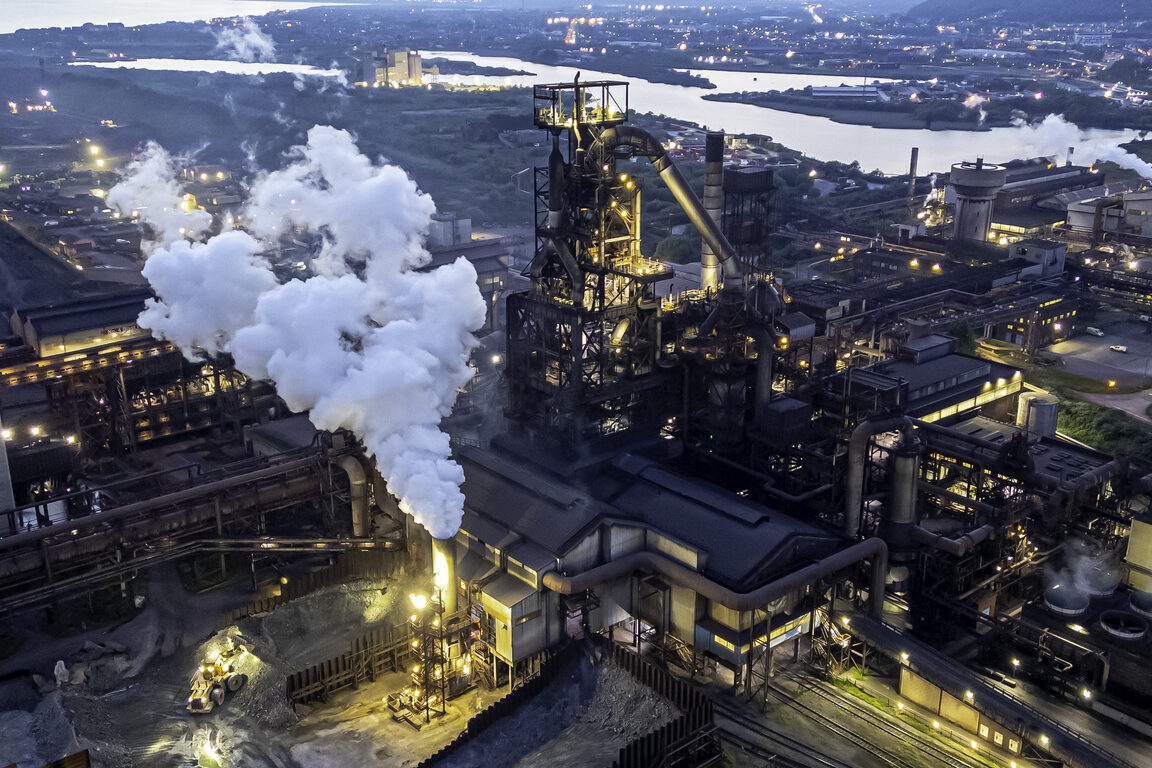
Heavy industries continue to shape energy demand in many countries. Steel production, cement manufacturing, and large scale construction all require consistent power and high heat. These industries are difficult to transition quickly because renewable alternatives are still developing. As economies grow and infrastructure expands, energy demand from these sectors increases. Governments often rely on fossil fuels to support industrial activity and keep production steady.
Many countries view industrial growth as essential for economic development and job creation. When factories expand or new projects begin, energy demand rises immediately. Fossil fuels remain reliable for these large scale needs because the systems are already in place. While cleaner alternatives are being explored, the transition takes time. Countries often continue using fossil fuels to support industrial growth while gradually introducing renewable solutions. This approach allows industries to operate without disruption while energy systems slowly evolve toward cleaner options.
Political And Public Pressure
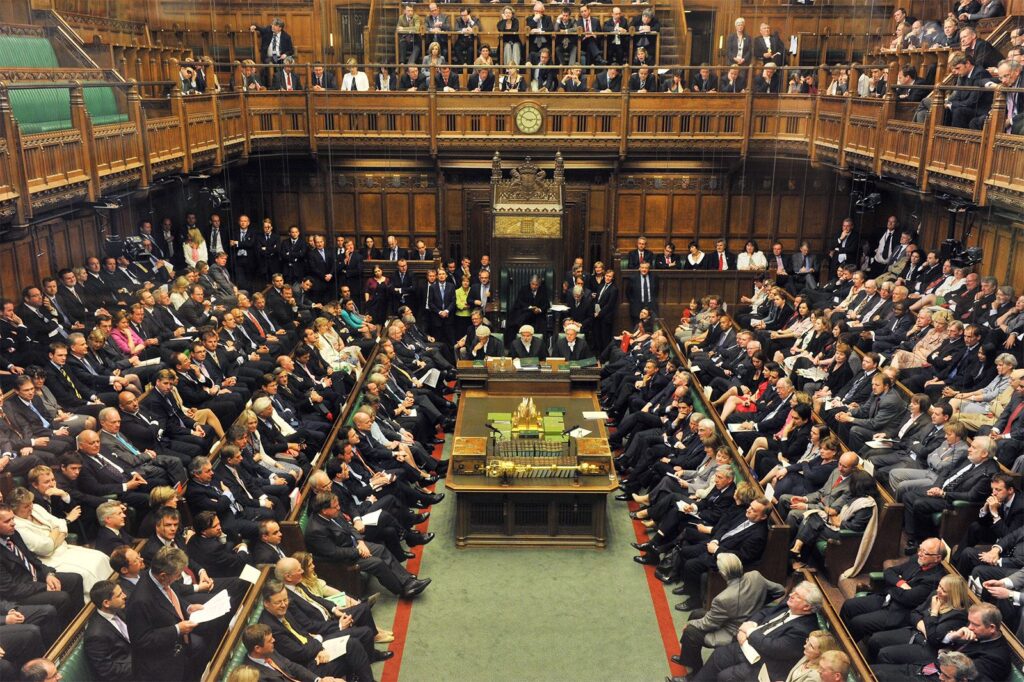
Energy decisions often reflect more than just technology and economics. Governments also consider public expectations, job markets, and overall stability. People want cleaner energy, but they also want affordable electricity and secure employment. These priorities sometimes create tension when countries move too quickly away from fossil fuels. Leaders often respond by balancing environmental goals with everyday concerns.
In some regions, communities depend on fossil fuel industries for jobs and local economic activity. Sudden changes can create uncertainty, which governments try to avoid. As a result, some countries maintain fossil fuel use while gradually expanding renewable energy. This balanced approach helps manage expectations and reduce disruption. Political decisions often reflect this careful balance between progress and practicality. Countries continue working toward cleaner energy, but they also consider the impact on people whose livelihoods depend on existing systems.
Technology Transition Is Still In Progress

Clean energy technology is improving steadily, but the transition is still unfolding. Energy storage systems, grid upgrades, and transmission improvements are still developing in many regions. These changes are essential for renewable energy to function reliably at large scale. Until these systems are fully ready, fossil fuels often remain part of the energy mix.
Many countries are investing heavily in new technologies, but these developments take time to implement. During this period, fossil fuels help maintain stability while newer systems are introduced. Governments often view this as a transitional phase rather than a permanent solution. Renewable energy continues to expand, but the shift happens gradually. Countries are building toward a cleaner future while relying on existing energy sources to support current demand.
A Temporary Step In A Longer Transition
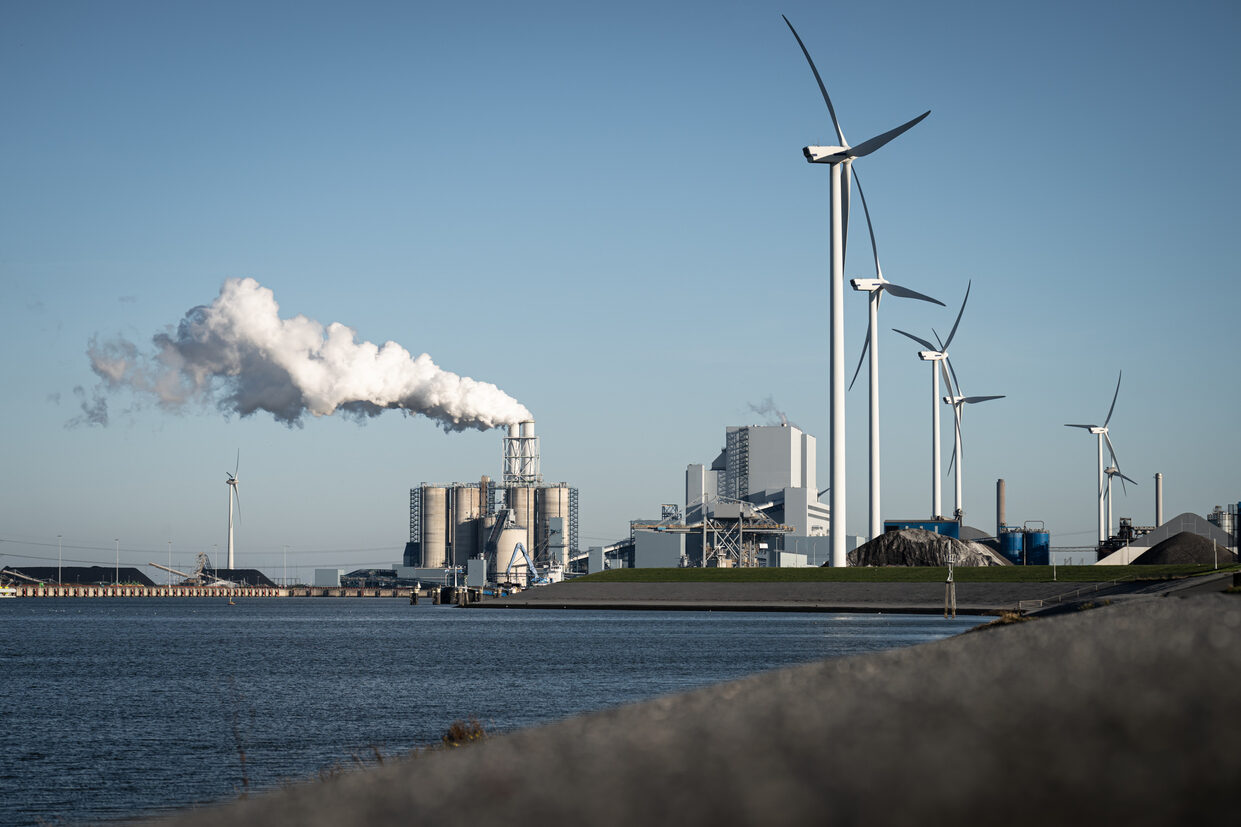
Looking at these trends together, the story feels less like a reversal and more like an adjustment shaped by real world needs. Many countries are still investing heavily in renewable energy, yet they are also relying on fossil fuels to manage present day challenges. Energy demand is rising, infrastructure upgrades are ongoing, and economies continue to expand. In the middle of all this, fossil fuels are being used as a bridge rather than a final destination. Governments are working through a transition that is more gradual than many people expected.
This moment reflects how large scale change usually happens. Countries are balancing affordability, stability, and growth while building cleaner energy systems in the background. Renewable energy continues to expand, but fossil fuels still help meet demand during uncertain periods. Over time, as storage improves and infrastructure strengthens, reliance on fossil fuels may decrease naturally. For now, many countries appear to be navigating a middle path. It is not a dramatic shift backward, but a steady adjustment shaped by everyday realities, practical decisions, and the long road toward a more balanced energy future.


