
It Combines Strength, Flexibility, and Design
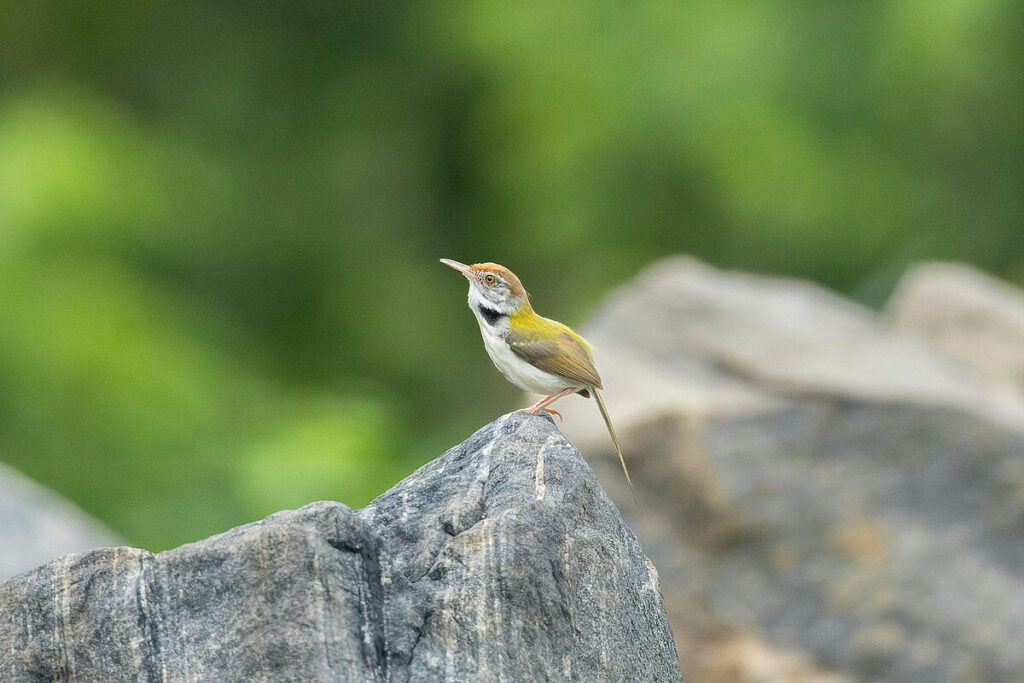
It’s truly amazing how nature comes up with clever solutions to everyday problems all without the need for a single blueprint. While we humans spend years in school learning how to use tools and follow complex plans, many wild creatures rely on pure instinct to build their remarkable homes. One of the most fascinating examples is the Common tailorbird, a small songbird found throughout tropical Asia. This tiny engineer has caught the attention of researchers because of its unique ability to “sew” its home together, a behavior first documented in detail by naturalists back in the late 1700s.
The tailorbird is much more than just your average garden visitor; it’s a true master of construction. Using its sharp beak like a needle and natural fibers as thread, it essentially stitches living leaves together to create a sturdy, camouflaged pouch for its eggs. This rare skill makes it one of the most admired architects in the animal kingdom. Watching these birds in action teaches us about the elegance of efficiency and the resilience of nature. Their homes aren’t just nests, they’re works of natural art that help keep their families safe.
It Actually Sews Its Nest Together
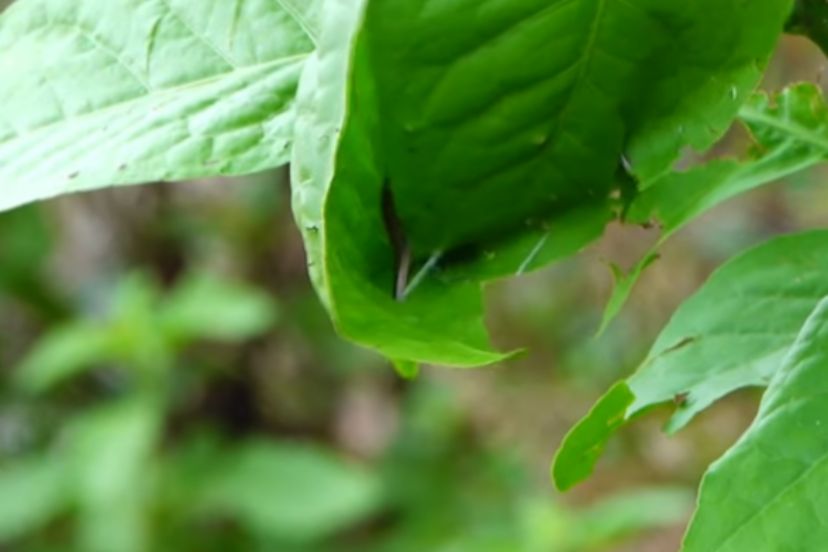
The most notable trait of this bird is its ability to sew living leaves together to create a secure nest. Unlike most birds that simply pile up twigs, the tailorbird employs a much more sophisticated approach. It selects a large, sturdy leaf and uses its beak to poke small holes along the edges. These tiny punctures act as perfect anchor points for its stitches. The process is quite deliberate and requires a surprising degree of focus and coordination to make sure the nest is built properly.
What makes this even more impressive is the precision involved. The female wraps the leaf around her to ensure it fits just right. If it doesn’t, she adds one or two more leaves. Then, using her long, slender beak, shaped like a needle, she pulls the leaf tight and pierces a series of tiny holes along its edge. Experts often compare this skill to basic human tailoring, which highlights how much our own inventions often mimic the clever tricks found in nature.
It Uses Spider Silk as Natural Thread
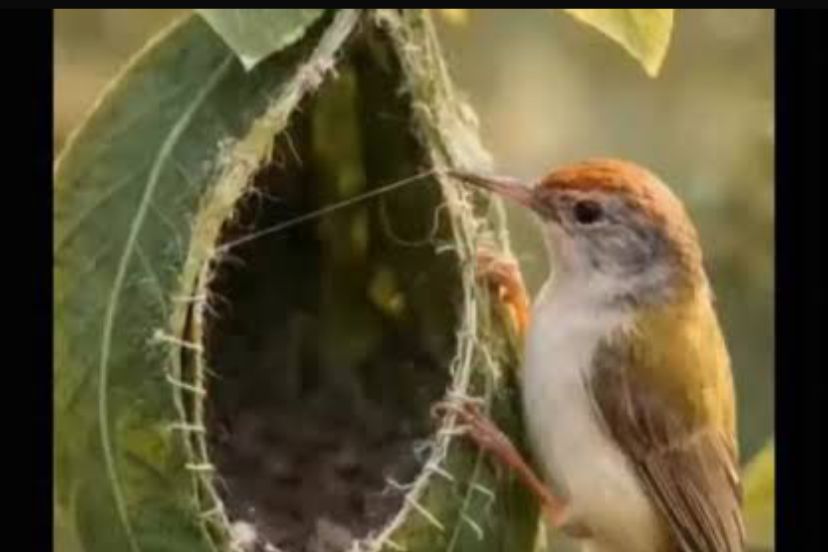
Once the holes are prepared, the tailorbird carefully starts sewing the leaves together. Lacking a sewing kit, it gathers materials from its surroundings, such as spider silk, soft plant fibers, or slender strands of grass. These materials are chosen because they are both strong and flexible. Studies published in journals like The Auk have shown that these birds are very particular about their”threads,” making sure the materials can support the weight of a growing family.
Spider silk stands out as a top choice because it’s naturally elastic and exceptionally tough. This allows the bird to pull the leaves tight without tearing or breaking them. By using these high-quality natural resources, the bird crafts a structure that’s both sturdy and reliable. It’s not just a random build; it’s a deliberate effort to create a home that can withstand the wind and stand the test of time. This shows that even the tiniest creatures understand the importance of using the right tools for the job.
It Builds With Living Leaves for Camouflage
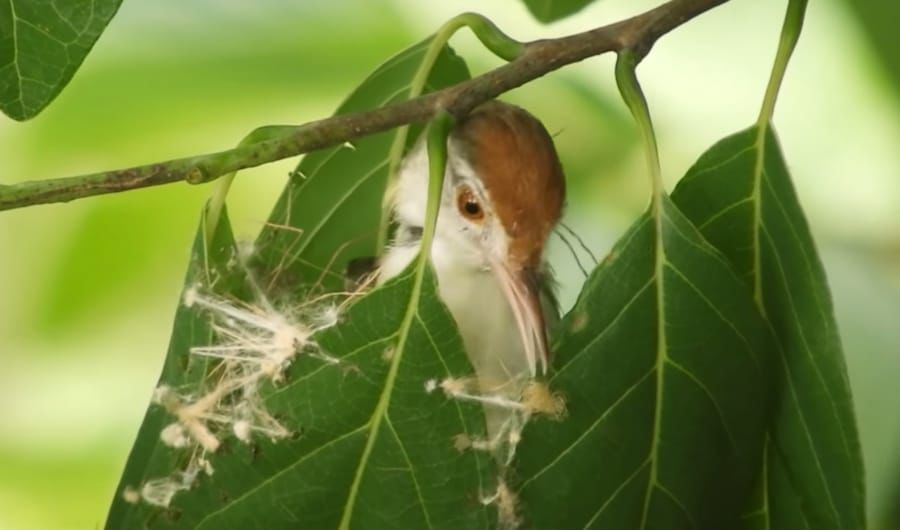
One of the smartest decisions the tailorbird makes is choosing to build with leaves that are still attached to a branch. By using living greenery, the bird ensures that its home stays fresh and vibrant throughout the nesting season. This is a huge advantage because the green leaves blend in perfectly with the surrounding bushes. Since the nest doesn’t turn brown or dry out, it remains nearly invisible to predators like snakes or larger birds that might be looking for a snack.
Beyond just hiding the nest, using living leaves provides extra strength. Fresh leaves are much more flexible than dead, crunchy ones, which means they can bend and sway in the breeze without breaking. This allows the bird to create a “living” shelter that moves with the plant rather than fighting against it. This simple but effective strategy was noted as far back as 1869 by famous naturalists, highlighting how these birds have mastered the art of camouflage and structural integrity over millions of years.
Its Stitching Technique Works Like Rivets
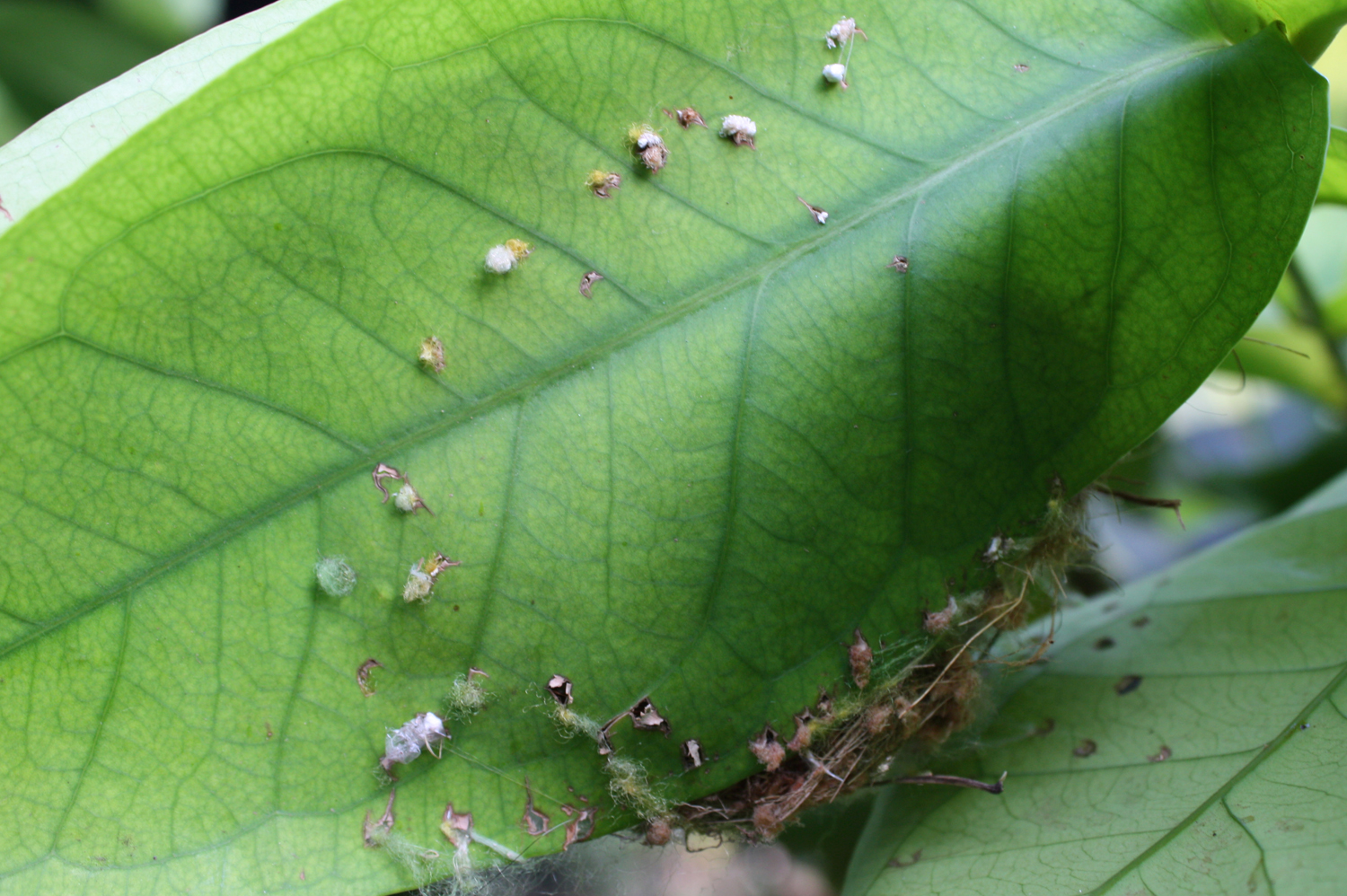
The tailorbird builds a sturdy structure that scientists often describe as “riveted.” By pulling the fibers through the holes in the leaves and forming small “knots” of fluff on the outside, the bird ensures a snug fit. This tension transforms the flat leaves into a deep, cup-shaped pocket that acts as the outer shell of the nest. This design is very stable, providing a solid foundation for the chicks inside to grow.
This style of construction is important because it maintains the nest’s shape even as the birds come and go. The cup shape also serves a practical purpose by preventing the eggs from rolling out during a storm. It’s a perfect example of how simple physics can be harnessed to create a strong home without heavy or bulky materials. This clever use of tension proves that the tailorbird is a natural engineer, finding the most effective way to build with very little.
Its Nest Is Almost Impossible to Spot
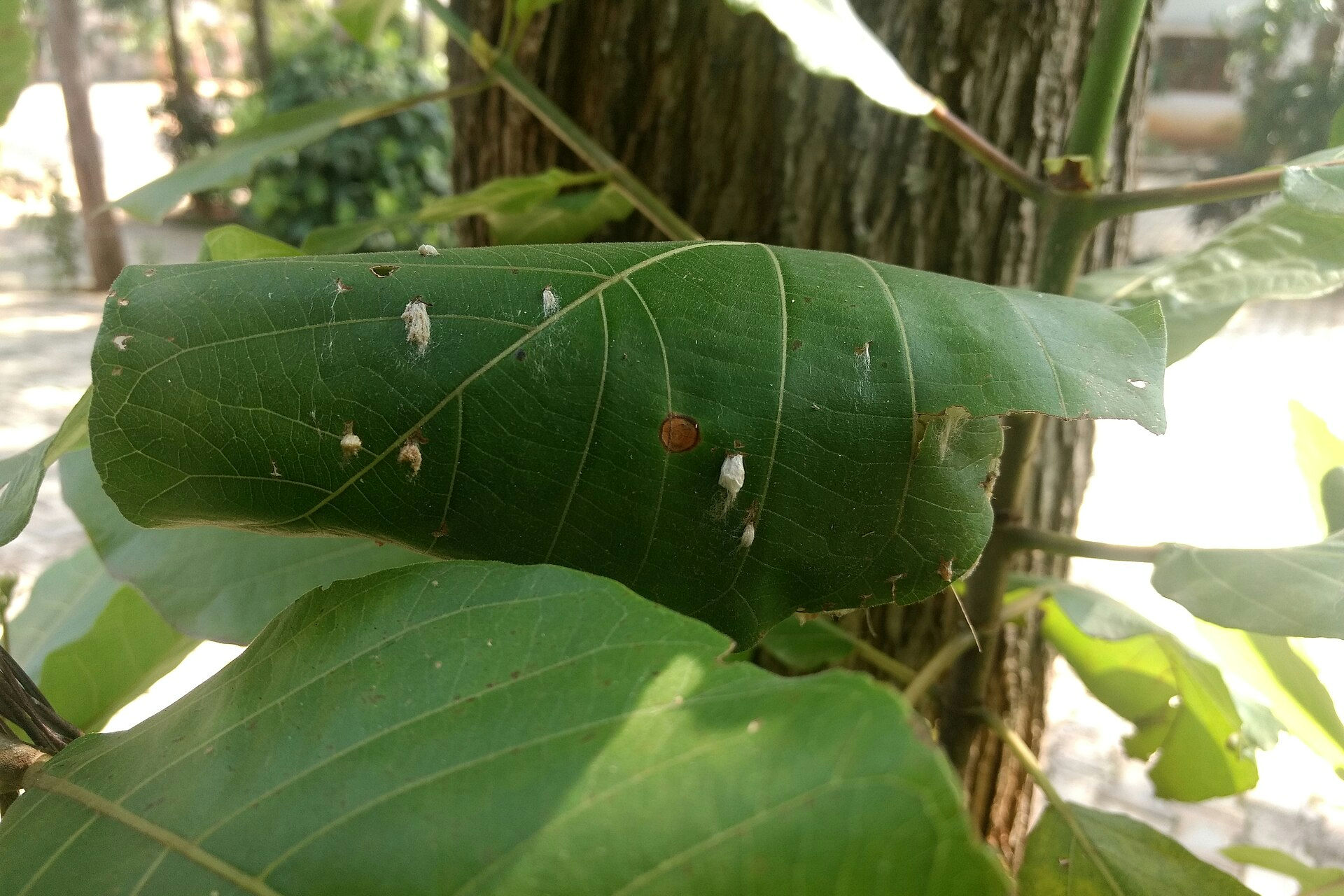
Once the tailorbird finishes its work, the nest is almost impossible to see. Because the stitched leaves look like they have naturally folded or grown that way, the home blends seamlessly into the garden or forest. This level of camouflage is a key part of the bird’s survival strategy. Predators that hunt by sight often fly right past the nest without ever realizing a family is living inside. It is a masterclass in staying hidden.
This invisibility is a direct result of the bird’s careful planning and use of living materials. By maintaining the natural appearance of the plant, the bird reduces the chances of its eggs being discovered. In the wild, being seen often leads to danger, so this hidden design gives the tailorbird’s chicks a much better chance at life. It’s a wonderful reminder that sometimes the best defense is simply blending in and staying quiet while the world moves around you.
It Designs Nests That Handle Heavy Rain
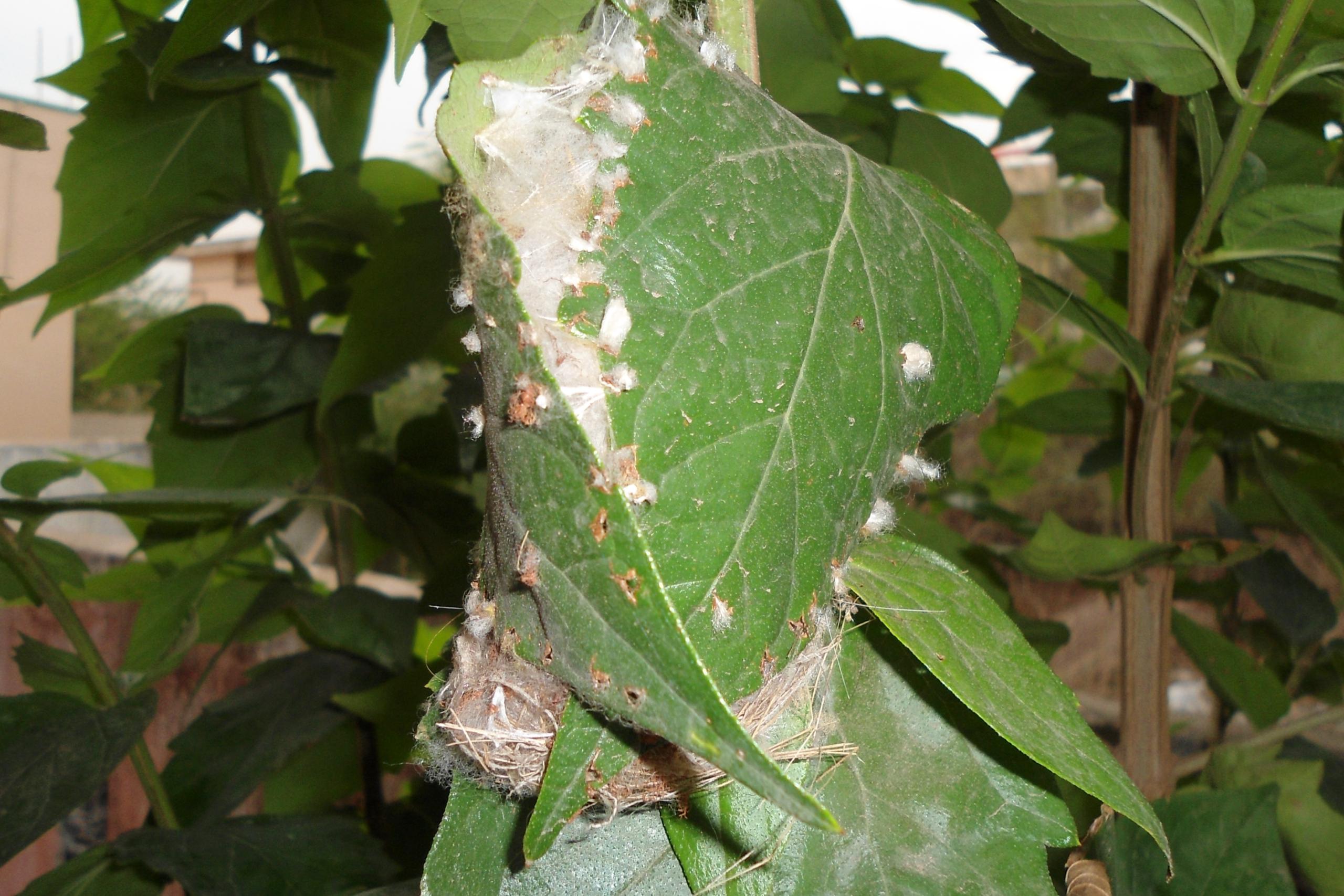
The tailorbird’s home is also built to survive tough weather. The way the leaves are stitched together creates a natural roof that sheds water during rainstorms. This keeps the inner part of the nest dry, which is essential for keeping the eggs warm and healthy. Even during the heavy monsoon rains of Southeast Asia, these little homes manage to stay remarkably protected, showing just how well-designed they truly are.
Wind resistance is another impressive feature of these nests. Because the home is anchored to living branches, it has a natural flexibility. Instead of snapping in a strong gust, the nest sways along with the plant. This “give” in the structure prevents it from breaking during storms. The result is a clever balance of strength and flexibility that allows the tailorbird to raise its family in a variety of different climates and conditions without fear of losing its home.
It Thrives Even in Human Environments
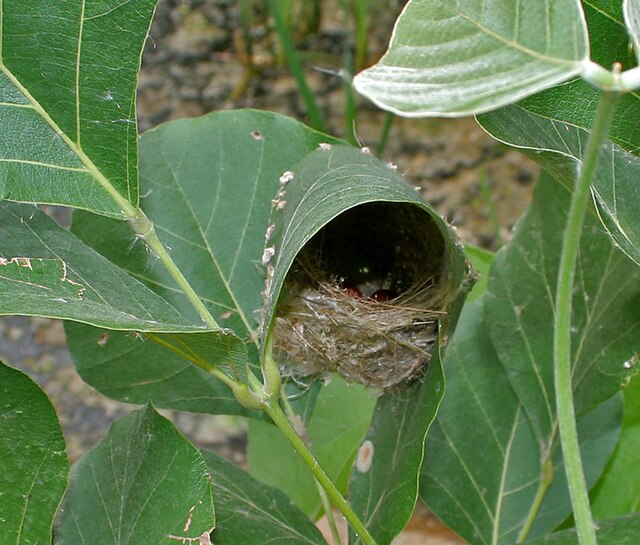
Where a tailorbird decides to build is just as important as how it sews. These birds usually pick low shrubs, thick bushes, or common garden plants for their homes. They look for spots that are easy for them to reach but difficult for predators to find. This strategic choice keeps the nest away from the eyes of large birds in the trees and makes it easier for the parents to find food nearby.
What’s especially cool is how well these birds have adapted to living near people. You can often find them nesting in backyard gardens or urban parks, using decorative plants as their building blocks. This shows that their skills are not just for the deep jungle; they can thrive right in our own neighborhoods. Their ability to adapt to human-made environments while keeping their unique building traditions alive is a testament to the resilience and intelligence of this amazing little species.
It Creates a Soft, Insulated Nursery Inside
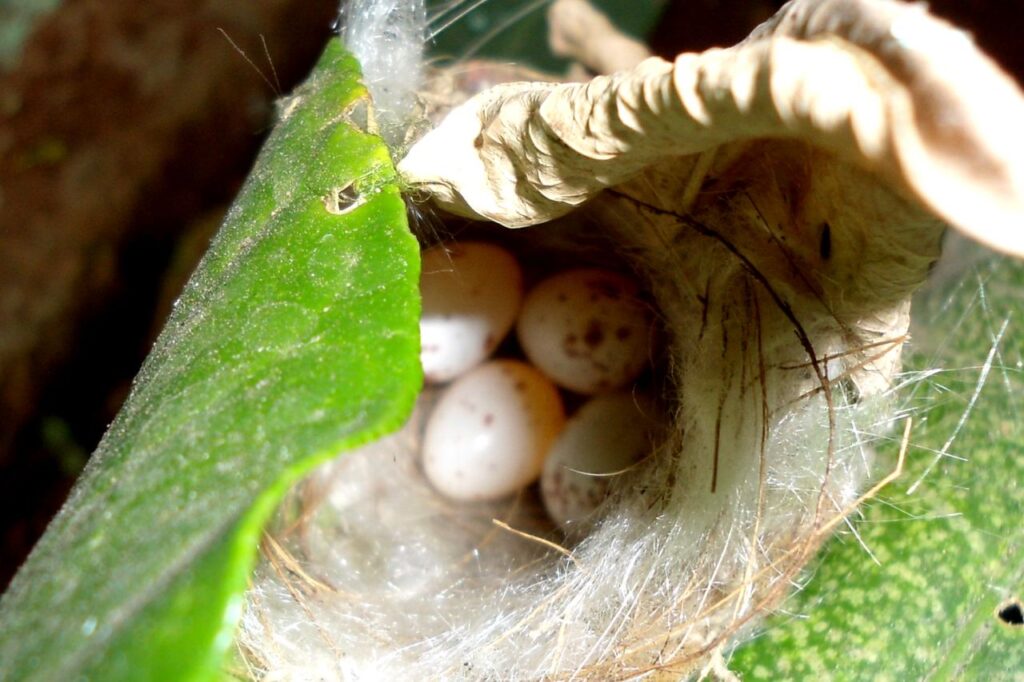
Inside the tough, stitched exterior of the nest, the tailorbird creates a very different kind of environment. It lines the inner pocket with soft materials like fine grass, feathers, and silky plant fluff. This creates a warm and cozy bed that helps keep the eggs at the right temperature. It’s a beautiful contrast to the rugged outer shell, showing that the bird cares about both protection and comfort for its young.
This soft lining also acts as a cushion. If the wind blows hard or a branch shakes, the padding protects the delicate eggs from bumping against each other. It’s an intentional design choice that ensures the chicks stay safe and snug until they are ready to fly. By combining a “hard” outer leaf shell with a “soft” inner lining, the tailorbird creates the ultimate nursery. It’s a thoughtful approach to parenting that we can all appreciate and find truly heartwarming.
It Shows That Intelligence Doesn’t Require Size
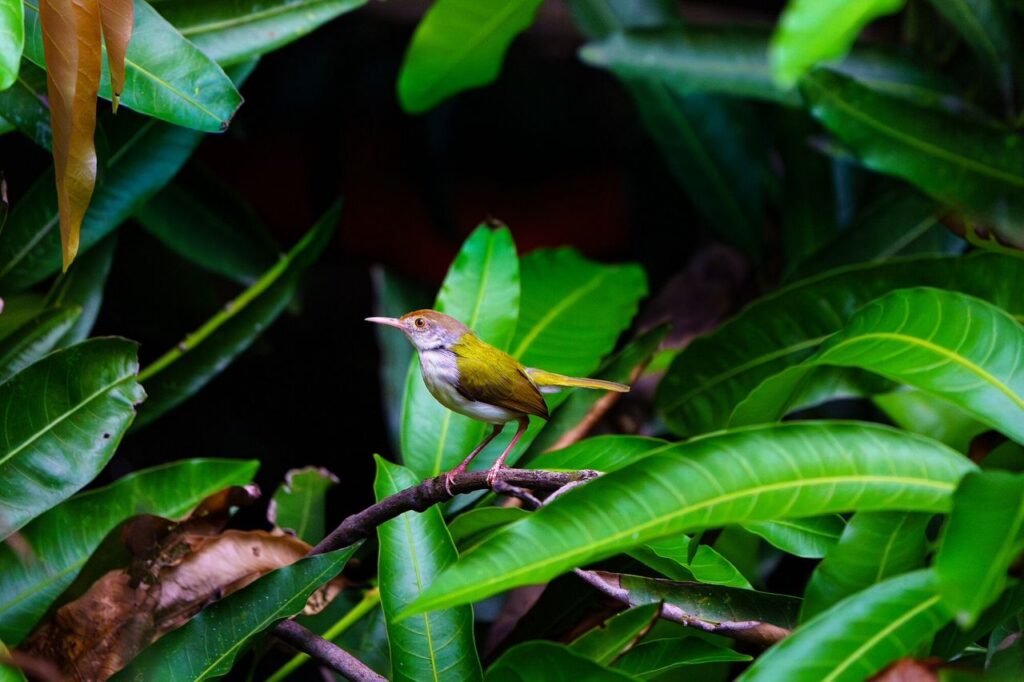
For all its tiny stature, the Common tailorbird demonstrates a level of problem-solving that feels almost human. Every step of its nest-building process, from selecting the right leaves to stitching them with precision, reflects instinct shaped by generations of survival. It may not use tools the way humans do, but its ability to combine materials, technique, and location shows a deep understanding of its environment.
What makes this even more fascinating is how effortlessly it all comes together. There are no rehearsals or second attempts, just a seamless execution of skills that ensure safety and comfort for its young. In a world where size is often mistaken for strength, this tiny bird reminds us that true ingenuity lies in efficiency, adaptability, and purpose. It’s a quiet but powerful example of how nature often gets things exactly right.


