
1. When the Spotlight Started to Feel Heavy

At first, it didn’t look like anything was wrong. If you remember The Mummy era Fraser, everything seemed effortless. But behind that easy charm, the physical demands of his roles were taking a toll. In interviews, he later shared how years of stunts left his body worn down. He once explained that by the time he filmed later projects, he felt “put together with tape and ice,” a simple but honest way to describe the strain. It wasn’t dramatic, just the reality of doing too much for too long.
There’s something relatable about that kind of quiet burnout. From the outside, people assume success makes everything easier, but often it just adds pressure. Fraser didn’t disappear overnight, he slowed down, taking fewer roles as his body asked for rest. It’s the kind of step many people take when life nudges them to pause. You don’t always announce it, you just adjust. And in his case, that adjustment marked the beginning of a longer, more complicated chapter that most audiences didn’t fully see at the time.
2. The Personal Battles Few People Saw
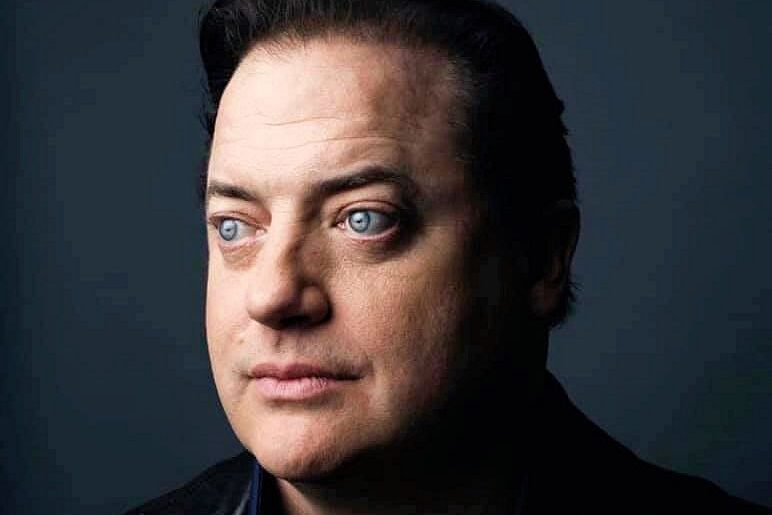
Some parts of life don’t belong to the public, even when you’re a public figure. During the years he was less visible, Fraser was dealing with personal struggles that weren’t always headline news but mattered deeply. He went through a divorce, which came with emotional and financial strain. At the same time, he spoke about an experience that affected his sense of safety in the industry, something he later described as deeply unsettling.
In one interview, he reflected simply that he “felt reclusive,” a phrase that says a lot without trying too hard. It’s easy to understand that feeling, when life stacks too many things at once and stepping back feels like the only option. For many people, this is the part of the story they recognize most, not the fame, but the need to retreat and regroup. Fraser wasn’t gone, he was living through things that required space and time. And like most people navigating hard seasons, he did it quietly, without turning it into a spectacle.
3. Finding Work, Just Not the Kind People Noticed

Even when it felt like he had disappeared, Fraser never truly stopped working. He took on smaller roles in television and less prominent films, projects that didn’t carry the same buzz as his earlier hits. Shows like The Affair gave him room to explore different kinds of characters, more grounded and less flashy. It wasn’t the kind of visibility that makes headlines, but it was steady and meaningful in its own way.
There’s a certain honesty in that phase of a career, doing the work without the noise. It’s something many people experience in their own fields, where the effort continues even when recognition fades. Fraser seemed to lean into that, focusing on craft rather than attention. Those roles may not have reached everyone, but they kept him connected to acting. And sometimes, that quiet consistency matters more than big moments. It becomes a foundation, something you build on slowly until the right opportunity comes back around.
4. Health, Healing, and Starting Over

Physical recovery became a big part of Fraser’s time away from the spotlight. After years of demanding roles, he underwent multiple surgeries, including procedures on his back and knees. It wasn’t a quick fix, more like a long process of rebuilding. He once shared that it took years to feel like himself again, which is something many people can relate to after pushing too hard for too long.
Healing, in any form, doesn’t usually look impressive from the outside. It’s slow, often frustrating, and rarely linear. For Fraser, it meant stepping back even further from the kind of roles that had defined him. But in that space, there was also a reset happening. He wasn’t chasing the same image anymore, and that shift quietly opened the door to something different. It’s the kind of turning point that doesn’t announce itself loudly but becomes clear in hindsight. Sometimes stepping away isn’t the end of something, it’s the beginning of doing things in a new way.
5. The Quiet Build Toward a Real Comeback

By the time Fraser began appearing in projects like Doom Patrol, something had changed. There was a different energy, one that felt steadier and more grounded. Audiences started to notice again, not in a loud way, but with genuine curiosity. Then came The Whale, the role that brought everything back into focus. Critics and viewers responded not just to the performance, but to the person behind it, someone who had clearly lived through a lot.
Looking back, it doesn’t feel like he vanished at all. It feels more like he stepped away, dealt with life, and returned when the timing made sense. That’s probably why his comeback resonated so strongly. It felt real. If anything, his story reminds people that stepping back doesn’t mean you’re finished. Sometimes it just means you’re getting ready to return in a way that feels more honest. If this story stayed with you, share it, talk about it, and keep following the journeys that don’t always happen in the spotlight but matter just as much.
6. When Hollywood Moved On Without Him

It’s strange how quickly things can shift in Hollywood. One moment, you’re part of the conversation, and the next, the industry moves forward without really looking back. During Fraser’s quieter years, newer faces took over the kind of roles he once led. Big adventure films evolved, and audiences were introduced to a different generation of stars. It wasn’t personal, just the rhythm of the business. Still, it meant that even if he wanted to return at the same level, the space he once occupied had changed.
Fraser later hinted at this feeling in a grounded way, noting that he wasn’t “in the fashion anymore,” a simple phrase that captured the reality without bitterness. It’s something many people understand in their own careers when trends shift and roles change. You don’t always get pushed out directly, sometimes the world just keeps turning. For him, this period wasn’t about chasing relevance but learning to exist without it. And that quiet acceptance became part of what made his eventual return feel so genuine, because it wasn’t forced or rushed.
7. A Different Kind of Recognition

There’s a difference between being famous and being appreciated, and Fraser’s journey slowly moved from one to the other. During the years he stayed out of the spotlight, something unexpected happened. People began to look back at his earlier work with fresh eyes. Films like George of the Jungle and The Mummy Returns started to feel nostalgic, comforting even, especially for audiences who grew up watching them.
Online conversations and fan communities quietly kept his name alive. You’d see people saying how much they missed his sincerity, how he brought something warm and unforced to his roles. It wasn’t loud promotion, just steady appreciation. That kind of recognition often feels more personal, like people remembering you for who you were rather than what you achieved. Fraser didn’t have to push himself back into the spotlight during this time. In a way, the audience was holding a place for him without even realizing it. And when that kind of goodwill builds slowly, it tends to last longer than the quick bursts of attention that come and go.
8. Learning to Speak Again on His Own Terms
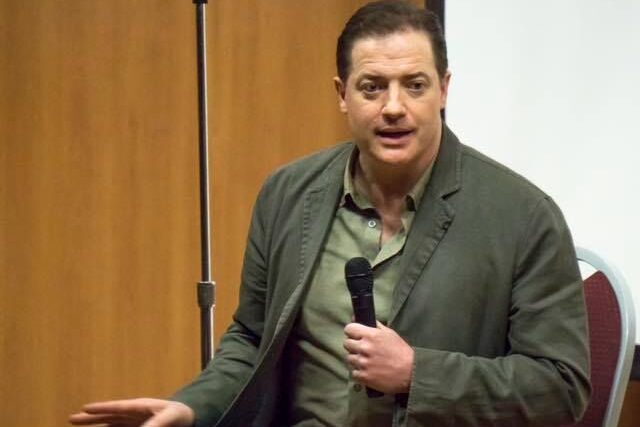
For a long time, Fraser kept much of his experience to himself. But eventually, he began to open up in interviews, sharing parts of his story in a way that felt careful and sincere. When he spoke about his struggles, including feeling overlooked and dealing with difficult experiences in the industry, it didn’t come across as anger. It felt more like someone finally putting words to something they had carried quietly for years.
In one widely shared conversation, he admitted he “felt like there was a ball in my throat,” describing the hesitation that kept him from speaking sooner. That honesty resonated with people, not because it was dramatic, but because it was familiar. Many people know what it’s like to hold things in until you’re ready to let them out. For Fraser, finding his voice again wasn’t about reclaiming fame. It was about reclaiming himself. And that shift mattered, because it changed how audiences saw him, not just as an actor returning, but as a person reconnecting with his own story.
9. The Role That Met Him Where He Was

When The Whale came along, it didn’t feel like a typical casting choice. It felt almost aligned with where Fraser was in his life. The character he played carried emotional weight, vulnerability, and a sense of reflection that mirrored parts of his own journey. It wasn’t about spectacle or action, but about presence and honesty.
Director Darren Aronofsky reportedly saw something in Fraser that matched the role, something beyond past fame. And when audiences watched the performance, many felt that connection immediately. It didn’t seem like acting in the usual sense, more like someone bringing real experience into the role. Fraser himself described the opportunity simply as something he was grateful for, a chance to do meaningful work again. That simplicity made the moment even more powerful. It showed that sometimes the right opportunity doesn’t come when you’re at your peak, it comes when you’re ready for it in a deeper way.
10. Why His Story Feels Different Now
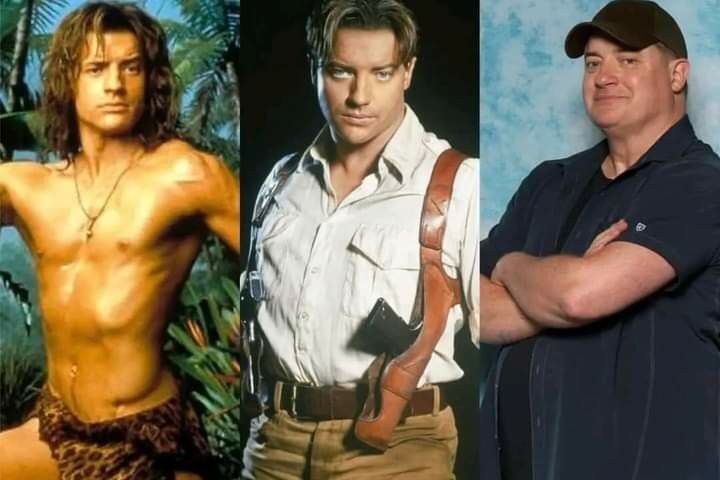
Looking at Fraser’s journey as a whole, what stands out isn’t just the comeback, it’s how human the entire path feels. There’s no clean, dramatic arc, just a series of moments that reflect real life. Success, slowdown, struggle, adjustment, and then, slowly, renewal. It’s the kind of story that doesn’t need exaggeration because it already mirrors what many people go through in their own way.
Now when audiences see him, there’s a different kind of connection. It’s not just about the roles he plays, but about everything he represents. He once said he was “just trying to hang in there,” a quiet line that says more than a long speech ever could. And maybe that’s why his return matters. It reminds people that stepping away doesn’t erase what you’ve done, and taking time doesn’t mean losing your place entirely. If this story stayed with you, pass it along, share it with someone who might need that reminder, and keep following the journeys that unfold quietly, because those are often the ones that last.
11. The Industry Slowly Made Room Again

By the time Fraser’s name started circulating again, the industry itself had changed. Conversations around empathy, fairness, and second chances were becoming more common, and audiences were paying closer attention to the people behind performances. It wasn’t a sudden shift, but it created space for stories like his to be seen differently. Where once a quiet absence might have been overlooked, now it invited curiosity and understanding.
Fraser didn’t force his way back into that space. Instead, he seemed to meet it at the right moment. When he appeared at events and spoke in interviews, there was a calmness to him, like someone no longer trying to prove anything. People responded to that. It felt honest. In a way, the timing mattered as much as the talent. The industry didn’t just rediscover him, it was finally ready to listen. And that subtle alignment between personal readiness and cultural change made his return feel less like a comeback campaign and more like a natural continuation of a story that had simply paused for a while.
12. The Emotional Response No One Expected

When Fraser began receiving recognition again, especially during awards season, the reaction wasn’t just professional, it was emotional. You could see it in the way audiences responded to him, not with distant admiration but with something closer to care. His speeches, often simple and heartfelt, carried a kind of gratitude that felt genuine. At one point, he shared, “I’m grateful to know that I can still do this,” a line that stayed with many people because of how grounded it felt.
It’s rare for a public figure’s return to feel so personal to so many. Usually, success is measured in numbers or headlines, but here it felt measured in connection. People weren’t just celebrating a performance, they were acknowledging the journey behind it. That kind of response can’t be manufactured. It builds slowly over time, shaped by both absence and memory. For Fraser, it marked a moment where his past and present met in a way that felt complete, not because everything was perfect, but because it was real.
13. Rebuilding a Career Without Rushing It

After the success of The Whale, there could have been pressure to jump straight into as many projects as possible. That’s often how Hollywood works, momentum is something you’re expected to maximize quickly. But Fraser’s approach felt different. He chose roles carefully, taking his time rather than trying to recreate the pace of his earlier career. It reflected a shift in priorities, one shaped by everything he had experienced during his time away.
This slower approach made sense. When you’ve stepped back and rebuilt your life, you don’t always want to rush forward again. Fraser seemed to understand that balance, staying present without overextending himself. It’s a quiet kind of discipline, knowing when to say yes and when to wait. For many people watching, it reinforced the idea that a comeback doesn’t have to mean returning to the same patterns. It can mean building something new, something that fits who you are now rather than who you used to be.
14. Becoming a Symbol Without Trying To Be One
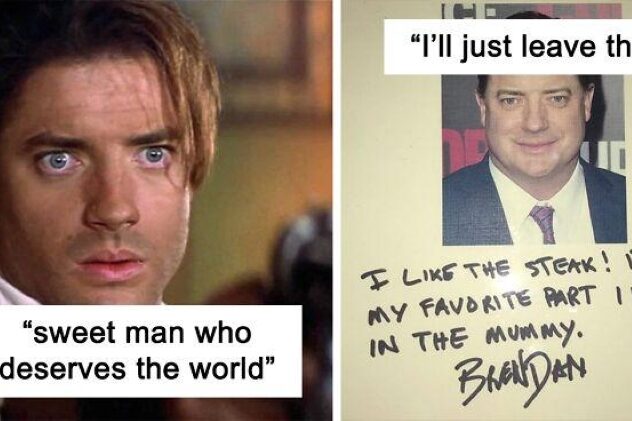
Over time, Fraser’s story began to represent more than just a personal journey. Without actively trying, he became a symbol of resilience, of stepping away and finding your way back. What made it different was how unpolished it felt. There was no sense of branding around it, no attempt to turn it into a neat narrative. It simply unfolded, and people connected with it in their own ways.
You could hear it in conversations, both online and offline, where people spoke about him with a kind of familiarity. Not because they knew him personally, but because parts of his story felt recognizable. He once said he was “still here,” a short phrase that carried a quiet strength. And that’s really what people responded to. Not perfection, but presence. In a culture that often celebrates constant visibility, Fraser’s journey showed that stepping away doesn’t make you disappear. Sometimes it just gives you the space to return in a way that feels more grounded.


