
1. Mary and John
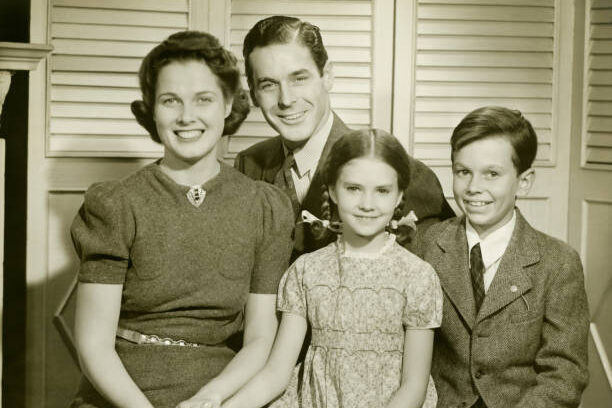
It usually begins with names that feel almost permanent, the kind that existed long before trends became a thing. Mary and John were everywhere in early American generations, not because they were exciting, but because they were trusted. Rooted in religious tradition and passed down through families, these names carried a sense of continuity that people valued deeply. You didn’t question them, they simply belonged. In many homes, it wasn’t unusual to find multiple Marys or Johns across different generations, each carrying the name in their own way. As one naming study puts it, “biblical names dominated early American naming patterns due to their cultural and religious significance,” and Mary and John sat right at the center of that influence.
What made these names powerful wasn’t individuality, it was stability. They represented a time when identity was closely tied to family, faith, and community. Choosing a name wasn’t about standing out, it was about staying connected. But as the country grew and culture began to shift, that sense of sameness slowly started to feel limiting. People began to look for names that felt a bit more personal, a bit more reflective of change. Still, even with everything that followed, Mary and John never really disappeared. They remained in the background, steady and familiar, like a quiet foundation that newer trends would eventually build on.
2. Linda and Michael

By the time you move into the postwar years, the tone begins to change. Names like Linda and Michael rise quickly, becoming some of the most defining names of mid-20th century America. They felt modern for their time, but still carried a sense of ease and familiarity. Linda, in particular, saw a surge unlike almost anything before it, with thousands of families choosing it in a short span. Michael followed closely on the male side, becoming a steady favorite that lasted for decades. “The name Linda experienced one of the most dramatic rises in U.S. naming history,” according to Social Security data, reflecting how quickly trends could take hold in a changing society.
These names reflected a generation focused on rebuilding and finding balance. Life was becoming more structured, more forward-looking, and naming patterns followed that same rhythm. Linda and Michael didn’t feel heavy or overly traditional, but they weren’t trying to be unique either. They sat comfortably in the middle, widely accepted and easy to carry. Classrooms filled with them, neighborhoods echoed them, and over time, they became tied to a very specific era. Even now, when you hear Linda or Michael, there’s an immediate sense of timing attached to them, a quiet reminder of a generation that valued simplicity, stability, and shared experience.
3. Jennifer and Jason
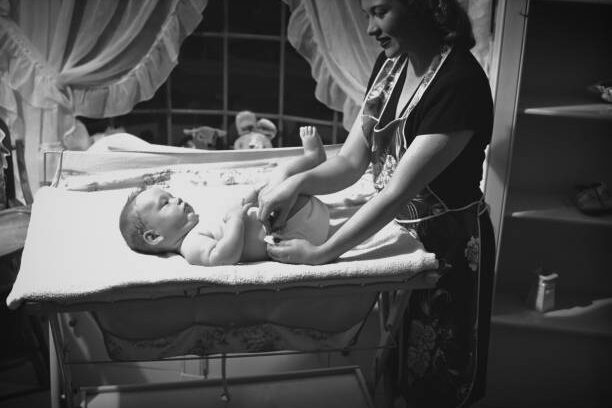
Then comes the era where culture starts speaking louder, and names begin to reflect what people are watching, listening to, and connecting with. Jennifer and Jason became defining names of the late 20th century, especially through the 1970s, 80s, and early 90s. Jennifer, in particular, dominated charts for years, becoming almost unavoidable at one point. Jason followed a similar path, steady and widely accepted. These names weren’t just chosen randomly, they were shaped by pop culture, by films, television, and public figures who made them feel familiar. “Jennifer was the most popular girls’ name in America for over a decade,” according to naming records, showing just how influential that era became.
What makes this generation interesting is how personal these choices felt, even though they were shared by so many. Naming a child Jennifer or Jason often came from a place of connection, something seen, heard, or admired. But as the years passed, that popularity created saturation. Classrooms had multiple Jennifers, multiple Jasons, and slowly, the desire to be different started to grow. Still, these names remain strong markers of their time. When you hear them, they don’t just sound familiar, they place you in a specific cultural moment, one shaped by media, visibility, and a growing sense of influence from the world outside the home.
4. Aiden and Madison

At some point, the shift becomes very clear, individuality takes center stage. Names like Aiden and Madison represent that turning point, especially in the early 2000s. Aiden opened the door to a wave of similar-sounding names, Jayden, Kayden, Brayden, creating a pattern that felt fresh at the time. Madison, on the other hand, reflects another shift, where surnames began transitioning into first names, especially for girls.
What stands out in this era is the intention behind the choices. Parents weren’t just picking names, they were shaping identity in a more visible way. Aiden and Madison didn’t come with centuries of history behind them, they felt current, adaptable, and expressive. And that’s exactly what many people were looking for. This generation moved away from repetition and leaned into creativity, even if that creativity sometimes led to new forms of popularity. Over time, these names became just as defining as those before them, not because they were traditional, but because they captured a moment where standing out started to matter just as much as belonging.
5. Ashley and Brandon
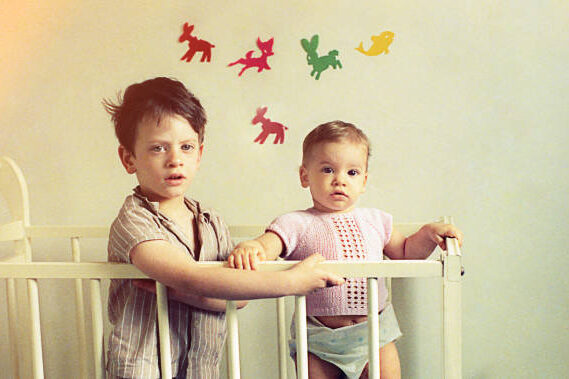
There’s a moment in time where certain names feel like they’re everywhere, not because they’ve lasted for generations, but because they arrived at just the right cultural moment. Ashley and Brandon are perfect examples of that late 80s to 90s wave. Ashley, originally more common as a male name, made a strong shift and became one of the most popular names for girls almost overnight. Brandon followed closely, rising steadily through pop culture influence and media visibility. “Ashley ranked as the number one girls’ name in the early 1990s,” according to U.S. naming data, showing just how quickly preferences can change.
What makes these names interesting is how transitional they feel. They sit between tradition and modern creativity, familiar enough to feel safe, but fresh enough to feel current at the time. You’d find multiple Ashleys and Brandons in schools, friend groups, and workplaces, creating a shared generational identity. But as with every trend, saturation eventually led to a shift. Parents began looking for something less common, something that felt more distinct. Still, Ashley and Brandon remain tied to a specific era, one where culture, media, and evolving gender norms began quietly reshaping how names were chosen.
6. Emily and Jacob
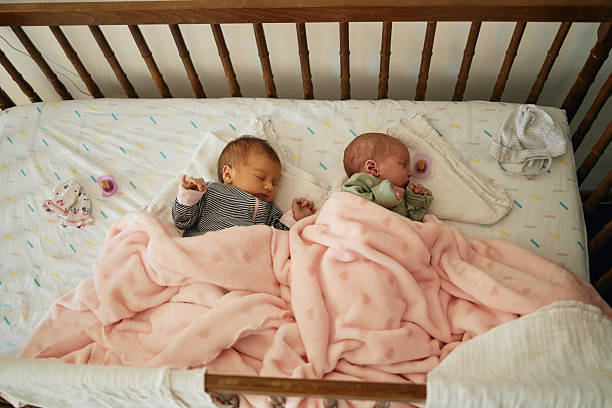
Moving into the late 90s and early 2000s, Emily and Jacob begin to stand out in a different way. Unlike some trends that rise quickly and fade just as fast, these names carried a kind of quiet consistency. Emily had a timeless softness that appealed across generations, while Jacob brought a strong, familiar feel that didn’t seem tied to any one moment. “Jacob held the number one spot for boys’ names in the U.S. for over a decade,” according to Social Security records, reflecting its long-lasting appeal.
What sets this era apart is the balance it strikes. There’s a return to names that feel classic, but not outdated. Emily and Jacob don’t try to reinvent anything, they simply fit. And that simplicity is part of their strength. They represent a period where people were looking for names that felt reliable but still relevant. Over time, they became markers of a generation that valued both familiarity and subtle individuality. Even now, they don’t feel tied down to one specific moment, which is why they continue to appear across different age groups, quietly bridging the gap between past and present.
7. Jayden and Nevaeh

As individuality becomes more central, names begin to stretch in new directions. Jayden and Nevaeh capture this shift clearly, especially in the mid-2000s. Jayden belongs to that growing “-den” family of names, joining Aiden, Kayden, and Brayden in a trend that felt modern and rhythmic. Nevaeh, on the other hand, stands out for a completely different reason, it’s “heaven” spelled backward, a creative twist that quickly gained attention. “Nevaeh entered the top 100 names in the U.S. within just a few years of rising in popularity,” naming data shows, highlighting how quickly unique ideas can spread.
What defines this generation is the desire to create something personal, even if it ends up becoming widely shared. These names don’t come from long-standing tradition, they come from imagination, from a willingness to try something new. And while that sometimes leads to patterns forming again, the intention behind them feels different. It’s less about following and more about expressing. Jayden and Nevaeh represent a moment where naming became more flexible, more open to interpretation. And that flexibility continues to shape how names evolve today.
8. Noah and Emma

At some point, things begin to simplify again, but in a different way than before. Noah and Emma represent a modern return to minimalism, names that are short, clear, and easy to carry. They don’t rely on complex spelling or uniqueness to stand out. Instead, they feel complete in their simplicity. “Emma and Noah have consistently ranked among the top names in recent years,” according to national statistics, showing how strong that preference has become.
What makes these names interesting is how they balance tradition and modern taste. Both have historical roots, yet they feel current and adaptable. In a world that often feels fast and overwhelming, there’s something appealing about names that are simple and steady. They don’t demand attention, but they hold it naturally. This reflects a broader shift toward clarity and ease, where less feels like more. And in many ways, Noah and Emma define a generation that values simplicity not as a limitation, but as a choice.
9. Liam and Olivia
Then comes a generation shaped not just by local culture, but by global influence. Liam and Olivia rise to the top in a time where borders feel less defined and cultural exchange happens more quickly. Liam, with its Irish roots, and Olivia, with its literary background, both feel international yet familiar. “Liam has ranked as the number one boys’ name in the U.S. for several consecutive years,” recent data shows, reflecting its widespread appeal.
These names travel well. They’re recognized across different countries, easy to pronounce, and widely accepted. And that reflects a world that is more connected than ever before. Parents aren’t just thinking locally anymore, they’re considering how a name fits into a global context. Liam and Olivia represent that shift, where identity stretches beyond one place and becomes part of a larger, shared culture. And as that connection continues to grow, names like these become even more significant.
10. Avery and Jordan

As conversations around identity continue to evolve, so do naming patterns. Avery and Jordan stand out as examples of gender-neutral names that have gained steady popularity over time. Once more clearly associated with one gender, they’ve gradually become more flexible, used comfortably for both boys and girls. “Unisex names have seen consistent growth over recent decades,” one naming report explains, pointing to a broader cultural shift.
What makes these names important is what they represent beyond sound. They reflect a move toward openness, toward allowing identity to be less defined by traditional boundaries. Avery and Jordan don’t carry strict expectations, and that flexibility is part of their appeal. They give space for individuality in a different way, not through uniqueness, but through adaptability. And as society continues to shift, names like these quietly mirror those changes, showing how language and identity often move together.
11. Luna and Ezra
In more recent years, there’s been a noticeable pull toward names that feel distinctive but still grounded. Luna and Ezra capture that balance. Luna, with its soft, celestial feel, and Ezra, with its strong, ancient roots, both stand out without feeling forced. “Names inspired by nature and heritage have grown in popularity in recent years,” one analysis notes, highlighting this dual influence.
These names feel thoughtful, chosen with intention rather than impulse. They’re not overly common, but they’re not unfamiliar either. That middle ground is what makes them appealing. Luna and Ezra reflect a generation that values meaning, not just sound. Whether it’s drawn from nature, history, or cultural roots, the name carries a story. And that storytelling becomes part of the identity itself, shaping how names are experienced rather than just used.
12. Nova and Atlas

It’s interesting how, after everything, naming seems to circle back to something deeper, not tradition in the old sense, and not popularity in the way we’ve seen before, but meaning that feels expansive. Names like Nova and Atlas are beginning to stand out in that space. Nova, drawn from the idea of a star that suddenly becomes brighter, carries a quiet sense of newness, of something unfolding. Atlas, on the other hand, feels grounded yet vast, tied to mythology but also to the image of holding the world, of strength and responsibility. These names don’t feel accidental. They feel chosen with intention, almost like a reflection of how people are thinking about identity today. As one naming insight puts it, “modern parents are increasingly drawn to names that carry symbolic or aspirational meaning,” and that shift shows clearly in choices like these. They’re not just about how a name sounds, but what it suggests, what it holds, and how it might grow with the person over time.
What makes Nova and Atlas particularly fitting for this moment is how they blend imagination with presence. They’re distinctive without feeling disconnected, unique but still easy to recognize. And in a world that feels more open, more connected, and sometimes more uncertain, there’s something meaningful about choosing names that carry a sense of possibility. These names don’t tie a person to a single story, they leave room for many. And maybe that’s where everything we’ve explored quietly leads.


