
The Subtle System Behind That Familiar Feeling
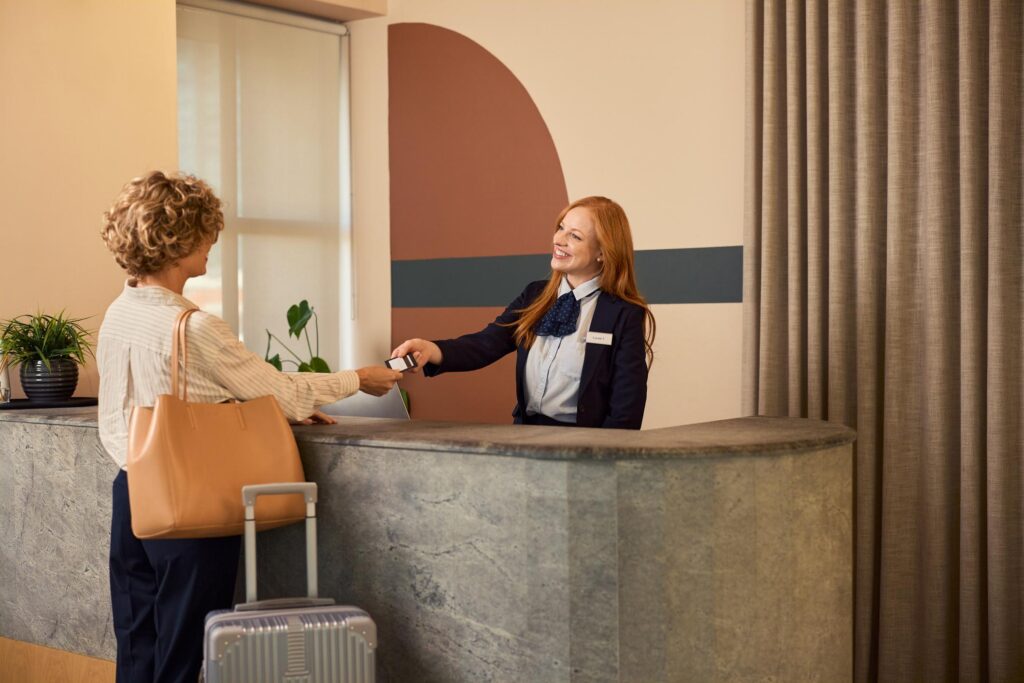
Have you ever checked into a hotel in Dubai and felt like you were back in Chicago? That strange sense of “I’ve been here before” isn’t just in your head. Whether you are walking into a lobby on June 10, 2024, or December 20, 2025, major chains work hard to make sure you know exactly what to expect. This global sameness is a carefully crafted strategy designed to give travelers a sense of comfort and predictability, no matter how far they wander from home.
The secret sauce behind this uniform feeling is the influence of massive hospitality giants like Marriott International, Hilton Worldwide, and InterContinental Hotels Group (IHG). These companies oversee thousands of properties across the globe. By sticking to strict brand standards, they ensure that the bed is just as firm and the greeting is just as friendly in Singapore as it is in New York. While this makes traveling feel safe and easy, it often means the local culture gets tucked away in favor of a reliable, recognizable experience that works for everyone.
Corporate Playbook

When you step into a big-name hotel, you are basically walking into a giant instruction manual come to life. These global companies create massive sets of rules that cover everything from the exact shade of the hallway carpet to the thread count of your pillowcases. These guidelines aren’t just suggestions; they are the law of the land for hotel managers. The goal is to make sure a guest who stays in London on March 15 knows they will get the same quality when they visit Tokyo in July.
This playbook approach is necessary when you look at the sheer size of a company like Marriott, which currently operates in over 140 countries. When a brand gets that big, being consistent is their best way to keep you coming back. You trust the name because it never throws you a curveball. While it’s nice to know your charger will fit the bedside outlet, it also explains why so many hotel stays start to blur together in your memory like one long, beige vacation.
Franchise Model

A lot of people think that the big names on the signs actually own the buildings, but that’s a bit of a travel myth. In reality, most hotels follow a franchise model. This means a local owner might own the actual real estate, but they pay a fee to use a famous name like Hilton or Marriott. To keep that name, the owner has to follow every single corporate rule down to the letter, ensuring the “vibe” stays exactly the same across borders.
This business setup is how these brands grew so fast throughout the 1990s and 2000s. It allows a company to have a presence in every major city without having to build every skyscraper themselves. Because the brand controls the experience from a corporate office, a hotel in a different country can feel like a carbon copy of one down the street from your house. It’s a clever way to maintain quality, but it’s also why it feels like the brand, not the location, is in charge.
Design Templates

The reason that hotel desk is in the exact same spot every time isn’t a coincidence, it’s a template. Major players like InterContinental Hotels Group don’t start from scratch when they build a new location. Instead, they use pre-tested designs for rooms and lobbies that have been proven to be efficient and comfortable. These blueprints dictate where the lights go, how the bathroom is laid out, and even where the TV is mounted to save time and money during construction.
Using these “cookie-cutter” designs helps keep costs down, which often leads to better prices for travelers. However, it also means that creative or unique architecture usually takes a back seat to what is practical. While a tiny boutique hotel might have cool, local art and weird layouts, the big chains prioritize a layout that they know works for a business traveler on a tight schedule. This is why you can wake up in a room and honestly forget which time zone you’re currently in.
Loyalty Ecosystem
One of the biggest reasons hotels stay so similar is that we, the travelers, actually ask for it through loyalty programs. Massive systems like Marriott Bonvoy have millions of members who are loyal to the brand because they want to earn points and perks. To keep those members happy, the hotels have to provide a consistent experience every single time. If you’re a “Titanium” member, you expect the same level of service whether you are in Paris or Phoenix.
These programs are brilliant at creating repeat customers, but they also discourage hotels from trying anything too wild or different. If a brand changes things up too much, they risk upsetting their most frequent guests who rely on that familiarity. As a result, the industry doubles down on what works, creating a cycle where uniformity is rewarded. You get your free breakfast and room upgrade, and in exchange, the hotel stays exactly how you remember it from your last trip.
Service Scripts

Have you ever noticed that hotel staff often greet you in the exact same way? That’s because even human kindness is often part of a script. Many big chains use the “10 and 5” rule: staff are taught to make eye contact at 10 feet and give a verbal greeting at 5 feet. This training ensures that every guest feels noticed and welcomed, regardless of whether the hotel is in a bustling city or a quiet suburb.
While this structure guarantees a baseline of professional service, it can sometimes feel a little “robotic” or transactional. In some regions, like parts of Asia, hospitality is often more intuitive and less scripted, which can feel more genuine to some guests. However, global brands usually prefer the script because it’s easier to teach to thousands of employees worldwide. It ensures that no matter where you go, the “hospitality” feels like a familiar, well-rehearsed performance designed to make you feel right at home.
American Influence
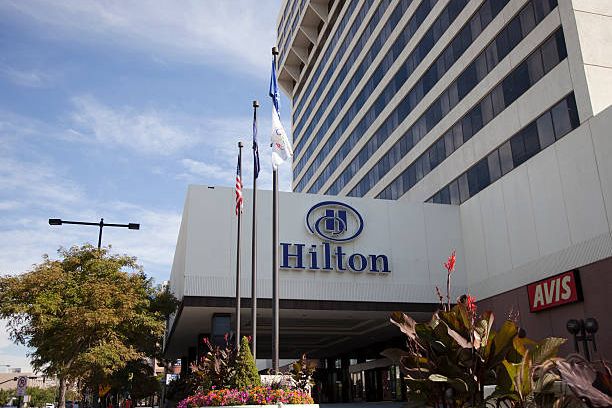
It is no secret that the modern hotel world has a very strong American accent. Companies like Hilton and Marriott, which started in the U.S. in the early 20th century, basically invented the standard for what a modern hotel should be. As these brands expanded globally, they brought their American ideas about efficiency, convenience, and friendly service to every corner of the map. This influence has shaped the industry into what we see today.
This is a big reason why a hotel in a completely different culture can still feel strangely familiar to an American traveler. While these brands try to incorporate a little local flavor, the “bones” of the experience are usually based on Western expectations. Things like 24-hour fitness centers and specific types of breakfast buffets have become global standards. It makes traveling easier, but it also means that some of the unique local traditions of hospitality get smoothed over to fit the global mold.
Predictability First

For a lot of people, the best part of a hotel isn’t the surprise, it’s the lack of one. After a stressful 12-hour flight or a long day of meetings, the last thing you want is a “unique” room with a confusing shower. Hotel brands know that for the tired business traveler, predictability is actually a luxury. They design their spaces to be a “safe harbor” where you don’t have to think twice about how anything works.
By cutting out the surprises, hotels significantly lower the chance of a guest having a bad experience. This “safe bet” strategy is why the industry has stayed so consistent over the last few decades. While some might find it a bit boring, most people are willing to trade a little bit of character for the guarantee of a clean room and a hot shower. It’s the reason why, at the end of a long day, we often choose the name we know over the one we don’t.
Regional Differences
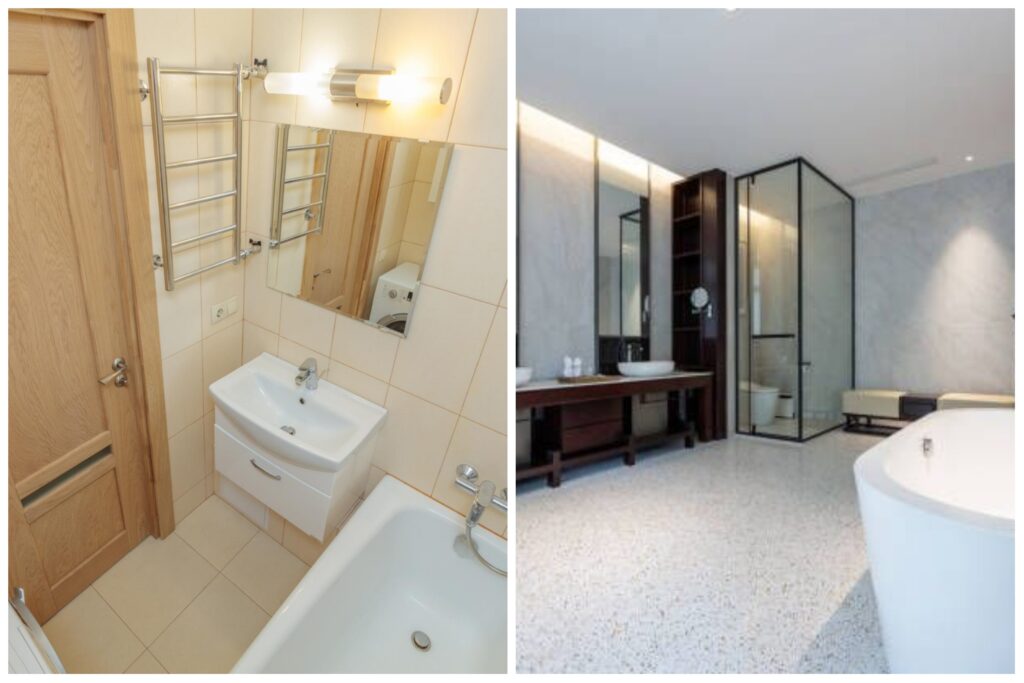
Even with all this global “sameness,” if you look closely, you can still spot some regional quirks. For example, if you travel through Europe, you’ll likely notice that rooms are a bit more compact and bathrooms might be smaller due to the age of the cities. On the flip side, if you head to Asia, you might find brand-new hotels with high-tech gadgets and incredibly attentive service that goes way beyond the standard corporate script.
These small differences usually come down to local land costs and what people in that area expect when they pay for a room. Even so, these variations are usually just “toppings” on the same global pizza. The core experience, the check-in process, the way the room is styled, and the brand’s overall vibe, remains the same. You might have a little less legroom in London, but you’ll still find that familiar logo on your keycard and that same brand of soap in the shower.
Efficiency Over Character

At the heart of why hotels feel so similar is a simple business reality: efficiency is king. For a global brand managing thousands of properties, it is much easier and cheaper to have one set of rules than to create unique plans for every city. By standardizing designs and training staff with specific scripts, companies can keep costs low and ensure that every location runs like a well-oiled machine. This approach, perfected throughout the early 2000s, allows brands to expand rapidly into new markets while maintaining a high level of reliability for their guests.
However, this focus on the bottom line often means that local charm and unique architecture get pushed to the side. When a brand prioritizes its global identity, the specific culture of the destination can sometimes feel like an afterthought or a “theme” rather than a genuine part of the stay. While most travelers appreciate the comfort of a clean, predictable room, the trade-off is a loss of individuality. It explains why, whether you are in London or Lisbon, your hotel stay might feel perfectly comfortable but not particularly memorable, as efficiency ultimately wins out over character.


