
Balancing Our Power And Planet
Today, America finds itself at a unique crossroads where two major priorities are starting to clash. On one side, our hunger for electricity is exploding because of new technologies like artificial intelligence and the rapid move toward electric cars. On the other side, the United States has made firm promises to lower greenhouse gas emissions and protect our environment. These two goals are both very important, but they are increasingly pulling our country in opposite directions as we try to grow the economy while also staying green.
What makes this situation so interesting is that we aren’t just choosing one path over the other. Instead, the U.S. is currently expanding both renewable energy and traditional fossil fuels at the same time. This overlap is changing how the government makes laws and where companies spend their money. It also makes people wonder how fast we can really switch to clean energy without causing power outages or making electricity too expensive. Since 2024, finding a middle ground has become the biggest challenge for our nation’s leaders and local communities.
Tech Growth Drives Power Needs
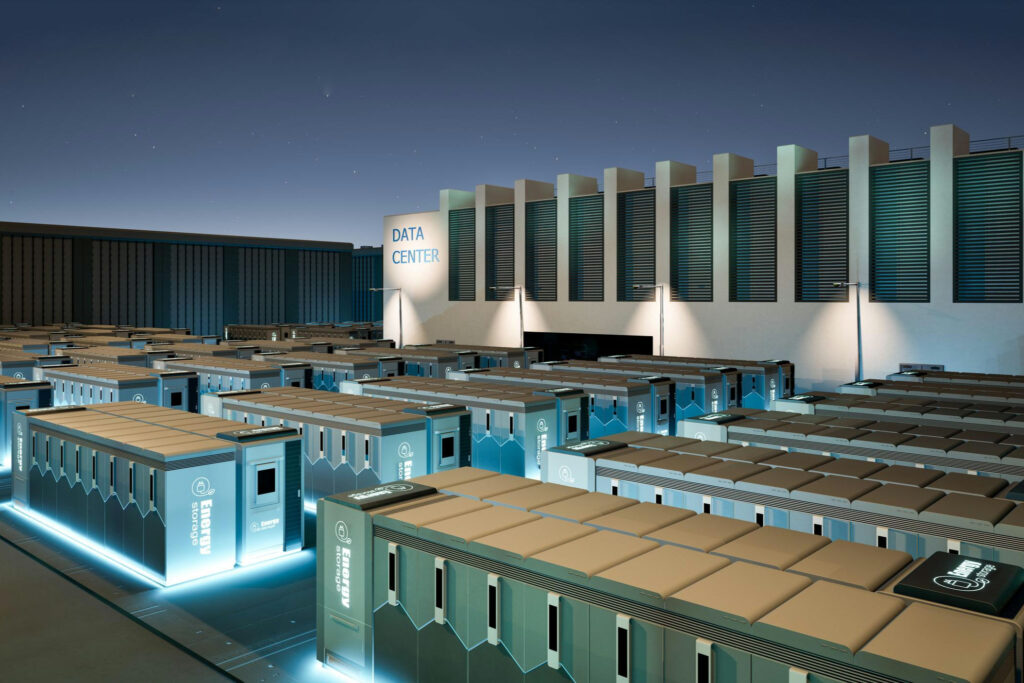
For the first time in many years, the amount of electricity Americans use is skyrocketing. This change is mostly due to the rise of massive data centers that run the internet and artificial intelligence. These “server farms” require a huge amount of constant power to stay cool and keep running. In fact, total electricity generation in the United States hit an all-time record high in 2025. This shows how much our modern lives and digital tools depend on a steady and growing supply of energy.
This isn’t just about using more power; it’s about needing that power to be available every second of every day. Because data centers cannot afford to shut down, utility companies are under a lot of pressure to keep the lights on. This often means they have to rely on traditional power plants that use coal or gas, especially when the sun isn’t shining or the wind isn’t blowing. Even though we are building more solar panels and wind turbines, they sometimes struggle to keep up with this non-stop demand from the tech industry.
AI Demands More Daily Electricity

Artificial intelligence is no longer just a cool tech trend; it is now one of the biggest reasons our country needs more electricity. Every time we use an AI tool, it requires complex math that happens on powerful computers in large buildings. These facilities use so much energy that experts believe data centers could use up to 12 percent of all U.S. electricity by the year 2028. This is a massive jump from just a few years ago, and it’s changing how we think about our energy future.
Because AI is growing so fast, it is creating a physical challenge for our power grid. In some parts of the country, the demand for power is growing faster than we can build new wires or power plants. This is forcing local leaders and power companies to rethink how they build and pay for energy systems. Since tech moves much faster than construction, we are seeing a race to build enough infrastructure to keep up with the digital world without letting the energy supply run dry.
Greenhouse Gas Emissions Rising Again
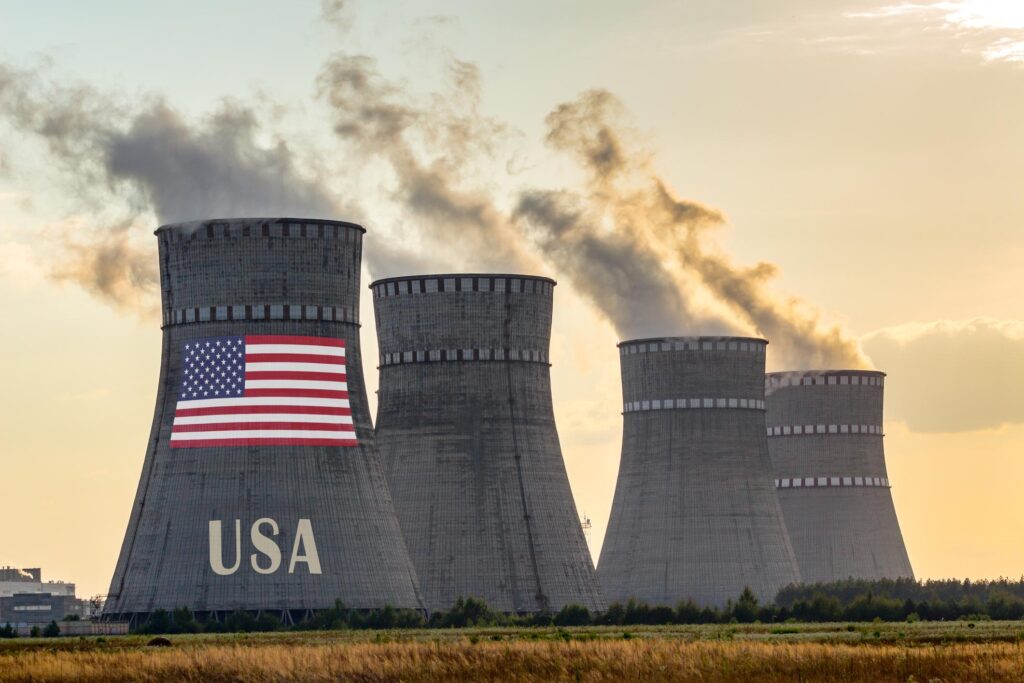
After making great progress for several years, greenhouse gas emissions in the United States started to climb again recently. This shift shows just how difficult it is to keep climate goals on track when energy needs are so high. A combination of increased demand and unusual weather patterns meant that many power plants had to burn more fossil fuels to keep homes comfortable and businesses running. In 2025, emissions actually rose by about 2.4 percent, which was a surprising reversal for many environmental experts.
This “rebound” in emissions highlights a major hurdle in our transition to cleaner energy. While we are definitely building more wind and solar farms, they aren’t yet replacing old energy sources fast enough to cover our growing needs. Instead, both types of energy are being used more than ever. This means that the progress we make with green energy is sometimes cancelled out by the extra coal and gas we have to burn to satisfy the country’s growing appetite for electricity.
Relying On Traditional Energy Sources
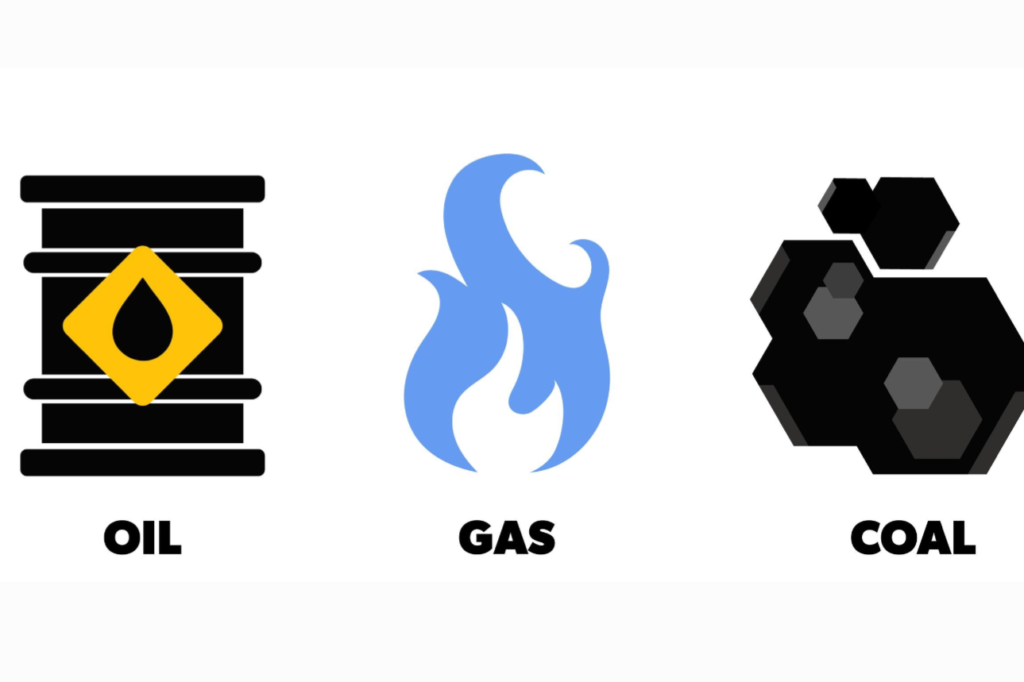
Even with many new laws supporting green energy, fossil fuels still play a massive role in how we live today. Currently, things like natural gas, oil, and coal provide about 60 percent of the total power used across the United States. We still rely on these sources because they are very dependable and can be turned on or off whenever people need them. The infrastructure for these fuels has been around for decades, making them a “safety net” for our national power supply.
In some areas, power companies are actually keeping older coal plants running longer than they planned just to make sure there is enough electricity for everyone. They are also building new natural gas plants to handle the surge in demand. While this helps keep our electricity reliable and affordable in the short term, it makes it harder to reach the long-term goal of a carbon-free future. It is a tough balancing act between keeping the economy stable today and protecting the planet for our children’s future.
The Role Of Natural Gas
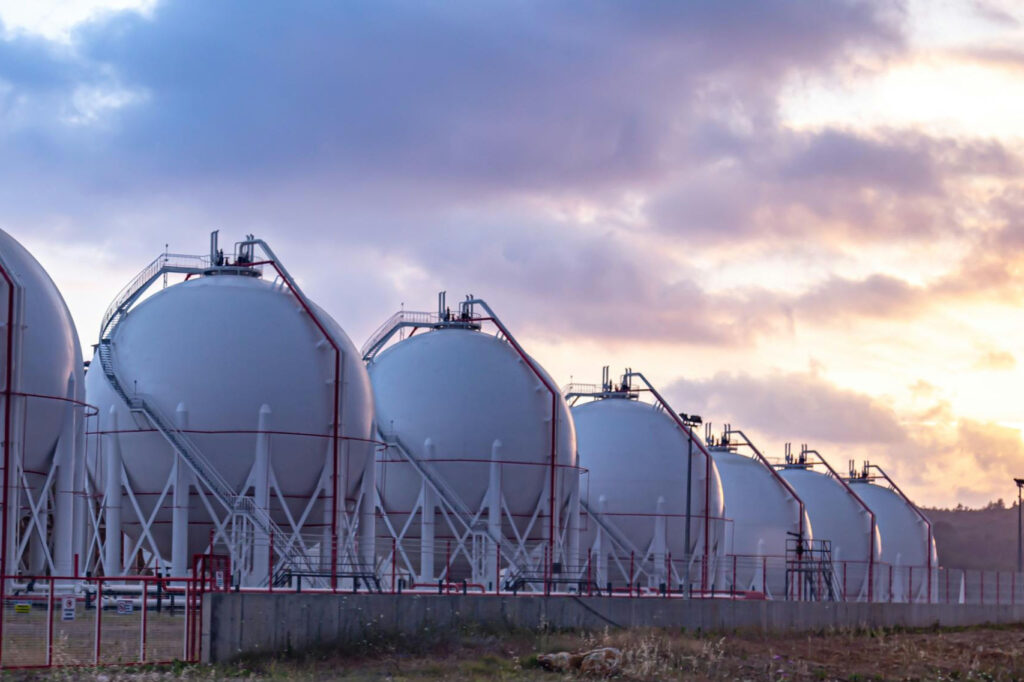
Natural gas is at the center of a big conversation about our energy future, with many calling it a “bridge fuel.” This means it is seen as a helpful middle step that allows us to move away from coal while we wait for more wind and solar power to be ready. Natural gas is popular because it creates fewer emissions than coal and can start up quickly when demand peaks. This flexibility makes it a favorite tool for utility companies trying to balance being green with being reliable.
However, not everyone agrees that using more gas is the right move. Some people worry that if we spend billions of dollars on new gas pipes and plants, we will be stuck using fossil fuels for many more decades. On the other hand, supporters say it is a necessary compromise to keep the power grid steady while we slowly transition. This debate shows the uncertainty many feel about how to reach our 2030 climate targets while still making sure every home has reliable power.
Challenges With Our Power Grid
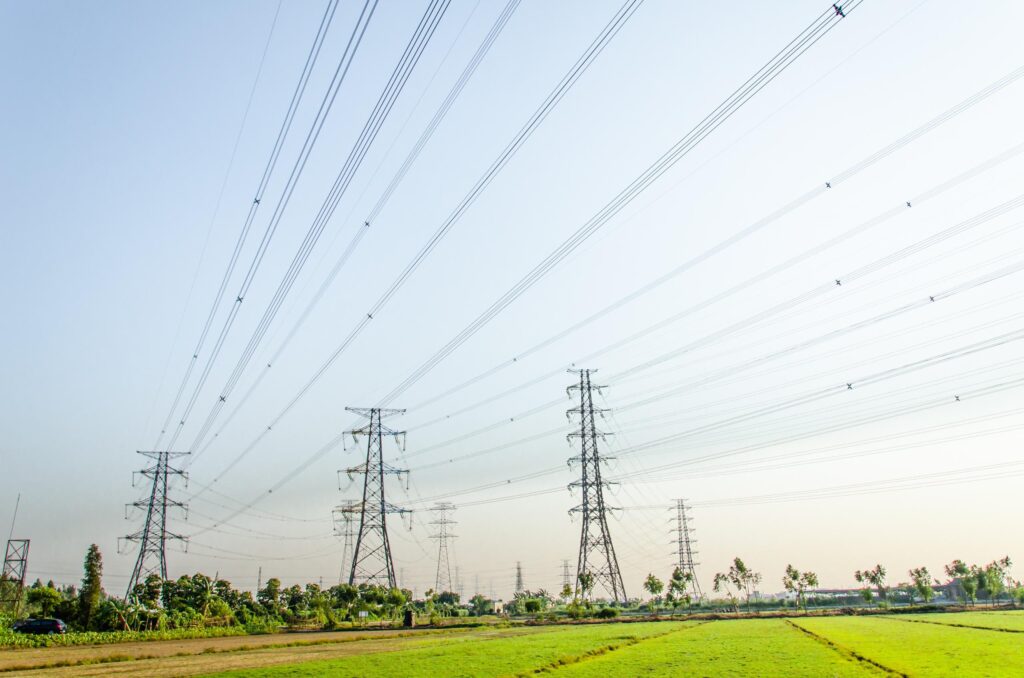
One of the biggest hurdles to using more clean energy is actually the “pipes” that carry electricity, our national power grid. While we are getting better at making energy from the sun and wind, the wires and stations needed to move that power to cities are often old and crowded. Building new transmission lines can take many years because of permits and construction delays. This creates a “bottleneck” where clean energy is being made in one place but can’t get to where people need it.
Because of these delays, many cities have to keep using local fossil fuel plants even if there is a wind farm just a few hundred miles away. This mismatch shows that the energy transition is about much more than just building wind turbines; it’s about a total makeover of our nation’s electrical highway. As of early 2026, improving this infrastructure has become a top priority for workers and engineers who want to make sure our grid can handle the modern world’s needs.
Delays In Building New Infrastructure
The rush to build new high-tech facilities and green energy projects has run into a major problem: a shortage of parts and people. Vital pieces of equipment, such as large electrical transformers, are now very hard to find. In some cases, companies have to wait several years just to receive the parts they ordered. These supply chain issues are slowing down everything from new data centers to large-scale solar farms, creating a waiting list for progress across the country.
These delays create a “domino effect” throughout the whole economy. When a project is put on hold, it becomes more expensive and makes it harder to meet the growing demand for electricity. This uncertainty makes it difficult for planners to know when new power will actually be available. It reminds us that even with the best intentions and plenty of money, building a new energy system takes a lot of time and depends on a complicated global network of manufacturing and shipping.
The Limits Of Renewable Energy
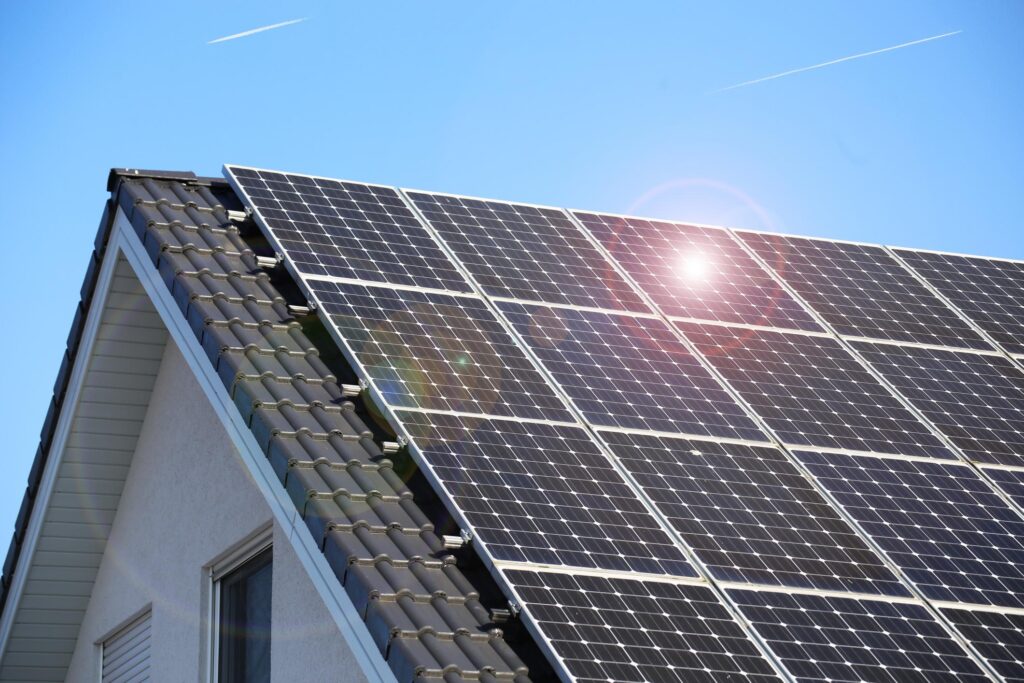
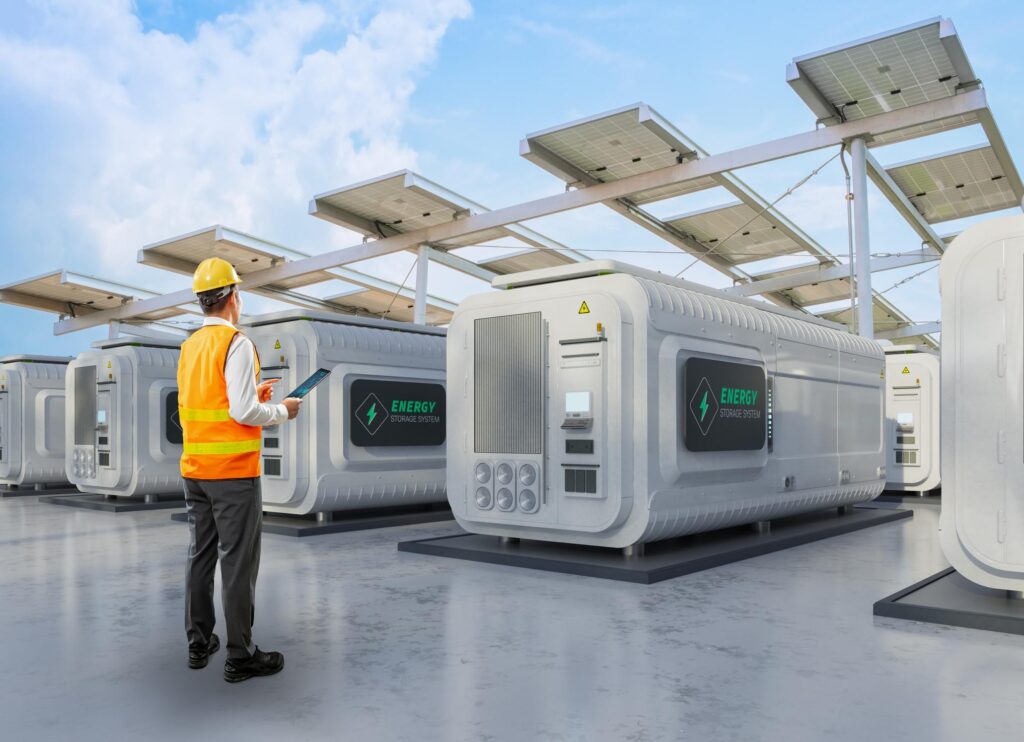
Renewable energy, like wind and solar, has become much cheaper and more common over the last decade. It is a huge part of our future, but it still has some natural limits that we are learning to manage. The biggest challenge is that the sun doesn’t always shine and the wind doesn’t always blow. This “intermittency” means we need very large batteries to store energy for later, and that technology is still being built and improved every single day.
Scaling up these green sources also requires a lot of land and sometimes runs into local disagreements about where projects should be located. Because of these factors, it is taking longer than some hoped to completely replace older power plants. While renewables are a vital part of the plan, we are realizing that making them our only source of power requires massive investments in storage and grid technology that will take through the late 2020s to fully realize and implement.
The Uncertainty For Energy Investors
The path to a cleaner future is also being shaped by the world of money and investing. Right now, many people who want to fund energy projects are feeling a bit cautious. High interest rates and changing government policies can make it risky to start a multi-billion dollar renewable project. Because these projects take a long time to build, investors need to be sure the rules won’t change halfway through. This has led to some years of fast growth followed by slower periods.
For those looking to invest, the fact that we are using both fossil fuels and renewables at the same time creates a complicated puzzle. While green energy is clearly the future, traditional oil and gas companies still offer steady profits today. This tension often splits where the money goes, which can slow down the speed of the transition. Balancing the need for a quick profit with the need for long-term environmental change is a challenge that every major bank and investment firm is currently facing.


