
1. Giant Hidden Craters Beneath The Surface
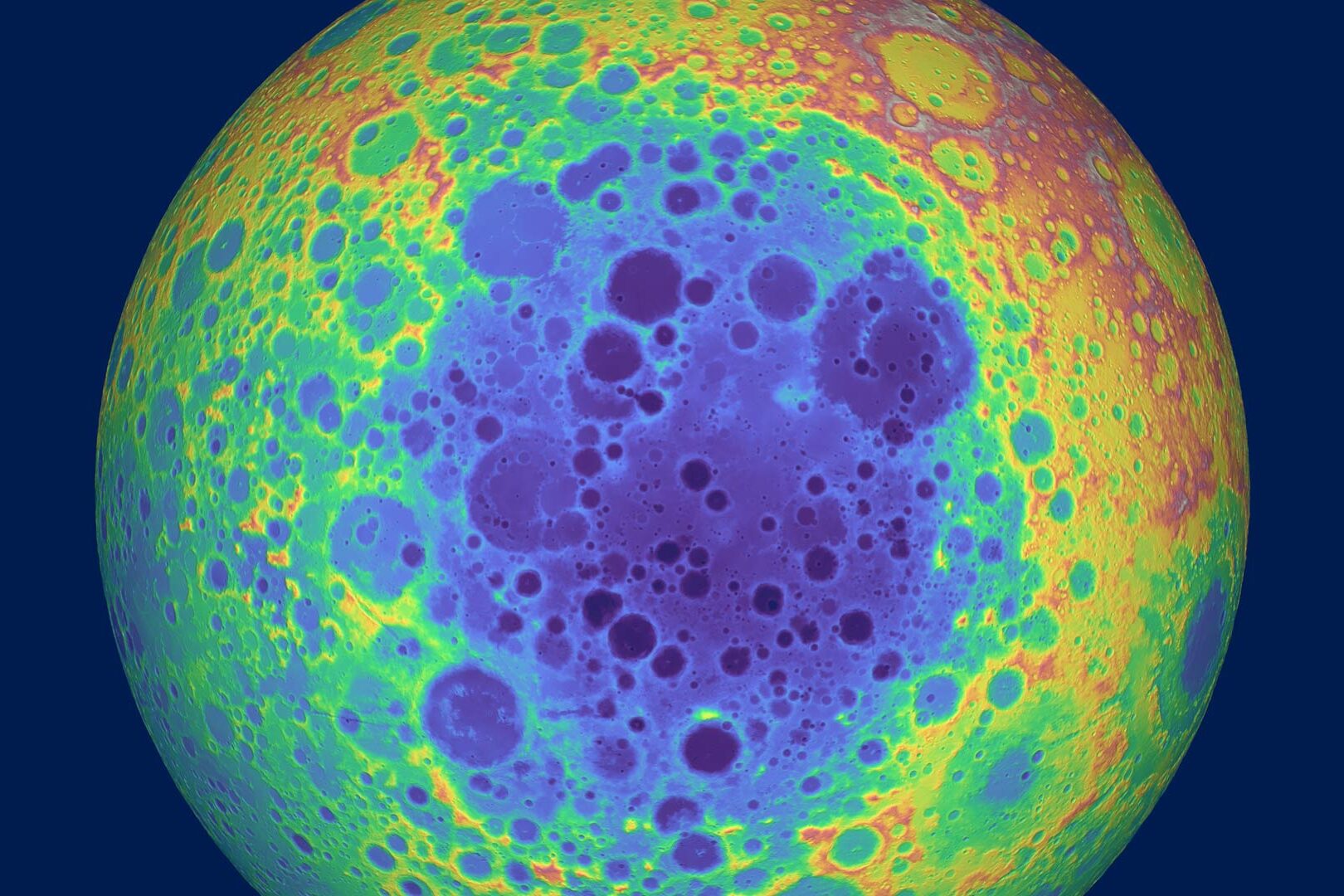
There is something quietly fascinating about the far side of the Moon, and recent NASA observations have slowly turned that curiosity into something more personal. While studying gravity data from the GRAIL mission, scientists noticed subtle shifts that hinted at enormous structures hidden beneath the surface. These were not visible craters, but buried basins formed billions of years ago during violent impacts. The discovery feels surprisingly relatable because the Moon looks calm from afar, yet carries a rough history underneath. As researchers examined the data more closely, they realized the far side holds far more hidden scars than anyone expected. This discovery quietly sets the tone for how much we are still learning.
Scientists believe these buried basins reshaped the Moon’s crust and influenced how the surface cooled over time. Instead of a smooth formation, the far side developed uneven layers that scientists are still studying today. What makes this discovery quietly meaningful is how it changes the Moon from a distant object into a place with a lived in past. The more NASA studies these hidden craters, the more the Moon feels familiar, almost like uncovering old foundations beneath a quiet town. Each new detail suggests the far side is not empty or inactive, but simply holding stories waiting patiently for discovery and understanding.
2. A Surprisingly Thicker Lunar Crust
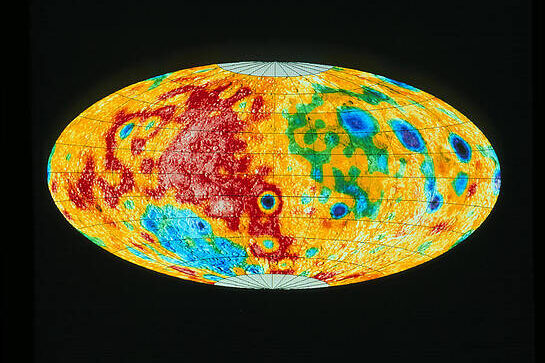
Sometimes the far side of the Moon feels like an older part of a place we thought we already understood. NASA scientists recently confirmed that the crust on the far side is significantly thicker than the side facing Earth. This discovery came from detailed mapping and gravitational measurements that helped researchers compare both hemispheres. The difference explains why the far side appears more rugged and filled with highlands instead of smooth dark plains. It is a quiet but meaningful contrast that makes the Moon feel less uniform and more shaped by uneven changes over time.
Scientists believe heat inside the early Moon shifted toward the Earth facing side, allowing lava to spread more easily there. Meanwhile, the far side cooled faster, creating a thicker crust that resisted volcanic flows. This small detail changes how researchers understand the Moon’s early formation. It also makes the far side feel like a preserved memory, holding onto older terrain that survived billions of years. As NASA continues studying this thicker crust, the Moon begins to feel less distant and more layered, like a familiar place that slowly reveals its personality through quiet geological differences.
3. Mysterious Swirling Surface Patterns
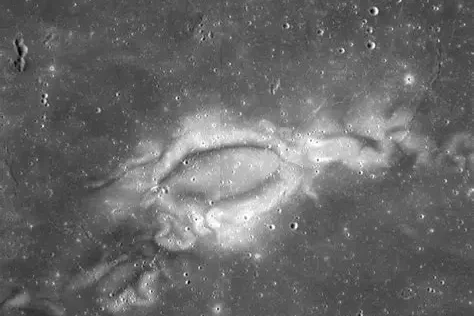
At first glance, some parts of the far side look softly brushed, almost like faint patterns drawn across the Moon’s surface. These formations, called lunar swirls, have puzzled scientists for years. NASA observations suggest these bright patterns form when small magnetic fields protect certain areas from solar wind exposure. Over time, surrounding terrain darkens while protected regions remain lighter. It is a subtle process, but it creates patterns that look surprisingly artistic and thoughtful in their appearance.
What makes these swirls interesting is how gentle the explanation feels. There is no dramatic eruption or sudden change, just small magnetic shields quietly influencing how the surface ages. Scientists continue studying these formations to understand how space weather shapes airless worlds. The more NASA examines these patterns, the more the Moon begins to feel alive in its own quiet way. These swirls remind researchers that even small forces can leave lasting marks, and sometimes the most fascinating discoveries appear not as dramatic features, but as soft patterns waiting patiently to be noticed.
4. Water Ice Hidden In Permanent Shadows
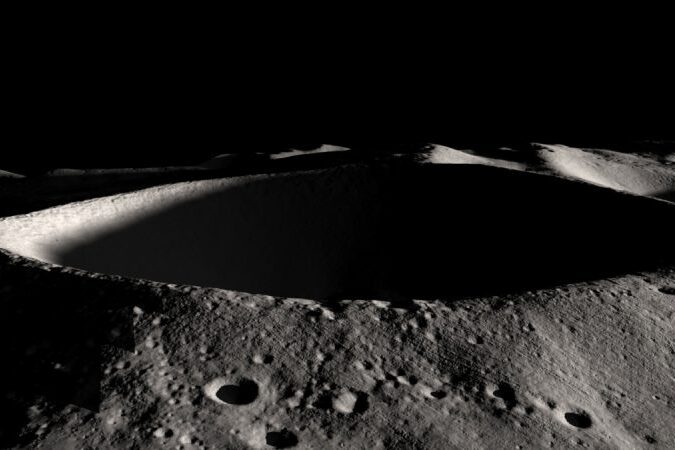
Some places on the far side of the Moon never see sunlight at all. Deep craters near the poles remain in permanent shadow, creating extremely cold environments where ice can quietly survive for billions of years. NASA observations using orbital instruments have strengthened evidence that water ice exists in these dark regions. The idea feels simple, yet it changes how we think about the Moon. Instead of a completely dry world, the far side begins to feel more practical and useful. Scientists studying these areas say the cold temperatures help preserve ice that would otherwise disappear under direct sunlight there.
That possibility quietly shapes future exploration plans. Water could support astronauts, help create breathable air, and even produce rocket fuel. Researchers see these shadowed craters as natural storage spaces waiting to be studied more closely. The discovery does not feel dramatic, but it feels hopeful in a grounded way. The Moon begins to look less distant and more like a stepping stone. As NASA continues mapping these regions, each new observation adds confidence that resources exist beyond Earth. Over time, the far side stops feeling empty and starts feeling purposeful, gently hinting at how exploration might unfold soon for humanity.
5. A Quieter Side That Tells A Different Story
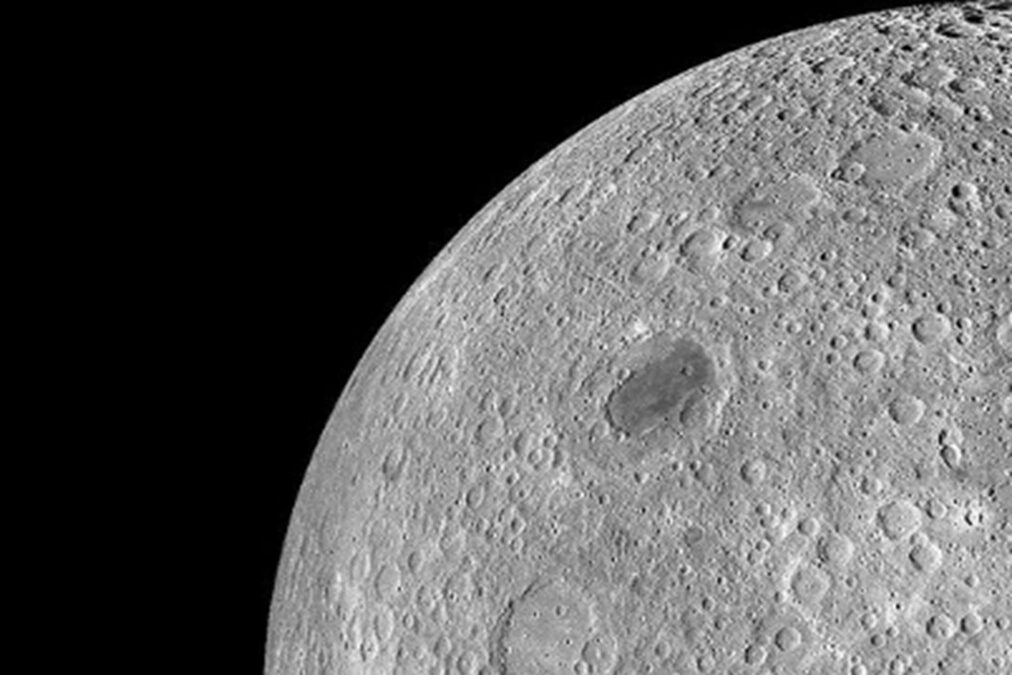
The far side of the Moon often feels calmer, almost like a place that has simply been left untouched for a long time. Compared to the side facing Earth, it has fewer dark volcanic plains and more rugged highlands. NASA scientists believe this difference formed billions of years ago when the Moon cooled unevenly. The far side preserved older terrain while the near side experienced more volcanic activity. This discovery feels quiet, yet meaningful. Instead of dramatic changes, the far side slowly held onto its earliest features. As researchers examine these ancient surfaces, the Moon begins to feel less mysterious and more like a record quietly waiting to be read.
Scientists continue studying this preserved terrain to understand how the Moon formed and evolved over time. Each observation adds small details that build a clearer picture of its early history. The far side does not shout for attention, but its calm surface holds important clues about planetary development. As NASA gathers more data, the Moon starts to feel familiar in a different way. The quiet side becomes the one that explains the most. And as these discoveries unfold gradually, the far side begins to feel less distant and more like a place that has patiently waited to tell its story.


