
Free Range Play

Back in the 1960s and 1970s, childhood was defined by a level of independence that seems almost unbelievable today. Most kids would head out the door right after breakfast and weren’t expected back until the streetlights flickered on at dusk. There were no cell phones or GPS trackers; parents simply trusted that we would stay within the neighborhood and look out for one another. This “free range” lifestyle allowed us to explore local woods, build secret forts, and settle our own playground disputes without any adult intervention. It was a time when the entire neighborhood felt like a safe extension of our own backyards.
Today, that level of unsupervised freedom has largely vanished from American life. Starting in the late 1990s, concerns about traffic and safety led to a major shift toward constant adult supervision. Most modern children have their social lives organized into “playdates” or structured extracurricular activities rather than spontaneous neighborhood adventures. While we definitely prioritize safety more than our parents did, many experts worry that kids are missing out on learning self-reliance. This cultural change reflects a move from a community-based trust model to a much more protective, hands-on style of parenting that defines the current generation.
Riding Truck Beds

During the 1980s, sitting in the open bed of a pickup truck was a classic part of a rural American summer. Whether you were heading to a local swimming hole or just catching a breeze on a backroad, it felt like a total adventure. There were no seatbelts or real seats; you just sat on the metal floor or leaned against the wheel wells while the wind whipped past. At the time, it was seen as a harmless, practical way to move a group of kids from point A to point B. It was a rugged, carefree experience that many people still remember with a lot of nostalgia.
Fast forward to the present, and this practice has been largely outlawed due to its extreme danger. By the early 2000s, most states passed strict legislation prohibiting passengers from riding in cargo areas to prevent ejections during accidents. Modern safety research highlighted that even a minor swerve could send a passenger flying, leading to life-altering injuries. Today’s parents are much more aware of crash dynamics and would never dream of letting a child ride unrestrained in a truck bed. This shift from “fun” to “forbidden” shows how much our society now values preventative safety and strict adherence to vehicle restraint laws.
Hitchhiking Rides
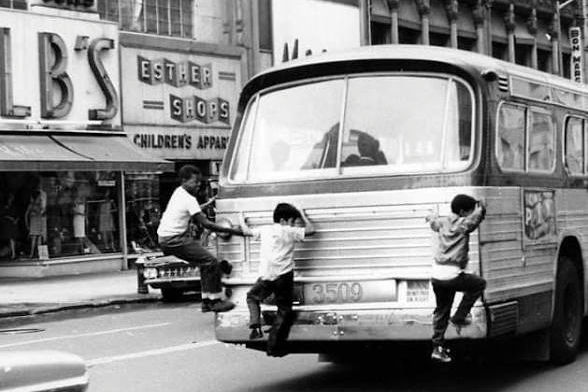
In the 1960s and 1970s, hitchhiking was a standard way for teenagers to get around when they didn’t have a car. Standing on the shoulder of a road with your thumb out was a culturally accepted practice, and drivers often felt a neighborly duty to help. It was a practical solution for getting to school, a concert, or the next town over, especially in areas with no public transit. For many, it represented a spirit of trust and adventure that defined the era. People generally believed that most strangers were well-meaning, making the road feel like a shared and safe community space.
That sense of public trust began to disappear in the 1980s as high-profile news stories and safety campaigns warned of the risks. Today, hitchhiking is almost non-existent in the United States and is often actively discouraged or even banned on major interstates. Most people now view getting into a stranger’s car as an unnecessary and dangerous gamble rather than a convenient way to travel. The move away from hitchhiking reflects a broader societal trend toward caution and the professionalization of ride-sharing. It marks the end of an era where we relied on the kindness of random passersby to get where we needed to go.
No Safety Gear
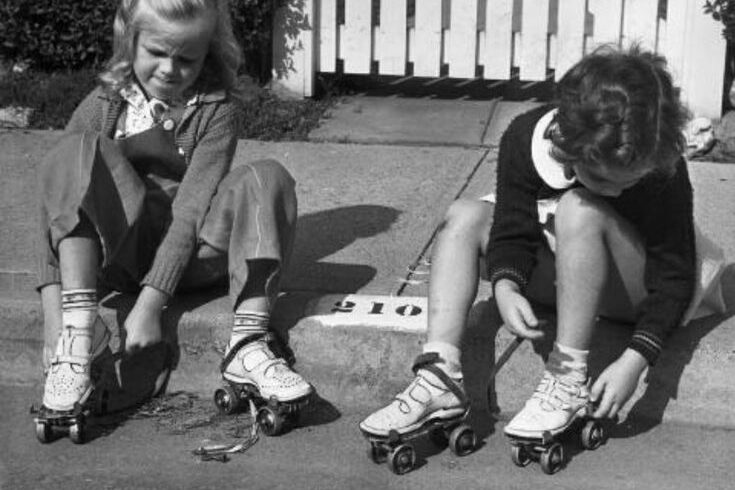
Before the mid-1990s, kids zipped around on bicycles, skateboards, and roller skates with almost zero protective equipment. Helmets were considered bulky and uncool, and elbow or knee pads were virtually unheard of unless you were a professional athlete. We learned to ride by falling down, and a scraped chin or a “strawberry” on the hip was just a normal part of the learning process. Parents usually just cleaned up the mess with some stinging antiseptic and sent us right back out to try again. Risk was simply an accepted ingredient in the recipe for a fun and active childhood.
Everything changed as medical professionals began to sound the alarm about the long-term consequences of traumatic brain injuries. In 1994, the first federal safety standards for bicycle helmets were established, sparking a wave of mandatory helmet laws across the country. Today, you would be hard-pressed to find a parent who lets their child ride a scooter or bike without a full set of safety gear. We have traded the “tough it out” attitude of the past for a proactive approach to injury prevention. This evolution shows how much our society now prioritizes long-term health and brain safety over the simple, gear-free freedoms of the previous decades.
Walking Alone

It was once a major milestone for a child to be allowed to walk to school or the local park entirely on their own. During the 1970s, it wasn’t unusual to see a seven-year-old navigating several city blocks or crossing busy streets without an adult in sight. This early independence was a source of pride for kids, helping them develop a strong sense of direction and personal responsibility. Parents encouraged this autonomy because it was the norm, and they trusted their children to be “street smart” from a very young age. It was a fundamental building block of growing up.
In contrast, the sight of a lone child walking down the street today often triggers immediate concern or even calls to the police. Concerns about “stranger danger” and increased traffic volume have made the solo walk a rarity in many American suburbs and cities. By the 2010s, “helicopter parenting” became the standard, with many children being driven or escorted everywhere until they are well into their teens. While we still value independence, we now introduce it much later and with far more technological oversight. This shift reflects a modern world where we prefer constant connectivity and supervision over the total autonomy of the past.
Playing With Mercury

One of the strangest memories for many people born before 1980 is the fascination with liquid mercury. It was common to see kids breaking open thermometers just to play with the shimmering, silver beads that rolled around like magic. Because it didn’t soak into your skin or clothes, it was treated like a toy, and some science teachers even passed it around the classroom for students to touch. At the time, very few people understood that they were handling a potent neurotoxin that could cause permanent damage. It was a classic example of scientific curiosity outweighing safety knowledge.
Our understanding of environmental health has improved drastically since those days, and mercury is now treated as a hazardous material. By the late 1990s and early 2000s, many states began banning mercury-filled thermometers and thermostats to protect families from accidental exposure. Today, a spilled drop of mercury in a school often results in a professional hazmat cleanup and a complete building evacuation. We now recognize that even small amounts of mercury vapor can be dangerous, especially for developing children. This transition highlights how scientific progress can turn a common household curiosity into a strictly regulated and avoided substance for the sake of public safety.
Chemistry Set Experiments
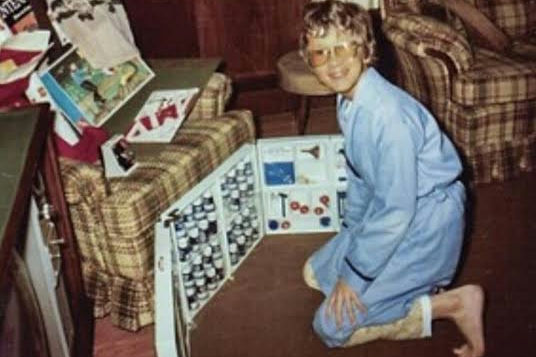
The chemistry sets of the 1950s and 1960s were remarkably intense and allowed children to perform reactions that were actually hazardous. These kits often included real glassware, alcohol lamps, and potent chemicals like ammonium nitrate or even lead-based compounds. They were designed to give kids a “real” scientific experience, even if it meant the risk of a small explosion or a chemical burn in the basement. For many aspiring scientists, these sets were the highlight of their youth, providing a hands-on thrill that today’s digital games simply cannot replicate. They were tools for serious, if somewhat risky, exploration.
Today’s chemistry sets have undergone a massive transformation to prioritize safety above all else. Modern versions are strictly regulated by the Consumer Product Safety Commission and usually feature harmless, food-grade ingredients like baking soda and citric acid. While they might not produce the dramatic smoke or pops of the vintage kits, they ensure that learning remains a risk-free activity. This shift reflects a broader cultural desire to protect children from preventable accidents while they learn. It shows how we have balanced the need for educational engagement with a much higher standard for product safety in the modern toy aisle.
Trampolines Without Nets

Backyard trampolines in the 1980s and 1990s were essentially large, bouncy platforms with zero safety features. They featured exposed steel springs that could easily pinch skin and a complete lack of protective netting around the perimeter. It was common for four or five kids to bounce at once, often trying to double-bounce each other as high as possible. The inevitable result was often a fall onto the hard ground or a collision with the metal frame. Despite the frequent trips to the emergency room for sprained ankles, these trampolines remained a staple of American suburban fun.
The design of the trampoline changed forever in the early 2000s after years of skyrocketing injury reports led to new safety standards. Now, almost every trampoline sold comes with a tall safety enclosure and thick foam padding to cover the dangerous springs. These additions have drastically lowered the number of serious falls, making the backyard experience much more controlled and predictable. While the “wild west” era of the springy backyard death-trap is over, the fun remains in a much safer package. This evolution is a perfect example of how we have learned to keep the excitement of play while removing the most obvious and preventable dangers.
Mercurochrome Use

For decades, every American medicine cabinet seemed to contain a small glass bottle of Mercurochrome. Known affectionately as “the red stuff,” it was the go-to treatment for every playground scrape or kitchen cut. Mothers would use the little applicator to paint a bright red stripe on the wound, which would then stain the skin for several days. It was a common sight to see kids running around with red-spotted knees, which acted as a sort of “badge of honor” for active play. We trusted it to kill germs, and the slight sting was just part of the routine.
However, the medical community eventually realized that Mercurochrome contained mercury, which posed a risk of toxicity when absorbed through the skin. In 1998, the FDA officially pulled it from the market as a safe over-the-counter antiseptic, favoring safer alternatives like hydrogen peroxide or antibiotic ointments. Today, we have “sting-free” treatments that don’t leave permanent marks, reflecting a move toward more refined and safer medical products. While the bright red stains of our childhood are gone, the change shows how medical standards are constantly updated to reflect the latest safety research. It is a reminder that even our most trusted remedies can be improved by science.
Spanking Discipline

In the mid-20th century, spanking was a widely accepted and largely unquestioned method of discipline in most American households. It was viewed as a quick and effective way to teach children respect and discourage bad behavior before it became a habit. Many schools also employed corporal punishment, with principals often using paddles to maintain order in the hallways. The general consensus among parents and educators was that physical discipline was a necessary tool for raising a well-adjusted and obedient child. It was a deeply ingrained part of the traditional parenting playbook that was passed down through generations.
In recent years, the conversation around child discipline has shifted toward “positive parenting” and emotional communication. Extensive research in child psychology has suggested that physical punishment can lead to long-term behavioral and emotional challenges. Consequently, many states have banned corporal punishment in schools, and many parents have moved toward using time-outs or the loss of privileges instead. Today, the focus is on understanding the root cause of a child’s behavior rather than relying on physical consequences. This change reflects a growing societal emphasis on empathy and building a strong, trust-based relationship between parents and their children.
Buying Cigarettes

Back in the 1960s and 1970s, it was perfectly normal for a parent to send their child to the corner store with a handwritten note and five dollars to buy a pack of Marlboros. Shopkeepers would usually hand over the cigarettes without a second thought, trusting that the kid was just running a quick errand for an adult at home. It was a time when tobacco was everywhere, from doctor’s offices to airplanes, and seeing a ten-year-old carrying a pack of smokes wasn’t considered a scandal. For many kids, these little trips felt like a grown-up responsibility that helped them learn how to navigate their local neighborhood and talk to adults.
Today, that same scenario would likely result in a police report and a massive fine for the store owner. Since the 1990s, strict age verification laws and public health campaigns have completely transformed how we handle tobacco. In 2019, the federal government raised the legal age to buy any tobacco product to 21, making the “note from mom” a thing of the past. Retailers now use high-tech ID scanners to ensure they aren’t selling to minors, reflecting a much deeper understanding of the health risks involved. This shift shows how society moved from treating smoking as a casual habit to recognizing it as a serious public health concern.
Rough Playground Games
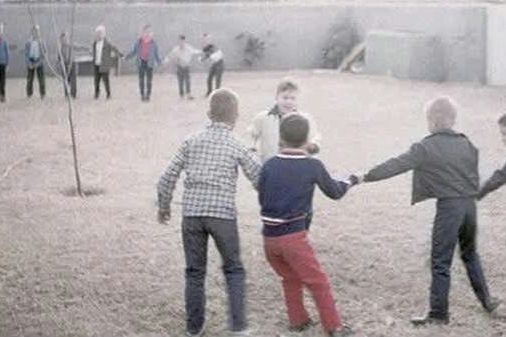
Playgrounds in the 1970s and 1980s were basically “survival of the fittest” zones where games like Red Rover and dodgeball reigned supreme. These activities were physically intense and often ended with a few kids getting the wind knocked out of them or sporting some nasty bruises. Adults generally stayed on the sidelines, believing that “roughhousing” was a necessary way for children to build physical resilience and learn how to handle conflict on their own. If you got a little banged up during a game of tackle tag, you were usually told to “shake it off” and get back in the game with your friends.
By the early 2000s, many schools began banning these contact-heavy games to create a more inclusive and injury-free environment. Modern educators often prioritize “cooperative play” over high-impact competition to protect children’s physical safety and emotional well-being. Today, you are more likely to see kids playing structured games that involve everyone and focus on teamwork rather than elimination. While some people miss the old-school grit of the playground, the change reflects a broader cultural desire to minimize unnecessary risks. We now aim to provide fun spaces where the risk of a broken bone or a playground feud is kept to an absolute minimum.
Gendered Play Norms
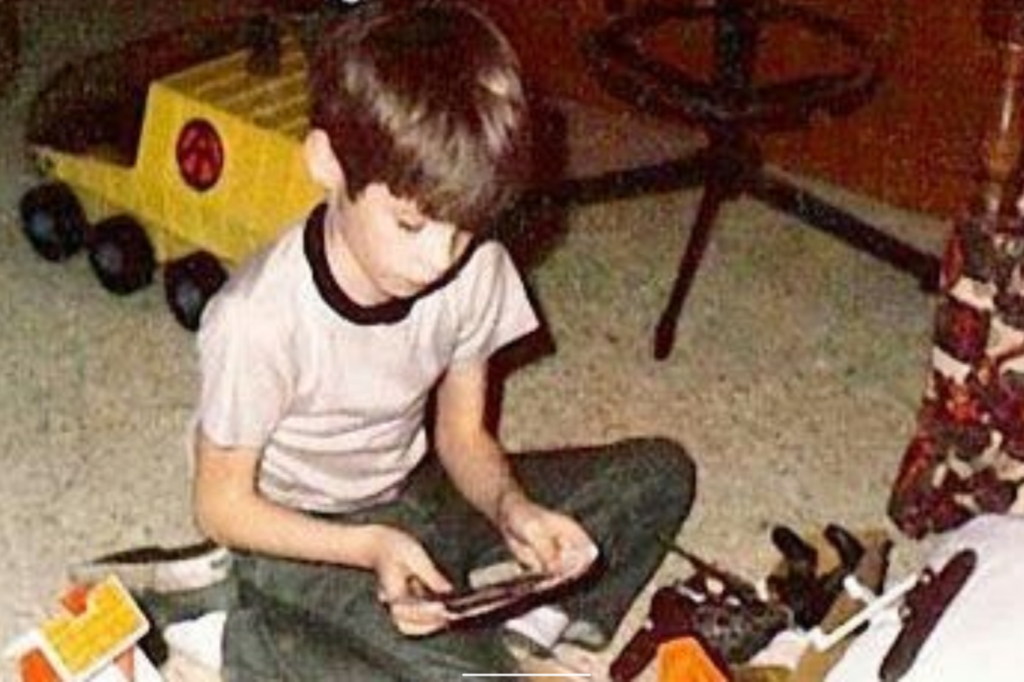
For most of the 20th century, toy aisles were strictly divided by a “blue for boys and pink for girls” philosophy. If you were a boy in the 1950s, you were expected to play with GI Joes and metal trucks, while girls were steered toward baby dolls and miniature kitchen sets. These rigid categories were meant to prepare children for traditional adult roles, and stepping outside those lines often resulted in a stern correction from parents or peers. It was a very structured way of looking at childhood that left little room for kids to explore interests that didn’t fit their assigned gender.
In the last decade, there has been a massive move toward gender-neutral toys and marketing. Major retailers like Target began removing “boys” and “girls” signs from their toy sections in 2015 to encourage children to simply follow their own curiosity. Today, you’ll see building sets marketed in every color of the rainbow and dolls designed for all children to enjoy. This shift reflects a modern American value on individuality and the idea that a child’s potential shouldn’t be limited by old-fashioned stereotypes. What was once a narrow path for kids has opened up into a wide world of play where they can truly be themselves.
YMCA Swim Rules

In many YMCA facilities and public pools throughout the early to mid-1900s, it was actually standard policy for boys to swim without bathing suits during lessons. At the time, this was viewed as a practical way to keep the pool filters clean, as wool and cotton suits of the era often shed fibers and clogged the systems. Since these were often single-gender environments, people didn’t give the lack of swimwear much thought, and it was simply accepted as a routine part of the athletic experience. Generations of men remember this as a somewhat awkward but totally normal requirement of their youth.
As social attitudes toward privacy and personal boundaries evolved, these “skinny dipping” rules were phased out entirely by the late 1970s. The shift toward coeducational facilities and a greater emphasis on child safeguarding made swimwear a mandatory requirement for everyone. Today, modern pool policies are designed to ensure that every child feels comfortable, respected, and protected in shared spaces. We now have a much higher standard for bodily autonomy and dignity, which has changed the way these historic institutions operate. It is a clear example of how our definitions of “appropriate” behavior have matured to better protect the privacy of young people in public.


