
Moon Missions: Nasa Vs China
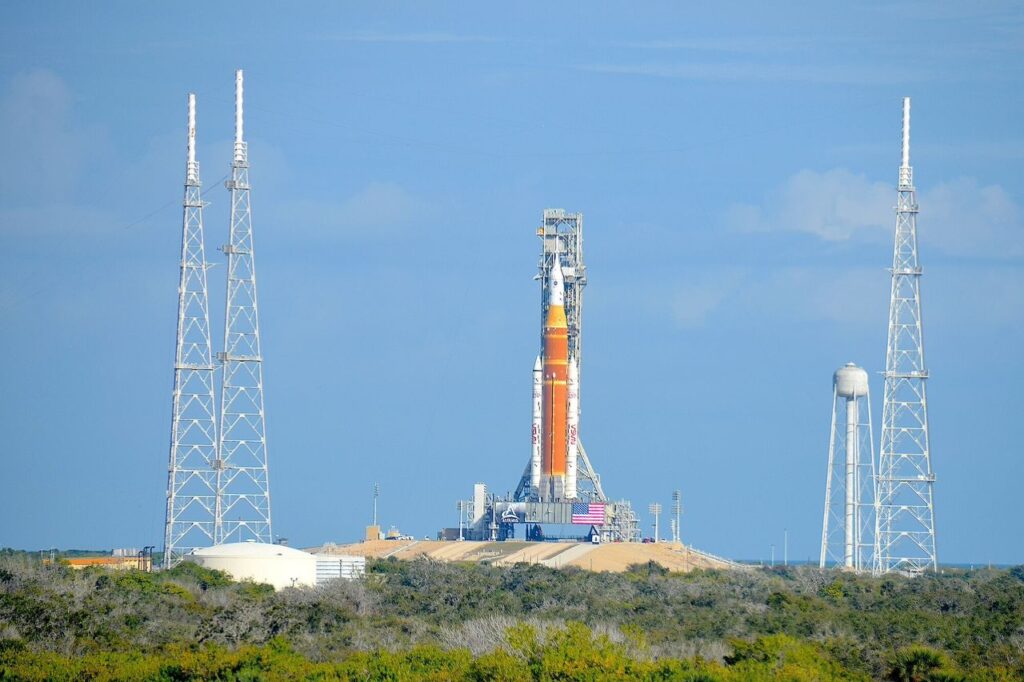
It is hard not to notice how space suddenly feels busy again. Every few weeks, there is a new update, a new test, or another long term plan for the Moon. In 2026, that quiet movement is turning into something more meaningful, especially as NASA and China continue working toward human lunar missions. NASA’s Artemis program is pushing toward returning astronauts to the Moon, while China continues building capabilities for its own crewed lunar landing before 2030. Both sides are moving steadily, and the focus has shifted from quick visits to long term presence and sustainable exploration that supports future missions.
What makes this competition feel different is how practical it has become. NASA is working with commercial partners to develop landers, mobility systems, and lunar infrastructure. China is expanding robotic missions and lunar research to prepare for human arrival. It is less about who gets there first and more about who stays longer and builds something meaningful. As both programs advance, the Moon is slowly becoming a shared destination again. That quiet shift makes this competition feel less dramatic and more important, shaping how the next generation experiences space exploration and long term lunar development.
Space Internet: Starlink Vs Amazon Kuiper
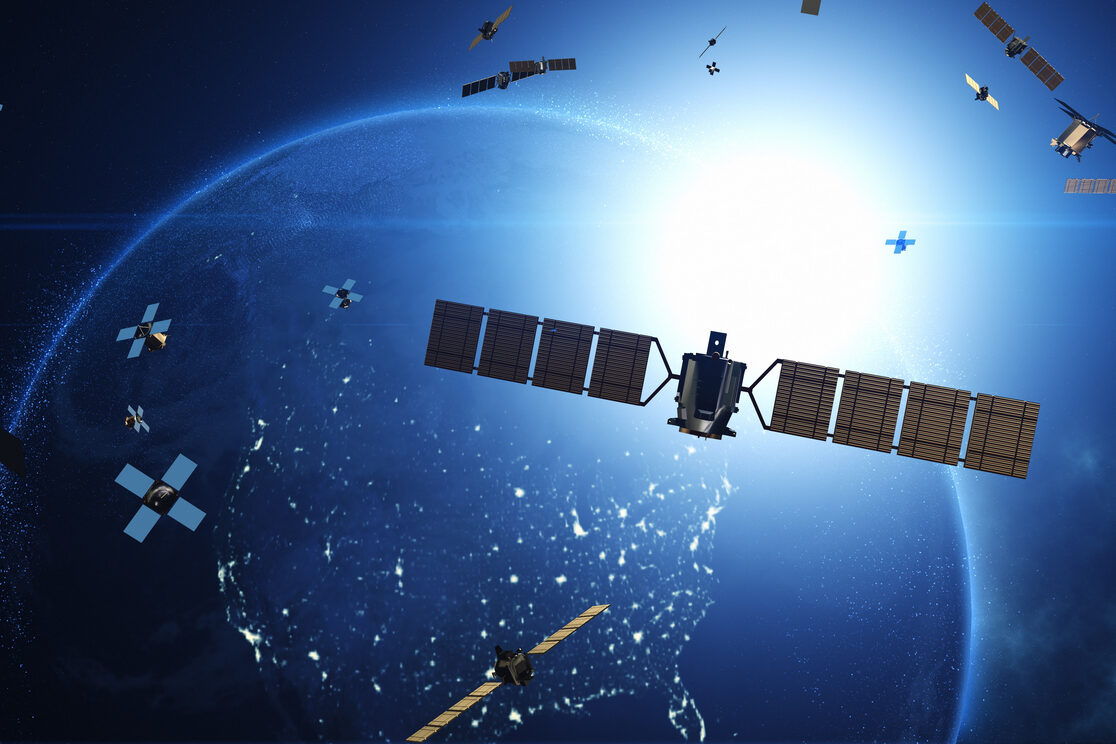
This competition feels closer to everyday life because it connects directly to how people work, communicate, and stay online. SpaceX’s Starlink has already launched thousands of satellites, offering internet service in rural and remote regions where traditional connections remain unreliable. Now Amazon is preparing Project Kuiper, with launches expected to expand through 2026. Both companies are investing heavily in satellite deployment, ground infrastructure, and partnerships that support global connectivity. What once sounded experimental now feels like a practical race to deliver faster and more accessible internet from space.
The competition is unfolding quietly, but its impact could be significant. Starlink continues refining its network and expanding coverage, while Amazon is building its satellite constellation and negotiating service partnerships. Each launch adds another layer to a growing infrastructure above Earth. For many communities, this competition could mean reliable internet access for the first time. Schools, businesses, and remote workers all stand to benefit. As these networks expand, space begins to feel less distant and more connected to everyday life, turning orbit into an extension of global communication systems.
Commercial Space Stations Are Taking Shape
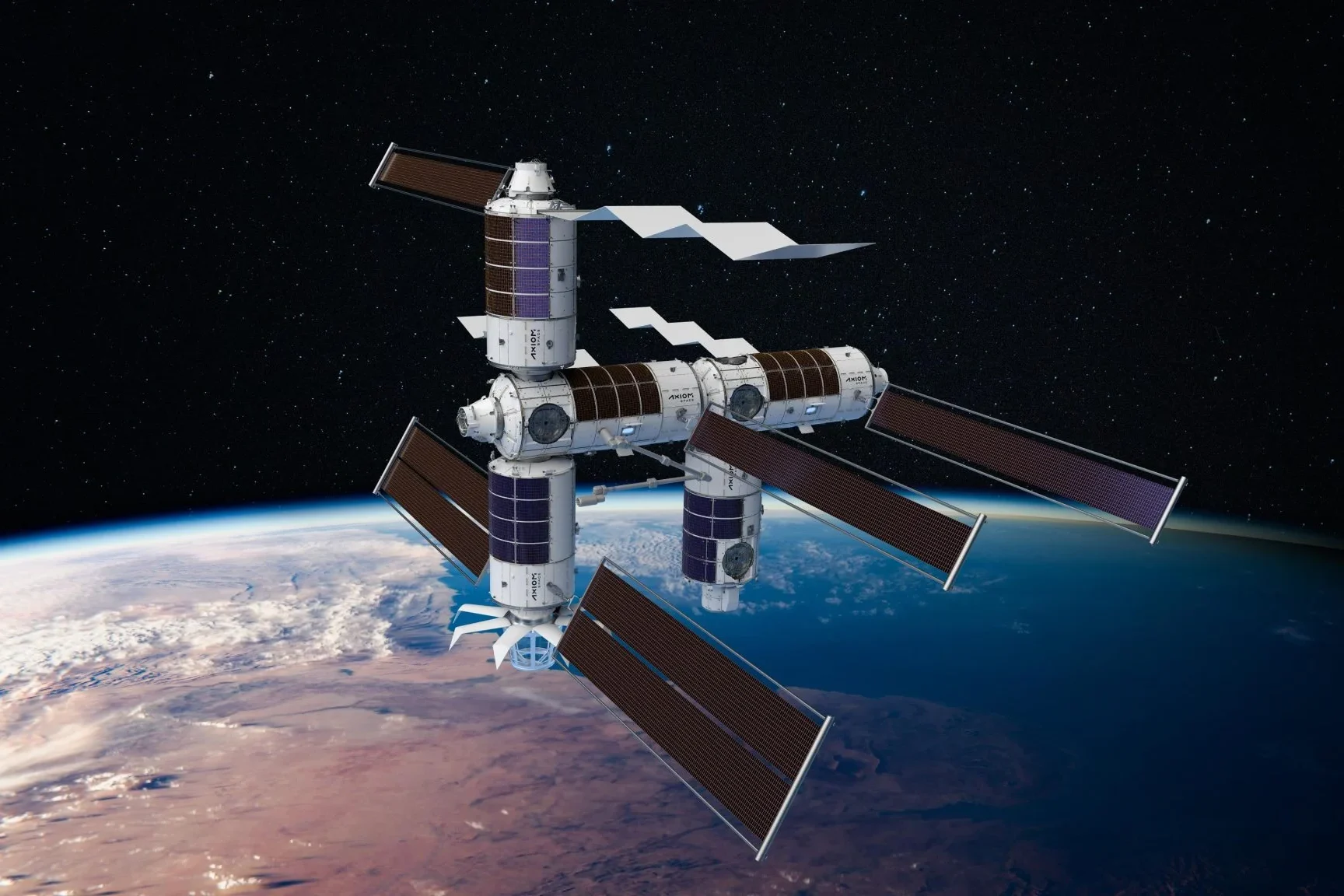
For years, space stations were limited to government programs, and the idea of private stations felt distant. That is slowly changing as companies begin developing commercial space stations designed for research, manufacturing, and private missions. NASA is encouraging this shift as it prepares for the eventual retirement of the International Space Station. Companies like Axiom Space and Blue Origin are working on concepts that allow businesses and researchers to operate in orbit. It feels like a gradual transition rather than a sudden change, but the movement is becoming more visible.
Axiom plans to attach modules to the International Space Station before separating into an independent platform, while Blue Origin’s Orbital Reef concept focuses on shared infrastructure for multiple users. Investors and partners are quietly supporting these developments, signaling growing confidence in commercial space activity. The idea of companies operating in orbit once felt futuristic, but it now feels like a natural next step. As these projects continue, orbit may slowly transform into a working environment where research, manufacturing, and collaboration take place beyond Earth.
Private Companies Competing For Moon Contracts
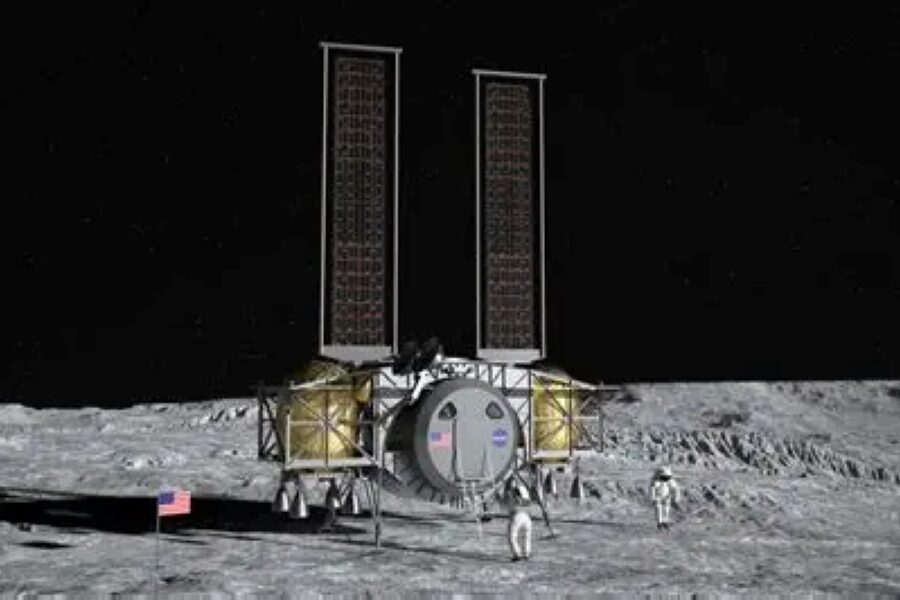
The Moon is no longer just a government driven effort. Private companies are now competing for contracts to build landers, transport systems, and surface infrastructure. NASA has opened opportunities for multiple providers, encouraging innovation and flexibility. Companies like SpaceX and Blue Origin are developing lunar technologies that support long term missions rather than one time visits. This shift makes the competition feel less symbolic and more practical, as companies focus on building reliable systems for future exploration.
Engineers are working on reusable landers, cargo delivery systems, and mobility platforms that support sustained lunar activity. These developments are shaping how astronauts might travel and work on the Moon. The competition remains quiet, but the stakes are meaningful. The companies that succeed may define how lunar missions operate for years to come. Instead of a single agency handling everything, multiple organizations are contributing to a broader effort. That shared approach makes the future of lunar exploration feel more collaborative and achievable.
Satellite Mega Constellations Are Expanding
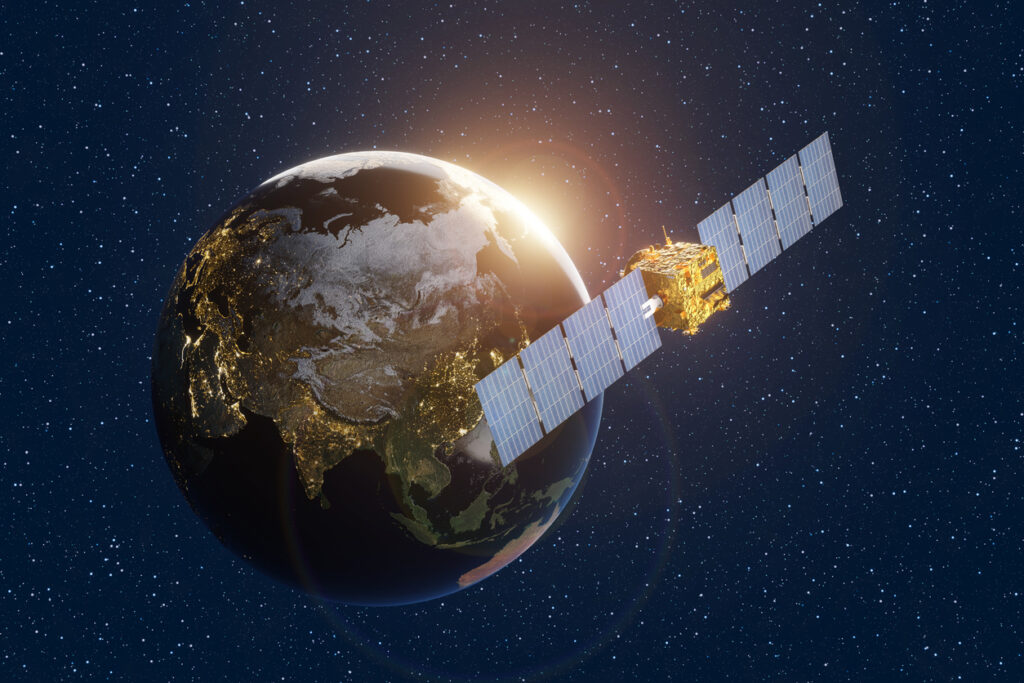
Space is becoming busier, and satellite constellations are a major reason why. Thousands of satellites are being launched to support communication, mapping, weather tracking, and global data services. Companies and governments are investing in these constellations, viewing them as essential infrastructure for the future. The competition is not always visible, but it is shaping everyday experiences. Navigation, internet connectivity, and environmental monitoring all depend on these growing networks.
Different players are launching satellites at varying speeds, hoping to secure orbital positions and long term service agreements. The pace is steady, and each launch contributes to a broader network surrounding Earth. As more satellites fill low Earth orbit, space begins to look less like open territory and more like shared infrastructure. This quiet competition continues to expand, influencing how information moves across the globe and how technology supports daily life. The impact may not always be obvious, but it continues to grow with each new deployment.
Orbital Data Centers Are Emerging

There is a quieter conversation happening in space right now, and it revolves around something many people rely on every day, data. As satellite networks expand, companies are beginning to explore the idea of processing information directly in orbit instead of sending everything back to Earth. This idea is gaining attention because it could reduce delays and improve how satellites handle imaging, communication, and monitoring tasks. It sounds technical, but at its core, it is about making space systems faster and more efficient in ways that directly support everyday technology.
Companies experimenting with orbital computing are testing satellites that can store and process data while still in space. This approach could improve weather forecasting, disaster monitoring, and communications infrastructure. The competition is still early, but interest continues to grow as satellite constellations expand. Instead of relying entirely on ground based processing, satellites may soon handle more tasks independently. This gradual shift makes space feel more integrated with digital infrastructure, and as more companies explore this idea, orbit slowly becomes an extension of the systems people already depend on daily.
Lunar Base Development Is Picking Up
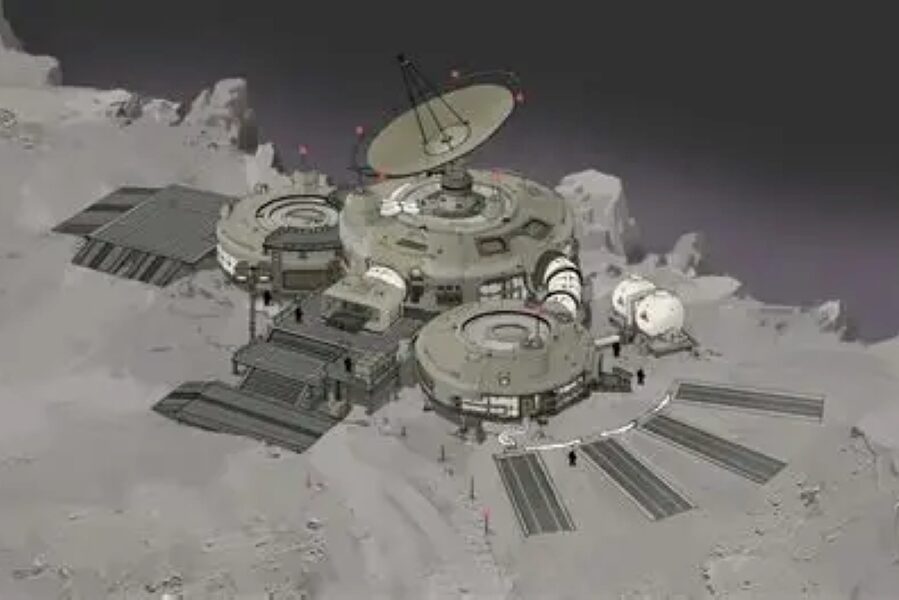
Returning to the Moon is no longer the final destination. The conversation has shifted toward building a long term presence, and that is where things start to feel more interesting. NASA and international partners are exploring sustainable lunar infrastructure, including research stations, mobility systems, and support technologies. This planning reflects a broader goal, not just visiting the Moon, but staying long enough to learn, test, and prepare for deeper space exploration. The movement feels gradual, but it is clearly gaining momentum.
Thousands of suppliers and contractors are now involved in planning future lunar operations, reflecting how large the effort has become. Other countries are also discussing lunar research stations, adding another layer of quiet competition. The shift from short missions to longer stays suggests a more structured approach to exploration. Once astronauts can remain on the Moon for extended periods, new opportunities naturally follow. Research expands, technologies improve, and future missions become easier to plan. This steady development makes lunar exploration feel less distant and more like something gradually becoming part of long term space strategy.
Rocket Launch Competition Is Growing
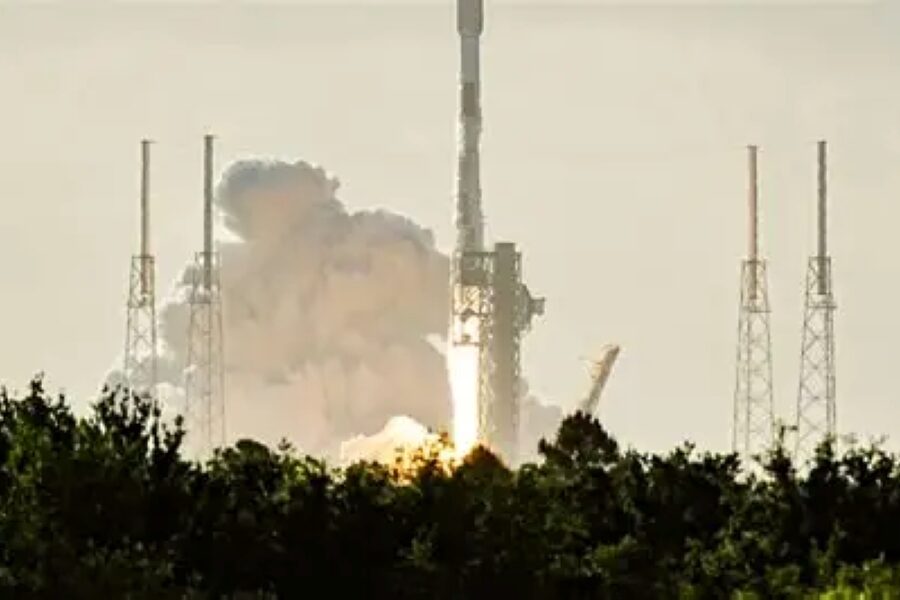
Rocket launches used to feel rare enough to capture global attention every time one happened. Now launches occur more frequently, and the focus has shifted toward reliability, cost, and efficiency. Companies are competing to provide dependable launch services, and reusable rocket technology has changed expectations. The ability to reuse components lowers costs and allows more frequent missions. This competition may not always grab headlines, but it plays a major role in supporting everything else happening in space.
New companies are entering the launch market while established providers continue refining their systems. Governments and private organizations are choosing launch partners based on performance and flexibility. As launch services become more accessible, satellite deployments and research missions can move forward more quickly. This growing competition is quietly building the foundation for future space activity. With more launches happening regularly, access to space is becoming less limited, allowing new ideas and projects to develop faster than before. That steady progress continues to reshape how space exploration moves forward.
Space Tourism Is Slowly Becoming Real
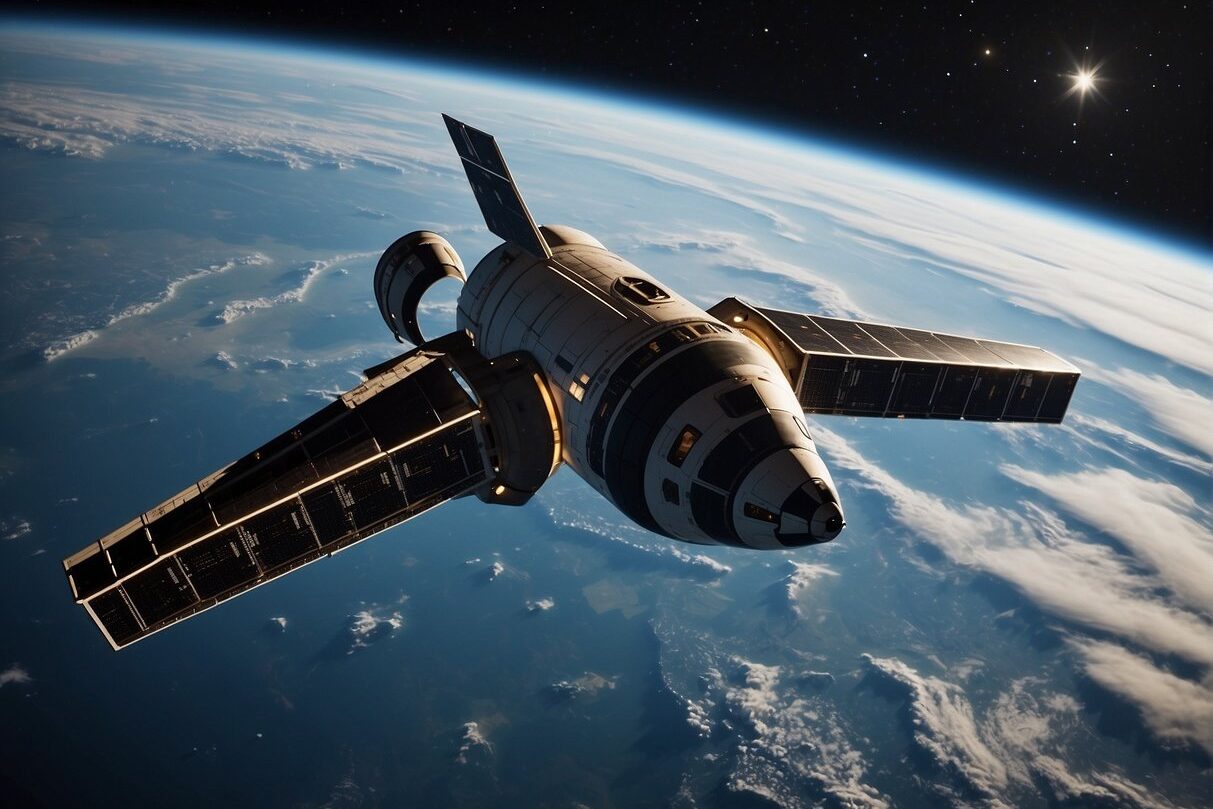
Space tourism still feels like an early idea, but it is gradually becoming more tangible. Companies are developing private missions and short orbital experiences, focusing carefully on safety and reliability. Interest continues to grow among individuals willing to invest in space travel, and commercial infrastructure is slowly forming to support these experiences. It is not moving quickly, but the steady pace makes the progress feel more realistic. Each development brings the idea a little closer to everyday conversation.
Commercial space stations and private launch services may eventually support this growing sector. Companies are testing systems, refining procedures, and building confidence in space travel. While the experience remains limited to a small number of participants, the groundwork is expanding quietly. Over time, improvements in technology and cost may make space tourism more accessible. This competition is not loud or dramatic, but it continues evolving. As companies move forward carefully, the idea of traveling beyond Earth begins to feel less distant and more achievable.
Collaboration And Competition Are Blending

One of the most noticeable changes in 2026 is how collaboration and competition now exist together. Governments are partnering with private companies, while companies compete with one another for contracts and opportunities. International partnerships are also becoming more common, creating a shared approach to exploration. This balance makes the modern space competition feel different from earlier eras, where rivalry often dominated the narrative. Progress now feels steady and cooperative, even as different players aim for leadership.
As more organizations contribute, space exploration becomes broader and more connected to everyday innovation. Shared missions, commercial partnerships, and international cooperation are shaping the future in subtle ways. Instead of focusing on a single winner, the emphasis is shifting toward long term growth and shared development. This quiet evolution reflects how space is becoming part of global progress rather than a distant contest. As the industry continues expanding, collaboration and competition together may define how space exploration moves forward, shaping a future that feels both practical and quietly transformative.


