
Bodie’s Frozen Streets
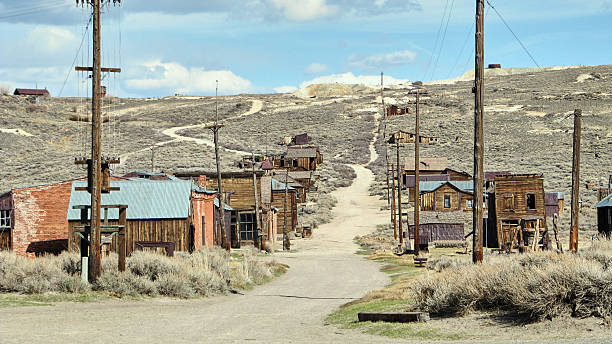
Bodie, California, is probably the most famous ghost town in the country, and for a good reason, it’s incredibly well-preserved. Back in its glory days around 1879, it was a wild gold-mining hub with nearly 10,000 residents looking to strike it rich. But as the gold disappeared and the brutal winters took their toll, the population dwindled until the last few folks finally moved out in the 1940s. Since then, the town has been kept in a state of “arrested decay” by park rangers.
When you peek through the dusty windows of the remaining 100 structures, it’s like looking back in time. You’ll see plates still sitting on dining tables and family photos still hanging on the walls. It creates this strange, spine-tingling feeling that the town wasn’t really abandoned, but rather put on permanent pause. You almost expect to see someone walk around the corner to finish their dinner or head back to work at the local mill.
Kennicott’s Silent Machinery
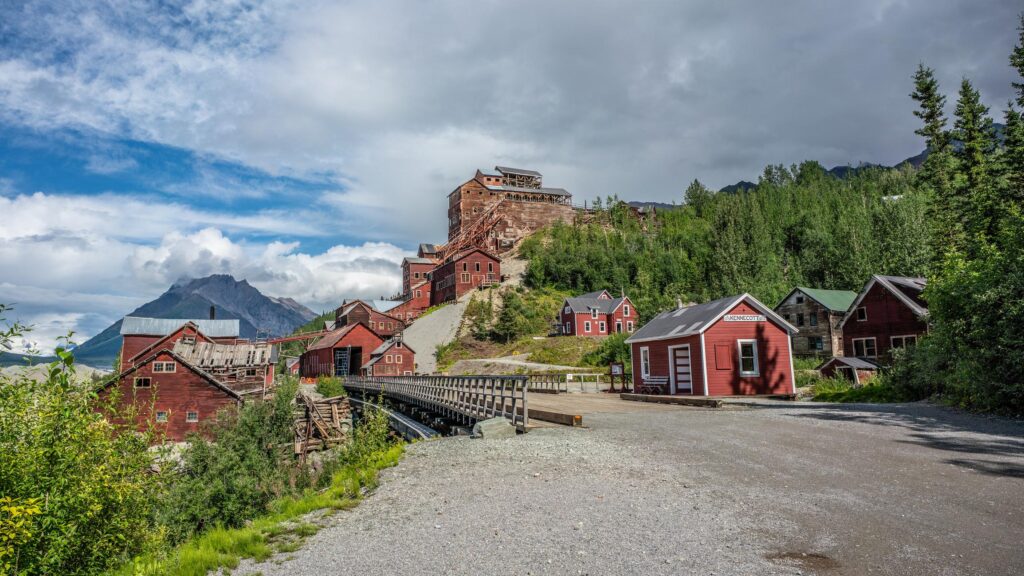
Tucked away in the remote Alaskan wilderness, Kennicott was once the center of a massive copper empire. Between 1911 and 1938, the town processed over $200 million worth of copper ore, supporting a whole community of miners and their families. It was a self-contained world with its own hospital, school, and even a tennis court. But the party ended abruptly in November 1938 when the copper supply finally ran dry, and the company shut everything down overnight.
The miners left so quickly that they didn’t bother taking much with them, leaving the massive 14-story wooden mill standing like a red giant against the mountains. Today, the heavy industrial machinery still sits exactly where it was bolted down nearly a century ago. Inside the residential buildings, you can still find personal items and old equipment scattered around, giving the distinct impression that the crew just finished their shift and walked away forever.
Garnet’s Quiet Revival
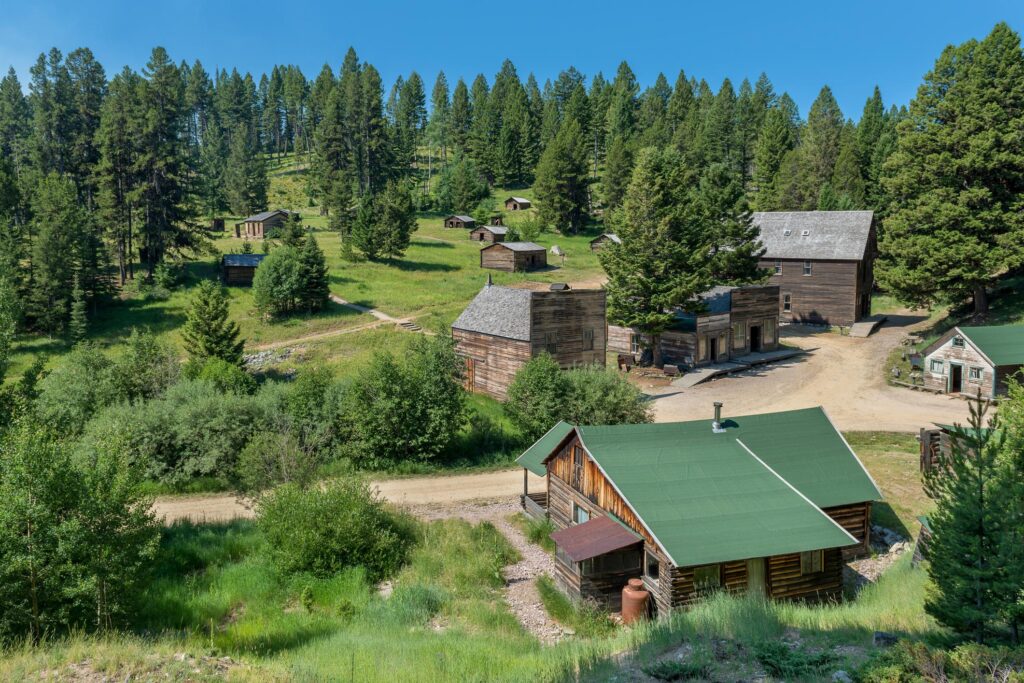
Garnet, Montana, offers one of the coolest glimpses into what life was like in a late 1800s mining camp. Established in 1895, it became a bustling home to about 1,000 people who were all chasing the “Garnet” gold vein. The town had everything from saloons to a barbershop, but the boom didn’t last forever. While there was a tiny comeback in 1934 when the price of gold went up, the start of World War II eventually drew the remaining residents away.
Walking through Garnet today feels less like looking at ruins and more like stepping into a movie set that was left behind. The homes and shops still have their original furnishings and tiny personal artifacts tucked away in corners. Because it’s so remote, it hasn’t been picked over by looters, leaving the rhythm of daily life visible for anyone willing to make the trek. It’s a peaceful, quiet place where history feels very much alive.
St. Elmo’s Mountain Stillness
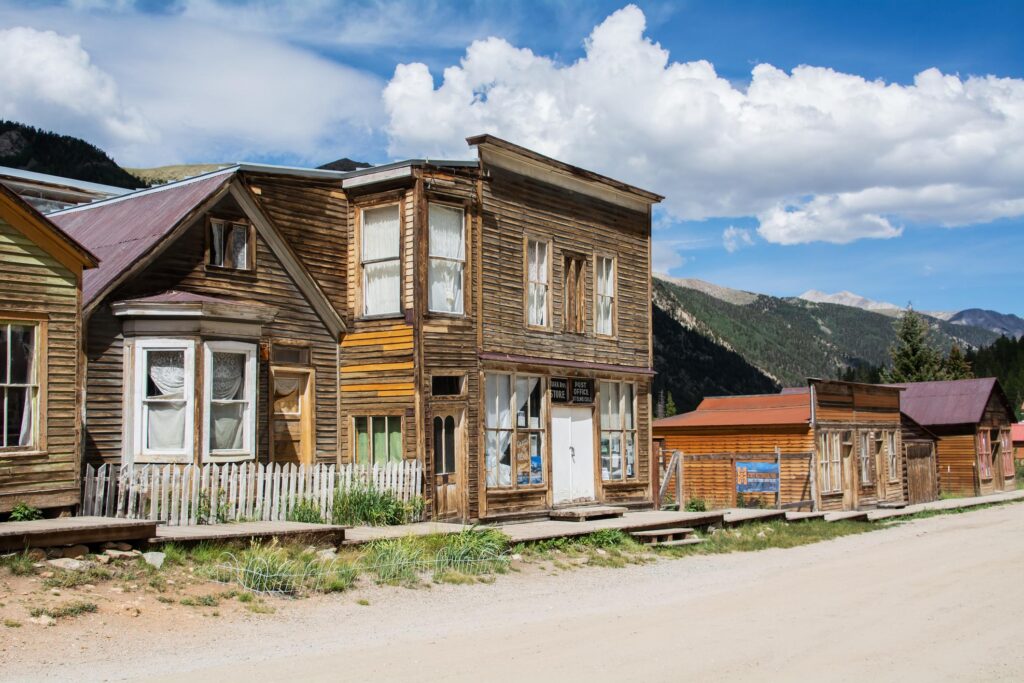
High up in Colorado’s Sawatch Range at an elevation of 10,000 feet, you’ll find St. Elmo, one of the best-preserved ghost towns in the Rockies. Founded in 1880, it was a major hub for the local silver and gold mines, hosting over 2,000 residents at its peak. However, once the railroad stopped running and the mines closed down in the early 1920s, the town began to fade. By the 1930s, the post office finally shuttered its doors.
What’s wild about St. Elmo is that it wasn’t torn down or modernized; it was just left to the mountain air. The wooden storefronts still line the main street, and if you look inside, you can see tools and old household supplies gathering dust on the shelves. The surrounding peaks keep the area incredibly still, making it feel like the town didn’t end in a disaster, but simply drifted off to sleep as the rest of the world moved on.
Bannack’s Lingering Life
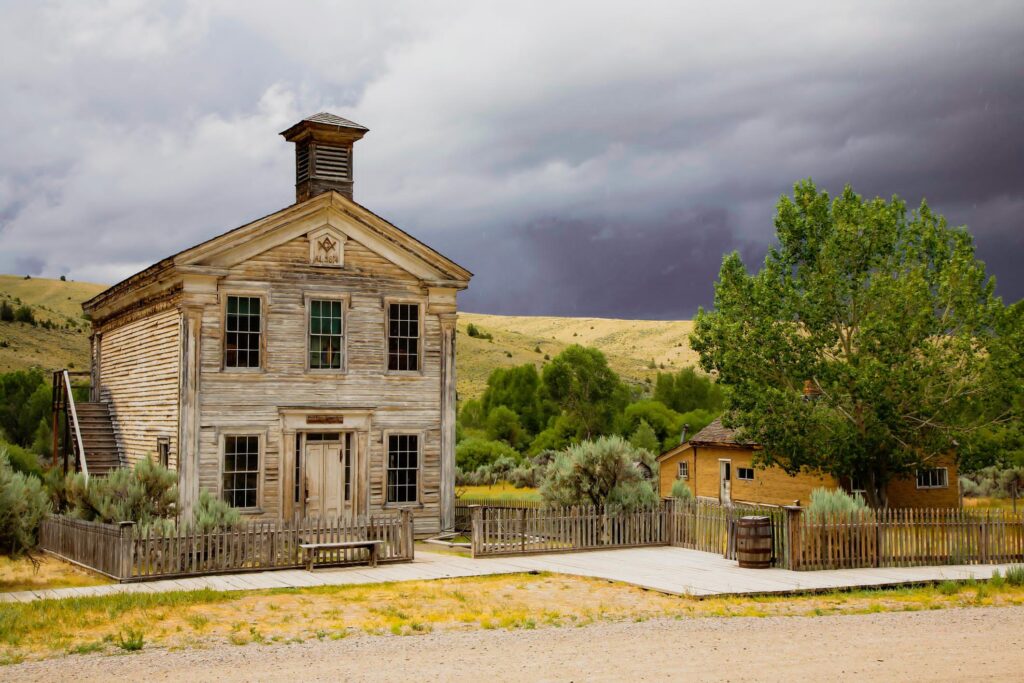
Bannack, Montana, was the site of the state’s first major gold discovery back in 1862, and it even served as the capital of the Montana Territory for a short stint. At its height, it was a rough-and-tumble town full of prospectors and outlaws. Unlike other boomtowns that vanished overnight, Bannack had a very slow, graceful decline, with a few dedicated residents hanging on well into the mid-1930s and 1940s before it finally went silent.
Because people lived there for so long, the town feels more like a lived-in community than a graveyard. There are over 60 structures still standing, including the old schoolhouse and the grand hotel. Inside these buildings, you’ll find desks, beds, and kitchen items still in their places, looking exactly as they did before the final families packed their bags. It provides a very detailed and human look at the end of the legendary American frontier.
Terlingua’s Desert Remains
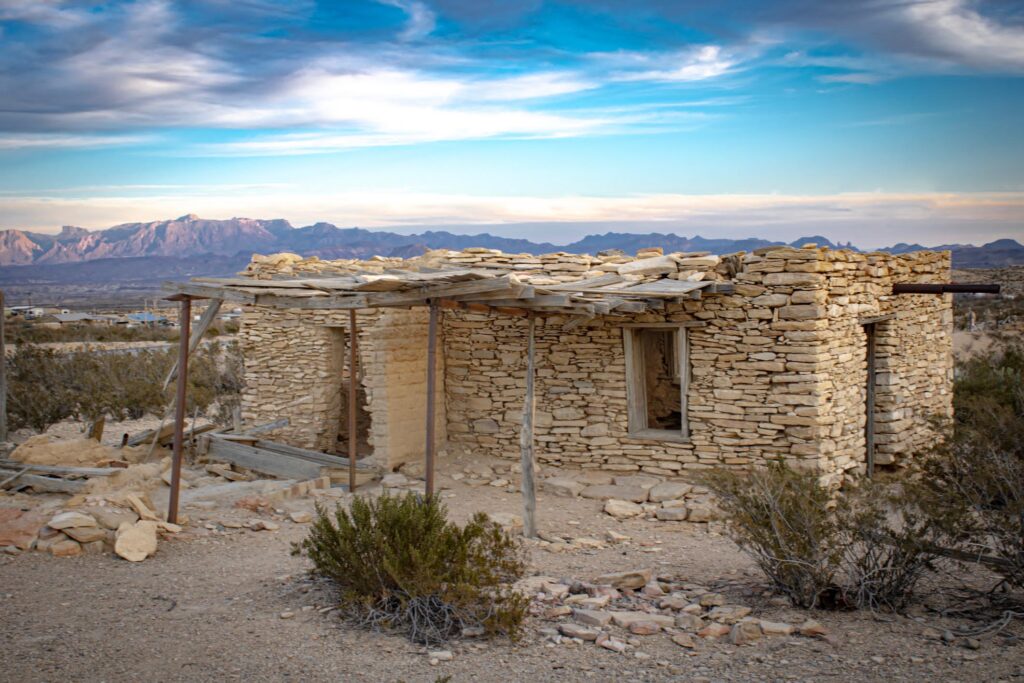
Terlingua, Texas, is a place where the desert is slowly reclaiming a once-thriving mercury mining empire. Back in the early 1900s, the Chisos Mining Company made this spot a major producer of “quicksilver,” but the market crashed after World War II. By 1947, the company went bankrupt, and the town was mostly deserted. The harsh Texas sun and dry wind have spent the last few decades beating down on the remains of the old adobe houses.
What makes Terlingua so interesting today is the mix of the old and the new. While the original “ghost” section of town is full of crumbling walls and debris from the 1940s, a few hardy souls have moved back into the area to live off the grid. You’ll see old ruins right next to quirky modern trailers, creating a layered history. It’s a beautiful, desolate landscape where the past and present seem to live side-by-side in the heat.
Ruby’s Desert Echo
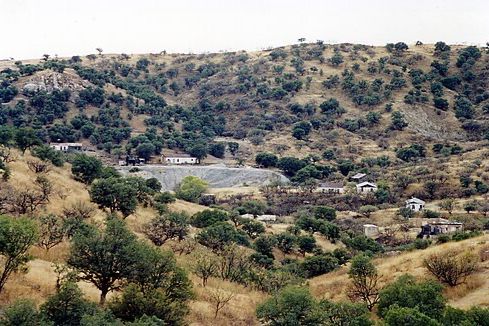
Ruby, Arizona, is often called the best-preserved ghost town in the American Southwest, and it’s easy to see why. It started as a mining camp in the 1880s and eventually became the largest mining camp in the region by the 1920s. It was a tough place to live, famously dealing with some pretty intense border skirmishes and three separate murders at the local mercantile. The mine eventually closed in 1940, and the town was abandoned shortly after.
Today, Ruby is private property, which has helped keep the vandals away. You can still see the schoolhouse where kids once sat, the jail that held the town’s troublemakers, and the company store. Looking inside these buildings, you’ll see shelves still waiting for stock and classroom desks lined up in rows. The total isolation of the surrounding desert makes it feel like time just gave up here, leaving the 1940s version of Arizona perfectly intact.
Glenrio’s Empty Highway and Houses
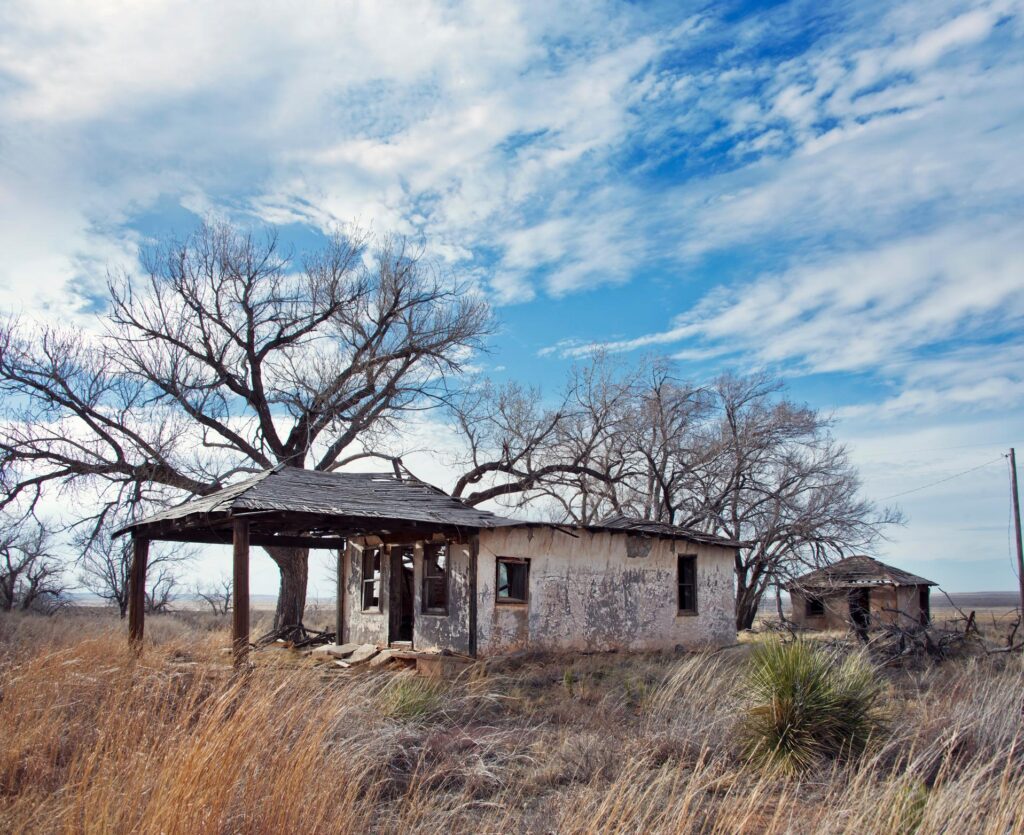
Glenrio is a fascinating spot because it sits right on the border of Texas and New Mexico. During the golden age of Route 66, it was a mandatory stop for road trippers who needed a burger or a place to sleep. It was a neon-lit oasis for decades until the 1970s, when Interstate 40 was built nearby. The new highway bypassed Glenrio completely, and almost overnight, the customers, and the town’s reason for existing, simply vanished.
Today, Glenrio is a ghost town of the motor age. The vintage “First Motel in Texas” and “Last Motel in Texas” signs are still there, though they’re rusted and faded now. You can peer into the empty diners and see the counters where travelers once sat, looking like they’re still waiting for a fresh pot of coffee. It’s a sad but beautiful reminder of how quickly our travel habits can change and leave an entire way of life in the rearview mirror.
South Pass City’s Snapshot
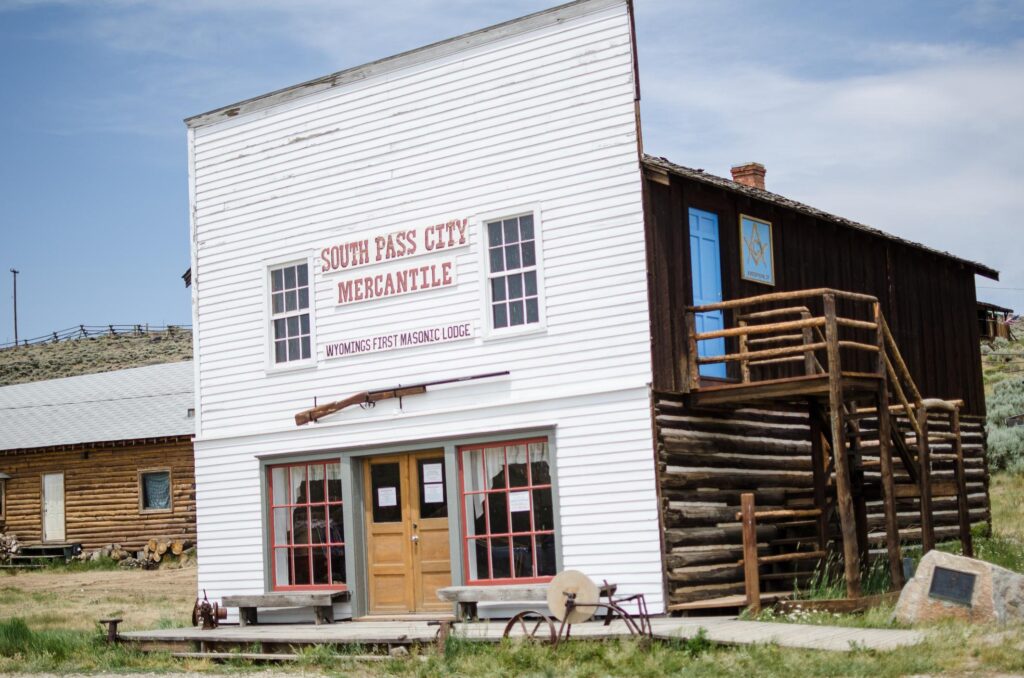
South Pass City in Wyoming was once a heavy hitter during the gold rush of 1867. For a few years, it was one of the most important settlements in the region, even playing a major role in the women’s suffrage movement. But like most gold-dependent towns, when the veins ran dry, the people moved on to the next big thing. By the early 20th century, the once-bustling streets were mostly empty and quiet.
What’s great about South Pass City now is that it’s maintained as a State Historic Site. The buildings have been carefully preserved to look exactly like they did in the late 1800s. When you walk through the various shops and homes, you’ll see rooms arranged with authentic period furniture and tools. It’s not just a collection of old buildings; it’s an immersive experience that makes you feel like you’ve stepped back into a very specific, ambitious moment in Wyoming’s history.
Rhyolite’s Sudden Collapse
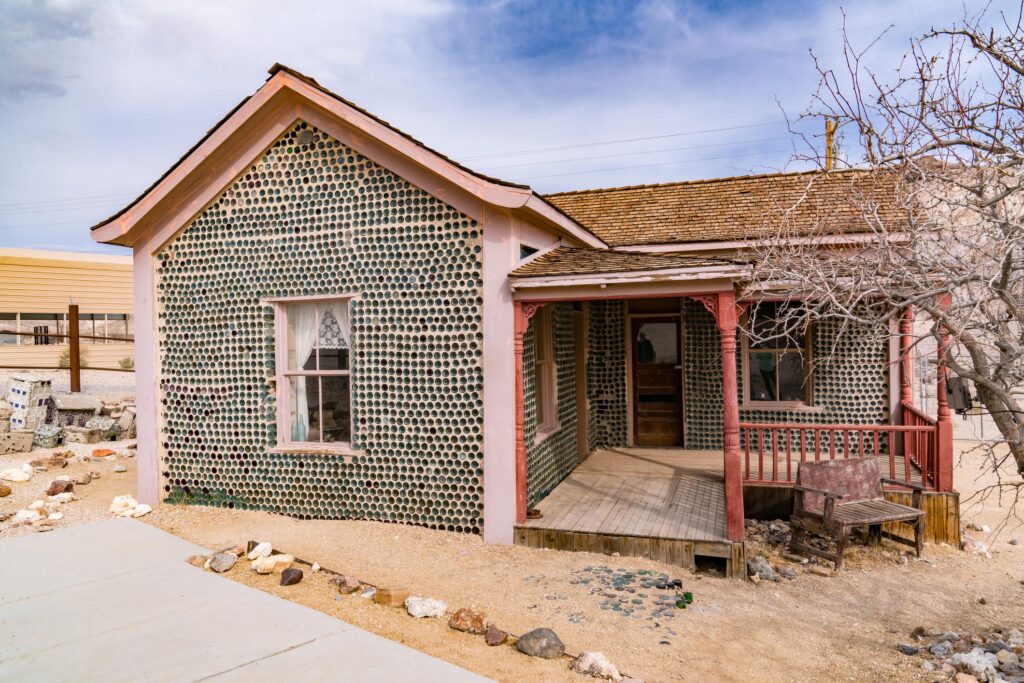
Rhyolite, Nevada, is the ultimate example of “easy come, easy go.” Founded in 1904 after a big gold find, it exploded into a city of 10,000 people almost instantly. It had fancy concrete buildings, electricity, and even an opera house. But the boom was incredibly short-lived. A financial panic in 1907 started the decline, and by 1911, the mine was closed. Within just a few more years, the town was almost entirely empty.
Because it was built so quickly and with such high hopes, the ruins look particularly grand. You can still see the remains of a three-story bank building and a house made entirely out of thousands of glass bottles. It’s a haunting place to visit because it shows how much effort humans put into building something that can fall apart in less than a decade. The desert wind blowing through the empty window frames is a powerful reminder of how fleeting success can be.
Salton Sea’s Empty Shores
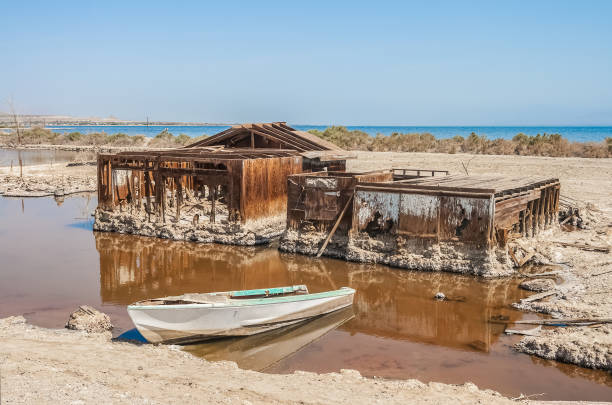
The areas around California’s Salton Sea were supposed to be the “French Riviera of the Desert.” In the 1950s and 60s, Bombay Beach was a glamorous vacation spot where people came to water ski and party. But by the 1970s, environmental issues caused the water to become too salty and polluted, and massive floods destroyed the shoreline. People fled the rising water so fast they left their trailers and vacation homes fully furnished.
Walking through these neighborhoods today is pretty surreal. You’ll find old TVs from the 70s sitting in living rooms and kitchens still stocked with rusted cans. Everything is covered in a thick layer of white salt and desert dust, making it look like a post-apocalyptic movie set. It’s a tragic example of a dream that went sideways, leaving behind a neighborhood that feels like it’s slowly being swallowed by the earth and the salt.
Santa Claus Left Behind
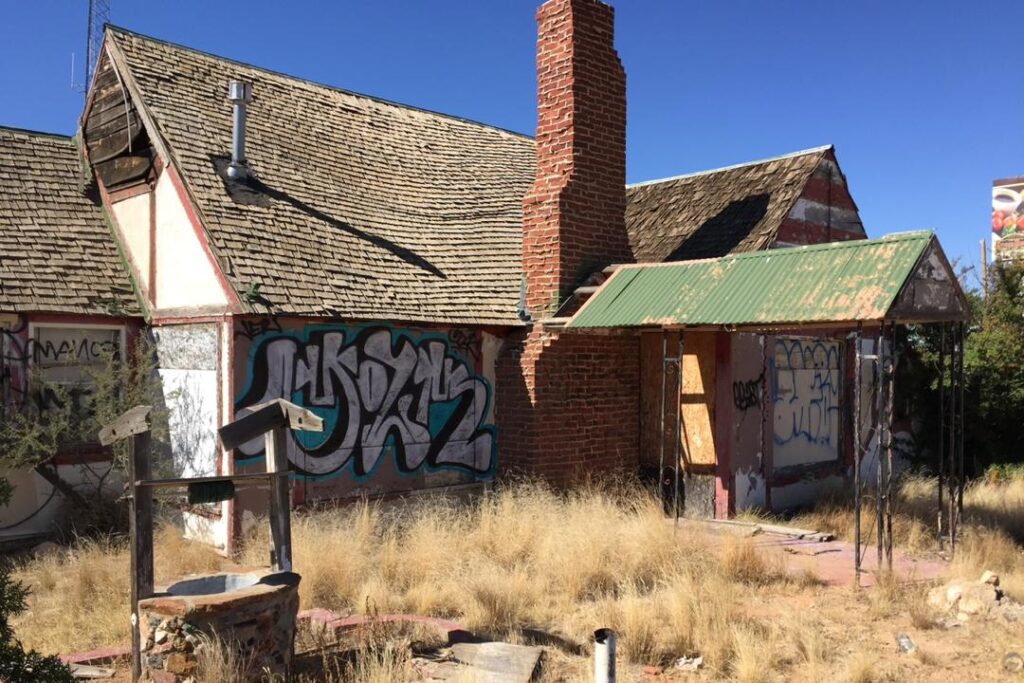
Santa Claus, Arizona, is probably one of the weirdest abandoned spots you’ll ever see. It was opened in 1937 as a year-round Christmas-themed roadside attraction in the middle of the scorching Mojave Desert. For a long time, it was a huge hit, featuring holiday-themed buildings and a famous restaurant called the “Cinderella Inn.” Families loved stopping there to get their mail postmarked from the North Pole, even in the middle of July.
Unfortunately, the magic started to wear off by the 1970s, and the town was officially put up for sale in the 1980s. By the mid-1990s, it was totally abandoned. Now, the festive buildings are covered in graffiti and falling apart under the sun. Seeing faded candy canes and old Santa statues sitting in the middle of the desolate desert is incredibly eerie. it’s a stark contrast between a happy, whimsical idea and the lonely reality of a place time forgot.
Cahawba’s Lost Capital
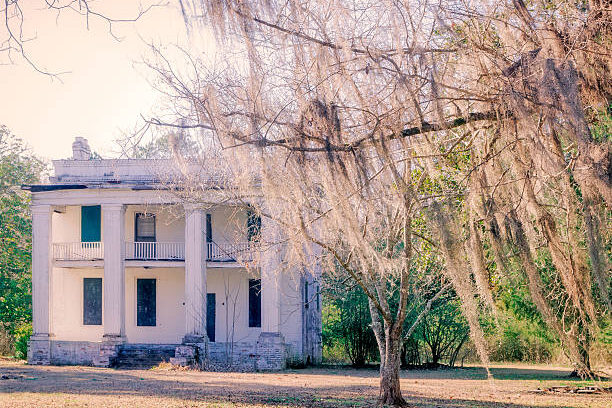
Cahawba, Alabama, has a pretty prestigious past, it was actually the state’s first permanent capital starting in 1820. It was a wealthy, high-society town built at the junction of two rivers, which made it a perfect spot for trade. However, the location was a double-edged sword. Constant, devastating flooding and the chaos of the Civil War eventually forced the government to move the capital elsewhere, and the residents slowly followed suit.
By the early 1900s, the town was a total ghost of its former self. Most of the grand buildings were dismantled so the bricks could be used in other cities. Today, it’s an archaeological park where you can wander through overgrown streets and see the foundations of what used to be a bustling political center. It’s a quiet, green place now, but you can still feel the weight of its lost importance in the crumbling chimneys and empty road beds hidden in the trees.


