
1. Unlocking Economic Opportunities Beyond Earth
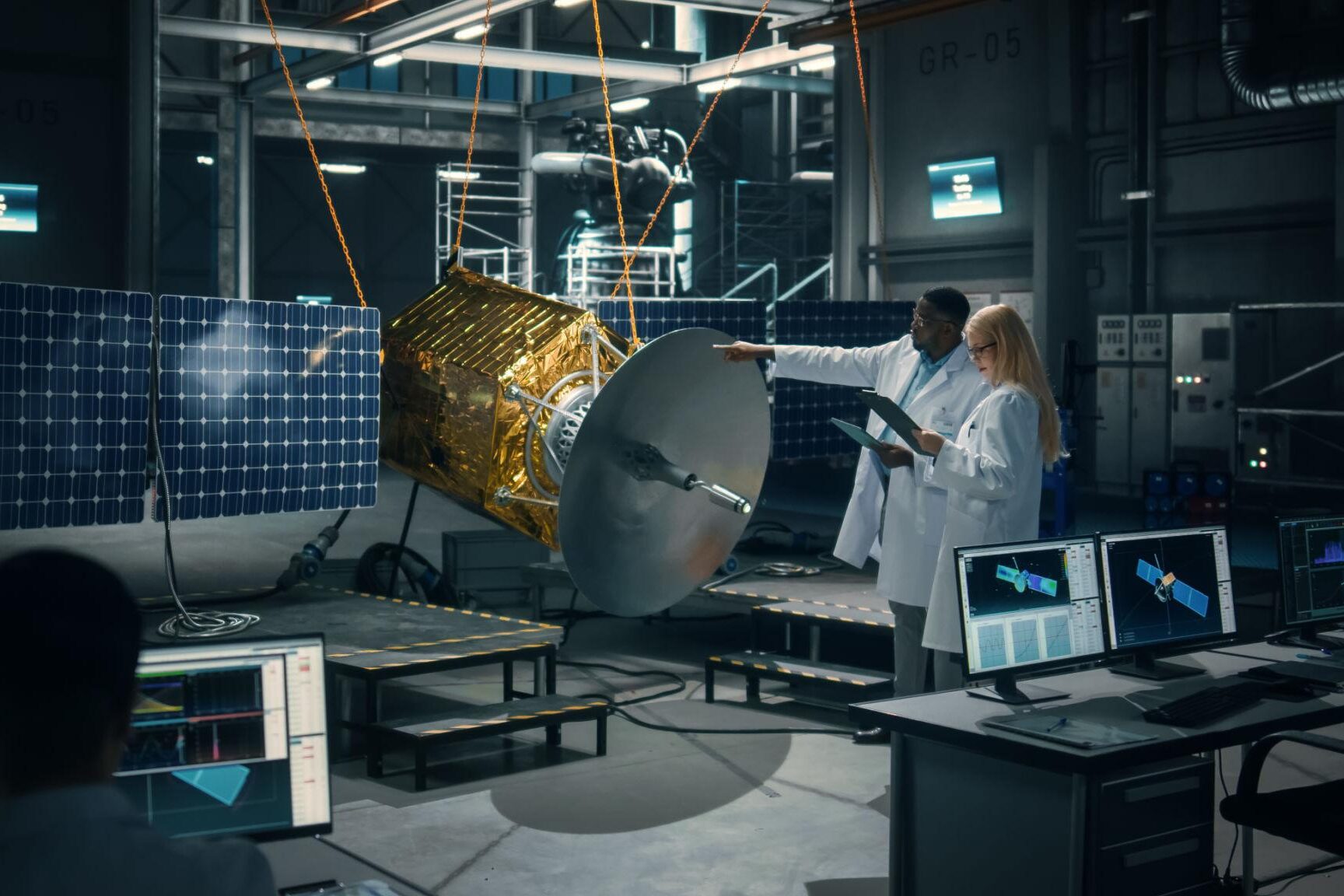
There’s a growing sense that space isn’t just for scientists anymore, it’s becoming an economy of its own. Governments are investing because they see potential in industries like satellite services, space tourism, and even resource extraction down the line. Companies tied to International Space Station projects and private ventures are already shaping what this future might look like.
You’ll often hear people say, “the space economy is the next frontier,” and while it sounds ambitious, it’s grounded in real numbers and projections. Jobs are being created, startups are emerging, and entire sectors are forming around space technology. Governments want to be part of that growth rather than watching from the sidelines. It’s not just about exploration anymore, it’s about participation in something that could redefine industries. That shift makes the investment feel less like a gamble and more like planting seeds early. Over time, those seeds could grow into opportunities that touch everything from communication to transportation in ways we’re only beginning to imagine.
2. Fueling Innovation That Comes Back to Earth

Sometimes the real story isn’t what happens in space, but what returns from it. Governments fund missions knowing that the technologies developed along the way rarely stay confined to rockets. From improved materials to better communication systems, space programs tend to ripple into everyday industries. SpaceX and Blue Origin have shown how innovation can move quickly when backed by serious investment.
Space exploration pays for itself in unexpected ways. It’s not just a hopeful statement; it reflects a pattern seen over decades. GPS, weather forecasting, and even certain medical imaging tools all trace their roots back to space-related research. Governments understand that funding exploration is also funding future convenience, safety, and efficiency on Earth. It’s a long game, one where the payoff doesn’t always look like a spaceship but feels like a smoother, smarter daily life. That connection makes the spending easier to justify, even when the price tag feels enormous at first glance.
3. Preparing for the Unknowns of Climate and Earth Science
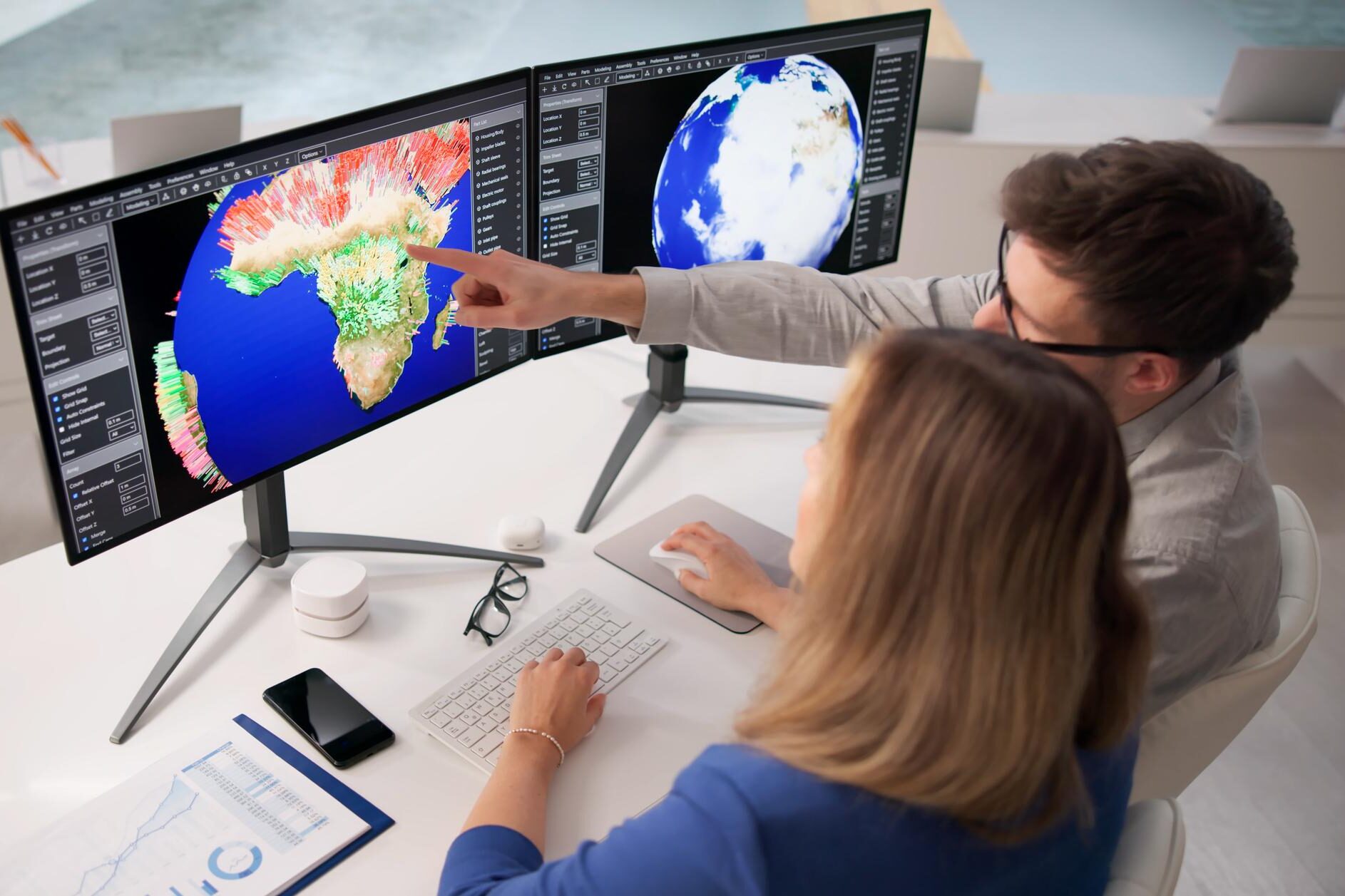
It’s easy to think of space as distant, but much of the focus is actually about understanding our own planet better. Satellites orbiting Earth quietly collect data on weather patterns, rising sea levels, and environmental changes. Organizations like European Space Agency have emphasized that “space-based observation is essential for climate action,” a statement that feels more relevant with each passing year.
Governments invest because the stakes are real and immediate. Better data means better decisions, whether it’s predicting hurricanes or managing agriculture. When you hear about billions going into space, part of that money is really about protecting coastlines, improving food security, and helping communities prepare for change. It’s not always framed that way in headlines, but it’s there beneath the surface. The investment becomes less abstract when you realize it helps answer questions we face every day. In a way, looking outward has become one of the most reliable ways to take care of what’s right here at home.
4. Keeping a Strategic Edge in a Competitive World
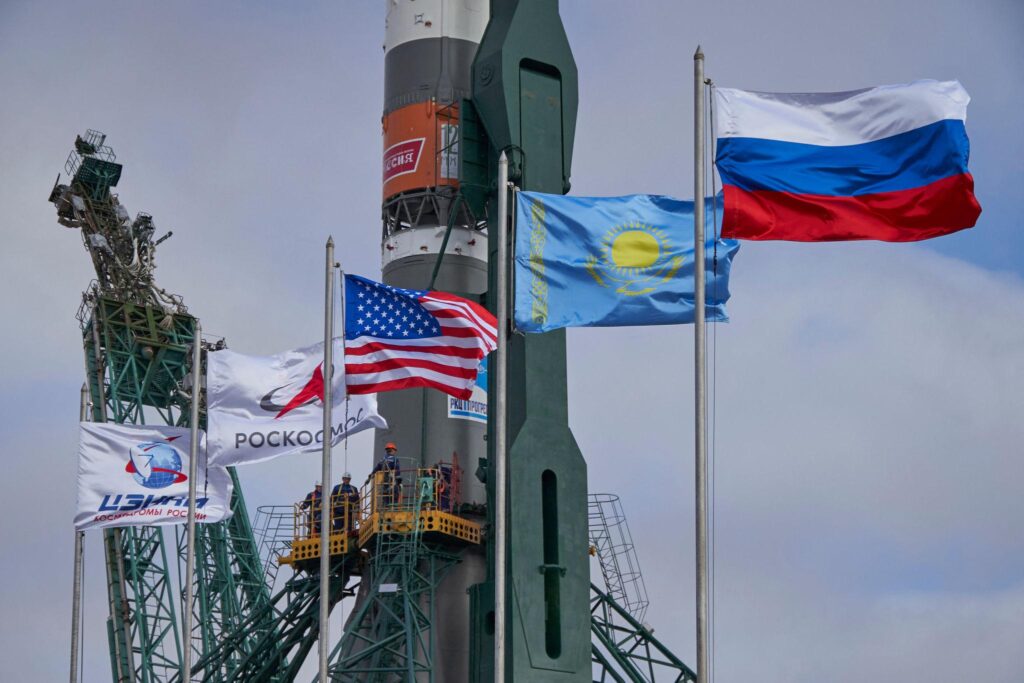
It often begins with a simple thought: no country wants to fall behind. Space has quietly become another arena where global influence is measured, and governments understand that staying present matters. Agencies like NASA and players tied to the China National Space Administration are not just exploring, they’re signaling capability. Space is no longer just about discovery; it’s about leadership. That idea lingers in the background of every new launch.
At the same time, this isn’t framed as rivalry in the old dramatic sense. It feels more practical now, more about preparedness than posturing. Satellites support communication, defense systems, and even navigation that everyday life depends on. Governments invest because stepping back could mean losing control over critical infrastructure. It’s a quiet kind of urgency, the kind that doesn’t make noise but shapes decisions. When you see billions being allocated, it’s often less about reaching Mars tomorrow and more about making sure nothing essential slips away today.
5. Holding On to Human Curiosity and Long-Term Survival
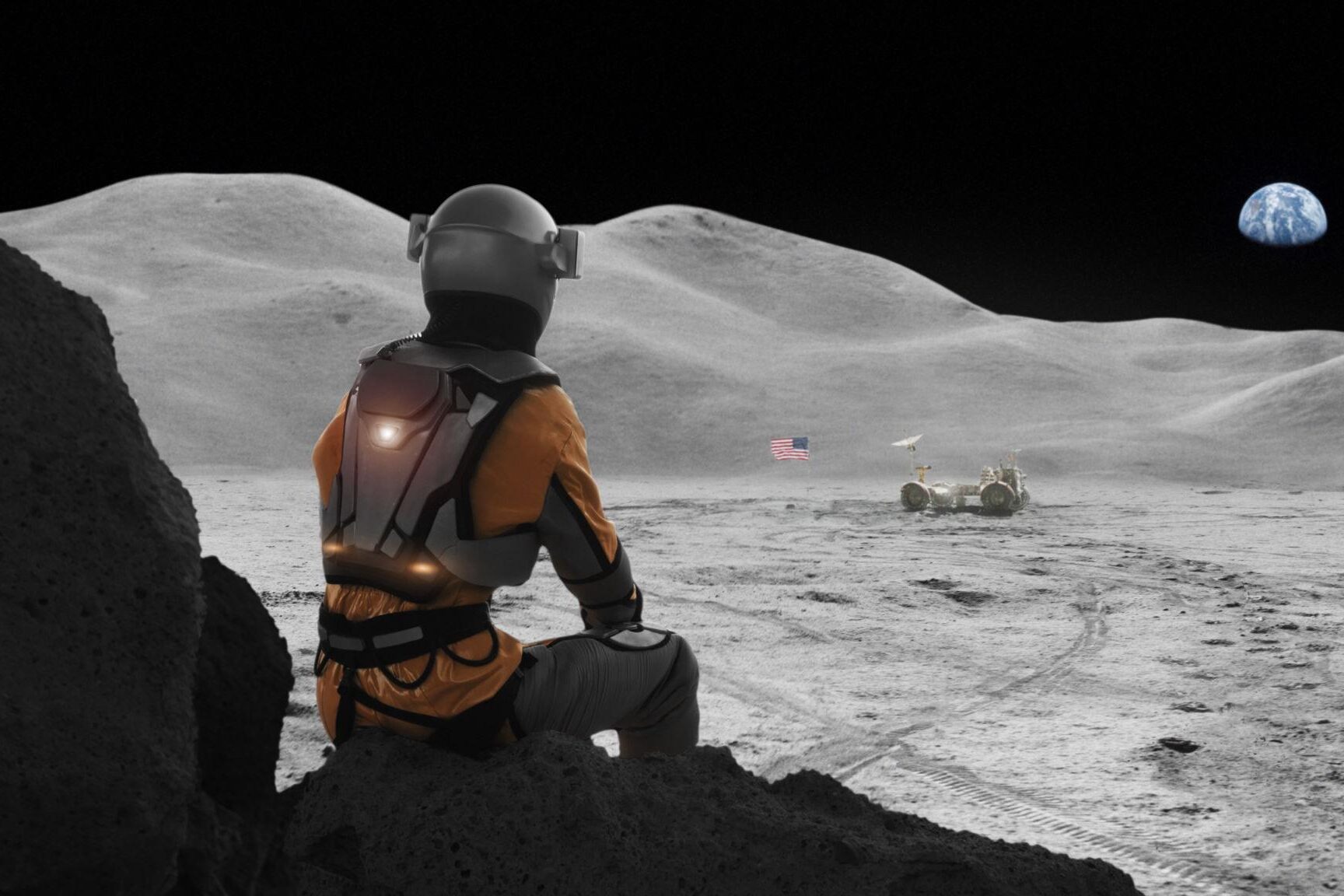
At the heart of it all, there’s something more human that keeps this going. Beyond strategy and economics, there’s a quiet understanding that exploration is part of who we are. Missions involving Artemis Program reflect this blend of curiosity and caution, aiming not just to visit space but to stay longer and learn more. The exploring space is about securing the future of humanity, not escaping Earth.
It doesn’t feel urgent in the day-to-day sense, but it sits there in the background. Questions about long-term survival, about what happens generations from now, naturally lead outward. Governments invest because they’re thinking beyond immediate returns, even if they don’t always say it that way. And somehow, all the other reasons seem to circle back here. Innovation, security, climate awareness, economic growth, they all connect to this broader idea of continuity. It’s not dramatic, just steady and thoughtful. And maybe that’s why the spending continues, because deep down, it feels like something worth holding onto.
6. Strengthening National Security in a Satellite-Dependent Age
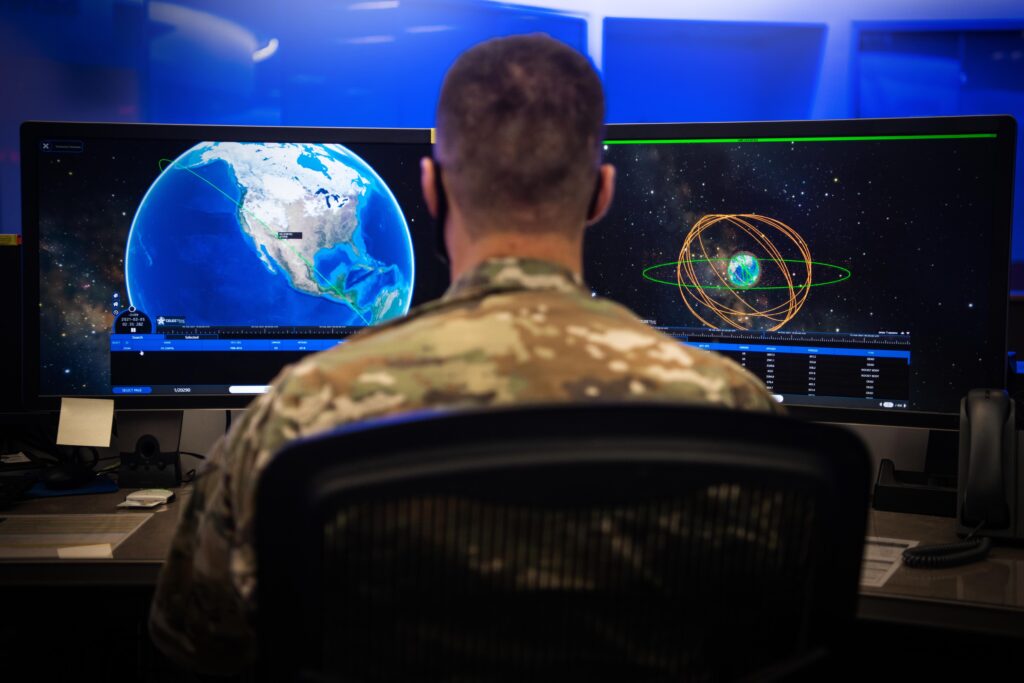
It usually comes up in quieter conversations, the kind that don’t make headlines but shape real decisions. Modern life leans heavily on satellites, from GPS navigation to secure communications, and governments know just how exposed that makes them. Agencies connected to the United States Space Force and similar programs worldwide reflect a growing understanding that space is now part of national defense. Space is a warfighting domain, and while that sounds intense, the reality is more about protection than conflict.
At a human level, it’s easier to think of it as safeguarding the invisible systems we rely on every day. Banking networks, emergency response, aviation, they all depend on signals from above. Governments invest billions not out of fear alone, but out of responsibility to keep these systems secure and reliable. It’s a quiet kind of protection, one that works best when you barely notice it. And so, space spending becomes less about rockets and more about resilience, making sure the modern world keeps running smoothly no matter what challenges come its way.
7. Building Global Partnerships Through Shared Missions
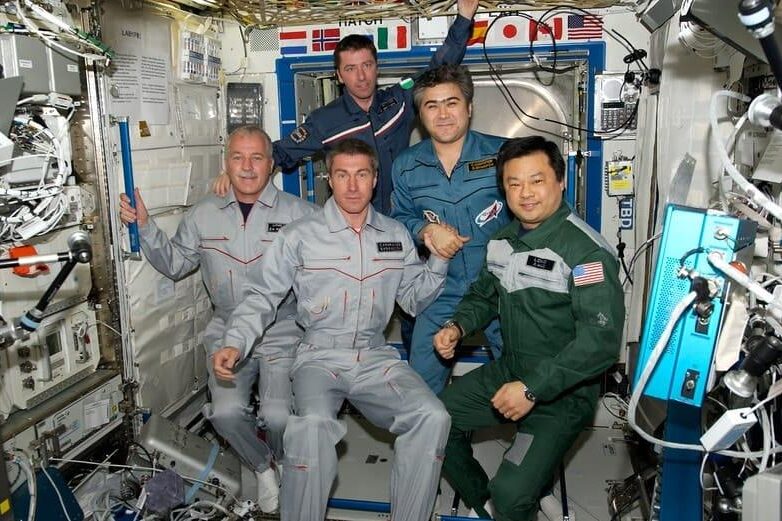
Sometimes, space becomes one of the few places where collaboration feels natural. Countries that may disagree on many things still find common ground in exploration. The International Space Station is a good example, bringing together astronauts and scientists from different nations under a shared purpose. When you look at Earth from space, borders disappear, and that perspective tends to shape how these partnerships grow.
Governments invest not just to lead, but to connect. Joint missions spread costs, share knowledge, and build trust in ways that are hard to replicate elsewhere. There’s something quietly reassuring about that. It shows that even in a complicated world, cooperation is still possible when the goal feels bigger than any one country. And while the budgets are large, the return isn’t always measured in dollars. Sometimes it’s measured in relationships, in shared progress, and in the reminder that exploration doesn’t have to be a solo journey.
8. Inspiring the Next Generation of Scientists and Dreamers

It often starts small, maybe with a child watching a rocket launch or seeing images from deep space. That spark of curiosity is something governments take seriously, even if it’s not always spelled out in policy documents. Programs linked to NASA and educational initiatives tied to the Jet Propulsion Laboratory are designed to keep that sense of wonder alive. Space gives students a reason to care about science, and that idea carries weight.
Over time, that inspiration turns into real skills. Students become engineers, researchers, and innovators who contribute not just to space programs but to the wider economy. Governments invest because they understand that today’s missions are also tomorrow’s classrooms. It’s a long, steady cycle where curiosity leads to learning, and learning leads to progress. When you look at it that way, the billions spent aren’t just funding rockets, they’re nurturing potential. And that feels like one of the more human reasons behind all the numbers, something that quietly shapes the future in ways we don’t always see right away.
9. Expanding Scientific Knowledge Beyond What We Know
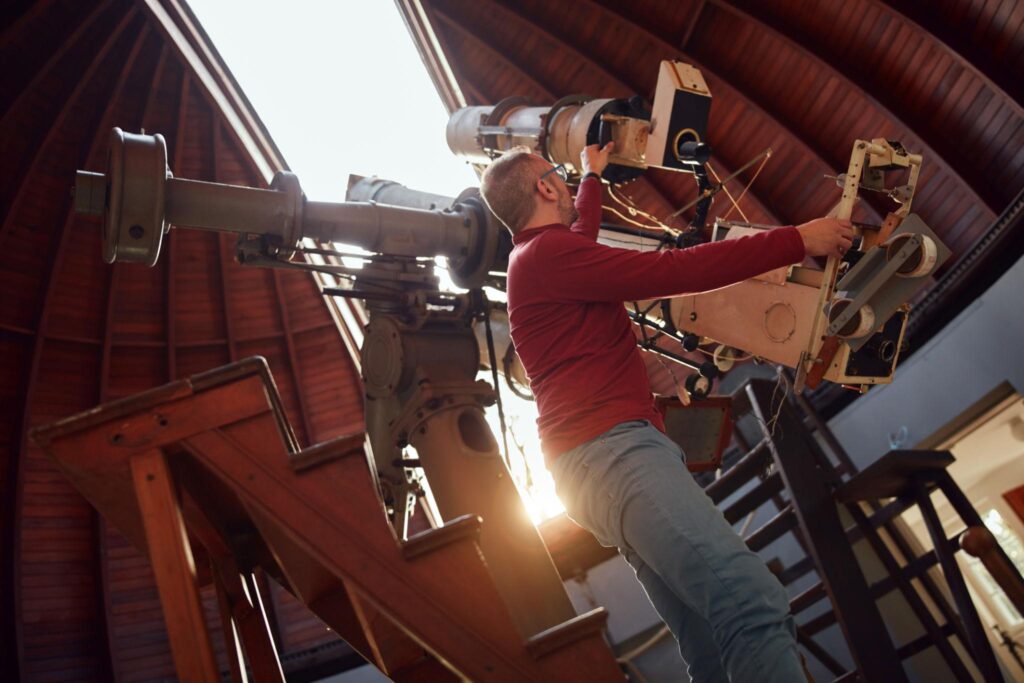
There’s a certain honesty in admitting that we still don’t know a lot about the universe. Space exploration keeps that curiosity alive, pushing beyond what feels familiar. Telescopes like those connected to the Hubble Space Telescope and newer missions tied to the James Webb Space Telescope have shown just how much there is left to discover. Every answer leads to more questions, and that’s part of what keeps the momentum going.
Governments invest because knowledge itself has value, even when it doesn’t have an immediate payoff. Understanding distant galaxies, black holes, or planetary systems might seem far removed from daily life, but it gradually reshapes how we see our place in the universe. There’s something grounding about that, something that connects science with perspective. Over time, these discoveries tend to influence technology, philosophy, and even culture in subtle ways. It’s not always fast or obvious, but it builds layer by layer. And that steady expansion of understanding becomes one more reason why the investment continues.
10. Preparing for a Future That Feels Closer Than It Once Did

If you listen closely, the conversation about space has shifted. What once felt distant now feels like something approaching, slowly but surely. Plans tied to the Artemis Program and collaborations involving SpaceX suggest that returning to the Moon, and eventually reaching Mars, is no longer just an idea. The future in space is not centuries away; it’s unfolding now, and that sense of timing matters.
Governments are investing because they don’t want to arrive late to something that’s already beginning. It’s not about rushing, but about being ready. Infrastructure, technology, and experience all take time to build, and starting now makes the transition smoother later. When you step back, all the earlier reasons start to connect here, forming a bigger picture that feels less abstract and more practical. Space becomes part of a longer story, one that includes innovation, security, and curiosity all at once. And in a quiet way, it begins to feel like a natural extension of where we’re already headed.
11. Supporting Everyday Technology We Often Take for Granted
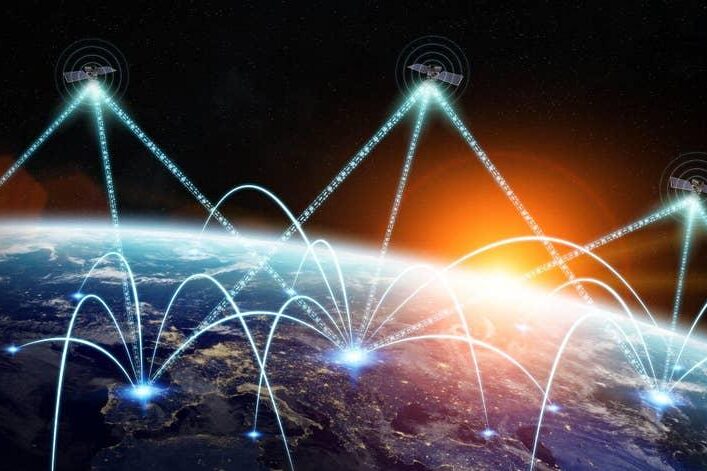
It usually doesn’t cross your mind when you’re checking directions or refreshing the weather app, but space is quietly working in the background. Systems linked to the Global Positioning System and networks maintained by agencies like the National Oceanic and Atmospheric Administration make daily routines smoother in ways that feel almost invisible. If satellites stopped for a day, people would notice very quickly, and that truth sits behind a lot of government spending.
When you think about it, this kind of investment feels less like a distant ambition and more like basic maintenance for modern life. Flights rely on it, shipping depends on it, even financial transactions are timed through signals from space. Governments aren’t just exploring, they’re sustaining systems people depend on without realizing it. There’s something quietly reassuring in that. It shows how space has become woven into everyday living, not as something separate, but as something supportive. And that steady reliance is one more reason the funding keeps flowing, ensuring those invisible threads stay strong.
12. Encouraging Private Industry to Grow Alongside Government Efforts
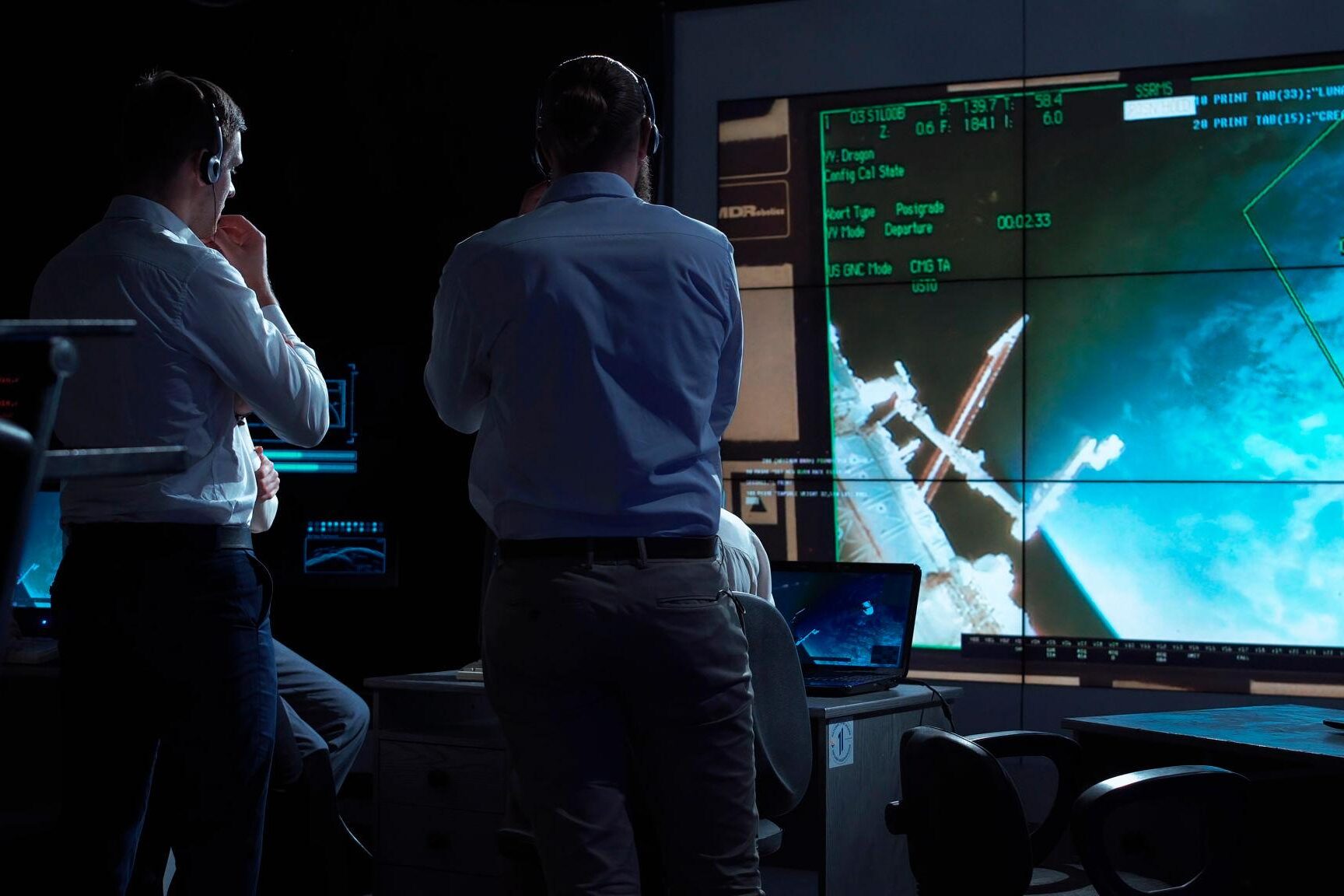
There’s been a noticeable shift over the years, and it feels more collaborative than before. Governments are no longer working alone; they’re opening the door for private companies to move alongside them. Partnerships involving SpaceX and Northrop Grumman show how public funding can create space for private innovation. Government investment reduces risk so companies can move faster, and that balance has become a defining feature of modern space efforts.
From a practical standpoint, it makes sense. Governments provide stability and long-term vision, while private companies bring speed and fresh ideas. Together, they create an ecosystem that feels more dynamic than either could manage alone. Jobs grow out of it, new technologies emerge, and the pace of development picks up in a way that benefits more than just space exploration. It’s not just about launching rockets anymore, it’s about building an entire industry. And that shared momentum is part of why governments continue to invest, knowing they’re not just funding missions, but helping shape a broader economic landscape.
13. Learning How Humans Can Live Beyond Earth
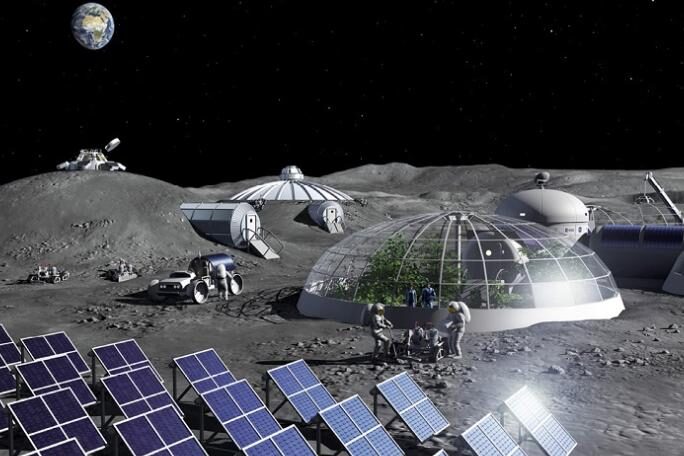
It’s a question that used to sound like science fiction, but now it comes up more often in real discussions. What does it take for humans to live somewhere other than Earth, even for a short time? Research tied to the International Space Station and future habitats connected to the Artemis Program are quietly exploring that idea. We’re learning how the human body adapts to space step by step, and that process is still unfolding.
At a human level, it feels both distant and surprisingly relevant. Studying how people live in space helps improve medicine, nutrition, and even mental health research back on Earth. Governments invest because these lessons don’t stay confined to orbit, they come back and shape how we understand ourselves. There’s also a long-term perspective here, a sense that learning now prepares us for possibilities later. It’s not rushed or overly ambitious, just steady progress built on careful study. And in that quiet way, it adds another layer to why space exploration continues to matter.
14. Managing Space Traffic and Preventing Orbital Congestion
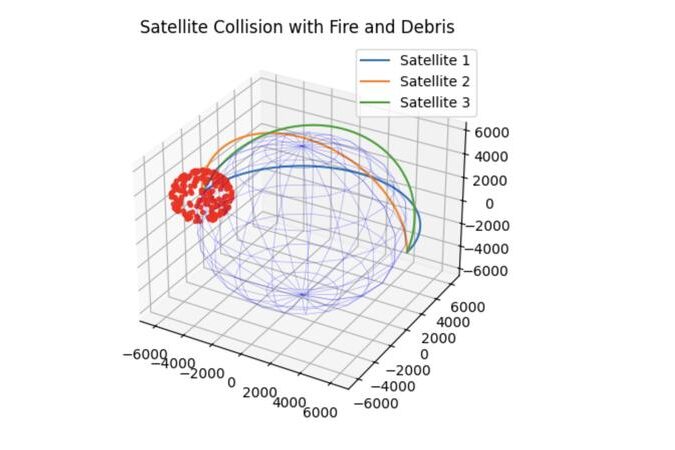
It’s not something most people picture when they think of space, but orbit is getting crowded. Satellites from different countries and companies are increasing rapidly, and without careful management, that congestion can become a real problem. Organizations working with the Federal Aviation Administration and international partners are beginning to treat space traffic more like air traffic, something that needs coordination and oversight. Space sustainability is becoming as important as space exploration, and that idea is gaining traction.
Governments invest because keeping space usable matters just as much as reaching it. Collisions between satellites can create debris that lingers for years, making future missions more difficult and risky. It’s a quiet responsibility, one that doesn’t grab attention but plays a crucial role in long-term planning. When you step back, it feels similar to maintaining roads or airways, just on a different scale. And that sense of stewardship adds another reason behind the funding, ensuring that space remains accessible not just now, but for the years ahead.
15. Leaving a Legacy That Extends Beyond One Generation

Toward the end of it all, the reasoning becomes a little more reflective. Governments aren’t just thinking about immediate returns, they’re considering what they leave behind. Missions tied to programs like Voyager Program have already shown how exploration can outlast the people who started it. As Carl Sagan once said, “we are a way for the cosmos to know itself,” and that idea continues to resonate in quieter ways.
It doesn’t feel urgent, and maybe that’s the point. Space investment carries a sense of continuity, something that stretches beyond one administration or even one lifetime. All the earlier reasons, innovation, security, knowledge, opportunity, seem to settle into this broader perspective. It’s not about any single mission, but about keeping the door open for what comes next. And in that steady, unspoken way, the spending starts to feel less like a question and more like a choice that’s already been made.


