
1. Fuel Costs
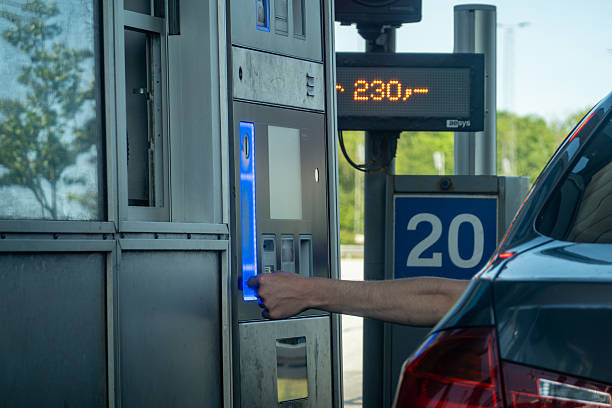
It often begins in the most familiar place, the fuel station. You pull in like you always do, not expecting anything unusual, and then you notice the number has changed. Maybe it’s a small increase, just enough to make you pause for a second before continuing. At first, it doesn’t feel like much. You adjust, you pay, and you move on. But when oil markets become unstable, those small changes stop being occasional and start becoming frequent. The difference between last week and this week becomes noticeable, and over time, it starts to feel like you’re constantly trying to catch up with something that keeps shifting.
What makes it more significant is how regular this expense is. Fuel isn’t something you buy once and forget about, it’s something that returns again and again. Oil prices are influenced by global supply, demand, and geopolitical events, meaning even situations far from you can affect what you pay locally. That connection may feel distant, but its effect is immediate. Over a month, or even a few weeks, what seemed like minor increases begin to stretch your budget in quiet ways. You might start combining trips, delaying outings, or simply becoming more conscious of how often you drive. It’s not always a dramatic shift, but it’s consistent enough to change your routine without you fully realizing when it started.
2. Food Prices

After a while, the changes move from your car to your kitchen. It’s not something you notice instantly, and that’s what makes it easy to overlook. You go grocery shopping like you always do, picking up the same items, following the same habits. But somewhere along the line, the total at checkout feels slightly higher than you expected. Not enough to alarm you, just enough to make you think twice. And then it happens again on your next trip, and the one after that. Slowly, the pattern begins to form. The connection between oil and food isn’t always obvious, but it runs deeper than it seems. From farming equipment to transportation, storage, and packaging, energy plays a role in almost every stage. When oil prices rise, those costs ripple outward.
Energy costs are embedded across the food supply chain, which means increases tend to show up gradually rather than all at once. Over time, your grocery bill starts reflecting those shifts. You may not change your habits immediately, but you begin to notice where your money is going. Maybe you substitute certain items, buy a little less, or become more intentional about what you choose. It’s one of those changes that feels subtle, but steadily reshapes how you spend.
3. Transport Fares

Then there’s the part of your routine that involves getting around, especially if you rely on public transport or ride-hailing services. At first, it’s just a slight adjustment. A fare that used to feel standard suddenly increases, not drastically, but enough to catch your attention. You might assume it’s temporary, something that will settle soon. But when oil prices remain unstable, those adjustments tend to stay, and sometimes even increase further over time. What used to feel predictable begins to shift, and with that shift comes a quiet need to rethink how you move from place to place.
For many people, this doesn’t show up as a major disruption, but as a series of small decisions. You start planning your trips more carefully, maybe combining errands or choosing routes that feel more cost-effective. It’s not about stopping your routine, it’s about adjusting it. Over time, those adjustments become part of your daily rhythm, shaping how often you go out, how far you travel, and even how you think about distance. What began as a small increase slowly becomes something that influences your day-to-day life in ways that feel both subtle and constant.
4. Electricity Bills

At home, the changes are quieter, almost easy to miss if you’re not paying close attention. You go about your usual routine, switching on lights, charging devices, running appliances, without thinking too much about the cost behind it. Then one month, your electricity bill arrives and feels slightly higher than expected. Not shocking, just different enough to make you pause. You might assume it’s due to usage, maybe you used the AC more or had guests over. But when this pattern continues over a few months, it starts to feel less like coincidence and more like a shift happening in the background.
Electricity pricing is often tied, directly or indirectly, to broader energy markets. When oil prices become unstable, it can influence how energy is generated and distributed, and those changes eventually reach households. Volatility in fuel markets often translates into higher generation costs over time. What makes this impactful is consistency. Electricity is not optional, it’s woven into everyday life. So even small increases carry weight because they repeat every month. Over time, you may find yourself becoming more conscious, turning things off more often, using appliances more carefully, or simply adjusting to a new normal. It’s one of those shifts that doesn’t arrive loudly, but settles in quietly and stays.
5. Cooking Gas
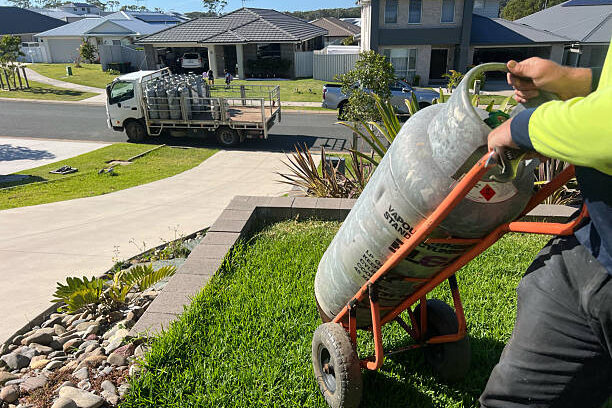
There’s something about routine household expenses that makes them feel stable, until they’re not. Cooking gas is one of those things. You don’t check the price every day, you just refill when it’s finished and move on. But then one day, you go for a refill and realize the cost has gone up. It’s not dramatic enough to disrupt everything, but it’s noticeable. And when it happens again the next time, it starts to feel like a pattern rather than a one-off change. The connection to oil markets sits beneath the surface. Gas pricing is influenced by global energy conditions, and when instability enters that space, it often reflects in what households pay.
Household fuels tend to follow broader market trends, even if the changes feel delayed. Over time, this begins to shape how you use it. You may start being more mindful while cooking, stretching usage a bit further, or planning meals differently without consciously deciding to. It’s not about drastic change, but quiet adjustment. Like many of these shifts, it blends into everyday life until it becomes part of how things simply are.
6. Household Items

Some of the most noticeable changes are the ones you can’t immediately explain. You walk into a store, pick up items you’ve bought countless times before, and something feels different. The price is slightly higher, but nothing about the product has changed. It’s the same brand, same size, same packaging. At first, it feels random, but over time, you begin to see that it’s happening across different items, not just one. Many everyday products are tied to oil in ways that aren’t always visible. Packaging materials, plastics, and even parts of manufacturing rely on petroleum-based inputs. When oil prices fluctuate, production costs can rise, and businesses adjust quietly.
Petroleum derivatives are present in a wide range of consumer goods, which explains why the impact feels widespread. You don’t always connect it immediately, but your spending reflects it. Over time, these small increases accumulate, subtly changing how much you spend on routine purchases. It becomes less about one item and more about the overall shift, the feeling that things cost just a little more than they used to, without a clear reason you can point to.
7. Delivery Fees

Convenience has become part of everyday life, especially with delivery services. Whether it’s food, groceries, or online orders, it’s easy to rely on having things brought to your doorstep. At first, delivery fees feel standard, predictable, something you factor in without much thought. But then you begin to notice slight increases. A service that once felt affordable starts to feel a bit more expensive, even if the change is small. Fuel plays a major role in logistics, and when oil prices rise, delivery costs often follow. Sometimes it shows up directly in the fee you pay, other times it’s built into the price of what you’re ordering.
Transportation costs are among the first to reflect fuel price changes. Over time, this influences behavior. You might order less frequently, combine orders, or reconsider what feels worth the extra cost. The convenience is still there, but it comes with a slightly higher price tag. It’s another example of how oil market instability doesn’t stay in one place, it moves through systems quietly until it reaches everyday choices.
8. Travel Plans

Travel often starts with excitement, planning destinations, checking prices, imagining the experience. But somewhere in that process, cost becomes a factor that shapes decisions. When oil prices fluctuate, travel expenses, especially flights, tend to shift as well. You might notice ticket prices are higher than expected, or that they change more frequently than they used to. Airlines rely heavily on fuel, and when those costs rise, it often reflects in ticket pricing.
Fuel is one of the largest operational costs for airlines. This doesn’t mean travel becomes impossible, but it does become something you plan more carefully. You might book earlier, adjust destinations, or travel less often. Over time, it changes how spontaneous travel feels. What used to be a quick decision becomes something you think through more intentionally. It’s not always a major disruption, but it’s enough to reshape how you approach it.
9. Small Businesses

Behind many of the products and services you use are small businesses trying to stay afloat. When oil prices rise, their costs often increase, transportation, production, and operations all become more expensive. Unlike large corporations, small businesses don’t always have the flexibility to absorb those changes quietly. As a result, prices may adjust, sometimes gradually, sometimes more noticeably.
A service you use regularly might cost a little more, or a product might see a slight increase. For customers, this becomes another subtle shift in spending. You may not think about the reason immediately, but it reflects a broader pattern. Supporting these businesses remains important, but it also becomes part of a changing financial landscape that affects both sides.
10. Work and Income

Not all effects show up in spending, some appear in income. In industries connected to energy, transport, or manufacturing, oil market instability can influence operations. When costs rise or markets shift, businesses may adjust hiring, reduce hours, or slow down expansion plans. For individuals, this creates a different kind of awareness. It’s not always immediate or widespread, but it introduces a level of uncertainty.
Economic shifts in energy markets can indirectly affect employment patterns. This doesn’t mean sudden job loss for most people, but it can influence stability and growth over time. It’s one of the less visible impacts, but one that sits quietly in the background, shaping how people think about work and financial security.
11. Rising Inflation

When multiple costs begin to increase at the same time, fuel, food, transport, utilities, it creates a broader effect known as inflation. It’s not tied to one specific expense, but to the overall rise in the cost of living. You may not notice it all at once, but over time, your money doesn’t stretch as far as it used to. Energy plays a key role in this process. Energy prices are a major driver of inflation trends. What makes this impactful is how widespread it feels.
It touches different areas of life simultaneously, making it harder to adjust quickly. Over time, it influences how you budget, what you prioritize, and how you plan ahead. It’s less about one change and more about a gradual shift in the entire financial landscape.
12. Saving Habits

Eventually, all these small changes come together in one place, your ability to save. It’s not always something you notice immediately, but over time, you may realize there’s a little less left at the end of the month than there used to be. Not because of one big expense, but because of many small ones adding up quietly. This is where everything connects. Oil market instability doesn’t remain in headlines, it moves through daily life until it reaches your personal finances.
Rising living costs often reduce disposable income gradually. You may begin to adjust, setting aside smaller amounts, planning more carefully, or simply becoming more aware of where your money goes. It’s not always about drastic change, but about understanding the pattern. And once you see it, you’re in a better position to respond to it, one small, intentional decision at a time.


