
Every State Visited. Every City Judged
Every long road trip teaches you something about places, but more importantly, it teaches you about expectations. After crossing all fifty states, stopping in big cities, small capitals, and plenty of places in between, one thing became clear very quickly. No city feels exactly like its brochure. Some surprise you in the best possible way, while others feel a little harder to settle into, whether it is the layout, the pace, or just the mood on the day you arrive.
This is not a list about “bad” places or harsh criticism. It is more like the honest notebook you would keep after months on the road, remembering which cities felt easiest, which needed more planning, and which left you quietly ready to move on. Every state got visited. Every major stop got judged. And just like any real journey, the stories turned out far more human than the rankings. These opinions are my own.
50. Dover, Delaware
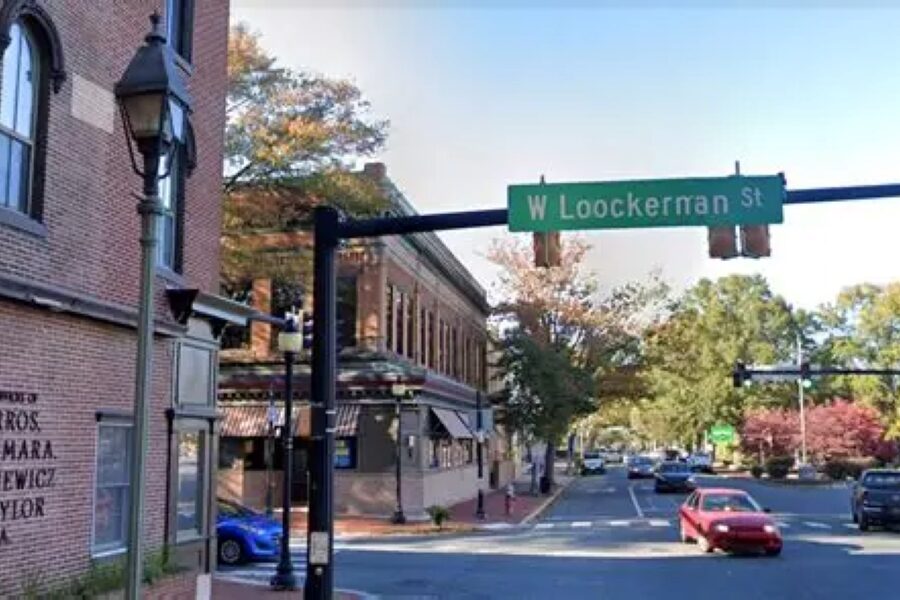
I remember the road trip really beginning in Delaware, and Dover felt like the kind of small capital where nothing is exactly wrong, just slower than you expect. Streets around the government buildings were tidy but unusually calm, and after lunch the sidewalks almost emptied out. A small shop owner chatted with me about how most visitors pass through for paperwork or court dates, not tourism, which explained why the center felt more functional than lively. Starting here quietly set the tone for the whole journey, because crossing the country quickly teaches you that not every stop exists to impress, some simply introduce the rhythm of everyday American life.
Once I adjusted my expectations, the calm started feeling comfortable rather than dull. Coffee tasted good, locals were patient when giving directions, and the historic green made for a pleasant slow walk. Evening arrived early though, and dinner options felt limited as the town settled into silence. Delaware worked fine as a beginning, the sort of gentle introduction that reminds you this trip will not only be about famous skylines, but also about noticing how ordinary places welcome strangers in their own steady, practical way.
49. Bridgeport, Connecticut
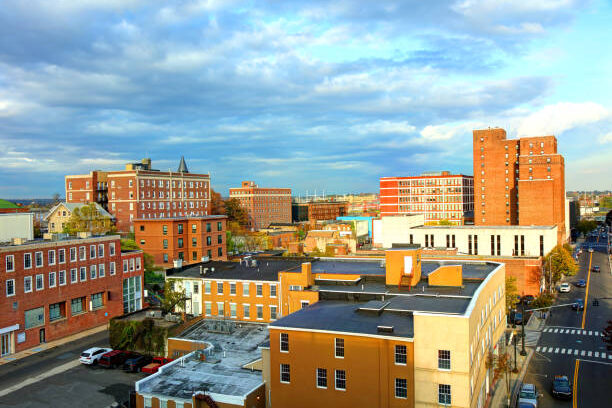
Connecticut sounded promising because coastal cities always make you picture marinas, seafood, and breezy waterfront walks. Arriving in Bridgeport, the shoreline views were real and beautiful, yet the downtown energy never fully matched that postcard expectation. Several blocks showed older industrial buildings waiting for renewal, and lunchtime crowds felt thinner than I imagined for a coastal stop. A cashier casually mentioned many residents commute elsewhere for work, which explained the quiet midday atmosphere visitors notice immediately when trying to explore on foot. Nothing felt rude or closed, just calmer than the lively harbor scene I had pictured.
I did find a peaceful park near the water and a small diner where the waitress treated everyone like regulars, which warmed the experience and made the afternoon feel personal. Still, moving between pleasant spots required driving instead of strolling, and some streets felt unexpectedly empty for such a prime coastal location. Connecticut never felt unfriendly, only unfinished in places, like a region with strong bones still reshaping its visitor identity, and I left thinking the potential clearly exists even if the energy has not fully caught up yet.
48. Camden, New Jersey
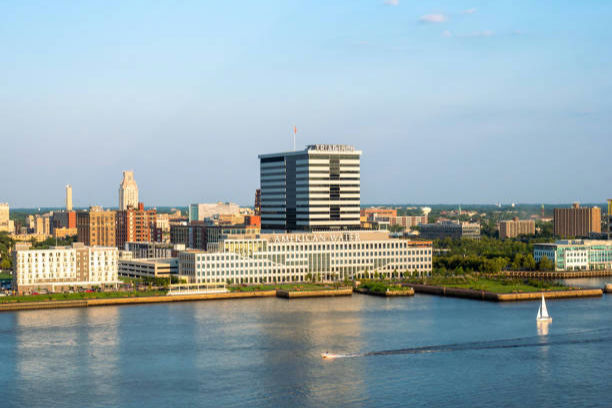
New Jersey brought me into Camden first, and stepping out of the car there gave me one of those moments where the skyline across the river actually looks more vibrant than the street you are standing on. Looking toward Philadelphia, the view was impressive, yet walking through parts of Camden itself felt quieter and more worn than neighboring tourist hubs. Outside a waterfront attraction, a security worker kindly pointed out which walking routes visitors usually take, and the advice sounded normal rather than alarming, simply part of understanding how the city flows day to day.
Inside the maintained waterfront zone, things improved with clean walkways, family attractions, and staff clearly focused on making visitors comfortable. The contrast between that area and surrounding streets remained noticeable during the drive out though, and it shaped the overall impression more than any single moment. New Jersey itself offers many lively destinations, yet this particular stop felt like a city carrying resilience while still rebuilding everyday tourist confidence, and it left me appreciating the effort while also feeling it is best explored with a little planning rather than pure spontaneity.
47. Gary, Indiana
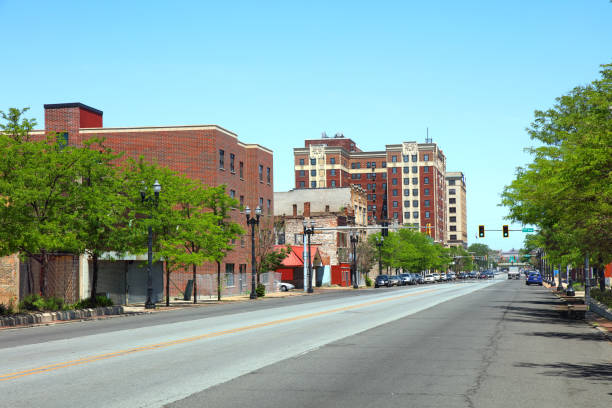
Indiana brought me through Gary, and the first impression felt like driving into a living photograph of America’s industrial past. Old factory structures, freight lines, and long quiet residential stretches told their story before anyone needed to explain it. At a small gas station, the attendant spoke warmly about the city’s steel era and music history, and the pride in that conversation stayed with me long after I left. Lake Michigan nearby offers surprisingly pretty shoreline views, yet much of the central city still feels suspended between history and recovery, like a page waiting to turn.
Later I stopped at a modest local restaurant where the welcome was genuine and the food simple but comforting, which reminded me that cities are never just headlines or statistics. Still, for travelers hoping for dense walkable districts or packed visitor attractions, Gary can feel sparse and widely spaced. Nothing about the stop felt hostile, only reflective, a place that makes you slow your driving, listen carefully, and think about how towns evolve across decades while their communities quietly keep holding on.
46. Rockford, Illinois
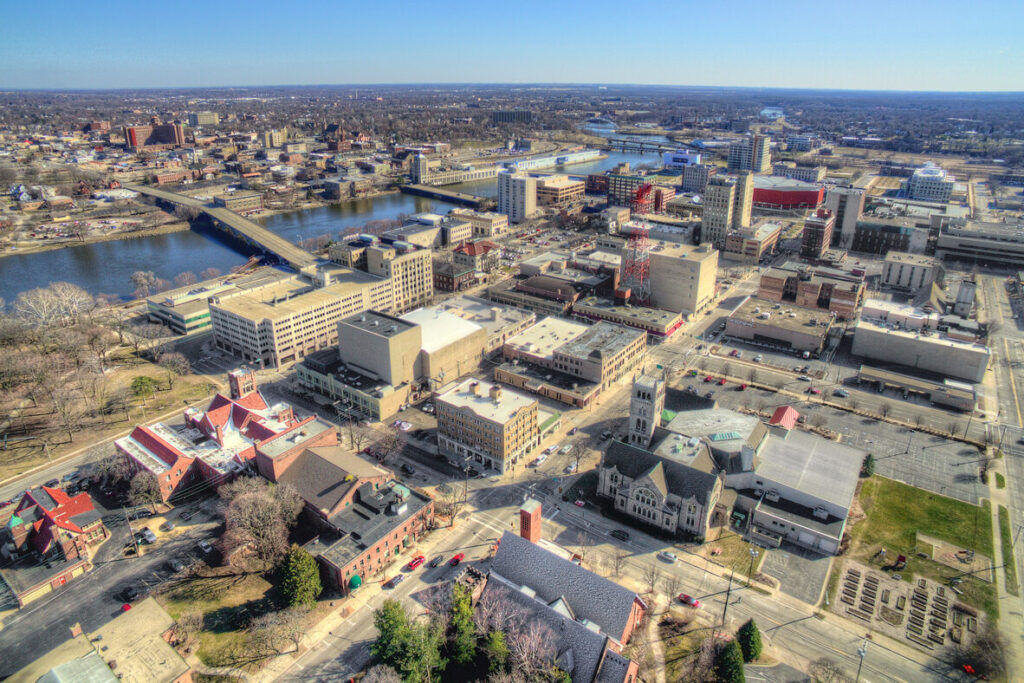
Illinois led me into Rockford, where the first thing I noticed was how naturally friendly everyday interactions felt. Ordering coffee turned into a full conversation, and downtown showed a few historic buildings plus a pleasant riverwalk that made the afternoon stroll genuinely relaxing. During daylight hours there was enough movement to feel active without being crowded, which suited the road trip mood perfectly. The surprise came later though, when by early evening many storefronts had already closed and several streets became noticeably still much sooner than expected.
Dinner itself was good and service warm, so nothing about the visit felt negative in any real sense. The challenge was simply momentum, because travelers often remember places by how long the evening invites them to keep wandering. Rockford instead felt like somewhere that gently encourages rest and an early start the next morning. That calm rhythm clearly works for residents, though for passing travelers chasing late night exploration, the visit ends up feeling comfortable, polite, and just a little shorter than the imagination planned.
45. Shreveport, Louisiana
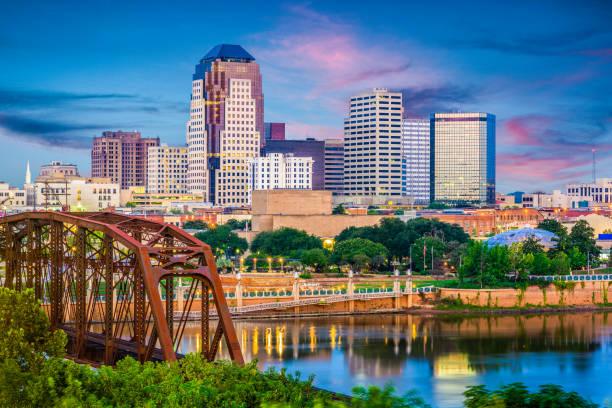
Louisiana first pulled me into Shreveport, and I arrived expecting nonstop riverfront music, glowing nightlife, and that lively Southern energy people often talk about. The casino strip did shine with lights and steady activity, and for a moment it felt like the whole visit would stay that way. Then I drove only a few minutes farther and the atmosphere shifted into something noticeably quieter. Several downtown streets felt almost paused during the afternoon, and a café worker casually explained that most entertainment stays clustered in a few pockets, leaving the rest of the city moving at a slower everyday pace.
Dinner that night was genuinely good, with locals chatting easily and welcoming conversation the way Louisiana often does best. Still, I noticed that walking between evening spots was not as natural as expected, so driving became the default choice. Nothing about the visit felt unpleasant or tense, only uneven, like the bright sections glow strongly while the rest of the city rests early. By the time I checked out the next morning, Shreveport felt memorable for its people and food, though shorter and quieter than the lively image I carried in.
44. Wichita, Kansas
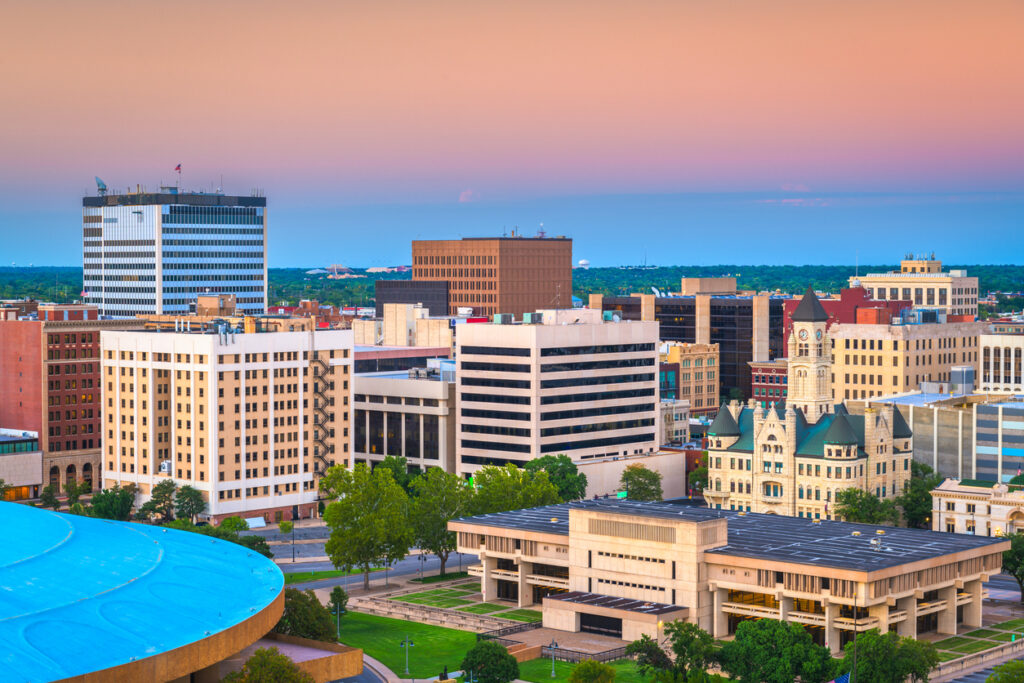
Kansas brought me into Wichita, and the first impression was how organized and practical everything felt. Roads were wide, traffic flowed smoothly, and daily life looked comfortable for the people who actually live there. For a traveler, though, that same efficiency can feel a little subdued. Walking through parts of downtown during the afternoon, I expected more crowds or spontaneous street life, yet several blocks remained calm, giving the city a weekday rhythm that felt focused more on work than wandering.
Lunch became the highlight when a local grill owner happily talked about aviation history, community fairs, and why residents love staying there long term. That conversation added warmth and helped me see the pride behind the quiet streets. Museums and parks were pleasant once I reached them, though they required planning rather than accidental discovery. Nothing about Wichita felt negative or unwelcoming, just steady and understated. It works perfectly if you know what you came to see, but for road trippers chasing sudden excitement or dense entertainment districts, the stop can feel efficient, friendly, and quietly designed for living rather than visiting.
43. Spartanburg, South Carolina
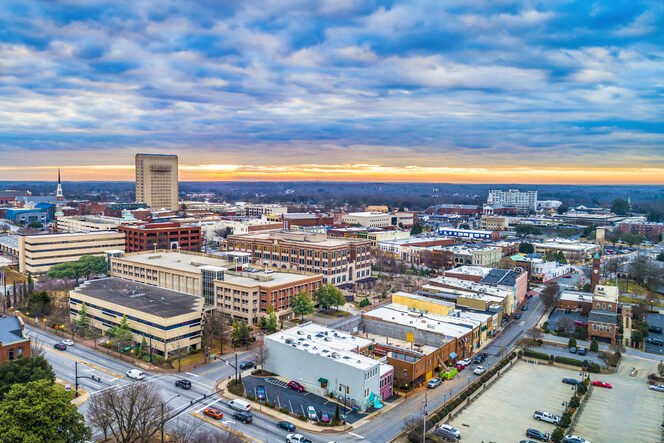
South Carolina led me through Spartanburg, and arriving there felt like stepping into a town halfway through its own renovation story. Fresh murals, updated storefronts, and construction signs hinted that something new was clearly growing, yet several nearby blocks still held that older quiet small city feeling. Walking downtown during the afternoon felt pleasant enough, though lighter on crowds than I expected, and a bookstore employee mentioned the center has been rebuilding slowly over recent years, which explained the mixed atmosphere I kept noticing.
Coffee tasted great, conversations felt relaxed, and there were small touches of charm everywhere once I slowed down enough to see them. Still, once evening approached, entertainment options stayed fairly limited and nightlife clusters remained modest in size. Spartanburg never felt disappointing in a harsh sense, only transitional, like a place locals believe strongly in while it continues shaping its future identity. Driving away, I actually felt curious about what the town might look like five years from now, because the foundations of something lively are clearly there, even if the rhythm today still leans calm.
42. Manchester, New Hampshire
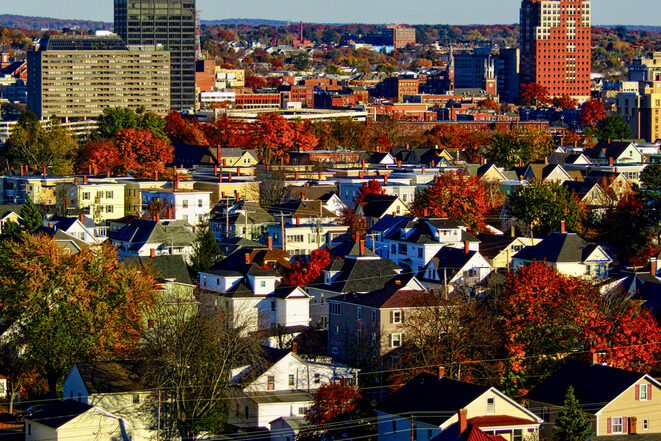
New Hampshire brought me into Manchester, and the city immediately felt like a place built around real work schedules rather than tourist pacing. Morning hours showed steady commuter traffic, busy cafés, and offices humming with normal weekday movement. By late afternoon, though, sidewalks thinned quickly and several downtown shops began closing sooner than I expected for a regional center. A hotel clerk smiled and explained that weekends bring markets and festivals, but weekday evenings often settle into a quieter hometown routine residents are fully used to.
Dinner downtown turned out comfortable and relaxed, with friendly service and no rush at all, which actually made the evening pleasant in its own slower way. Still, travelers often remember cities by how lively they feel after sunset, and Manchester’s calm rhythm can feel surprisingly subdued if you arrive midweek. Nothing felt unsafe or neglected, simply peaceful to the point that spontaneous night exploring becomes limited. It is the kind of city that likely feels wonderful once you belong there, though as a passing visitor, the atmosphere reads more practical and steady than dramatically memorable.
41. Providence, Rhode Island
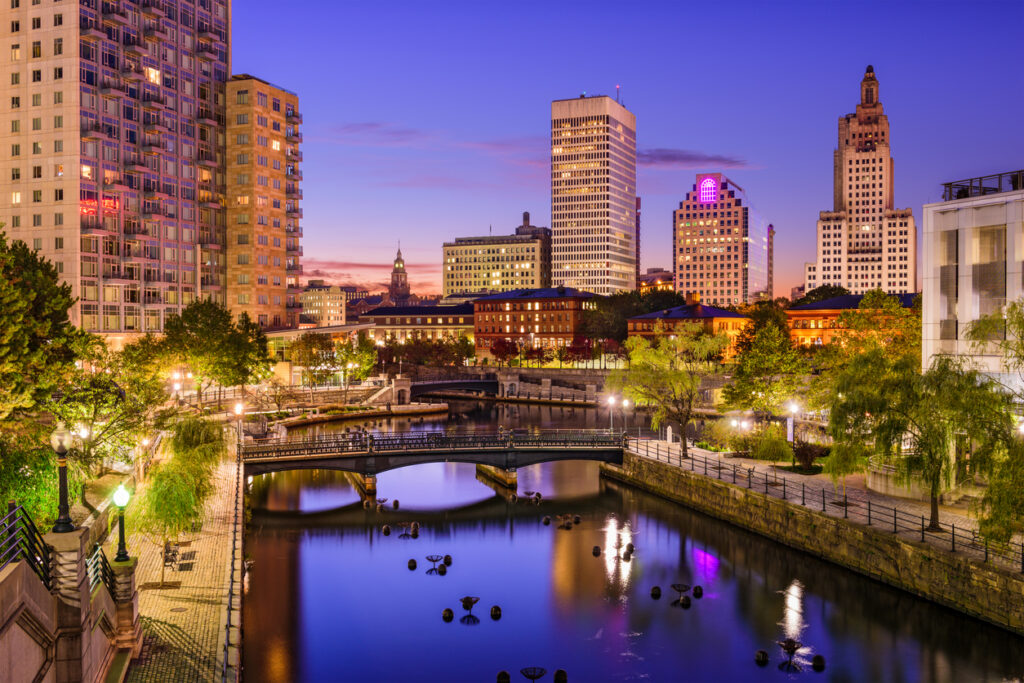
Rhode Island welcomed me through Providence, and at first it honestly looked like it might end up among my favorite stops. The historic college districts were full of brick buildings, bookstores, cafés, and that classic New England atmosphere that feels instantly walkable and warm. Students filled the sidewalks, and the central streets buzzed just enough to make wandering enjoyable without feeling crowded. For a while, everything matched the charming reputation I had heard before arriving.
The surprise came once I drifted farther from that lively core, where activity dropped off quickly and some commercial stretches felt unexpectedly quiet compared to the vibrant center. Still, the food scene absolutely delivered, and one small neighborhood restaurant served a meal that easily became one of the best of the week. Locals stayed polite and helpful whenever I asked directions, and the waterfront walks near sunset were genuinely peaceful. Providence never felt like a bad visit at all, only a city where the magic lives in certain pockets, meaning the experience shines brightest when you stay close to them.
40. Fort Smith, Arkansas
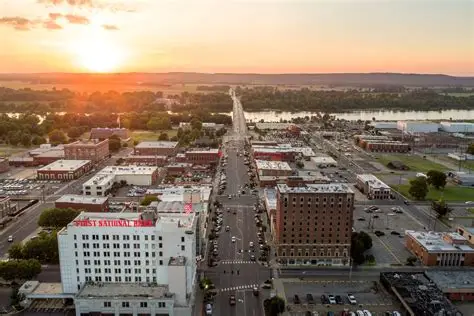
Arkansas brought me into Fort Smith, and the first thing that stood out was how openly the town carries its history. Restored frontier buildings, old courthouse grounds, and museum plaques made the past feel very close, almost like the city prefers storytelling over rushing toward modern noise. Walking the historic district during the morning felt pleasant and informative, and the nearby riverfront added a calm backdrop that suited a slow travel day. Still, as the afternoon stretched forward, I noticed how gently the activity level dropped, with several shops closing earlier than expected and whole streets settling into a quiet rhythm.
Lunch at a small local diner turned into the highlight because the staff happily shared town stories and suggested scenic drives beyond the center. That warmth made the visit enjoyable, yet the overall pace stayed very relaxed, almost to the point where a short stay covers most highlights. Fort Smith never lacked character, only urgency. It is a place that rewards conversation more than constant motion, and for travelers chasing busy exploration, the calm atmosphere can make the visit feel peaceful, friendly, and slightly shorter than planned.
39. Lewiston, Maine
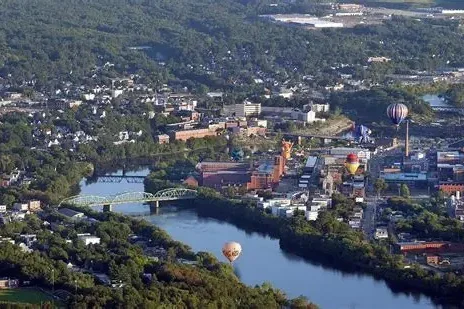
Maine led me into Lewiston, where the wide river views and tall brick mill buildings instantly gave the town a strong sense of industrial history. Seeing those old mills reflected in the water created a surprisingly beautiful scene, and the cool northern air naturally slowed my walking pace as I explored the center. Yet once I moved deeper into downtown streets, the pedestrian traffic felt lighter than expected, and several storefronts seemed quietly occupied rather than bustling. A bookstore owner mentioned that community life often revolves around local events and university schedules instead of daily tourist crowds.
Coffee shops were welcoming and locals struck up easy conversations that made the stop feel personal instead of commercial. Still, outside of scheduled festivals or campus happenings, entertainment choices for a passing visitor felt limited once the main streets were covered. Lewiston never seemed unfriendly or struggling, simply modest and steady in a way that favors residents more than short term tourism. It felt like a place that probably becomes wonderful once you know people by name, though during a quick road trip visit, the calm pace naturally encourages continuing onward.
38. Pueblo, Colorado
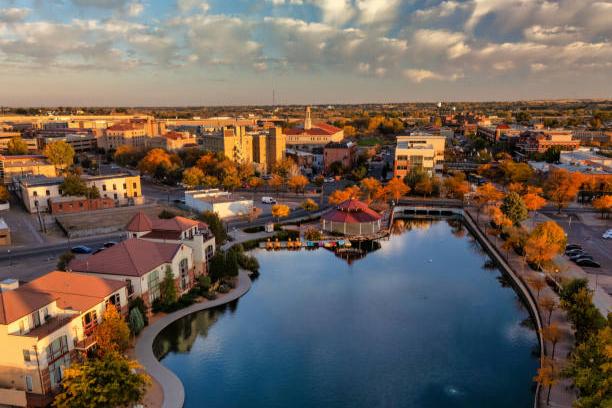
Colorado brought me through Pueblo under bright sunshine, and nearly everyone I spoke to immediately recommended local food, which turned out to be excellent advice. The Arkansas Riverwalk area offered a pleasant afternoon stroll with clean paths, quiet seating, and an easy relaxed atmosphere that made the city feel welcoming right away. Still, once I drove beyond that central stretch, much of the surrounding city felt more spread out than I imagined, with commercial zones designed for driving rather than wandering visitors on foot.
At a family restaurant, the owner proudly talked about Pueblo’s steel roots and strong community traditions, which helped me understand the pride residents feel for the place. The friendliness stayed genuine everywhere I went, and nothing about the visit felt uncomfortable or dull. Yet compared with Colorado’s bigger tourism centers, evening entertainment clusters remained small and the overall pace leaned calm. Pueblo works well as a comfortable hometown with authentic character, though for travelers seeking nonstop activity or dense sightseeing districts, the stop can feel welcoming, sunny, and pleasantly quiet enough to move along after a day.
37. Medford, Oregon
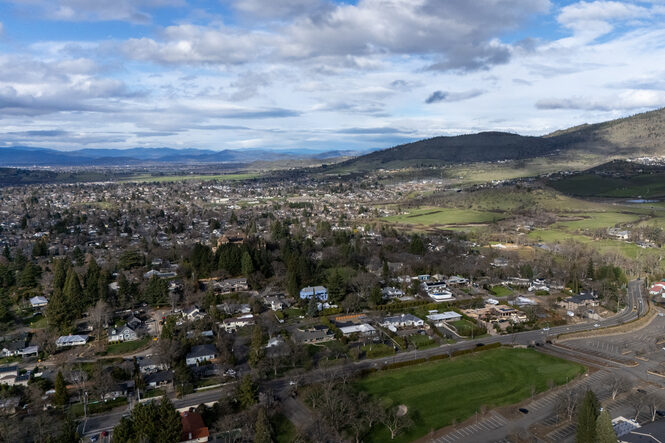
Oregon first showed itself to me through Medford, and the welcome there felt immediate, with hotel staff and locals quickly offering suggestions for wineries, hiking trails, and scenic drives. After hearing those same recommendations repeatedly, I started noticing how many of them pointed outside the city itself rather than toward downtown attractions. The central streets had a few nice cafés and bookstores, yet pedestrian traffic stayed fairly light, and several blocks felt more practical than lively tourist zones.
Once I accepted that Medford functions mainly as a gateway to southern Oregon’s landscapes, the visit actually became easier to enjoy because the surrounding countryside truly is beautiful. Still, judging the city purely on its own evening energy, entertainment options felt limited and the downtown atmosphere settled early. Medford never felt disappointing in any serious way, only transitional, like a comfortable launching point rather than a destination meant to hold visitors for long. For travelers moving through the region, it serves perfectly as a friendly base, though few urban moments insist strongly on extending your stay.
36. Yakima, Washington
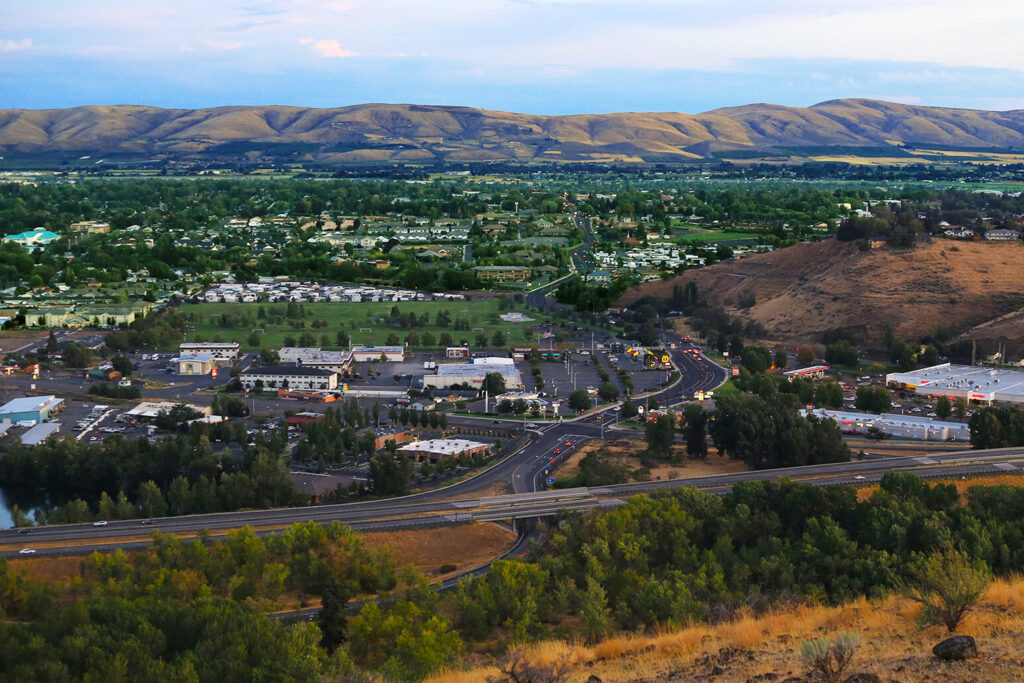
Washington brought me into Yakima, sitting in a broad valley filled with orchards, vineyards, and wide open skies that carry the scent of harvest when the season is right. Produce stands and local markets gave the town a grounded working identity that felt authentic and honest from the start. Still, when I explored the central downtown blocks, visitor activity seemed lighter than I expected, and several storefronts were open yet quiet. A barista explained that Yakima’s real rhythm follows agricultural schedules rather than tourist calendars.
Lunch featured fresh local ingredients and warm service, which made the stop memorable in a simple and satisfying way. People spoke proudly about farming traditions and community events, yet once I covered the main central streets, options for extended sightseeing felt limited without heading out into surrounding countryside. Yakima never felt dull or unwelcoming, only practical, a town whose strength lies in production and local life instead of dense visitor attractions. For travelers interested in food origins it offers real charm, though for those chasing busy city exploration, the calm atmosphere naturally keeps the road trip moving.
35. Brownsville, Texas
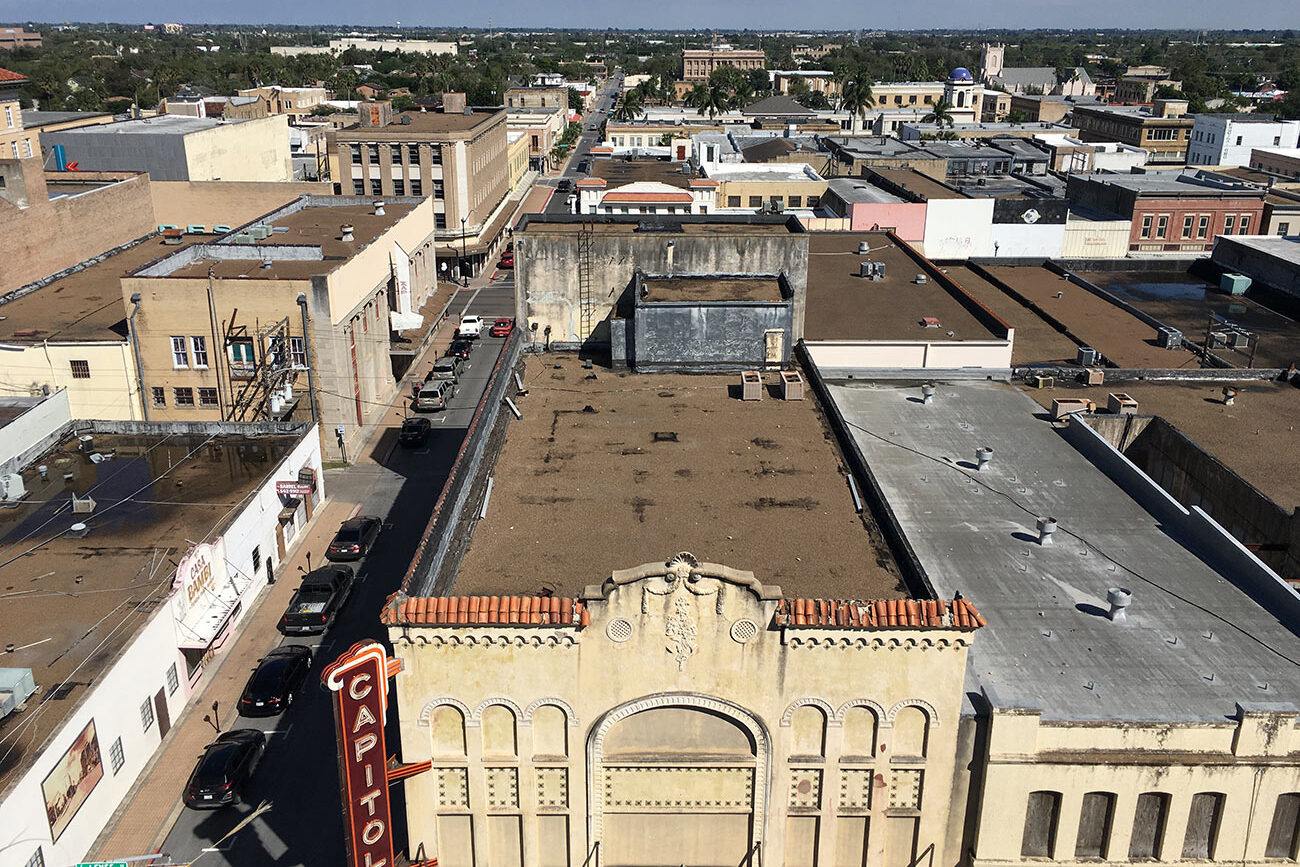
Texas brought me into Brownsville first, and arriving there felt different from the big Texas cities most travelers picture. The border culture is strong, the food smells amazing, and the conversations switch easily between English and Spanish, which made the place feel deeply rooted and authentic. Still, while the cultural personality was clear, the downtown visitor energy felt lighter than I expected. Several commercial areas leaned practical rather than walkable, and I found myself driving more than strolling while trying to connect the interesting spots together.
Lunch at a small local café ended up being the highlight because the owner happily explained regional dishes and local traditions, which added warmth to the visit. People were polite, helpful, and genuinely welcoming throughout the day. Yet after covering the central streets and river areas, the sightseeing options felt limited for a longer stay. Brownsville never felt unfriendly or disappointing, only quieter than the larger Texas destinations travelers often imagine. It works well as a cultural stop with strong local identity, though for road trippers seeking nonstop city attractions, the rhythm naturally encourages continuing onward.
34. Bakersfield, California
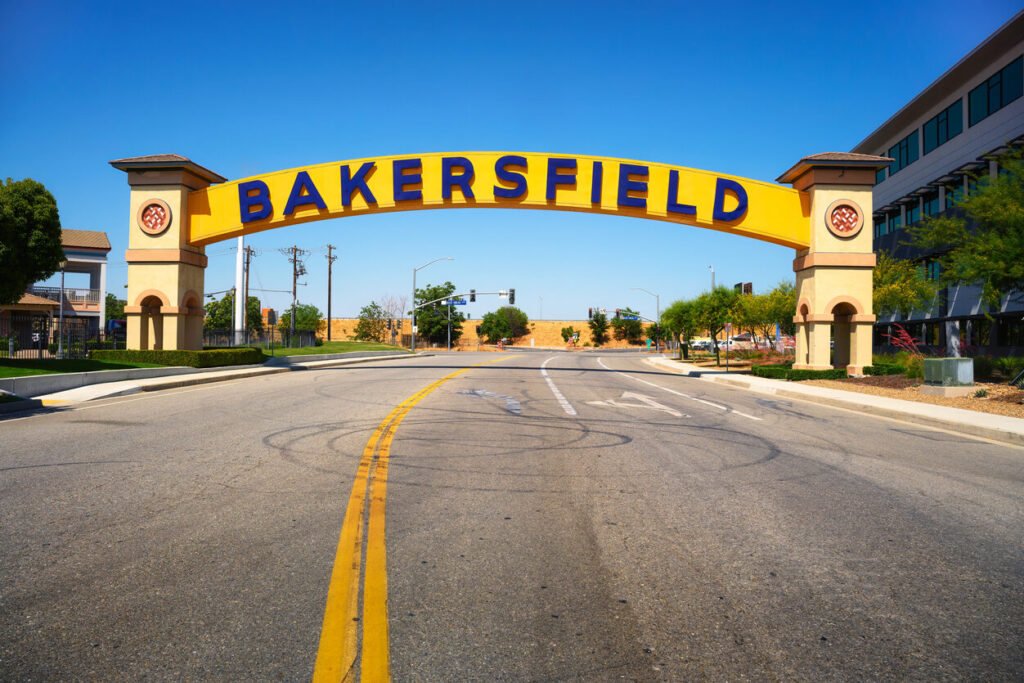
California surprised me by leading through Bakersfield, a city that feels far more rooted in industry and agriculture than in the coastal glamour many people associate with the state. Wide roads, oil infrastructure, and working neighborhoods gave it a practical atmosphere from the moment I arrived. Downtown had a few historic theaters and restaurants worth seeing, yet much of the city spreads outward in a way that makes driving essential, and the walkable tourist density felt lower than expected for a California stop.
Dinner turned out excellent, with locals proudly talking about country music history and regional food traditions that many outsiders overlook. That conversation added personality and reminded me California has many identities beyond beaches and film studios. Still, once evening progressed, entertainment clusters remained fairly contained, and spontaneous wandering options felt limited. Bakersfield never felt hostile or dull, only built more for daily living than visitor exploration. It is a hardworking place with real community pride, though for travelers chasing the dramatic scenery or nonstop buzz the state is famous for, this particular stop can feel steady, functional, and shorter than planned.
33. Tallahassee, Florida
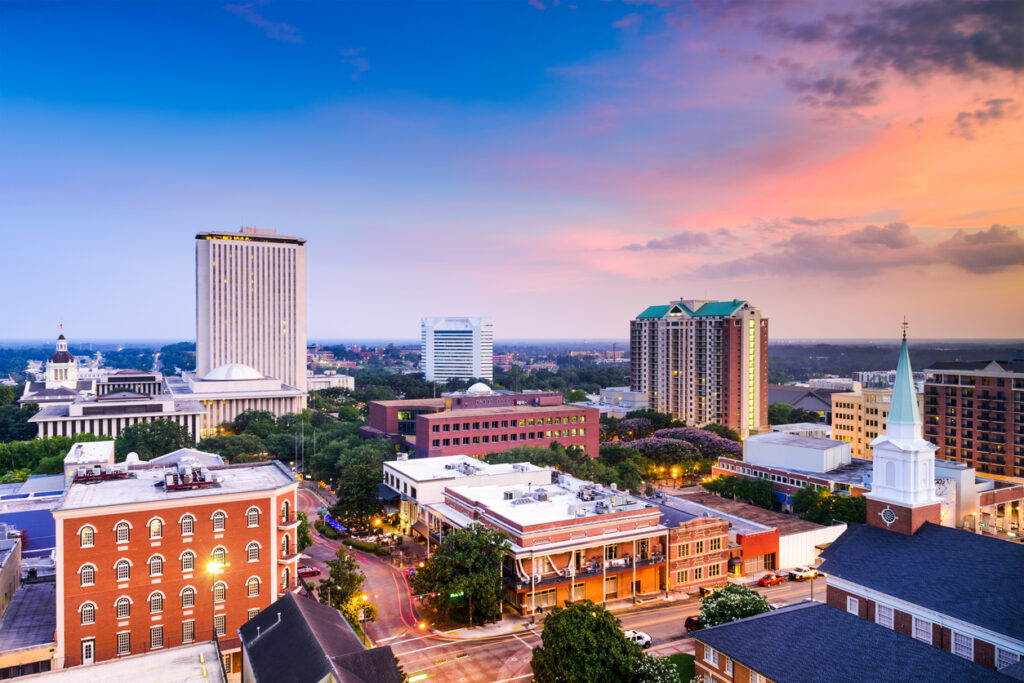
Florida brought me through Tallahassee, and arriving there felt calm compared with the resort energy most people connect with the state. Government buildings, university spaces, and leafy residential streets gave the city a thoughtful, academic atmosphere right away. During the day, cafés were active with students and workers, yet once the afternoon moved toward evening, parts of downtown settled faster than I expected. A hotel staff member explained that the rhythm here follows legislative sessions and school calendars more than tourism seasons.
Lunch near campus was lively and friendly, and several locals offered suggestions for parks and historical sites that made the afternoon pleasant to explore. Still, outside the university influence, the visitor entertainment zones felt smaller than the larger Florida destinations many travelers picture. Tallahassee never seemed unfriendly or lacking in charm, only focused on governance and education rather than tourism spectacle. It works well if you enjoy relaxed walks, museums, and conversation driven cafés, though for road trippers expecting beaches or constant nightlife, the quieter capital atmosphere naturally leads to packing up and continuing south.
32. Macon, Georgia
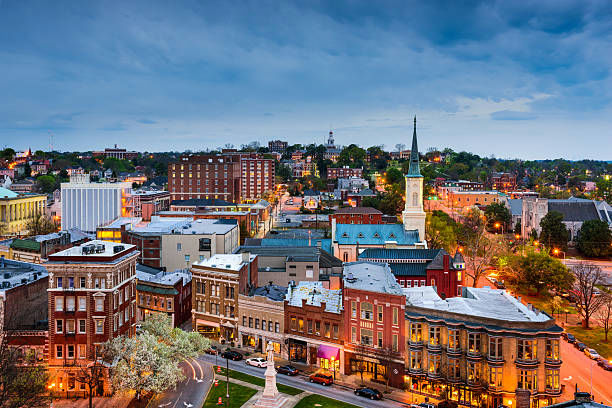
Georgia guided me into Macon, and the city immediately showed off its music heritage and historic architecture in a way that felt genuine rather than staged. Old theaters, church towers, and classic Southern houses created a strong visual first impression while I drove into the center. Walking downtown during the afternoon felt pleasant, though several storefronts remained spaced apart enough that the pedestrian buzz stayed lighter than I expected. A museum volunteer mentioned the city has been steadily restoring its core, which explained the mix of beautifully preserved buildings beside quieter blocks.
The food scene delivered real Southern comfort, and conversations with locals felt easy and welcoming in that familiar regional way. Still, once evening approached, nightlife clusters stayed fairly contained, and exploring beyond the main restored areas required some planning. Macon never felt disappointing, only gently in transition, like a place that clearly knows its history and is steadily building its future tourism identity. I left with respect for the culture and stories, yet also with the sense that the visit fits best as a thoughtful afternoon stop rather than a long stay destination.
31. Montgomery, Alabama
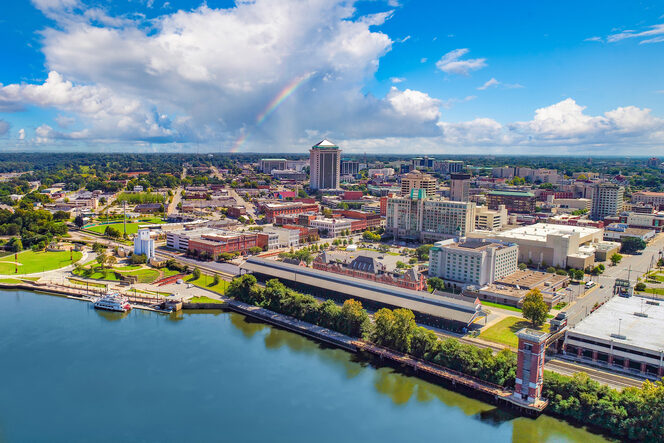
Alabama brought me into Montgomery, and the historical significance of the city felt present almost immediately through monuments, museums, and preserved civil rights landmarks. Walking those sites was meaningful and educational, giving the visit emotional weight that stayed with me long after leaving. During the daytime, the downtown streets around the historic district felt organized and easy to navigate, though the general visitor crowd remained lighter than I expected for such an important American location.
A local café served excellent Southern cooking, and the staff kindly pointed out additional heritage stops worth seeing, which made the afternoon feel guided and personal. Still, once the main historical areas were covered, entertainment and evening exploration options seemed limited compared with larger Southern cities. Montgomery never lacked importance or cultural depth, only the dense tourist infrastructure some travelers assume accompanies major historic destinations. It works beautifully as a reflective educational stop filled with meaningful sites, though for road travelers seeking lively nightlife or extended wandering districts, the atmosphere stays calm enough that the journey naturally continues onward.
30. Huntington, West Virginia
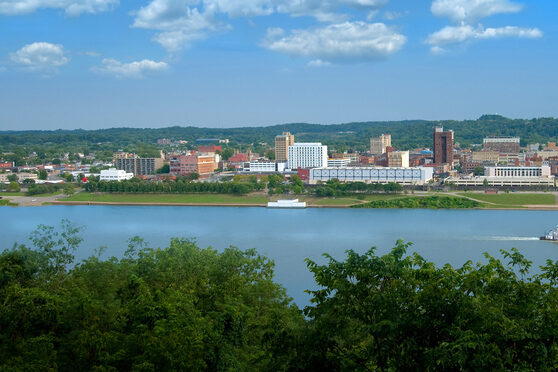
West Virginia brought me into Huntington, and the first feeling was how strongly the town revolves around its university presence and riverfront history. During the morning, cafés were active with students and local workers, giving the streets a friendly everyday energy that felt welcoming enough. Still, once I moved farther from the campus area, the activity level dropped quickly and several commercial blocks felt noticeably quieter. A bookstore clerk mentioned that much of the excitement follows the academic calendar, which explained the uneven rhythm I kept noticing while walking.
Lunch along the river turned into a relaxed highlight, with polite service and easy conversation that made the visit feel comfortable. Yet after covering the central streets, options for extended sightseeing felt limited without driving out toward surrounding nature. Huntington never felt unfriendly or struggling, only modest in scale, a place designed more for community life than heavy tourism. For travelers seeking dense attractions or busy entertainment districts, the stop can feel calm enough to appreciate for a few hours before the road naturally starts calling again.
29. Bismarck, North Dakota

North Dakota led me into Bismarck, and arriving there felt orderly and practical in a way that immediately suggested strong government roots. The capitol grounds were clean, open, and easy to explore, and the surrounding streets felt safe and organized throughout the afternoon. Still, the pedestrian flow stayed light even in central areas, and several shops closed earlier than I expected for a state capital. A local cashier explained that the city’s rhythm follows work schedules and winter weather patterns more than visitor seasons.
Dinner downtown was pleasant, and locals happily shared tips about scenic drives along the Missouri River, which added a welcoming touch to the experience. Yet once evening settled, the entertainment options narrowed fairly quickly and the overall pace leaned quiet rather than lively. Bismarck never felt lacking in pride or comfort, only understated, a place built for stability instead of spectacle. It works well for travelers interested in state history and calm river views, though for those chasing busy nightlife or dense cultural districts, the atmosphere naturally suggests resting early and continuing the journey.
28. Oklahoma City, Oklahoma
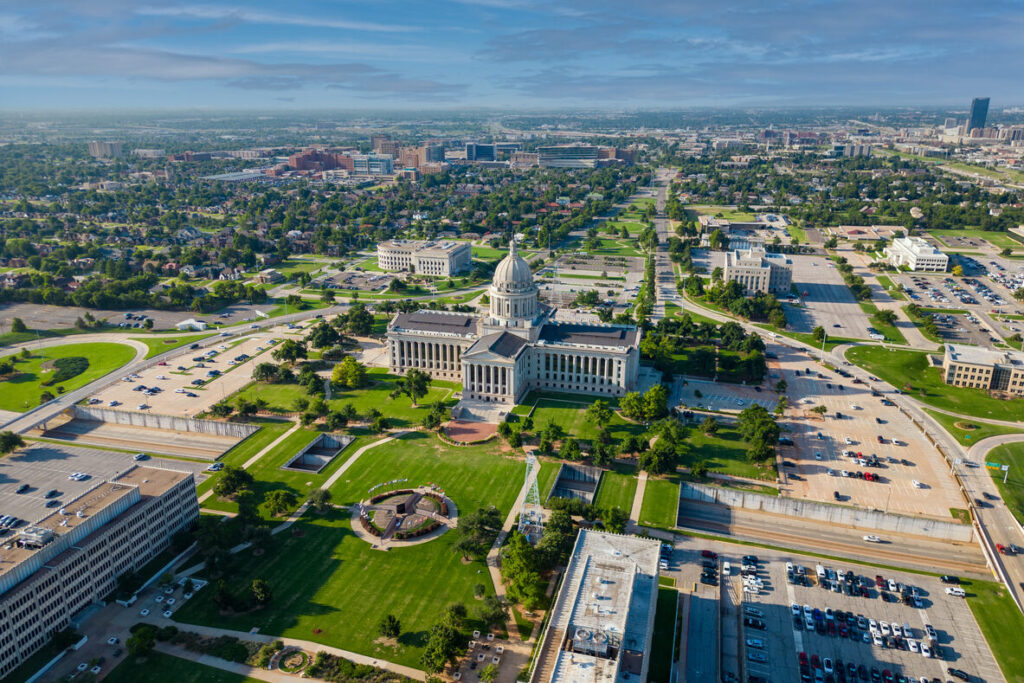
Oklahoma brought me into Oklahoma City’s outer districts first, and the immediate impression was how wide everything felt. Roads stretched long, parking lots sat broad, and moving between attractions required driving more than walking, which gave the visit a spread out suburban rhythm. The central memorial and museum area carried real emotional weight and was beautifully maintained, offering one of the most thoughtful stops of the entire trip. Still, beyond those core highlights, several surrounding commercial areas felt more practical than designed for slow tourist wandering.
At a local barbecue place, the staff were warm and genuinely proud of the city’s steady growth, which made the meal feel personal and grounded. Downtown redevelopment areas showed clear effort and promise, yet evening activity remained clustered rather than continuous across the city grid. Oklahoma never felt unwelcoming or dull, only expansive in a way that can make short visits feel logistically heavier. It offers meaningful landmarks and strong local culture, though for travelers hoping for tightly packed walkable exploration, the city’s wide layout naturally turns the stop into more of a planned visit than a spontaneous one.
27. Tucson, Arizona
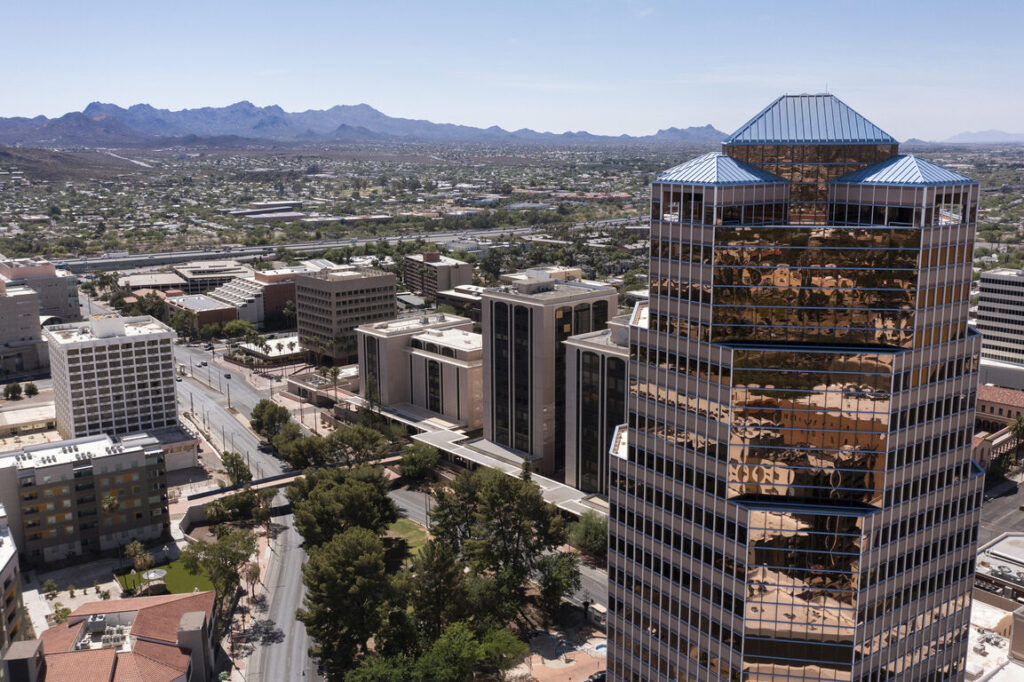
Arizona carried me into Tucson’s outer sections first, and the desert scenery alone made the arrival feel memorable with wide skies and distant mountain ridges framing the city. The historic mission sites and southwestern architecture gave the area real character, and daytime exploration felt relaxed and visually rich. Still, once I moved beyond the main historic and university zones, the city spread outward in long stretches that required steady driving. Several commercial corridors felt practical rather than lively, and the midday pedestrian flow stayed lighter than I expected.
Lunch at a small Mexican restaurant turned into one of the best meals of the week, with staff sharing local hiking suggestions and desert travel tips that added warmth to the stop. Yet once evening approached, entertainment districts felt contained rather than continuous, and moving between them required planning. Tucson never felt disappointing, only geographically wide, a place where natural beauty often outshines the urban center itself. For travelers who love desert landscapes it offers real appeal, though for those seeking dense walkable nightlife or nonstop city buzz, the calm layout naturally keeps the road trip moving forward.
26. Henderson, Nevada

Nevada brought me into Henderson before reaching the famous lights of Las Vegas, and the contrast between the two was immediately noticeable. Henderson felt clean, organized, and residential in character, with shopping centers and parks designed clearly for everyday living rather than heavy tourism. Streets were easy to navigate and the atmosphere felt comfortable, yet the visitor excitement level stayed fairly subdued compared with the dramatic entertainment image many associate with the state.
Coffee shops were friendly and several locals proudly described Henderson as the quieter, more livable alternative to the Strip, which helped explain the calm environment. Still, for a traveler expecting Nevada’s nonstop spectacle everywhere, the city’s suburban pace can feel unexpectedly restrained. After covering the main commercial areas and parks, sightseeing options felt limited unless heading directly into Las Vegas itself. Henderson never felt lacking in quality or safety, only overshadowed by its famous neighbor. It works well as a peaceful base or residential hub, though for road trippers chasing unforgettable city moments, the quieter rhythm naturally encourages continuing toward brighter lights nearby.
25. Burlington, Vermont

Vermont brought me into Burlington, and the first impression felt almost storybook with lake views, small brick storefronts, and college energy drifting through the streets. Morning cafés were lively enough, and the waterfront path offered a peaceful walk that felt genuinely refreshing after long highway miles. Still, once I spent more time beyond the central strip, the scale of the city became clear. Several commercial streets stayed fairly quiet, and the number of major attractions felt smaller than I expected for a place so often praised in travel conversations.
Lunch at a cozy local diner turned into a warm experience because the staff treated everyone like returning neighbors, which added charm to the stop. Yet after covering the main downtown, the rest of the afternoon felt more about relaxing than discovering new sights. Burlington never felt lacking in beauty or friendliness, only compact, a place that shows most of its highlights fairly quickly. It works wonderfully for a peaceful weekend or scenic pause, though for road travelers chasing long lists of activities, the gentle pace can naturally suggest moving onward.
24. Honolulu, Hawaii
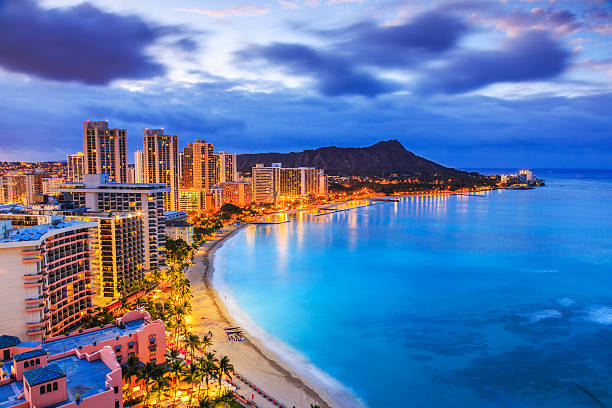
Hawaii carried me through Honolulu’s outer urban stretches first, and the initial feeling was very different from the beach paradise most visitors picture. High traffic, dense apartment blocks, and busy commercial roads made the arrival feel more like entering a crowded mainland city than stepping straight into island calm. Once I reached the famous shoreline areas, the ocean views and warm air absolutely delivered the beauty everyone talks about, yet the surrounding city infrastructure still felt heavily built up and surprisingly urban.
Dinner near the waterfront was excellent and service warm, with locals offering tips about quieter beaches outside the main tourist zones. That advice helped me understand that the real magic often lives beyond the central city itself. Still, navigating between attractions involved more traffic and planning than I expected for an island destination. Honolulu never felt disappointing in scenery or hospitality, only busier and more crowded than the peaceful tropical image many travelers carry beforehand. It remains beautiful and memorable, though the dense city sections can feel overwhelming enough that exploring beyond them becomes the real highlight.
23. Omaha, Nebraska
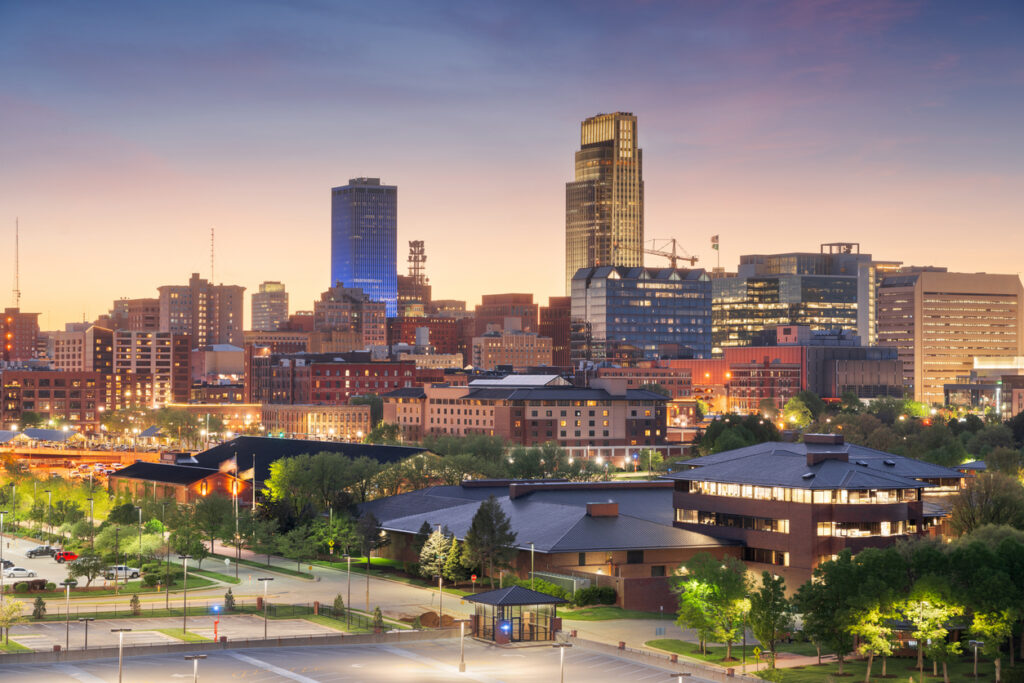
Nebraska brought me into Omaha, and the downtown riverfront redevelopment showed clear effort to create inviting public spaces with clean parks and walking trails. The historic market district had pleasant restaurants and brick streets that made the afternoon stroll genuinely enjoyable. Still, once I moved beyond that central zone, the surrounding city spread outward in ways that required steady driving, and several commercial areas felt more business focused than visitor oriented during a normal weekday.
Lunch at a barbecue spot turned into a friendly conversation about local sports and regional pride, which added warmth to the visit and made the stop feel personal. Yet after covering the riverfront, zoo area, and market district, the remaining sightseeing options felt more spaced apart than dense. Omaha never felt unfriendly or dull, only structured like a strong working city rather than a nonstop tourism hub. It offers solid attractions and comfortable neighborhoods, though for travelers seeking tightly packed exploration and constant pedestrian buzz, the layout can make the visit feel complete sooner than expected.
22. Rapid City, South Dakota
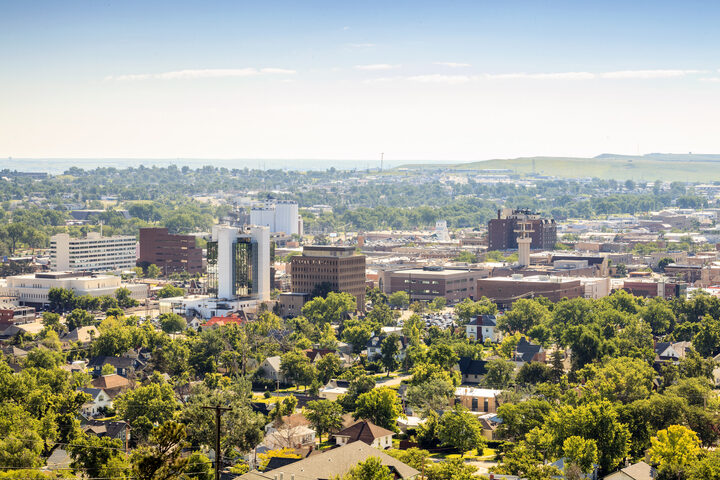
South Dakota led me into Rapid City, and the surrounding Black Hills scenery instantly made the arrival feel promising with wide skies and dramatic rock formations visible even from the road. Downtown itself had a pleasant main street with presidential statues and small shops that created a welcoming first walk. Still, after covering that central stretch, the city quickly revealed itself as more of a basecamp for nearby national landmarks than a destination filled with its own dense attractions.
Coffee at a small local shop turned into a nice pause where staff happily talked about Mount Rushmore, scenic drives, and hiking routes, reinforcing how the region’s real highlights sit outside the city limits. Once evening approached, entertainment clusters stayed modest and the pace felt calm rather than lively. Rapid City never felt disappointing or unwelcoming, only supportive, a place designed to help you explore the surrounding nature rather than keep you busy inside the city itself. For road trippers, it serves perfectly as a gateway, though few urban moments strongly demand extending the stay.
21. Cheyenne, Wyoming

Wyoming brought me into Cheyenne, and the historic western buildings along the main streets immediately gave the town a strong frontier identity that felt authentic rather than staged. Walking past old rail landmarks and classic storefronts made the afternoon pleasant, and the open skies added that unmistakable high plains atmosphere. Still, after exploring the central district, the number of additional attractions felt fairly limited, and several blocks settled into quiet stretches sooner than I expected for a state capital.
Lunch at a local steakhouse delivered hearty food and friendly conversation, with staff proudly explaining the rodeo traditions and community events that define the town’s culture. That pride gave the visit character, yet once the main historic stops were covered, evening activity remained modest and the overall pace leaned calm. Cheyenne never felt lacking in history or hospitality, only small in scale compared with the expectations some travelers carry for capital cities. It works well as a cultural pause filled with western heritage, though for those chasing dense entertainment districts, the road soon calls again.
20. Billings, Montana
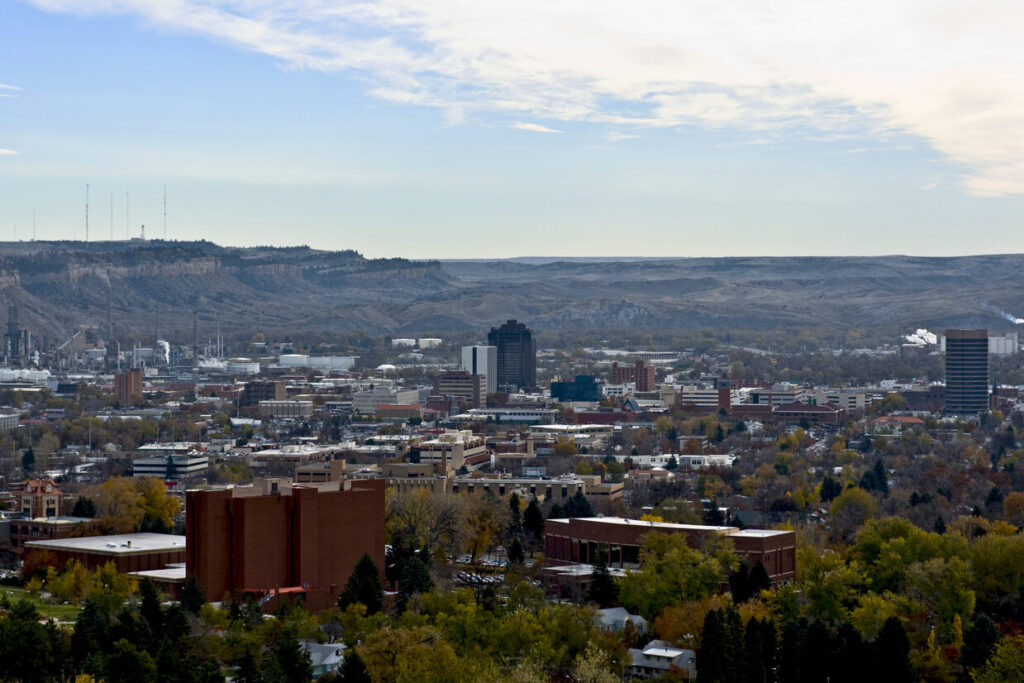
Montana carried me into Billings, and the wide open skies immediately reminded me how much space the state holds. The sandstone cliffs outside town and the Yellowstone River nearby created a beautiful natural frame that made the arrival feel promising. Downtown itself had a handful of historic buildings and local shops worth browsing, yet the pedestrian activity stayed lighter than I expected for the largest city in the state. Several blocks felt calm even during mid afternoon, and it quickly became clear that much of Billings functions as a regional service hub rather than a dense tourist center.
Dinner at a small grill turned into a friendly conversation about ranching life and winter weather, which added warmth and helped me appreciate the town’s practical identity. Still, once the central streets were covered, additional attractions felt spread out enough to require driving rather than walking. Billings never felt unfriendly or lacking in pride, only utilitarian, a place designed to support the surrounding region more than entertain short term visitors. For road travelers seeking nonstop city energy, the calm structure often signals it is time to rest early and continue onward.
19. Boise, Idaho
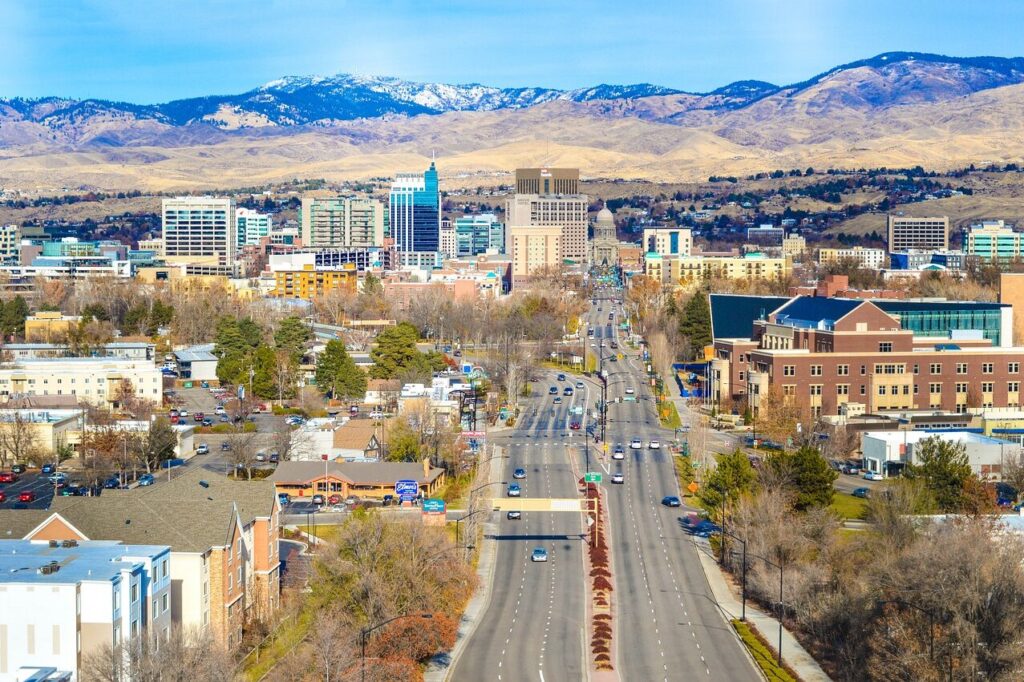
Idaho brought me into Boise’s outer districts first, and the city felt clean, organized, and comfortable almost immediately. Tree lined streets, bike paths, and tidy neighborhoods gave it a livable atmosphere that many residents clearly enjoy. When I reached downtown, there were pleasant restaurants and a walkable central strip, yet the overall scale felt smaller than I expected given how often Boise appears in relocation conversations. Several streets stayed calm during late afternoon, suggesting the daily rhythm leans steady rather than fast paced.
Lunch at a café near the river was relaxed, with locals happily recommending hiking trails and weekend markets that seem to shape the city’s real personality. That outdoor focus explained why the urban center itself feels more like a starting point than the main attraction. Boise never felt dull or unwelcoming, only balanced toward lifestyle over tourism spectacle. It works beautifully if you plan outdoor activities, cycling routes, or scenic drives, though for travelers hoping for dense museums, nightlife clusters, or constant downtown buzz, the experience can feel comfortable enough that the journey soon continues.
18. Sioux City, Iowa
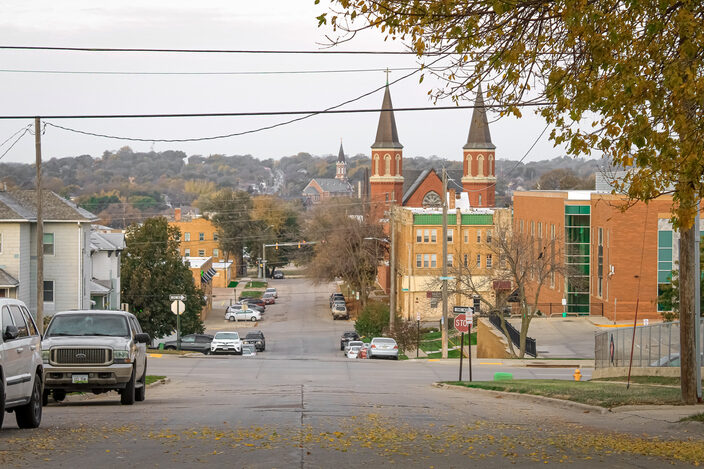
Iowa led me into Sioux City, and the riverfront location gave the town a pleasant first impression with open views and well kept walking paths along the water. Historic buildings downtown hinted at a strong past, and the central district had a few interesting stops that made the early afternoon exploration worthwhile. Still, after covering those main blocks, the surrounding commercial areas felt quieter than expected, and several storefronts showed the slower economic rhythm common to many regional towns.
A small local diner provided the best moment of the visit because the staff spoke warmly about community events and local sports, giving the stop a friendly personal tone. Yet once the central museum and river walk were finished, entertainment options for the evening felt fairly limited without driving farther out. Sioux City never seemed unwelcoming or neglected, only modest in scale and purpose, a place that serves its local population well without focusing heavily on visitor spectacle. For road travelers, it offers a comfortable pause and good conversation, though rarely demands extending the stay beyond a relaxed afternoon.
17. Minneapolis, Minnesota
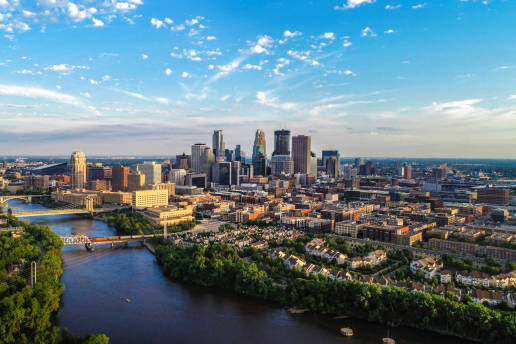
Minnesota brought me along the industrial edges of Minneapolis first, and the contrast between the polished downtown skyline and some quieter outer zones became noticeable quickly. Once inside the central districts, the lakes, parks, and cultural venues showed why the city earns strong praise from residents. Still, exploring some peripheral industrial stretches during the approach revealed older warehouses, sparse pedestrian traffic, and long commercial corridors that felt more functional than scenic for a passing traveler.
Dinner in the revitalized warehouse district was lively and enjoyable, with excellent food and welcoming service that showed the city’s creative side. That experience balanced the earlier quieter impressions, though the spread between vibrant neighborhoods and calmer outer areas meant planning mattered more than wandering blindly. Minneapolis never felt lacking in culture or friendliness, only varied in how its energy distributes itself across different sections. For visitors who stay inside the main districts the experience shines brightly, though entering through the quieter industrial outskirts can initially make the city feel slower until its livelier core fully reveals itself.
16. Toledo, Ohio
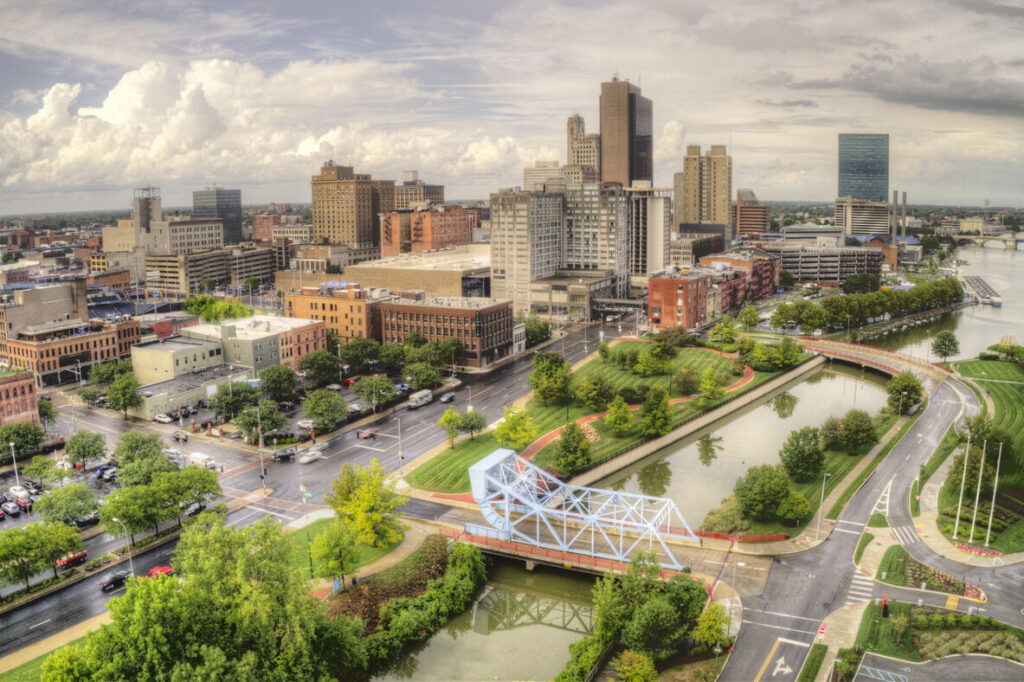
Ohio brought me into Toledo, and the position along Lake Erie gave the city a strong geographic presence right from the start. The waterfront parks were clean and pleasant, and the art museum easily ranked among the most impressive stops of the trip, showing real investment in culture. Still, once I explored beyond those highlights, several downtown stretches felt calmer than expected, and late afternoon foot traffic dropped noticeably earlier than in larger nearby cities.
Lunch near the river turned into a friendly exchange with locals who spoke proudly about the city’s resilience and sports loyalty, which added warmth to the stop. Yet after covering the main attractions, additional sightseeing options felt spaced out enough that driving became necessary again. Toledo never felt unwelcoming or dull, only transitional, like a city steadily maintaining its core strengths while still rebuilding broader visitor momentum. It works well for a focused museum visit or waterfront walk, though for travelers hoping for nonstop entertainment districts, the relaxed pace often signals it is time to continue the road trip.
15. Detroit, Michigan
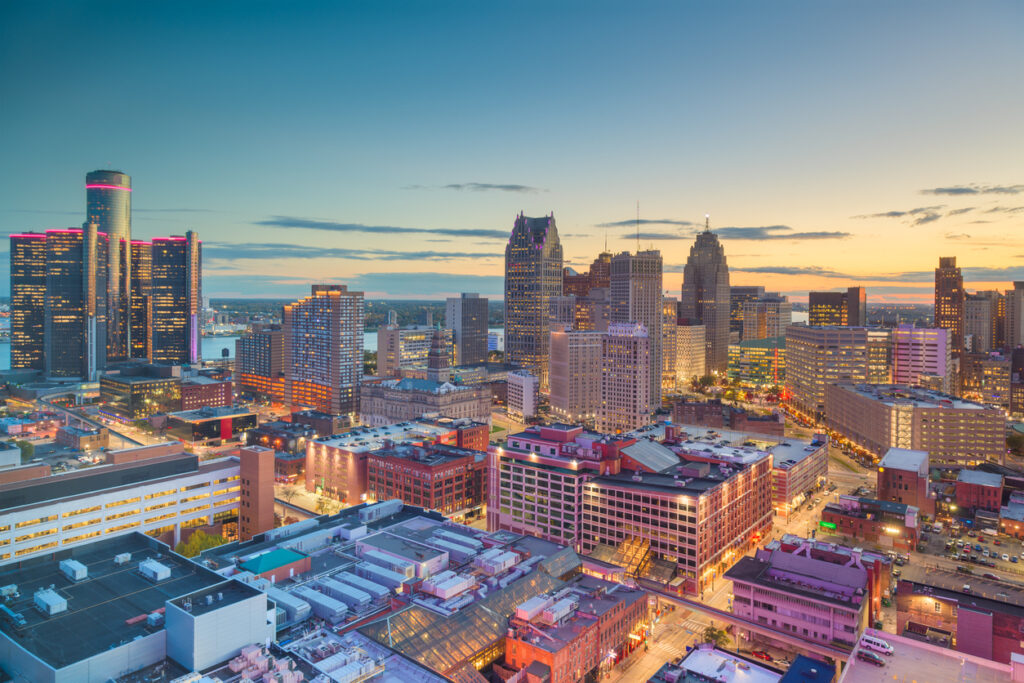
Michigan brought me into Detroit, and the arrival carried a strange mix of powerful history and visible rebuilding. Driving through certain neighborhoods, I saw grand old buildings standing beside empty lots and quiet blocks that felt far removed from the city’s musical and automotive legacy. Downtown showed clear revival with new restaurants and busy public spaces, yet the contrast between restored districts and quieter surrounding streets stayed noticeable as I moved around during the afternoon.
Lunch in a renovated market hall was lively and welcoming, with locals openly talking about how much progress the city has made over recent years. That pride added depth to the visit and made the stronger neighborhoods feel energetic and hopeful. Still, for a short term traveler without local guidance, navigating between the vibrant pockets sometimes required planning rather than spontaneous walking. Detroit never felt lacking in character or resilience, only uneven in how its energy spreads across different areas. It offers culture, history, and passionate community spirit, though the shifting street to street atmosphere can make the experience feel more structured than relaxed.
14. St. Louis, Missouri
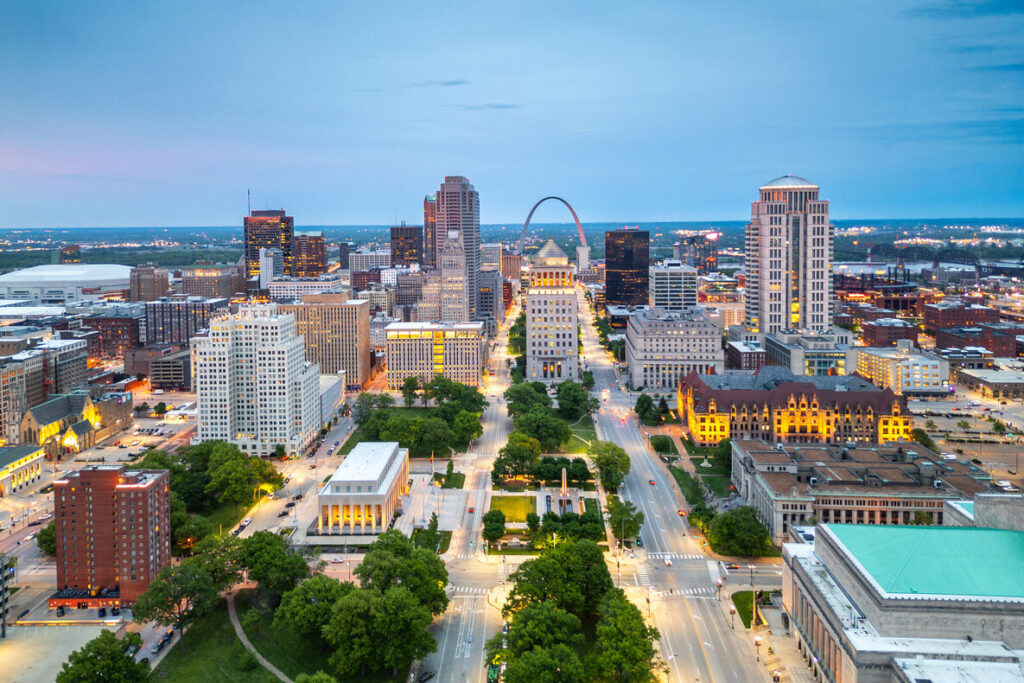
Missouri led me into St Louis, and the iconic arch rising above the river instantly delivered one of the most recognizable skyline views of the entire trip. The riverfront park was well maintained and pleasant to walk, and several museums nearby offered strong cultural stops that filled the afternoon easily. Still, once I ventured beyond the central tourist zones, the urban rhythm changed quickly, with some neighborhoods feeling noticeably quieter and more spread out than I expected.
Dinner at a classic barbecue restaurant turned into a highlight because the food was excellent and locals chatted easily about sports and city pride. That warmth balanced the earlier uneven impressions, yet the layout still made exploring feel more planned than spontaneous. Moving between lively districts often required driving or careful route choices instead of casual wandering. St Louis never lacked major attractions or hospitality, only cohesion, a city where the highlights shine brightly while the spaces between them feel calmer. For visitors, the experience often becomes strongest when sticking closely to the main cultural corridors.
13. Baltimore, Maryland
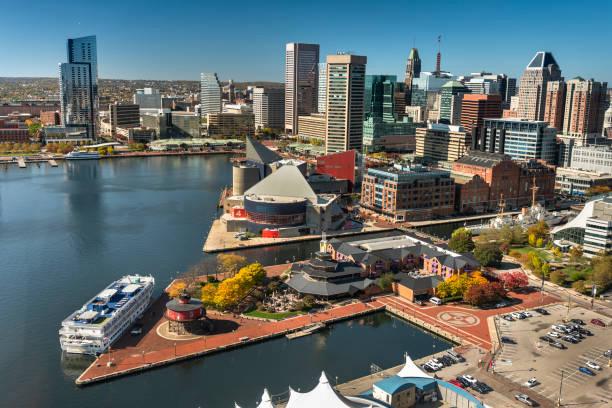
Maryland brought me into Baltimore, and the Inner Harbor immediately looked lively with waterfront views, museums, and restaurants creating the sort of welcoming arrival travelers hope for. Walking that central area felt safe, busy, and visually appealing, and for a moment I expected the whole city to carry the same atmosphere. Once I moved only a few streets farther out though, the change became noticeable, with quieter blocks and older infrastructure creating a more uneven urban rhythm than the polished harbor suggested.
Lunch near the waterfront featured excellent seafood and friendly service, with locals offering helpful tips about which neighborhoods visitors usually enjoy most. That guidance made the afternoon smoother, yet it also confirmed that exploring Baltimore comfortably often means staying within specific zones. The city never felt unfriendly or lacking in personality, only sharply divided in how its districts present themselves. Baltimore offers real charm, history, and culture, though the visible contrast between its strongest tourist areas and quieter surrounding sections can make the visit feel slightly cautious rather than completely carefree.
12. Memphis, Tennessee
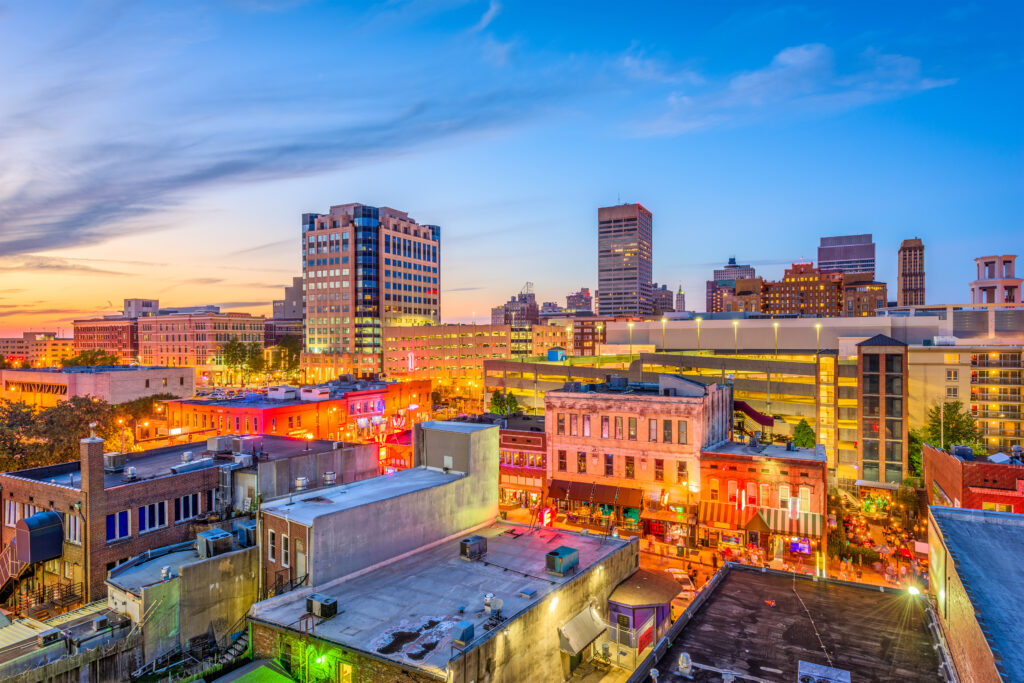
Tennessee carried me into Memphis, and the musical legacy there felt almost immediate once I reached Beale Street and heard live blues spilling out onto the sidewalks. The atmosphere in those entertainment areas was vibrant, full of sound, food, and visitors enjoying the evening energy. During the following day, though, exploring beyond the main tourist zones revealed streets that looked more worn, with several stretches feeling quieter and less maintained than the lively night scene might suggest.
Lunch at a small soul food café turned into one of the warmest conversations of the entire trip, with staff proudly sharing stories about local musicians and neighborhood traditions. That hospitality gave the visit real emotional depth. Still, moving between major attractions often required driving or careful timing, since the walkable entertainment districts remain fairly concentrated. Memphis never lacked culture, music, or welcoming people, only the consistent urban polish some travelers expect. It shines brightest in its legendary cultural pockets, though the broader city layout can make the overall experience feel more planned than freely exploratory.
11. Buffalo, New York
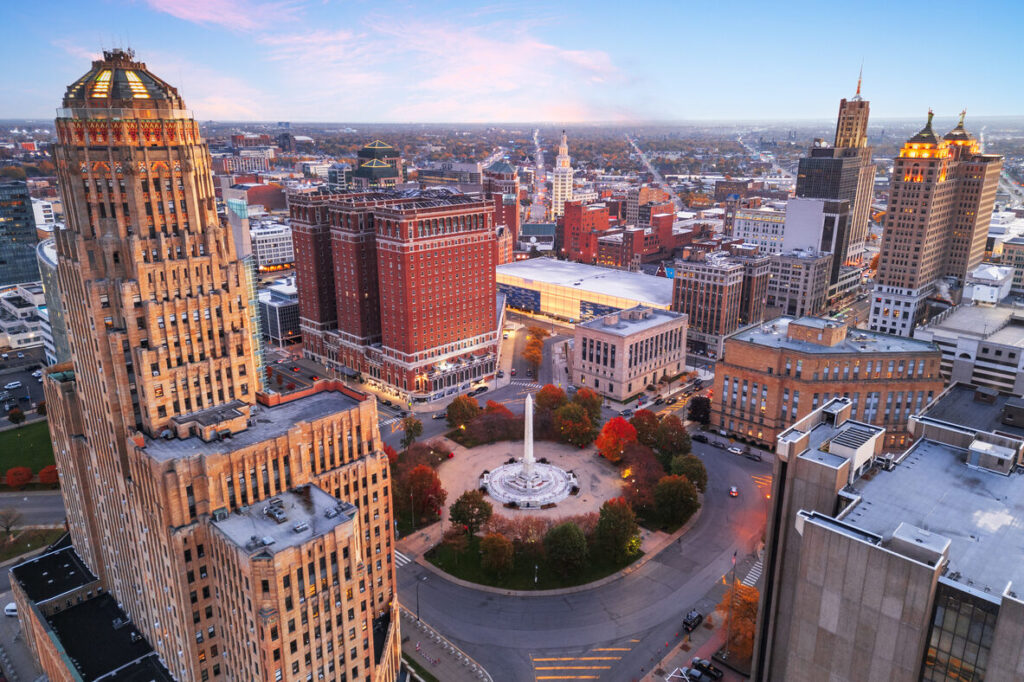
New York brought me through Buffalo first, and the lakeside setting with historic architecture gave the city a strong visual character right away. The waterfront redevelopment areas were pleasant to walk, and several restored buildings showed real effort toward revival. Still, as I explored deeper into older commercial districts, some blocks felt quieter than expected for a state with such global reputation, and the scale of activity varied noticeably from street to street during the afternoon.
Lunch at a classic neighborhood diner delivered excellent wings and friendly conversation, with locals proudly discussing winter resilience and sports loyalty that clearly bind the community together. That pride added warmth and authenticity to the visit. Yet after covering the waterfront, museum stops, and central streets, the entertainment density felt lower than travelers often associate with the state’s famous southern metropolis. Buffalo never felt unfriendly or lacking in spirit, only smaller in rhythm and scale than expectations shaped by the New York name itself, making it a solid cultural stop that naturally leads the road onward.
10. Albuquerque, New Mexico
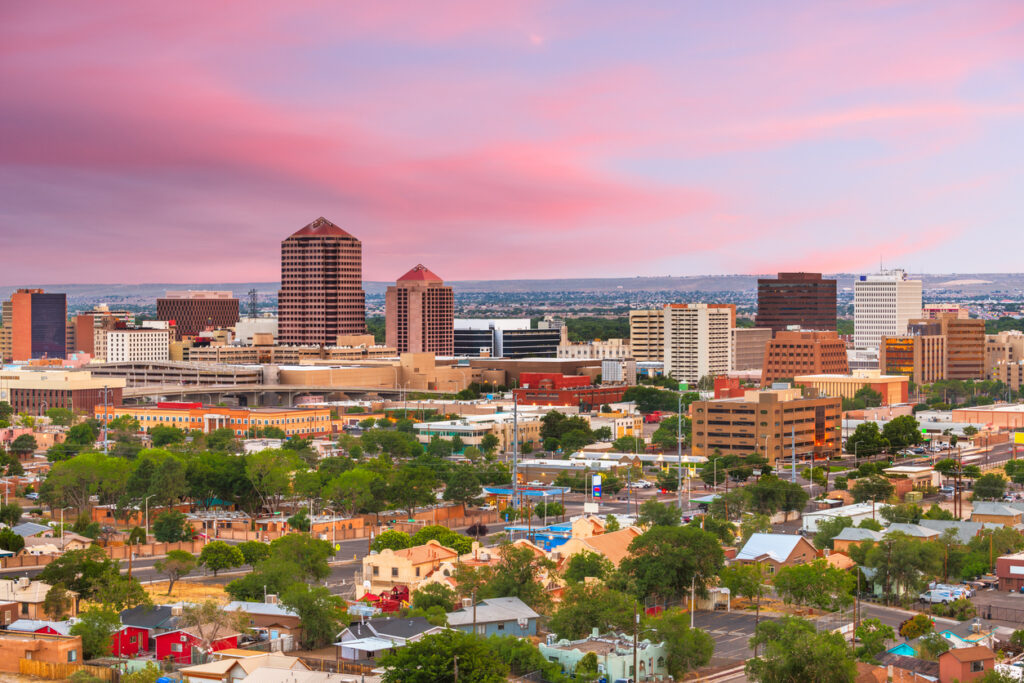
New Mexico brought me into Albuquerque under a huge open sky that immediately showed off the desert’s beauty and distant mountain ridges. The historic old town area had adobe buildings, local crafts, and enough visitors to make the morning walk feel lively and welcoming. Still, once I drove toward broader downtown sections, the pedestrian flow dropped noticeably, and several commercial streets felt quieter than I expected for a city of its size. The layout seemed to spread outward rather than gather energy tightly in one place.
Lunch at a small southwestern café turned into a highlight, with staff happily explaining local dishes and seasonal festivals that shape the city’s calendar. That conversation added warmth and helped me understand that much of Albuquerque’s real appeal lives in surrounding landscapes and cultural events rather than nonstop urban buzz. The city never felt unfriendly or lacking in character, only spacious and calm. For travelers who love desert scenery and regional food it offers real charm, though for those seeking dense walkable districts and constant city motion, the relaxed rhythm often encourages moving along sooner.
9. Fresno, California
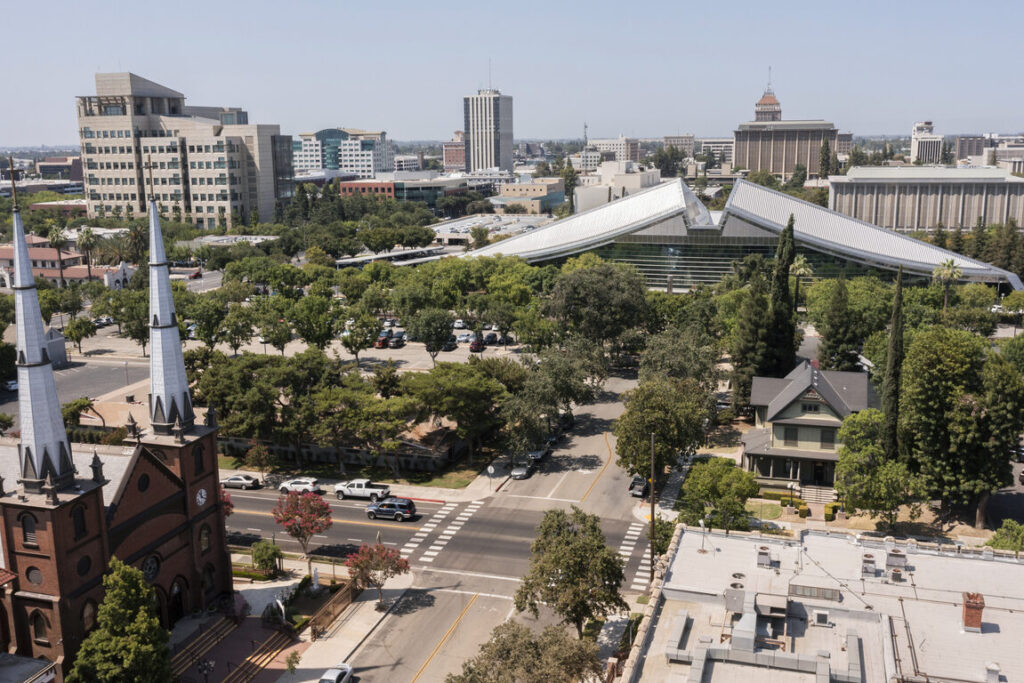
California led me through Fresno, and arriving there felt like stepping into a practical Central Valley hub rather than the dramatic coastal scenery many people picture when thinking of the state. Wide roads, agricultural trucks, and straightforward commercial zones gave the city a working rhythm from the start. Downtown had a few historic buildings and cafés worth visiting, yet the distance between interesting spots meant driving stayed necessary, and the pedestrian energy felt lighter than in the coastal cities travelers often imagine.
Lunch at a local grill was pleasant and affordable, with staff casually asking if I was heading to Yosemite next, which seemed to be the assumption for most visitors passing through. That moment made the city’s role clear as a strong regional base rather than a standalone tourism magnet. Fresno never felt unfriendly or dull, only functional, a place that supports the surrounding farmland and national parks more than it tries to entertain on its own. For road travelers, it serves well as a comfortable stop, though few urban moments strongly insist on staying longer.
8. Jackson, Mississippi
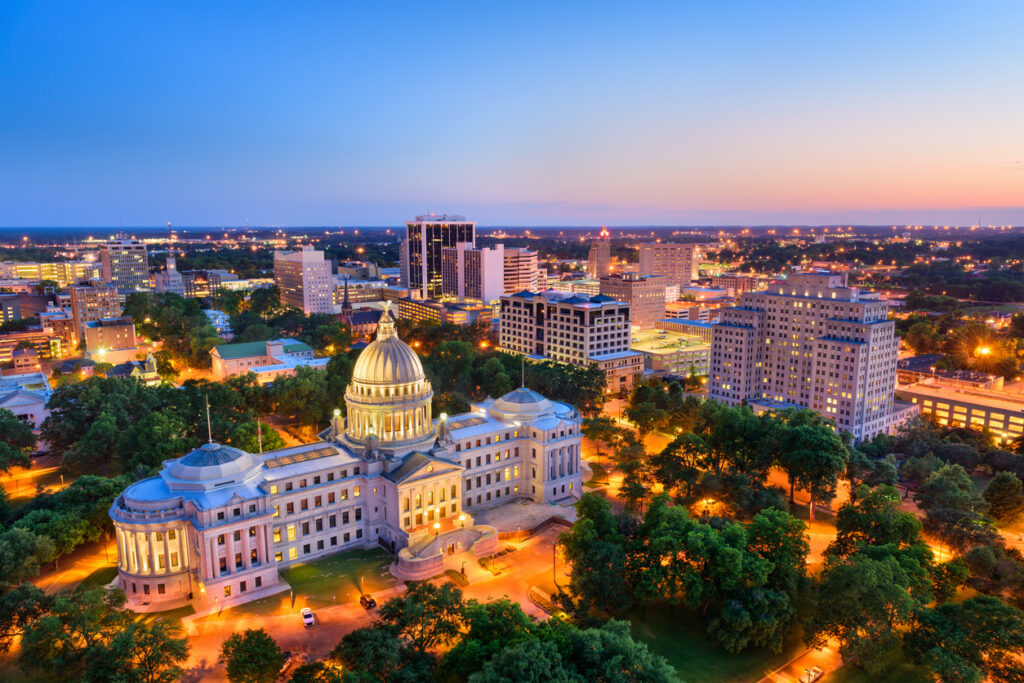
Mississippi brought me into Jackson, and the welcome there felt genuinely warm from the first café stop where strangers spoke easily like longtime neighbors. Historic buildings, government offices, and cultural museums showed the city’s importance, and the food scene delivered rich southern flavor that made lunch memorable. Still, while exploring downtown, I noticed infrastructure varied from block to block, with some areas lively and others quieter or in visible need of renewal, which created an uneven rhythm while walking.
A local museum guide proudly explained ongoing efforts to restore historic districts, and that conversation gave the visit context and hope that helped me appreciate the city’s deeper story. Yet for a short term traveler, transportation between attractions sometimes required extra planning, and evening entertainment zones felt limited in size. Jackson never lacked hospitality or cultural depth, only the polished visitor infrastructure found in larger capitals. It remains meaningful, friendly, and historically important, though the practical travel experience can feel slightly heavier, encouraging many road trippers to treat it as a thoughtful daytime stop.
7. Anchorage, Alaska
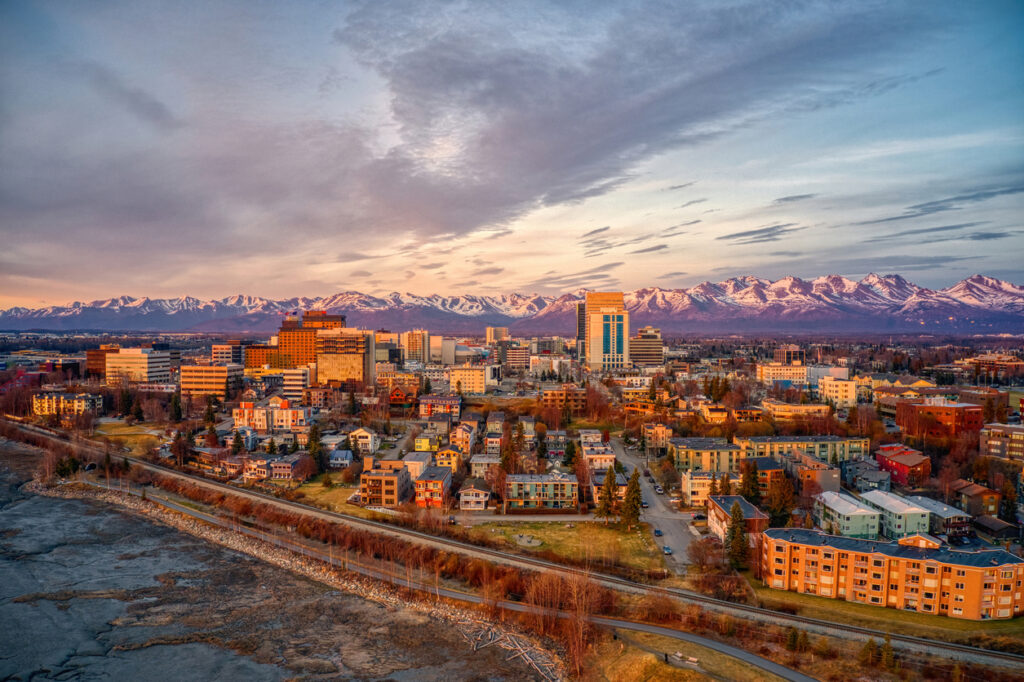
Alaska brought me into Anchorage surrounded by dramatic wilderness that almost steals attention before the city itself fully registers. Snow capped peaks, wide forests, and cold clear air made the arrival unforgettable, and the small downtown core had pleasant shops and cozy restaurants worth visiting. Still, once evening approached, several streets emptied quickly and business hours closed earlier than I expected for the largest city in the state, giving the urban center a surprisingly quiet nighttime atmosphere.
Dinner in a warm lodge style restaurant was excellent, with locals happily sharing stories about wildlife sightings and seasonal daylight extremes that shape daily life there. That perspective helped me understand Anchorage works more as a gateway to nature than a nonstop urban playground. The city never felt unwelcoming or dull, only oriented toward outdoor adventure rather than dense nightlife or entertainment districts. For travelers chasing glaciers, hiking, and northern landscapes, it serves perfectly, though those expecting a bustling metropolitan experience may find the calm evening rhythm encourages early rest before heading deeper into the wilderness.
6. Cleveland, Ohio

Ohio carried me into Cleveland along the lakefront, and the skyline beside Lake Erie created a strong first impression with stadiums, museums, and a waterfront that looked ready for exploration. The Rock Hall area and surrounding cultural stops easily filled the afternoon, and the central architecture showed clear investment and pride. Still, once business hours faded, several downtown streets became noticeably quieter than I expected, and the pedestrian buzz dropped faster than in comparable cities.
Dinner in a local neighborhood restaurant turned into a friendly conversation about sports loyalty and regional food traditions, which added warmth and personality to the visit. Yet after the main attractions closed, the evening options felt more scattered than concentrated, meaning spontaneous late wandering required extra planning. Cleveland never felt lacking in culture, history, or welcoming people, only slightly subdued in nighttime momentum. It offers strong museums and lake views that justify the stop, though for travelers who measure cities by how alive they feel after sunset, the calmer rhythm can make the stay feel shorter.
5. Oakland, California
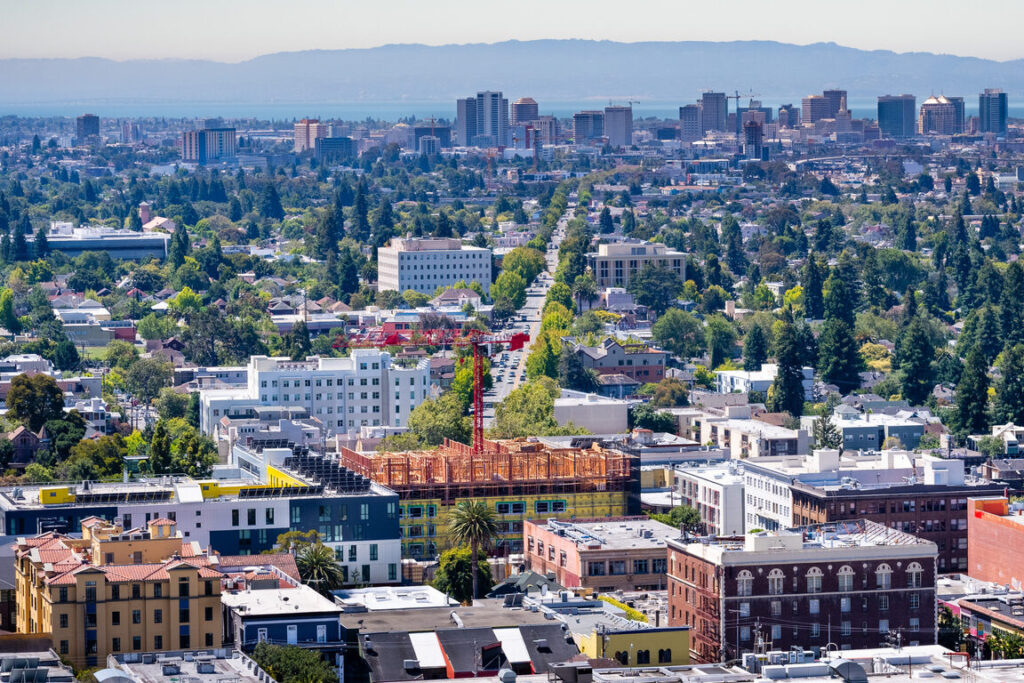
California brought me into Oakland this time, and the first impression felt creative, colorful, and full of personality with murals, waterfront views, and busy food spots that showed real community energy. Walking certain streets felt lively and expressive, and the diversity of restaurants alone made the afternoon exploration enjoyable. Still, the atmosphere shifted quickly depending on the block, and I noticed that some areas felt polished and active while others looked noticeably quieter or struggling, which made wandering blindly feel less comfortable than expected.
Dinner at a small neighborhood restaurant turned into a warm conversation about how fiercely locals love the city despite its challenges, and that pride gave the place depth beyond surface impressions. Yet moving between the best areas often required planning instead of spontaneous strolling, which shaped the overall experience. Oakland never lacked culture, creativity, or welcoming people, only consistency from one street to the next. It offers strong personality and memorable food, though visitors often enjoy it most when they research neighborhoods carefully before exploring.
4. Phoenix, Arizona

Arizona brought me into Phoenix, Arizona during a stretch of bright desert heat, and the first impression felt huge, spread out, and intensely sun soaked in a way that shapes how the entire city moves. Wide highways, long commercial corridors, and distant mountain views created a sense of scale that looked impressive from the car. Still, once I tried exploring central Phoenix, Arizona on foot, the layout made clear that the city lives best through driving rather than wandering, and several districts felt designed more for daily living than slow visitor strolling.
Lunch inside an air cooled local café in Phoenix, Arizona turned into a friendly conversation about how residents plan their routines around the heat, which helped explain the quieter midday sidewalks. That perspective made the city feel more understandable and human. Yet for travelers hoping for tightly packed walkable entertainment zones, the spread out structure can make sightseeing feel more scheduled than spontaneous. Phoenix, Arizona never lacked sunshine, scenery, or welcoming people, only the compact exploration style many visitors expect, meaning the experience often works best once you accept the rhythm of driving between its highlights.
3. Las Vegas, Nevada
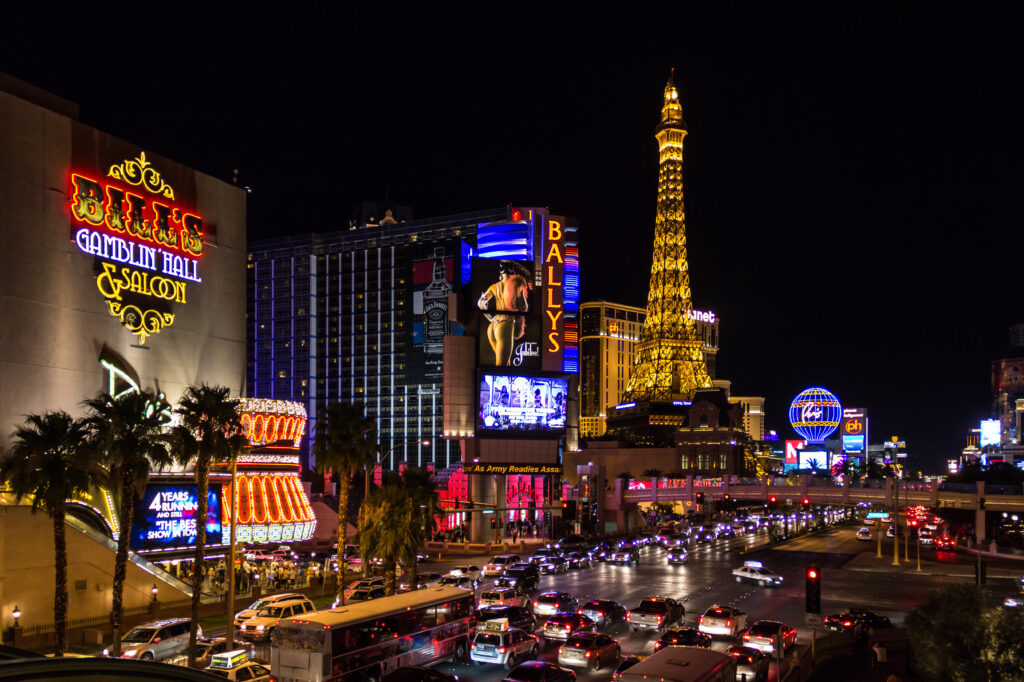
Nevada carried me deeper into Las Vegas, Nevada beyond the famous Strip this time, and stepping away from the glowing casino corridor revealed a very different everyday city underneath the spectacle. Residential neighborhoods, shopping plazas, and long suburban roads showed how much of Las Vegas, Nevada actually functions like a regular western metro once the neon fades. Walking those outer districts during the afternoon felt calm and practical, though noticeably quieter compared with the nonstop entertainment image most travelers hold beforehand.
Dinner off the main tourist zone in Las Vegas, Nevada turned into one of the more relaxed meals of the trip, with locals talking casually about how the real city exists far from the slot machines and stage lights. That honesty gave the visit more balance and perspective. Still, without the concentrated Strip attractions nearby, the broader urban layout can feel spread out and car dependent for short term visitors. Las Vegas, Nevada never lacked personality or infrastructure, only a consistent experience beyond its main corridor, which makes the strongest visits come from focusing carefully on the districts that match your travel mood.
2. Harrisburg, Pennsylvania
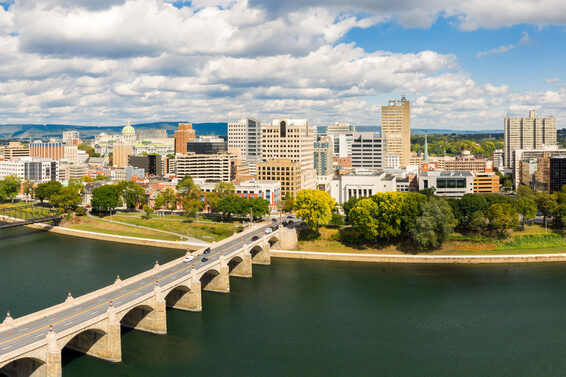
Pennsylvania brought me through Harrisburg, Pennsylvania, and arriving along the Susquehanna River offered a surprisingly scenic welcome with the state capitol dome rising above the water. The government district in Harrisburg, Pennsylvania looked clean, organized, and historically impressive, and walking those central blocks during the morning felt calm and dignified. Still, once the workday slowed, pedestrian activity dropped faster than I expected, and several nearby commercial streets settled into a quieter pace that felt more administrative than tourist focused.
Lunch at a riverside café in Harrisburg, Pennsylvania came with kind service and a conversation about how the city mainly revolves around state offices rather than heavy tourism. That explanation made the relaxed atmosphere easier to understand. After visiting the main museum and capitol grounds, additional sightseeing options felt limited without driving farther outward. Harrisburg, Pennsylvania never felt unfriendly or lacking in charm, only structured for governance first and visitors second. It works well as a peaceful historical stop with scenic views, though road travelers often find themselves ready to continue once the central landmarks are comfortably explored.
1. Chicago, Illinois
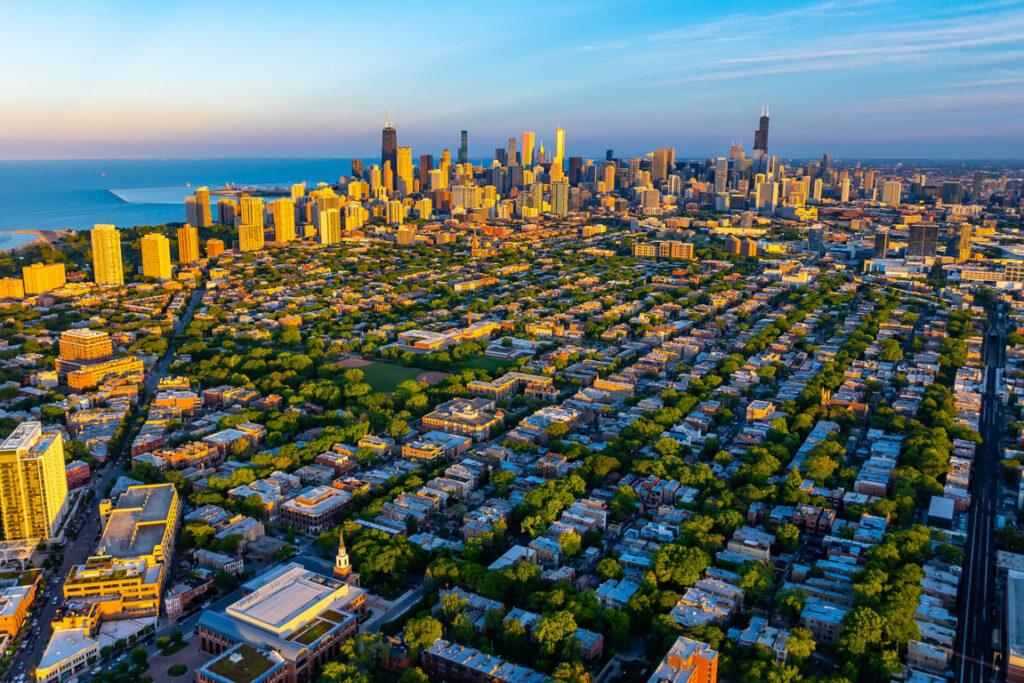
Illinois brought the journey toward Chicago, Illinois at last, and arriving there after crossing so many quieter cities made the skyline feel almost overwhelming in the best possible way. The lakefront stretched wide, the downtown streets buzzed with movement, and museums, theaters, and restaurants in Chicago, Illinois seemed to exist on every corner. Yet even in a city this large, I noticed how quickly the experience changes depending on where you stay, because some outer neighborhoods feel far removed from the polished central districts visitors usually picture.
Dinner overlooking the river in Chicago, Illinois turned into a reflective final moment of the entire trip, watching boats pass while thinking about every stop that came before. Conversations with locals carried that same mix of pride, humor, and realism I had heard in dozens of cities along the road. Chicago, Illinois never lacked energy, culture, or world class attractions, yet it reminded me that every city shows different faces depending on how you approach it, and the whole journey quietly proved that travel becomes richest when expectations soften and curiosity leads.


