
1. Electricity Bills
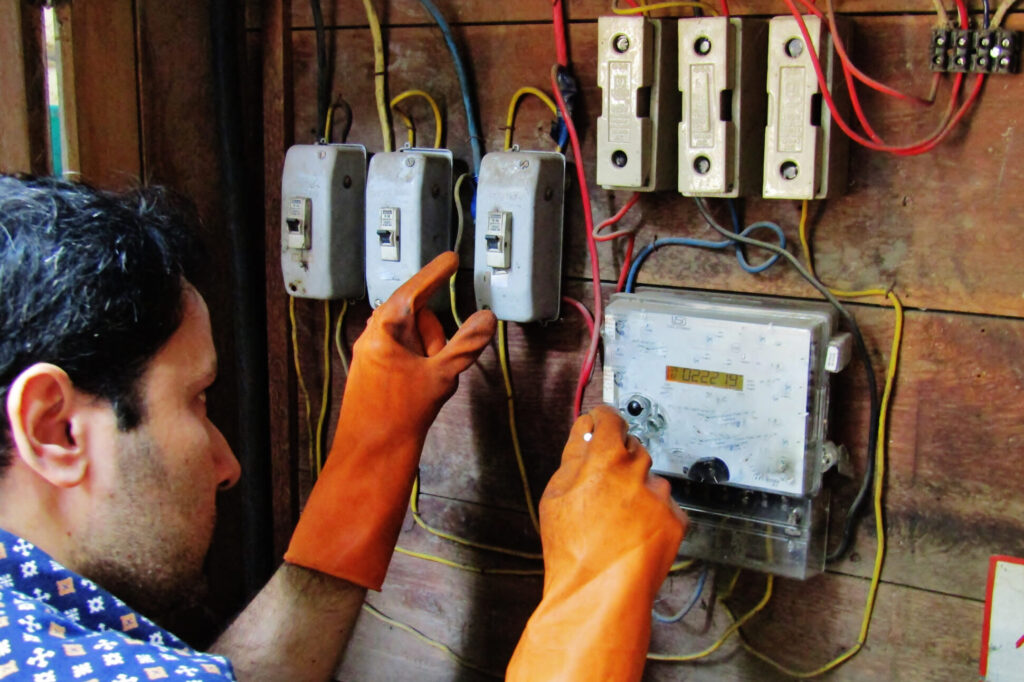
There’s a certain kind of change that doesn’t announce itself loudly, it just settles in and becomes noticeable over time. Electricity bills often fall into that category. You don’t always check them with the same attention you give to daily expenses, but every now and then, you pause and realize the amount feels higher than it used to. Not drastically, just enough to make you look twice. And the thing about electricity is that it’s constant. It runs through your home quietly, powering everything from the obvious to the unnoticed. So when its cost shifts, even slightly, it touches more than you realize at first.
What follows is usually a quiet adjustment rather than a sudden reaction. You might become more conscious of usage, turning things off more deliberately or spacing out how certain appliances are used. These changes don’t feel extreme, they feel practical. But over time, they reflect something deeper, a growing awareness that everyday comfort now carries a slightly different cost. And because electricity is woven into so many parts of daily life, the impact isn’t isolated. It blends into everything else, shaping how you manage your space, your routine, even your sense of ease at home. If this feels familiar, it may help to look at your recent bills side by side. Not to overanalyze, but simply to notice the pattern.
2. Fuel Costs
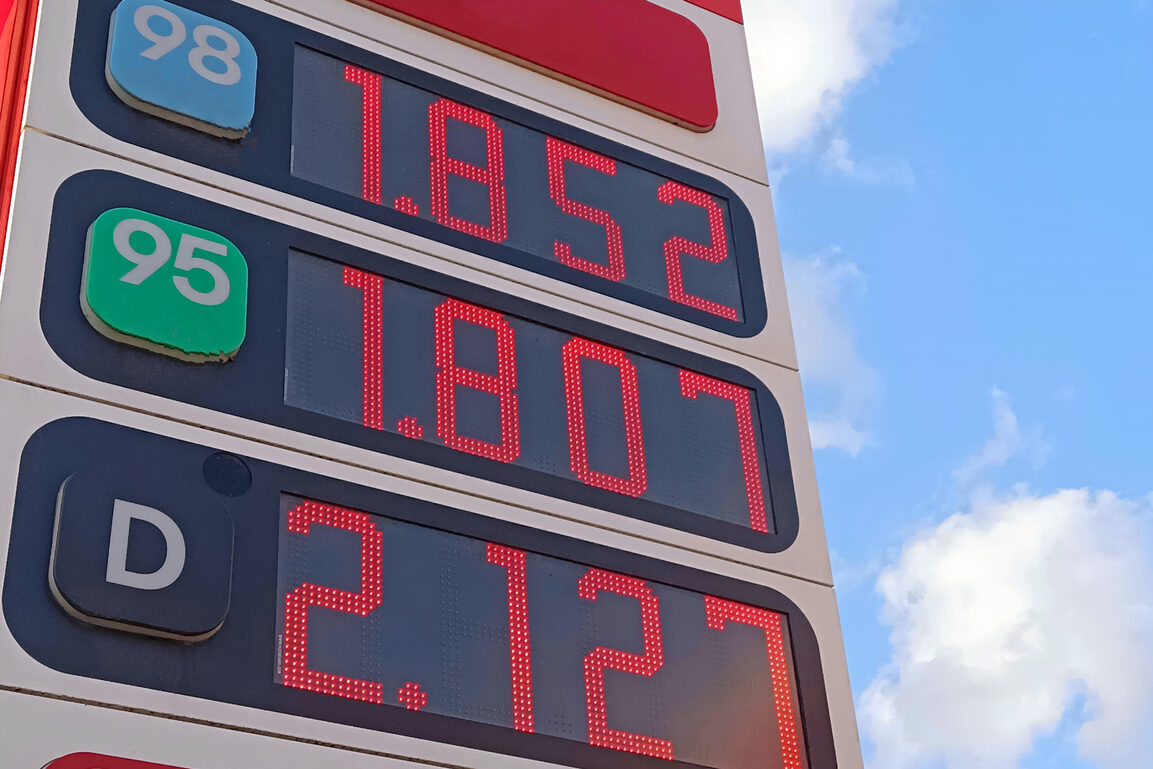
It usually doesn’t start with a headline or a big announcement. It shows up in something simpler, like the moment you stop at a filling station and notice the numbers climbing just a little higher than the last time. At first, it feels like one of those small adjustments you can work around. Maybe you tell yourself it’s temporary, or that it won’t really affect much beyond that moment. But fuel has a way of stretching far beyond that single purchase. It sits quietly at the center of movement, of goods, of everyday life. So when it shifts, even slightly, it doesn’t stay contained. It spreads. You begin to notice it in transport fares, in delivery costs, in the subtle increase of things that once felt stable.
Over time, what felt like a small increase becomes part of a wider adjustment. You might find yourself planning trips more carefully, combining errands, or simply becoming more aware of how often you move. Businesses, too, begin to respond in their own quiet ways, adjusting prices to reflect higher operating costs. And while no single change feels overwhelming on its own, the accumulation begins to shape how you experience daily life. It’s not just about fuel anymore, it’s about how that one shift connects to everything else. If you’ve felt that subtle change recently, it might be worth noticing how often fuel quietly influences the cost of the things around you. Sometimes, understanding where it begins makes it easier to see why everything else feels like it’s moving with it.
3. Transport Fares

At some point, you begin to notice it in movement, in the cost of getting from one place to another. Transport fares have a way of reflecting broader changes almost immediately, especially when fuel prices are involved. What used to feel like a routine expense starts to require a bit more thought. A familiar route costs slightly more, or the amount you set aside for weekly movement doesn’t stretch the same way it used to. It’s not always a sharp increase, but it’s consistent enough to be felt. And because transport is tied to work, errands, and everyday responsibilities, it’s not something you can easily step away from.
What happens next is often subtle but meaningful. You begin to rethink how you move, maybe combining trips, choosing more efficient routes, or simply becoming more intentional about when and how often you travel. These aren’t drastic changes, they’re small recalibrations that fit into your routine. But over time, they reflect a broader shift in how you experience daily life. Movement, which once felt automatic, now carries a bit more weight in your decisions. And while it may not feel overwhelming in isolation, it contributes to a larger sense that things are gradually becoming more expensive to maintain. If you’ve caught yourself thinking twice about a trip recently, that awareness is part of the story. It shows how deeply connected these changes are, even in the most routine parts of your day.
4. Food Prices

It often becomes most noticeable in the places you visit the most, like the grocery store or the small shop you stop by without thinking. Food has a way of making changes feel immediate, not because the increases are always dramatic, but because they’re frequent. You buy the same items you always have, yet the total feels different. At first, it’s easy to overlook, maybe it’s one item, maybe it’s a slight adjustment. But over time, the pattern becomes clearer. The same basket costs more, even when nothing about your choices has really changed. And because food is part of your daily routine, it doesn’t take long for that difference to settle in.
What makes this shift feel more personal is how it begins to influence your habits. You might switch brands, buy in smaller quantities, or plan meals more carefully than before. These changes don’t always feel like restrictions, they feel like adjustments. But they reflect something deeper, a growing awareness that everyday essentials now require more attention. And unlike occasional expenses, food is constant. It’s something you return to again and again, which makes even small increases feel cumulative over time. If you’ve noticed yourself pausing a little longer before picking certain items, that pause is part of the story. It shows how inflation doesn’t just affect numbers, it shapes decisions in quiet, everyday ways.
5. Business Costs

Behind the scenes, there’s another layer to all of this, one that doesn’t always feel visible at first but shows up in the way prices are set. Businesses are navigating the same rising costs, energy, transport, materials, and those increases don’t stay contained. When it becomes more expensive to run operations, even in small ways, those costs often find their way into the final price of goods and services. It’s not always immediate, and it’s rarely dramatic, but it happens gradually. A slight adjustment here, a small increase there, until it becomes part of the overall pricing structure.
What’s interesting is how this creates a kind of shared experience. It’s not just individuals feeling the pressure, it’s the entire system adjusting at once. Businesses aren’t necessarily raising prices out of excess, they’re responding to the same shifts happening around them. And as those adjustments continue, they shape the environment you interact with daily, from the cost of services to the price of everyday items. Over time, this creates a loop where rising costs feed into each other, making it harder to isolate one single cause. If you’ve noticed prices increasing in places you frequent regularly, it may help to see it not as isolated decisions, but as part of a broader adjustment happening across the board.
6. Hidden Inflation
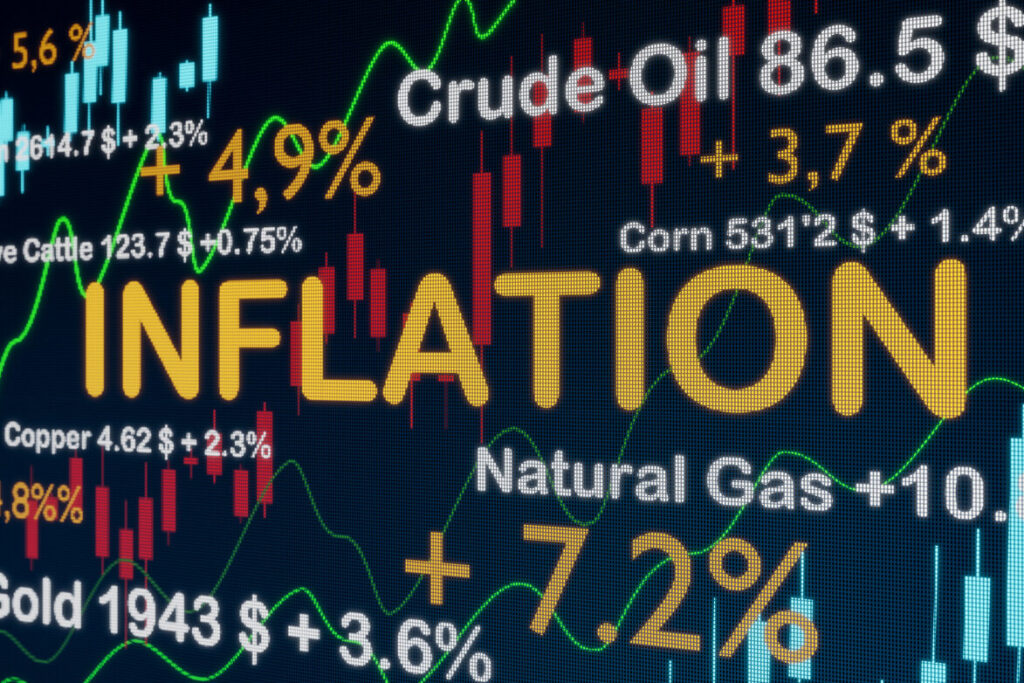
Sometimes, the changes aren’t as obvious as a higher price tag. They show up in more subtle ways, things that are easy to miss unless you’re paying close attention. A product you’ve bought for years looks the same, costs the same, but when you use it, something feels different. Maybe the portion is smaller, the quality slightly reduced, or the quantity doesn’t last as long as it used to. This is often referred to as hidden inflation, and it’s one of the quieter ways rising costs make their way into everyday life.
What makes hidden inflation unique is how it shifts your experience without immediately changing your expectations. You still reach for the same products, still assume the same value, until over time, the difference becomes harder to ignore. And when you finally notice, it often feels like something has changed without being clearly communicated. This can lead to a different kind of awareness, one where you begin to pay closer attention to details you previously overlooked. You might compare sizes, read labels more carefully, or rethink which products you choose. It’s not about suspicion, it’s about understanding. And once you start seeing it, it becomes easier to recognize how widespread these small adjustments really are.
7. Wage Gaps

At some point, the conversation shifts from what things cost to what you earn, and how the two don’t always move together. On paper, there may be signs of progress. Salaries increase, opportunities expand, and there’s a sense that things are improving. But when you bring it back to everyday life, it doesn’t always feel that way. The money coming in doesn’t stretch quite as far as it used to, and the difference isn’t always obvious in one moment. It shows up gradually, in the way your budget feels tighter even when your income has changed.
Over time, this creates a quiet imbalance. You’re earning more, but spending more as well, sometimes without realizing how closely the two are connected. And because the increases don’t happen at the same pace, it can feel like you’re constantly adjusting rather than moving forward. This doesn’t always lead to immediate changes, but it does influence how you think about money. You become more intentional, more aware, sometimes more cautious. It’s not about fear, it’s about alignment, trying to make sure what you earn continues to support the life you’re building. If this feels familiar, it may help to look at both sides together, not just income, but how your expenses have shifted alongside it.
8. Loan Pressure

When everyday costs begin to rise and income doesn’t quite keep up, people naturally look for ways to bridge the gap. And often, that’s where borrowing steps in. It doesn’t always feel like a major decision at first. It might be using credit for something temporary, or spreading out payments to make things more manageable. In the moment, it feels like a solution, a way to maintain stability without making immediate sacrifices. But over time, those small decisions can begin to layer.
What starts as a helpful buffer can slowly become part of your routine. Repayments begin to shape your monthly planning, and financial decisions start to revolve around what’s already been committed. It’s not always overwhelming, but it adds another layer to how you experience money. You may find yourself thinking further ahead, weighing options more carefully, or holding back on new expenses. And while borrowing can be useful when managed well, it also reflects something deeper, the effort to keep things steady in a changing environment. If this resonates, it might help to gently review how credit fits into your current rhythm. Not with pressure, but with awareness, so you can see clearly where adjustments might help.
9. Savings Dip

Saving often feels like the part of your finances that should grow steadily over time, something you build little by little without too much strain. But when living costs rise, it’s usually one of the first areas to feel the impact. Not because saving becomes less important, but because other expenses begin to take priority. You still intend to set money aside, but by the time everything else is covered, there’s less left than you expected. It’s not always a conscious decision, it just happens as your budget adjusts to new demands.
Over time, this creates a subtle shift in how you approach financial planning. You may focus more on immediate needs, putting long-term goals on hold, even if only temporarily. And while that can feel discouraging, it’s also a reflection of adaptation rather than failure. Priorities change based on what’s in front of you, and sometimes stability in the present takes precedence. The important thing is that the habit of saving doesn’t disappear entirely. Even small, inconsistent efforts still matter. If you’ve noticed your savings slowing down, it may help to redefine what progress looks like right now. It doesn’t have to be perfect, it just has to continue in a way that works for you.
10. Market Uncertainty
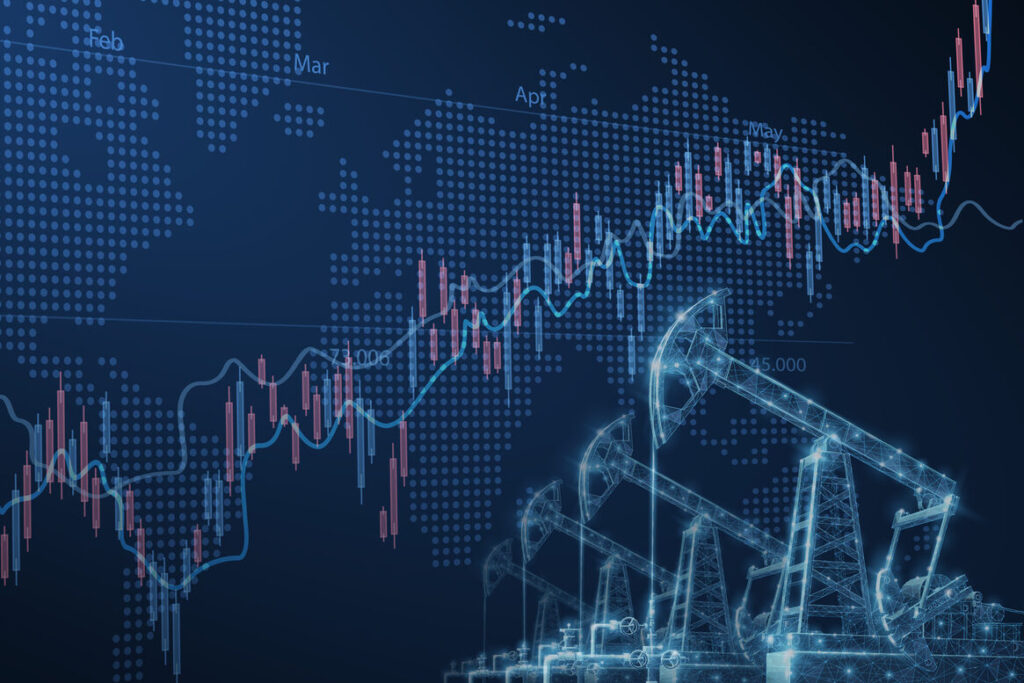
Beyond the visible changes, there’s also something less tangible shaping the experience, and that’s uncertainty. It’s the feeling that things are shifting, but not always in ways you can clearly predict. Prices change, costs adjust, and even when you try to plan ahead, there’s a sense that something unexpected could still happen. It’s not necessarily worry, but it is a kind of caution that quietly influences decisions. You might delay certain purchases, reconsider plans, or simply take more time before committing to something.
These aren’t drastic reactions, they’re measured responses to an environment that feels less predictable. Over time, this cautious approach becomes part of your routine. It shapes how you spend, how you save, and how you think about the future. And while it may not feel comfortable, it’s also a natural response to change. If you’ve found yourself hesitating more than usual before making decisions, that awareness is part of the process. It shows that you’re adjusting, even if you don’t have all the answers yet.
11. Everyday Choices
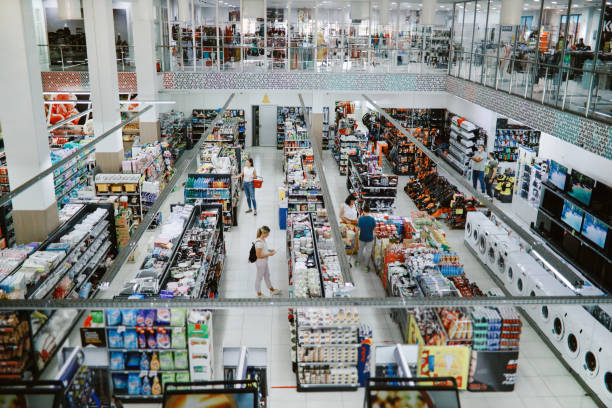
As all these shifts begin to settle in, they naturally start to influence how you live, not in dramatic ways, but in small, consistent adjustments. You might find yourself making different choices without fully realizing why at first. Cooking at home more often, delaying certain purchases, or choosing simpler options where you once went for convenience. These changes don’t always feel like restrictions, they feel like responses. Over time, these choices become your new normal.
They shape your routine, your priorities, and even your sense of what feels comfortable. And while each adjustment may seem small on its own, together they create a noticeable difference in how you experience daily life. It’s not about doing less, it’s about doing things differently. If this resonates, it might be worth reflecting on what has changed for you recently. Sometimes, those small shifts tell the clearest story about how you’re adapting to the environment around you.
12. What Comes Next

When you step back and look at everything together, it becomes easier to understand why inflation feels the way it does right now. It’s not just one factor, not just fuel or food or rent. It’s the layering of many small shifts, each one subtle on its own, but significant when combined. Prices rise and settle at new levels, incomes adjust at a different pace, habits evolve, and over time, a new normal takes shape. And because it happens gradually, it can feel like something you’re constantly adjusting to rather than fully settling into. But within that, there’s also space to adapt. Not all at once, and not perfectly, but gradually, just like the changes themselves.
Awareness becomes a kind of quiet tool, helping you understand where your money is going and how your habits are shifting in response. You may not control the larger forces at play, but you can begin to respond to them in ways that feel intentional. And sometimes, that’s enough to bring a sense of steadiness back into view. If this made you pause even briefly, it might be worth paying closer attention to your own patterns this week. Not to overthink, just to notice. Because often, the clearest understanding doesn’t come from the headlines, but from the small, everyday moments where change is already happening.


