
1. The Manchineel Tree Is Considered the World’s Most Dangerous Tree

Dubbed the “Tree of Death” by the Guinness World Records, the Manchineel’s toxic properties have earned it this frightening reputation. Every part of this tree is incredibly poisonous.
2. Its Sap Can Cause Severe Burns and Blisters
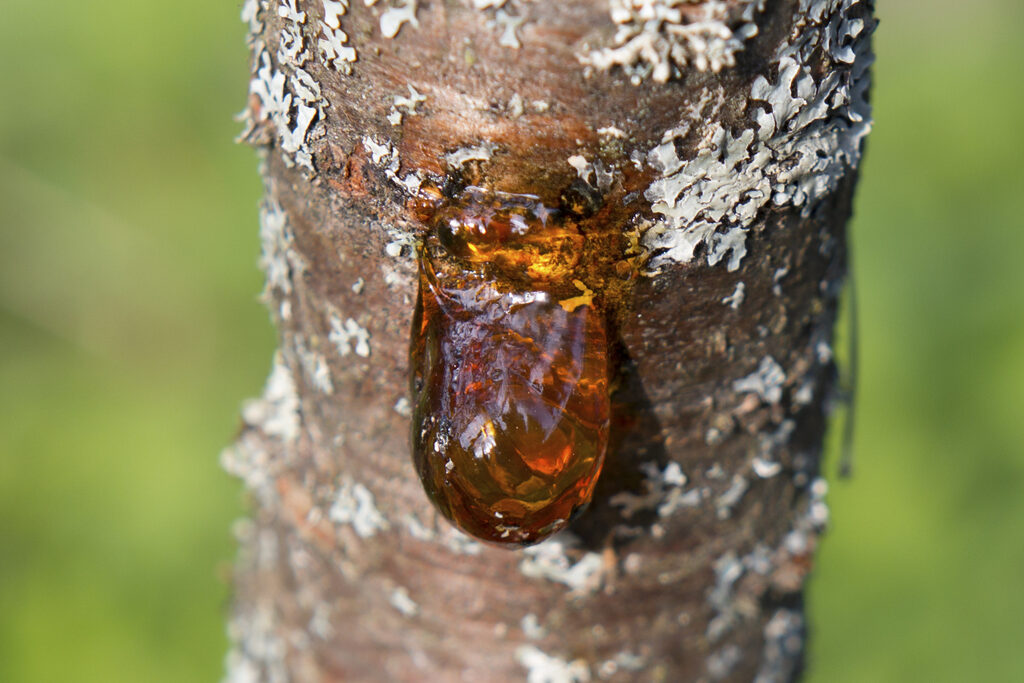
The milky-white sap contains strong toxins like phorbol that cause extreme skin irritation, burns, and painful blisters upon contact. Even a light touch can have severe consequences.
3. Rainwater Dripping Off Its Leaves Can Harm You
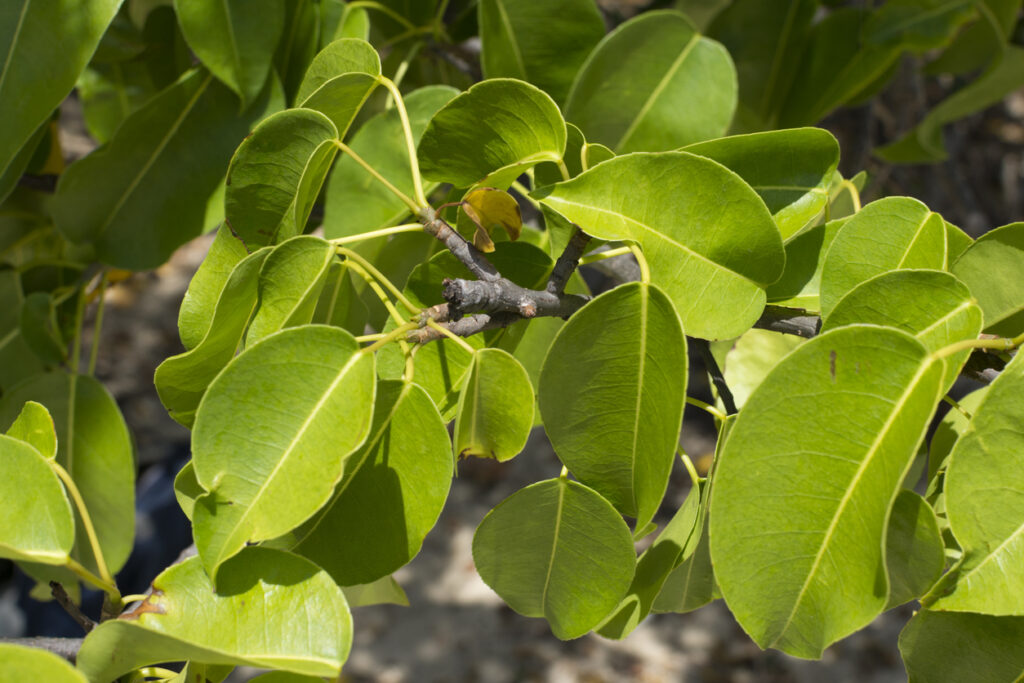
Simply standing under the tree during rainfall can lead to skin burns. Water that washes over the leaves carries its toxic sap, making even nearby shelter under its canopy risky.
4. Inhaling Its Smoke Can Be Deadly
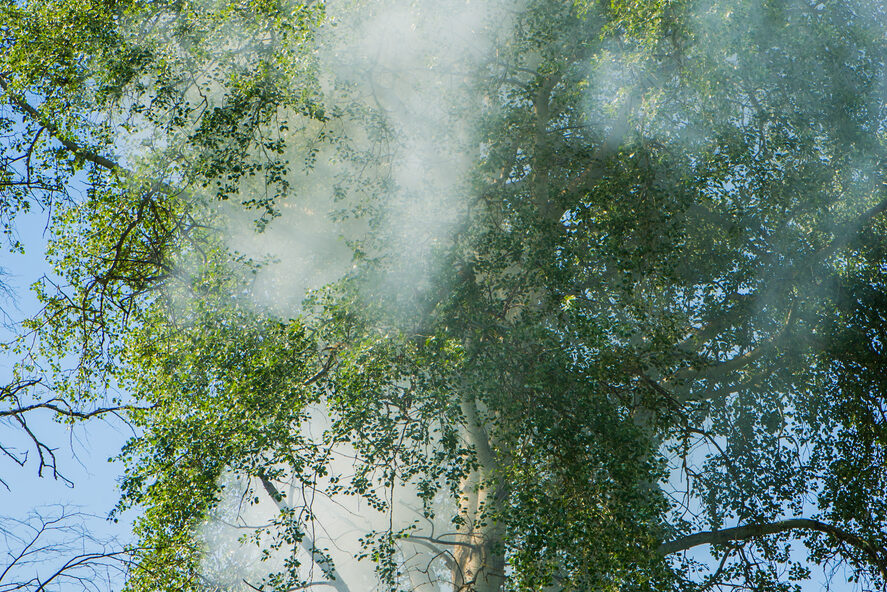
Burning the wood releases toxic fumes that can cause severe respiratory problems and even temporary blindness. Campfires using Manchineel wood are a surefire way to end up in a medical emergency.
5. It Produces Innocent-Looking ‘Death Apples’
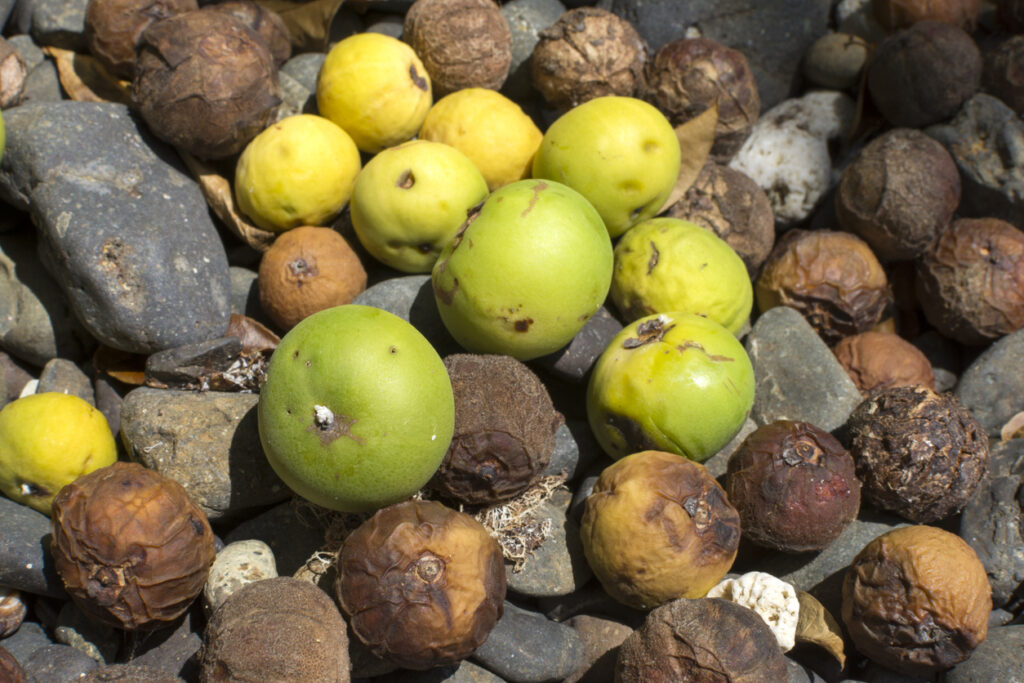
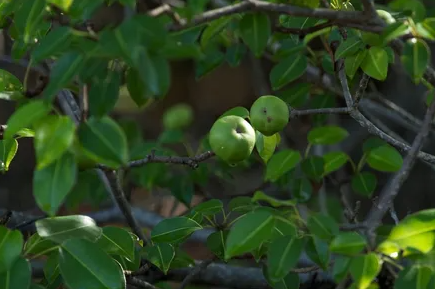
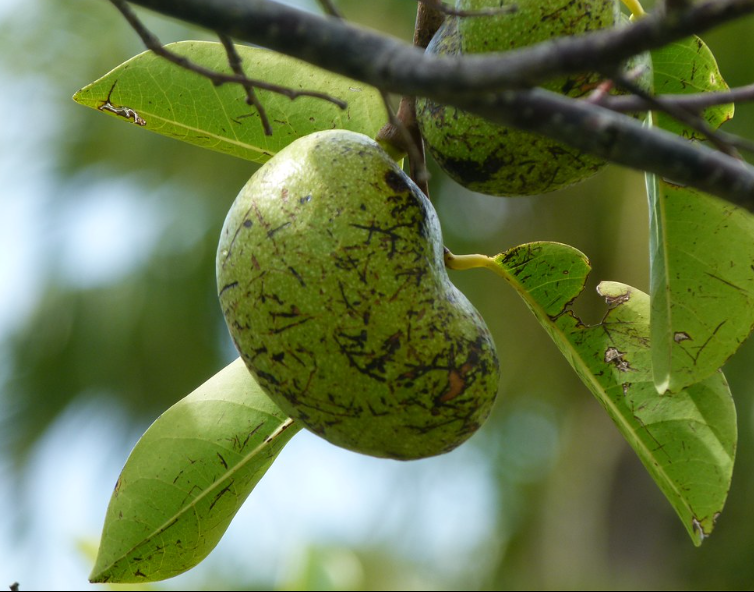
The Manchineel’s small, greenish-yellow fruits resemble apples but are incredibly toxic. Ingesting even a small bite can cause severe vomiting, stomach pain, and potentially fatal complications.
6. Spanish Explorers Called It ‘The Little Apple of Death’
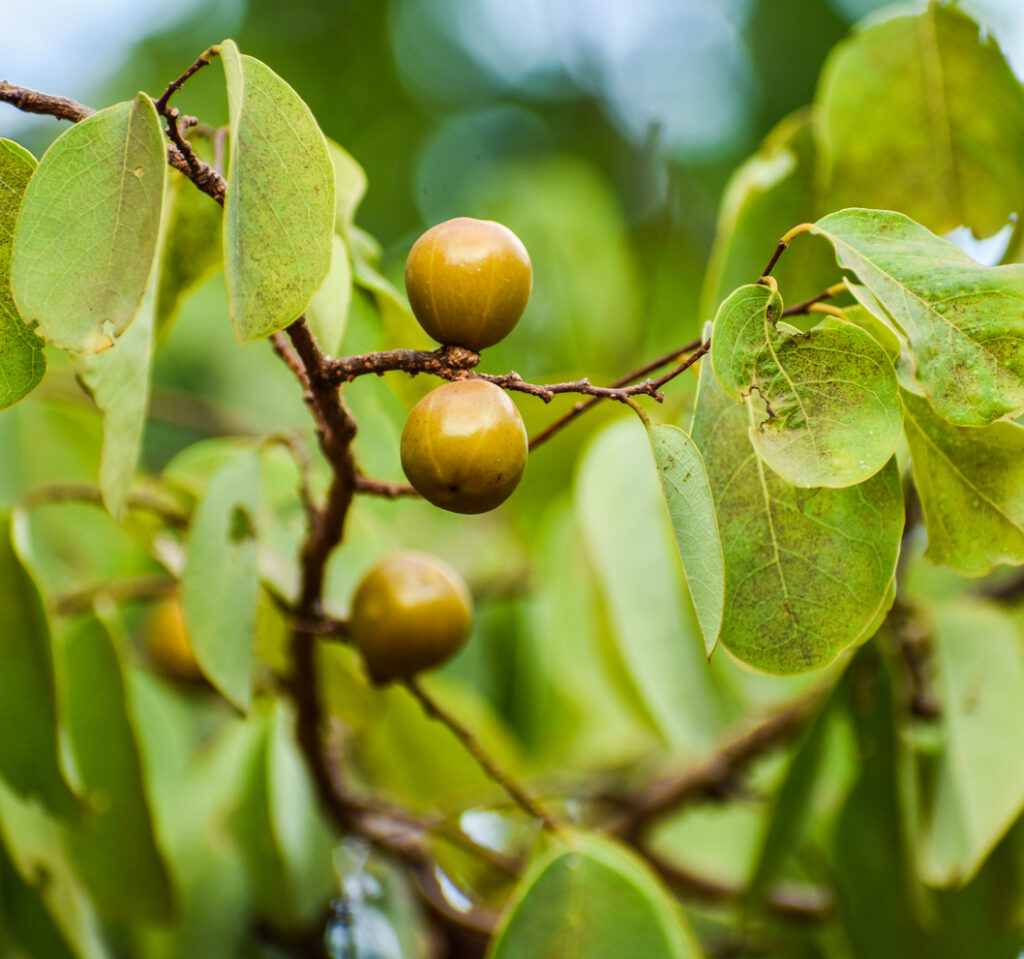
Spanish conquistadors named it “manzanilla de la muerte,” or “little apple of death,” after witnessing its deadly effects firsthand. Stories of poisoned soldiers and explorers abound.
7. Even Brushing Against Its Bark Can Be Dangerous
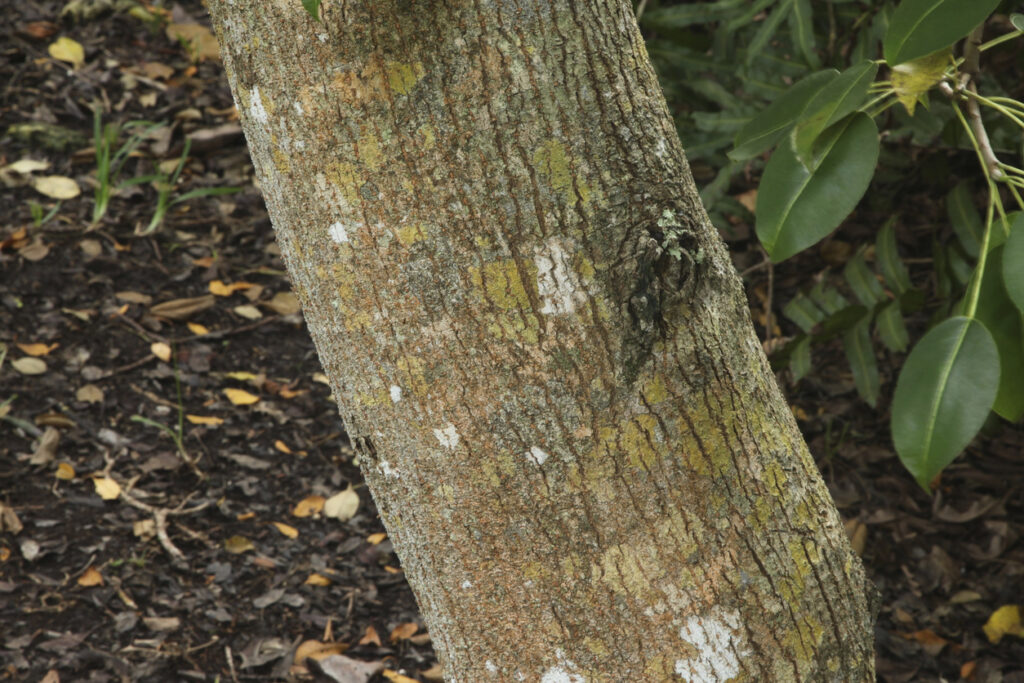
You don’t have to touch the sap to get hurt. The bark itself can irritate your skin, and its toxins remain potent even if the tree has been cut down.
8. It’s Found Primarily in the Caribbean and Central America

The Manchineel Tree is native to tropical regions, often lining sandy beaches, mangroves, and coastal areas in the Caribbean, Florida, and parts of Central and South America.
9. The Tree Has Evolved to Defend Itself from Predators
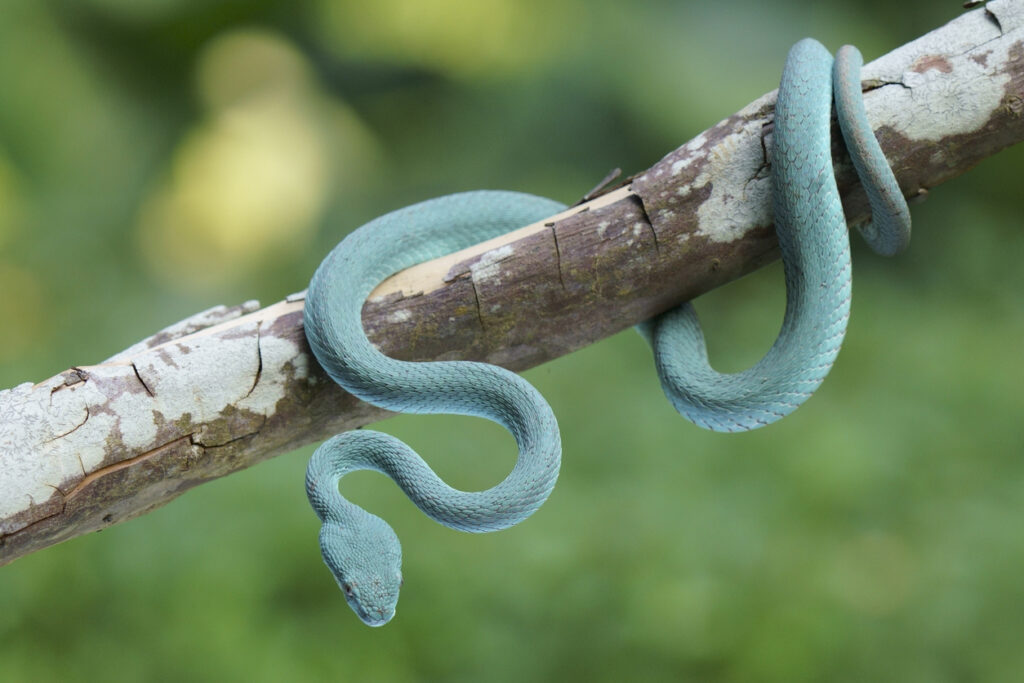
The Manchineel’s potent toxicity likely evolved as a defense mechanism against herbivores. Its extreme measures make sure no creature munches on its leaves, bark, or fruit.
10. Locals Mark It with Warning Signs or Red Paint
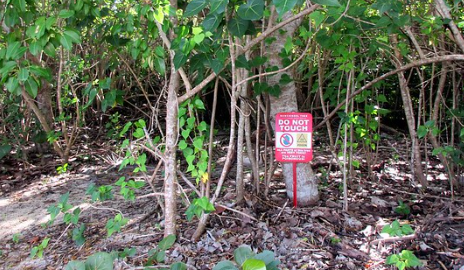
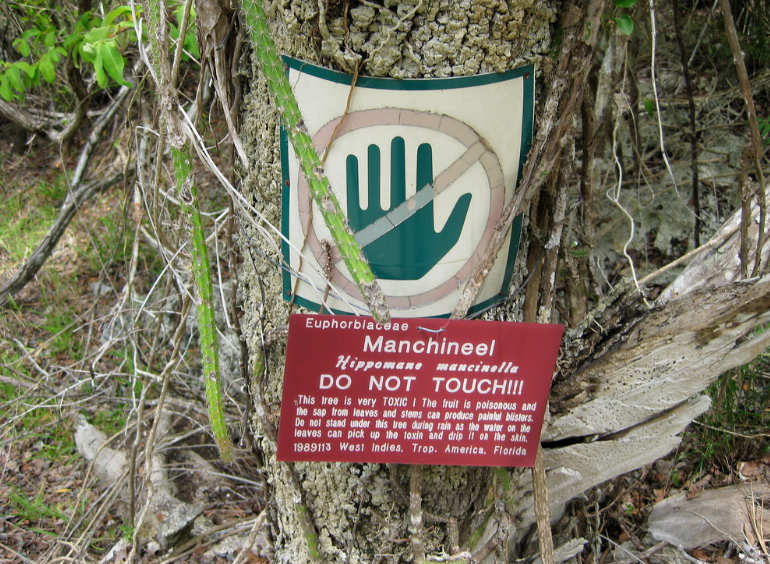
In areas where Manchineel trees grow, they’re often marked with bright red paint or warning signs to alert people of the danger. It’s a vital safety measure in popular tourist destinations.
11. It Played a Role in Ancient Warfare
Legend has it that some Indigenous tribes would coat their arrow tips with Manchineel sap, creating highly potent weapons capable of incapacitating or killing their enemies quickly.
12. Despite Its Toxicity, It Has Medicinal Uses

When properly handled, extracts from the Manchineel have been used in traditional medicine for treating edema and as a diuretic. But only trained experts dare to approach it!
13. It Serves an Important Ecological Purpose
The Manchineel’s deep roots prevent coastal erosion, protecting beaches from storm surges and providing a crucial buffer against environmental damage.
14. Its Toxicity Is Thousands of Times More Potent Than a Rattlesnake’s Bite
While a rattlesnake’s venom is dangerous, the Manchineel’s toxins can cause a wider range of severe effects just by touch, ingestion, or inhalation, making it far deadlier overall.


