
1. Bats – The Protected Night Flyers
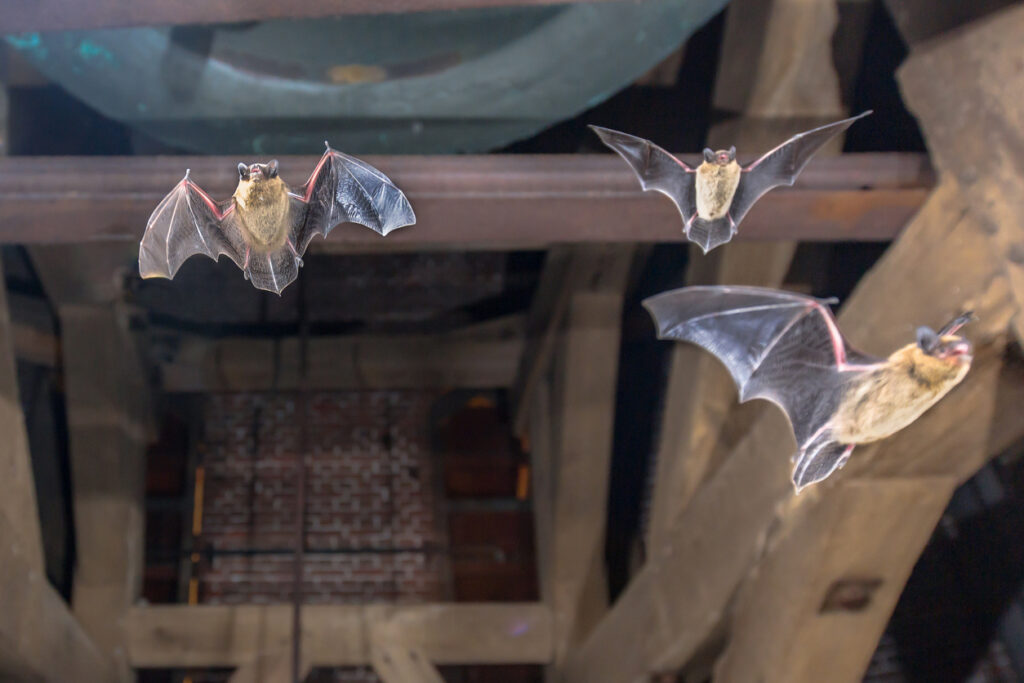
Bats are protected in many countries because of their role in controlling insect populations and pollinating plants. Removing or disturbing them, especially during breeding season, is often illegal. Instead, it’s recommended to contact a wildlife professional if you find bats roosting in your attic.
2. Honey Bees – The Pollinators We Can’t Live Without

Honey bees are critical for pollinating many of the fruits and vegetables we eat, and their populations are in decline. In many regions, it’s illegal to kill or remove honey bees without proper permits, and you’ll often need to call a beekeeper to safely relocate them instead.
3. Swallows – The Nest-Building Migrants

Swallows are known for building mud nests on homes and barns, which can be a nuisance. However, they’re protected in many places due to their role in controlling insect populations. Destroying their nests, especially if they’re occupied, is usually against the law.
4. Woodpeckers – The Pecking Pest Controllers

Woodpeckers may cause damage to wood structures as they search for insects, but they’re also protected under various conservation laws. Removing them or their nests can lead to hefty fines, as woodpeckers play a key role in controlling pest insects.
5. Newts – The Endangered Amphibians

In certain regions, newts are considered endangered due to habitat loss and are protected by law. This means you can’t capture, kill, or disturb them, even if they’ve taken up residence in your garden pond.
6. Hedgehogs – The Nocturnal Garden Helpers

Hedgehogs are adorable garden visitors that help control pests, but their populations have been declining. In some places, it’s illegal to remove or harm them. If you have hedgehogs in your garden, consider creating a hedgehog-friendly space instead of trying to move them.
7. Frogs and Toads – The Natural Pest Managers

Many species of frogs and toads are protected due to their declining populations. They eat garden pests and keep ecosystems balanced, so it’s illegal to capture or remove them in many areas. If you have a pond, it’s best to leave these amphibians to do their thing.
8. Red Squirrels – The Endangered Tree Dwellers

Red squirrels are endangered in some regions and are protected by strict laws. If you find one nesting in or around your home, it’s illegal to disturb or relocate it. Instead, try to protect their habitat by leaving them undisturbed.
9. Swifts – The Migrating Nesters

Swifts are aerial insect-eaters and migratory birds that often nest in building crevices. In many areas, it’s illegal to disturb or destroy their nests, even if they’re causing a bit of inconvenience. Many people install swift boxes to give them a safe place to nest without affecting the building.
10. Snakes – The Misunderstood Garden Guardians

While not all snake species are protected, certain snakes like garter snakes and grass snakes are legally protected in some areas. They’re harmless and help control rodent populations, so it’s often illegal to kill or relocate them without a permit.
11. Ladybugs – The Beneficial Pest Controllers

Ladybugs are a gardener’s best friend, feeding on aphids and other pests. Certain species are protected by law due to their beneficial role in the environment. Removing or using chemicals against them may be restricted to encourage natural pest control.
12. Barn Owls – The Silent Hunters

Barn owls are protected in many places due to their declining numbers and vital role in controlling rodent populations. If they’re nesting in your barn or attic, it’s illegal to disturb them or their nests. Contacting a conservation organization may help find solutions that work for both you and the owls.
13. Slow Worms – The Legless Lizard

Often mistaken for snakes, slow worms are actually legless lizards that are protected in some regions. They help control slugs and other pests in the garden. It’s illegal to harm or relocate them, so let them enjoy their slug feast if you spot one around your plants!


