
1. Quiet Relocation
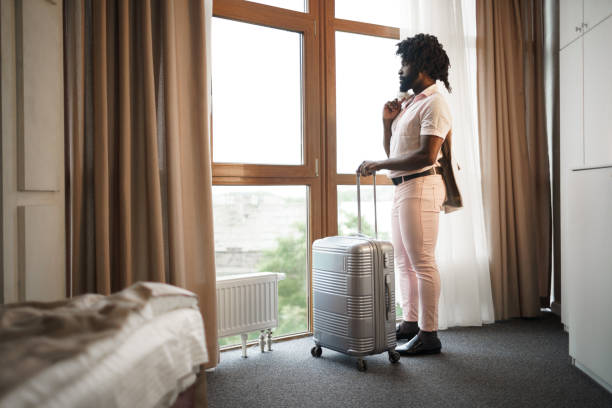
It doesn’t always begin with a big decision. Sometimes, it starts with a thought that lingers a little longer than usual. Someone considers a new country, a different city, or even just a place that feels like it might offer a bit more breathing room. At first, it feels personal, almost isolated, like a private decision shaped by individual circumstances. But when you step back, you begin to notice that many people are having similar thoughts at the same time. A friend moves abroad. A colleague relocates for work. Someone you know starts over in a place they had only ever visited briefly. What once felt like separate decisions begins to look like a pattern forming quietly in the background. This is something global organizations have been observing for years.
People respond to opportunity, stability, and sometimes simply the need for change. And when those motivations align across thousands or even millions of individuals, they create visible trends. What’s interesting is how subtle it feels from the inside. You’re not thinking about global patterns, you’re just making a decision that feels right for you. But collectively, those decisions reshape communities, economies, and even cultural identities. If you’ve noticed more people around you considering relocation, it may not just be coincidence. It might be part of a much larger shift unfolding quietly across the world.
2. Work-Driven Moves

For many people, migration is closely tied to one central factor, work. It’s one of the most practical reasons to move, and often the most immediate. A job offer in another country, better pay in a different city, or even the promise of career growth can be enough to shift everything. At first, it feels straightforward. You go where the opportunity is. But over time, these work-driven decisions begin to cluster in certain regions, turning specific cities or countries into magnets for talent. You start to hear about the same places repeatedly, locations where opportunities seem to concentrate. This isn’t accidental. Insights from World Bank suggest that “labor mobility is a key driver of economic development, allowing workers to move where their skills are most needed.” In simple terms, people follow opportunity, and opportunity follows demand.
When industries grow in certain areas, they attract workers, and when workers arrive, they further strengthen those industries. It becomes a cycle that reinforces itself over time. For individuals, it may feel like a single career move, but collectively, it reshapes labor markets and even national economies. If you’ve ever found yourself considering a move purely because of work, you’re part of a pattern that’s much bigger than it seems. It’s one of the clearest ways migration trends take shape in the modern world.
3. Climate Influence
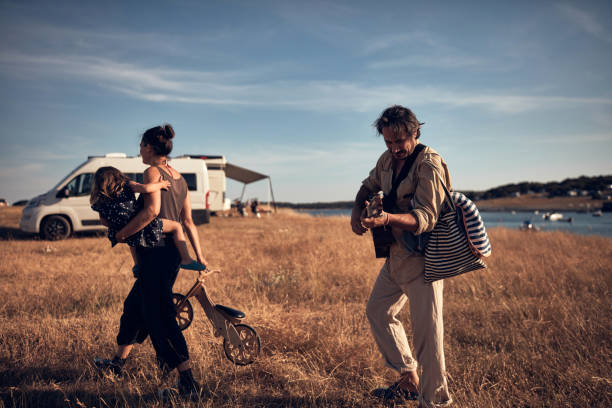
Not all migration decisions are driven by opportunity. Sometimes, they’re shaped by necessity. You might not notice it immediately, but in many parts of the world, environmental changes are quietly influencing where people can comfortably live. Rising temperatures, unpredictable weather, and gradual shifts in natural resources begin to affect daily life. At first, it’s manageable, something people adapt to. But over time, those changes can become harder to ignore, pushing individuals and families to consider moving somewhere more stable. This is a growing area of concern globally.
Migration is no longer just about choice in some cases, it’s about adaptation. People move not because they want to explore something new, but because staying becomes more difficult. It’s a different kind of movement, one that carries a deeper weight. And yet, from the outside, it can still look like a typical relocation. That’s what makes it complex. If you’ve noticed conversations around climate becoming more connected to where people live, it’s because the link is becoming more visible. Migration, in this sense, becomes a response not just to opportunity, but to the changing conditions of the world itself.
4. Education Paths

For many, the journey begins with something as simple as studying. Education has long been a gateway to movement, a reason to step outside familiar environments and experience something new. A student leaves home for a university abroad, initially planning to stay for a few years. But along the way, something shifts. They build connections, discover opportunities, and begin to imagine a future that extends beyond their original plan. What started as a temporary move slowly becomes something more permanent. This pathway is widely recognized.
Over time, this contributes to a steady flow of skilled individuals into different regions, influencing local economies and communities. It also creates a unique kind of cultural exchange, where ideas, perspectives, and experiences move alongside people. If you’ve ever considered studying abroad or know someone who has, you’ve seen how easily education can turn into something bigger. It’s one of the most natural entry points into migration, and one that continues to shape global movement in subtle but lasting ways.
5. Family Ties

Sometimes, the reason people move isn’t about opportunity or urgency, it’s about connection. It’s about wanting to be closer to someone, or choosing to build a life where support feels more present. A sibling relocates and invites others to follow. Parents move to be closer to their children. Families reunite after years apart. At first, it feels deeply personal, like a decision rooted in emotion rather than strategy. But when you look more closely, these choices often create patterns of their own, quietly shaping migration in ways that aren’t always obvious. This kind of movement has been widely observed in migration studies.
According to Pew Research Center, “family reunification remains one of the most common reasons for migration worldwide.” What that reveals is something simple but powerful, people don’t just move for systems, they move for relationships. And once one person relocates, it often opens a pathway for others to follow. Over time, this creates networks, communities that feel familiar even in entirely new places. It softens the experience of starting over and makes unfamiliar environments feel more like home. If you’ve ever considered moving simply because someone you care about is elsewhere, you’re part of a migration pattern that’s as old as movement itself. It’s not always driven by data or economics, but it carries just as much impact in shaping how populations shift across the world.
6. Policy Impact
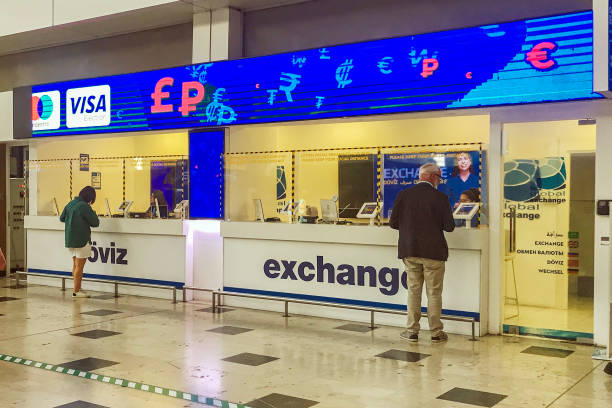
While many migration decisions feel personal, there’s often something larger shaping them in the background, policy. Rules around visas, work permits, and residency can quietly influence where people go and how easily they can settle. Sometimes, a country becomes more accessible, and movement increases almost immediately. Other times, restrictions tighten, and the flow slows down just as quickly. From the outside, it might look like a sudden change in movement, but underneath it, policy is often guiding the direction. This influence is widely acknowledged in global discussions.
Decisions made at a national level can ripple into individual lives in very real ways. A new policy might open doors for skilled workers, students, or families, while another might limit access and redirect movement elsewhere. Over time, these shifts reshape not just who moves, but where they choose to go. If you’ve ever noticed certain countries becoming more popular destinations at specific times, it’s rarely random. It’s often a reflection of how policy and opportunity align. And while individuals make the final decision, the path available to them is often shaped long before that choice is made.
7. Urban Attraction
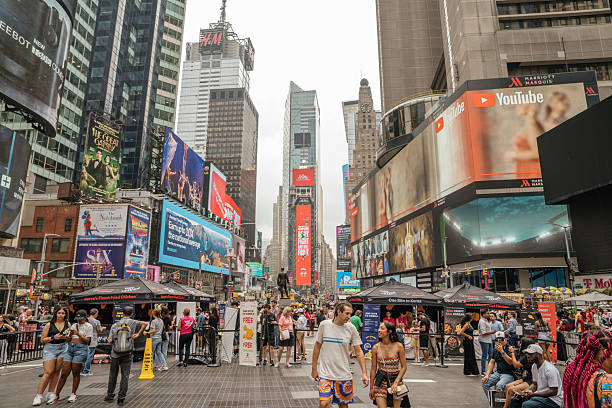
There’s something about cities that continues to draw people in. It’s not always easy to define, but it’s felt. The sense of possibility, the access to services, the energy of being surrounded by movement and activity. For many, cities represent opportunity in its most visible form. You arrive, and everything feels within reach, work, education, connections, experiences. It’s no surprise that so many migration patterns point toward urban areas, even when the cost of living or pace of life presents its own challenges. This trend has been consistent across regions.
Businesses expand, services improve, and the city evolves to accommodate its growing population. Over time, this creates hubs that feel almost magnetic, pulling people from different backgrounds into a shared space. If you’ve ever felt drawn to a city without fully explaining why, you’re responding to something many others feel too. It’s part of what keeps cities growing, not just in size, but in significance.
8. Digital Nomads

In recent years, something new has started to take shape within migration patterns. Not all movement is permanent anymore. Some people are choosing flexibility over long-term settlement, moving from one place to another while continuing to work remotely. It’s a different kind of migration, one that doesn’t always fit traditional definitions. You might stay in a city for a few months, then move on to another, carrying your work with you rather than leaving it behind. This shift is becoming more recognized globally.
As highlighted by World Economic Forum, “remote work is enabling a new class of mobile professionals who are not tied to a single location.” This changes how we think about migration entirely. It’s no longer just about relocating for a fixed period, it’s about movement as a lifestyle. Cities and countries are beginning to respond, offering digital nomad visas and creating spaces designed for this kind of flexibility. Over time, this could reshape not just where people live, but how they define home. If you’ve noticed more people working from different locations or traveling while staying employed, you’re seeing this trend unfold. It’s still evolving, but it’s already adding a new layer to how global movement is understood.
9. Regional Shifts
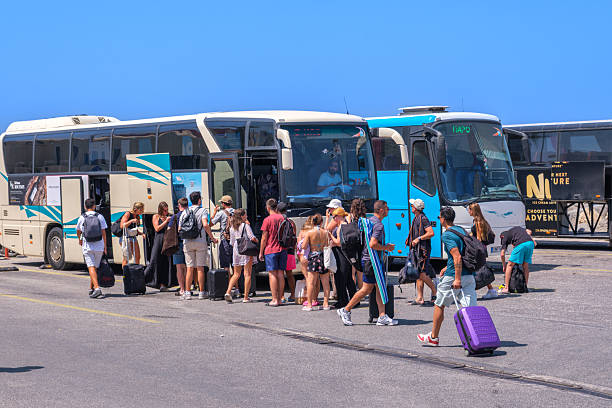
Not all migration happens across continents. Sometimes, the most noticeable changes happen closer to home. People move within regions, from one country to another nearby, or even between neighboring cities that offer slightly different opportunities. At first, it feels like a practical decision. The language might be similar, the culture familiar, and the distance manageable. But over time, these smaller movements begin to shape entire regions, creating new balances between population, work, and resources. This pattern is more common than many people realize.
People are often moving toward what feels accessible, places where adjustment is easier and integration feels more natural. Over time, this strengthens regional connections, both economically and socially. It also allows skills, ideas, and labor to circulate more fluidly within those spaces. If you’ve noticed people relocating to nearby countries or regions more frequently, it’s not just convenience, it’s part of a broader trend that keeps movement grounded while still creating meaningful change. Sometimes, the biggest shifts happen not across oceans, but just across borders.
10. Skill Demand

There’s also a quieter layer to migration that isn’t always immediately visible, the movement of skills. People don’t just move randomly; they often go where their abilities are needed most. A healthcare worker relocates to a country with higher demand. A tech professional moves to a growing digital hub. A skilled tradesperson follows opportunities that offer better pay or stability. From the outside, it may look like individual career decisions, but together, they form a pattern that shapes entire industries. This dynamic is widely discussed in global labor conversations.
As noted by International Labour Organization, “skill shortages in certain regions often drive cross-border labor mobility.” In simple terms, where there is demand, people will move to meet it. Over time, this helps balance economies, but it can also create gaps in the places people leave behind. It’s a delicate exchange, one that affects both origin and destination countries. If you’ve ever noticed certain professions becoming more international, or heard about talent moving toward specific regions, you’re seeing this trend in action. Migration, in this sense, becomes not just movement, but a way of redistributing knowledge and expertise across the world.
11. Return Migration

Interestingly, not all movement is one-directional. For some people, migration includes a return. After years of living abroad, building careers, and adapting to new environments, there comes a point where going back begins to feel possible, or even necessary. It might be driven by family, by a desire to reconnect, or by opportunities that have emerged in their home country. At first, it feels like closing a chapter, but in many ways, it’s also the beginning of something new. This pattern is increasingly recognized. That return often carries value beyond the individual. It contributes to local economies, introduces new ideas, and creates connections between global and local spaces.
It also challenges the idea that migration is always about leaving permanently. Sometimes, it’s about movement in cycles, learning, adapting, and then returning with something more. If you’ve seen people come back after years away and integrate their experiences into something new, you’ve witnessed this trend firsthand. It adds depth to the migration story, showing that movement is not always about distance, but about direction and timing.
12. The Ongoing Shift

When you take a step back and look at all these movements together, the quiet relocations, the work-driven decisions, the family ties, the policy influences, something begins to settle into place. Migration is not just a series of separate events. It’s a continuous process, shaped by needs, choices, and circumstances that evolve over time. What feels like a personal decision is often connected to something much larger, something unfolding across cities, countries, and continents all at once.
As reflected in broader migration studies by United Nations, “human mobility is a defining feature of our interconnected world.” And maybe that’s the simplest way to understand it. People move because life moves. Opportunities shift, environments change, priorities evolve. And in response, movement follows. It doesn’t always come with clear explanations or perfect timing, but it continues, quietly shaping the world we live in.


