
Artemis II Moon’s Far Side
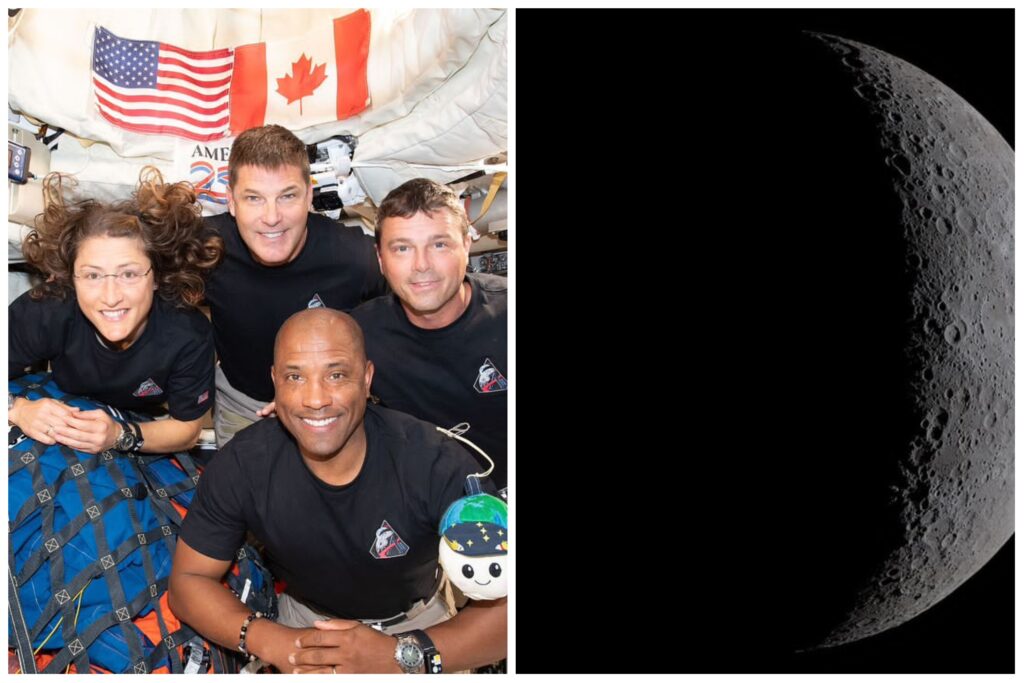
For decades, people only imagined the Moon’s far side because it never faces Earth. It was called the “dark side,” even though it receives sunlight, because it was always hidden from our view. On April 1, 2026, NASA’s Artemis II mission changed that. Artemis II launched four astronauts around the Moon, making humanity the first to see the far side in more than 50 years. The crew snapped photos and observed this rugged terrain directly. In simple terms, the mission was a journey that reshaped our future by finally revealing what was once a missing chapter in our story.
Studying the Moon’s far side helps us learn about Earth too. Unlike Earth, the Moon has no weather or plate tectonics to erase its surface features. Ancient craters and rocks there act like a time capsule, preserving conditions from 4.3 billion years ago. Scientists say recalculating when those big impacts occurred on the Moon actually “shifts the entire timeline” of bombardment in the solar system, which has ripple effects on our view of Earth’s early environment.
Moon’s Hidden Hemisphere Finally Revealed
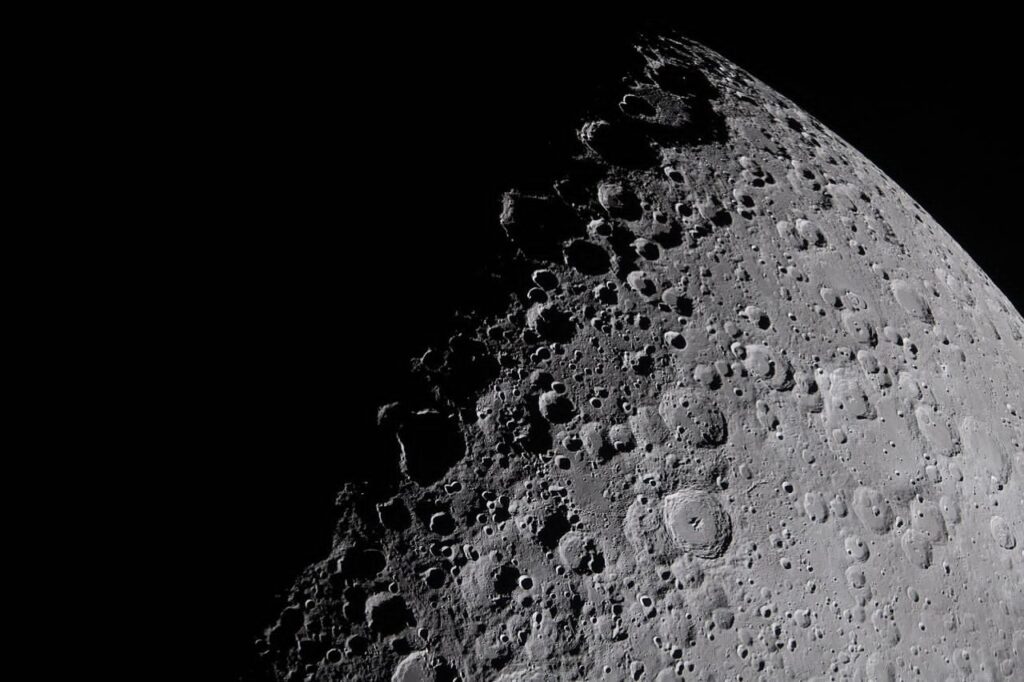
Artemis II gave humans a rare, direct look at the Moon’s far side for the first time in history. This hidden hemisphere is rough and heavily cratered, far bumpier than the near side we usually see. During a three-hour flyby, the astronauts analyzed and photographed geologic features like old impact basins and ancient lava flows. They reported that the far side looked completely “alien and uneven,” a stark contrast to the smoother near side. Because no human had seen this view before, the images and descriptions from Artemis II are truly groundbreaking.
These newly revealed features are a boon to science. The far side’s craters act like a record of the solar system’s violent past. Since Earth’s surface keeps changing, scientists rely on the Moon to fill gaps in our history. For example, researchers call some lunar rocks “time capsules” from 4.25 billion years ago. Learning when giant impacts happened on the Moon has already forced scientists to rethink Earth’s early impact history. In this way, exploring the Moon’s hidden face is helping researchers piece together the history of both worlds, and better understand how Earth became the hospitable planet it is today.
Artemis II Smashes Distance Records
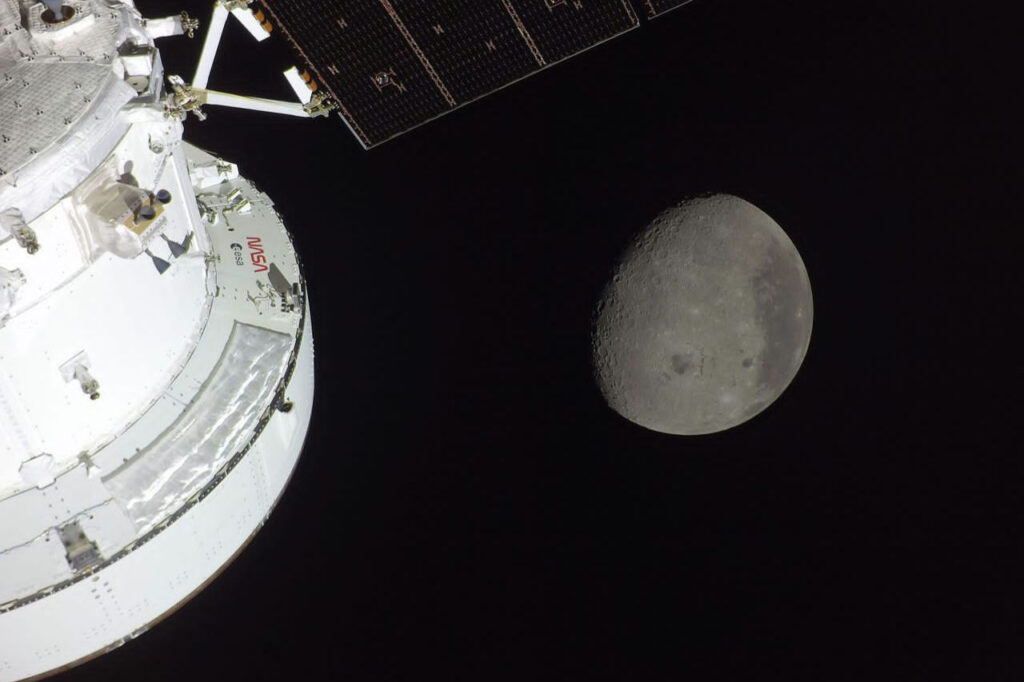
One of the most dramatic achievements of Artemis II was how far it went. On April 6, 2026, as the Orion spacecraft sped around the Moon, it reached about 252,756 miles (406,772 kilometers) from Earth. That distance broke the half-century-old Apollo record by roughly 4,100 miles. In fact, NASA notes that Artemis II carried astronauts “farther from Earth and closer to the Moon than any human has been in over half a century”. To put it in perspective, these explorers ventured tens of times farther into space than the International Space Station.
Traveling so far out has practical meaning for future missions. Operating safely at that distance shows that spacecraft systems work in deep space conditions. This includes the Orion capsule’s life-support, navigation, and communications, which were tested beyond Earth’s magnetosphere. By proving these systems out there, NASA is gathering data needed for longer missions, like trips to Mars. In short, it’s a test run for humanity’s next big leaps. Lessons learned from this journey will help engineers design gear and plans so astronauts can survive and thrive as we push farther into space.
Radio Silence Beyond the Moon
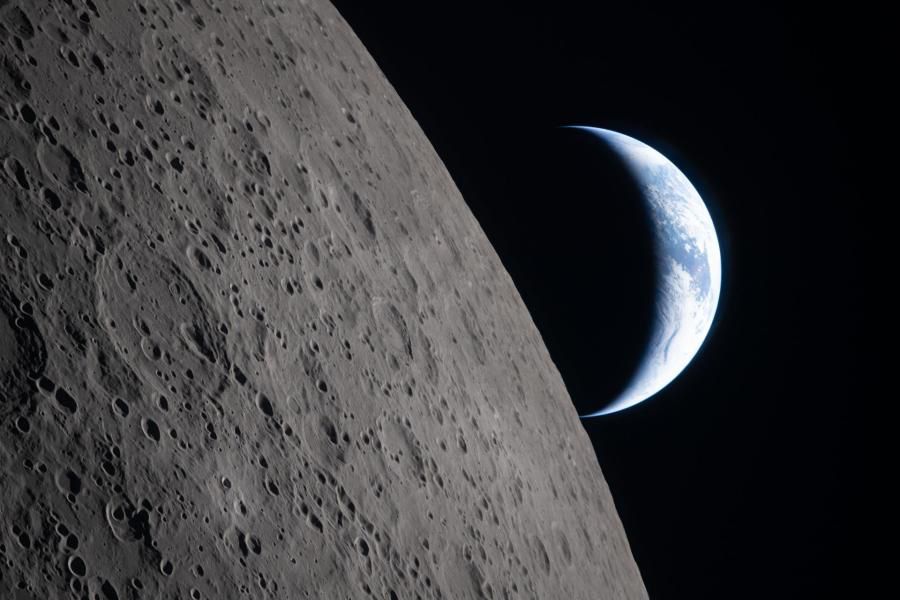
When Orion slipped behind the Moon, all signals to Earth went dead. NASA predicted a 40-minute communications blackout during that leg of the mission. In practice, ground controllers lost contact around 6:44 p.m. ET and didn’t hear from the crew again until about 7:25 p.m. ET on April 6, 2026. This “radio silence” happened simply because the Moon was blocking the view – there’s no atmosphere or relay satellites in place on the far side. For those forty minutes, the Artemis II crew was literally the most isolated humans ever, out of touch, but they could see a sneak peek of the earth, which was a breathtaking sight.
That blackout highlighted why NASA is building new communications networks around the Moon. The agency’s Lunar Communications Relay and Navigation Systems (LCRNS) project will place satellites in lunar orbit to create a continuous network. Eventually, missions won’t lose contact when passing behind the Moon. These advances will also trickle down to Earth. Better space communications could lead to faster, more reliable internet and emergency networks at home. To put it more simply, solving space communication challenges can make our everyday communications stronger too.
Ancient Lunar Craters Hold Clues
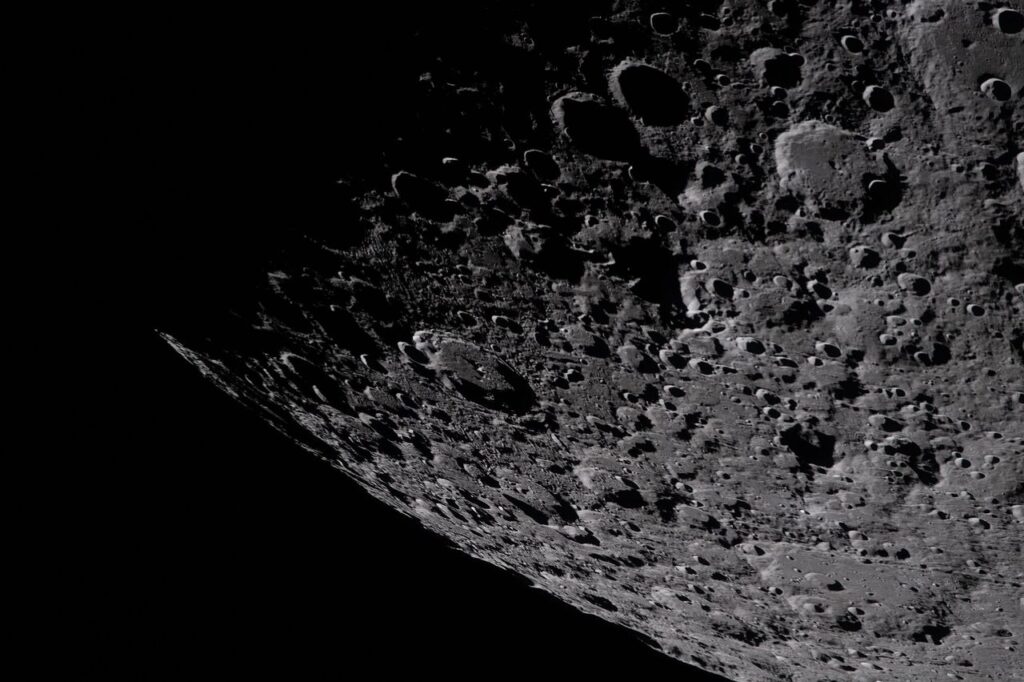
The Moon’s far side is pockmarked with giant craters, such as the South Pole-Aitken basin. These basins formed during the Solar System’s early days, when Earth and the Moon were bombarded by asteroids. Scientists study these ancient scars because they record events from over 4 billion years ago. Lawrence Livermore Lab scientists even describe some lunar rocks as “time capsules from 4.25 billion years ago”. Each crater preserves a piece of the moon’s, and by extension the Solar System’s history, which is mostly erased on Earth by weather and tectonic changes.
Understanding those impacts helps explain Earth’s past. Similar collisions that hit the Moon also struck the young Earth, possibly delivering water and organic materials needed for life. In fact, a 2023 study found that certain space rocks could have brought at least three times as much water as is in all of Earth’s oceans. By comparing what we find on the Moon with Earth’s history, scientists can test theories about how our oceans and life began. Studying the Moon’s craters is also learning how Earth became a blue, habitable planet.
Watching Impact Flashes on Moon
Artemis II astronauts actually saw meteoroids hit the Moon in real time. In the darkness of lunar night, they witnessed sudden flashes of light on the surface. During the eclipse behind the Moon, the crew spotted six bright flashes. These are tiny “explosions” when space rocks slam into the unprotected Moon. On Earth, incoming meteors burn up in the atmosphere; on the Moon they strike the ground, making short-lived streaks of light and leaving small craters behind.
Counting and studying these impacts is important. Engineers use that data to build better shielding for spacecraft and future lunar bases. NASA has been tracking these lunar impact flashes for years and observes about 20 detectable hits per year. Better knowledge of these events also sharpens Earth’s asteroid warning systems. In fact, each flash the astronauts saw is a reminder: by watching collisions on the Moon, we improve our ability to predict and prepare for objects that might threaten Earth.
Searching for Lunar Water Ice
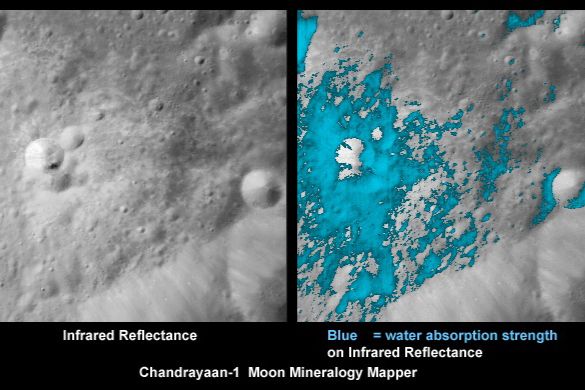
One of Artemis II’s goals is to find water ice on the Moon’s shadowed side. Near the lunar poles are deep craters that sunlight never reaches. Scientists call these “permanently shadowed regions.” They are so cold (around –160°C) that ice can survive there for billions of years. NASA has confirmed water ice in some of these dark craters using instruments like the Moon Mineralogy Mapper. Discovering ice on the Moon could also teach us about Earth’s water. The same comets and asteroids that delivered ice to the Moon may have brought water to early Earth too.
Finding usable ice has big benefits. Water can be processed into drinking water, breathable oxygen, or hydrogen fuel. That means future astronauts could use local resources instead of bringing everything from Earth. Making fuel or water on the Moon would greatly lower the cost of deep-space trips. NASA plans to build a sustainable lunar presence that uses these resources as stepping stones. In short, searching for water ice on the Moon’s far side is exciting science, and it could literally help sustain human life as we explore beyond Earth.
Astronauts Gain New Sun Perspective
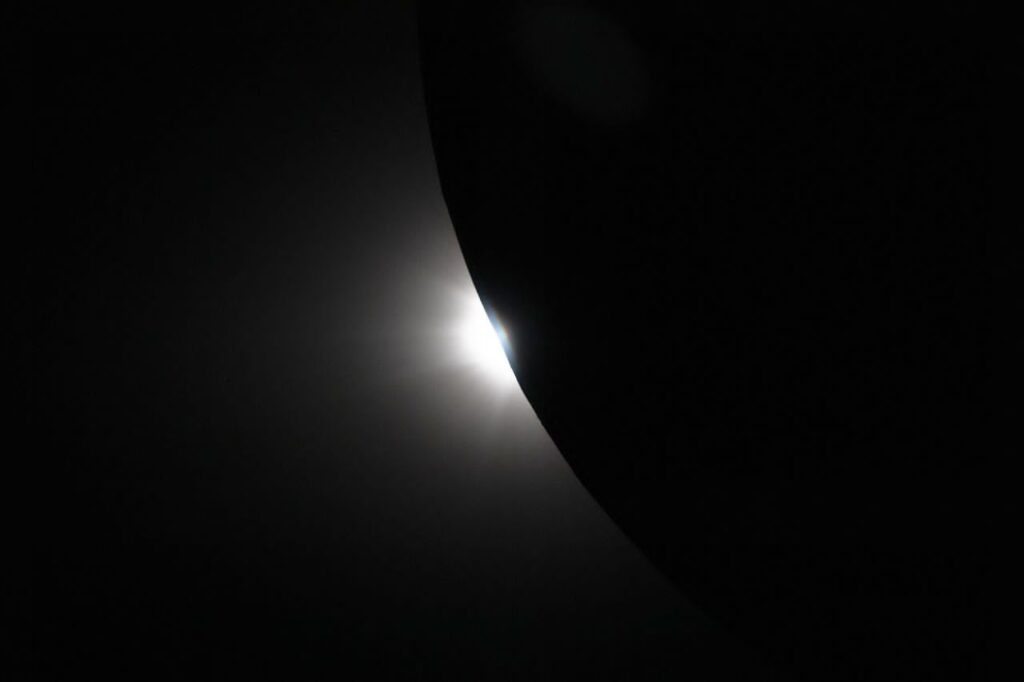
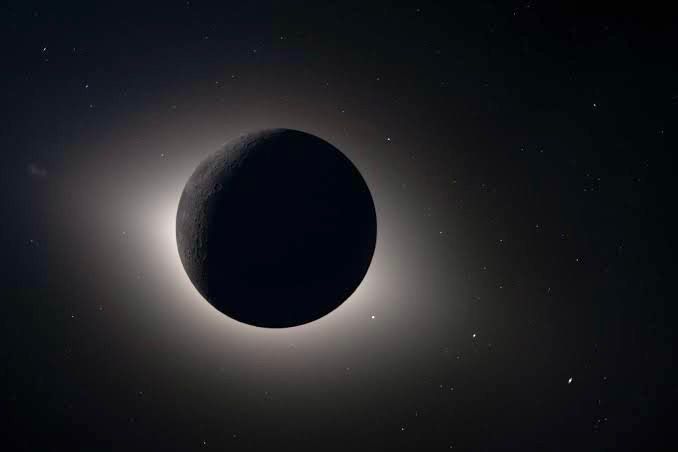
Far from Earth and peering around the Moon, the Artemis II crew saw a solar eclipse like no one ever had. During the far-side flyby, the Sun slipped completely behind the Moon for roughly 53 minutes. The astronauts watched the Sun’s corona; its faint outer atmosphere bloom around the dark lunar disk. This was the first time in history people observed a solar eclipse from behind the Moon. In the deep darkness, the crew also saw stars and planets that normally are lost in daytime glare. They even saw Venus and Saturn shining near the eclipse.
Studying the corona has practical implications for Earth. Solar storms can send charged particles toward us that disrupt satellites, GPS, and power grids. By observing the Sun’s corona and activity during this eclipse, scientists gather data to improve space-weather forecasts. Better predictions mean earlier warnings here on Earth. In a way, looking at the Sun from the Moon’s shadow makes our technologies safer. What began as a stunning view became useful science that helps us protect life on our home planet.
Space Tech Helps Solve Problems
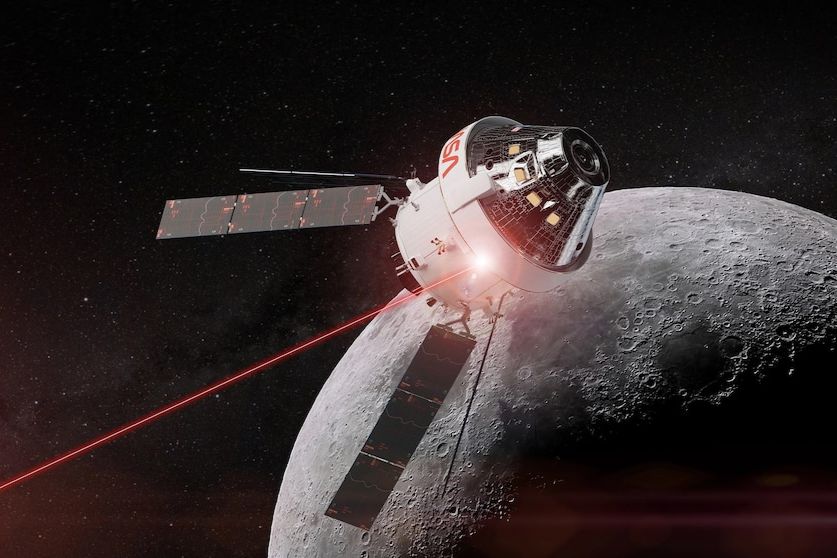
NASA often says space missions produce unexpected benefits on Earth. Artemis II is testing new technologies that could find everyday uses. For example, the mission demonstrated a state-of-the-art laser communications system called O2O. It can beam data back to Earth at up to 260 megabits per second. That’s like having broadband Internet from the Moon. This kind of system could lead to faster, higher-bandwidth communications for satellites and networks around Earth. The mission also includes advanced life-support and navigation systems; history shows that space tech in these areas often spins off into medical and computing advances for us on Earth.
Artemis II continues a tradition of space-driven innovation. Sensors built to survive deep space might become better medical devices. Tools used to monitor astronauts could help patients in hospitals. Even materials and software developed for lunar missions can find terrestrial uses. For instance, tracking radiation in space gives insights into cancer treatment therapies. The technology proving itself around the Moon could eventually make life better back on Earth. In this way, the mission’s high-tech gear is already bridging the gap between the cosmos and our daily lives.
Studying Human Limits in Space

Artemis II also carried out experiments to understand how the human body and mind respond to deep space. The crew flew well beyond Earth’s magnetic shield, where cosmic radiation is much stronger. NASA is monitoring their health closely. On board are devices like “organ-on-a-chip” experiments that simulate human tissue. One experiment (AVATAR) will expose these chips to space radiation and microgravity to see how cells react. The crew’s sleep, heart rate, and immune markers are being recorded too, all to see how long missions affect people.
The goal is twofold: help future astronauts and people on Earth. Knowing how radiation and stress hit the body will guide safety rules for Moon and Mars missions. At the same time, this research can improve health care here. For example, studying cellular responses to radiation might inform better cancer treatments. Insights about sleep disruptions could aid insomnia patients. As NASA puts it, the effort is about using spaceflight to benefit life on our home planet. In that way, pushing human limits on Artemis II brings us closer to breakthroughs in medicine and well-being for everyone.


