
1. Filling Up Becomes a Financial Decision
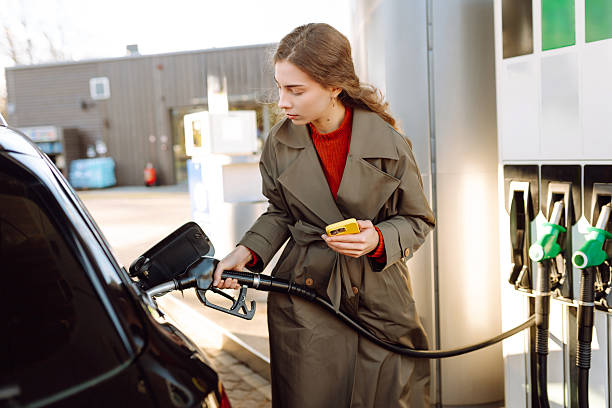
It usually starts at the pump. What used to be a quick stop becomes a moment of pause, maybe even a quiet calculation. People are beginning to adjust how often they drive, combine errands, or rethink weekend plans. It’s not dramatic, just subtle changes that slowly become habits. Fuel prices are often the first signal households respond to, and the response tends to ripple outward into broader spending behavior.
Over time, that shift doesn’t stay limited to driving. Higher fuel costs influence delivery charges, ride shares, and even public transportation fares. Businesses pass on increased logistics costs, and consumers feel it in small but steady increments. It becomes less about one tank of gas and more about how that cost echoes through daily routines. You might not notice it all at once, but it builds quietly, shaping decisions in ways that feel both practical and necessary.
2. Grocery Bills Climb

A trip to the grocery store starts to feel different, even if the list hasn’t changed. Prices edge upward, sometimes by a little, sometimes enough to make you pause. It’s not always obvious that oil plays a role, but transportation and production costs are deeply tied to energy. Rising oil prices increase the cost of food production and distribution, making everyday staples more expensive.
What makes it more noticeable is the frequency. Groceries are a regular expense, so even small increases stand out over time. People begin swapping brands, buying in bulk, or skipping non-essentials. It’s not about panic, just quiet adjustments that reflect a changing reality. The connection between oil and food might feel indirect, but it becomes clearer with every receipt. And in those small moments, the global starts to feel local in a way that’s hard to overlook.
3. Thoughts on Travel Plans

Planning a trip used to feel like an escape, something to look forward to without too many complications. Now, there’s often an extra layer of consideration. Airfare rises, road trips cost more, and even hotel prices can reflect higher operating expenses. Jet fuel costs are a major component of airline pricing, and when oil rises, ticket prices tend to follow.
This doesn’t mean people stop traveling altogether. Instead, they adapt. Shorter trips, closer destinations, or more careful budgeting become part of the process. The excitement is still there, just balanced with a bit more awareness. It’s a gentle shift, one that reflects a broader pattern. Rising oil prices don’t take experiences away, but they do reshape how those experiences are planned and enjoyed.
4. Small Businesses Feeling the Pressure

Behind the scenes, small businesses often feel the impact earlier and more intensely. Delivery costs rise, supply chains tighten, and margins become thinner. Owners make careful decisions about pricing, sometimes absorbing costs, other times passing them on. We try not to raise prices too quickly, but when fuel costs go up, it affects almost everything we do.
For customers, the changes might appear as slight price increases or fewer discounts. For businesses, it’s a balancing act between staying competitive and staying afloat. These adjustments don’t always make headlines, but they’re happening every day. It’s a reminder that the ripple effect isn’t just economic, it’s personal, touching livelihoods and communities in ways that are both immediate and lasting.
5. A Shift in Everyday Spending

Over time, all these small changes begin to shape a broader mindset. People become more mindful, more intentional about where their money goes. It’s not necessarily about cutting back completely, but about making choices with a bit more care. Sustained increases in oil prices tend to influence consumer confidence and spending patterns over time.
This shift doesn’t feel sudden. It builds gradually, influenced by repeated experiences at the pump, the store, and beyond. And in that gradual change, there’s a quiet understanding forming. The world is connected in ways that are easy to overlook until something like this brings it into focus. It’s not all negative, though. It encourages awareness, adaptability, and a deeper appreciation for how everyday life is shaped. And in that awareness, people find ways to adjust, to plan, and to move forward with a little more intention.
6. Online Shopping Gets More Expensive
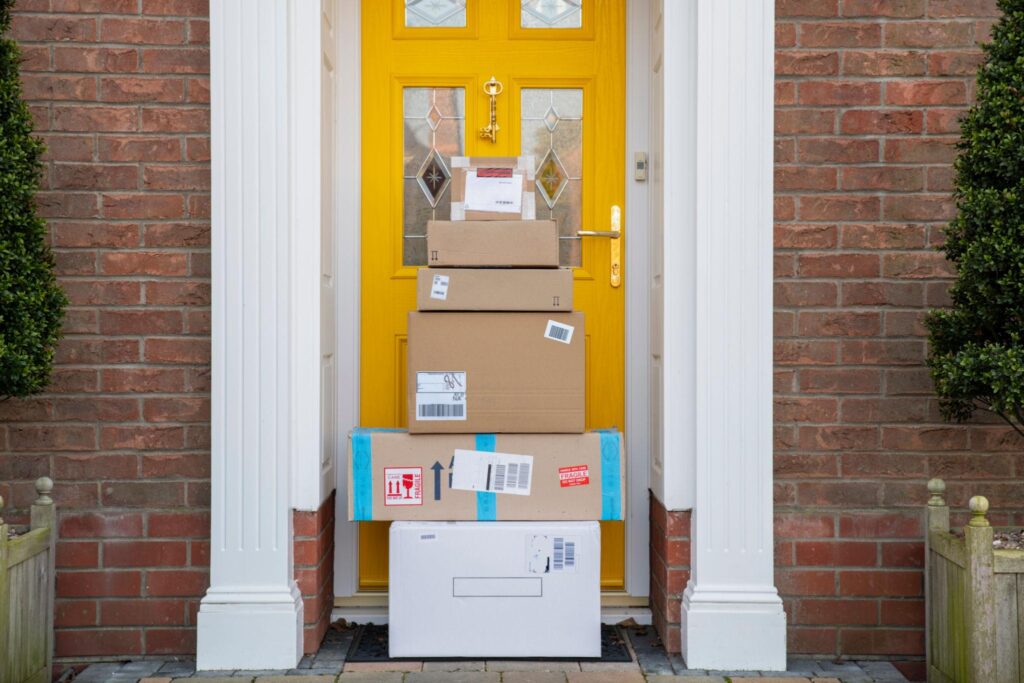
It often shows up in ways that are easy to miss at first. A delivery fee that used to be free now carries a small charge, or the minimum spend for free shipping creeps higher. Behind the scenes, fuel costs are shaping how packages move, from warehouses to front doors. Transportation expenses are among the most sensitive to fuel price fluctuations, especially in last-mile delivery. That reality slowly filters into everyday online habits.
Over time, people begin to notice patterns. They might bundle orders, wait longer before checking out, or compare retailers more carefully. It’s not about stopping convenience, just adjusting to its evolving cost. Retailers, on their part, balance expectations with rising expenses, often quietly shifting policies. The change feels subtle but steady, like a background adjustment to something once taken for granted. And in that shift, online shopping becomes just a little more thoughtful, shaped by forces that extend far beyond the screen.
7. Utility Bills Tell Bigger Story
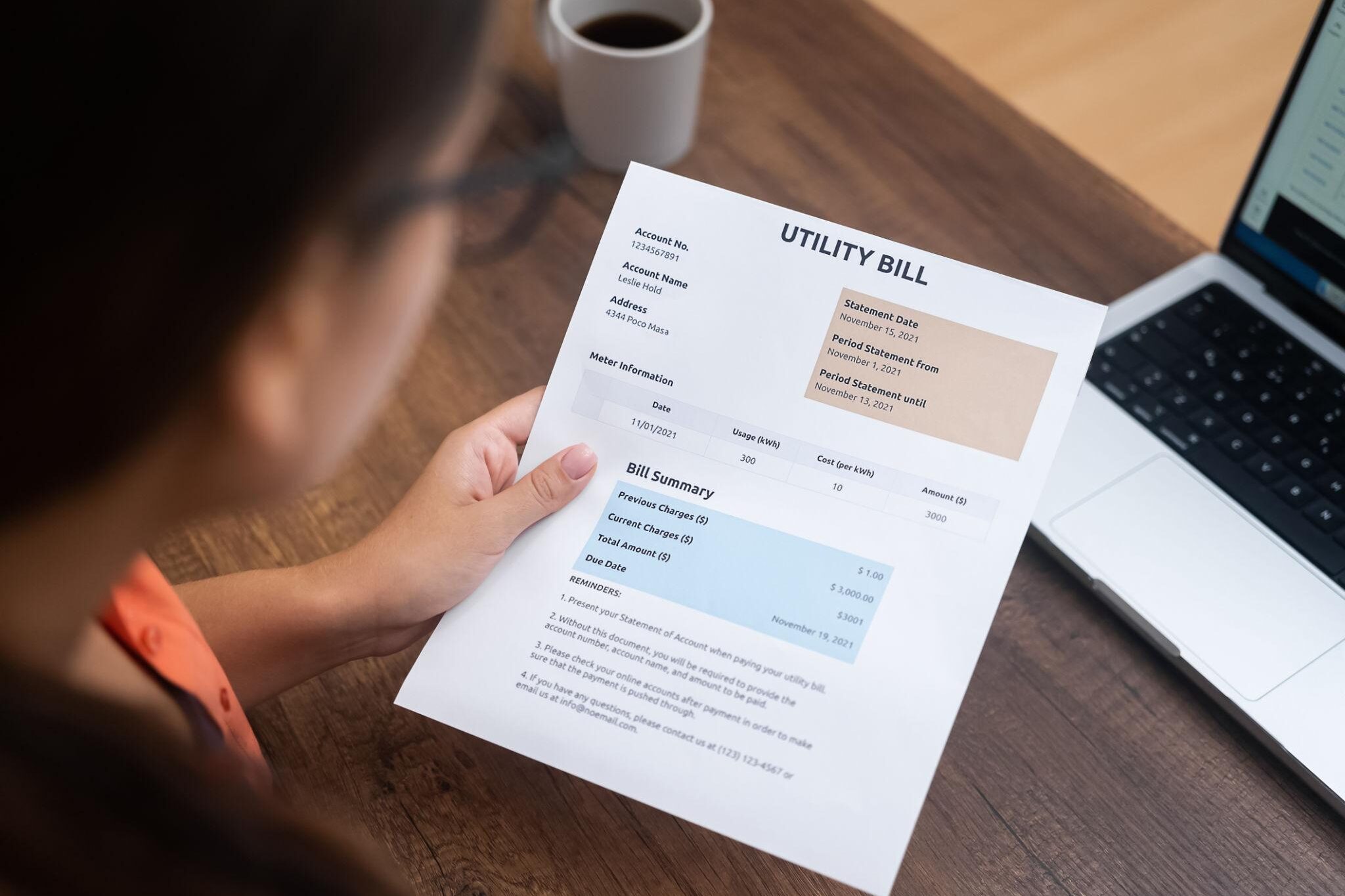
At home, the impact feels closer, more personal. Electricity and heating costs begin to edge upward, sometimes gradually, sometimes enough to prompt a second look at the bill. Energy markets are deeply connected, and oil price movements often influence broader energy costs. Oil price trends can indirectly affect electricity and heating expenses, depending on regional energy mixes. It’s a connection that becomes clearer over time.
People respond in simple, practical ways. Turning off lights more often, adjusting thermostats, or being mindful of usage during peak hours. These aren’t drastic changes, just small habits that add up. What’s interesting is how awareness grows alongside these actions. Utility bills stop being routine and start feeling like indicators of something larger. They reflect not just personal consumption, but global shifts playing out in everyday life. And in that awareness, people find quiet ways to adapt without losing comfort.
8. Commutes Feel Different
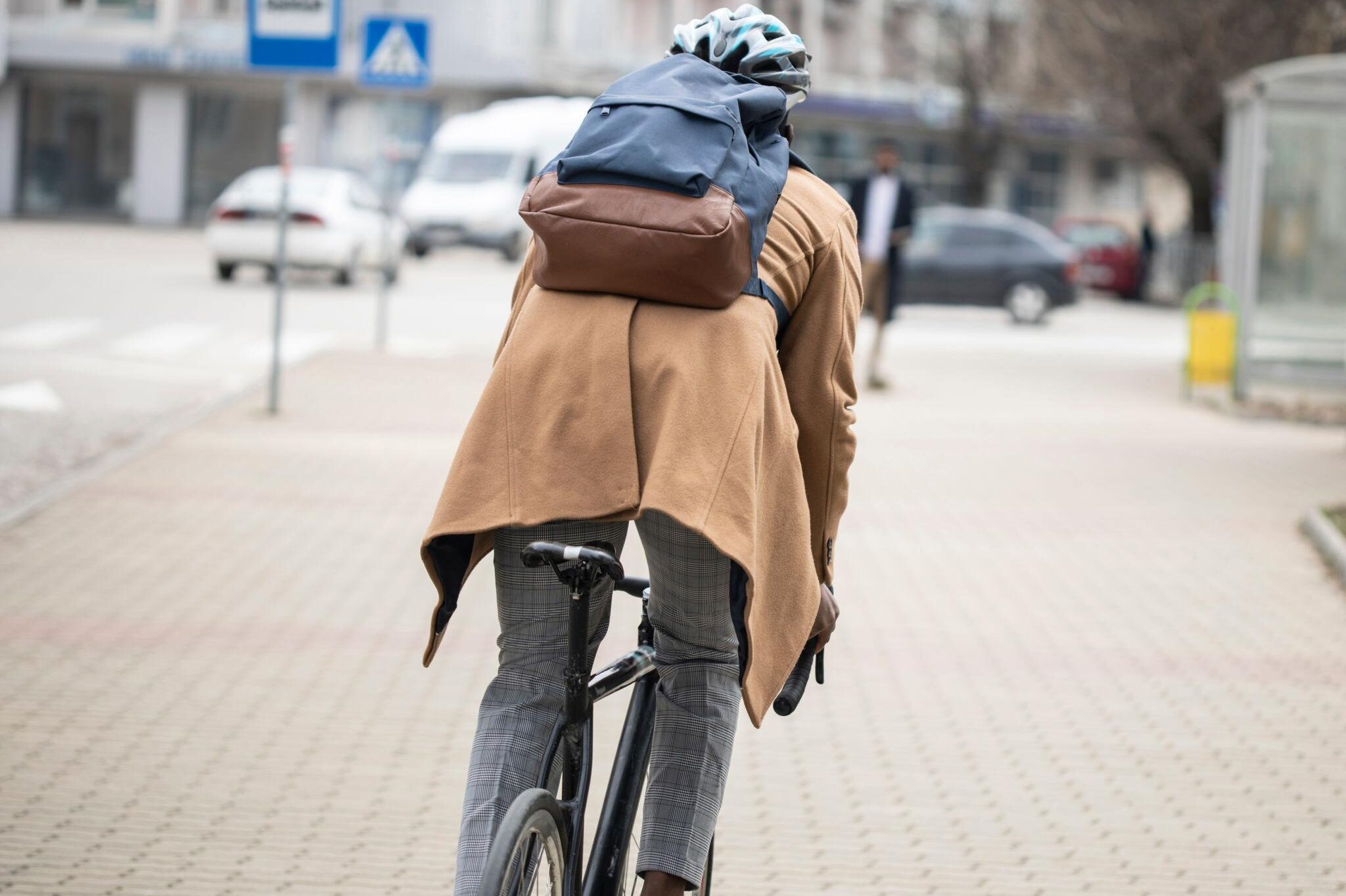
The daily commute has always been part of the rhythm of life, but rising fuel costs can gently reshape that routine. Some people begin leaving earlier to avoid traffic, while others explore carpooling or remote work options. It’s not always a big decision, just a series of small adjustments that make the journey more manageable. Higher fuel prices often encourage shifts in commuting behavior, even if gradually.”
What stands out is how these changes blend into normal life. Conversations about gas prices become more common, and choices about routes or timing carry a bit more intention. Employers may also adapt, offering flexible schedules or hybrid arrangements. It’s a shared experience, one that connects people across different routines. The commute doesn’t disappear, but it evolves, reflecting a balance between necessity and awareness. And in that evolution, something as routine as getting to work starts to tell a broader story.
9. Global News Feels Closer to Home

There was a time when oil price discussions felt distant, tied to places and policies far removed from daily life. Now, those headlines carry a different weight. News about supply cuts, geopolitical tensions, or production changes starts to feel more relevant. Global oil dynamics increasingly influence local economic experiences, making international developments more immediate for consumers.
This shift changes how people engage with information. News becomes less abstract and more connected to personal decisions, from budgeting to planning ahead. It’s not about becoming an expert, just paying a bit more attention. Conversations at home or among friends begin to include these topics, naturally weaving global context into everyday thinking. The distance between world events and personal impact feels smaller. And in that closeness, understanding grows, making it easier to see how interconnected everything truly is.
10. Adjusting Becomes Second Nature

After a while, all these small shifts begin to settle into something familiar. What once felt like a change starts to feel like the new normal. People adapt without overthinking it, finding ways to balance costs and priorities. Consumers tend to adjust behavior over time, integrating higher energy costs into their everyday decision-making.” It’s a gradual process, shaped by repetition and experience.
What’s reassuring is how natural that adjustment can feel. Life continues, routines hold steady, and people find their rhythm again. The awareness remains, but it’s no longer overwhelming. Instead, it becomes part of how decisions are made, quietly guiding choices without dominating them. And in that steady adaptation, there’s a sense of resilience. The ripple effect doesn’t disappear, but it becomes something people learn to navigate with ease. If this feels familiar, take a moment to notice how you’ve adjusted too, and share that perspective with someone who might be finding their way through it.
11. Everyday Goods Carry Hidden Costs

At first, it’s not something you can easily point to. A household item costs a little more, a piece of clothing feels slightly pricier, or a simple repair comes with a higher quote. These changes don’t always come with explanations, but they often trace back to rising transportation and production costs tied to oil. Energy prices influence nearly every stage of production, from raw materials to final delivery. That influence quietly finds its way into everyday purchases.
Over time, people begin to notice these subtle shifts across different categories. It’s not just one item, but a pattern that stretches across shelves and services. The response is usually calm and practical. Comparing options, delaying non-urgent purchases, or simply becoming more aware of value. Businesses adjust too, trying to balance affordability with rising costs behind the scenes. The result is a shared adjustment that feels steady rather than sudden. And in that steady change, everyday goods begin to reflect a much bigger story, one that connects global energy markets to the smallest details of daily life.
12. Wages and Expectations Shift

Conversations around money begin to feel a little different. It’s not always about immediate change, but about growing awareness. Employees think more carefully about wages, while employers consider how rising costs affect what they can offer. Oil prices play a role here too, influencing inflation and shaping broader economic conditions. Sustained energy cost increases can contribute to inflationary pressure, affecting both wages and purchasing power.
This doesn’t always lead to quick outcomes, but it does shape expectations over time. People may ask for raises, explore new opportunities, or rethink long-term plans. Employers, in turn, weigh decisions carefully, balancing sustainability with fairness. The shift feels gradual, almost conversational, unfolding across workplaces in quiet ways. It’s less about sudden change and more about evolving perspectives. And in that evolution, there’s a growing understanding of how deeply connected income, costs, and global trends really are. It becomes part of how people plan, negotiate, and move forward.
13. Awareness Becomes Long-Term Thinking

After experiencing these changes in different areas of life, something deeper begins to take shape. People start thinking not just about today, but about what lies ahead. Rising oil prices become less of a headline and more of a signal, encouraging reflection on habits, choices, and plans. Periods of high oil prices often encourage shifts toward efficiency and alternative solutions over time.
This doesn’t happen all at once. It builds gradually through everyday experiences, from budgeting to decision-making. Some may consider energy-saving options, others may simply aim for more stability in spending. The key shift is in mindset. There’s a quiet move toward being prepared rather than reactive. And in that space, people begin to feel a bit more in control, even as external factors continue to change. The ripple effect, once surprising, becomes something understood and managed. If this journey feels familiar, take a moment to reflect on what has changed for you, and share your thoughts with someone else who may be noticing it too.


