
1. Robot Vacuum
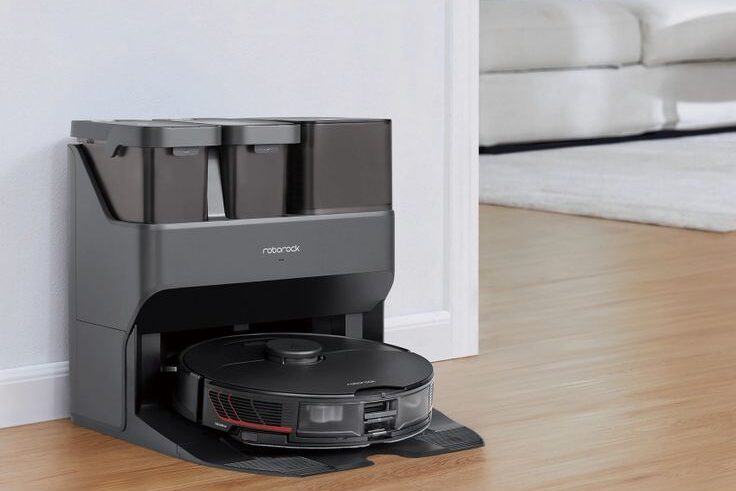
It is funny how some gadgets sound unnecessary until you actually live with them. A vacuum that moves on its own once sounded like something made for lazy people or tech lovers who just wanted a new toy. When robot vacuums first appeared, many people assumed they would get stuck under chairs, bump into walls, and leave dust behind. But once people started using them daily, the story slowly changed. Homes stayed cleaner without extra effort, especially in busy households where sweeping every day felt tiring. Over time, the small convenience began to matter more than perfection, and people noticed cleaner floors without thinking much about it.
What made robot vacuums work was consistency. Instead of deep cleaning once in a while, they quietly handled crumbs, dust, and pet hair every day. That small routine created a noticeable difference. People came home to tidy floors without lifting a finger, and that feeling felt surprisingly comforting. Even those who doubted them at first started recommending them to friends and family. It was not about replacing traditional cleaning. It was about making everyday life easier in a quiet way. And slowly, what once sounded unnecessary became something many households now consider genuinely helpful and worth having around.
2. Fitness Trackers
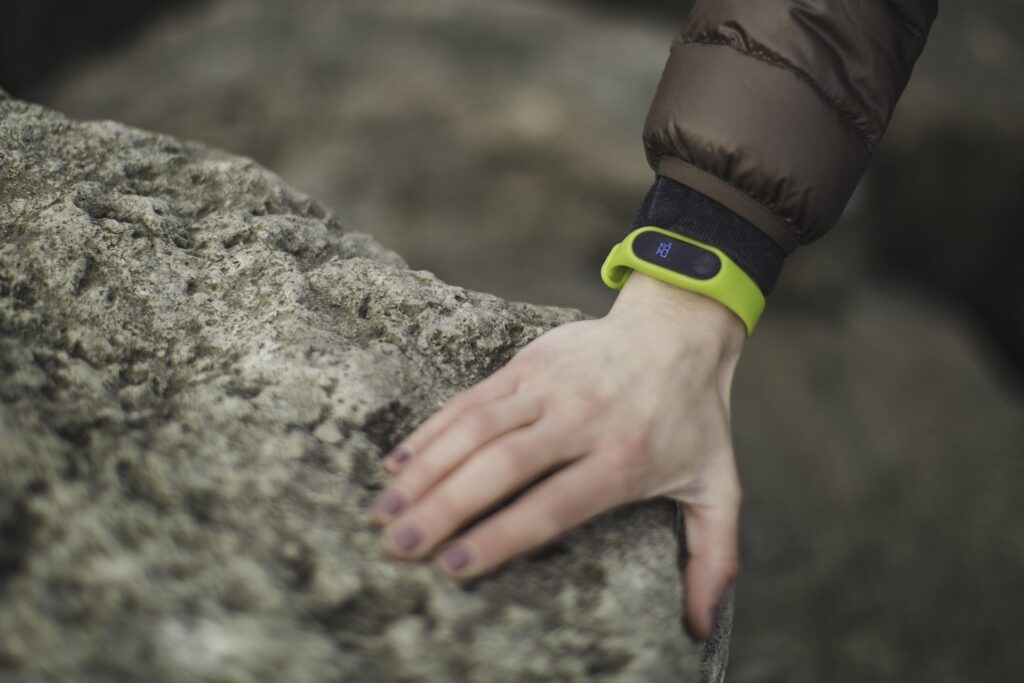
At first, counting steps sounded too simple to be useful. After all, most people already knew they should move more during the day. When fitness trackers appeared, some people wondered why anyone would wear a device just to track walking. But once people clipped one on or wore one on their wrist, something interesting happened. Seeing your daily movement made health feel more real and more achievable. Suddenly, small actions like walking to the store or taking the stairs felt meaningful. That gentle awareness slowly changed habits without requiring dramatic lifestyle changes or complicated workout routines.
What made fitness trackers work was the quiet motivation they created. Watching numbers increase throughout the day felt rewarding, even when the activity was simple. People began setting small goals, taking short walks, and becoming more mindful of movement. Over time, those little decisions added up. Friends compared step counts, families encouraged each other, and daily movement became part of conversation. It did not feel like pressure. It felt like encouragement. What once sounded like a basic idea became something people relied on to stay active in a realistic way. Sometimes, small reminders are all people need to move a little more each day.
3. GoPro Cameras
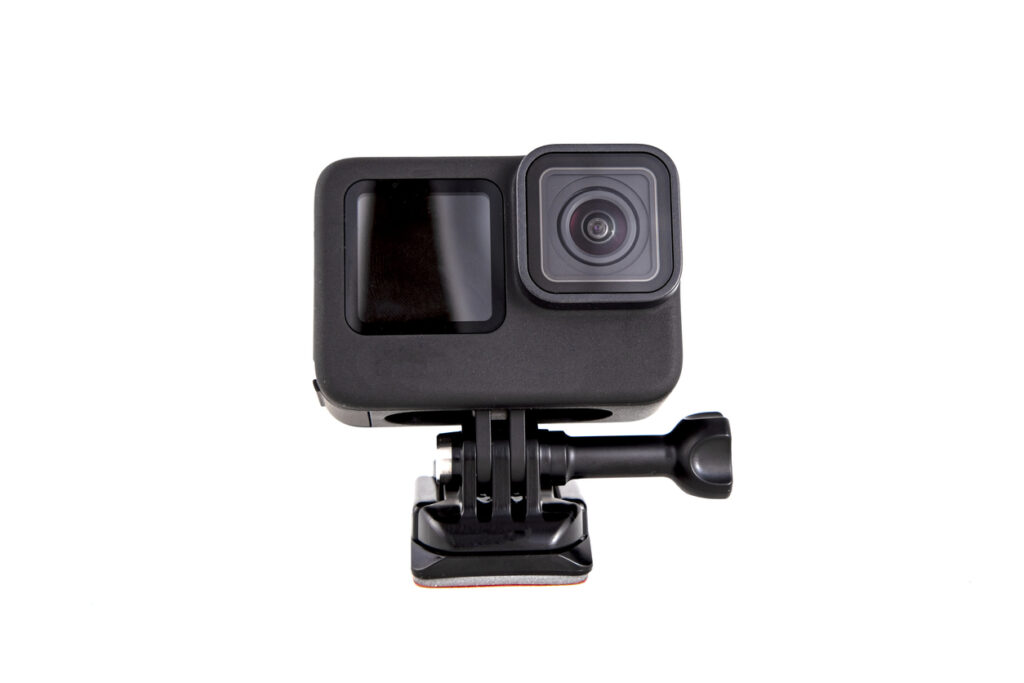
When small action cameras first appeared, they seemed designed only for surfers, cyclists, or extreme athletes. Most people did not imagine needing a tiny camera strapped to a helmet or mounted on a bike. It felt like a niche product with limited appeal. But as more people experimented with them, the uses quickly expanded. Travelers used them on vacations, parents recorded family outings, and hikers captured scenic trails. The small size and durability made them easy to carry without thinking too much about setup. Suddenly, capturing everyday adventures felt simple and natural rather than complicated or staged.
What made these cameras stand out was how effortlessly they fit into real life. Instead of planning shots, people simply pressed record and let moments unfold naturally. That relaxed approach created memories that felt genuine and spontaneous. Even casual users found themselves enjoying the experience of documenting small moments. Over time, the idea of filming everyday adventures became normal. What once sounded like a gadget for thrill seekers became something families and travelers appreciated. Sometimes, technology works best when it quietly captures life without interrupting it, and that is exactly why these small cameras found their place in everyday life.
4. Kindle
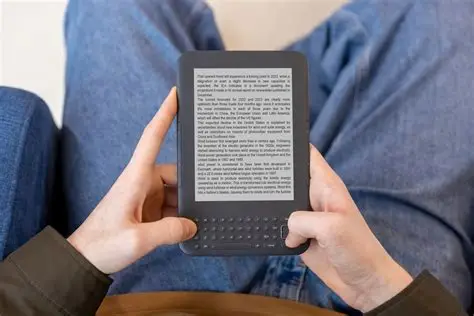
There was a time when reading on a screen felt uncomfortable and unnecessary. Many people loved the feel of paper books and could not imagine replacing them with a device. When the Kindle first appeared, the idea of carrying a digital library sounded interesting but not convincing. People worried about eye strain, battery life, and whether reading would still feel relaxing. But once readers started using Kindle, they discovered something different. The screen felt gentle on the eyes, and the ability to carry multiple books in one place made reading easier during travel, commuting, or quiet evenings at home.
What truly made Kindle work was how naturally it fit into everyday routines. Readers could adjust font sizes, read in low light, and switch between books without effort. It did not try to replace the joy of physical books. Instead, it offered convenience where it mattered most. People found themselves reading more often because the device made it easier to pick up where they left off. Over time, Kindle became less of a tech gadget and more of a reading companion. What once sounded unnecessary slowly became something many readers quietly appreciated and relied on daily.
5. Smart Doorbells
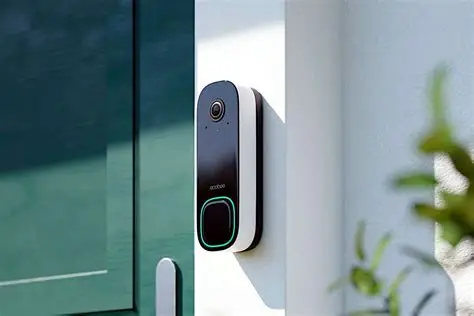
A doorbell with a camera once sounded like something only tech enthusiasts would consider. Most people were used to simple doorbells that rang and nothing more. But as deliveries increased and people spent more time away from home, the idea began to make sense. Smart doorbells allowed homeowners to see visitors through their phones, whether they were inside the house or miles away. At first, it sounded like an extra feature that few people needed. Yet once installed, many realized how practical it felt during everyday situations.
The convenience quickly became noticeable. People could answer deliveries, check unexpected visitors, or simply feel more aware of what was happening outside their homes. It added a small sense of reassurance without requiring much effort. Families appreciated the added awareness, especially during busy days or when traveling. Over time, the gadget stopped feeling like a luxury and started feeling practical. What once sounded unnecessary slowly became a helpful everyday tool. Sometimes, the most useful innovations are the ones that quietly solve common problems people face without even realizing they needed a solution.
6. Tile Trackers
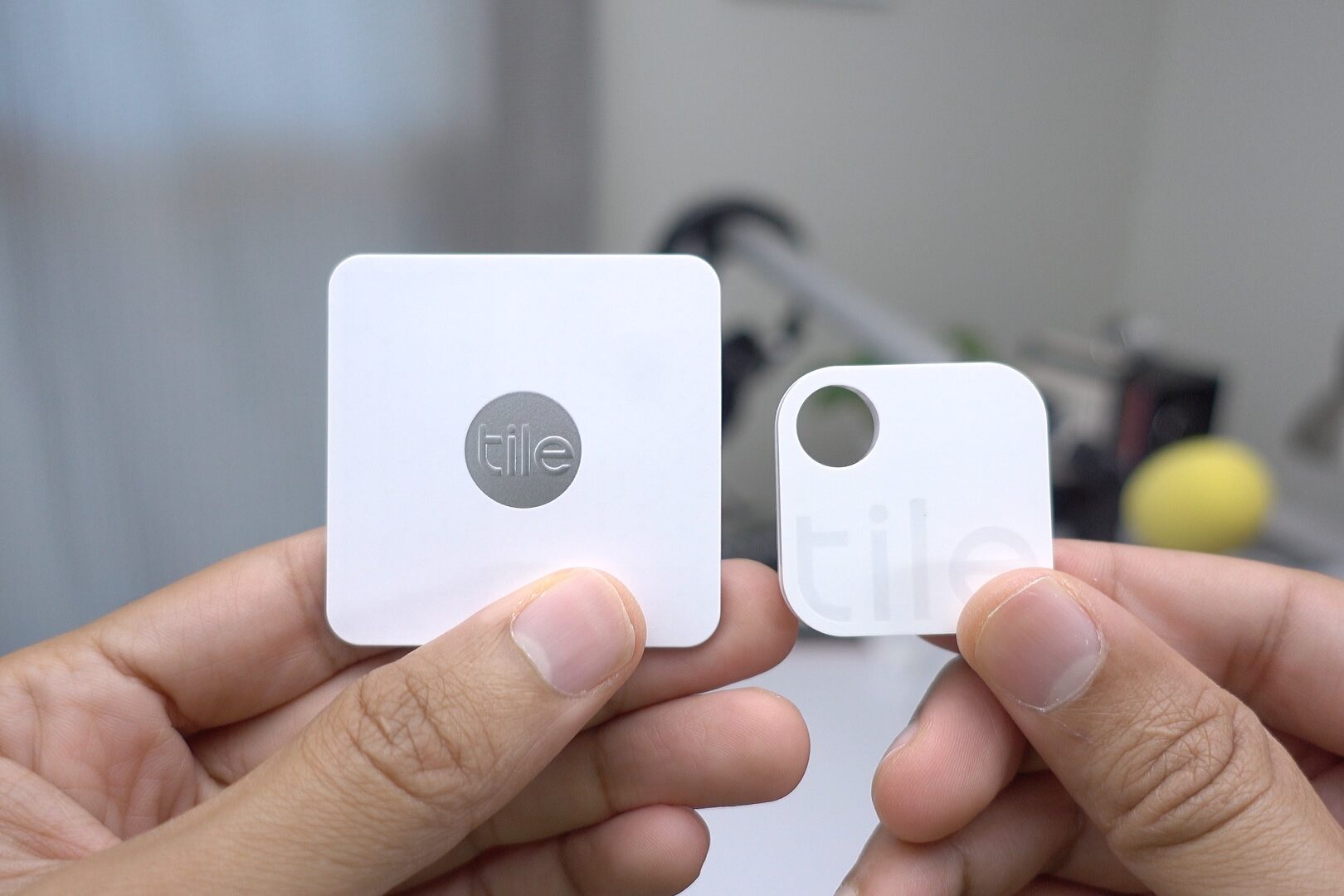
Almost everyone has experienced that familiar moment of searching for keys while running late. A small tracker for personal items sounded simple, but also easy to overlook. When Tile trackers appeared, some people wondered if they would actually be useful. The idea was straightforward. Attach a small device to your keys, wallet, or bag, and locate it using your phone. It did not sound groundbreaking at first, but it addressed a very common frustration that many people experience daily.
Once people started using Tile, the convenience became clear. Instead of searching through rooms, users could quickly locate misplaced items. That small time saving made daily routines smoother and less stressful. People began attaching trackers to more than just keys, including backpacks, remote controls, and luggage. The simplicity made it easy to adopt without much effort. Over time, what sounded like a small idea became a helpful habit. Sometimes, gadgets succeed because they quietly solve everyday problems. Tile did exactly that by offering a simple solution to something people deal with more often than they realize.
7. Nintendo Wii
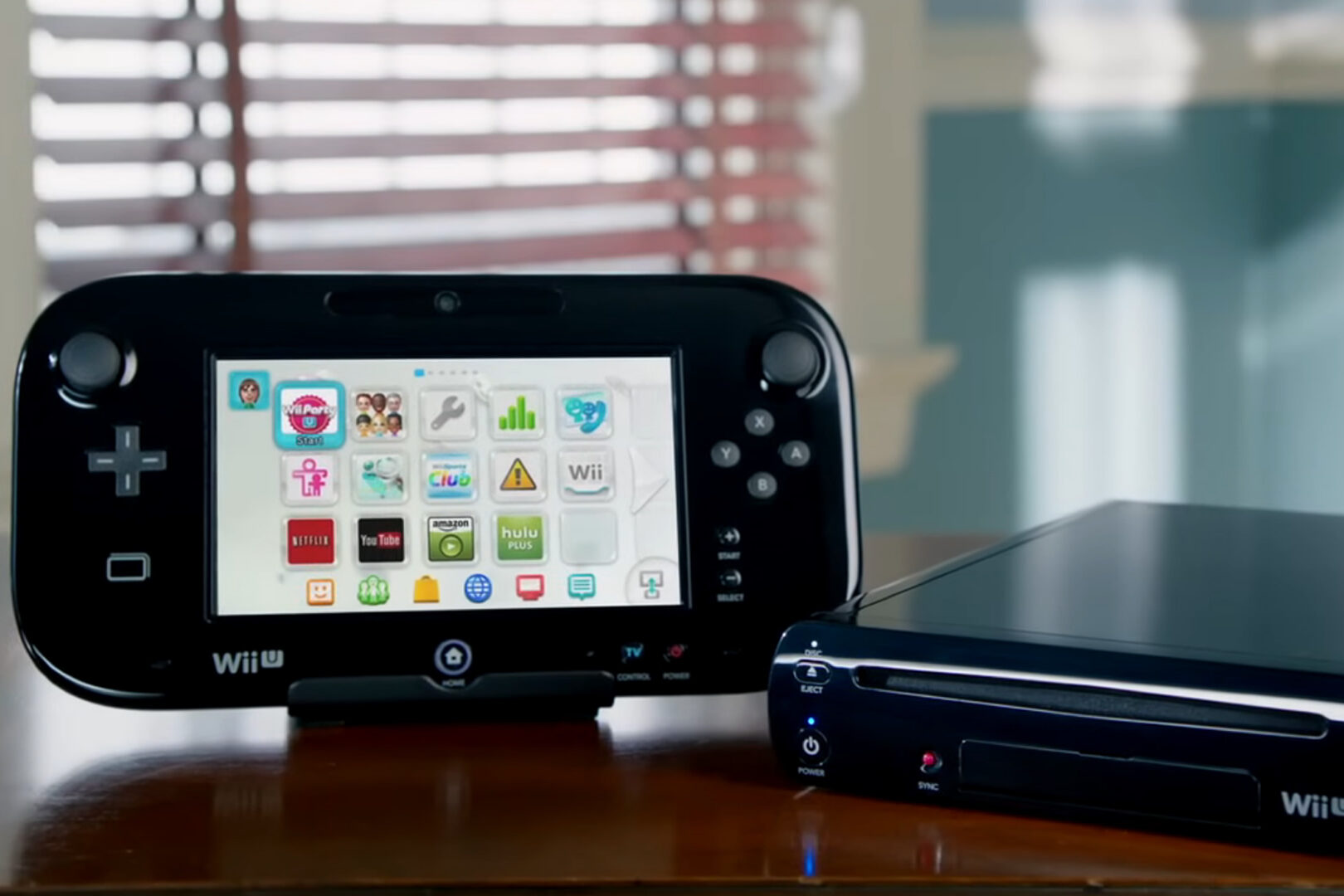
When Nintendo introduced the Wii, many people were unsure about motion controlled gaming. At the time, gaming consoles were competing based on graphics and processing power, so a system built around physical movement sounded unusual. Instead of pressing buttons while sitting still, players were asked to swing controllers, bowl, and play tennis using body movement. It felt different and slightly awkward at first. But once families tried it, the experience quickly became more inviting. People who had never played games before found themselves laughing and participating without needing complex instructions or gaming experience.
What made the Wii work was how naturally it brought people together. Living rooms became small bowling alleys, tennis courts, and party spaces where everyone could join in. Parents, grandparents, and children played side by side without feeling left out. The simplicity removed barriers and made gaming feel less intimidating. Over time, the Wii became known for its social experience rather than technical features. What sounded like an unusual approach quietly became one of the most welcoming gaming experiences many households enjoyed, proving that sometimes accessibility matters more than advanced technology.
8. Polaroid Instant Cameras
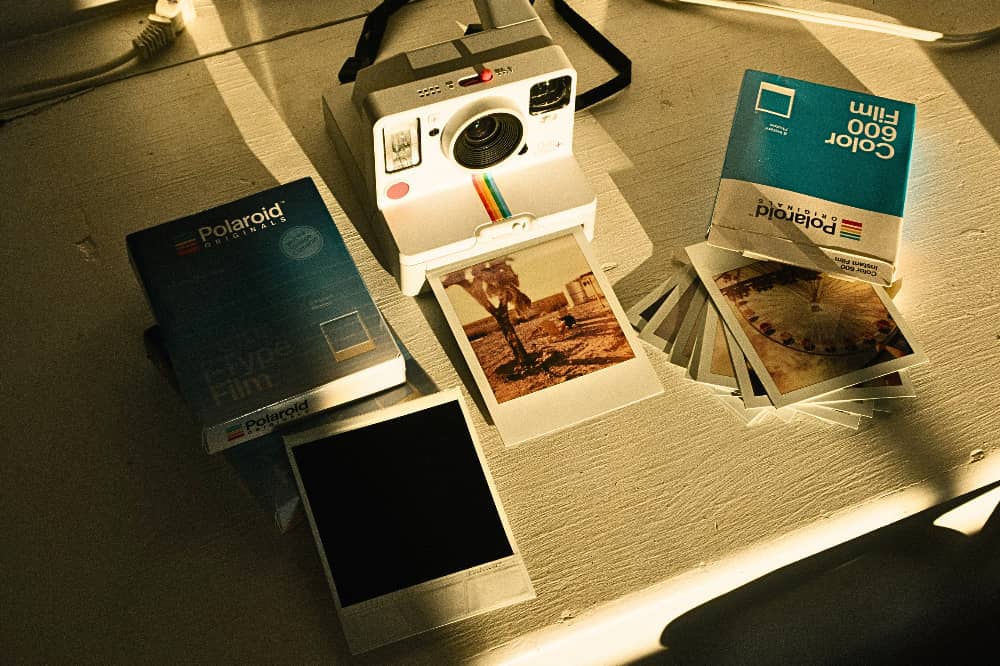
When smartphones made photography instant and convenient, instant cameras seemed outdated. Taking a photo and waiting for it to print felt slower compared to snapping and sharing digitally. Many people assumed instant cameras would fade away completely. Yet something unexpected happened when they returned. People began appreciating the physical experience of holding a photo in their hands. The small printed images felt personal, and the imperfections made them feel more genuine. It created a moment that digital photos sometimes lacked.
Instant cameras also encouraged people to be more thoughtful about photos. Since each print mattered, users slowed down and focused on capturing meaningful moments. Friends shared photos during gatherings, and families placed them on walls or albums. The experience felt warm and tangible. Over time, instant cameras found a place alongside smartphones rather than competing with them. What sounded outdated slowly became refreshing. Sometimes, older ideas return because they offer something simple and human that modern technology does not always provide, and instant cameras quietly proved that point again.
9. Smartwatches Before They Became Mainstream
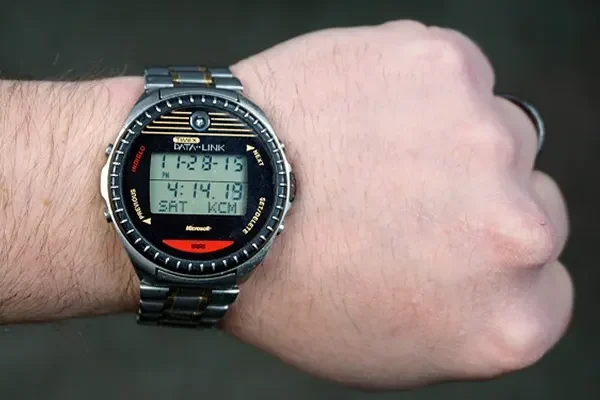
When smartwatches first appeared, many people wondered why anyone would need a mini screen on their wrist. Phones already handled notifications, calls, and messages. The idea of another device seemed unnecessary. Early models looked basic and limited, which made some people skeptical. But once users began wearing them daily, the convenience started to stand out. Glancing at a notification during meetings or checking the time while walking felt easier without reaching for a phone. That small convenience gradually became more meaningful in everyday routines.
Smartwatches also introduced subtle health tracking features that people appreciated. Monitoring steps, heart rate, and reminders to move created gentle awareness throughout the day. These features felt helpful rather than overwhelming. Over time, smartwatches became companions rather than accessories. People used them for quick updates, reminders, and simple tasks without interrupting their day. What sounded unnecessary slowly became practical. Sometimes, small conveniences build up quietly, and before long, a gadget that once seemed optional becomes something people feel comfortable wearing every single day.
10. Portable Bluetooth Speakers For Anywhere Music
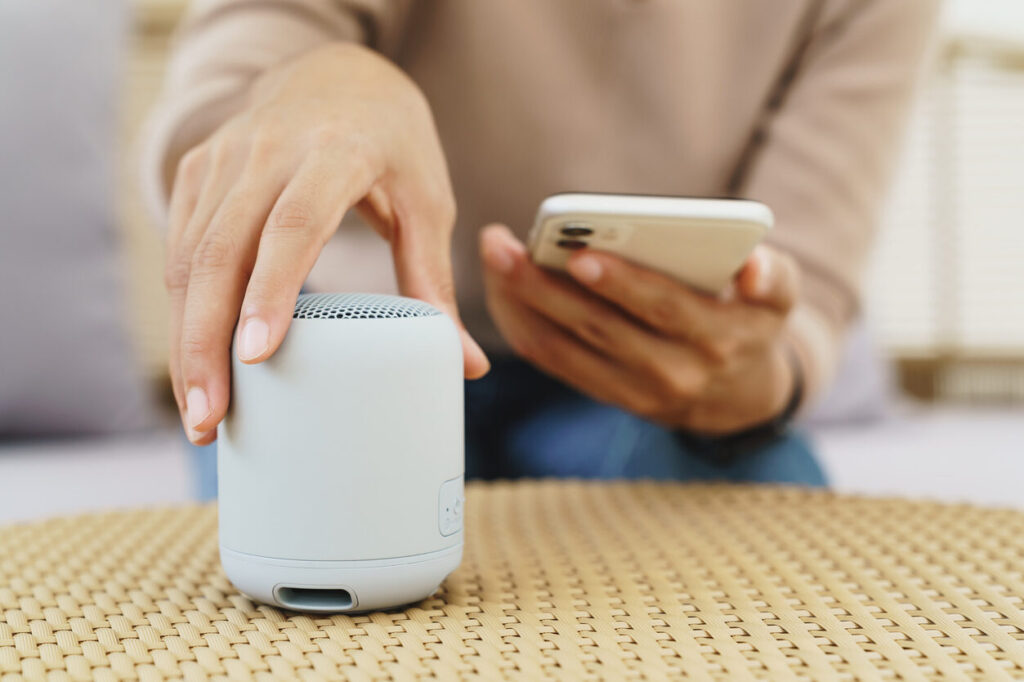
There was a time when listening to music outside the house required bulky equipment or wired speakers. Portable Bluetooth speakers sounded like a small upgrade, but not something people truly needed. Yet once these compact devices became widely available, they quickly found their way into everyday moments. People carried them into kitchens while cooking, placed them on desks during work, or brought them along for small gatherings. The ability to connect wirelessly without complicated setup made music feel more flexible and accessible.
What made portable speakers appealing was their simplicity. Turn them on, connect a phone, and music filled the room. That ease encouraged spontaneous listening during ordinary moments. Picnics, road trips, and quiet evenings felt more enjoyable with background music. Over time, these speakers became part of daily routines rather than special occasions. What sounded like a minor convenience quietly became something people reached for often. Sometimes, gadgets succeed by fitting naturally into everyday life, and portable Bluetooth speakers did exactly that without needing much attention.
11. Streaming Sticks That Replaced Cable Boxes
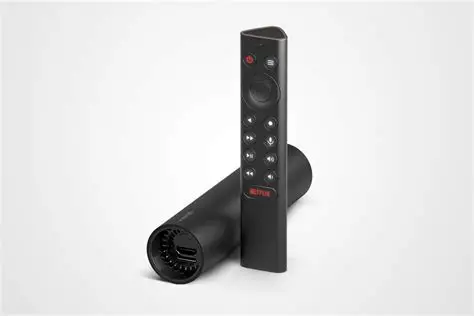
A small streaming stick that plugged into a television sounded too simple to replace traditional cable boxes. Many people were used to larger devices and complicated setups. The idea of using a tiny device for entertainment felt uncertain at first. But once users tried streaming sticks, they discovered how easy the experience could be. Plugging it into the television, connecting to the internet, and accessing shows instantly made entertainment feel more flexible and convenient.
Streaming sticks also gave viewers more control over what they watched and when they watched it. Instead of following scheduled programming, people chose content based on their preferences. That shift made entertainment feel more personal and relaxed. Over time, these small devices became common in households. What sounded minimal quietly changed viewing habits. Sometimes, the simplest gadgets create the biggest lifestyle changes, and streaming sticks proved that convenience and flexibility can reshape how people enjoy everyday entertainment.
12. Wireless Earbuds That Lost The Wires
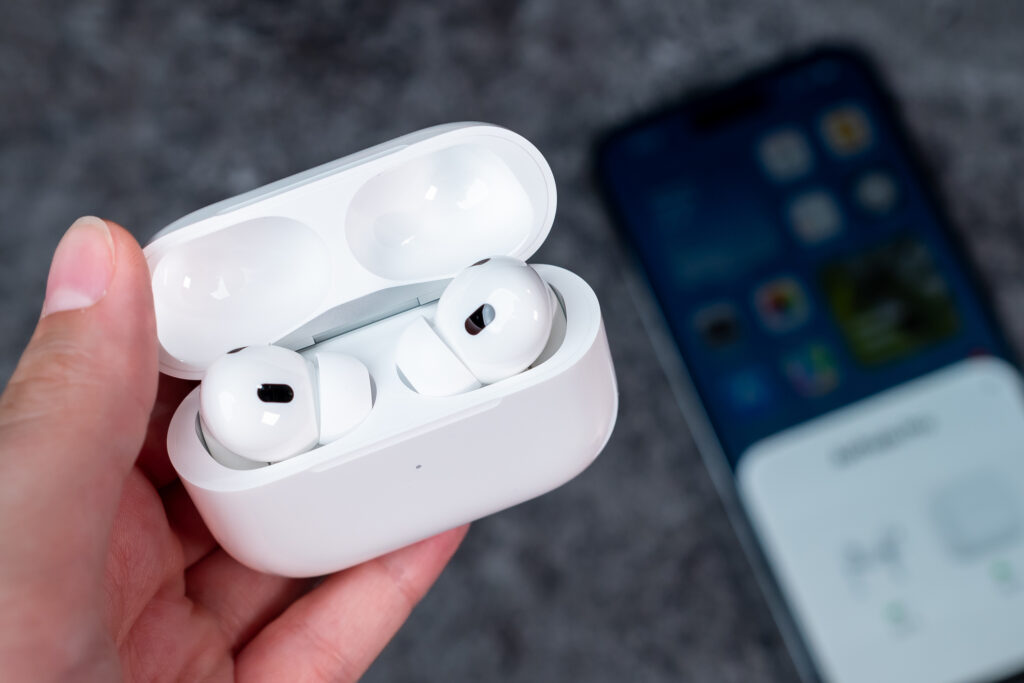
When wireless earbuds first appeared, many people worried about losing them or dealing with poor connections. Traditional wired earphones felt familiar and dependable. The idea of removing the wire sounded risky and unnecessary. But once people tried wireless earbuds, the freedom became noticeable. Walking, commuting, or exercising without tangled cords felt more comfortable and effortless. That small change improved everyday listening in ways people had not expected at first.
Wireless earbuds also made quick listening easier throughout the day. Taking calls, listening to music, or watching videos felt smoother without handling cables. Over time, users appreciated the portability and simplicity. What once seemed easy to lose became something people carried everywhere. Like many gadgets on this list, the change happened quietly. Small conveniences added up, and the idea that once sounded unnecessary became part of daily routines. Sometimes, the gadgets that feel optional at first slowly become the ones people rely on most without even realizing it.


