
1. The Big Win That Changed the Conversation
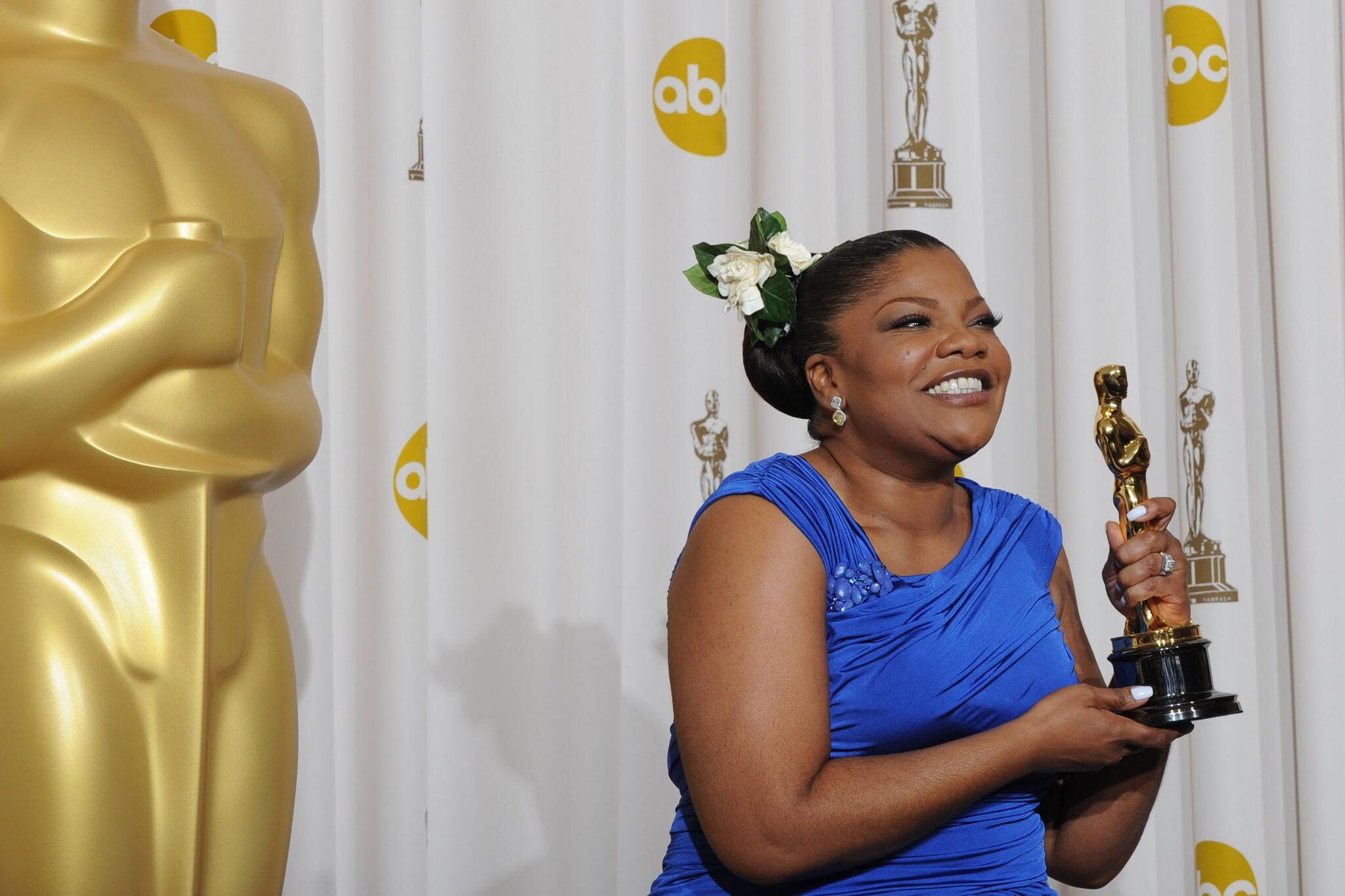
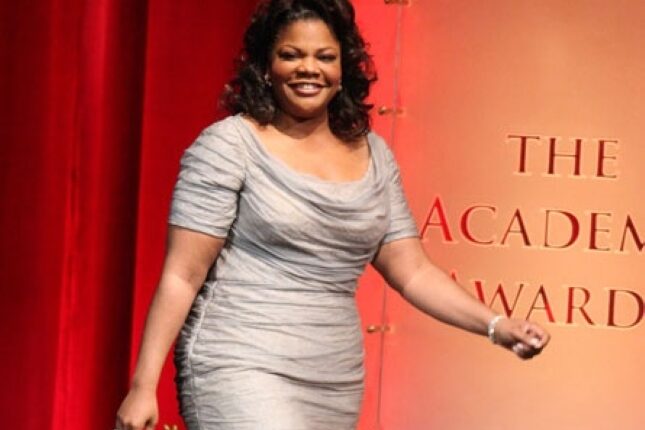
It felt like everything clicked into place the night Mo’Nique stood on that stage holding her Oscar. For many people watching, it wasn’t just a win, it was a long overdue recognition of her range and presence. She had come from comedy, television, and hosting, and suddenly she was being seen in a new light. In her speech, she said, “I would like to thank the Academy for showing that it can be about the performance and not the politics,” a line that stuck with people long after the applause faded.
But right after that moment, things didn’t quite follow the usual Hollywood script. Instead of a flood of major roles, there was a noticeable quiet. It left people wondering what shifted behind the scenes. For Mo’Nique, that win didn’t just elevate her, it also marked the beginning of a more complicated relationship with the industry she had just been celebrated by, one that would shape the years that followed.
2. Standing Firm in a Difficult Industry
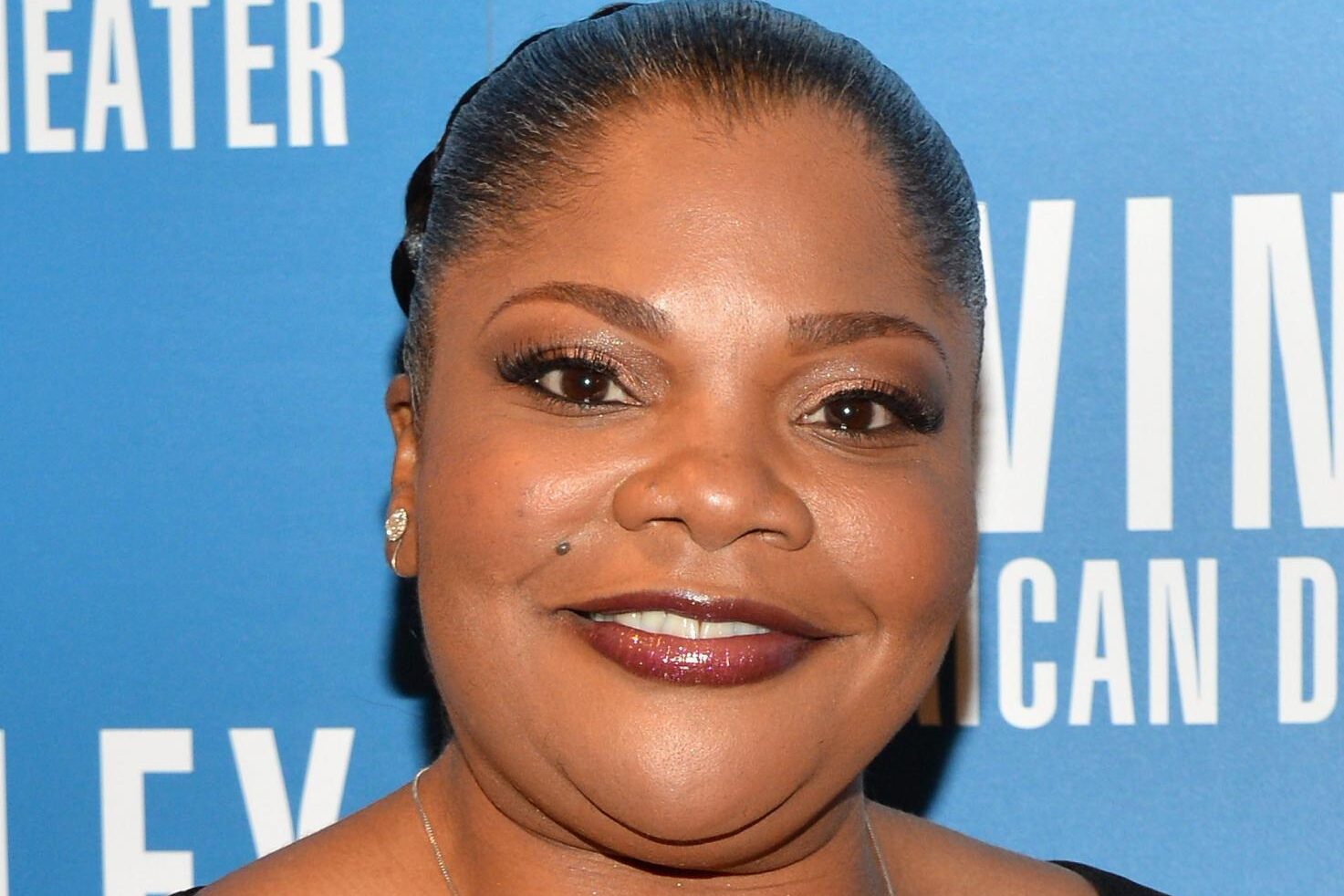
As time passed, it became clearer that Mo’Nique wasn’t stepping back quietly, she was standing her ground. She spoke openly about her experiences with industry expectations, especially around promotion and pay. Her disagreements with figures like Lee Daniels became public, and she described being labeled “difficult,” something many actors have quietly faced but rarely discuss out loud.
In interviews, she explained her position in simple terms, saying, “I was blackballed for telling the truth,” a statement that sparked debate across audiences. Some supported her honesty, while others questioned how things unfolded. Still, she didn’t seem interested in softening her stance just to fit in again. That period showed a different side of her, not just as a performer, but as someone willing to risk opportunities to stand by what she believed was fair, even if it meant walking a lonelier path for a while.
3. Taking Her Voice Beyond the Screen
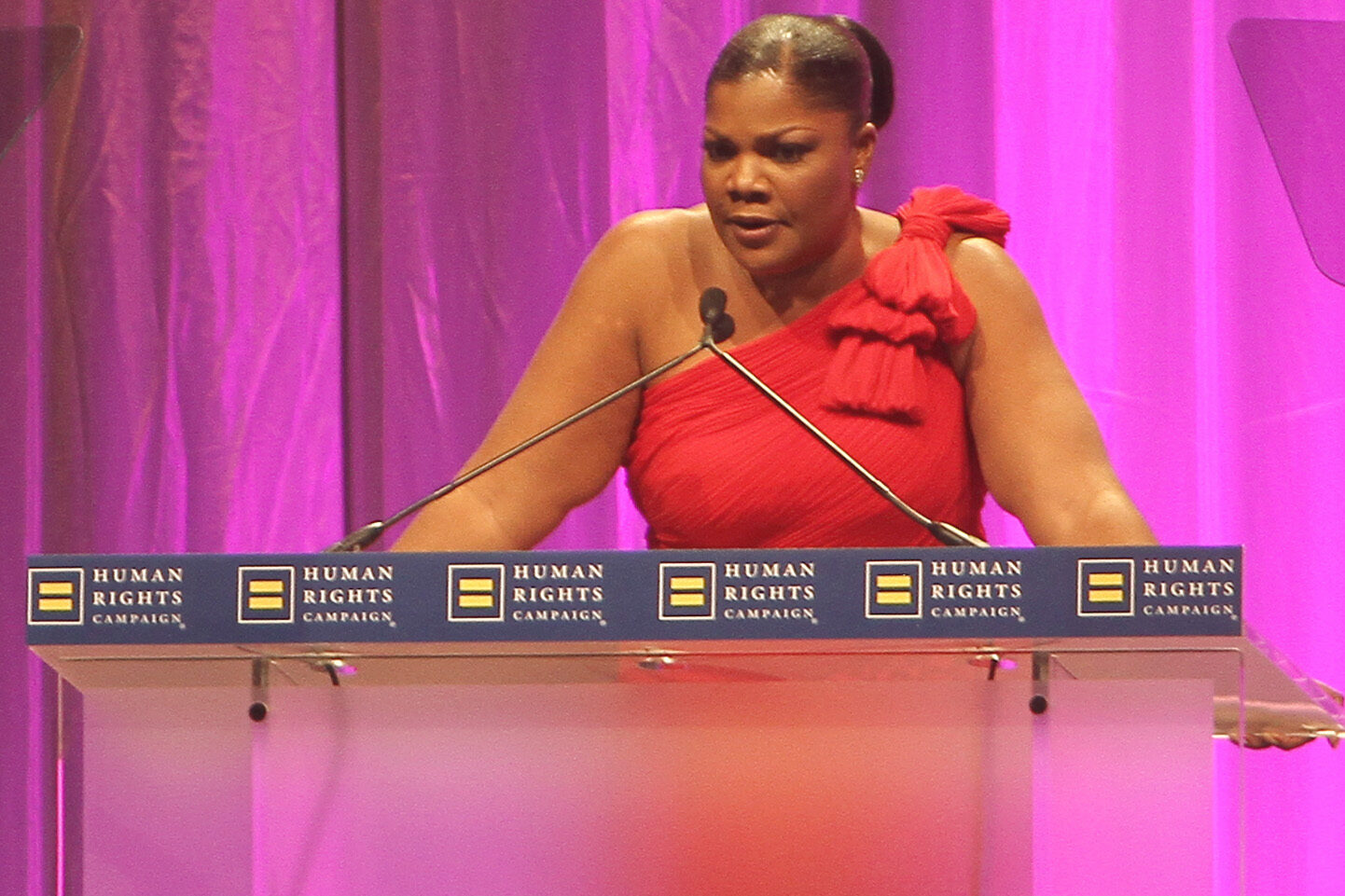
While film roles slowed down, Mo’Nique didn’t disappear, she simply shifted where she showed up. She leaned more into stand up, touring and connecting directly with audiences who had followed her from the beginning. There was something more personal about this phase, less polished maybe, but more real. She spoke about life, marriage, struggles, and the industry, often blending humor with honesty in a way that felt closer to conversation than performance.
She also began appearing in interviews and online platforms, where she had more control over her narrative. At one point, she shared, “I just want to be treated fairly,” a line that echoed across many of her discussions. It wasn’t about chasing fame anymore, it felt more like reclaiming her voice. In stepping outside traditional Hollywood structures, she built a space where she could still be heard, even if it didn’t always come with the same spotlight she once had.
4. The Netflix Dispute and a Broader Spotlight
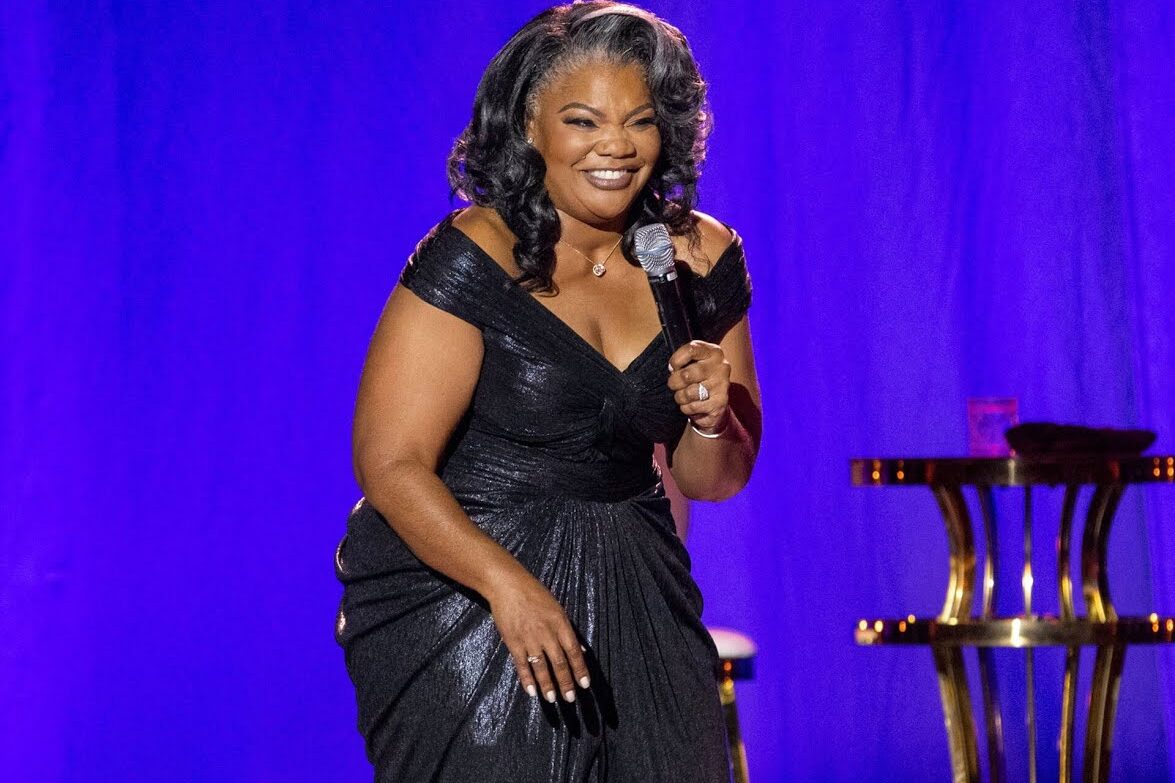
One of the moments that brought Mo’Nique back into wide public conversation was her dispute with Netflix. She publicly called out the company over what she described as a low offer for a comedy special, comparing it to deals given to other comedians. It wasn’t just about numbers, it opened up a wider discussion about pay equity, especially for Black women in entertainment.
She encouraged fans to boycott the platform at the time, saying, “I will not accept less,” which sparked mixed reactions. Some people stood firmly with her, seeing it as a necessary challenge to an unequal system. Others felt unsure about the approach. Either way, it brought her voice back into mainstream conversations. It reminded people that she hadn’t simply faded away, she was still actively engaging with the industry, just on her own terms, even when it meant taking on powerful companies publicly.
5. Rebuilding, Reconnecting, and Moving Forward
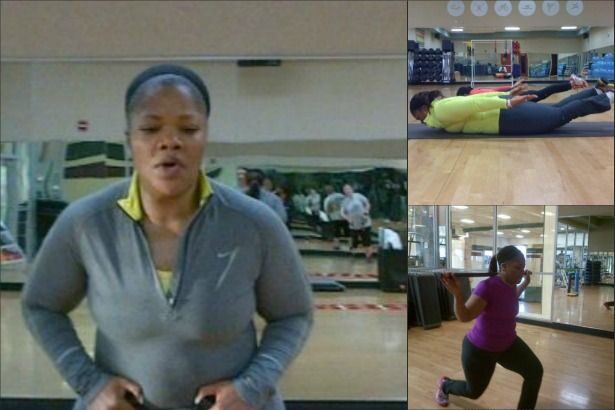
In more recent years, there’s been a noticeable shift, something softer, more reflective. Mo’Nique began reconciling with people she had once clashed with, including Lee Daniels, signaling a willingness to move forward without rewriting the past. She also returned to acting in projects that reminded audiences of her depth, showing that her talent had never left, it had just been waiting for the right space again.
There’s a sense now that her journey wasn’t about disappearing, but about redefining what success looks like on her own terms. She once said, “I know who I am,” and that seems to sit at the center of where she is today. Looking back, it all feels less like a fall from the spotlight and more like a long pause filled with difficult choices, quiet resilience, and gradual return. If you’ve followed her story this far, you already know it’s not finished, and that’s what makes it worth staying with.
6. The Weight of Being Called “Difficult”
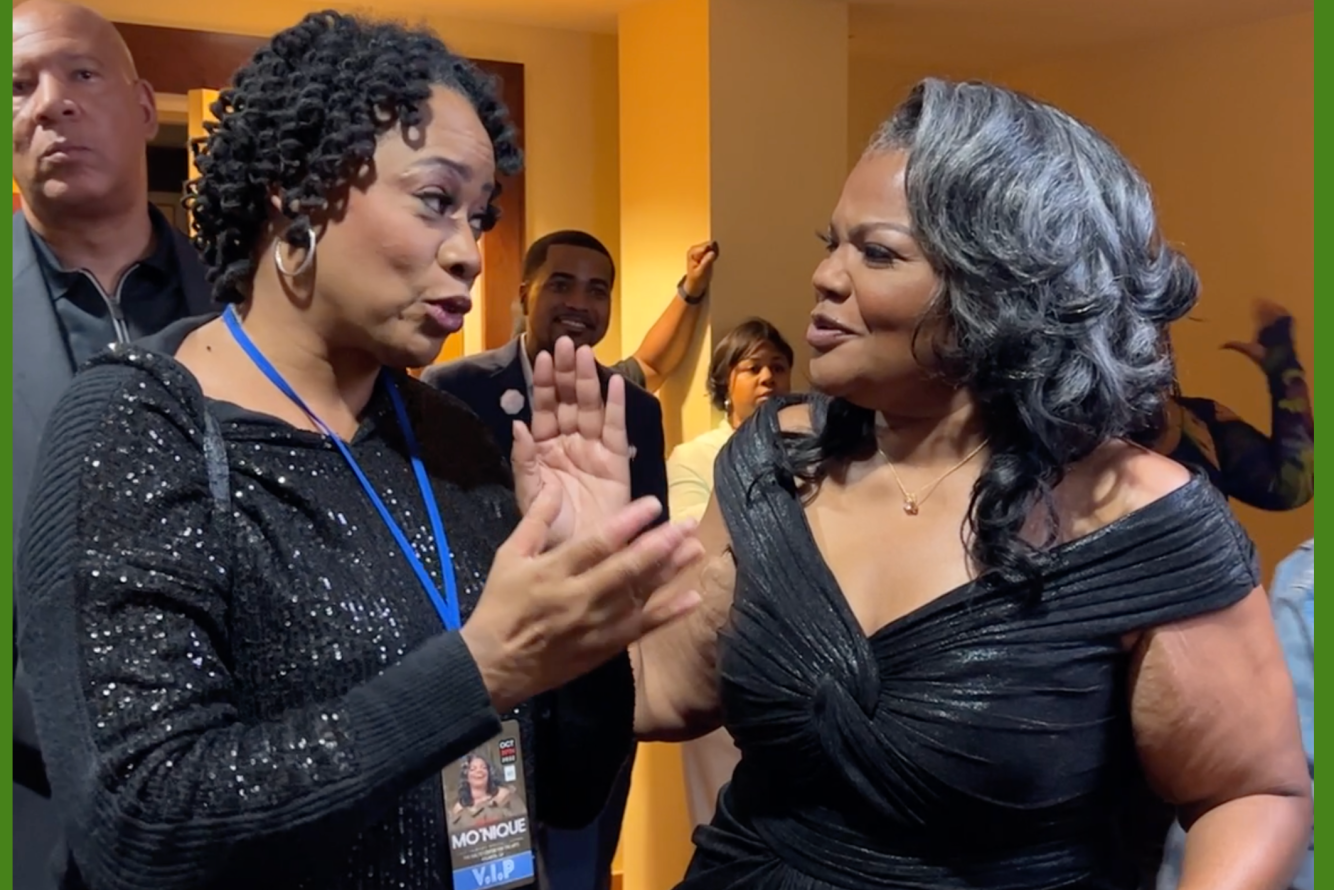
There’s a quiet kind of pressure that comes with being labeled in an industry that thrives on perception, and for Mo’Nique, that word followed her longer than most roles did. It’s one thing to speak up, but it’s another to carry how others interpret that choice. Over time, she reflected on how quickly narratives can shift, especially for women who don’t easily fall in line. In one conversation, she shared, “When you stand in your truth, you have to be ready for the consequences,” and it felt less like a warning and more like something she had come to understand deeply.
Still, what stands out is how she didn’t try to reshape herself to escape that label. Instead, she leaned into clarity, explaining her choices again and again in her own words. That consistency didn’t always change public opinion overnight, but it slowly reframed how some people saw her. It became less about conflict and more about conviction. And in a way, that period showed how much strength it takes to stay the same person when everything around you is asking you to be easier to manage.
7. A Return to Acting That Felt Personal
When Mo’Nique began stepping back into film and television, it didn’t feel like a loud comeback, it felt intentional. The roles she chose carried weight, often reflecting lived experience or emotional depth that she could bring without forcing it. One of the moments that stood out was her collaboration again with Lee Daniels, something that once seemed unlikely. Their reunion wasn’t just professional, it hinted at healing, at conversations that happened away from the spotlight.
In interviews around that time, she spoke simply, saying, “We’re in a place of peace,” and that line carried more meaning than any headline could. It wasn’t about pretending the past didn’t happen, but about choosing not to stay stuck in it. Watching her return in this way felt different, calmer, more grounded. It reminded people why they connected with her in the first place. Not just because she could perform, but because she brought something honest to every role, something that didn’t need to be explained to be felt.
8. Rebuilding Trust With Her Audience
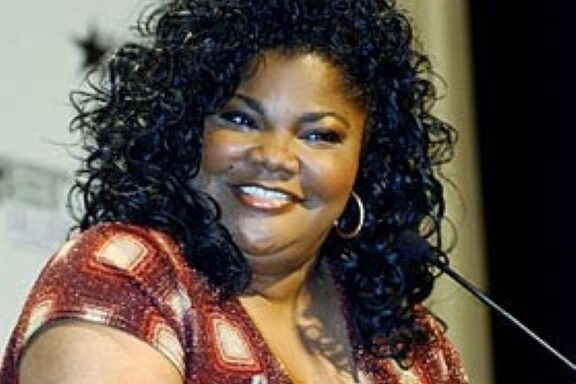
For many artists, time away can create distance, but for Mo’Nique, it became a chance to reconnect differently. She spent more time speaking directly to her audience, whether through stand up, interviews, or online conversations that felt less filtered. There was a warmth in how she addressed people, often calling them “my loves,” a small phrase that somehow made everything feel more personal. It wasn’t about rebuilding an image as much as it was about rebuilding trust.
She once said, “I’ve missed my audience,” and it didn’t come across as scripted, it felt like something she had been carrying for a while. That openness allowed people to meet her where she was, not where they last saw her. Slowly, the gap between public perception and personal truth began to close. It didn’t happen all at once, but in small moments, shared laughter, honest stories, and a sense that she was letting people back in, one conversation at a time.
9. Finding Balance Beyond the Spotlight
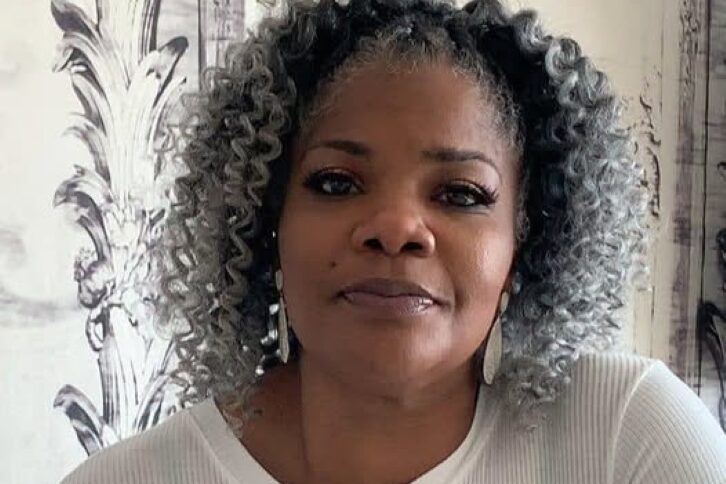
There’s also a quieter part of Mo’Nique’s story that doesn’t always make headlines, her life away from cameras. Over the years, she’s spoken about her marriage, her family, and the importance of feeling grounded outside of work. That balance seemed to become more important as her career path shifted. Instead of chasing every opportunity, she began choosing what fit her life, not just her résumé.
In one reflection, she mentioned, “Peace is more valuable than anything,” and it felt like a turning point in how she approached everything. That mindset didn’t erase ambition, but it reshaped it. Success started to look less like constant visibility and more like alignment. For many people watching, that part of her journey felt relatable in a different way. It showed that sometimes stepping back isn’t losing momentum, it’s creating space for something steadier, something that lasts longer than applause.
10. A Story Still Being Written
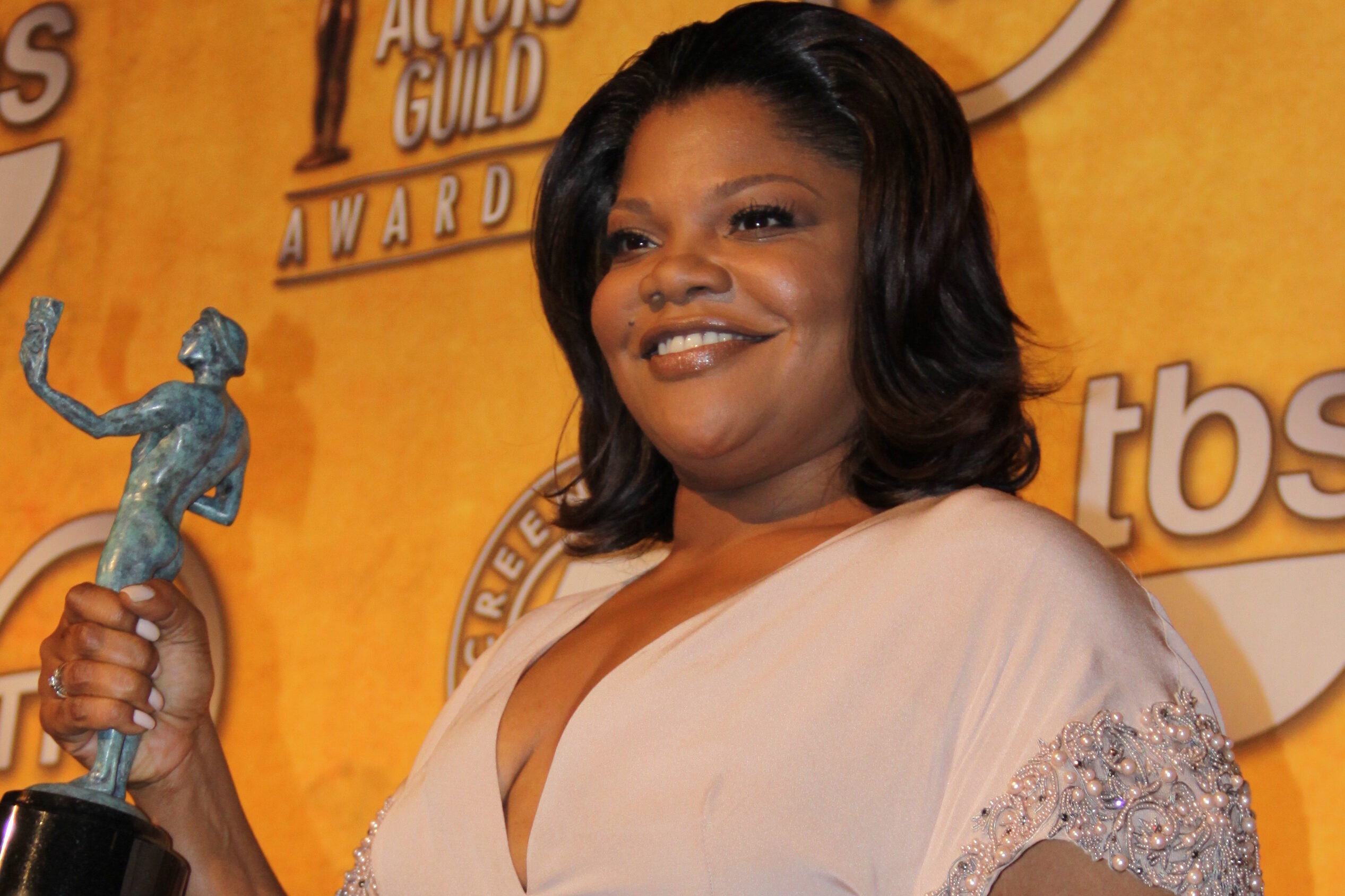
Looking at everything together, it becomes clear that Mo’Nique’s journey after her Oscar win was never meant to follow a straight line. There were moments of recognition, resistance, silence, and return, all woven into something that still feels unfinished in the best way. She has said before, “My story is mine to tell,” and that seems to be exactly what she’s been doing, piece by piece, year by year.
Now, there’s a sense that things are still opening up, just not in the way people once expected. It’s quieter, more intentional, but no less meaningful. And maybe that’s the part that stays with you, the idea that a career doesn’t have to look the same at every stage to still matter. If you’ve followed her story this far, it feels less like you’re watching from the outside and more like you’re walking alongside it, waiting to see what she chooses next.
11. The Power of Owning Her Narrative
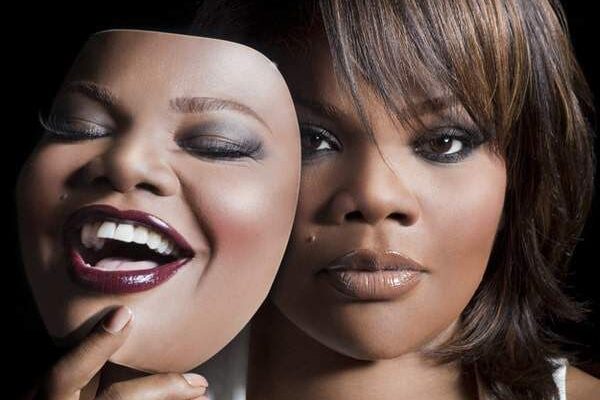
At some point, it became less about what was said about Mo’Nique and more about what she chose to say for herself. There’s a difference between responding and reclaiming, and she slowly moved into that second space. Instead of reacting to every headline, she began shaping her own story through conversations that felt measured and intentional. It wasn’t rushed, and it didn’t try to correct everything at once. It just felt steady.
In one moment that lingered with many listeners, she said, “I had to stop explaining and start living,” and it carried a kind of quiet clarity. You could hear that shift in how she spoke, less defensive, more grounded. It didn’t mean the past disappeared, but it no longer controlled the present. That kind of ownership doesn’t always come with loud announcements. Sometimes it shows up in tone, in timing, in what a person chooses to engage with and what they leave alone. And in her case, it marked a subtle but meaningful turning point.
12. Recognition That Came Back Around
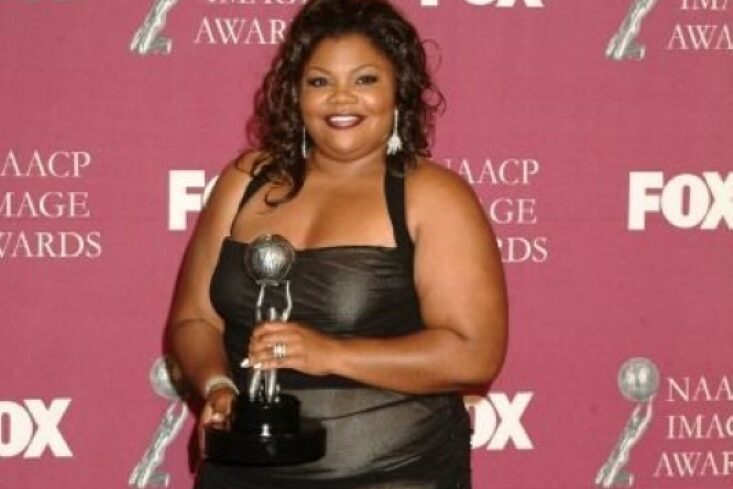
What’s interesting is how recognition has a way of circling back, sometimes when you least expect it. Over time, conversations about Mo’Nique’s talent began to resurface in a different light. People revisited her performance in Precious and spoke about it with a kind of renewed appreciation, almost as if distance had clarified just how powerful it really was. It wasn’t tied to awards anymore, it was tied to impact.
She once reflected, “The work will always speak,” and that idea seemed to settle into place. Even during quieter years, the work she had already done didn’t lose its weight. It stayed with people. And slowly, that recognition started to feel less like a moment in time and more like something lasting. It’s a reminder that sometimes, acknowledgment doesn’t disappear, it just pauses, waiting for the right moment to be seen again with fresh eyes and a deeper understanding.
13. Speaking to a New Generation
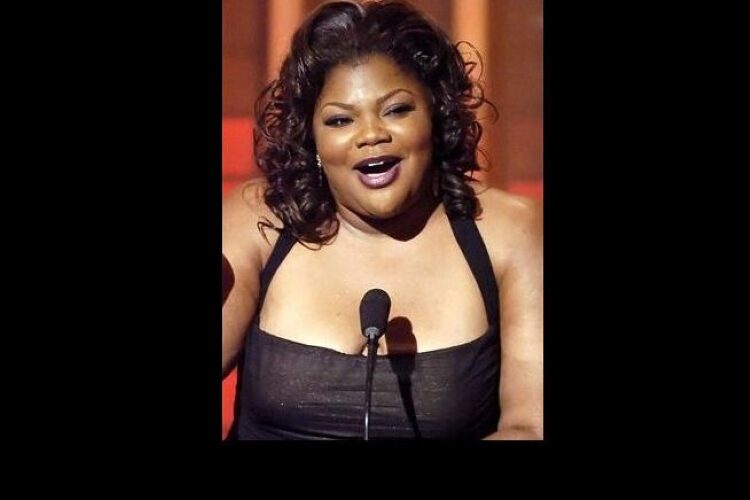
As her story continued, something else began to take shape, her influence on people who hadn’t even followed her early career. Younger audiences started discovering her through clips, interviews, and stand up moments that circulated online. They weren’t just seeing an actress who won an Oscar, they were seeing someone who spoke openly about fairness, identity, and self worth in ways that still felt current.
At one point, she shared, “I want the next generation to know their value,” and it didn’t feel like a distant message. It felt direct, like something meant for anyone still figuring things out. That connection across generations added a new layer to her journey. It wasn’t just about what she had experienced, but what others could take from it. And in that way, her story kept growing, not just forward, but outward, reaching people who were meeting her for the first time.
14. Letting Time Do Its Work
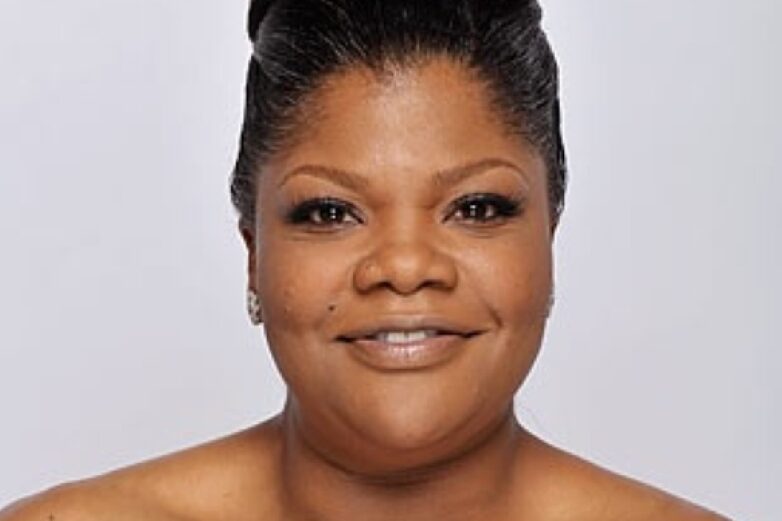
There’s something that time does quietly, it softens edges, adds perspective, and sometimes brings people back to places they once stepped away from. For Mo’Nique, time seemed to create space for reflection, not just for her, but for the industry and audiences too. Conversations that once felt tense started to feel more open, less reactive. It didn’t erase what happened, but it changed how it was held.
She once said, “Time will reveal everything,” and looking at her journey, that idea feels almost woven through it. Things that once seemed unclear began to make more sense, not through explanation, but through distance. And in that space, there was room for growth, for reconnection, and for a different kind of understanding. It’s not a dramatic shift, more like a gradual settling, the kind that happens when people are allowed to evolve without being rushed.
15. A Quiet Kind of Full Circle
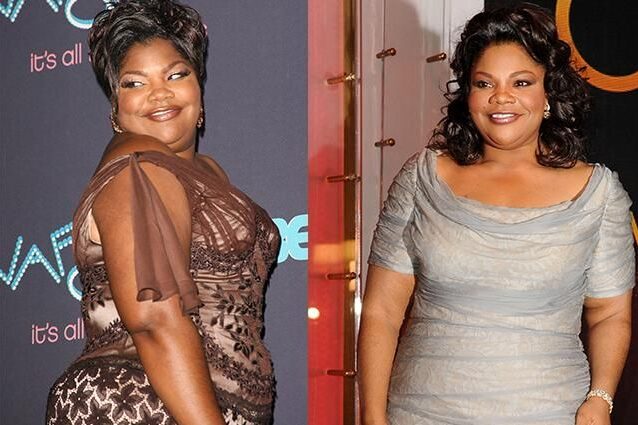
If you step back and take it all in, her story doesn’t feel like it’s about what was lost or regained, it feels more like something that kept moving, even when it looked still from the outside. The Oscar win, the silence, the speaking out, the return, all of it fits together in a way that only makes sense when you see the whole picture. And maybe that’s what makes it resonate.
She once said, “Everything I’ve been through brought me here,” and it feels like a simple way to hold a complicated journey. Not perfect, not easy, but complete in its own way. There’s no neat ending tied to it, just a sense that she’s still moving forward, still choosing her path, still defining success on her own terms. And in that, there’s something quietly reassuring.


