
Time Enough
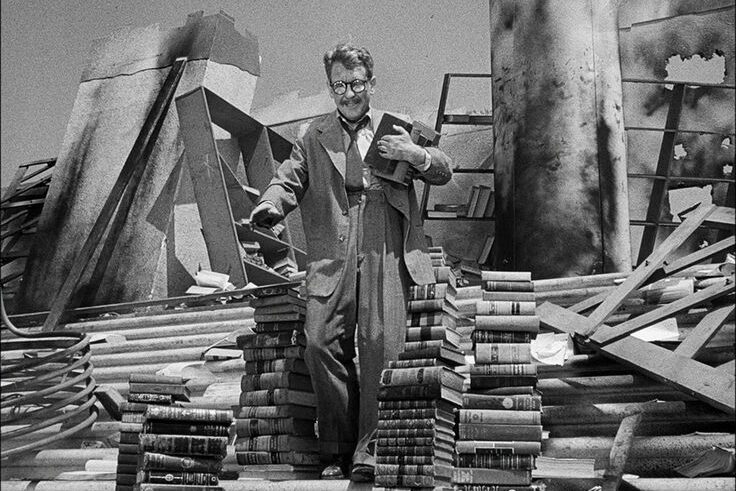
In the classic episode “Time Enough at Last,” which originally aired on November 20, 1959, we meet Henry Bemis, a shy bank teller who just wants to be left alone with his books. Poor Henry is constantly nagged by his wife and bullied by his boss for his love of reading. His life takes a dark turn when a nuclear explosion levels the city while he’s hiding in a bank vault. Suddenly, he’s the last man on Earth, and after the initial shock wears off, he realizes he finally has all the peace and quiet he ever dreamed of.
He stumbles upon the ruins of a public library and is overjoyed to find thousands of books perfectly preserved. For a moment, it seems like a happy ending, but The Twilight Zone is famous for its “be careful what you wish for” irony. Just as he leans down to pick up his first book, his thick glasses fall and shatter on the steps. It’s one of the most heartbreaking moments in television history because it shows how quickly a dream can turn into a nightmare. This episode perfectly captures the fragile nature of our happiness and remains a fan favorite for its cruel, unforgettable ending.
Maple Street Fear
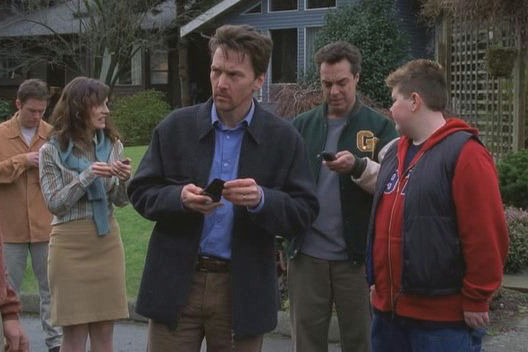
”The Monsters Are Due on Maple Street” debuted on March 4, 1960, and it remains one of the most chilling social commentaries ever filmed. On a sunny afternoon in a quiet suburb, a strange shadow passes overhead, and suddenly all the power goes out. At first, the neighbors are just confused, but as the sun sets, that confusion turns into full-blown paranoia. A young boy suggests that the outage was caused by aliens who are already living among them in disguise, and it doesn’t take long for the residents to start pointing fingers at each other.
The real horror here isn’t a monster from space; it’s how quickly “normal” people turn into a violent mob when they’re scared. By the end of the night, the neighborhood is in total chaos, with friends accusing one another of being the invaders. The closing narration reminds us that prejudice and suspicion can be just as deadly as any weapon. It’s a powerful lesson about how fear can destroy a community from the inside out. Decades later, this story still feels incredibly relevant because it shows that sometimes the biggest threats to humanity are the people living right next door.
Eye Of Beauty
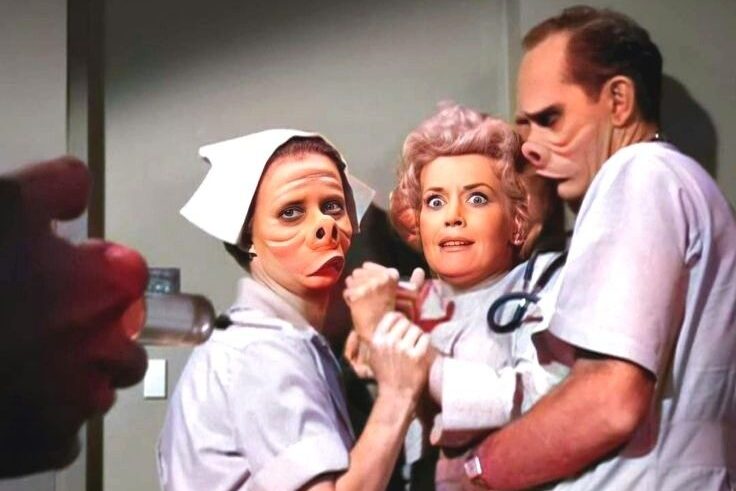
The 1960 episode “The Eye of the Beholder” is a masterclass in suspense and social critique. We follow Janet Tyler, a woman whose face is completely covered in heavy bandages following her eleventh surgery to fix a “terrible” deformity. The doctors and nurses speak in hushed, sympathetic tones, warning her that if this procedure fails, she’ll be banished to a colony of people who look just like her. The audience spends the entire episode in the dark, wondering what kind of monster could be hiding under those wrappings as Janet begs to finally look normal.
When the bandages finally come off, the twist is one of the most famous reveals in TV history. Janet is actually stunningly beautiful by our standards, but the doctors and nurses are revealed to have pig-like features that we find grotesque. This episode hits hard because it challenges the idea that “beauty” is a fixed rule. It shows us that what society calls normal is often just a matter of who is in charge and what they decide is acceptable. It’s a timeless reminder to look past the surface and question the narrow standards that we often let define our lives.
A Good Life
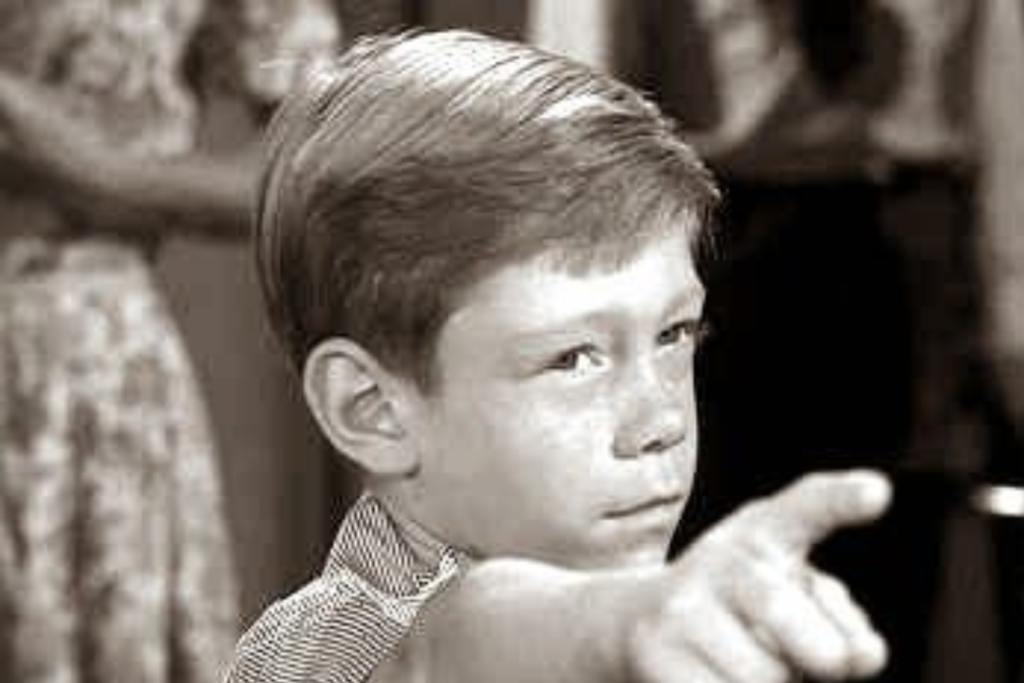
”It’s a Good Life,” which first aired on November 3, 1961, introduces us to one of the scariest kids in fiction: six-year-old Anthony Fremont. Anthony has god-like powers that allow him to change reality or make people disappear just by thinking about it. He’s turned his small town of Peaksville into an isolated prison where the sun never shines and the outside world doesn’t exist. The adults are absolutely terrified of him, constantly praising him and telling him everything he does is “real good” because they know that one unhappy thought could get them “sent to the cornfield.”
The tension in this episode is thick because there is no way to fight back against a child who doesn’t understand right from wrong. It explores the terrifying idea of what happens when someone has absolute power without any sense of responsibility or empathy. Watching the grown-ups walk on eggshells is incredibly stressful, making the viewer feel just as trapped as the characters on screen. It’s a haunting look at how fear can force people to lie to themselves and others just to survive. Anthony remains a symbol of unchecked power, proving that the most innocent faces can hide the most dangerous threats.
Nightmare Flight
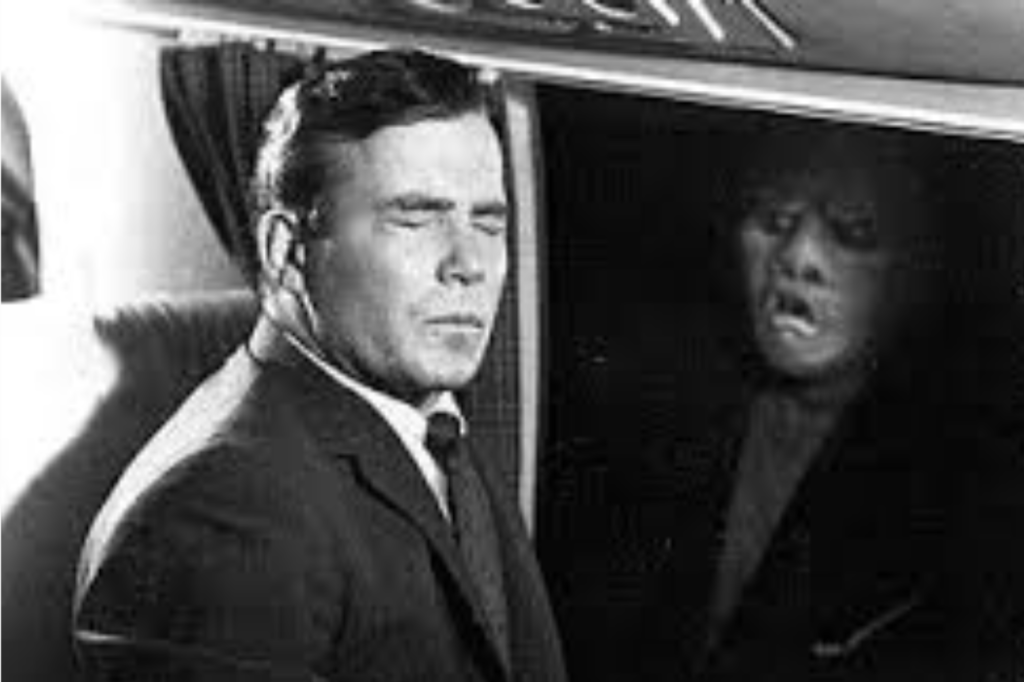
The October 11, 1963, episode “Nightmare at 20,000 Feet” features a young William Shatner as Bob Wilson, a man who is already nervous about flying after a nervous breakdown. During a bumpy night flight, Bob looks out the window and sees something impossible: a hideous gremlin crawling on the wing of the plane and tearing at the engine. Every time Bob tries to show the flight attendant or his wife, the creature jumps out of sight, making everyone, including Bob himself, question if he’s actually losing his mind.
This episode is a perfect example of psychological horror because it plays with the fear of not being believed. We feel Bob’s mounting panic as he realizes that if he doesn’t do something, the plane will crash, but if he tries to help, he’ll be locked away. The creature on the wing is iconic, but the real heart of the story is the isolation of being the only one who can see a looming disaster. It’s a tense, sweaty ride that has influenced countless thrillers. To this day, it’s hard for many fans to look out an airplane window at night without thinking of Bob’s terrifying mid-air discovery.
To Serve Man
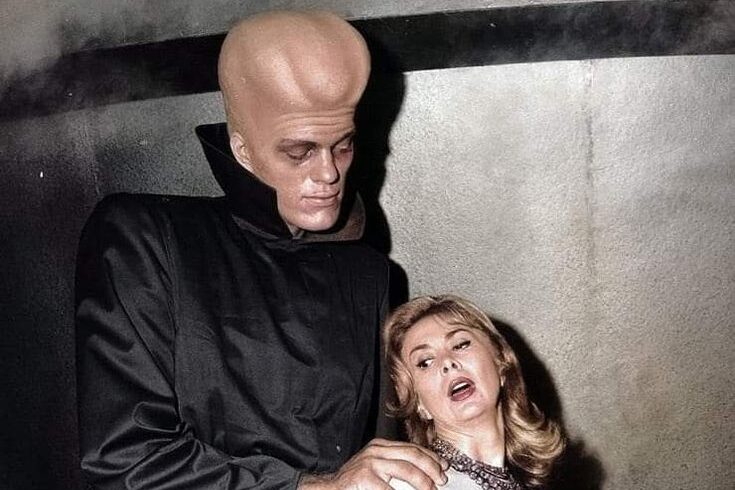
”To Serve Man” premiered on March 2, 1962, and it’s a story that most people recognize even if they’ve never seen the show. A race of giant, sophisticated aliens called the Kanamits arrive on Earth promising to end hunger and war. They even leave a book behind at the United Nations, but it’s written in a complex alien language. While humanity enjoys a new era of peace and prosperity, cryptographers work tirelessly to decode the title, which they eventually translate as “To Serve Man.” This leads everyone to believe the aliens are here to be our ultimate helpers.
The episode builds a sense of global hope as people start volunteering for trips to the Kanamits’ home planet. However, the mood shifts instantly in the final moments when a code-breaker rushes to the boarding ramp with the rest of the translation. She screams the famous line: “It’s a cookbook!” It’s a gut-punch of an ending that warns us about the dangers of blind trust and taking things at face value. This episode serves as a classic Cold War-era cautionary tale about the potential hidden costs of a “perfect” society. It remains a legendary piece of television because it reminds us that if something sounds too good to be true, it probably is.
Nick Of Time
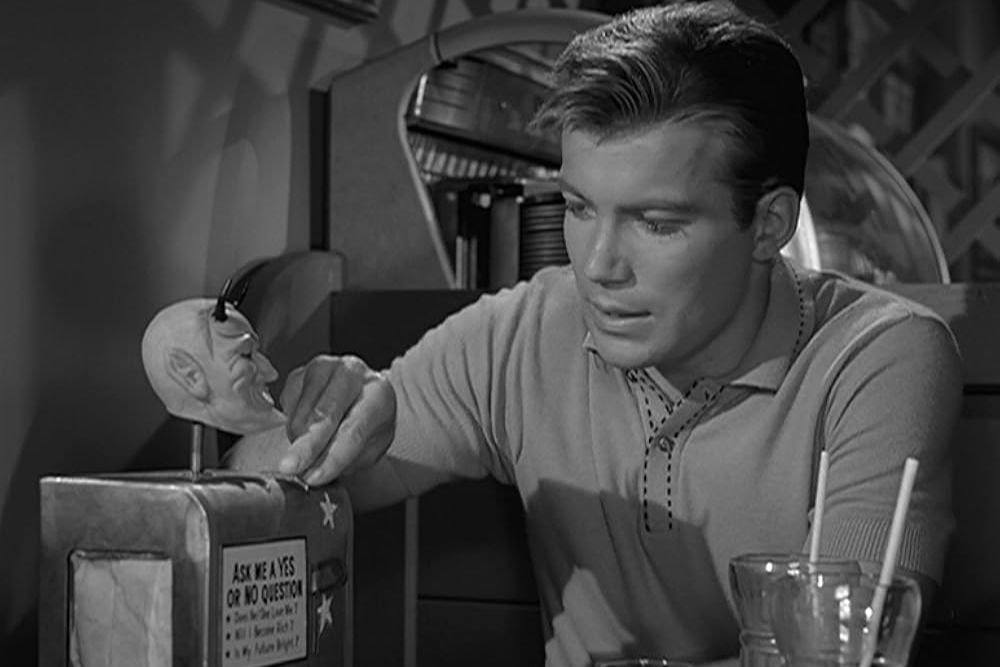
Before he was Captain Kirk, William Shatner starred in the November 18, 1960, episode “Nick of Time.” He plays Don Carter, a superstitious man who gets stuck in a small town with his wife while their car is being repaired. While killing time in a diner, they find a “Mystic Seer” machine on their table that gives fortunes for a penny. Don starts asking the machine questions, and to his horror, the answers turn out to be incredibly accurate. Before long, he’s paralyzed by the machine’s predictions, refusing to leave the booth because he’s convinced the machine controls his fate.
The brilliance of this story is that it never actually confirms if the machine is supernatural or just a lucky toy. The real “monster” is Don’s own anxiety and his willingness to give up his free will to a plastic box. While his wife tries to convince him that they make their own luck, Don represents that part of us that wants to know the future so badly we forget to live in the present. It’s a grounded, relatable look at how our own fears can trap us more effectively than any prison cell. This episode is a great reminder that true freedom comes from making our own choices, even when we’re scared.
The Masks
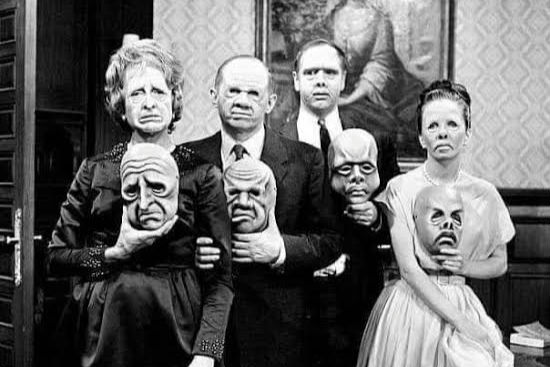
Airing on March 20, 1964, “The Masks” is a classic tale of poetic justice set in a spooky New Orleans mansion. A wealthy, dying man named Jason Foster invites his greedy relatives over for Mardi Gras, but he isn’t interested in a typical goodbye. He tells them they will only inherit his fortune if they agree to wear hideous, custom-made masks until midnight. The masks are designed to represent their worst personality traits: cowardice, cruelty, vanity, and greed. Though they hate the idea, the family members agree because they care more about the money than their dignity.
As the clock ticks toward midnight, the tension rises as the host calls out each relative for their selfishness. When the masks finally come off at the stroke of twelve, the twist is both shocking and visually stunning. Their faces have physically changed to match the grotesque features of the masks they were wearing. It’s a powerful moral lesson about how our inner character eventually shows on the outside. This episode is a fan favorite because it delivers a satisfying “gotcha” moment to people who truly deserve it. It serves as a haunting reminder that you can’t hide who you really are forever.
The Howling Man
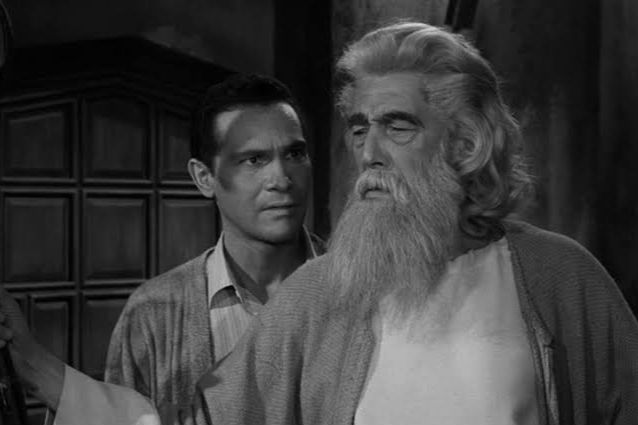
”The Howling Man,” which first aired on November 4, 1960, feels like a classic gothic horror movie. A traveler named David Ellington gets lost in a storm and finds shelter in a mysterious European abbey. While there, he hears a bone-chilling howling sound coming from a man locked in a cell. The head of the monastery tells David that the prisoner is actually the Devil himself, trapped by a “staff of truth.” David, being a rational modern man, thinks the monks are just crazy and feels sorry for the “innocent” prisoner who is begging for help.
The story explores the classic struggle between faith and logic. David eventually ignores the monks’ warnings and lets the man out, only to watch him transform into a terrifying demonic figure and fly away. The episode hits home because most of us would want to help someone who seems like they’re suffering. It’s a dark fable about how evil often wears a pitiful face to trick us into letting it loose. David spends the rest of his life trying to track the Devil back down, serving as a grim warning that some things are locked up for a very good reason.
Walking Distance
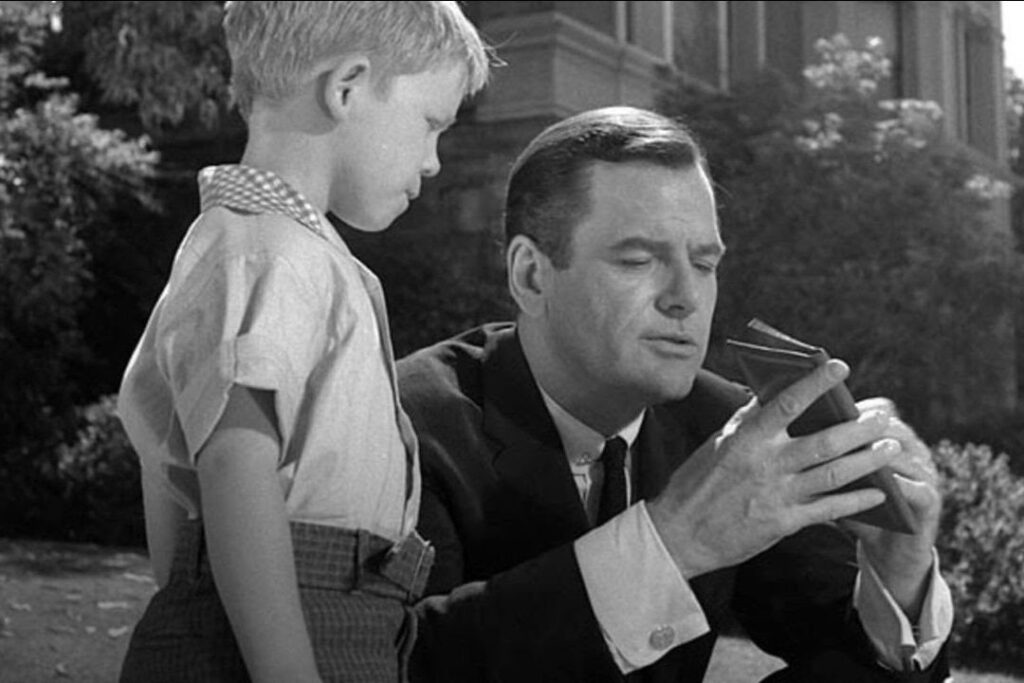
On October 30, 1959, The Twilight Zone gave us one of its most emotional stories, “Walking Distance.” Martin Sloan is a high-powered ad executive who is burnt out and stressed by city life. After his car breaks down near his childhood hometown, he walks into the village and realizes he has somehow stepped back into the past. He sees himself as a young boy and even visits his parents, desperately trying to warn his younger self to enjoy every moment. He’s so obsessed with staying in the past that he doesn’t realize he’s causing trouble for the people there.
This episode isn’t about scary monsters; it’s about the very human ache of nostalgia. We’ve all had those days where we wish we could go back to a simpler time when we didn’t have so many responsibilities. Martin eventually learns a tough lesson: you can’t go home again, and trying to live in the past only ruins the present. His father tells him that there are “merry-go-rounds” in every stage of life if we just look for them. It’s a beautiful, bittersweet episode that reminds us to appreciate the life we have right now instead of constantly looking backward.
The Shelter
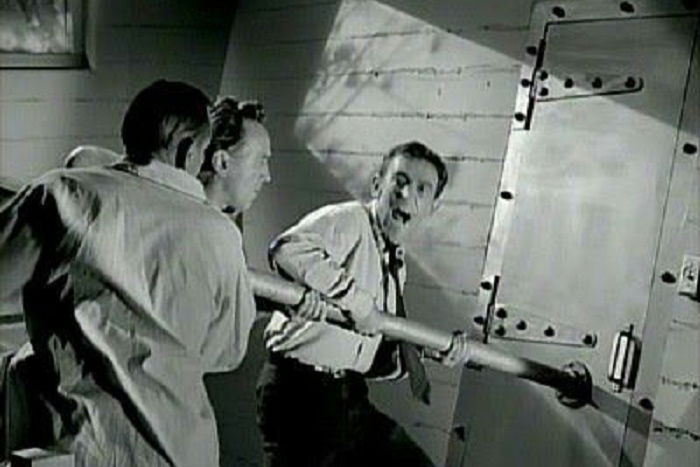
”The Shelter” aired on September 29, 1961, right at the height of the Cold War, and it is a brutal look at human behavior under pressure. A group of neighbors is enjoying a friendly birthday party when a radio announcement warns of an incoming nuclear attack. Only one man, Dr. Bill Stockton, had the foresight to build a fallout shelter for his family. As the clock ticks down, his once-friendly neighbors turn into a desperate, violent mob, begging and then bashing at the shelter door to get inside.
This episode is terrifying because it feels so real. There are no ghosts or aliens, just the breakdown of society in the face of death. The neighbors say horrible, racist, and hateful things to each other, destroying decades of friendship in just a few minutes. When the “attack” turns out to be a false alarm, the damage is already done. The neighbors are left standing in the street, realizing they can never go back to being friends after seeing how ugly they truly are inside. It’s a chilling reminder that the thin veil of civilization can vanish in an instant when people are scared for their lives.
Five Characters
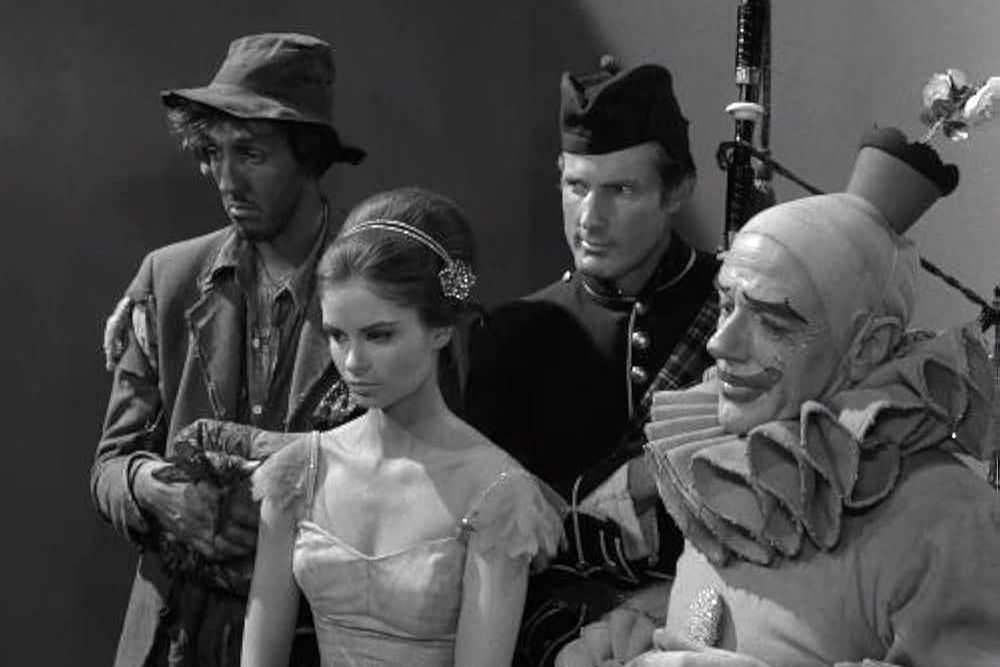
The 1961 episode “Five Characters in Search of an Exit” feels like a strange, surreal play. A group of five people, a clown, a hobo, a ballet dancer, a bagpiper, and an army major, wake up in a giant, smooth metal cylinder. They have no idea who they are or how they got there, and there’s no door to be found. They spend the whole episode arguing and trying to climb out of the cylinder, representing the universal human struggle to find meaning in a world that doesn’t seem to make any sense.
The dialogue is fast-paced and tense as they try to figure out their purpose. Are they in hell? Are they part of a science experiment? The ending is one of the most clever twists in the series, revealing that they are actually small dolls in a Christmas toy donation bin. It’s a brilliant “toy’s-eye view” of the world that changes how you look at the entire story. This episode is a favorite for its minimalist set and the way it turns a philosophical mystery into a simple, everyday reality. It’s a great example of how The Twilight Zone could do a lot with very little.
The Grave
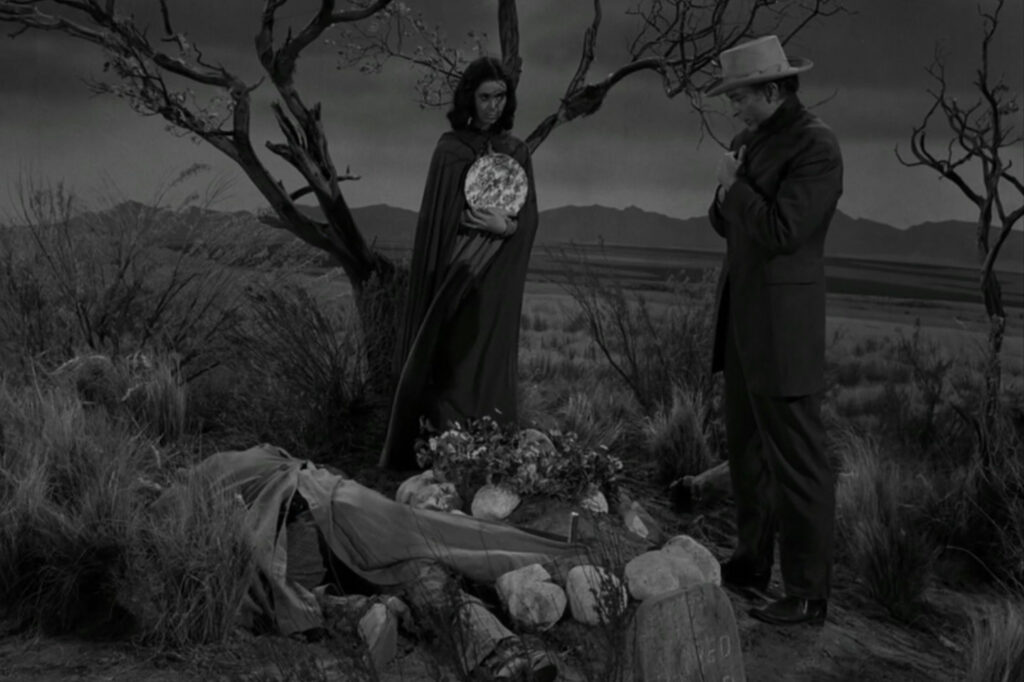
”The Grave” is a spooky Western that first aired on October 27, 1961. It stars Lee Marvin as Conny Miller, a tough-as-nails gunman who is hired to track down an outlaw. Before the outlaw dies, he dares Conny to visit his grave at midnight, claiming he’ll reach up and grab him from the dirt. To prove he isn’t a coward, Conny goes to the cemetery on a dark, windy night. He’s supposed to stick a knife into the grave as proof that he was actually there, but the atmosphere is so thick with dread that even this hardened killer starts to shake.
The episode masterfully builds tension using nothing but the sound of the wind and the shadows of the tombstones. When Conny leans down to plant the knife, something happens that leads to a truly eerie conclusion. Whether it’s a supernatural curse or just a freak accident fueled by his own fear, the result is the same. It’s a classic ghost story that explores the idea of whether we can ever truly escape our fears, even if we act tough on the outside. This episode stands out for its great acting and the way it makes the viewer feel just as jumpy as the man on the screen.
Living Doll
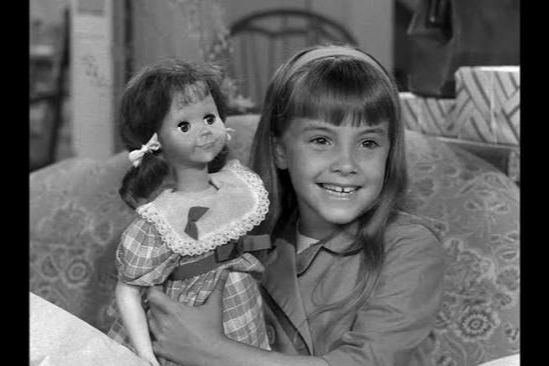
Long before Chucky or Annabelle, there was “Living Doll,” which aired on November 1, 1963. The story focuses on a little girl named Christie and her new doll, Talky Tina. Christie’s stepfather, Erich, is a cold, hateful man who is frustrated by his inability to have children of his own. He takes his anger out on Christie and her mother, but Talky Tina isn’t having it. While the doll says “I love you” to Christie, it whispers chilling threats like “I’m going to kill you” to Erich whenever they are alone.
What makes Talky Tina so scary is her calm, sweet voice as she promises to commit murder. Erich tries to destroy the doll with a blowtorch and a saw, but it’s indestructible, returning to haunt him again and again. It’s a perfect example of a domestic drama turning into a full-on horror movie. The episode suggests that Erich’s own cruelty is what brings the doll’s malice to life. It’s one of the most famous episodes because it taps into that childhood fear that our toys might be watching us when we sleep. To this day, Talky Tina remains one of the most unnerving villains in TV history.
The Silence
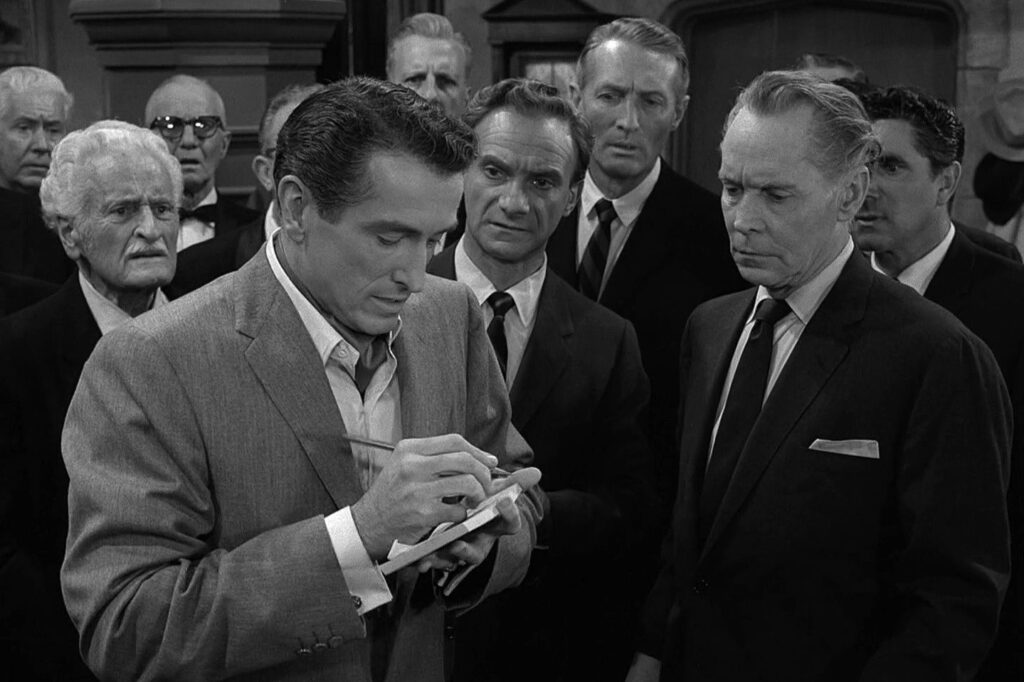
”The Silence” is a unique 1961 episode because it doesn’t have any supernatural elements at all, but it’s just as shocking as any alien story. A wealthy, arrogant man named Colonel Taylor makes a bet with a talkative club member named Jamie Tennyson. If Jamie can stay completely silent for one full year while living in a glass room in the Colonel’s basement, he’ll win $500,000. Jamie desperately needs the money, so he accepts the challenge, and we watch as months go by in total silence while the Colonel tries to trick him into speaking.
The tension builds as the deadline approaches, with both men becoming obsessed with winning. It’s a dark study of human ego and the lengths people will go to for pride and money. The ending features a double-twist that leaves the audience stunned, proving that both men were willing to lose everything just to “win” a bet. It’s a tragic and cynical story that shows how greed can hollow a person out from the inside. Even without a single monster, “The Silence” is one of the most haunting episodes because it shows the terrible things we are capable of doing to ourselves and each other.


