
Travel Feels Different Now

Back in the 1990s, vacationing usually meant following a rigid guidebook and rushing to check every monument off a list. We packed massive suitcases and treated every trip like a high-speed mission to see as much as humanly possible in a single week. While that “see it all” mentality worked for a while, many Americans started realizing that coming home exhausted wasn’t exactly the point of a getaway. By the early 2000s, the strain of the “checklist vacation” began to fade as we looked for something more meaningful.
Today, the vibe has shifted toward being much more intentional and relaxed. Since around 2018, there has been a huge cultural move toward mindfulness, where quality beats quantity every time. We aren’t just chasing the most famous photo ops anymore; we are looking for comfort and flexibility. This evolution has quietly turned travel into a personal journey rather than a stressful race. It’s all about finding a healthy balance and actually enjoying the world at a pace that feels right for the soul.
Packing Lighter
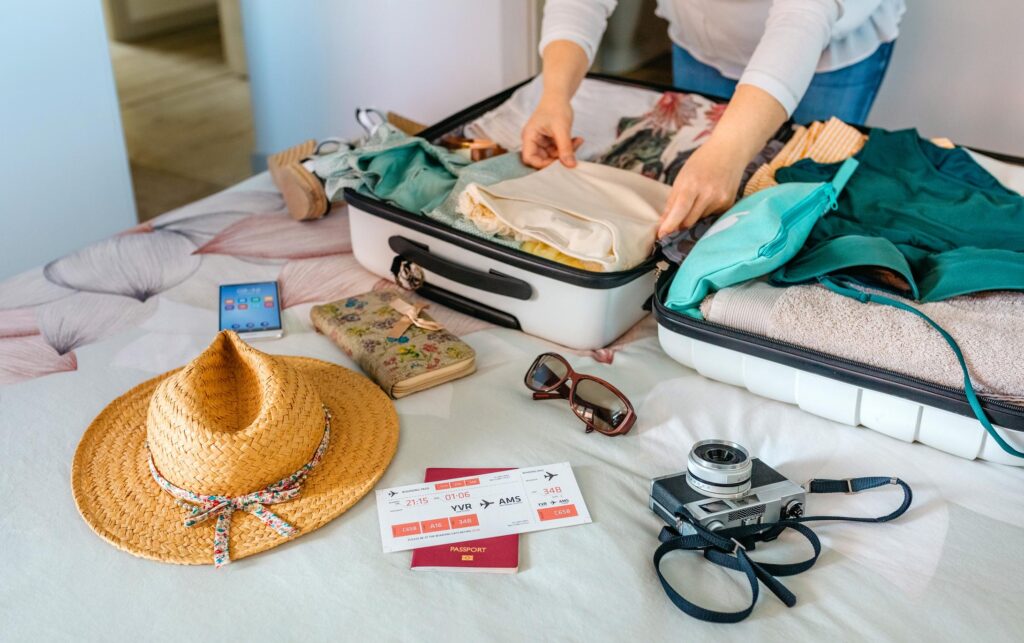
There was a long stretch of time, especially during the 1980s and 90s, when “overpacking” was practically a national pastime. We used to bring giant trunks filled with “just in case” outfits and extra shoes that never even saw the light of day. This habit was fine when checked bags were free, but everything changed around 2008 when major airlines began charging for luggage. Suddenly, those heavy suitcases became a source of major stress and extra fees at the airport.
Fast forward to 2026, and the “carry-on only” lifestyle has officially taken over. Most of us have learned that bringing fewer items isn’t about sacrifice, it’s about gaining total freedom. You can breeze through security, skip the long wait at the baggage carousel, and never worry about the airline losing your gear. By sticking to the essentials, the whole airport experience feels lighter and way more efficient. It turns out that traveling with less stuff actually lets you focus more on the memories you’re making.
Blending Work Trips

For decades, we kept our lives in very strict boxes where business trips were for suits and ties, and vacations were for Hawaiian shirts. You would fly in for a meeting on a Tuesday and be back at your desk by Thursday morning without seeing anything but the hotel conference room. However, when the remote work boom hit in 2020, those old boundaries started to disappear. People realized that if they could work from anywhere, they didn’t have to rush home the second the clock hit five.
This gave birth to the “bleisure” trend, where we mix professional duties with a little bit of fun. Now, it’s common to see someone finishing a Zoom call in the morning and hitting a local museum by the afternoon. By extending a work trip through the weekend, travel feels much more integrated into our real lives. It takes the pressure off and allows us to actually explore a new city instead of just passing through it. It’s a great way to stay productive while still getting that much-needed change of scenery.
Downloading Maps
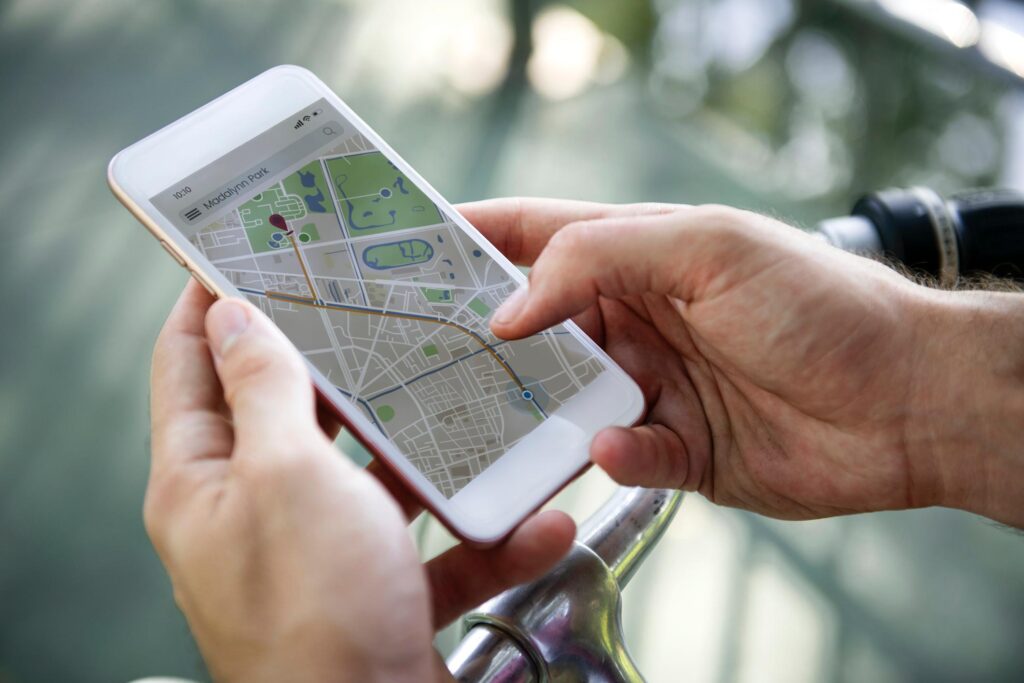
If you traveled back in the 1970s or 80s, you probably remember the struggle of wrestling with a giant paper AAA map while driving. Even when the first GPS units arrived in the late 90s, they weren’t always reliable in remote areas or foreign countries. Early smartphones helped, but relying on an expensive international data plan often led to “sticker shock” when the phone bill arrived. We spent a lot of time hovering near hotel Wi-Fi just to figure out where the nearest pharmacy was located.
These days, savvy travelers have mastered the art of downloading offline maps before they even leave the house. This simple habit, which became popular around 2015, provides total peace of mind regardless of your cell signal. You can wander through winding cobblestone streets or mountain trails without ever worrying about getting lost or draining your battery. It allows you to put the phone away and actually look at the beautiful sights around you. Having that digital safety net in your pocket makes every adventure feel a lot more confident.
Slower Travel Pace

There was a time, particularly in the 1960s, when “The Grand Tour” style of travel was all the rage, promising ten countries in ten days. It was a whirlwind of buses, trains, and quick snapshots that left everyone feeling like they needed a vacation from their vacation. We were so obsessed with maximizing every single minute that we forgot to actually experience the culture. By the time 2010 rolled around, travelers were starting to feel the burnout from these jam-packed, stressful itineraries.
Recently, there has been a wonderful shift toward what people call “Slow Travel.” Instead of trying to conquer an entire continent in a week, more folks are choosing to stay in one neighborhood for several days. This allows for those magical, unscripted moments like sitting at a corner café for two hours or making friends with a local shopkeeper. It’s about deep connections rather than a long list of attractions. When you stop rushing, you finally get to see the heart of a place, making the journey feel truly fulfilling.
Going Fully Digital
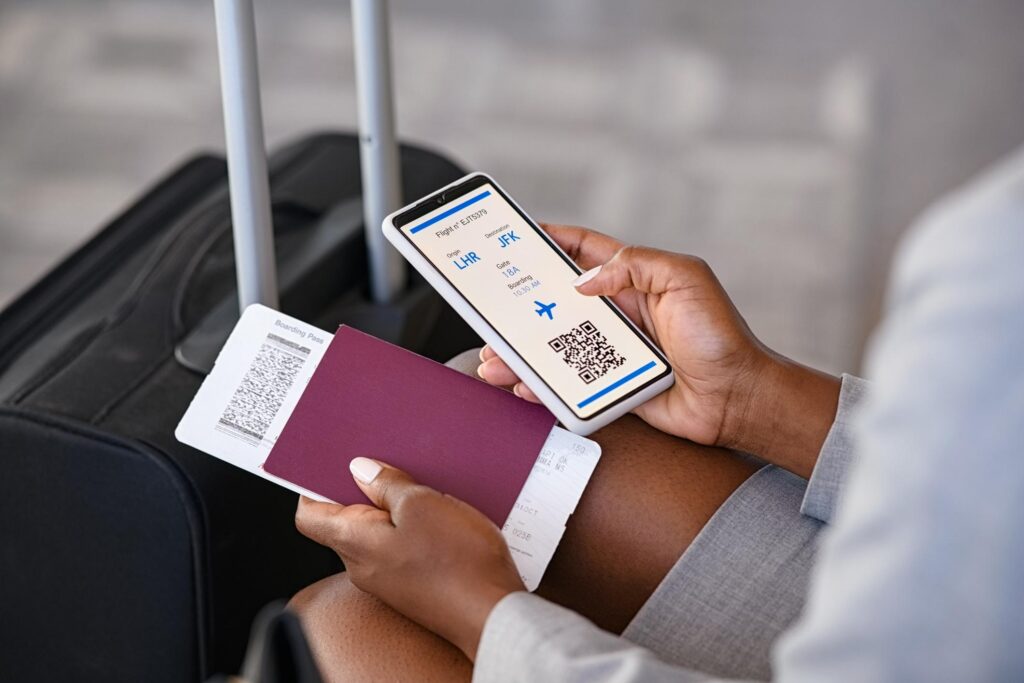
Back in the day, your “travel wallet” was a thick folder stuffed with paper airline tickets, hotel vouchers, and printed MapQuest directions. If you lost that folder, your entire trip was basically over, which led to a lot of frantic double-checking before leaving for the airport. This paper-heavy system was the norm for decades, but it was always a bit clunky and stressful to manage. One spilled coffee or a misplaced envelope could turn a dream vacation into a logistical nightmare in seconds.
By 2026, nearly every part of the travel experience has moved onto our smartphones. From boarding passes to digital hotel keys, everything you need is tucked away in one secure spot. This digital transition, which really picked up speed after 2012, has made moving through the world so much smoother. If a flight gets delayed or a gate changes, you get an instant notification right on your screen. It cuts out the clutter and lets us spend our energy on enjoying the trip rather than shuffling through a stack of papers.
Choosing Experiences
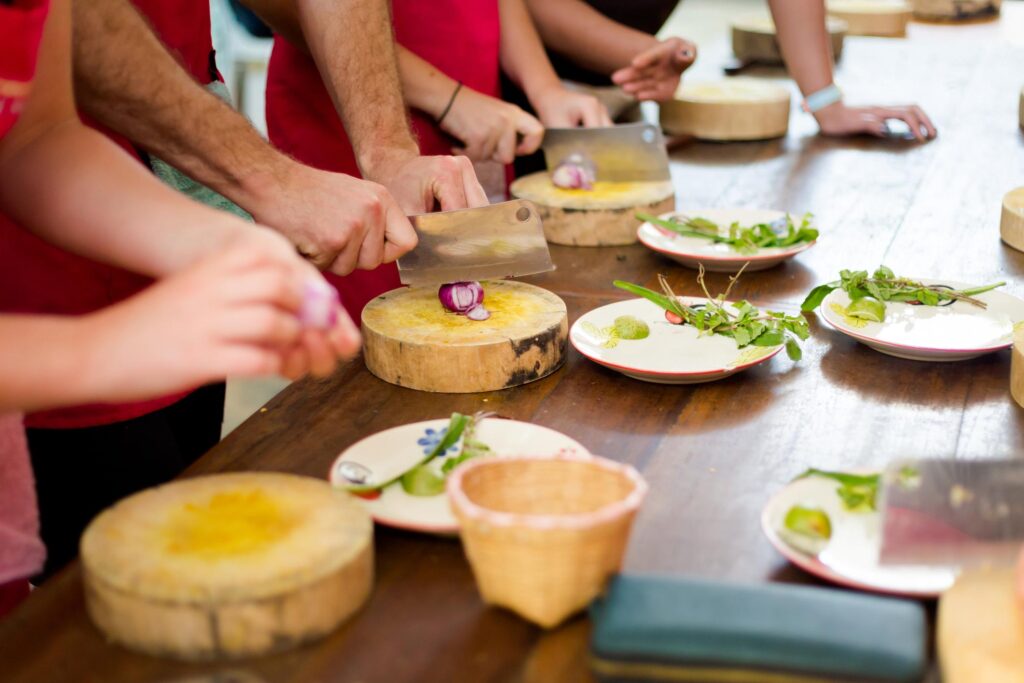
For a long time, the hallmark of a great vacation was the suitcase full of souvenirs you brought back. We used to spend hours in gift shops buying t-shirts, plastic trinkets, and snow globes to prove we were actually there. While those items were fun for a moment, they often ended up gathering dust in a garage or on a shelf. Since the mid-2010s, there has been a noticeable shift in how Americans spend their travel budgets, moving away from “stuff” and toward memories.
Now, the coolest thing you can bring home from a trip is a new skill or a great story. Whether it’s a pasta-making class in Rome or a guided wildlife hike, these experiences stay with us forever. We’ve realized that the feeling of learning something new is worth way more than a souvenir keychain. This trend shows that we are valuing our time more than our possessions. Collecting moments instead of objects makes the whole travel experience feel more personal and keeps the spirit of the trip alive long after we return.
Exploring Small Towns
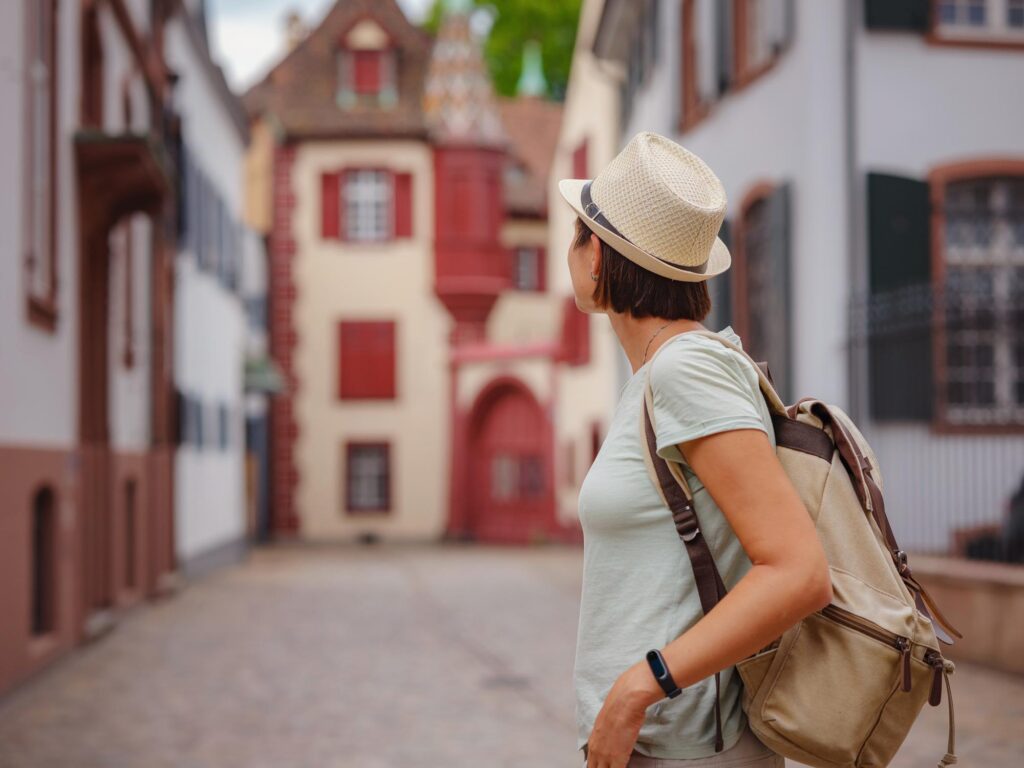
Historically, if you told someone you were going to France, they assumed you were heading straight for Paris. Major hubs like New York, London, and Tokyo have always been the primary magnets for tourism because of their famous landmarks. However, as these “bucket list” cities became more crowded and expensive over the last decade, many travelers began to feel overwhelmed. By 2019, the phenomenon of “over-tourism” in big cities prompted people to start looking for a quieter, more authentic alternative.
Lately, there has been a massive surge in interest for small-town charm and hidden gems. People are discovering that the most memorable parts of a trip often happen in tiny villages or coastal towns that aren’t even in the guidebooks. These spots offer a relaxed atmosphere where you can actually chat with residents and enjoy a slower pace of life. It feels more like a discovery and less like a tourist trap. Exploring the road less traveled gives you a unique perspective that you just can’t find in a crowded city square.
Seeking Quiet Retreats

In the past, we often associated travel with high-energy activities like theme parks, bustling markets, or late-night entertainment. The goal was excitement, and a “good” trip was one where every hour was filled with something loud and vibrant. But as our daily lives became more connected and chaotic in the 2020s, our travel goals started to change. We began to realize that sometimes the best thing a vacation can offer is a little bit of silence and a chance to breathe.
This has led to the rise of “hushpitality,” a trend focused on wellness and total tranquility. Instead of the big city lights, more travelers are booking secluded cabins or quiet retreats in the woods to unplug from the world. It’s not about how many sights you see, but how well you feel when you get home. This focus on mental health and recharging has redefined what a successful getaway looks like. Sometimes, the ultimate luxury is simply having the space to disconnect and find your inner calm.
Traveling For Stories

For generations, we picked our vacation spots based on brochures or the classic recommendations of friends and family. While those are still great, a new phenomenon called “set-jetting” has completely changed the game since the early 2000s. After the “Lord of the Rings” movies showcased New Zealand, tourism there skyrocketed, proving that the stories we love on screen can move us to travel across the globe. We aren’t just visiting a location; we are visiting a world we’ve already fallen in love with.
Today, movies, hit TV shows, and even popular novels are the primary drivers for our travel itineraries. Whether it’s visiting a historic castle from a favorite period drama or the specific street from a classic film, it adds a deep emotional layer to the trip. It makes the destination feel familiar and exciting all at once, as if you’re stepping into the story yourself. This trend has turned travel into a way to connect with our favorite cultural moments. It’s a fun, modern way to explore that makes every journey feel a bit like a movie.
Tracing Family Roots
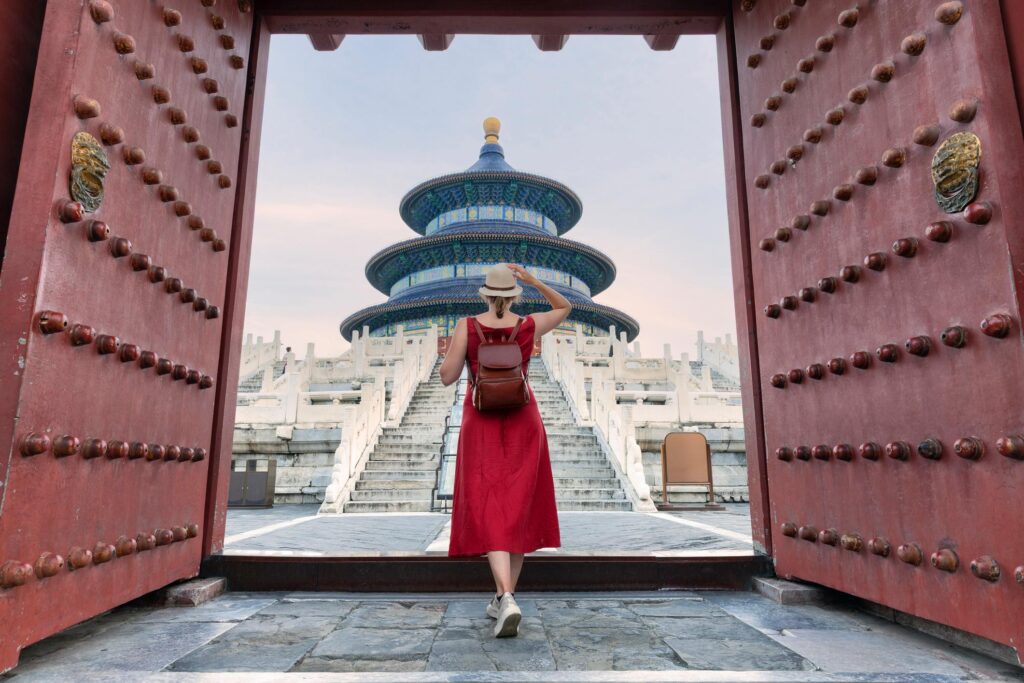
For most of the 20th century, travel was about seeing the “new”, visiting modern cities or famous landmarks we saw in glossy magazines. But starting around 2010, the trend shifted inward as people began using their vacation time to look backward. With the massive surge in popularity of at-home DNA testing kits and online genealogy databases, millions of Americans became curious about their specific origins. This gave rise to “ancestry travel,” where the destination isn’t chosen from a Top 10 list, but from a family tree.
By 2026, traveling to a great-grandparent’s village has become a deeply emotional rite of passage for many families. Walking the same streets as your ancestors provides a sense of belonging that a typical resort stay just can’t match. It transforms a simple flight into a powerful history lesson that feels incredibly personal. Instead of just being a tourist in a foreign land, you feel like a long-lost relative returning home. This type of journey often changes how we see ourselves, creating a bridge between our modern lives and the stories of those who came before us.
Traveling Together
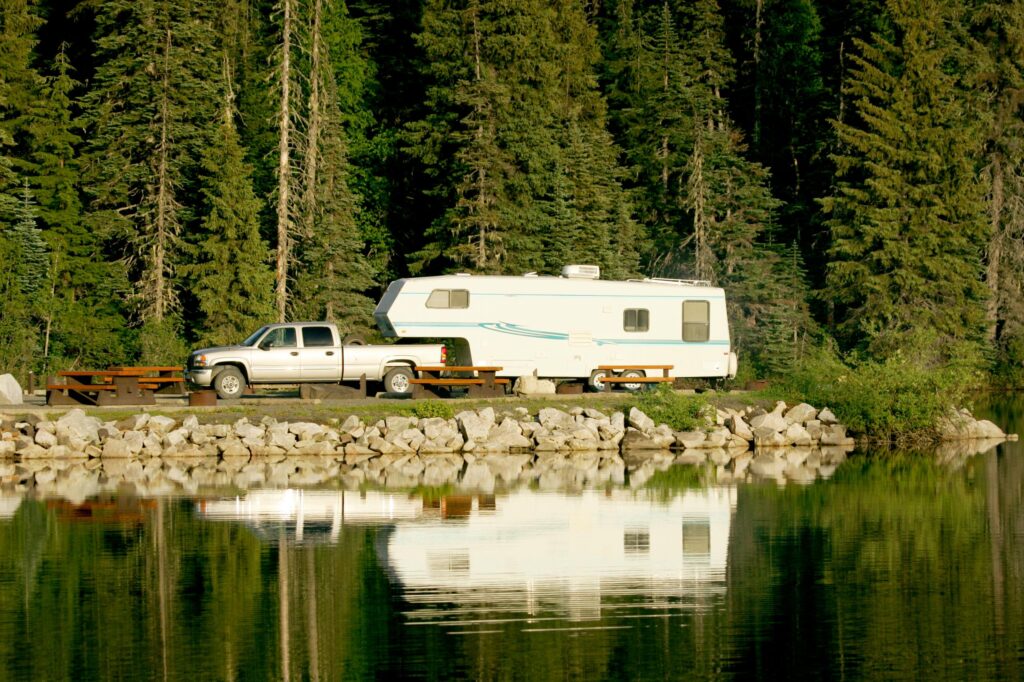
In the 1950s and 60s, the classic American road trip usually featured a station wagon with just parents and children. While that image is iconic, the way we define “family vacation” has expanded beautifully over the last decade. Since 2015, there has been a significant 25% increase in multi-generational travel, where grandparents, adult children, and grandkids all pack their bags for a shared adventure. This change reflects a growing desire to make up for lost time and create memories that span across every age group in the family.
Planning these “3-Gen” trips requires a bit more coordination, but the payoff is worth it. We are seeing more families rent large homes or book cruises that offer something for everyone, from toddlers to retirees. This inclusive approach naturally encourages a slower, more thoughtful pace where the goal is simply being together. It’s wonderful to see a grandfather teaching his grandson how to fish in a new lake or a mother and daughter exploring a local market. These trips strengthen our bonds and ensure that family stories are passed down in the most exciting way possible.
Paying For Water

If you grew up in the United States during the 1980s or 90s, you probably took free ice water for granted the moment you sat down at a restaurant. In the U.S., a bottomless glass of water with plenty of ice has been a standard courtesy for generations. However, as international travel became more accessible in the early 2000s, many Americans faced a bit of “culture shock” when they realized that water often comes in a bottle and carries a price tag abroad. It was a small detail that frequently led to confusion at the dinner table.
By 2026, American travelers have become much more savvy and respectful of these international dining norms. We’ve learned that in many European and Asian cultures, water is treated as a premium service rather than a free right. Adjusting to this has helped us blend in better and avoid those awkward moments when the check arrives. It’s a great example of how travel teaches us to be more flexible and observant of the world around us. Embracing these small differences makes the dining experience feel more authentic and shows a genuine respect for the local way of life.
Learning Local Measures
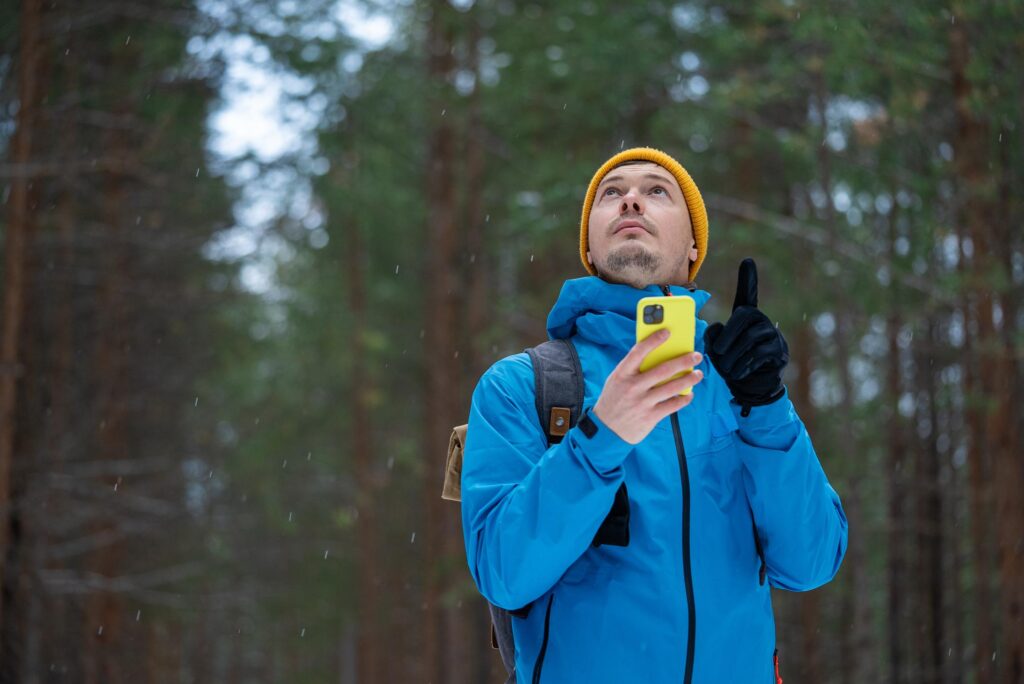
For a long time, Americans traveling abroad felt a bit like they were speaking a different language when it came to numbers. Growing up with Fahrenheit and miles made it tricky to understand a weather report or a speed limit sign in countries using the metric system. Throughout the 1970s and 80s, travelers often carried conversion charts or just guessed at the temperature based on how many jackets people were wearing. This disconnect could make navigating a new country feel slightly more intimidating than it needed to be.
Today, thanks to the constant use of smartphone apps and a more global mindset, most of us are much more comfortable with Celsius and kilometers. Since about 2012, the ease of toggling settings on our devices has helped us learn these measures through daily use while on the road. Being able to look at a sign and know exactly how far the next town is builds a lot of confidence. It might seem like a minor technicality, but adapting to local measurements helps us feel less like outsiders. It’s a small but powerful way we show that we are willing to meet the world on its own terms.
Eating More Flexibly

There was a period, particularly in the late 1990s, when American travelers were known for being a bit “particular” at the dinner table. We were used to a high level of customization, often asking to swap sides or change how a traditional dish was prepared. This sometimes caused friction in cultures where the chef’s menu is considered a finished work of art. However, a major shift occurred around 2018 as “foodie culture” exploded online, encouraging travelers to seek out the most authentic, untouched versions of local recipes.
Now, we are seeing a much more adventurous and flexible approach to dining. Instead of looking for a “taste of home,” we are excited to try dishes exactly as they have been served for centuries. This openness has turned every meal into a discovery, allowing us to appreciate the true flavors of a region without trying to control the outcome. It makes the culinary part of a trip feel like a respectful exchange rather than a demand. When we eat what the locals eat, we get a much deeper understanding of the history and heart of the places we visit.
Planning Independently
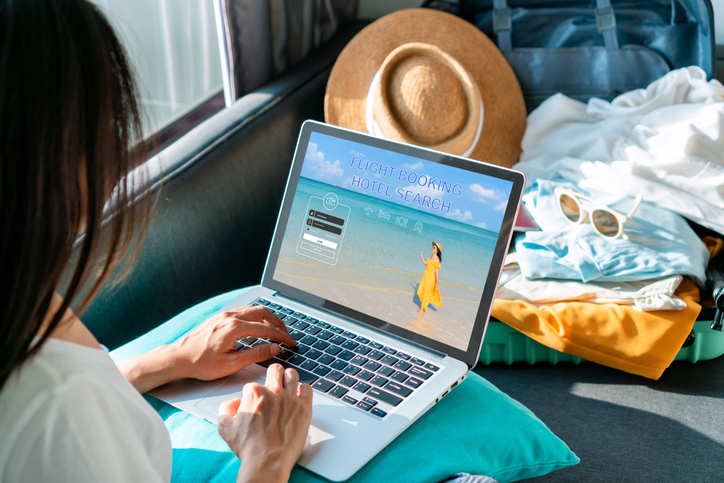
Back in the 1980s, if you wanted to go on a big trip, you almost certainly sat down in a travel agent’s office to look at physical brochures. You relied on professional planners to book your flights and hotels, often choosing from pre-set “package deals” that didn’t allow much room for imagination. While this was convenient, it meant that many vacations felt a bit like they came off an assembly line. By the time the early 2000s rolled around, the internet began to put the power of planning directly into our hands.
Today, independent planning is the new gold standard for American travelers. With tools like specialized booking sites and social media reviews that became mainstream by 2015, we can now build a trip that is 100% unique to us. Whether it’s finding a quirky treehouse stay or a hidden jazz club, we have the freedom to follow our own curiosities. This independence makes the journey feel much more rewarding because we’ve invested the time to craft it ourselves. It has turned us all into explorers of our own stories, making each adventure feel more personal and dynamic.
Traveling Sustainably
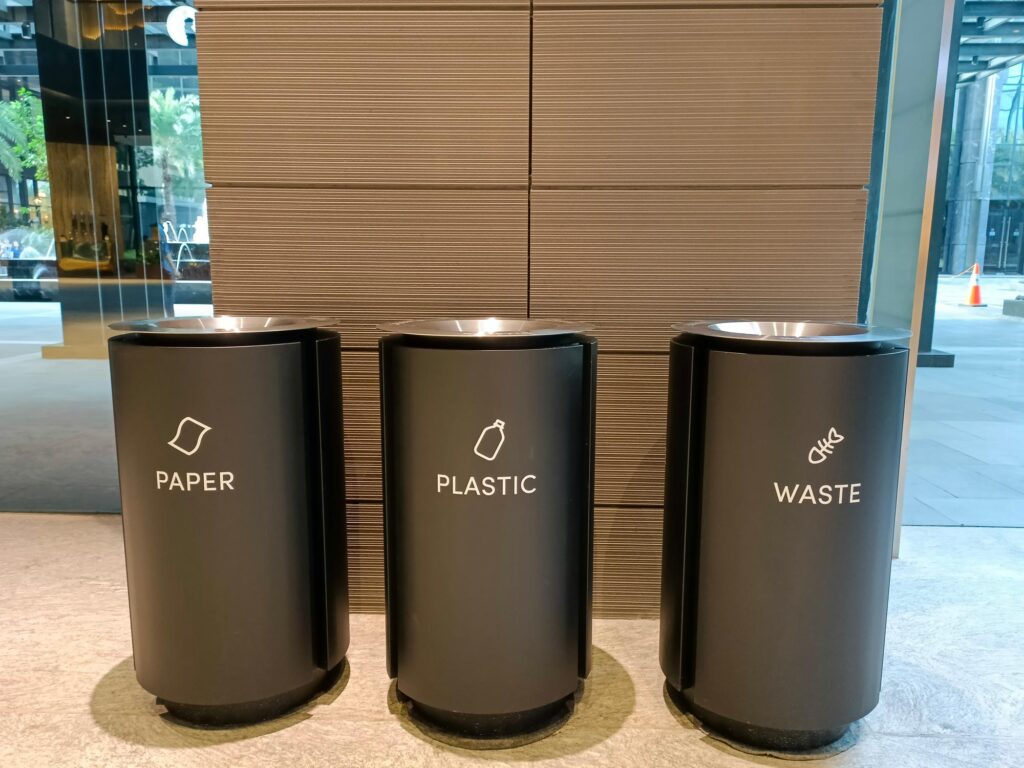
In the past, most of our travel decisions were based purely on price and convenience. During the 1990s, we rarely stopped to think about the environmental footprint of our flights or the impact of our waste on local ecosystems. However, as global awareness of climate change and conservation grew in the 2010s, many of us began to reconsider how we move through the world. We started to see that our presence in a beautiful destination comes with a responsibility to help keep it that way for the next generation.
By 2026, sustainability has moved from a niche interest to a major priority for the average traveler. We are seeing more people choose eco-certified hotels, pack reusable items to avoid plastic, and even opt for trains over short-haul flights when possible. This mindful approach, which gained serious momentum around 2020, shows a deep respect for the planet. It’s not about doing less; it’s about doing things better. This shift in mindset ensures that the breathtaking sights we enjoy today will still be there for our children and grandchildren to explore in the future.
Traveling For Events
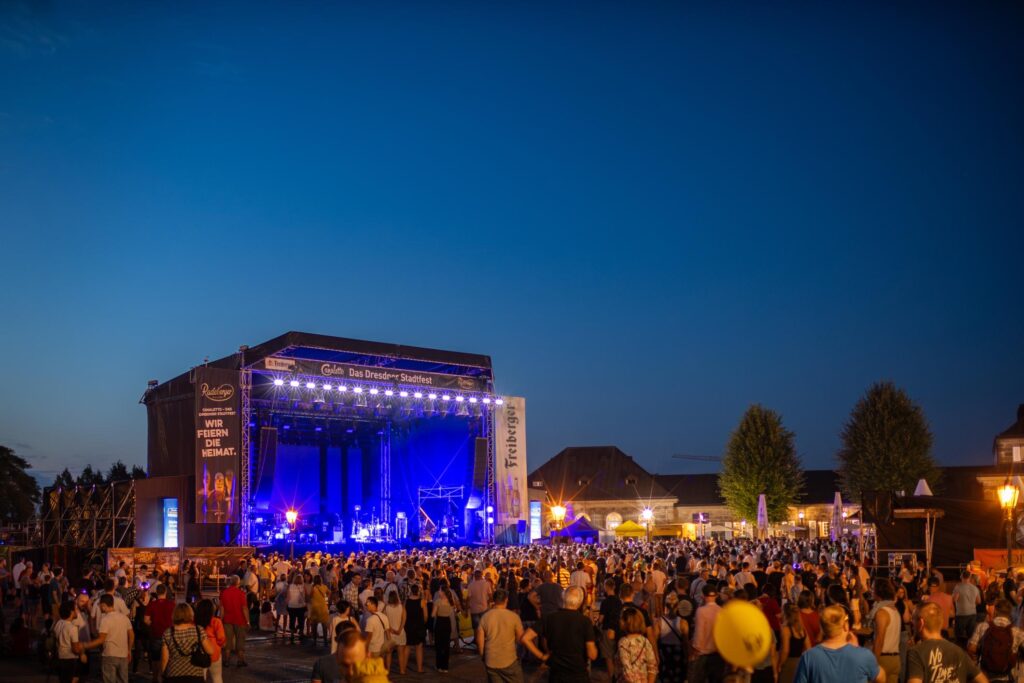
For decades, vacations were usually defined by a physical place, like “going to the beach” or “visiting the mountains.” You picked the spot first and figured out what to do once you checked into your hotel. But starting around 2010, a new trend emerged where the event itself became the primary reason for the trip. Whether it’s a massive music festival, a world-class sporting event, or a specific cultural celebration, the “why” of travel has become just as important as the “where.”
This event-driven travel adds an incredible spark of excitement to any itinerary. Since 2022, we’ve seen a huge spike in people flying across the country specifically to catch a favorite artist’s tour or attend a major championship game. It gives the trip a clear focus and creates a shared energy with thousands of other fans. Often, this leads us to discover amazing cities we might have never considered otherwise. By building a vacation around a specific moment in time, we ensure that the trip is both intentional and absolutely unforgettable. It turns a standard holiday into a once-in-a-lifetime experience.


