
The Scent Of Arrival
One of the first things travelers notice is something they cannot see at all. The air itself often carries a distinct scent that feels entirely new and unique to that specific geographic coordinate. It might be the comforting smell of fresh bread drifting from a local bakery or the bold, spicy aroma of street food sizzling on a grill. In some major hubs, it could even be the sharp, metallic scent of industrial activity or the refreshing smell of damp pavement after a tropical rainstorm.
These smells trigger an instant emotional reaction, shaping how you feel about a place before you even speak to a local. Science tells us that the olfactory bulb is directly connected to the amygdala and hippocampus, which is why scent is so closely tied to memory. That first breath of air becomes an invisible signature for the destination. Years later, a similar smell can instantly transport you back to that specific moment of arrival in 2024 or 2025, capturing a feeling that photos often fail to preserve.
Traffic And Movement
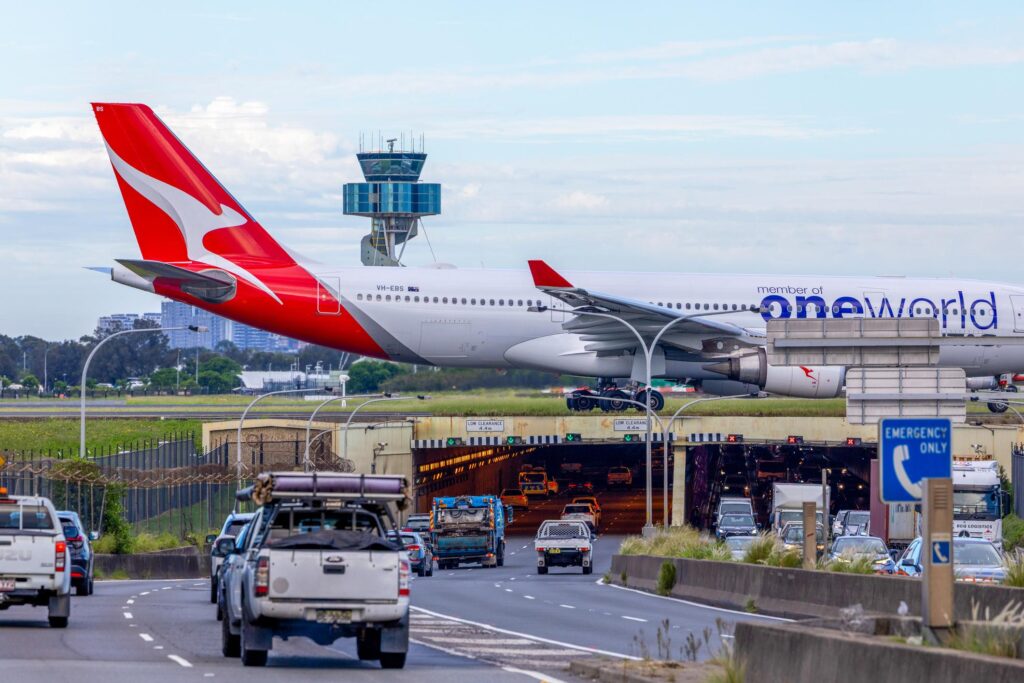
The moment you step outside the airport, the way a country moves becomes immediately apparent. In some nations, the roads are incredibly orderly and quiet, with drivers strictly adhering to lanes and pedestrians having the absolute right of way. In other parts of the world, the streets feel like a living, breathing organism where motorcycles weave through tight gaps and horns serve as a constant form of communication. It is a sensory experience that defines the “pulse” of a city from the very start.
This difference is about much more than just driving habits; it reflects a society’s broader attitudes toward rules, time, and shared public space. For many visitors, adjusting to this new rhythm can take a few days, especially when simply crossing the street feels like a high-stakes challenge. However, observing how people navigate their daily commute offers a fascinating early glimpse into the local flow of life. Whether it’s the high-speed efficiency of a bullet train or a crowded colorful bus, movement defines the travel experience.
Language And Sound
Even if you haven’t mastered the local tongue, you will notice the distinct “soundscape” of a new country immediately. Announcements, casual chatter, and the rhythmic hum of background conversations create an unfamiliar atmosphere. Even in English-speaking countries, different accents and regional slang can make simple interactions feel like a brand-new experience. This auditory shift is often one of the most jarring but exciting parts of crossing a border, signaling that you have officially left your comfort zone.
Language shapes every facet of everyday life, from the way you order a morning coffee to how you ask for directions. This transition can feel both intimidating and exhilarating at the same time. Over the course of a trip, travelers often start to recognize common phrases or the musicality of the local speech, which helps them feel more integrated into the community. That early sense of confusion is a vital part of the journey, serving as a clear reminder that you have truly stepped into a different world.
Personal Space Norms

One of the quickest cultural surprises involves how people use personal space. In some regions, strangers might stand quite close during a conversation or greet one another with warm hugs and cheek kisses. In contrast, other cultures value a noticeable distance and strictly limit physical contact between people who aren’t close friends. These unwritten rules of engagement are often felt before they are explained, leading to those famous “culture shock” moments that travelers love to talk about.
For a new visitor, these differences can feel either incredibly welcoming or slightly intrusive depending on what they are used to back home. Learning these social boundaries is important for avoiding awkward situations and showing respect to the locals. As you spend more time in a place, you’ll likely find yourself subconsciously adapting to these norms. Whether it’s a firm handshake or a polite bow, understanding how a society handles personal space is a key part of becoming a savvy and respectful world traveler.
Water Safety Awareness

Soon after arriving at a hotel or rental, many travelers have to answer a very practical question: “Is the tap water safe to drink?” This small detail quickly becomes a focal point of daily life, especially in countries where relying on bottled or filtered water is the standard health precaution. It changes the way you brush your teeth, how you wash produce, and even how you order a cold drink with ice at a local restaurant.
This awareness goes far beyond mere convenience; it reflects the local infrastructure and public health systems. Travelers often find themselves quickly adapting by carrying reusable bottles with built-in filters or looking for local “agua purificada” signs. While it might seem like a minor logistical hurdle, it is actually one of the earliest ways a visitor begins to interact with the environment on a practical level. Staying hydrated safely is a top priority that helps ensure the rest of your trip goes off without a hitch.
Order Or Disorder
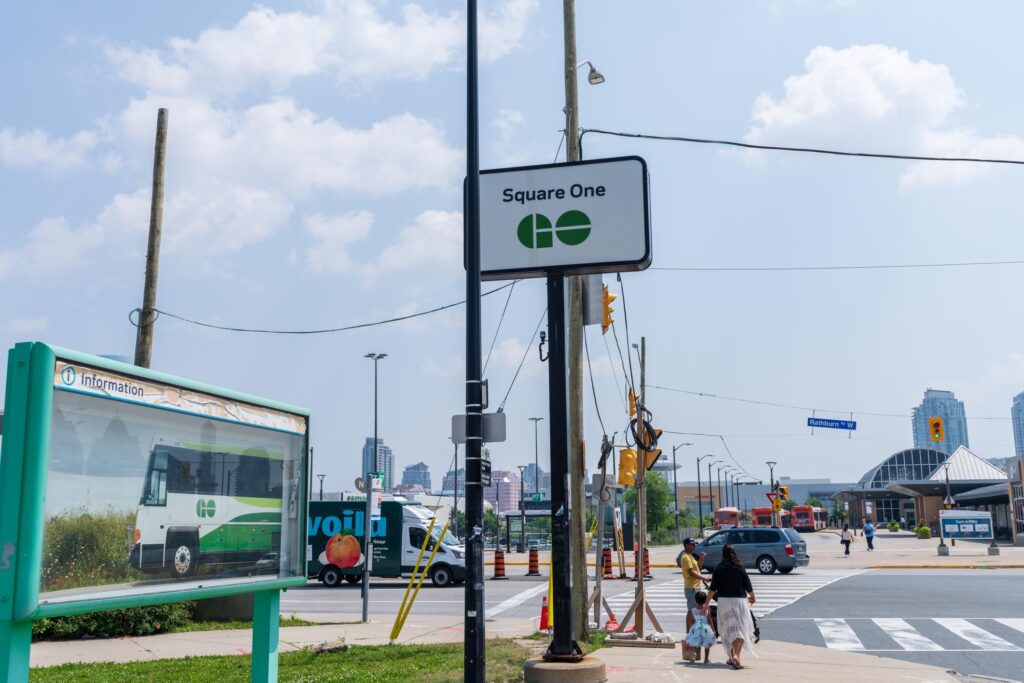
As you move through a new city, you’ll quickly pick up on the general level of order or spontaneity in the environment. Some destinations appear meticulously organized, with pristine sidewalks, perfectly timed public transit, and very clear signage. Other places might feel more “lived-in,” featuring crowded markets, vibrant street art, or a bit of visible clutter. Both styles have their own unique charm and tell a story about how that particular society functions on a day-to-day basis.
These initial observations can shape your first impressions fast, though they often only tell part of the story. What might look like chaos to a visitor is often a highly functional system for the people who live there every day. Recognizing this helps travelers move beyond surface-level judgments and appreciate the different ways humans organize their lives. Whether you prefer a quiet, structured park or a bustling, energetic plaza, the level of order in a country is a major part of its distinct personality.
Currency And Prices
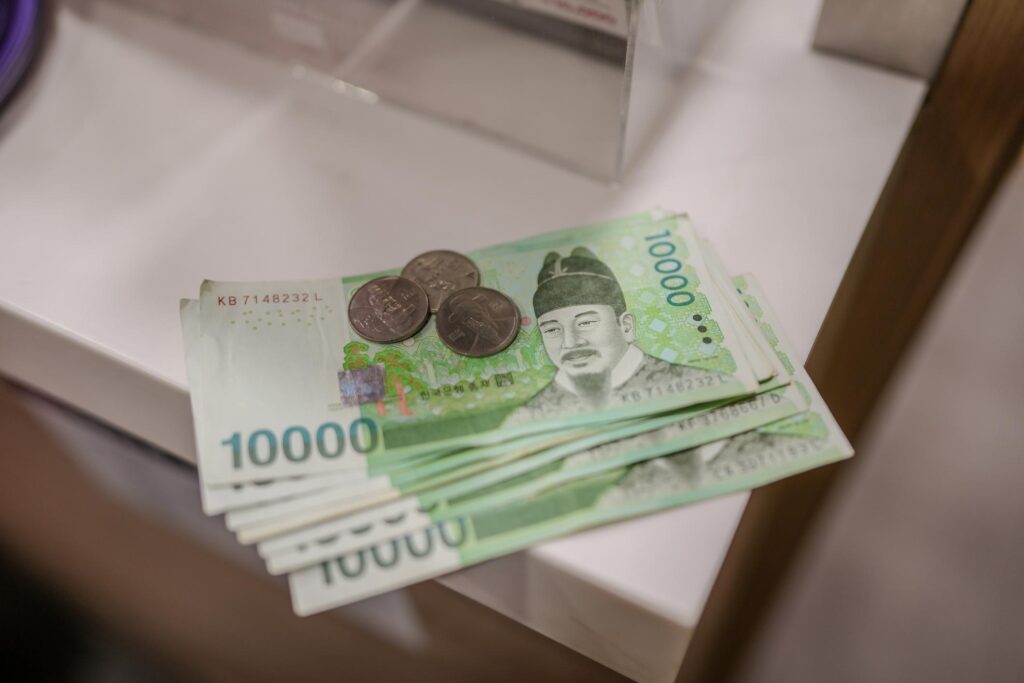
Handling a new currency is one of the first “real world” challenges you’ll face after landing. Fiddling with unfamiliar banknotes, figuring out the value of various coins, and doing the mental math to convert prices back to your home currency can make a simple snack purchase feel like a math exam. From the colorful designs of the bills to the weight of the coins in your pocket, money is a very tactile reminder that you are somewhere new.
At the same time, you’ll quickly notice the local cost of living. A hearty meal might be surprisingly affordable, or a simple coffee could be unexpectedly pricey compared to what you pay back home. These early financial realizations play a huge role in how you plan the rest of your adventure, from where you decide to eat to which souvenirs you pick up. Understanding the value of the local dollar (or euro, or yen) is a key step in navigating a new culture with confidence.
Friendliness And Demeanor
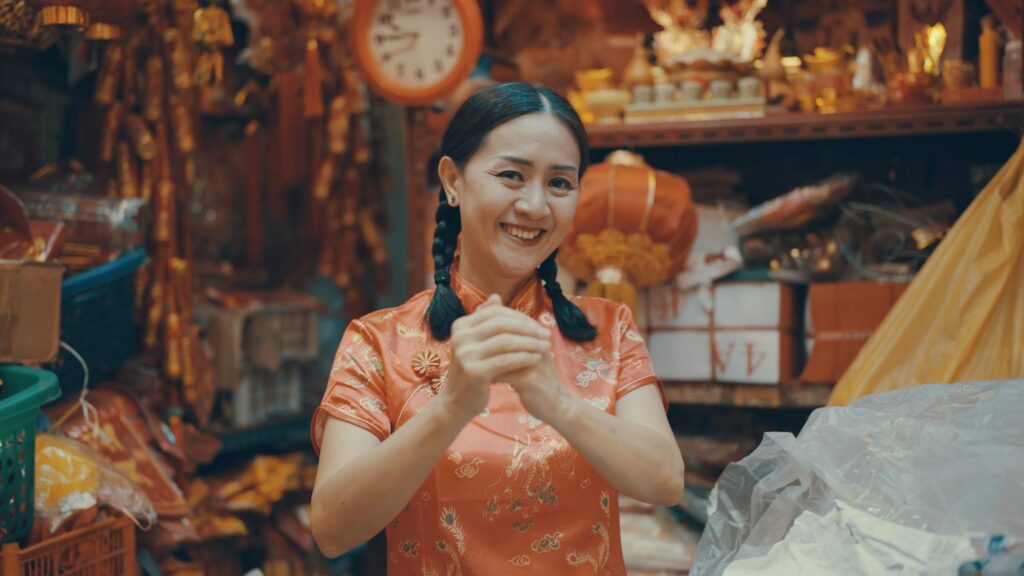
The general vibe and attitude of the local people usually stand out the moment you interact with a shopkeeper or a flight attendant. In some cultures, people are incredibly outgoing, smiling at strangers and striking up casual conversations with ease. In other countries, the local demeanor might be more reserved or focused, which some visitors might mistake for being cold, though it is often just a different way of showing professional respect.
These social patterns reflect deep-seated cultural values regarding communication and privacy. A traveler might initially misinterpret a lack of small talk as unfriendliness, or a loud greeting as overwhelming, but these are just different social “languages.” Over time, you’ll come to appreciate how these interactions build the social fabric of the country. Whether you’re receiving a warm “hello” or a polite, silent nod, the way people treat one another is one of the most memorable aspects of any international journey.
Public Affection Rules
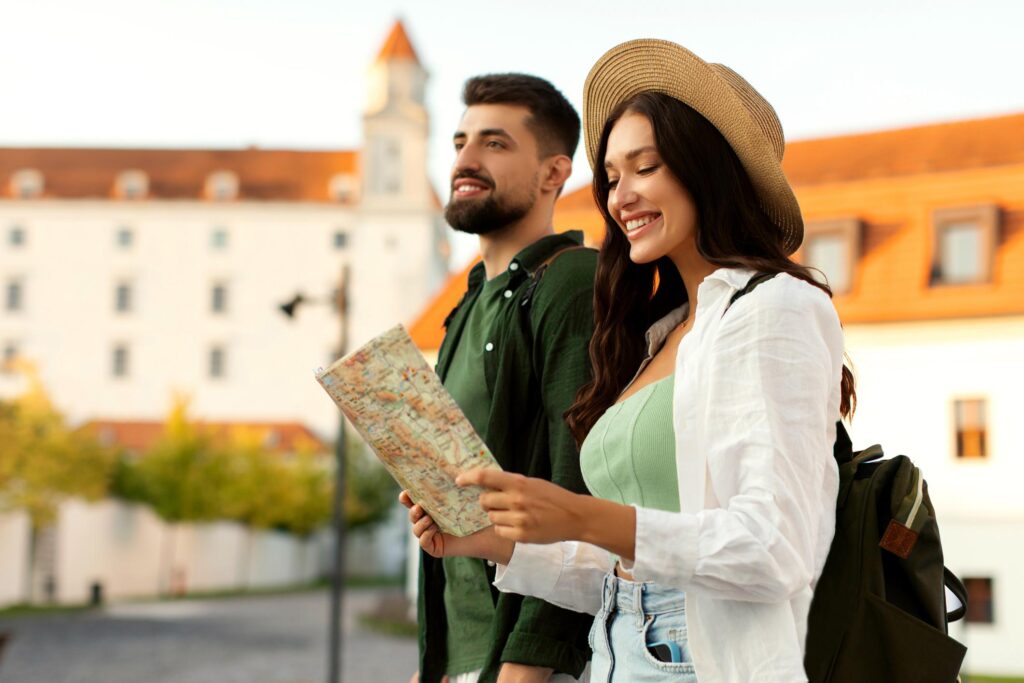
Travelers are often surprised by the local “rules” regarding how couples behave in public. In many Western countries, holding hands or a quick kiss in a park is seen as totally normal and goes unnoticed. However, in other parts of the world, public displays of affection (often called PDA) are quite rare or even culturally discouraged. Seeing these boundaries in action is a fascinating look into the traditional values and social expectations of a different society.
Noticing these differences can be an eye-opening experience, reminding us that what we consider “normal” is often just a product of our own upbringing. It is always a good idea for visitors to observe the locals and follow their lead to avoid causing unintended offense or feeling out of place. Understanding these social boundaries helps you navigate the culture with grace and gain a deeper insight into the community’s views on romance and privacy. It’s a small detail that reveals a lot about the heart of a nation.
Dress And Modesty

Clothing styles are another immediate visual cue that travelers notice the moment they leave the arrivals terminal. From intricate traditional garments to the latest modern fashion trends, what people wear often reflects a deep sense of cultural identity, religious heritage, and the local climate. Walking through a city in 2026, you might see a seamless blend of ancient textiles and high-tech street style, providing a colorful introduction to the local way of life.
In some countries, modest dressing is a strictly followed social expectation, where covering one’s shoulders or wearing longer garments is considered a sign of respect. In other regions, fashion may be much more relaxed, expressive, or even avant-garde. Observing these patterns helps travelers understand local expectations and adjust their own wardrobe choices to blend in better. It is often one of the clearest ways that culture becomes visible and tangible in everyday life, turning a simple walk down the street into a fashion history lesson.
Architecture And Signs
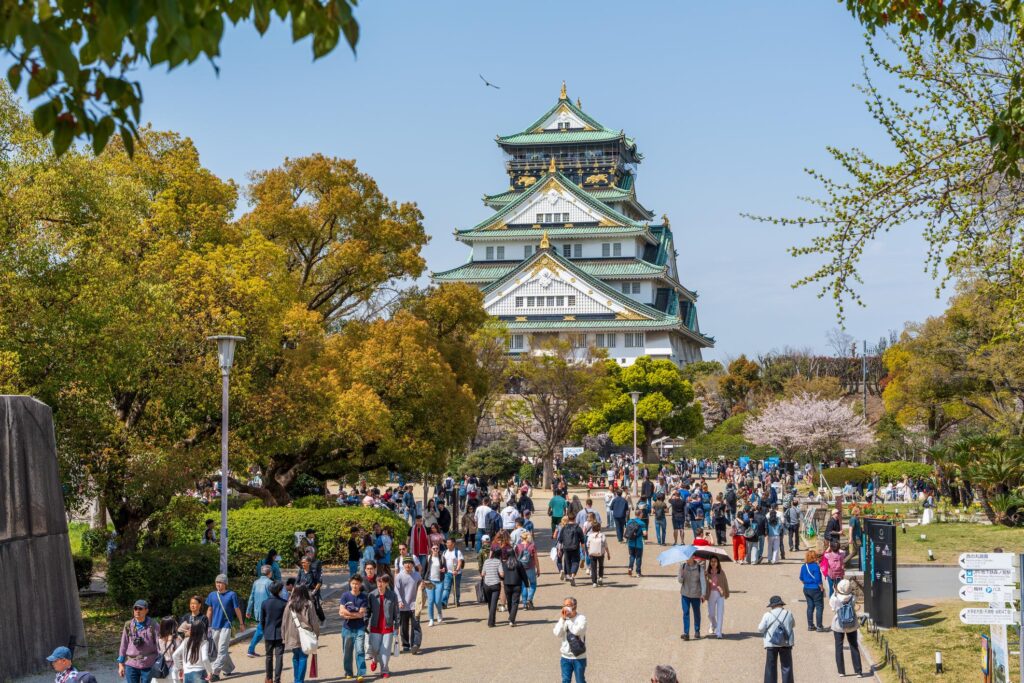
One of the most immediate visual shifts you’ll notice is the architecture surrounding you. Buildings, street layouts, and even small design details like window frames often reflect a country’s unique history and soul. Whether it is the sleek glass towers of a modern financial district or centuries-old stone structures that have stood since the 1800s, the contrast with your hometown can feel striking within minutes. It is like walking through a living museum where every corner tells a story of the past.
Signage adds another fascinating layer to this experience for any new visitor. Street signs, vibrant advertisements, and storefronts may use unfamiliar alphabets or symbols, turning a simple walk into a bit of a mental puzzle. This visual difference highlights how deeply language and history are embedded in the public spaces we share. Over time, your eyes will begin to recognize patterns and key words, but those first moments often feel like you have stepped into a completely new visual language that challenges your perspective.
Connectivity Challenges

In today’s digital age, one of the first practical hurdles travelers face is the quest to stay connected. Finding a local SIM card, navigating mobile data roaming, or hunting for a reliable Wi-Fi password quickly becomes a top priority after the plane touches down. This immediate need reflects just how essential our digital tools have become for everything from real-time navigation and translation to checking in with loved ones back home.
The ease or difficulty of getting online can actually reveal quite a bit about a country’s modern infrastructure. Some destinations offer lightning-fast, widespread connectivity even in public parks, while others require a bit more effort and a lot of patience. These early tech experiences often shape how comfortable a traveler feels moving around a new city independently. In many ways, having a solid internet connection has become just as important as having a good map when it comes to settling into a new environment.
Grocery Store Surprises

A simple trip to a local grocery store can feel unexpectedly confusing and exciting when you are in a foreign country. Familiar household items might look different, taste different, or be tucked away in sections you’d never expect. You might find that the bread is much sweeter than you’re used to, the milk is shelf-stable rather than refrigerated, and the snack aisle features flavors, like seaweed or spicy chili, that feel like a total adventure for your taste buds.
These small differences reflect local agricultural practices, regional tastes, and long-standing cultural preferences. For a traveler, exploring these aisles is a great way to see what daily life actually looks like for the people who live there. Over time, many visitors begin to fall in love with these unique local variations, but those first few encounters at the checkout counter always stand out. It’s a vivid reminder that even the most mundane routines can change dramatically once you cross a border.
Noise And Silence

The overall “volume” of a place is something most travelers pick up on almost instantly. Some global cities are filled with the constant energy of movement, from honking horns and shouting street vendors to music spilling out of cafes, creating a lively and sometimes overwhelming atmosphere. On the flip side, other major hubs can feel surprisingly quiet, where even the busiest streets seem to operate with a sense of calm and orderly hushed tones.
This difference in sound often reflects cultural attitudes toward public behavior and how people share urban spaces. What feels like “noise” to one person might feel like “vibrant energy” to another, while total silence can feel either incredibly peaceful or a bit unsettling depending on what you’re used to. These early auditory impressions play a huge role in how you perceive a destination. Whether a city shouts or whispers, its unique soundtrack is one of the first things that will settle into your memory.
Laws And Restrictions
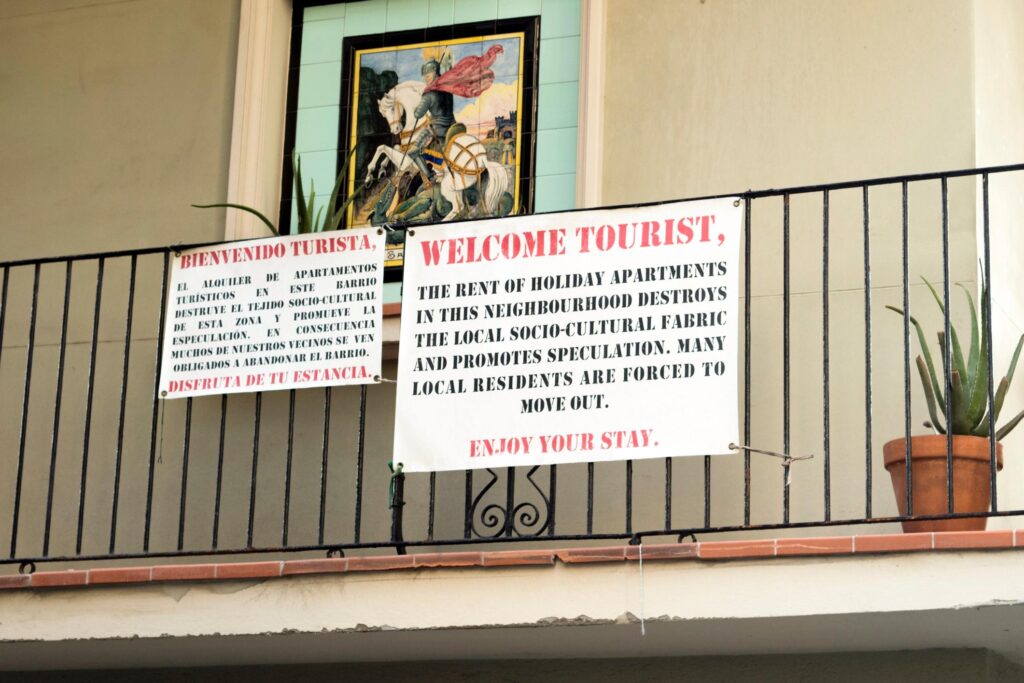
Another detail that stands out quickly is how strict or relaxed the local laws appear to be in practice. As a visitor, you might notice regulations that are very different from home, such as specific rules about where you can eat, restrictions on certain products, or laws regarding public behavior that might be totally normal in your own backyard. Understanding these “rules of the road” is one of the most important parts of being a responsible guest in a new country.
These differences highlight how legal systems are shaped by a society’s specific cultural values and social priorities. Observing these rules early on helps travelers stay safe and avoid any accidental trouble during their stay. While some of these restrictions might seem unusual or even quirky at first, they offer a deep insight into how each society defines things like order, safety, and public responsibility. It’s all part of the learning curve that makes international travel such a mind-expanding experience.


