
1. Comfort In Companionship

You have probably seen it before and paused without even realizing why. A dog curled beside a duck. A kitten following a puppy. These moments feel simple, yet they quietly explain why animals sometimes bond across species. Many animals are naturally social, and when their own kind is not around, they reach for whoever is nearby. A lonely goat may begin following a horse across a field. A rescued kitten may sleep beside a puppy because it feels warmer and safer. These early interactions often happen without intention. They grow slowly, shaped by routine and familiarity.
Over time, sharing space becomes sharing comfort. They eat near each other, rest together, and begin to notice when the other is missing. Familiar presence becomes reassuring. What started as convenience becomes companionship. Animals form attachments through repeated calm experiences, much like people do. The more time they spend together, the more natural the bond feels. Eventually, they simply prefer being close. These friendships often look unusual at first, but they follow a quiet and relatable pattern. Sometimes companionship grows because two beings happened to meet at the right time and slowly became part of each other’s everyday life.
2. The Instinct To Care For The Young
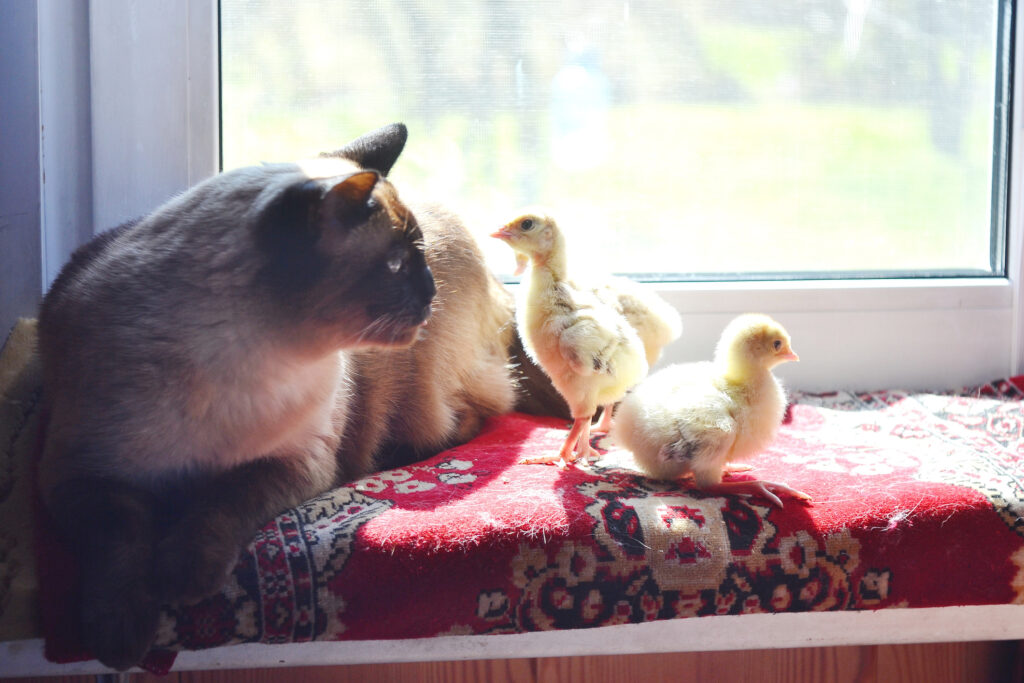
Some friendships begin with a caregiving instinct that feels surprisingly familiar. A dog nursing kittens. A cat protecting baby chicks. These moments may seem unusual, but they happen more often than people expect. When animals encounter young that appear vulnerable, nurturing instincts can take over. A small cry, a gentle movement, or even the simple presence of a helpless animal can trigger protective behavior. Once that instinct is activated, the caregiver often treats the young as their own. They groom them, guard them, and stay close, creating a bond that grows naturally.
Over time, the difference between species begins to matter less. The caregiver responds to need, not similarity. These relationships often become steady and calm, shaped by daily routines of care. The young animal learns to trust, and the caregiver grows protective. These moments reflect something deeply recognizable. The instinct to nurture often rises above difference. As the animals spend more time together, familiarity replaces hesitation. Eventually, what began as instinct becomes companionship. These quiet caregiving bonds remind us that connection often forms through simple acts of protection and presence.
3. Safety In Numbers
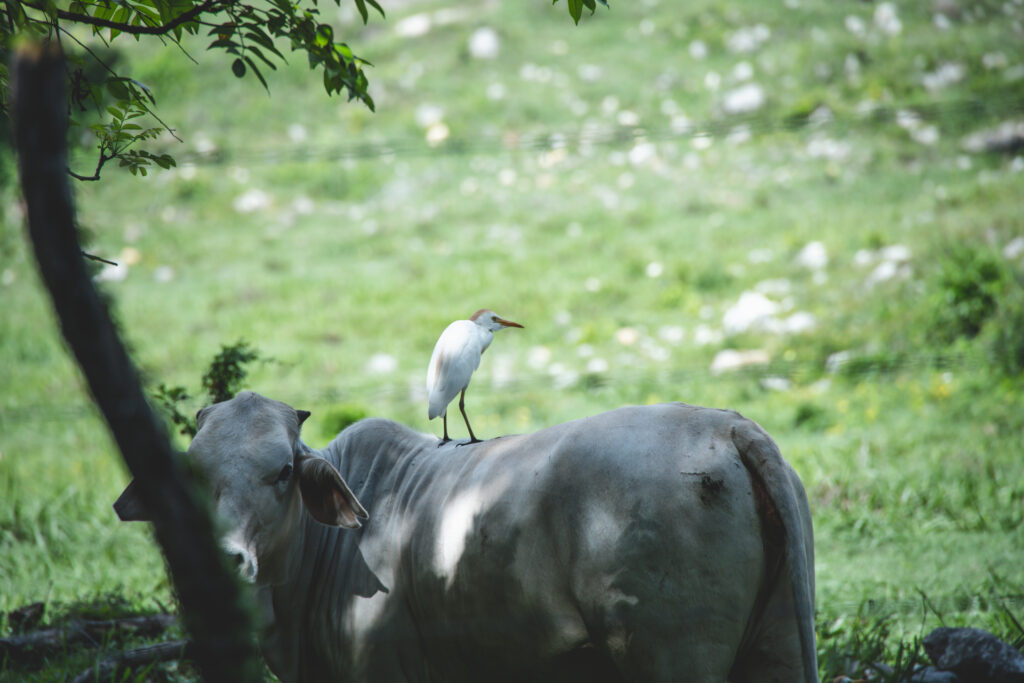
Sometimes, cross species friendships begin with survival. In the wild, animals benefit from having extra eyes and ears around them. A bird perched nearby may spot danger before a larger animal does. A calm companion may reduce stress and create a sense of security. These small advantages slowly build familiarity. Animals that repeatedly benefit from each other begin to stay close. Over time, what started as cooperation becomes routine. Being together simply feels safer and more comfortable.
As the animals spend more time side by side, their presence becomes reassuring. They move together, rest near each other, and react to changes in their environment. These shared experiences build trust. Trust turns into companionship. Even when danger is not present, the animals continue to remain close because the bond has already formed. These friendships may begin with survival, but they often grow into something more relaxed and steady. Over time, safety turns into familiarity, and familiarity becomes connection.
4. Growing Up Together

When animals grow up together, friendships often develop naturally. Young animals are more open to bonding because they are still learning about their environment. A puppy raised with a kitten may never question the difference between them. A baby goat raised beside a calf may see the calf as family. These early experiences shape how animals perceive companionship. Sharing space during early life creates comfort that continues into adulthood.
As they grow, shared routines strengthen the bond. They eat together, explore together, and rest in the same space. Familiarity replaces uncertainty. Over time, the animals become part of each other’s daily rhythm. These early friendships often last because they are built before fear or caution develops. The animals simply grow used to one another. What begins as proximity becomes trust, and trust becomes companionship. These bonds quietly show that connection often grows from shared beginnings rather than similarity.
5. Mutual Benefits
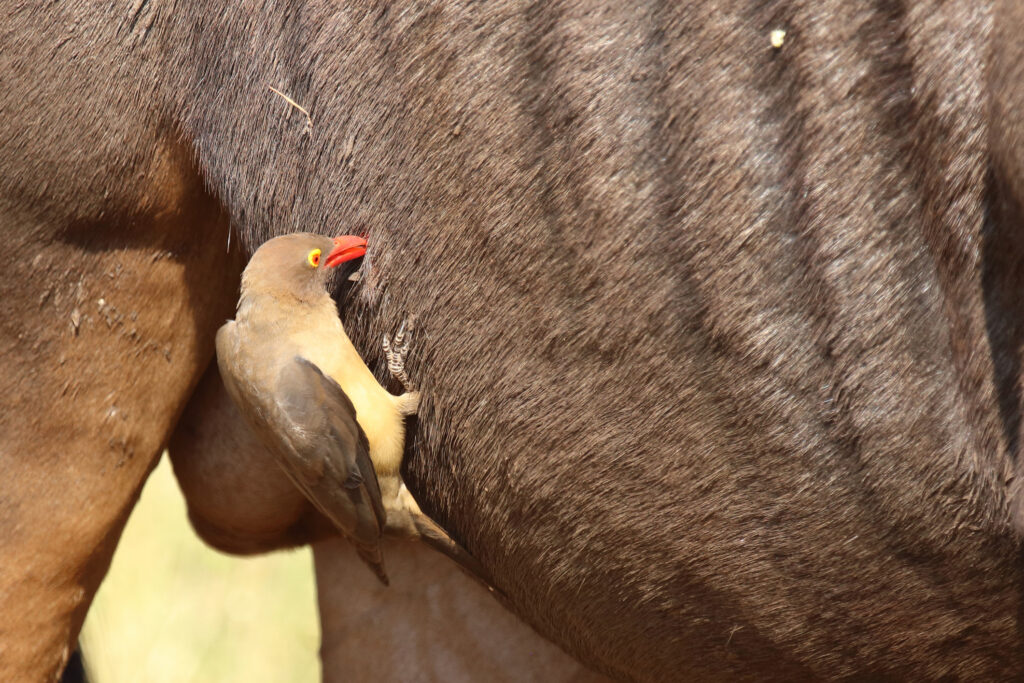
Some cross species friendships begin because both animals gain something useful. A larger animal may benefit from companionship, while a smaller one gains protection. These partnerships often begin through repeated helpful interactions. One animal may remove pests. Another may provide safety. Over time, these small benefits build familiarity. Familiarity encourages the animals to remain close.
As these interactions continue, the bond grows stronger. The animals begin to move together and rest nearby. Even when the original benefit becomes less obvious, the companionship remains. Repeated positive experiences create comfort. Comfort leads to trust. These friendships often feel natural because they develop gradually. What started as cooperation slowly becomes companionship. The animals learn that being together works well. Eventually, they simply prefer the presence of the other.
6. Curiosity And Gentle Temperaments
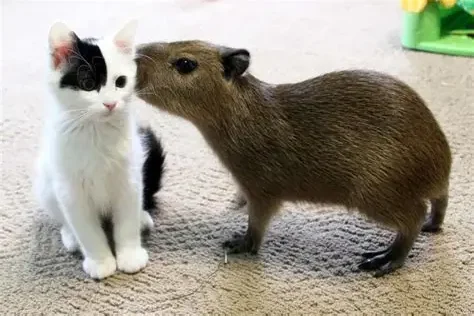
Some animals bond simply because they are curious and calm. A gentle dog may approach a deer without aggression. A relaxed animal may allow another species to stay nearby without fear. When these first encounters are peaceful, familiarity begins to form. Calm personalities create opportunities for connection. These quiet beginnings often grow into lasting friendships.
Over time, repeated calm encounters build comfort. The animals begin to recognize each other and remain close. Curiosity turns into familiarity. Familiarity becomes companionship. These friendships often develop quietly, shaped by gentle behavior and shared calm moments. They may appear unusual at first, but they follow a simple pattern. When animals feel safe and relaxed, connection often grows naturally.
7. Shared Environments
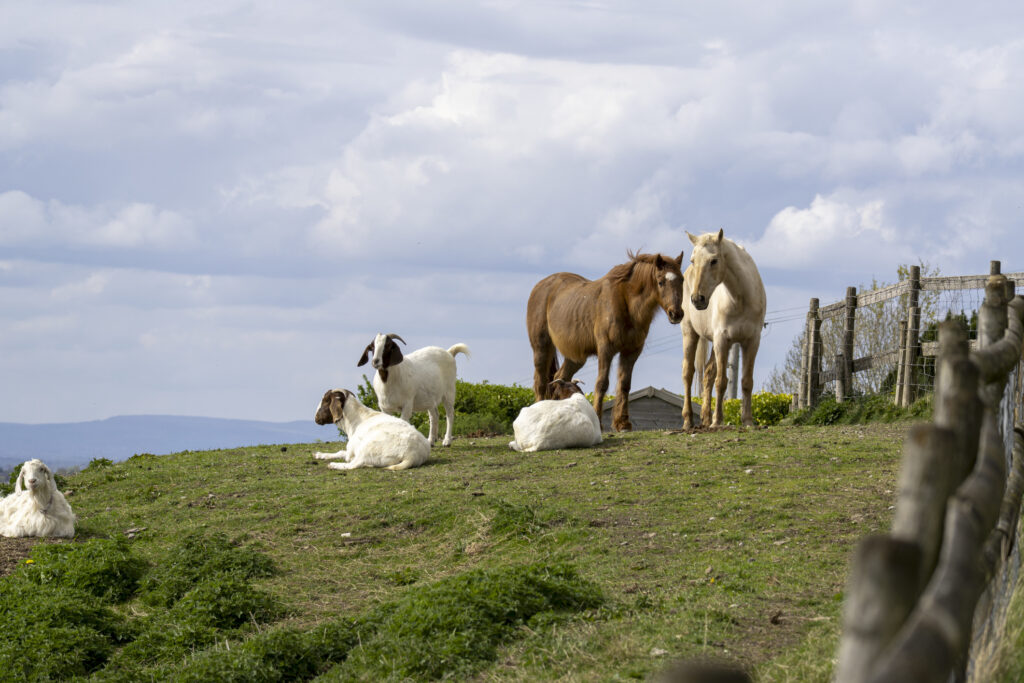
Sometimes friendships form simply because animals share the same space every day. A horse in a pasture may grow used to a goat wandering nearby. A dog on a farm may spend time beside ducks without any tension. These repeated encounters slowly reduce uncertainty. Animals begin to recognize each other as familiar rather than threatening. When nothing negative happens during these encounters, calm replaces caution. Over time, they begin to move comfortably around each other.
As the days pass, shared routines begin to form. They rest near each other, eat in the same area, and sometimes follow each other without intention. Familiar presence becomes comforting. What once felt unusual becomes normal. These quiet relationships often grow without any dramatic moment. They simply develop through repeated peaceful encounters. The animals become part of each other’s environment. Over time, proximity turns into familiarity, and familiarity turns into companionship. These friendships often feel natural because they are shaped slowly by everyday moments and shared surroundings.
8. Emotional Intelligence In Animals

Animals are more emotionally aware than many people once believed. Some animals respond to calm presence, comfort, and companionship in ways that feel familiar. A rescued animal may gravitate toward another gentle companion. A stressed animal may relax when another calm animal stays nearby. These emotional responses often create the beginning of cross species friendships. When animals feel comfortable together, they begin to spend more time side by side.
Over time, these shared calm moments build trust. Trust encourages the animals to remain close. They begin to recognize each other as a source of comfort. This emotional familiarity strengthens the bond. These friendships often grow quietly, shaped by calm interactions and gentle presence. As the animals continue sharing peaceful experiences, their connection becomes steady. These bonds show that emotional awareness plays a role in how animals form friendships. Sometimes connection grows simply because two animals make each other feel calm and secure.
9. Reduced Competition
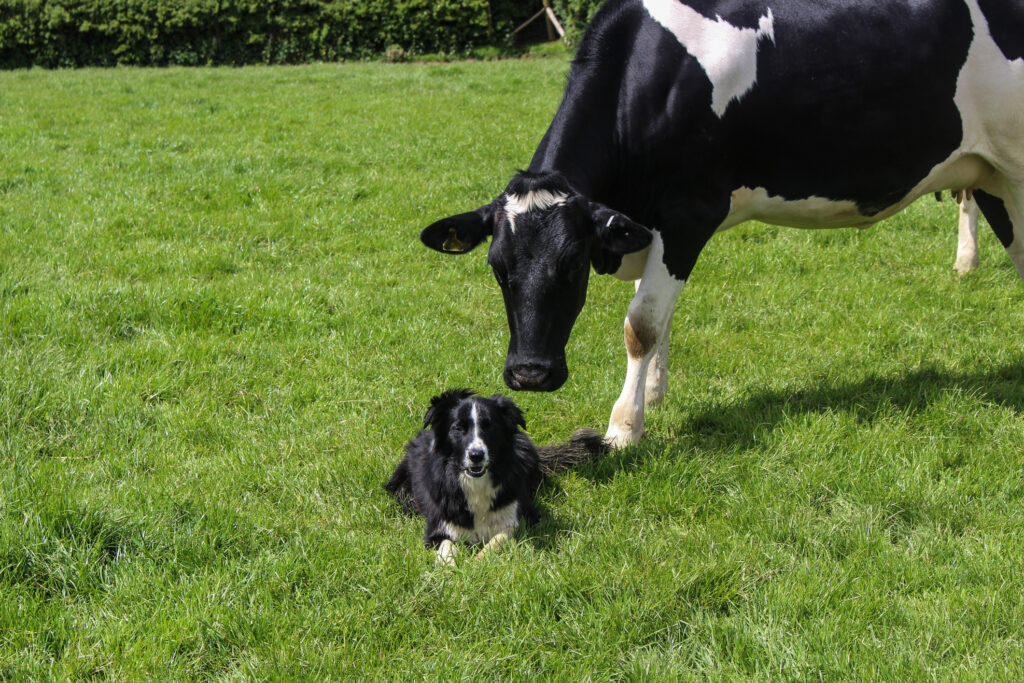
Friendships often grow more easily when animals are not competing for the same resources. A cat and a rabbit may share space peacefully because they do not compete for food. A cow and a dog may coexist calmly because their needs are different. Without competition, tension decreases. Animals become more relaxed around each other. Calm environments encourage interaction and familiarity.
As the animals spend more time near each other, comfort grows naturally. They may rest together or follow each other casually. The absence of conflict allows companionship to develop quietly. Over time, the animals begin to recognize each other as part of their daily routine. Familiar presence becomes reassuring. These friendships often appear simple, but they are shaped by peaceful coexistence. Without competition, connection has room to grow. These calm relationships often develop gradually, turning shared space into quiet companionship.
10. Rescue And Rehabilitation Environments
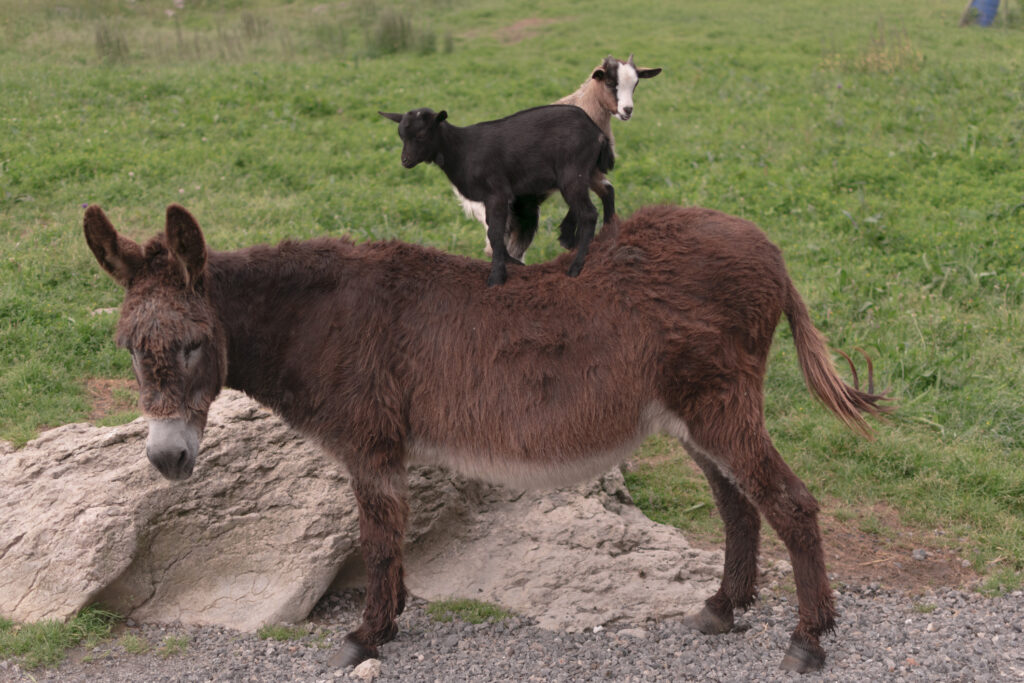
Rescue centers often create space for unexpected friendships. Animals recovering from stress or injury sometimes bond with gentle companions nearby. A rescued donkey may grow attached to a goat. A recovering dog may relax beside a calm cat. These bonds often form because animals feel safer when they are not alone. Shared vulnerability encourages connection.
As recovery continues, these quiet partnerships deepen. The animals begin to rest near each other and move together calmly. Familiar presence helps reduce anxiety. Over time, companionship becomes part of their healing process. These friendships often remain even after recovery. What began as comfort during difficult moments becomes a lasting bond. These gentle relationships show how connection can grow during recovery. Shared experiences often create familiarity, and familiarity becomes companionship.
11. Learning From Each Other
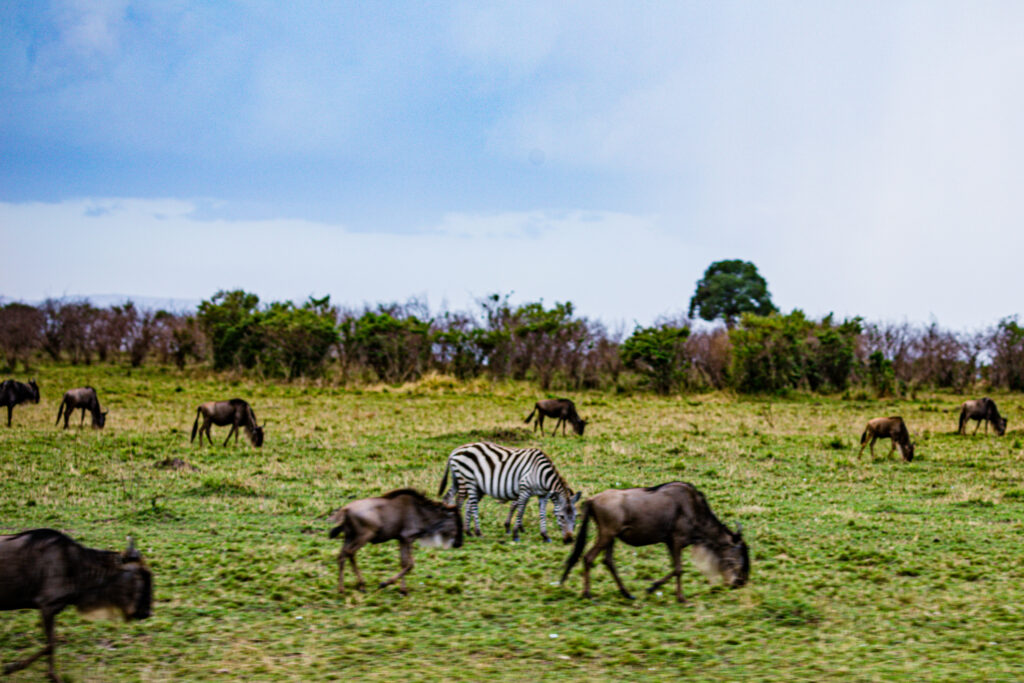
Sometimes friendships begin quietly when one animal starts learning from another. A shy goat may follow a calm horse around a pasture, slowly picking up its routines. A younger animal may watch a more confident companion and begin to mirror its behavior. These interactions often happen naturally, without any pressure. Spending time together allows animals to become familiar with each other’s movements and habits. Over time, the less confident animal begins to relax. The presence of the other becomes reassuring. Learning creates comfort, and comfort builds trust.
As these shared experiences continue, the bond deepens. The animals begin to move together and rest near each other without hesitation. Familiar behavior becomes part of their daily rhythm. What started as simple observation becomes companionship. These friendships often grow slowly, shaped by quiet moments and shared routines. Over time, the animals become used to relying on each other’s presence. Learning together builds a steady connection that feels natural. These gentle partnerships often last because they develop gradually, built on familiarity, comfort, and the quiet confidence that comes from sharing everyday life together.
12. Connection Beyond Difference
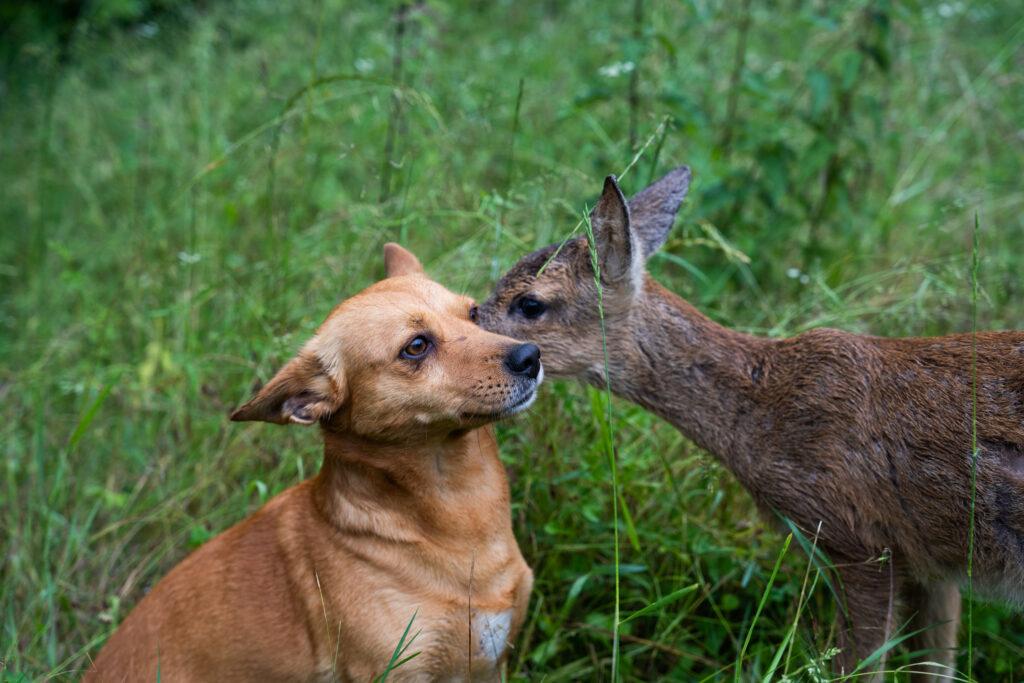
By the time these friendships fully form, they rarely seem unusual anymore. A dog resting beside a deer or a cat grooming a rabbit begins to feel quietly natural. These bonds grow through shared presence, calm encounters, and familiar routines. The animals do not focus on their differences. Instead, they respond to comfort and familiarity. Over time, they begin to seek each other’s presence without hesitation. These quiet moments create companionship that feels steady and relaxed.
As the bond deepens, the animals continue choosing to remain close. They rest near each other, move together, and notice when the other is absent. These friendships often develop without dramatic moments. Instead, they grow through small interactions that slowly build trust. Eventually, the connection simply becomes part of their everyday life. These bonds remind us that companionship often forms in simple ways. When calm presence and familiarity come together, connection follows naturally. And once you begin noticing these friendships, they appear more often, quiet reminders that connection often grows where comfort and presence quietly meet.


