
Gettysburg
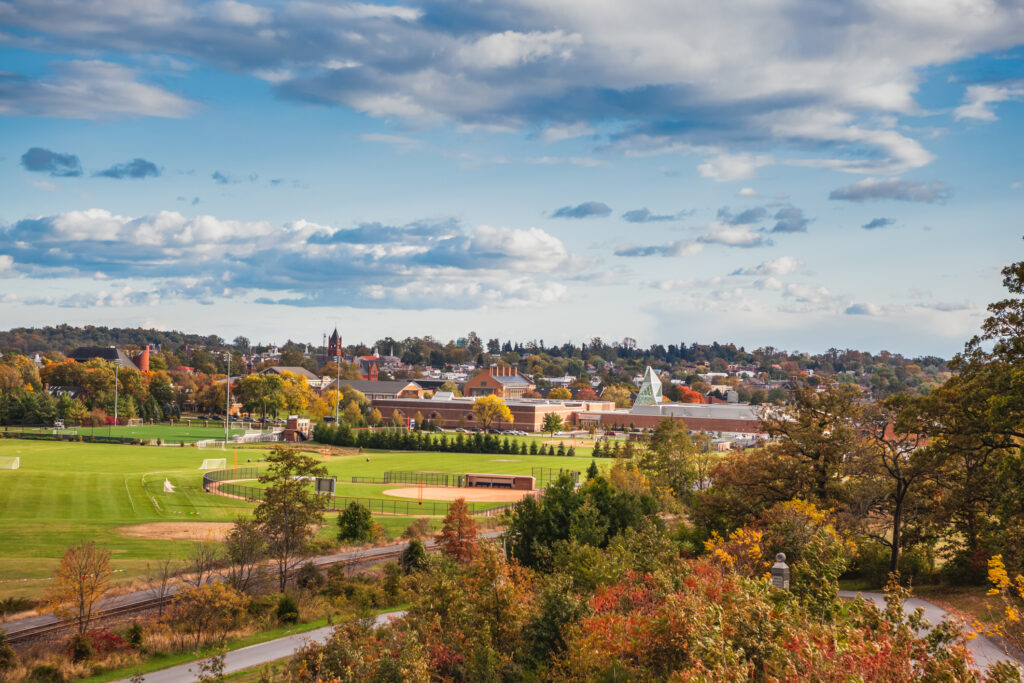
If you ever visit Pennsylvania, you absolutely have to stop by Gettysburg. It might seem like a quiet little spot now, but back in July 1863, it was the site of the most famous battle of the American Civil War. This three-day conflict was a major turning point because it stopped the Confederate army from moving further north, essentially changing the entire course of the war. It’s the kind of place where you can really feel the weight of the past just by walking through the fields.
Today, the town is a beautiful mix of somber history and local charm. People from all over the world come to see the preserved battlefields and stand where Abraham Lincoln delivered the iconic Gettysburg Address later that year in November. It’s pretty incredible to think that such a small community holds the keys to understanding our nation’s unity. Whether you are a total history buff or just passing through, the energy there makes you appreciate how much the decisions made in this tiny town shaped the America we live in today.
St. Augustine
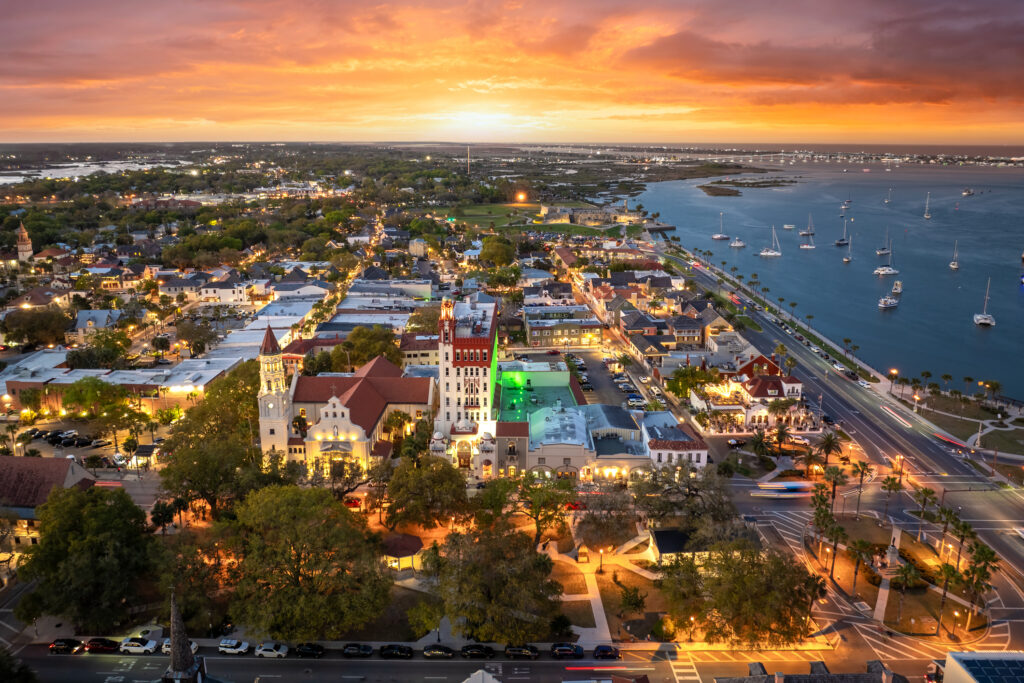
Did you know that the oldest city in the United States isn’t in the Northeast? It’s actually St. Augustine, Florida! Founded by Spanish explorers all the way back in 1565, this town was thriving long before the Pilgrims even thought about setting sail. Because of its deep Spanish roots, the architecture looks like something straight out of Europe, with narrow cobblestone streets and beautiful balconies. It has survived through centuries of colonial battles and changing flags, yet it still feels incredibly authentic and welcoming to families today.
The centerpiece of the town is definitely the Castillo de San Marcos, a massive stone fortress that was finished in 1695. Walking along the waterfront, you get a sense of just how long people have been calling this sunny spot home. It is not just a place for a beach vacation; it’s a living history lesson where you can see how different cultures merged to start the American story. St. Augustine proves that you don’t need a massive skyline to have a huge impact on history, as it remains a beautiful tribute to our earliest beginnings.
Taos
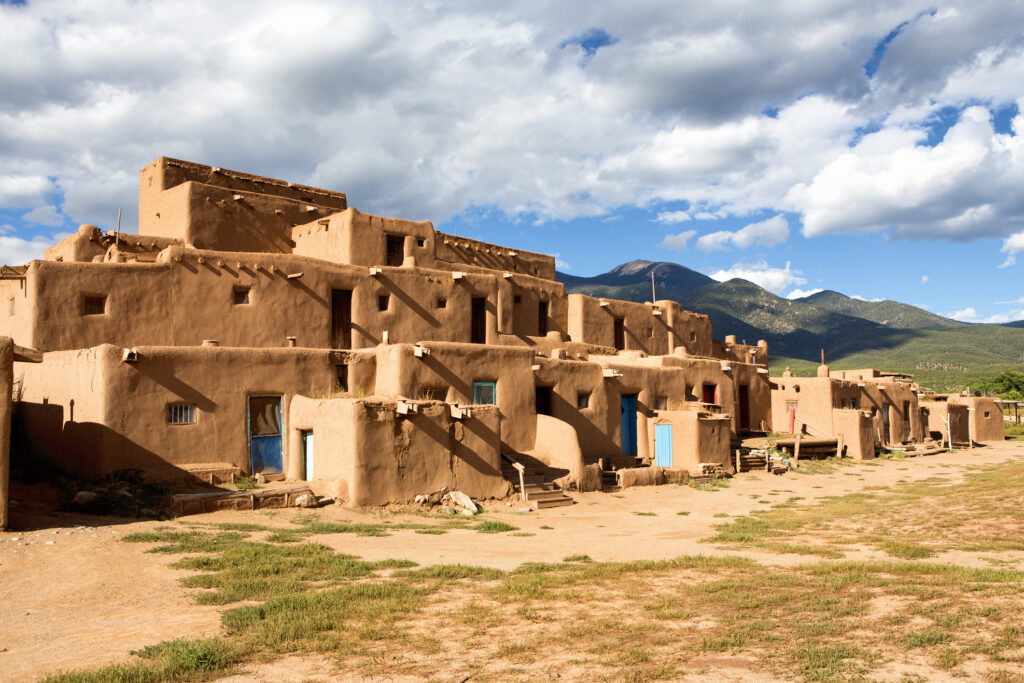
Taos, New Mexico, is one of those rare places that feels like a total escape from the modern world. At its heart is the Taos Pueblo, an incredible multi-story adobe complex that has been continuously lived in for over 1,000 years. This makes it one of the oldest communities in North America, predating almost everything else we study in school. The Red Willow people have maintained their traditions and culture here for generations, offering us a beautiful window into the deep indigenous roots that define the American Southwest.
In more recent times, specifically during the early 1900s, Taos transformed into a famous art colony. Creative minds like Georgia O’Keeffe were drawn to the stunning desert light and the dramatic peaks of the Sangre de Cristo Mountains. Today, the town is a perfect blend of ancient heritage and modern creativity, filled with galleries, workshops, and cozy plazas. It is a fantastic destination for families who want to experience a mix of outdoor adventure and deep cultural history. Taos reminds us that some stories are so powerful they never stop being told.
Harpers Ferry
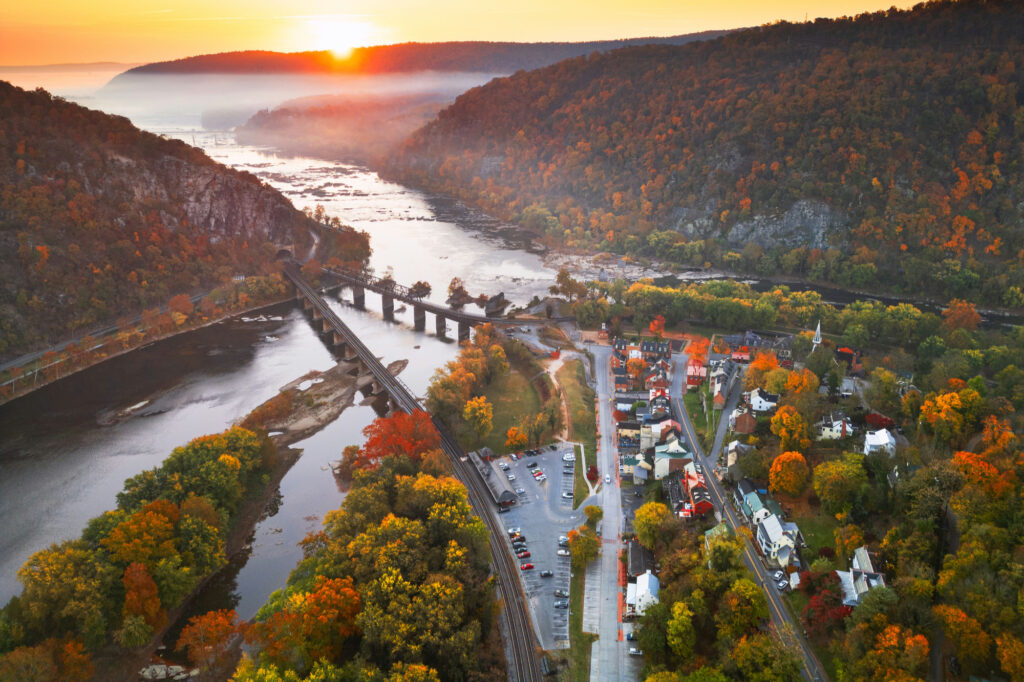
Harpers Ferry is a picturesque little town in West Virginia that sits right where the Potomac and Shenandoah rivers meet. While it looks like a peaceful postcard today, it was the center of a massive national scandal in October 1859. That is when an abolitionist named John Brown led a raid on the federal armory, hoping to start a movement to end slavery. Even though his plan didn’t work out at the time, the event sent shockwaves through the entire country and is widely considered one of the primary sparks that led to the Civil War.
Because of its location, the town was super important strategically, and it actually changed hands eight different times during the war between 1861 and 1865. Walking through the lower town today feels like stepping onto a movie set because the National Park Service has done such a great job keeping the 19th-century buildings intact. It’s a wonderful spot for a weekend hike, but the real magic is realizing how a single moment in this tiny mountain gap changed the direction of American freedom forever. It’s a small place with a very big soul.
Mackinac Island
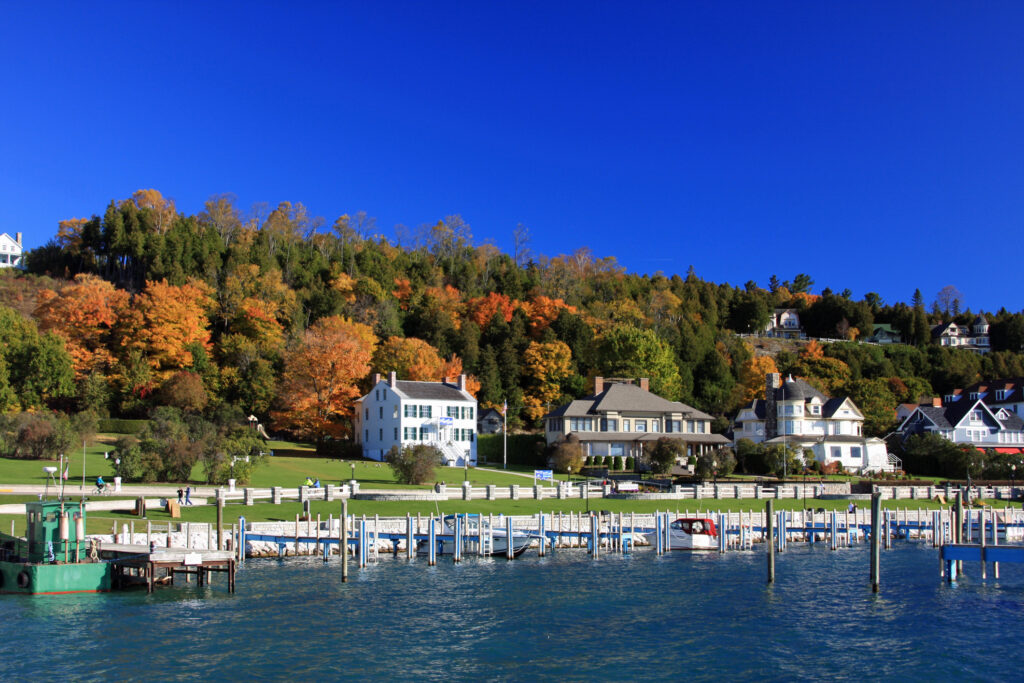
If you ever feel like life is moving too fast, you need to head to Mackinac Island in Michigan. This place is famous because they actually banned cars back in 1898, and they’ve stuck to it ever since! To get around, you either walk, ride a bike, or hop in a horse-drawn carriage. It creates this amazing, peaceful atmosphere that makes you feel like you’ve traveled back to the Victorian era. The island was a major fur-trading post in the 1700s and played a key role in the War of 1812.
Aside from its military history at Fort Mackinac, the island became the “it” spot for vacationers during the Gilded Age. The massive Grand Hotel, which opened in 1887, still stands as a stunning landmark with the world’s longest porch. Families love visiting for the world-famous fudge and the beautiful views of Lake Huron. It’s more than just a tourist trap; it’s a carefully preserved time capsule that shows what American life looked like before the hustle and bustle of the motor age took over. It’s truly a one-of-a-kind experience.
Bisbee
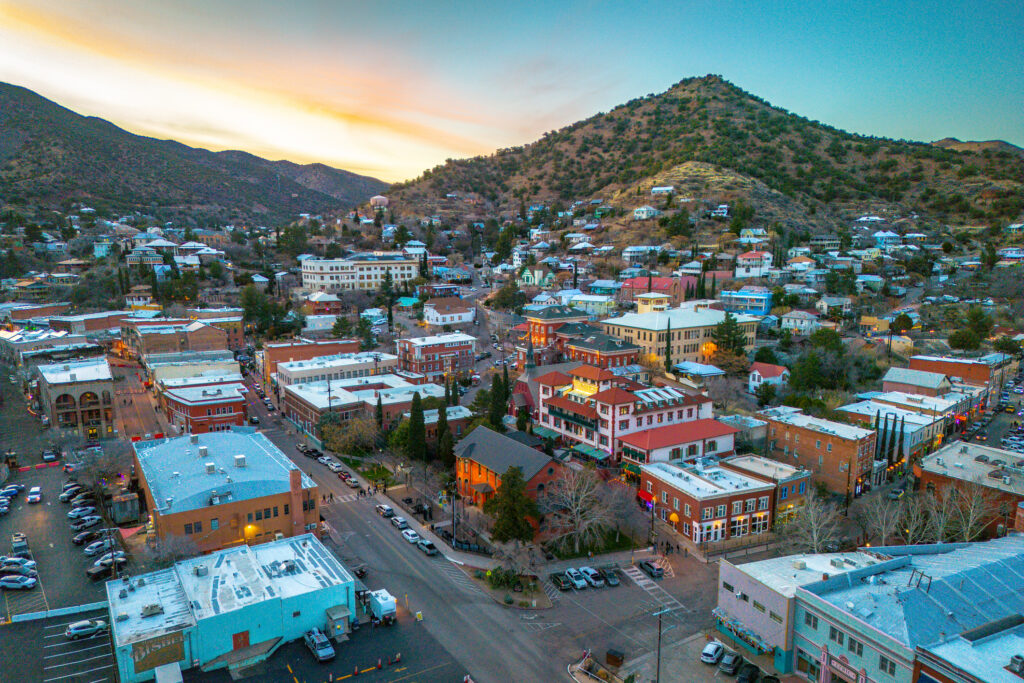
Tucked away in the mountains of southern Arizona, Bisbee is a town that really knows how to reinvent itself. It started as a “Queen of the Copper Camps” in the late 1800s after high-quality ore was discovered in 1877. For decades, it was one of the richest and most important industrial sites in the entire world, fueling the growth of a young America. However, life in a mining town wasn’t always easy, and Bisbee was the site of intense labor strikes and social drama that mirrored the struggles of workers everywhere.
When the mines finally shut down in the mid-1970s, the town didn’t just disappear. Instead, it became a haven for artists, retirees, and people looking for a quirky, colorful place to live. Today, the steep hills are lined with vibrant Victorian houses and unique shops that make it a favorite for road trippers. You can even take an underground tour of the Copper Queen Mine to see what life was like for the miners over a century ago. Bisbee is a perfect example of how a town can keep its rugged history alive while building a bright, creative future.
Galena
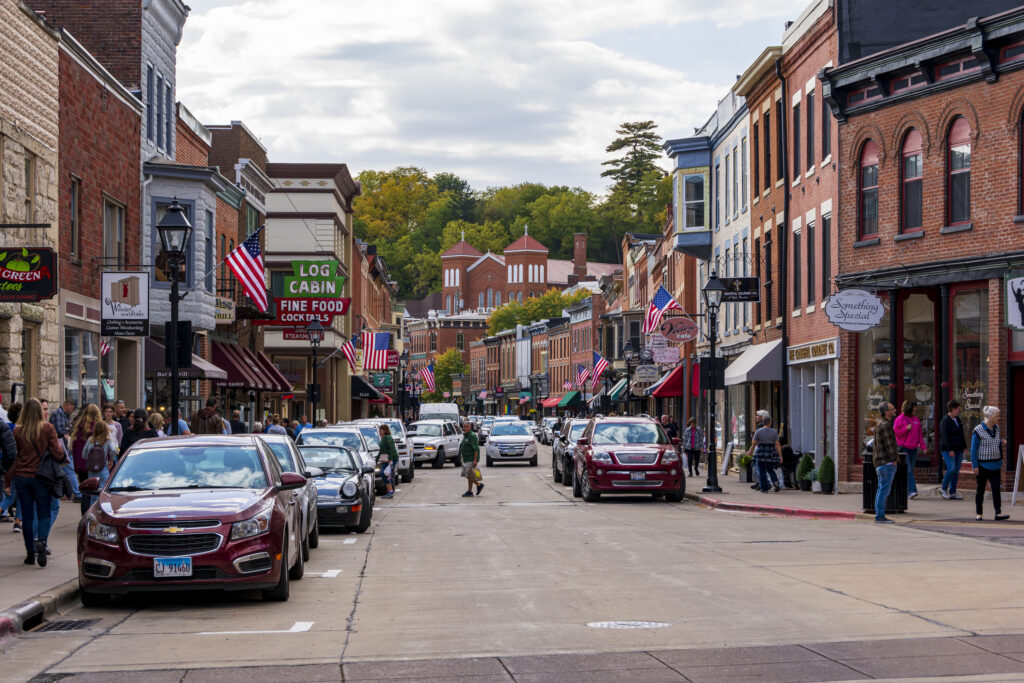
Galena, Illinois, is a hidden gem that once rivaled Chicago in importance. Back in the mid-1800s, it was a booming hub for lead mining and a busy port for steamboats traveling along the Mississippi River. The town was so wealthy that the streets were lined with some of the finest brick architecture in the Midwest. Most people today know it as the place where Ulysses S. Grant lived before he became a legendary Civil War general and eventually the 18th President of the United States.
After the mining boom ended, Galena stayed remarkably preserved, and today about 85% of its buildings are listed on the National Register of Historic Places. Walking down Main Street feels like a trip back to the 1850s, with charming boutiques and eateries housed in original storefronts. You can even tour Grant’s home, which was gifted to him by the town after the war ended in 1865. It’s a wonderful spot for a family getaway, offering a relaxing pace and a deep connection to the leaders who shaped the country during its most difficult years.
Natchitoches
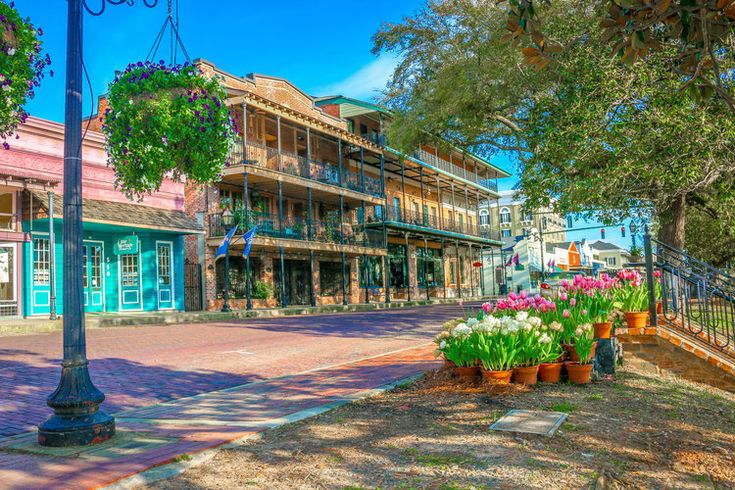
Pronounced “Nack-a-tish,” this Louisiana town is the oldest permanent settlement in the entire Louisiana Purchase territory. It was founded by the French in 1714, which means it has over 300 years of stories to tell! Because of its location on the Cane River, it became a major center for trade and agriculture. The town is famous for its unique Creole culture, which is a beautiful blend of French, Spanish, African, and Native American influences that you can still see, taste, and hear in the community today.
The historic district is absolutely stunning, with wrought-iron balconies that might remind you of the French Quarter in New Orleans, but with a much more relaxed, small-town vibe. Natchitoches is also famous for its meat pies, a local tradition that dates back centuries, and its massive Christmas festival, which has been a staple since 1927. Whether you are exploring the nearby plantations or just enjoying the river views, you’ll find that this town is a living museum of Southern heritage. It is a place where the past isn’t just remembered; it’s celebrated every single day.
Deadwood
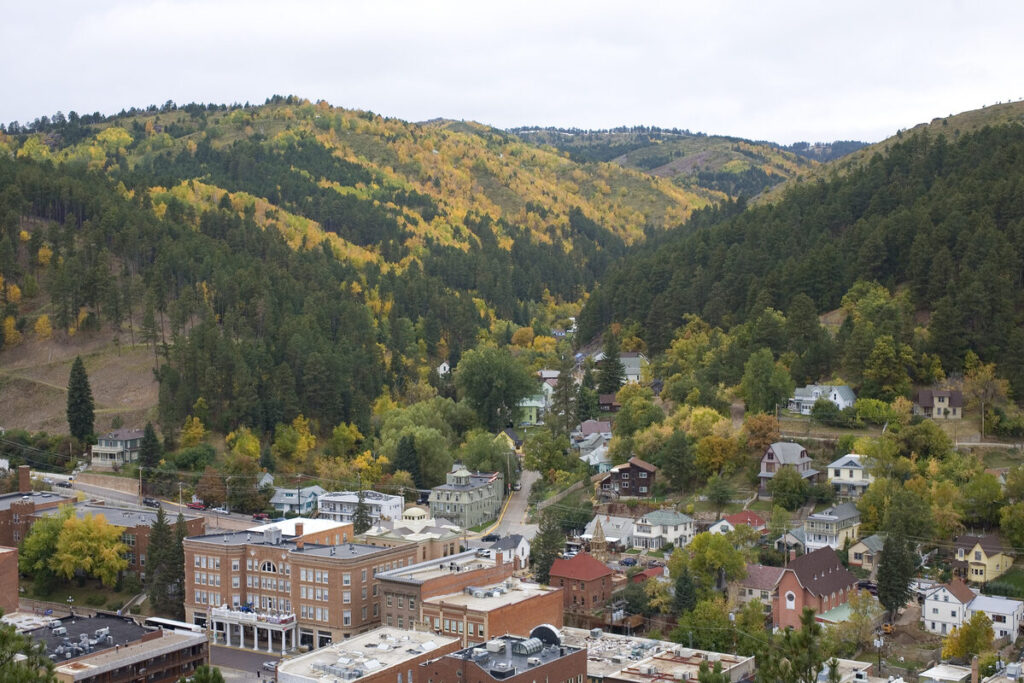
If you’ve ever dreamed of the Wild West, Deadwood, South Dakota, is the place for you. This town literally popped up overnight during the 1876 gold rush, attracting thousands of miners, gamblers, and outlaws to the Black Hills. It quickly earned a reputation for being one of the roughest and toughest places on the frontier. Famous figures like Wild Bill Hickok and Calamity Jane called this place home, and their legends are still a huge part of the town’s identity today, with daily reenactments of historical events.
Deadwood was nearly lost to several fires over the years, but the community worked hard to rebuild and preserve its iconic wooden storefronts and brick streets. In 1961, the entire town was named a National Historic Landmark, ensuring that its rugged spirit would be protected for future generations. Today, families can explore the old saloons, visit the Mount Moriah Cemetery, or even try their luck at a bit of modern gaming. It’s a fascinating look at a chaotic chapter of American history where fortune and danger were always just a heartbeat away.
Jim Thorpe
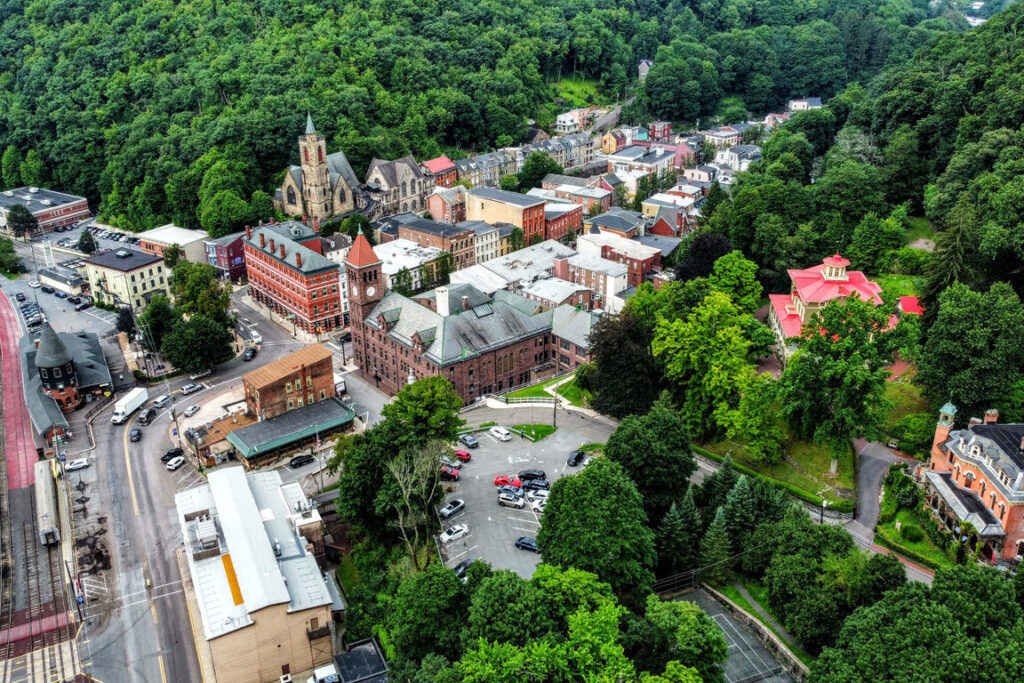
Known as the “Switzerland of America” because of its breathtaking mountain views, Jim Thorpe, Pennsylvania, has a truly unique story. It was originally a wealthy coal and railroad town named Mauch Chunk, but in 1954, the town took a bold step to honor a national hero. They renamed themselves after Jim Thorpe, the legendary Olympic athlete who was the first Native American to win a gold medal for the United States. Today, his memorial stands as a proud centerpiece of this charming mountain community.
The town is a favorite for visitors because of its incredible Victorian architecture and its position as a gateway to outdoor adventures like whitewater rafting and hiking. You can ride the Lehigh Gorge Scenic Railway, which has been taking passengers through the stunning Lehigh River valley since the 1800s. It is the perfect blend of industrial history and natural beauty, showing how a community can reinvent itself while honoring the legacy of a great American icon. Whether you’re there for the history or the hills, Jim Thorpe offers a memorable experience for everyone.
Annapolis
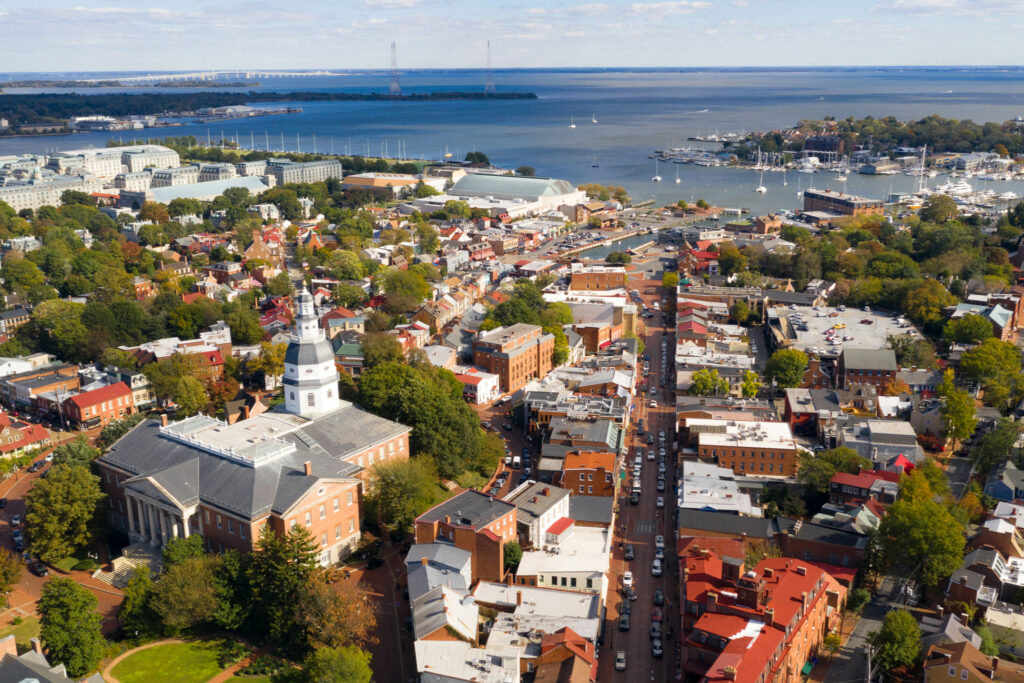
Annapolis might be a modest-sized capital today, but it was once the center of the entire American universe. For a brief period between 1783 and 1784, this charming Maryland city actually served as the temporary capital of the United States. It was right here in the historic State House that George Washington famously resigned his commission as commander-in-chief of the Continental Army, a selfless act that helped define our democracy. Walking through the brick-lined streets, you can practically hear the echoes of the Founding Fathers discussing the future of a brand-new nation.
Beyond its political prestige, Annapolis is world-renowned as the “Sailing Capital of the World.” The United States Naval Academy was established here in 1845, and the sight of midshipmen in their crisp uniforms is a staple of daily life. Families love exploring the bustling City Dock, where historic 18th-century architecture meets a vibrant waterfront full of modern shops and seafood spots. It’s a place that manages to feel like a cozy coastal village while maintaining its status as a powerhouse of American tradition and maritime excellence.
Cooperstown
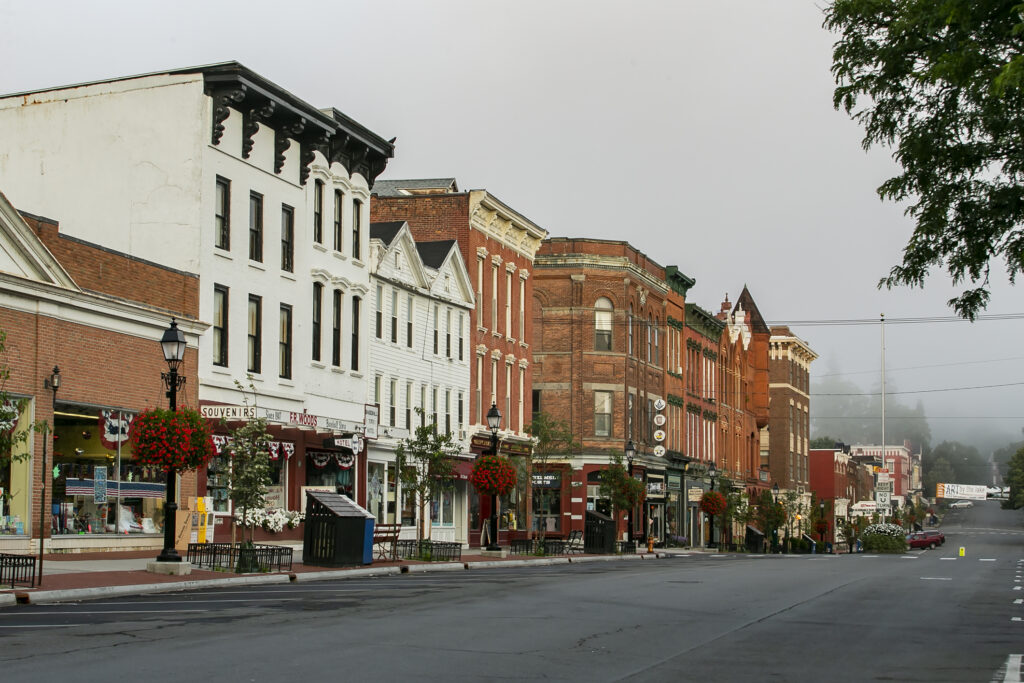
Cooperstown is a small New York village that carries the dreams of every sports fan in the country. Since 1939, it has been the home of the National Baseball Hall of Fame and Museum, making it the ultimate pilgrimage site for lovers of the “National Pastime.” While historians might debate if the game was actually invented here in 1839 by Abner Doubleday, the town has fully embraced its role as baseball’s spiritual home. Every summer, the streets fill with families wearing jerseys from every team imaginable, all coming together to celebrate the legends of the diamond.
But even if you aren’t a huge sports fan, Cooperstown is absolutely stunning. It sits right on the edge of Otsego Lake, which famous author James Fenimore Cooper, whose father founded the town, called “Glimmerglass” in his classic novels. The downtown area looks like something out of a storybook, with pristine storefronts and a peaceful, slow-paced vibe that feels a world away from the big city. Whether you’re there to see the legendary plaques of Hall of Famers or just to enjoy a quiet boat ride, Cooperstown is a beautiful slice of Americana that celebrates our shared heritage.
Sedona
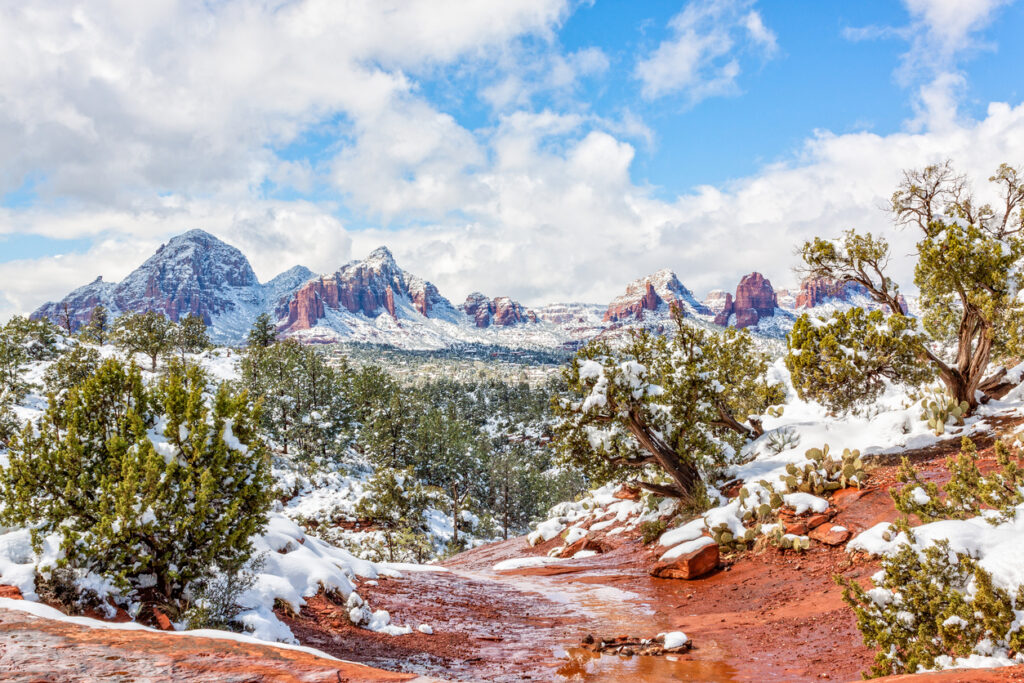
Sedona, Arizona, is famous for a landscape so beautiful it almost looks like it belongs on another planet. The town is surrounded by towering red rock formations that glow brilliantly at sunrise and sunset, a sight that has drawn travelers to the area for decades. While it was officially incorporated as a town in 1988, the land has been a sacred place for indigenous cultures for thousands of years. Today, it’s a major hub for hikers and photographers who come to see iconic landmarks like Cathedral Rock and Bell Rock up close.
What really makes Sedona unique, though, is its reputation as a place of healing and reflection. Many visitors are drawn to the town’s “vortexes”, specific spots believed to emit swirling centers of energy that help with meditation and wellness. This spiritual vibe has turned Sedona into a thriving art colony, filled with galleries that showcase everything from traditional Western art to modern abstract pieces. It’s a family-friendly destination that offers the perfect mix of rugged outdoor adventure and peaceful relaxation, proving that nature’s beauty can be a powerful story all on its own.
Solvang
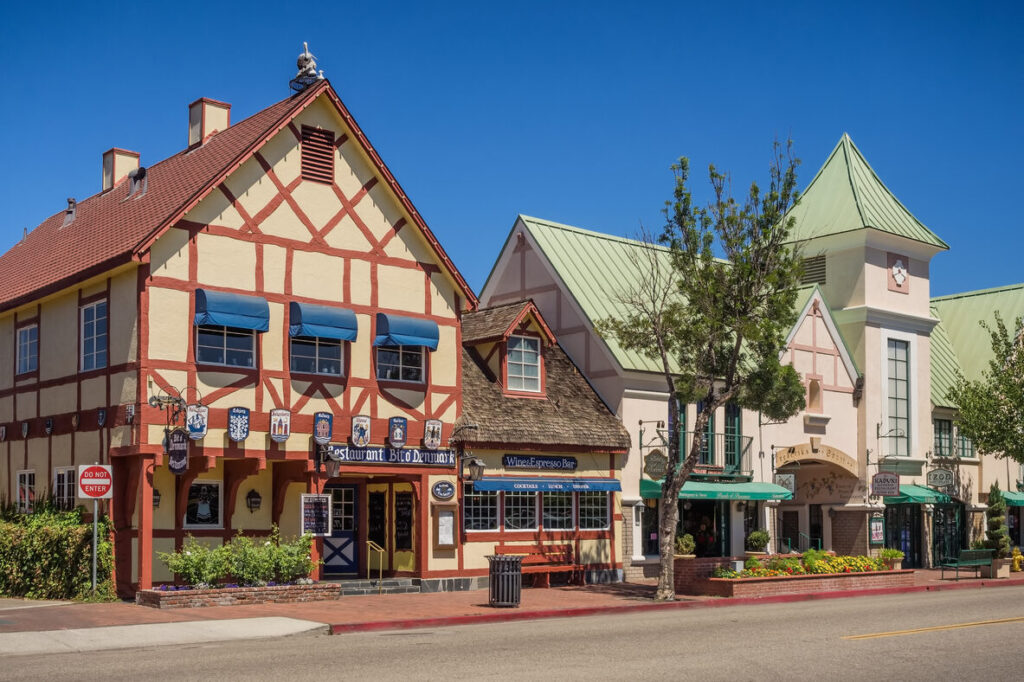
If you’ve ever wanted to visit Northern Europe without leaving California, Solvang is your spot! This “Danish Capital of America” was founded in 1911 by a group of Danish immigrants who wanted to keep their language and traditions alive in the New World. They did such a good job that today the town is famous for its authentic windmills, thatched roofs, and half-timbered architecture. It feels like you’ve stepped right into a Hans Christian Andersen fairytale, complete with flower-lined streets and the delicious smell of fresh pastries wafting from local bakeries.
The town is a favorite for family road trips because it offers a little bit of everything. You can take a ride on the Honen, a horse-drawn streetcar that dates back to the early days of the colony, or visit the Elverhøj Museum to learn about the town’s fascinating history. Every September since 1936, the community celebrates Danish Days, a festival full of folk dancing, music, and traditional food. Solvang is a wonderful reminder of how immigrant communities have enriched the American landscape by sharing their unique culture with everyone who visits.
Carmel-by-the-Sea
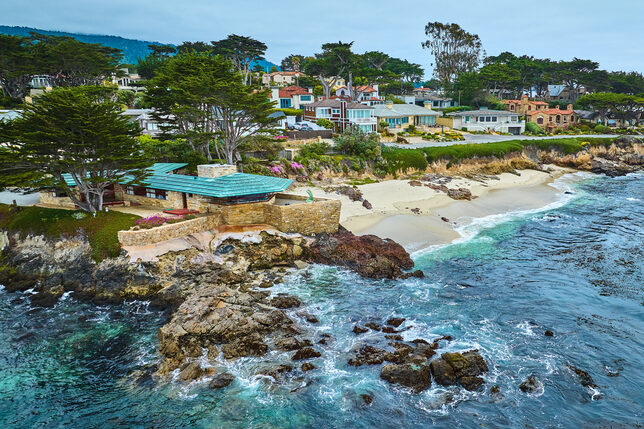
Carmel-by-the-Sea is a tiny coastal town in California that feels like it was designed by an artist with a very vivid imagination. Famous for its “fairytale cottages” with rolling roofs and hidden courtyards, the town has maintained a strict commitment to its unique look for over a century. In fact, the town was largely built up after the 1906 San Francisco earthquake by artists and writers who wanted a quiet, beautiful place to create. To this day, there are no street addresses, no neon signs, and no streetlights in the residential areas to keep things looking magical.
Beyond the quirky architecture, Carmel is known for its incredible natural beauty. The white sand beach is world-famous, and the nearby Point Lobos State Natural Reserve offers some of the best coastal views in the country. The town also has a long history of famous residents, including Clint Eastwood, who even served as the mayor in the 1980s! It’s a sophisticated yet welcoming place where you can spend the afternoon browsing art galleries or walking along the rugged cliffs. Carmel shows that with a little bit of planning and a lot of heart, a town can stay true to its artistic soul forever.
Wickford
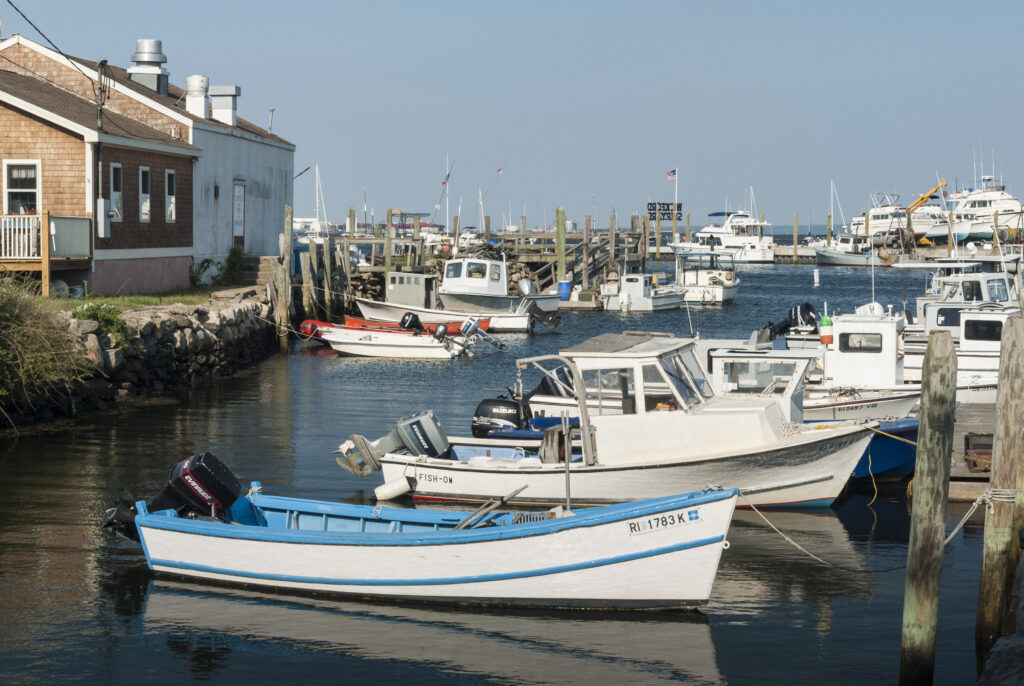
Wickford, Rhode Island, is a hidden gem that offers one of the most authentic looks at colonial life in New England. Established in the 1600s, this seaside village is home to one of the largest collections of owner-occupied 18th-century houses in the country. Walking through the town feels like stepping back into the mid-1700s, with beautifully preserved homes and a quiet harbor that once bustled with maritime trade. Unlike some other historic spots that feel like museums, Wickford is a living, breathing community where history is just part of the everyday scenery.
The town is perfect for a relaxing family stroll, especially around the harbor where you can see boats bobbing in the water just as they did centuries ago. Every summer since 1962, the town hosts the Wickford Art Festival, which brings artists from all over the country to this picturesque setting. It’s the kind of place where you can grab a cup of coffee and just enjoy the salty breeze and the historic charm. Wickford is a great reminder that some of the most powerful stories are found in the quietest corners, where the past has been lovingly cared for by generations of families.
Jarbidge
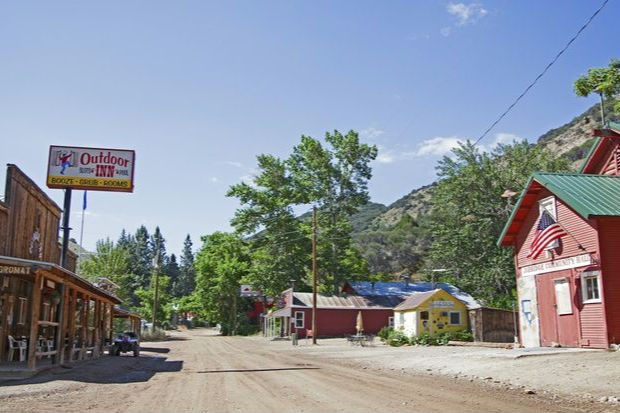
Jarbidge, Nevada, is officially one of the most remote towns you can visit in the lower 48 states, and that’s exactly what makes it so cool. Tucked away in a deep canyon near the Idaho border, it was founded during a gold rush in 1909. Because it was so hard to reach, it became a legendary spot for prospectors who were looking to strike it rich in total isolation. It even holds the record for being the site of the last stagecoach robbery in American history, which happened way back in December 1916!
Today, the town has a tiny year-round population, but it’s a paradise for people who love the great outdoors and Western history. The “pavement ends here” sign is a literal warning, as the roads leading in are rugged and unpaved, adding to the feeling of adventure. You won’t find any big chain stores or flashy lights here; instead, you’ll find original wooden buildings and a community that prides itself on its self-reliance. For families who really want to get off the grid and see what the “Old West” actually felt like, Jarbidge is a true American treasure.


