
The Orange Roof Era
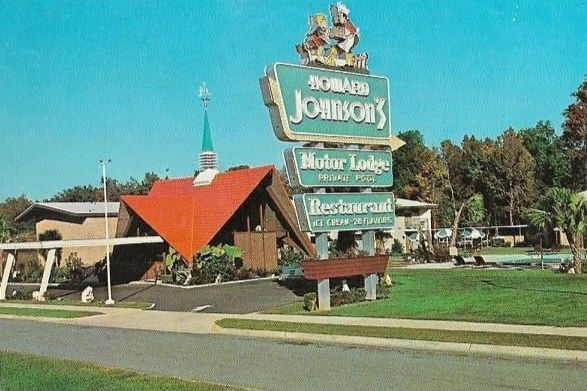
If you traveled the American interstate system between the 1950s and 1970s, the bright orange roofs of Howard Johnson’s were your North Star. At its peak in 1975, the chain boasted over 1,000 locations, making it the largest restaurant footprint in the United States at the time. Families knew exactly what to expect: a friendly atmosphere, those famous fried clams, and a whopping 28 flavors of ice cream that made every road trip feel like a celebration.
However, as the 1980s rolled around, travelers started craving more modern options, and the “HoJo” consistency began to feel a bit dated. The brand struggled to modernize its look, and one by one, the orange roofs began to vanish from the landscape. By the time 2022 arrived, the very last Howard Johnson’s restaurant in Lake George, New York, officially turned off its grills. It marked the end of a massive chapter in roadside history that defined mid-century travel for millions.
Fast Food Trailblazer
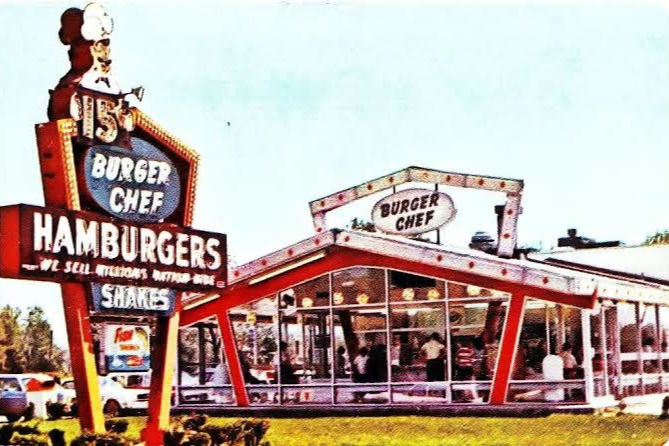
Long before the Happy Meal was a household name, Burger Chef was the innovator leading the fast-food pack. Founded in 1954, this chain was a powerhouse that actually pioneered the concept of the “Fun Meal,” which included small toys for children. By 1971, they had grown to 1,200 locations, nearly rivaling McDonald’s for the top spot in the burger wars. They were the first to really figure out that if you won over the kids, the parents would follow.
Unfortunately, the brand’s rapid growth became its Achilles’ heel as management struggled to keep quality consistent across so many stores. After a series of ownership changes in the late 1970s, the chain began to lose its unique identity. Most of the remaining locations were sold off and converted into Hardee’s restaurants by 1982. While the Burger Chef name officially hit the history books by 1996, its clever ideas about kids’ meals and combos are still used by every major burger joint today.
Tex-Mex Favorite Falls
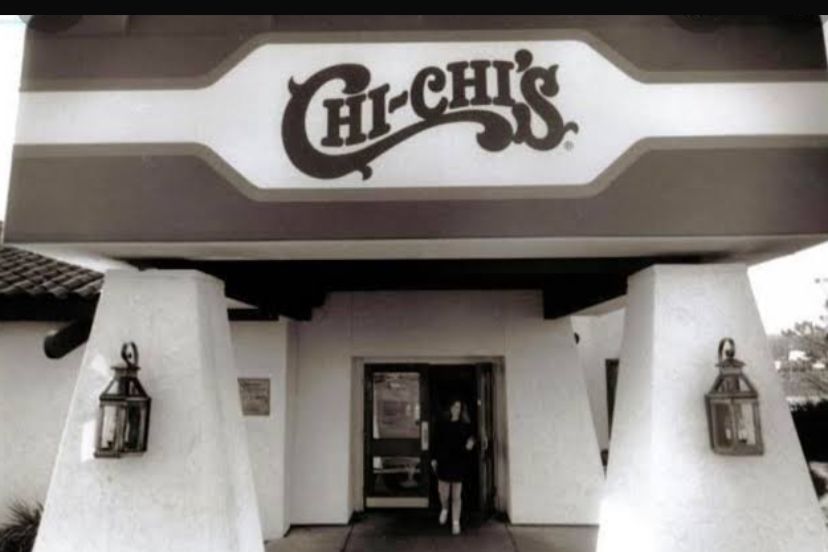
During the 1980s, Chi-Chi’s was the ultimate destination for anyone craving a “Salsa Celebration.” It was one of the first major chains to bring casual Tex-Mex dining to the suburbs on a massive scale, known for its lively music and those famous fried ice cream desserts. Families flocked there for a fun, festive atmosphere that felt like a mini-vacation. At its height, it was a dominant force in the casual dining market, proving that Americans had a massive appetite for tacos and margaritas.
The downfall of the chain was both swift and tragic, starting with a bankruptcy filing in 2003. Things went from bad to worse later that year when a major hepatitis A outbreak was linked to green onions at a Pennsylvania location, affecting hundreds of people. This devastating health crisis shattered public trust almost overnight, and the brand never recovered. By 2004, Chi-Chi’s exited the U.S. market entirely, leaving behind a legacy that serves as a sobering reminder of how vital food safety is to a brand’s survival.
Casual Dining Pioneer
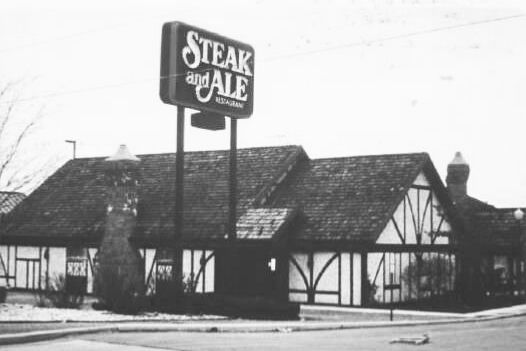
Steak and Ale was the place that proved you could enjoy a nice steak dinner without having to dress up in a tuxedo. Launched in 1966, it revolutionized the industry by introducing the first-of-its-kind self-service salad bar and a cozy, Tudor-style atmosphere. For decades, it was the go-to spot for an affordable date night or a graduation dinner. It hit that perfect “sweet spot” between a greasy spoon and an expensive fine-dining establishment, making quality steaks accessible to the middle class.
As the calendar turned to the 2000s, however, the competition in the “casual steakhouse” world became incredibly fierce. Newer, shinier chains began to pull customers away with modern menus and updated interiors. The parent company eventually filed for Chapter 7 bankruptcy in July 2008, leading to the immediate closure of all remaining company-owned spots. While there have been recent whispers of a comeback tour starting in 2024, the original era of Steak and Ale remains a cherished memory for fans of the classic salad bar.
Rotisserie Craze Fades
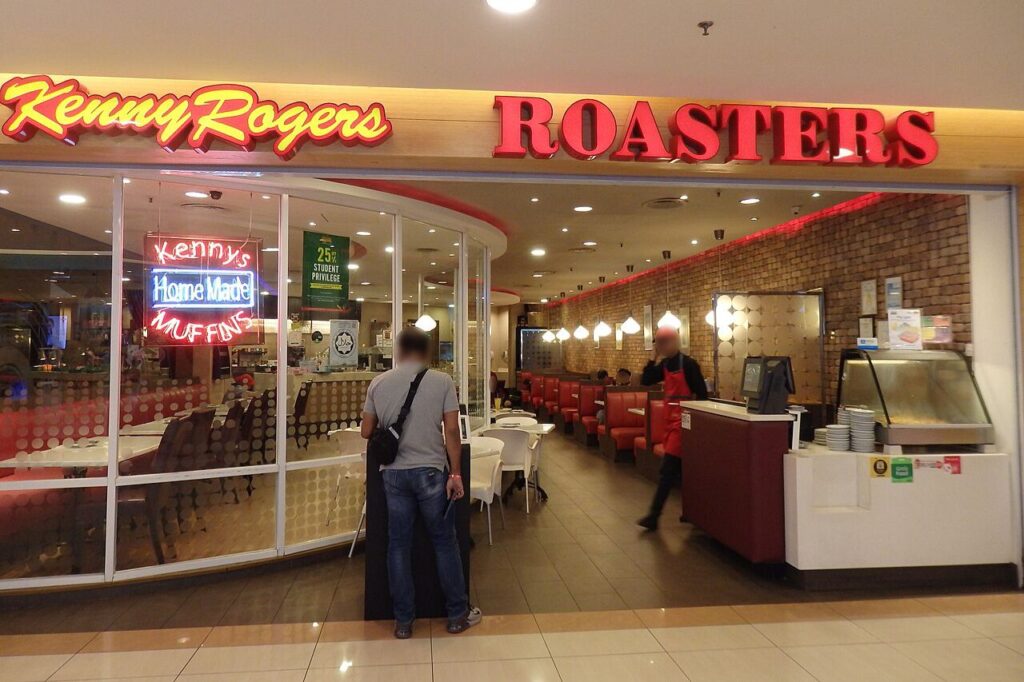
In the early 1990s, you couldn’t turn on a TV without hearing about Kenny Rogers Roasters. Co-founded by the country music legend himself in 1991, the chain focused on rotisserie chicken as a healthier alternative to the fried options dominating the market. It became a massive pop culture hit, even famously serving as a central plot point in a 1996 episode of “Seinfeld.” For a few years, it seemed like “The Gambler” had a winning hand in the restaurant business.
Despite the initial fame, the company faced stiff competition from Boston Market and struggled with high overhead costs. The chain filed for bankruptcy in 1998, and locations across the United States began to blink out of existence throughout the following decade. The very last U.S. restaurant closed its doors in Ontario, California, in 2011. While the brand actually still thrives in parts of Asia today, its American journey ended much sooner than many fans of that wood-fired chicken would have ever expected.
Tex-Mex Expansion Bust
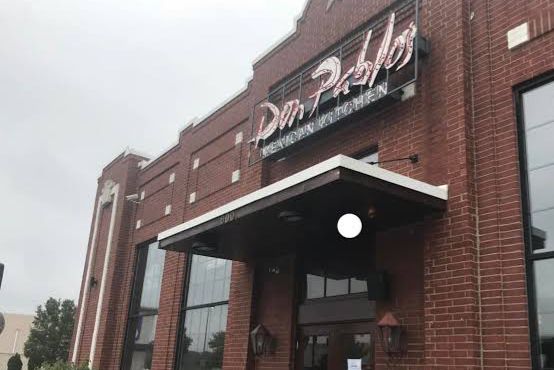
Don Pablo’s burst onto the scene in 1985 and quickly became a favorite for its “Big Tex” attitude and massive portions. With its unique indoor courtyard designs and fresh, handmade tortillas, it offered a dining experience that felt more authentic than your average fast-food taco. By the late 1990s, it had expanded to over 120 locations across the country. It was the kind of place where the chips were always warm and the atmosphere was always loud and energetic.
However, the brand’s aggressive expansion strategy eventually caught up with it. As the market became oversaturated with Mexican-style eateries, Don Pablo’s struggled to maintain its high operational costs. A series of bankruptcies followed starting in 2004, and the number of restaurants dwindled significantly over the next fifteen years. The final location in Deptford, New Jersey, shut its doors in 2019. It’s a classic story of a great concept that grew a little too fast for its own good in a shifting market.
Fish Fry Phenomenon
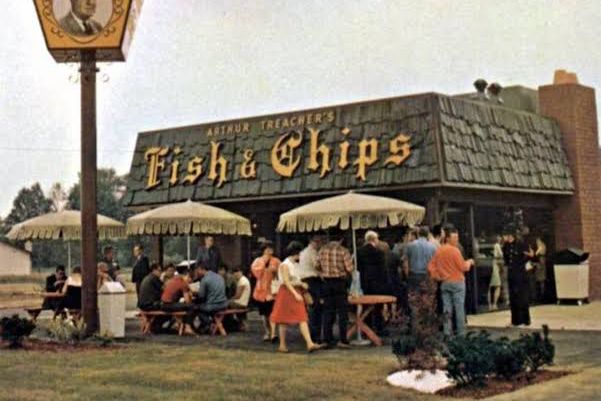
Arthur Treacher’s Fish & Chips was once the king of the sea in the fast-food world. Named after the famous English actor, the chain brought British-style battered fish and “hush puppies” to the American masses starting in 1969. By the mid-1970s, it had exploded to around 800 locations, offering a unique alternative to the endless sea of burger joints. It was the place to go if you wanted a salty, crispy meal that felt like a trip to the seaside.
The 1980s proved to be a difficult decade for the brand as the cost of North Atlantic cod skyrocketed, making their business model much harder to maintain. Ownership changed hands several times, and the chain began a long, slow decline. While you can still find a handful of locations today, mostly in the Northeast, the days of Arthur Treacher’s being a national powerhouse are long gone. It remains a cult favorite for those who still crave that specific, vinegar-splashed taste of the 1970s.
Arcade Pizza Memories
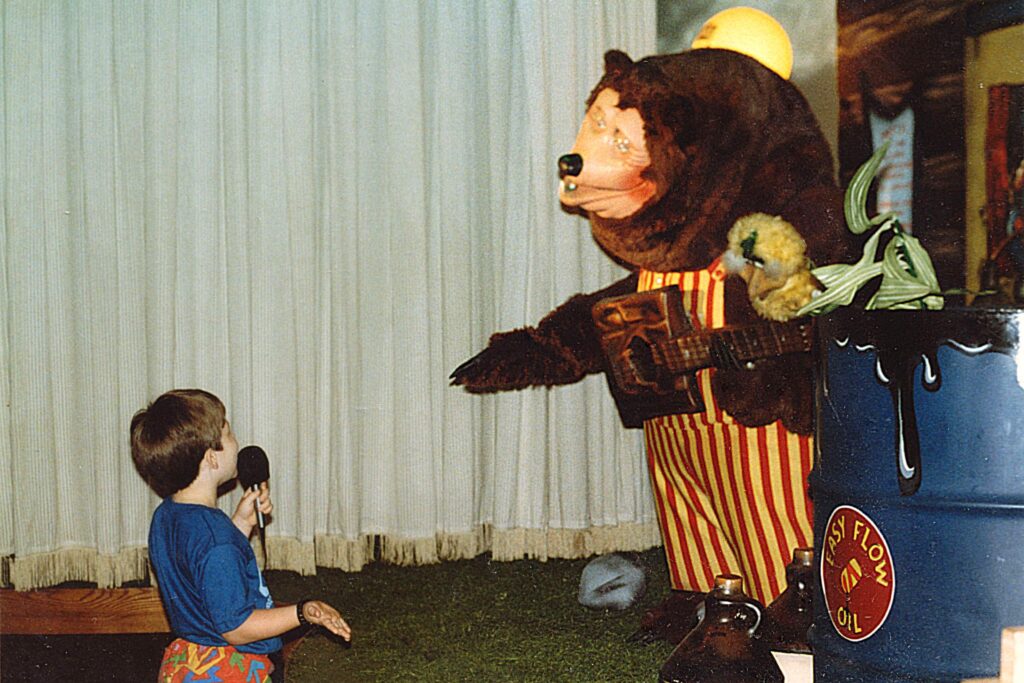
For kids growing up in the early 1980s, ShowBiz Pizza Place was essentially heaven on earth. Founded in 1980, it was the ultimate entertainment hub, featuring a massive arcade and the iconic “Rock-afire Explosion” animatronic band. It wasn’t just about the pizza; it was about the tokens, the tickets, and the giant bear, Billy Bob, singing on stage. For a few glorious years, it was the top choice for every elementary school birthday party in the neighborhood.
The landscape changed in 1985 when ShowBiz Pizza merged with its biggest rival, Chuck E. Cheese. Over the next decade, a rebranding effort slowly phased out the ShowBiz name and its unique cast of characters to create a unified brand. By 1992, almost all locations had been converted to the Chuck E. Cheese identity. While the concept of “pizza and play” is still going strong, the original ShowBiz magic, and that specific animatronic band, now mostly lives on in YouTube videos and nostalgic memories.
Irish Pub Staple
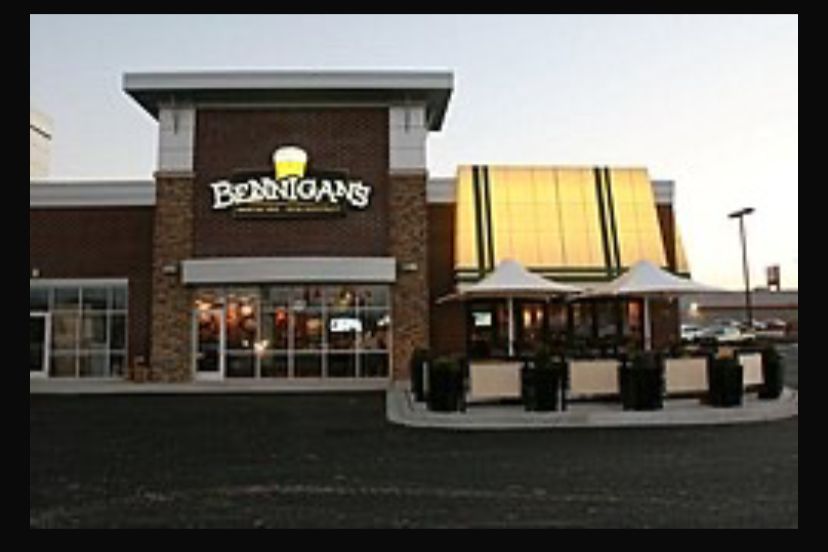
Bennigan’s was the quintessential 1980s neighborhood tavern, famous for its green awnings and the legendary Monte Cristo sandwich. Since its founding in 1976, it was the place where people went for “Happy Hour” or a casual dinner with coworkers. It had a cozy, Irish-themed vibe that made it stand out from more generic bar-and-grill chains. At its peak, there were over 300 locations, making it a familiar sight in suburban shopping centers across the United States.
The economic downturn of 2008 hit the casual dining sector hard, and Bennigan’s parent company filed for bankruptcy that same year. This led to the immediate closing of all 150 corporate-owned restaurants, though some franchised locations managed to stay afloat. While the brand has attempted a “legendary” comeback with a few dozen new locations in recent years, it is a far cry from its 1990s glory days. It serves as a reminder of how quickly the economic tide can turn for even the most established brands.
Barn-Shaped Burgers
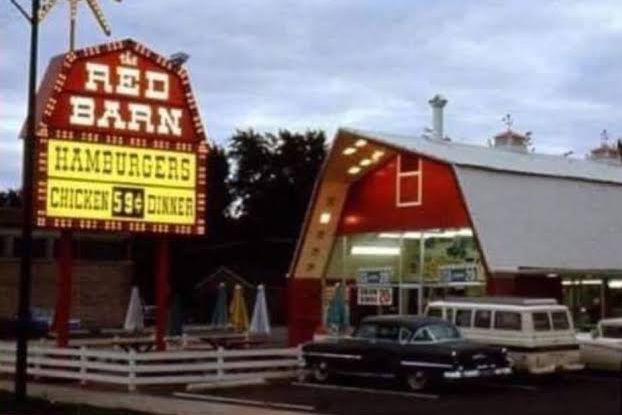
Red Barn was one of the most visually striking fast-food chains to ever grace the American roadside. Launched in 1961, many of its locations were actually built in the shape of a bright red barn, complete with a cupola on top. They were famous for their “Big Barney” burger and “Barnbuster,” and they actually beat many competitors to the punch by offering a self-service salad bar. For about two decades, they were a major player in the fast-food industry with nearly 400 locations.
However, the brand hit a wall in the late 1970s when its parent company decided to stop investing in the restaurant business. Without the marketing budget to compete with the likes of McDonald’s or Burger King, the franchise began to crumble. By 1988, the chain had effectively ceased to exist as a national entity. Today, you can still spot some of those old barn-shaped buildings standing, though they usually house liquor stores or independent diners now, serving as architectural echoes of a bygone era.
Peanut Shell Floors
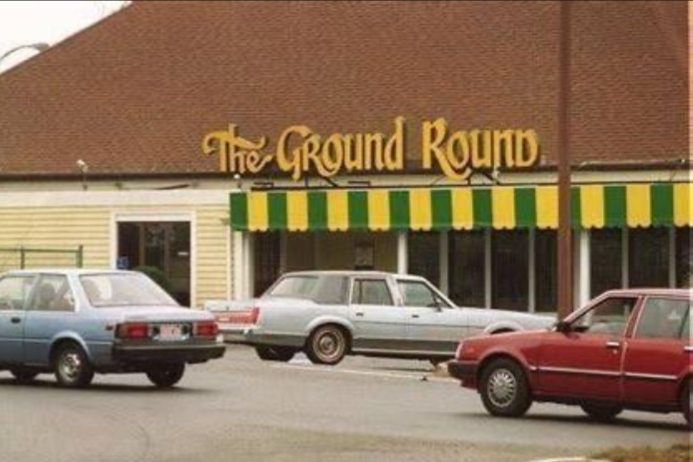
Ground Round Grill & Bar was the ultimate “cool parent” destination back in the day. Founded in 1969, it became legendary for its relaxed vibes where throwing peanut shells on the floor wasn’t just allowed, it was encouraged. For families in the 1970s and 1980s, it was the go-to spot for “penny-a-pound” nights, where a child’s meal cost exactly what they weighed on a scale. It was loud, it was messy, and it felt like a neighborhood party every time you walked through the door.
Unfortunately, the very things that made it unique started to fall out of favor as dining trends shifted toward a cleaner, more modern aesthetic. Maintaining those peanut-covered floors became a challenge, and the brand struggled to stay relevant in a sea of new competition. The parent company filed for bankruptcy in February 2004, leading to the abrupt closure of nearly half its locations in a single day. While a small handful of franchised spots still exist in the Midwest and Northeast, the days of the Ground Round being a national household name have sadly passed.
Beer-Steamed Hot Dogs
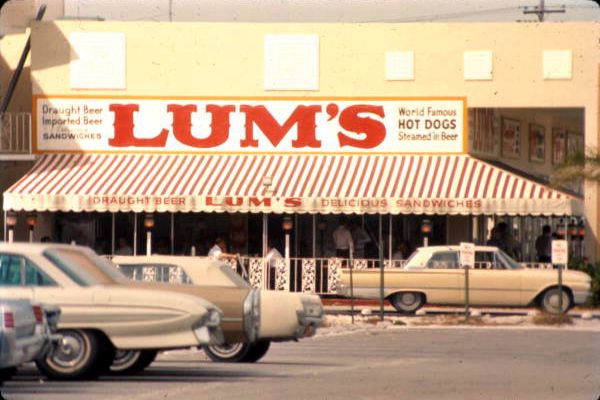
Lum’s was a true original that started as a small hot dog stand in Miami Beach in 1956 and exploded into a national phenomenon. Their claim to fame was steaming their hot dogs in beer, giving them a flavor you couldn’t find anywhere else. By the early 1970s, the chain had grown to over 400 locations, and at one point, it even owned the Caesars Palace hotel in Las Vegas. It was a massive success story that proved a simple, unique twist on a classic American food could build an empire.
The brand’s decline began after the original founders sold the company in 1969 for $60 million. Under new leadership, the chain faced identity crises and mounting debt that made it hard to compete with the growing power of burger giants. By 1982, the company filed for bankruptcy, and the once-ubiquitous glass-fronted restaurants began to disappear from city streets. The very last Lum’s, located in Bellevue, Nebraska, finally closed its doors in 2017, officially ending the era of the beer-steamed dog and leaving fans with only the memories of that unique taste.
Texas-Themed Boom
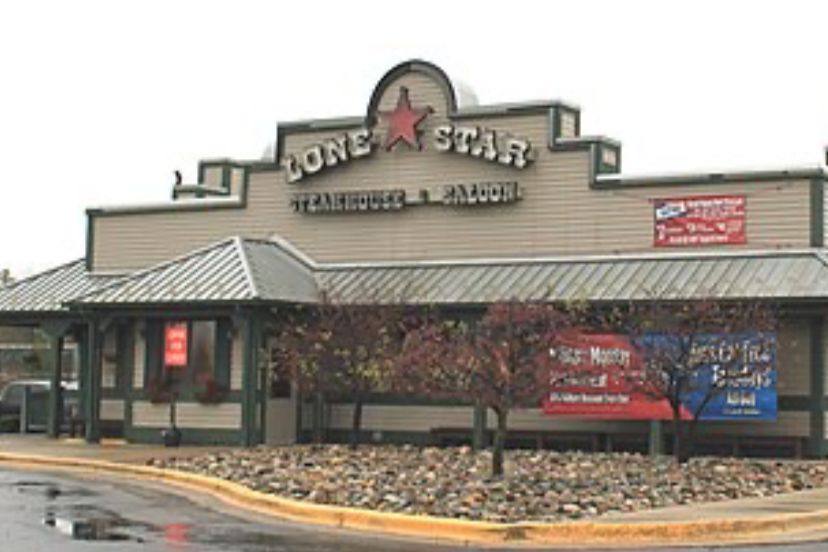
Lone Star Steakhouse & Saloon was the king of themed dining during the 1990s. Opening its first location in 1989, it leaned heavily into its “Texas” identity with neon armadillos, country music, and staff that would occasionally break into line dances. It was a high-energy environment that made a steak dinner feel like a night at a honky-tonk. At its peak in the late 90s, the chain operated over 260 locations and was one of the fastest-growing restaurant brands in the entire country.
However, as we moved into the 2000s, the “themed” restaurant craze started to cool down as diners looked for more authentic, upscale experiences. Lone Star struggled to keep its momentum as newer steakhouse chains moved in with more modern menus and quieter atmospheres. Following a series of financial struggles and ownership changes, the number of locations plummeted throughout the 2010s. The final U.S. restaurants quietly shut down in 2017, marking the end of a era where a side of line dancing was just as important as the ribeye on your plate.
Sports Dining Experiment
The Official All Star Café was a bold attempt to turn professional sports into a dining experience. Launched in 1995 by the same group behind Planet Hollywood, it featured high-profile investors like Shaquille O’Neal, Andre Agassi, and Joe Montana. These massive restaurants were filled with stadium-style seating, giant video screens, and museum-quality sports memorabilia. It wasn’t just a place to grab a burger; it was meant to be a high-octane “event” that made fans feel like they were sitting at the 50-yard line of a major championship game.
Despite the massive star power and initial hype, the concept struggled with high overhead costs and a menu that many diners felt didn’t quite live up to the spectacle. The novelty of eating inside a stadium-themed building wore off faster than expected, and the company faced significant financial losses. By 1999, the parent company filed for bankruptcy, and the celebrity-backed locations began to close their doors. The very last All Star Café, located at Disney’s Wide World of Sports, finally rebranded in 2007, proving that even the biggest names in sports couldn’t guarantee a win in the restaurant world.
Controversial Branding Fallout
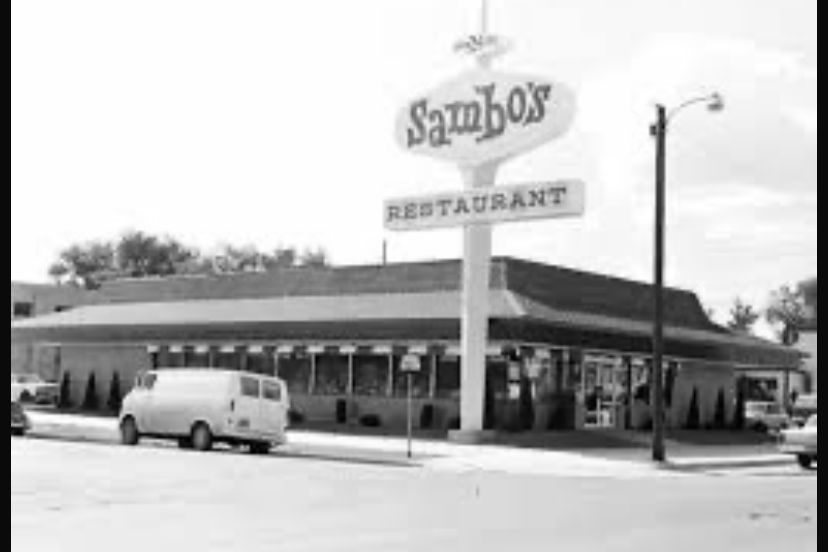
Sambo’s was once a powerhouse in the American breakfast scene, rivaling big names like Denny’s. Founaded in 1957, the chain grew to over 1,100 locations across 47 states by the late 1970s. It was beloved for its “bottomless” coffee and affordable pancakes, becoming a staple for travelers and early risers alike. For a while, it seemed like Sambo’s was on a path to becoming a permanent fixture of the American landscape, offering a consistent and friendly place to start the day.
However, the brand’s name and its use of imagery from a 19th-century children’s book became increasingly controversial as public awareness of racial insensitivity grew. The company faced numerous lawsuits and protests throughout the 1970s, which severely damaged its reputation and led to a decline in customers. This, combined with poor financial management, led to a massive bankruptcy filing in 1981. While the original location in Santa Barbara, California, stayed open under the name until 2020 (when it finally rebranded), the rest of the empire vanished decades ago, serving as a landmark case in brand history.


