
1. The Old Market Square
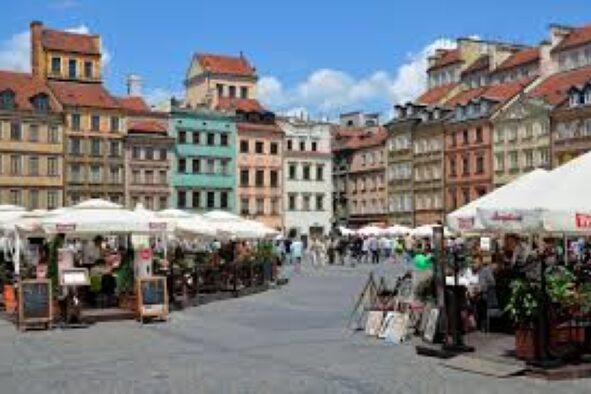
Once, the market square was where everyone converged. Early mornings smelled of fresh bread, roasted peanuts, and herbs. Vendors shouted over one another, bargaining, laughing, and making deals that sometimes didn’t involve money at all. Children ran between stalls, dodging baskets and crates, while neighbors greeted each other like clockwork. The square wasn’t just a shopping spot, it was the pulse of community, the rhythm everyone tuned into each day.
Today, most of those market squares are quiet or repurposed. Modern shopping centers and supermarkets have pulled crowds away, leaving empty spaces where life once thrived. People online still reminisce, saying things like, “I remember the chaos and charm of that square; nothing feels the same anymore.” It’s not just about shopping, it’s about the small interactions, the smells, the energy that filled every corner. The absence leaves a soft hollow, a place that seems present yet untouched by the bustle that once defined it.
2. The Riverside Promenade
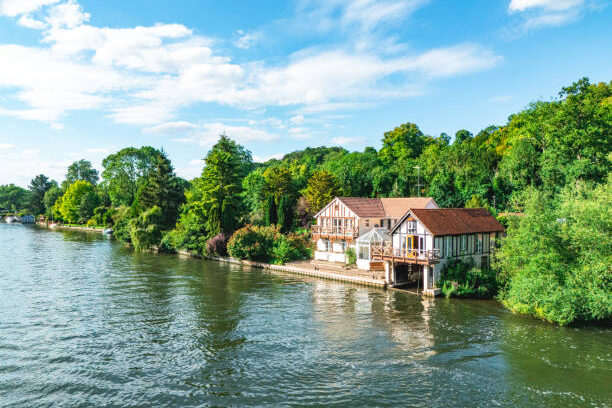
There was a stretch along the river that everyone seemed to know. Families strolled along its banks, lovers lingered on the benches, and street performers brought laughter to afternoons. The river itself felt alive, reflecting the sun, the lights, and the life surrounding it. On weekends, the promenade became the stage for music, small festivals, and laughter that carried over the water. It wasn’t just scenery; it was a meeting place, a backdrop to countless small stories.
Now, many promenades are overgrown, neglected, or blocked by construction. The river still flows, but the benches are empty, and the music is gone. People remember it with a quiet longing. One blogger shared, “It used to be the first place I wanted to go when I had free time. Now it feels like a memory more than a place.” The rhythm that once defined weekends is muted, leaving only faint traces of footsteps and echoes of conversations that once made the space pulse with life.
3. Main Street Arcade
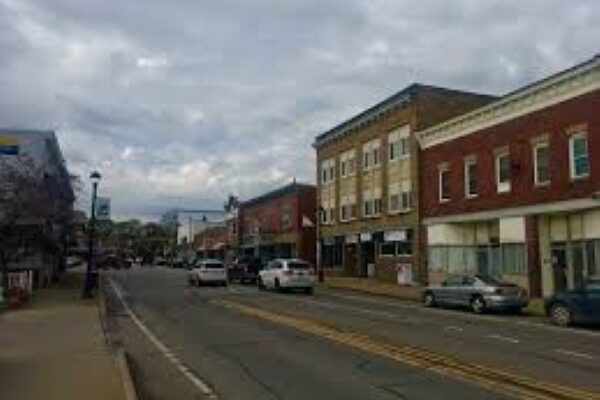
In its heyday, the Main Street arcade was a small labyrinth of shops, cafés, and game stalls. Teens hung out there, laughter bouncing off the walls, and shopkeepers called out greetings to everyone who passed. It was a place where the town’s stories collided, birthdays celebrated in the café, last-minute gifts grabbed at the corner stall, and tiny adventures hidden behind every doorway. Everyone had a favorite corner or a spot they visited without fail.
Today, arcades like this struggle to survive. Modern malls have replaced them, and many small businesses have closed their doors, leaving empty windows and peeling paint. Nostalgia runs deep; people share stories like, “I spent entire afternoons just wandering those aisles, it felt endless and alive.” It wasn’t the architecture or the shops themselves, it was the life that filled them, the shared routines and the way the arcade connected the town in a way no new structure seems able to replicate.
4. The Old Train Station
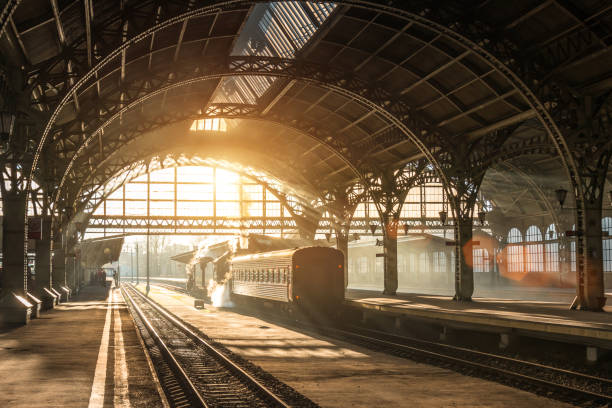
The train station used to be more than a transit point. It was a place of hellos and goodbyes, laughter and tears, quiet moments, and bustling activity. Vendors sold newspapers and snacks, musicians played in corners, and travelers’ stories seemed to hang in the air like an invisible thread connecting strangers. Waiting at the platform was never boring, there was life at every turn, and the station became a part of daily rhythm for many townsfolk.
Over the years, stations have modernized or been relocated, leaving old platforms abandoned. The trains may still run, but the old charm has vanished. People reminisce online, saying, “I remember sitting there for hours watching life pass, it was the heartbeat of the town.” Its absence isn’t dramatic, just quiet, but for those who remember, it’s a loss of shared moments, of small encounters that shaped the daily life of an entire community.
5. The Corner Café
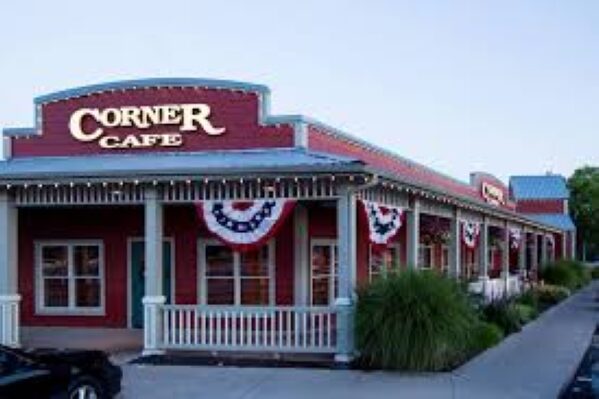
There was a tiny café tucked at the corner of one busy street, yet it somehow felt like the center of town. Locals stopped by every morning for coffee and small talk, students hunched over notebooks, and couples shared quiet afternoons. Its scent of freshly baked pastries and roasted beans invited anyone passing by, and its warmth made it a favorite no matter the season. More than just a café, it was a stage for stories, laughter, and friendships that felt permanent in a town that kept changing.
Today, many of these cafés have closed or been swallowed by modern developments. Where there was once chatter, there’s silence, and the smell of fresh coffee is mostly gone. People remember it with a mix of longing and gratitude, often posting online: “I miss sitting there, watching the world pass slowly.” The café wasn’t only a place to grab a drink; it was a quiet anchor, a pause button for daily life. Losing it leaves a subtle void, one that modern spaces struggle to fill.
6. The Town Library
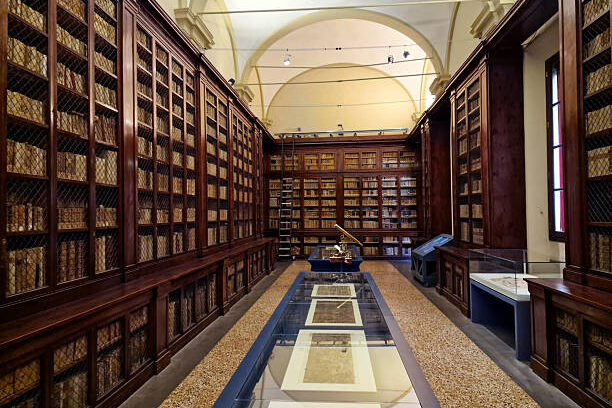
Once, the town library was the heartbeat of curiosity. Children spent hours exploring shelves, teens crammed into corners to study, and adults lingered over newspapers and local history. It wasn’t just a building with books, it was a place where imaginations thrived, conversations sparked, and knowledge felt alive. Events, reading clubs, and storytelling sessions made the library a constant gathering point for all ages, a shared space that belonged to everyone.
Now, many old libraries are either neglected or replaced with digital alternatives. The charm of old wooden shelves, soft lighting, and the quiet hum of people reading is fading. “I remember opening that heavy wooden door and feeling like I’d stepped into another world,” one local wrote online. The absence of such libraries isn’t just architectural, it’s cultural, a quiet reminder that even spaces meant for learning and community aren’t immune to change.
7. The Old Cinema
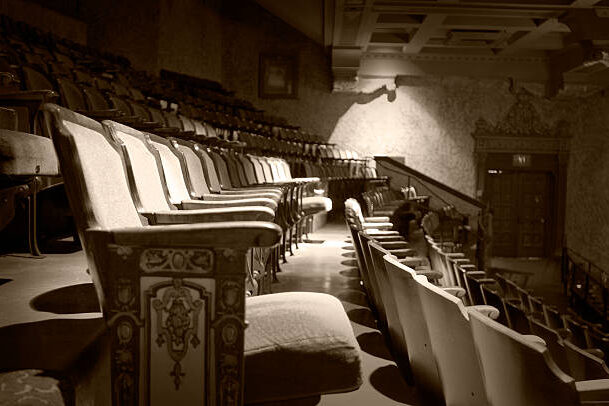
The town’s cinema was more than a place to watch movies, it was a social ritual. Long lines, the smell of popcorn, colorful posters, and the hum of excitement created a sense of anticipation that extended far beyond the screen. Teenagers sneaked in late, families gathered for matinees, and friends debated plot twists as they left. For a long time, it was a gathering point where stories unfolded both on screen and in life.
With multiplexes and streaming services, many old cinemas closed their doors. Empty marquees and dusty seats remain, reminders of a bygone era. People remember those spaces with a fond nostalgia: “I could spend hours there, and it never felt boring.” The cinema wasn’t just about film, it was about connection, shared excitement, and the feeling of being part of something larger than yourself.
8. The Central Fountain
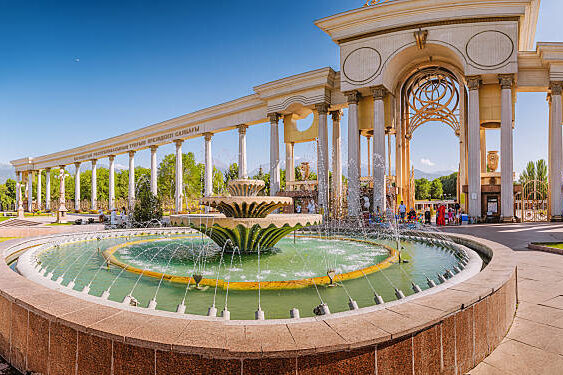
The fountain once marked the literal and figurative center of town. Water sparkled in the sunlight, pigeons flocked nearby, and children played around its edges. It was a meeting place, a photo spot, and a symbol of local pride. Families passed by it every weekend, lovers paused for quiet moments, and the fountain witnessed countless small celebrations and fleeting glances that became lifelong memories.
Today, many central fountains are covered over, neglected, or forgotten amidst urban expansion. Online forums often capture this quiet longing: “It felt like the heart of the town; now it’s just a memory.” Its absence is subtle, yet profound. Without it, there’s a missing rhythm, a shared reference point that once connected people across generations and neighborhoods, a silent witness to daily life that’s now mostly unseen.
9. The Old Bus Terminal
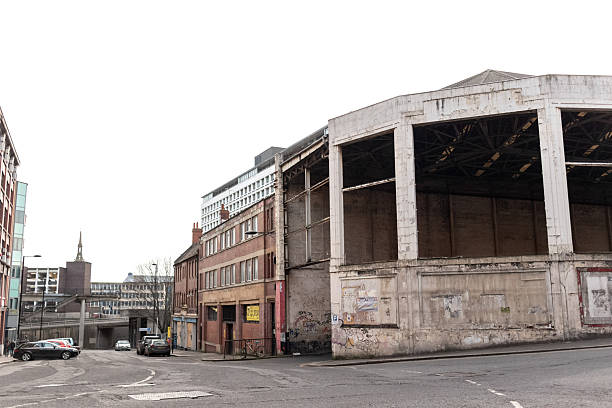
The bus terminal was a place of movement, stories, and small dramas that played out daily. People rushed to catch their rides, vendors hawked snacks and newspapers, and travelers exchanged tales from distant towns. It wasn’t always orderly, but it was alive, a crossroads where different lives intersected and new connections formed naturally.
Over time, modernization and relocation left old terminals abandoned. Travelers moved to new stations, leaving empty shelters and cracked tiles behind. People reminisce: “I spent hours there waiting, observing life unfold, it was exhausting but alive.” Losing these spaces doesn’t just remove transport convenience; it erases a hub of daily interactions, a space where life’s stories naturally intertwined.
10. The Old Bookstore
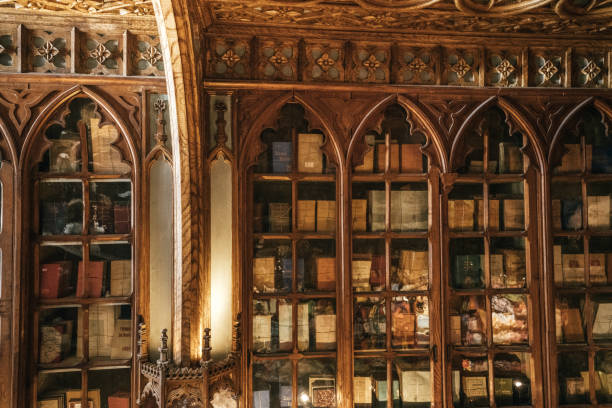
There was a small, crowded bookstore with books stacked in every corner and creaking wooden floors that announced your entrance. Students hunted for textbooks, bibliophiles lingered for hours, and neighbors exchanged recommendations and gossip over stacks of novels. The scent of paper and ink made it a comforting retreat from the bustle outside. It wasn’t big, but it was essential, a quiet heartbeat of local culture.
Today, most independent bookstores have been replaced by chain retailers or gone entirely. “I remember the smell of those pages and how it felt like an adventure every time I visited,” a former visitor posted online. Losing these spaces isn’t just about books; it’s about losing the sensory and emotional connection that comes from a small, personal hub where everyone felt welcome.
11. The Old Post Office
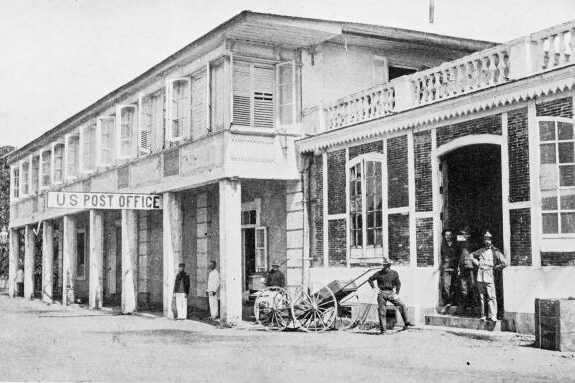
The post office once anchored the town’s communication. People queued to send letters, pick up parcels, and check for telegrams. It was a place of anticipation, connection, and a little gossip that tied neighbors together. Beyond mail, it served as a social hub, where faces became familiar, and everyone knew your name.
Modernization and digital communication reduced its relevance, leaving many old post offices empty. “It wasn’t just sending letters, it was seeing who had returned, who was traveling, who had news,” someone reflected online. Losing it feels small but tangible, a place where tangible connections once flourished has quietly faded.
12. The Old Ice Cream Parlor
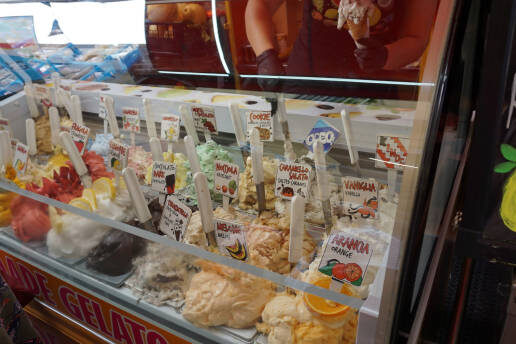
The ice cream parlor wasn’t just dessert, it was ritual. Children clutched coins, teens lingered over sundaes, and families celebrated small victories with scoops and laughter. The counters, pastel décor, and nostalgic music created a small world where time slowed and joy was simple.
With modern chains and frozen treats in supermarkets, old parlors have mostly disappeared. Online, people share, “It was magical, more than just ice cream, it was about being together, celebrating small moments.” Losing these parlors isn’t dramatic, but it removes small daily joys, the subtle markers of community and happiness that towns once treasured.
13. The Old Community Hall
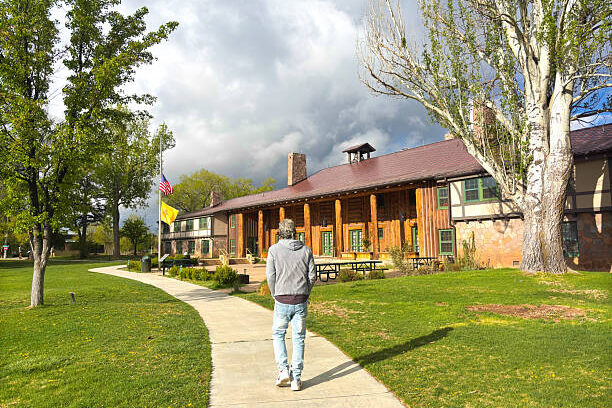
Community halls hosted fairs, dances, weddings, and gatherings that tied the town together. It was a neutral ground where people of all ages and backgrounds came together to celebrate, mourn, or plan for the future. Its walls absorbed laughter, music, and the hum of collective life that became part of the town’s rhythm.
Many old halls have been sold, converted, or left unused. Online reflections often read, “It felt like a heartbeat for everyone, it’s strange not seeing it anymore.” The loss isn’t loud, but it’s felt deeply in memory. Without these spaces, towns lose part of their communal soul, those rare places where everyone once belonged simultaneously.
14. The Old Town Square
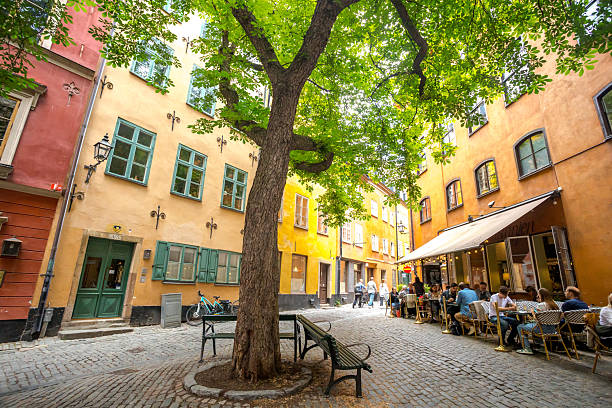
Finally, the town square once truly the center of life. It hosted markets, festivals, public announcements, and casual gatherings. Children ran around, street performers entertained, and townspeople simply sat, watched, and connected. Its rhythm set the pulse of the community, marking days, months, and seasons with shared experience.
Now, many town squares are underdeveloped, ignored, or modernized beyond recognition. People remember them fondly: “It wasn’t perfect, but it was alive, it made you feel part of something bigger.” Losing such a space reminds us that towns change, but memories remain. If this list stirred any recollections of your own favorite spots, take a moment to revisit them in conversation, photos, or memory. Sometimes remembering is enough to feel that heartbeat once again.


