
1. Curiosity in Motion
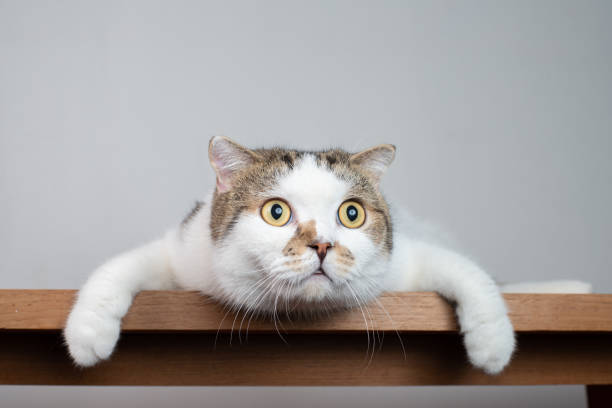
When an animal stops and stares, it’s not always a warning or a threat, it’s curiosity taking the lead. Animals, from domestic cats to wild deer, often fix their gaze on something unfamiliar to process what it is. In the wild, curiosity is a survival tool: observing a potential predator, prey, or unusual movement helps them make split-second decisions. Even pets at home will pause and stare at a new object or person, trying to decode whether it’s safe, fun, or irrelevant.
Scientists explain that this behavior is deeply rooted in sensory processing. Animals rely on visual cues more than humans in many scenarios, so pausing to focus is a methodical way to absorb information. As one animal behaviorist notes, “Staring is not always aggression, it’s attention, learning, and sometimes even silent amusement.” For pet owners, understanding this can reduce anxiety when a dog or cat seems frozen, revealing a thoughtful, rather than reactive, mindset.
2. Assessing Threats
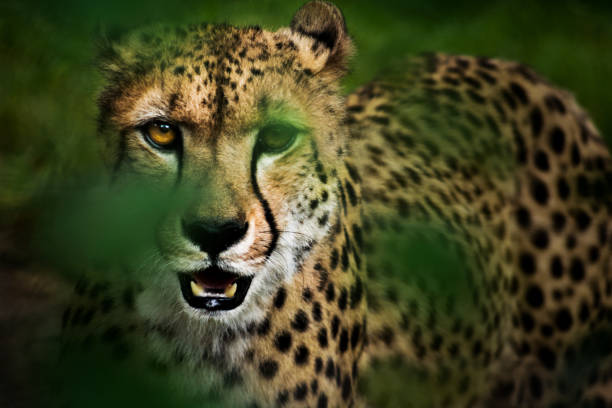
One reason animals stare without moving is risk assessment. Freezing and watching allows them to determine if a situation is dangerous without giving away their position. This behavior is common among prey animals, like rabbits or deer, who rely on keen observation before deciding to flee. Predators also employ a similar strategy when hunting: focusing intently on a target before striking ensures precision and reduces wasted energy.
Even household pets can exhibit threat assessment. A cat staring at a new visitor may be evaluating intentions or movement patterns. Dogs may fixate on strange noises outside a window to judge whether to bark or stay calm. Experts highlight that this behavior is not passive, it’s highly active mental processing. In essence, the still stare is an intelligent pause that balances caution and readiness, demonstrating how evolutionary instincts persist even in domesticated settings.
3. Communication Signals
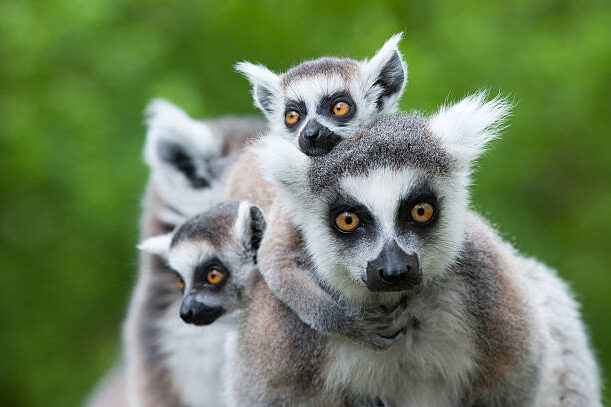
Sometimes, staring is a form of communication. Animals use gaze to convey messages within their species. Wolves, for instance, maintain eye contact to establish hierarchy or coordinate hunting efforts. Birds may lock eyes to assert dominance or signal interest without making a sound. Even your house cat or dog uses deliberate eye contact as a way to communicate needs, affection, or boundaries.
Researchers explain that nonverbal cues like staring are often more effective than movement or vocalization. A deliberate gaze can signal calm authority, curiosity, or an invitation to play. Recognizing these cues can improve human-animal interaction: a steady gaze doesn’t always mean confrontation, it can mean connection or a subtle social request. Understanding the language of eyes opens a new window into animal cognition.
4. Hunting Instinct
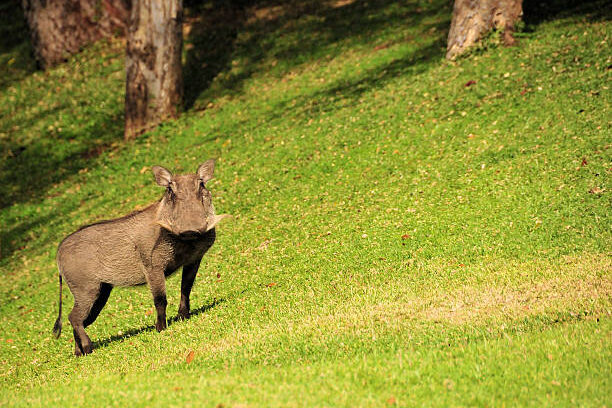
Predators often freeze and stare as a tactical maneuver. Lions, owls, and even smaller animals like cats instinctively lock onto prey, studying movement patterns and predicting reactions. Remaining motionless makes them less detectable, allowing them to plan their next move. For domestic cats, this instinct manifests as staring at a toy or insect, paws poised, body tense, waiting for the perfect strike.
Hunting is as much mental as physical. Observing, calculating, and pausing helps conserve energy and improve success rates. Zoologists note that even in non-lethal scenarios, this behavior persists because it’s ingrained: staring is part of the thought process, whether the “hunt” is for food, play, or curiosity. Recognizing this instinct in pets can explain why they freeze and stare so intently, giving us a peek into their evolutionary past.
5. Territorial Awareness
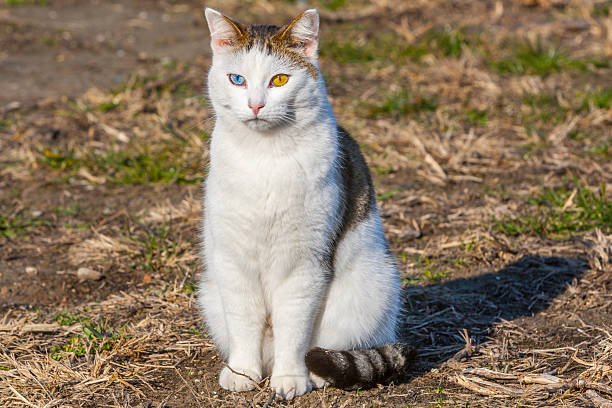
Animals also stare to monitor territory. Maintaining a clear view of their environment ensures safety and helps establish dominance. Birds often fixate on intruders near nests, while dogs and cats keep watch over their home turf. This behavior reduces surprise encounters and provides reassurance to the animal that its surroundings are secure.
Territorial staring is instinctive but also adaptive. In wild species, constant vigilance can prevent conflict and preserve resources. For pets, territorial stares often signal protective instincts rather than aggression. Trainers suggest observing the context if the animal’s body language is relaxed, the stare is likely about awareness, not threat. Understanding this helps humans interpret behavior without unnecessary concern.
6. Curiosity and Play
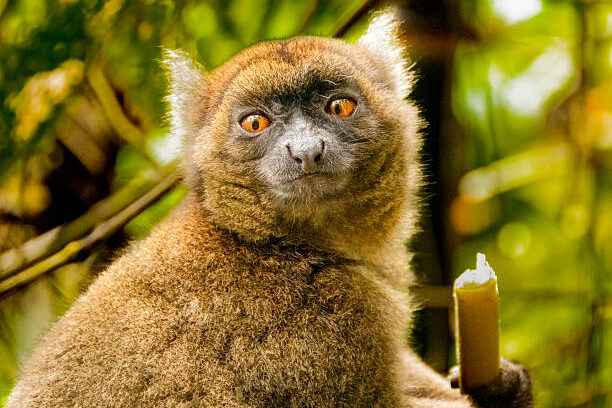
Sometimes, staring is a prelude to play. Many animals freeze to assess opportunities before acting. Young animals, particularly, stare at objects or each other to gauge reactions and plan engagement. This moment of stillness allows them to calculate movement, timing, and possible outcomes, skills essential for hunting, survival, or social interaction.
Cats and dogs display this frequently during interactive games: a cat fixates on a moving string, a dog watches a bouncing ball intently. The pause is both strategic and playful, blending curiosity with readiness. Animal behaviorists note that the gaze itself is a cognitive exercise, strengthening problem-solving abilities. Recognizing play patterns in staring behavior enhances our connection to pets and wildlife alike.
7. Alertness to Sounds
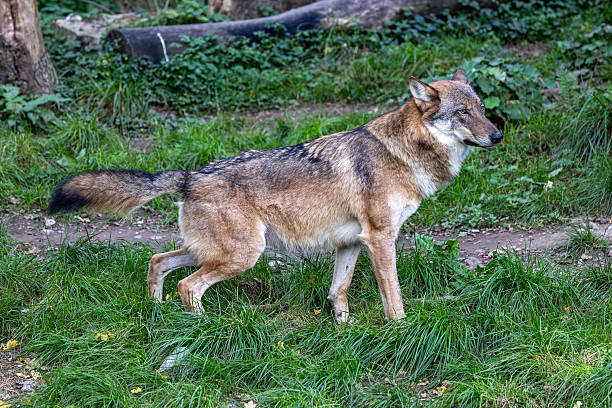
Animals rely heavily on multiple senses simultaneously. Sometimes, a fixed stare accompanies heightened auditory attention. A dog may stare at a doorway or window, ears tilted toward an unseen sound. Birds may freeze mid-hop when detecting faint rustles in foliage. The stillness amplifies their sensitivity, reducing distractions and focusing attention entirely on potential threats or opportunities.
This behavior is particularly common in prey species, where survival depends on detecting predators quickly. Neuroscientists explain that visual fixation combined with acute hearing enables precise reaction. Humans often interpret the behavior as odd or intimidating, but it’s a functional blend of senses in action. Watching quietly allows animals to absorb maximum information, a testament to the complex, instinctual intelligence behind what seems like simple staring.
8. Social Bonding
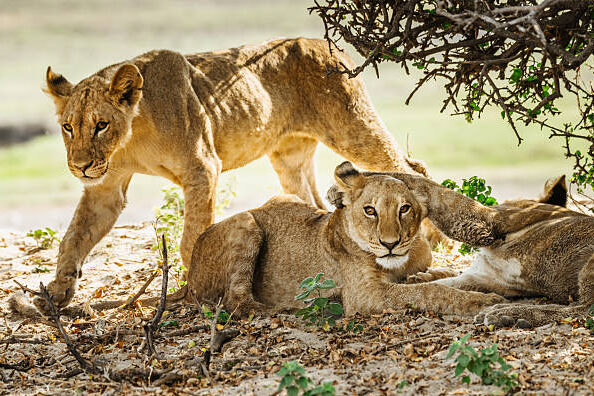
In social animals, staring can strengthen bonds. Eye contact among wolves, primates, and even dogs often signals trust and affiliation. Holding a gaze in certain contexts can reinforce hierarchy or emotional connection. In domestic pets, direct eye contact can communicate affection or invite interaction, showing that staring isn’t just functional, it can be relational.
Research shows that oxytocin, the bonding hormone, increases when humans and dogs share prolonged eye contact. Similar phenomena occur in primates, where mutual gaze fosters cooperation and social learning. What might appear as a fixed, impassive stare is, in reality, a nuanced way animals connect with each other and, in some cases, with humans. It’s a window into the emotional intelligence and social sophistication of animals.
9. Cognitive Processing
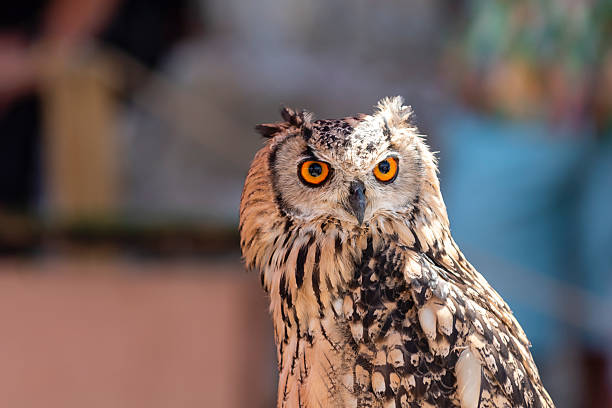
Staring can indicate deep thinking. Animals constantly process information, from mapping territory to evaluating risk. A frozen gaze allows them to prioritize stimuli, decide on next actions, and integrate new observations into memory. Cognitive scientists suggest that stillness often precedes problem-solving or decision-making, showing that staring is far from random.
In pets, this manifests when observing new objects, humans, or environments. Cats might stare at a changing room arrangement, dogs at unfamiliar people. This deliberate pause is a form of learning, helping them navigate their world effectively. Understanding this allows humans to respect animals’ need for observation, recognizing the intelligence and mental effort behind what seems like inactivity.
10. Stress or Anxiety
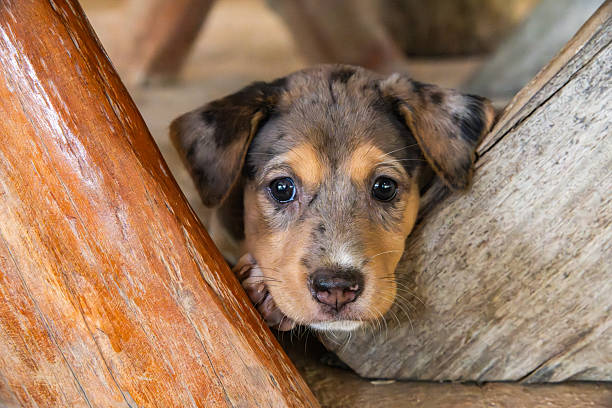
Staring can also reflect heightened stress or uncertainty. Animals under pressure may freeze and stare, a defensive mechanism that minimizes risk and avoids confrontation. Prey species, in particular, use this tactic to gauge threats before reacting. In domestic settings, a pet staring at an unusual noise or stranger may be anxious, seeking safety through observation.
Veterinarians explain that body language accompanying the stare, like flattened ears or tense posture, provides additional context. Observing these cues allows owners to intervene appropriately, offering comfort or removing stressors. What seems like passive behavior is often a protective strategy, a subtle but vital aspect of animal survival.
11. Hunger and Anticipation
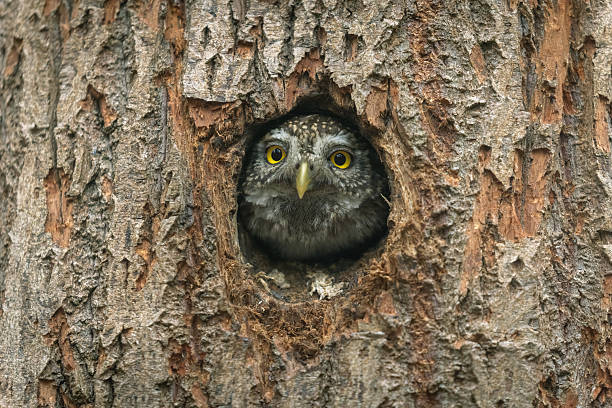
Animals often stare when anticipating food. This behavior is common in domestic pets and wild creatures alike. Birds, squirrels, and even larger mammals fixate on food sources or humans providing meals. Staring allows them to assess timing, position, and potential risks before acting, ensuring efficient feeding.
This behavior also strengthens learning associations. Dogs may link a certain sound or gesture with feeding, staring in expectation of a treat. Biologists describe this as goal-oriented observation, a combination of instinct, memory, and planning. Recognizing the purpose behind the stare can help humans better understand feeding routines and anticipatory behaviors in animals.
12. Deep Observation
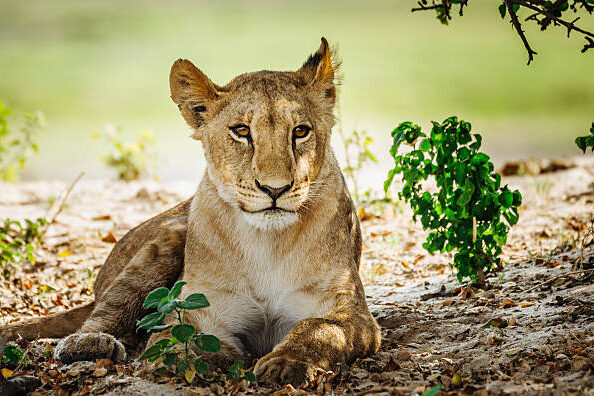
Finally, staring is often simply observation. Animals watch the world to gather data, movement patterns, environmental changes, and social interactions. Predators, prey, and social species all use prolonged gazes as a strategy to understand their surroundings. Even seemingly random moments of staring are calculated, a silent method of information-gathering that supports survival, interaction, and learning.
The takeaway is clear: what looks like emptiness or indifference is an intricate behavior serving multiple purposes. From curiosity and bonding to hunting and risk assessment, staring reflects intelligence and instinct in action. Observing this behavior offers humans insight into the layered complexity of animal life. Next time your pet or a wild creature stares at you, pause and reflect, they are processing, learning, and connecting in ways beyond our immediate understanding.


