
1. Home Sweet Home

Have you ever noticed the same bird returning to your backyard, day after day, season after season? It’s not coincidence; its instinct. Birds are creatures of habit, and many species develop strong attachments to certain locations that provide food, shelter, or safe nesting areas. According to ornithologists, these familiar spots help birds conserve energy and avoid unnecessary risks while exploring unknown territories. “Birds often remember safe places and return repeatedly because survival depends on it,” says a wildlife expert.
For birds, a reliable spot is like a well-loved room in a house, it offers comfort and security. When a bird finds a place that consistently meets its needs, it is more likely to return rather than gamble with an unfamiliar environment. These locations can include your garden, a local park, or even a particular branch in a tree. Over time, the bird associates that spot with abundance, safety, and sometimes even social interaction. It’s a simple pattern of behavior that is rooted in instinct but observable by anyone paying attention. So next time you see a familiar feathered friend perched on the same branch, remember, it’s more than coincidence, it’s their idea of home.
2. Food Memories
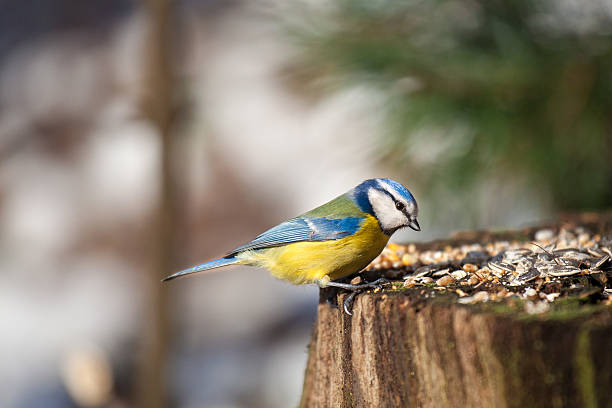
Birds are surprisingly good at remembering where they find food. Studies show that species like jays, crows, and pigeons can recall food sources for weeks or even months. If a bird finds a tree full of berries or a feeder you regularly fill, it will likely return again and again. “Spatial memory in birds is remarkable; it helps them locate food efficiently,” notes a leading avian researcher. This habit isn’t just about survival, it’s about efficiency.
Birds that repeatedly visit known food sources can reduce the energy spent searching for meals and minimize exposure to predators. Humans have unwittingly helped this pattern by keeping bird feeders or planting specific fruiting trees. It’s a simple yet powerful reminder that even the smallest gestures in your backyard can influence wildlife behavior. Birds aren’t randomly showing up; they are following a mental map that leads straight to your careful hospitality.
3. Migration Maps
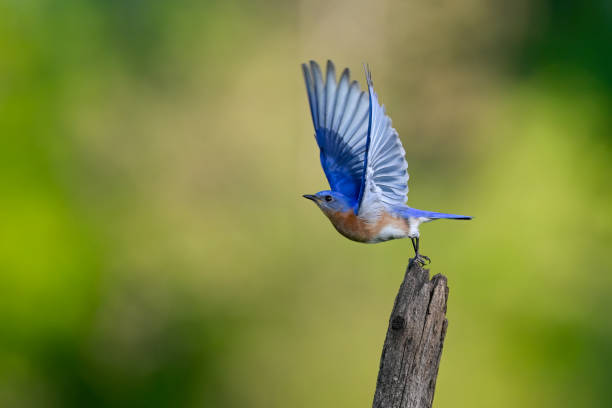
Many migratory birds return to the same location year after year because of finely tuned internal maps. Navigation isn’t random, it relies on a combination of visual cues, magnetic fields, and even the stars. Experts explain, “Migratory birds demonstrate extraordinary fidelity to specific breeding and wintering sites, which improves their chances of survival and reproduction.” Returning to familiar spots ensures that birds can feed, mate, and raise chicks in an environment they know well.
New or untested territories could be dangerous or lack the resources necessary for raising young. It’s like a traveler who sticks to trusted hotels rather than experimenting with unknown inns, familiarity provides safety and predictability. When you see birds showing up in the same park or coastal area each year, you’re witnessing a navigation miracle rooted in memory and instinct, perfected over thousands of years.
4. Nesting Grounds
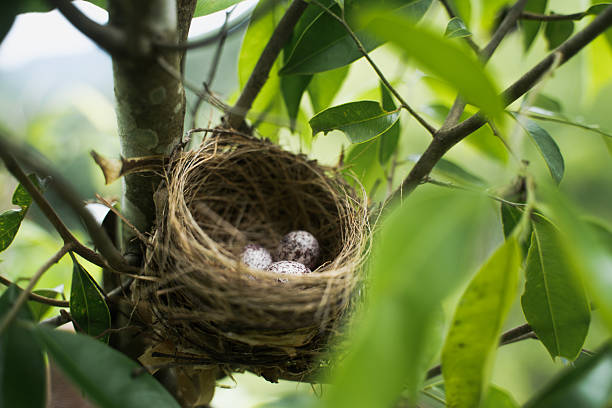
Birds are loyal to places where they have successfully nested in the past. These sites often become a permanent fixture in their life cycle. Ornithologists explain that birds can identify and return to locations where they successfully hatched chicks, even after a year or more. “Birds exhibit strong site fidelity to proven nesting sites,” says a leading researcher in avian behavior.
Returning to these safe havens makes evolutionary sense. Birds reduce the risk of predation and increase the chances of reproductive success by using sites with known safety and resources. For example, swallows often return to the same barn beams, and robins prefer familiar trees. This attachment to nesting grounds isn’t rigid, but it is surprisingly persistent, showing that birds value consistency as much as humans do when it comes to raising a family.
5. Safety First
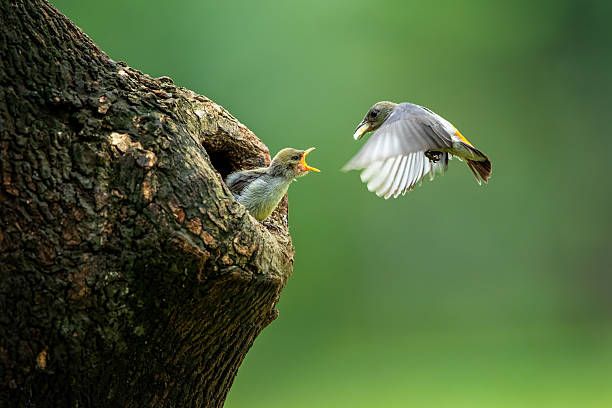
Safety is a major reason birds return to the same spot. Areas with minimal predators, hidden perches, and natural cover become favorites for repeated visits. Experts note, “Birds prefer sites that maximize security and minimize stress, which directly impacts their health and survival.” Even subtle differences in environment can determine whether a bird will stick around. Trees with thick foliage, quiet urban corners, or secluded garden nooks all provide protection.
Birds learn quickly which spots keep them out of harm’s way, and they will consistently revisit these safe havens. For anyone who enjoys watching birds, observing this behavior offers a fascinating glimpse into the balance of instinct, memory, and environmental adaptation.
6. Social Spots
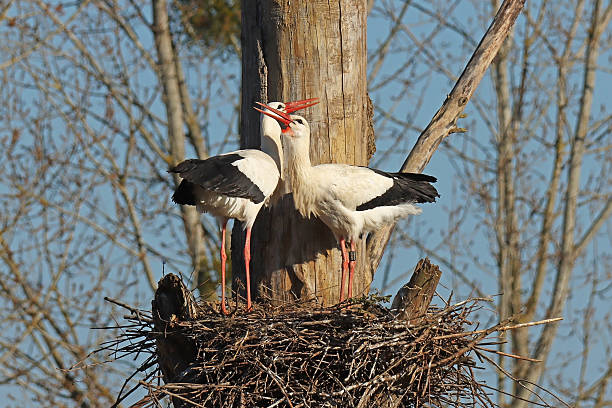
Some birds aren’t just attached to a place, they’re attached to the people or other birds they meet there. Certain species, like parrots or sparrows, recognize individuals and return to areas where they interact with others. “Birds are surprisingly social and can form bonds with locations that facilitate contact with their group,” notes an avian behavior specialist.
This social aspect also extends to humans. Backyard feeders often attract the same birds because they’ve learned that humans in that location provide food or safety. Over time, this reinforces the behavior, turning the spot into a small social hub. Birdwatchers often notice that even timid birds will show up repeatedly once trust is established. In these cases, location and relationship are inseparable, forming a pattern of loyalty that is part survival, part social intelligence.
7. Weather Patterns
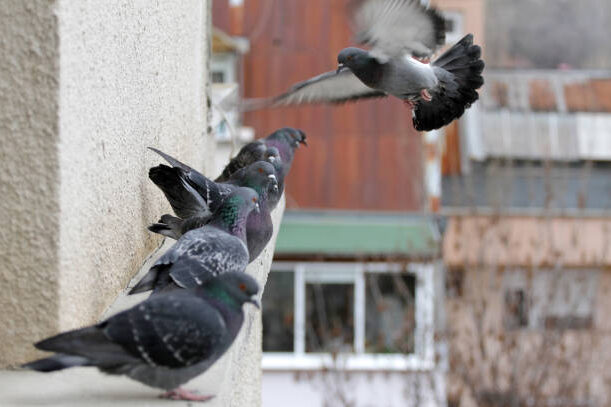
Weather plays a subtle but crucial role in birds’ location fidelity. Seasonal winds, rainfall, and temperature patterns influence where birds forage and rest. Observers note that certain areas consistently provide optimal conditions, which is why birds often return annually. “Birds track environmental cues to locate areas with reliable food and shelter,” explains a wildlife ecologist.
This reliance on predictable weather patterns allows birds to conserve energy and thrive even in challenging seasons. Fields with seasonal blooms, ponds that refill predictably, and sheltered spots with favorable microclimates become part of their mental map. Even urban birds exhibit these behaviors, timing visits to gardens and parks to coincide with predictable food availability. In short, birds return because they know the landscape and the climate works in their favor.
8. Learning the Land

Birds don’t just randomly pick a location, they study it. Over time, they memorize landmarks, feeding spots, and safe roosts. “Avian spatial memory is incredibly precise,” explains a researcher in animal cognition. “A bird can remember specific trees or feeders across months or even years.”
This learning allows them to navigate vast areas efficiently and return to sites that have proven resources. It’s a combination of instinct and experience; each visit strengthens the bird’s mental map. Gardeners and bird enthusiasts who leave consistent food or shelter notice that their feathered visitors return with almost clockwork precision. This is memory at work, shaping movement patterns across landscapes and seasons.
9. Territory Matters
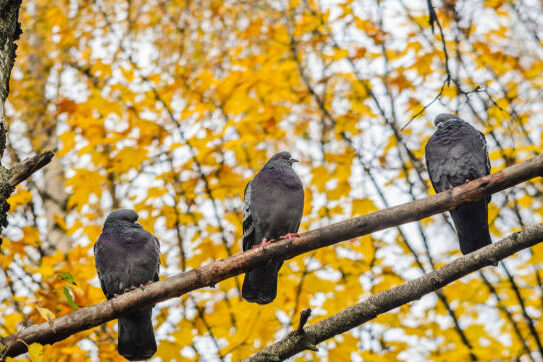
For many species, returning to the same spot is about defending a territory. Birds establish areas where they feed, mate, and nest, and returning regularly reinforces ownership. Experts note, “Site fidelity strengthens territorial claims and reduces conflict with rivals.” Birds mark these territories using songs, visual displays, and repeated presence.
When a bird consistently revisits a location, it signals to competitors that the area is claimed. This behavior ensures stability in feeding and mating opportunities, reducing conflicts and conserving energy. Humans can observe these patterns in city parks, backyards, and forest edges, where certain birds seem to stake out the same patch year after year.
10. Migration Anchors

Even long-distance migratory birds return to the same stopovers along their routes. These locations act as reliable anchors for rest and refueling during arduous journeys. “Migratory birds show remarkable fidelity to stopover sites,” notes an ornithologist, “even if they travel thousands of miles annually.” These anchor points are critical for survival. Birds know they can find food, water, and safe resting spots before continuing.
For instance, shorebirds and songbirds use coastal wetlands or riverbanks as dependable waypoints. Their ability to return each year highlights a combination of memory, navigation, and survival strategy. Observers often marvel at how a tiny bird can find the same location across continents, season after season, without missing a beat.
11. Comfort Zones
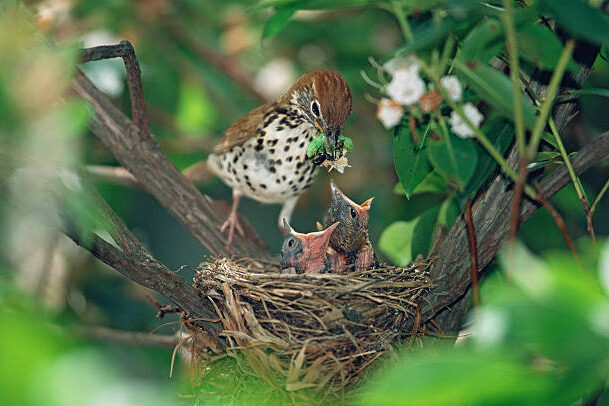
Birds, like humans, have comfort zones. Returning to familiar areas reduces stress, conserves energy, and increases efficiency in daily life. Areas where they have safely foraged, nested, and avoided predators become preferred spots. “Familiarity reduces risk,” explains a wildlife psychologist, “and birds are naturally inclined to stick with what works.”
The same garden, tree, or urban rooftop becomes a reliable microhabitat. When birds establish these comfort zones, even minor changes like a new feeder or a sudden pruning of trees can disrupt their patterns. Understanding this helps gardeners and conservationists create welcoming environments that attract and support bird populations. In the grand scheme, birds’ loyalty to familiar spots is a simple yet profound example of the power of habit in the animal kingdom.
12. The Takeaway
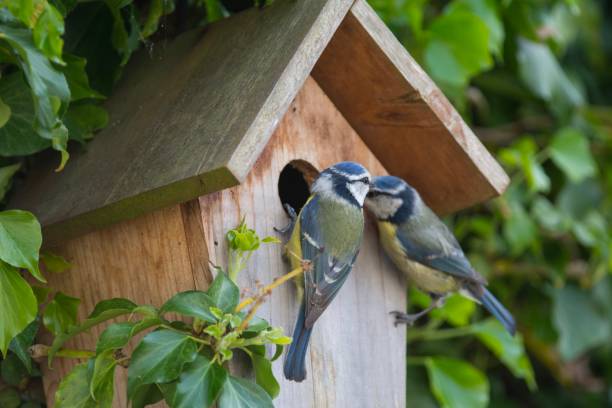
Birds returning to the same spot isn’t coincidence, it’s an intricate mix of survival instincts, memory, social interactions, and environmental awareness. Each visit reinforces mental maps, social bonds, and personal safety, creating patterns that are both predictable and fascinating. “Fidelity to a site is a key survival strategy in birds,” sums up a leading expert. For anyone who watches them, this loyalty offers lessons about habit, consistency, and respect for place.
By keeping feeders filled, maintaining gardens, or simply observing quietly, humans can interact with these patterns, fostering a little continuity in nature. Birds remind us that even small spaces can hold big importance and that returning to what works, safely and consistently, is a strategy that serves across species. The next time you see the same bird perched in your yard, take a moment to appreciate the intricate web of memory, instinct, and choice that brought it there.


