
Woolworth’s Lunch Counters
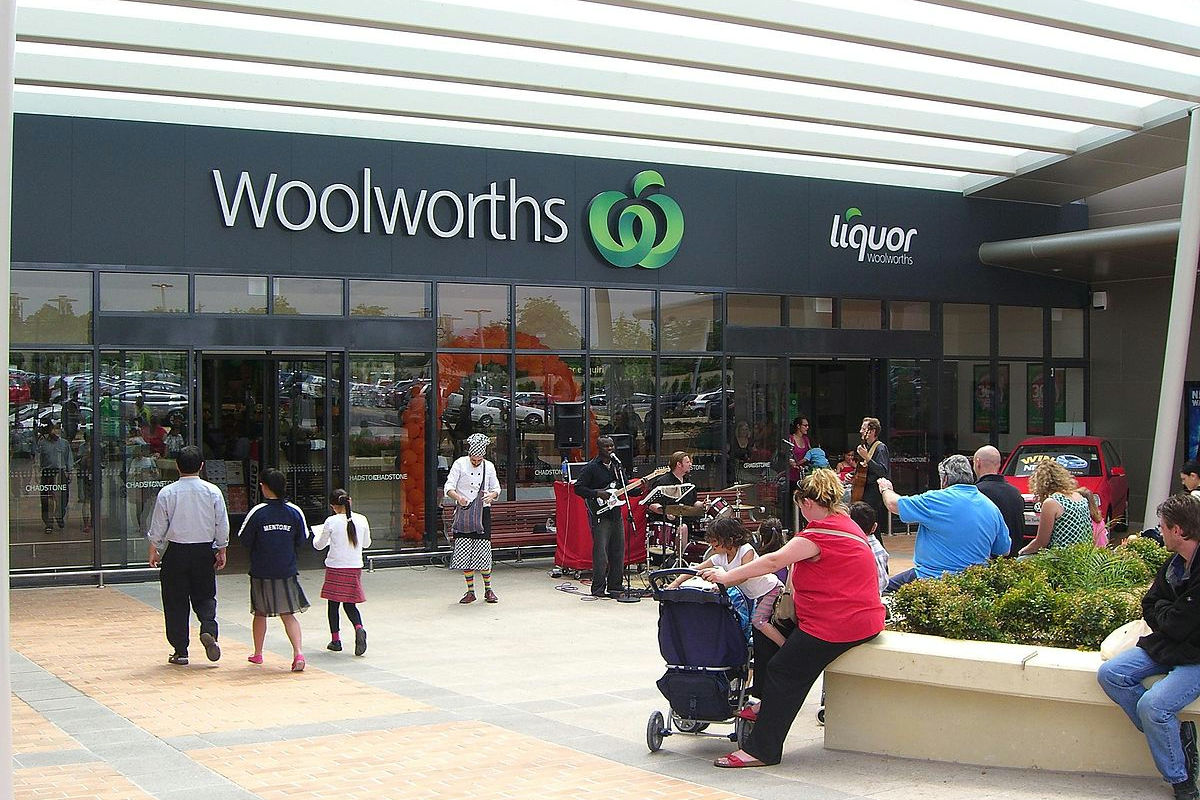
For most of the 1900s, F.W. Woolworth Company was the undisputed king of the American downtown. Everyone knew it as the “five-and-dime” because you could pick up almost any household essential for just a few cents. But the real magic was at the lunch counter. These spots became legendary social hubs where you could grab a grilled cheese and a milkshake while chatting with neighbors, making the store feel like the true heart of the local community.
Woolworth’s didn’t just sell cheap goods; it actually helped invent the way we shop today by putting thousands of identical stores in cities across the country. But as big suburban malls started popping up in the 1970s and 80s, the old-fashioned variety store model began to struggle. By July 1997, the company made the tough call to close its remaining U.S. locations. It was a sad moment that marked the end of a retail era that had defined daily life for generations.
RadioShack’s Gadget Era
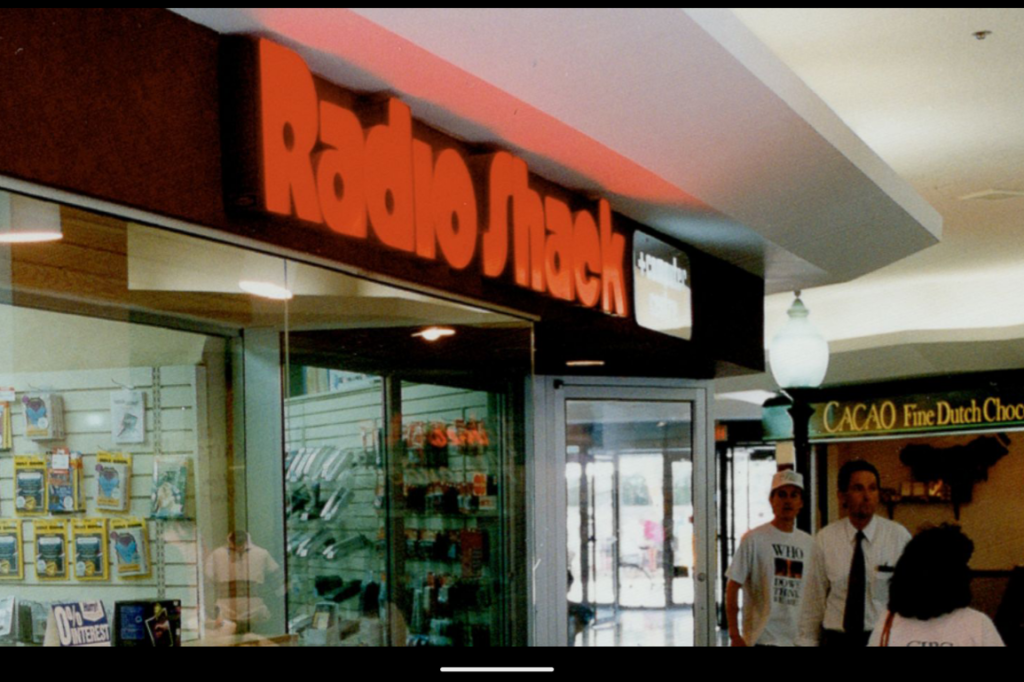
Long before we had massive tech superstores or smartphones, RadioShack was the place to go for any electronic need. Founded way back in 1921, it was a paradise for people who loved to build things or fix their own gadgets. If you needed a specific battery, a length of copper wire, or a new CB radio, you went to the “Shack.” The employees actually knew their stuff and could help you figure out how to get your tech working.
At its peak in the 1990s, it seemed like there was a RadioShack in every single neighborhood. They were even responsible for helping bring the first personal computers into American homes. But as technology got more “plug-and-play” and online shopping became the norm, the small-store format started to fade. After struggling for years and facing bankruptcy in 2015 and 2017, most of the physical stores vanished, leaving hobbyists without their favorite local tech hangout.
Blockbuster Friday Nights
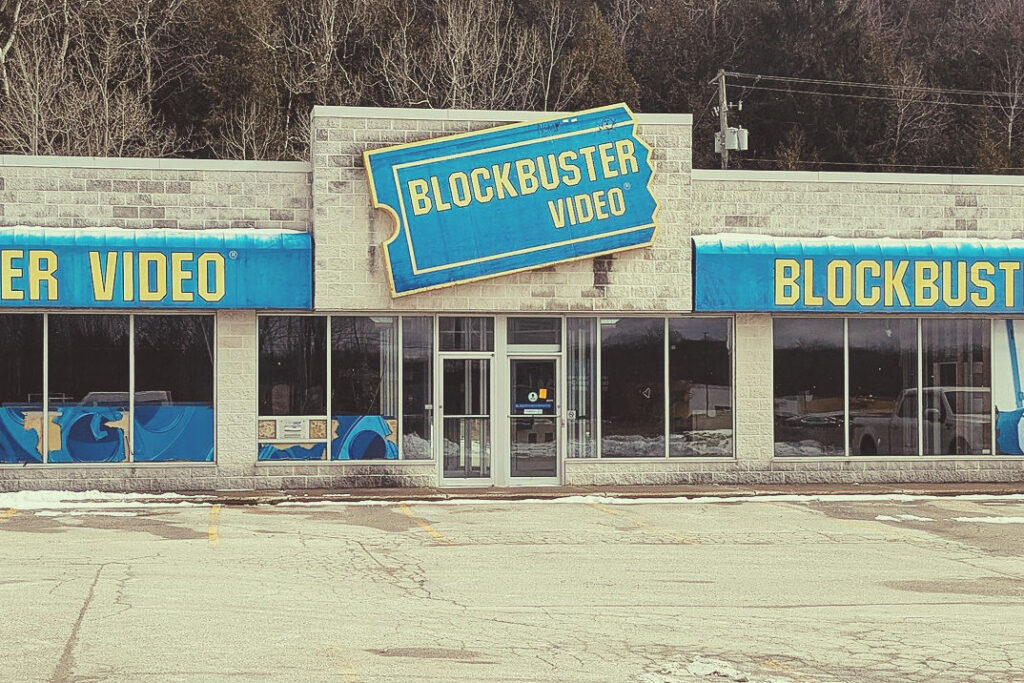
Nothing captured the feeling of the weekend quite like a trip to Blockbuster. By the time the 1990s rolled around, those bright blue-and-yellow signs were everywhere, and “Blockbuster Night” was a real ritual. You’d wander the aisles with your family, praying that the hit movie you wanted wasn’t already sold out. There was something special about holding that plastic case in your hand and grabbing a bucket of popcorn on your way to the checkout.
While it felt like Blockbuster would own the movie world forever, they were caught off guard by the digital revolution. When streaming services started getting popular, the idea of driving to a store to rent a physical disc started to feel like a chore. The company tried to catch up, but it was too little, too late. By 2014, almost all the corporate stores had shut down, serving as a huge reminder of how fast a giant can fall.
Toys “R” Us Magic
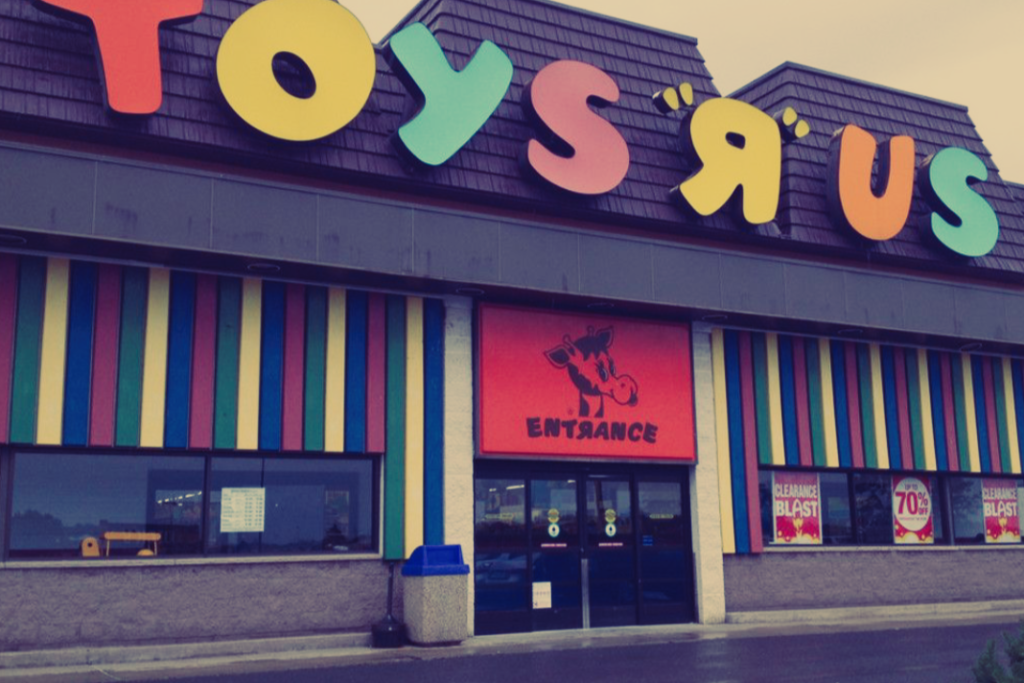
For any kid growing up, a trip to Toys “R” Us was basically like visiting a theme park. The stores were massive, with aisles stacked high with every toy, board game, and bike you could imagine. Whether you were searching for the latest action figure or a new video game, it was the ultimate destination for childhood joy. During the holiday season, the energy inside those stores was absolutely electric with kids and parents hunting for the perfect gift.
Unfortunately, behind the scenes, the company was dealing with some serious financial trouble and heavy debt. They also had a hard time competing with the low prices and convenience of online giants. After decades of making kids smile, the company filed for bankruptcy in 2017 and closed its remaining U.S. stores in 2018. It was a heartbreaking goodbye for millions of fans who had grown up wandering through those giant toy-filled aisles with Geoffrey the Giraffe.
A&P Grocery Standard
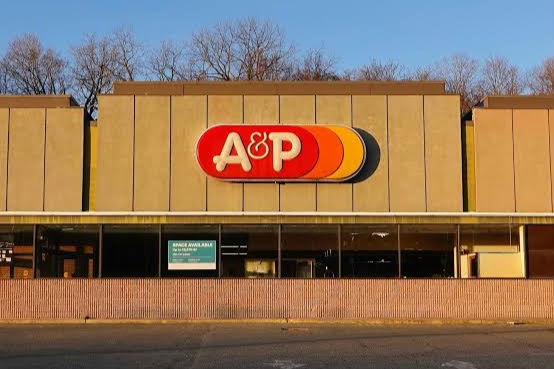
Way before the giant supermarkets we use today existed, A&P was the place where America bought its groceries. The Great Atlantic & Pacific Tea Company was actually one of the first retail empires in the United States. At one point in the early 20th century, it was the largest retailer in the world! Families relied on their local A&P for everything from fresh produce to their famous Eight O’Clock coffee, making it a staple of the American kitchen.
But being the biggest also made it hard to change. As other grocery chains started building even bigger stores with more variety and fancy features, A&P started to lose its edge. They struggled to keep their old buildings modern and eventually faced massive financial losses. After over 150 years in business, the company finally called it quits and closed its doors in 2015. It left behind a legacy as the pioneer that changed how we all buy our food.
KB Toys Mall Stops
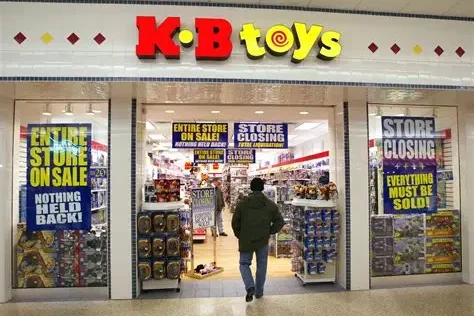
If you spent any time at the mall in the 80s or 90s, you definitely spent time in KB Toys. These stores were smaller than the giant toy warehouses, but they were packed with fun. They were famous for their “value bins” near the entrance, where you could find great deals on toys and gadgets. For many kids, it was the perfect place to spend their birthday money because you could always find something cool for just a few bucks.
However, being located mostly in malls turned out to be a problem as mall traffic started to drop across the country. Big-box retailers and online stores could offer more variety and lower prices than the smaller KB locations. The company went through several owners and bankruptcies before finally closing all its stores in early 2009. It was the end of a fun era for mall-goers who loved stopping in to see what new toys were on the shelves.
Montgomery Ward Catalog
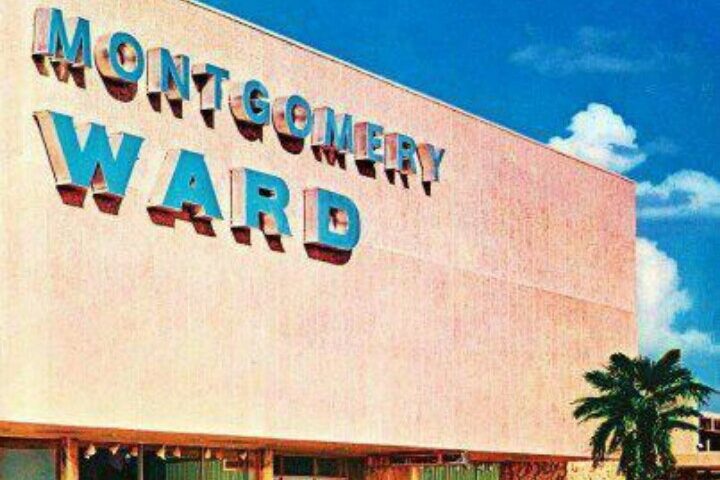
Montgomery Ward was doing “remote shopping” long before the internet was even a dream. They started out as a mail-order catalog in 1872, bringing everything from clothes to farm tools directly to people living in rural areas. Eventually, they opened huge department stores that became a trusted name for American families. For over a hundred years, they were one of the most innovative companies in the country, helping people get what they needed no matter where they lived.
Even with such a long history, the company hit a wall as the retail world moved faster. They had a hard time keeping up with competitors like Sears and eventually the new discount stores that shoppers started to prefer. The business struggled through the 1990s and officially decided to close its doors for good in 2001. While the name lives on as an online brand today, the giant department stores that once anchored Main Streets are now just a part of history.
Mervyn’s Everyday Fashion
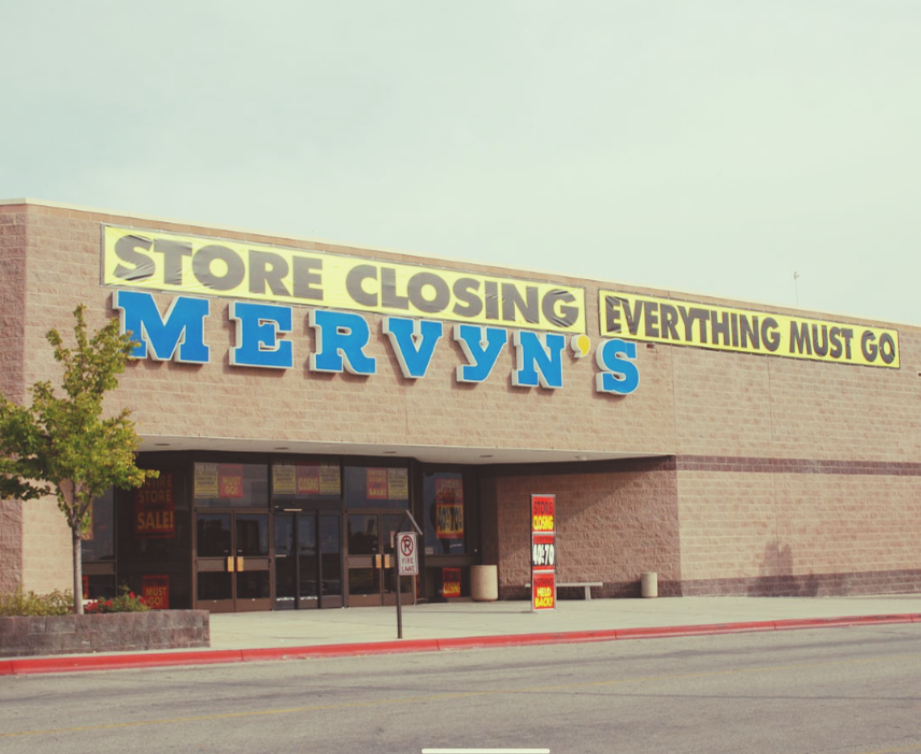
Mervyn’s was the ultimate go-to store for middle-class families, especially if you lived out West. It wasn’t a fancy, high-end boutique, and it wasn’t a bargain-basement shop either, it sat right in the comfortable middle. You could always count on them for solid school clothes, comfortable bedding, and reliable kitchen gear. It was the kind of store where you could get your holiday shopping done without breaking the bank or feeling overwhelmed.
As the years went by, the “middle ground” became a very tough place to be in retail. Mervyn’s found itself squeezed by cheap discount stores on one side and trendy department stores on the other. It became harder to convince shoppers to choose them over the newer, flashier options. After a long struggle and a tough economy, the company filed for bankruptcy and closed all its locations in 2008. It was a quiet end for a brand that had served families for nearly 60 years.
Tower Records Culture
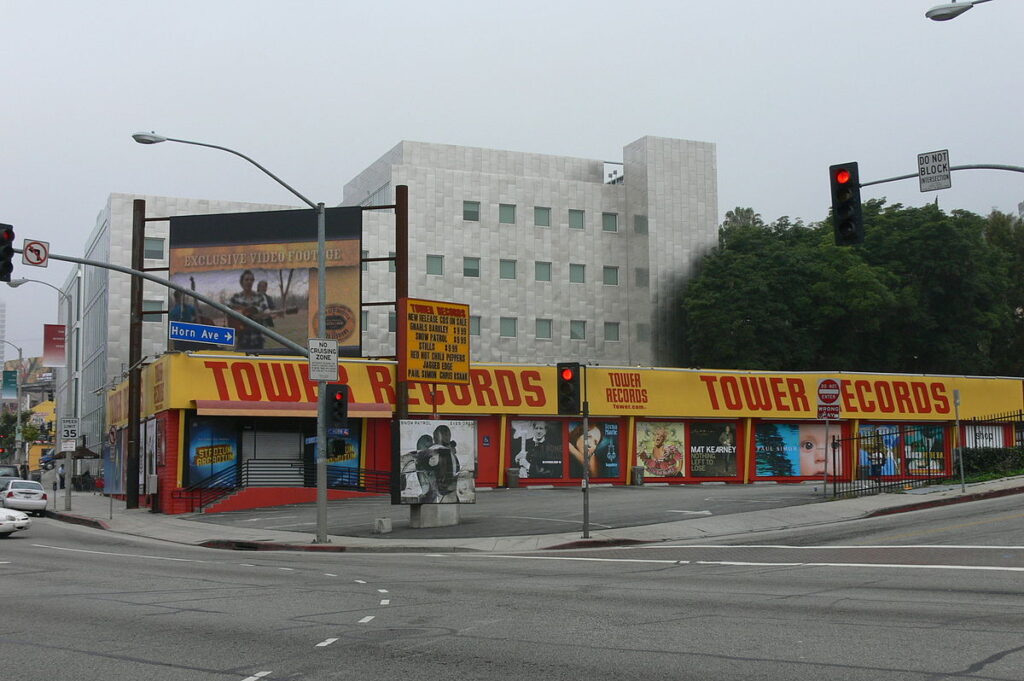
Tower Records was way more than just a place to buy a CD; it was the ultimate hangout for music fans. The stores were huge and filled with every genre you could imagine, from jazz to heavy metal. You could spend hours flipping through the bins, reading the backs of albums, and discovering new bands. The staff usually loved music as much as the customers did, which made the whole experience feel like you were part of a cool, exclusive club.
Sadly, the invention of the MP3 and the rise of digital downloads changed the music industry overnight. When people started buying songs online for 99 cents or downloading them for free, the huge Tower Records stores became too expensive to run. By 2006, the company had to close its doors across the United States. It was a major loss for the music scene, as the digital world just couldn’t replace the feeling of finding a hidden gem in a physical record store.
Payless Everyday Shoes
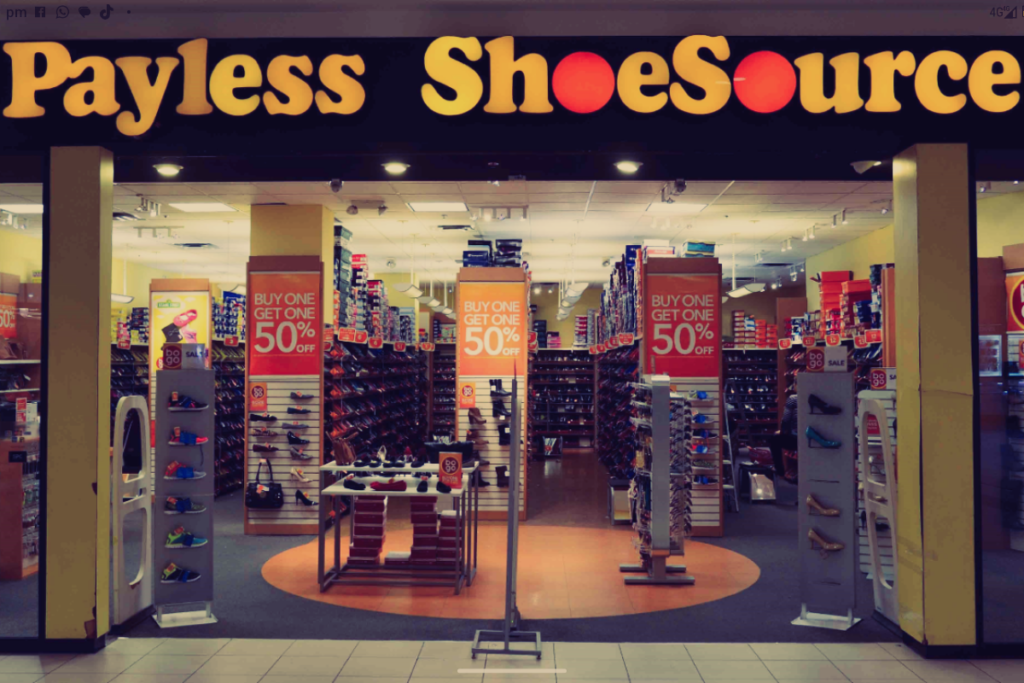
Payless ShoeSource was a lifesaver for families who needed to stay on a budget. Their whole idea was simple: you walk in, find your size on the shelf, and try the shoes on yourself. It was quick, easy, and you didn’t have to wait for a salesperson to help you. Whether you needed sneakers for gym class or dress shoes for a wedding, Payless was the reliable neighborhood spot that wouldn’t drain your wallet.
However, as more people started buying shoes online and other big retailers began offering similar low prices, Payless started to lose its footing. The company struggled with high debt and a changing retail world where people wanted more trendy styles. After trying to reorganize several times, they officially closed all their U.S. and Puerto Rican stores in 2019. While the brand still exists in other parts of the world, those familiar neighborhood shoe stores are now a thing of the past.
Dressbarn Workwear Staple
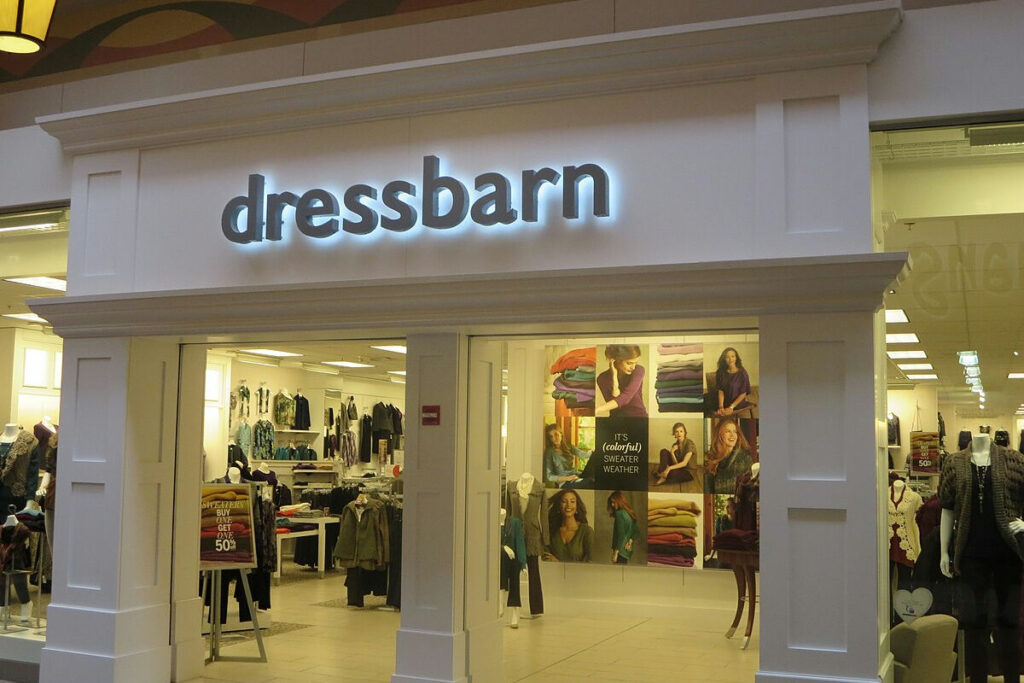
Dressbarn became a household name by focusing on a very specific mission: helping women look professional without spending a fortune. Founded in 1962 by Roslyn Jaffe, the store arrived just as more women were entering the workforce and needed stylish, versatile outfits. It wasn’t about high-fashion runways; it was about providing reliable blazers, slacks, and dresses that looked great at the office and worked just as well for a nice dinner out with the family.
For over fifty years, Dressbarn was a staple in suburban strip malls, but the rise of “fast fashion” eventually made the market much more crowded. New competitors began churning out trendy styles at lightning speed, while online shopping changed the way women looked for workwear. In May 2019, the company surprised many by announcing it would close all 650 of its physical locations. While the brand still lives on as an online-only store today, the era of visiting a local Dressbarn to find the perfect interview outfit has officially come to a close.
Modell’s Sports Hub
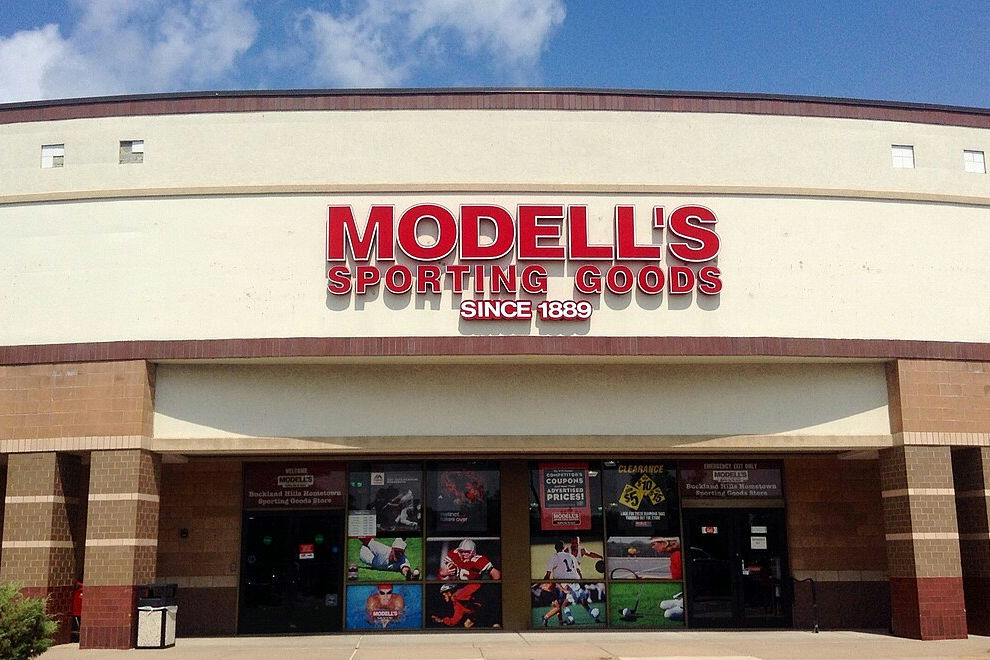
Modell’s Sporting Goods was the ultimate destination for athletes and die-hard fans, especially for those living in the Northeast. This family-owned business had incredible staying power, having been founded way back in 1889. For generations of New Yorkers and their neighbors, “Gotta Go to Mo’s” wasn’t just a catchy jingle, it was a weekend tradition. Whether you needed a new baseball glove for little league or the latest jersey to cheer on your favorite pro team, Modell’s was the place that felt connected to the local sports scene.
Despite its long and storied history, the company eventually hit some very difficult hurdles. It became increasingly hard to compete with massive global sporting goods chains and the convenience of ordering equipment from your phone. After 131 years of serving local communities, the company filed for bankruptcy in March 2020 and closed all its remaining brick-and-mortar stores. The loss of Modell’s marked the end of an era for local sports culture, where getting geared up for the big game was a face-to-face experience shared with fellow fans in the neighborhood.
Pier 1 Home Style
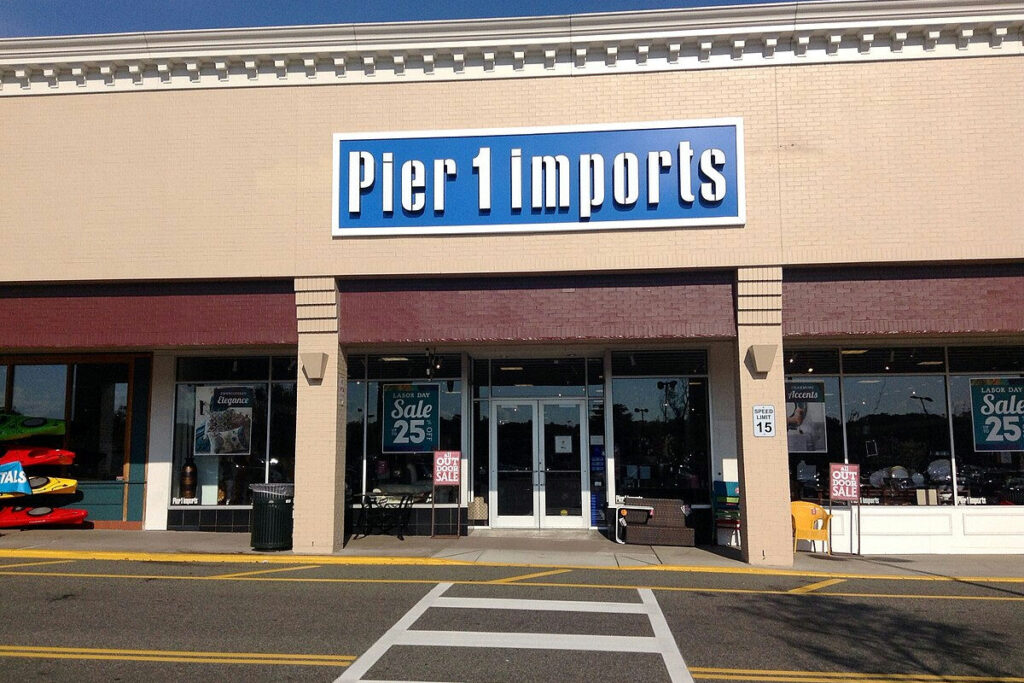
Pier 1 Imports offered a shopping experience that felt like a mini-vacation. Founded in 1962 in California, the store became famous for its eclectic, globally inspired furniture and home decor. It was the go-to spot for young adults moving into their first apartments who wanted something more unique than standard big-box furniture. Walking through the store, you’d find everything from beaded curtains and papasan chairs to colorful dinnerware from across the globe, all designed to make a home feel personal and a bit more adventurous.
However, as the 2000s progressed, Pier 1 found itself facing a new kind of competition. Online home decor sites made it easy to browse thousands of unique items from the comfort of your couch, and discount retailers started offering similar styles for even less. These pressures led to a decline in sales that the company couldn’t recover from. In early 2020, Pier 1 filed for Chapter 11 bankruptcy and eventually decided to shut down all of its physical storefronts. Today, while the name continues as an online store, the days of wandering through those fragrant, candle-filled aisles are officially over.


