
Knocking On Friends’ Doors
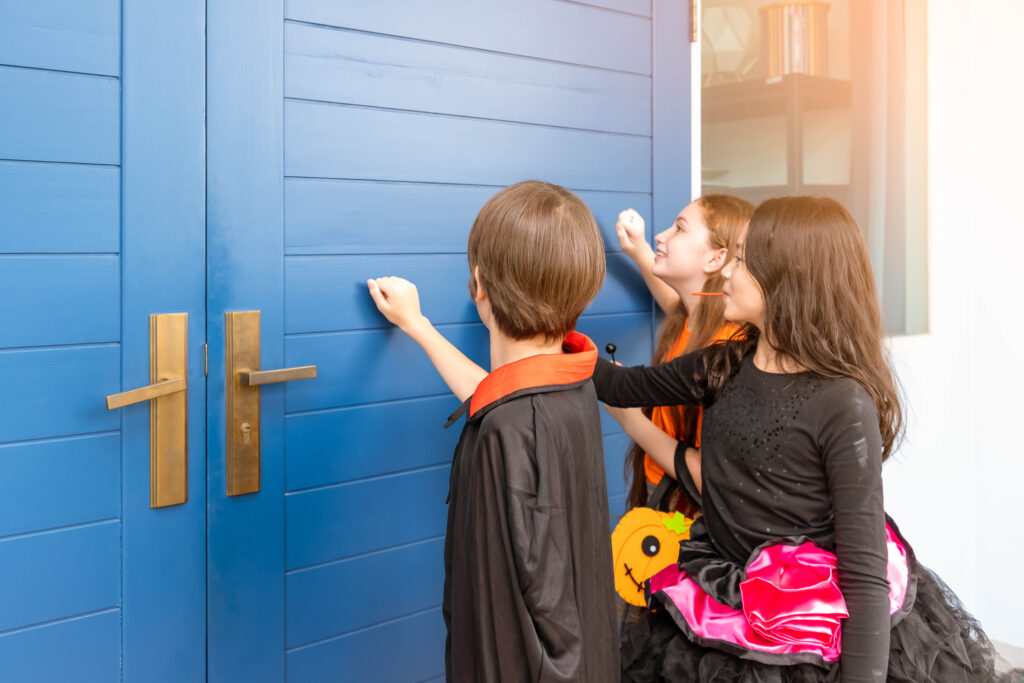
Before we all had smartphones in our pockets, the only way to see if a friend could hang out was to actually walk over to their house and knock on the door. You couldn’t send a “u up?” text or check their location on an app. You just showed up, rang the doorbell, and hoped for the best. Sometimes they were busy eating lunch or out with their family, and you just had to deal with the disappointment and try someone else’s house. It required a little bit of bravery and a lot of patience.
This simple habit helped us learn how to talk to people face-to-face, including our friends’ parents and siblings. It made our neighborhoods feel like tight-knit communities because we were constantly interacting in person. By the time social media took over around 2004, this ritual started to disappear. Now, everything is planned out through instant messages, which is definitely faster but feels way less personal. We’ve traded that spontaneous “ding-dong” at the front door for a digital notification, and in the process, we’ve lost a bit of that old-school neighborhood connection.
Riding Bikes Everywhere
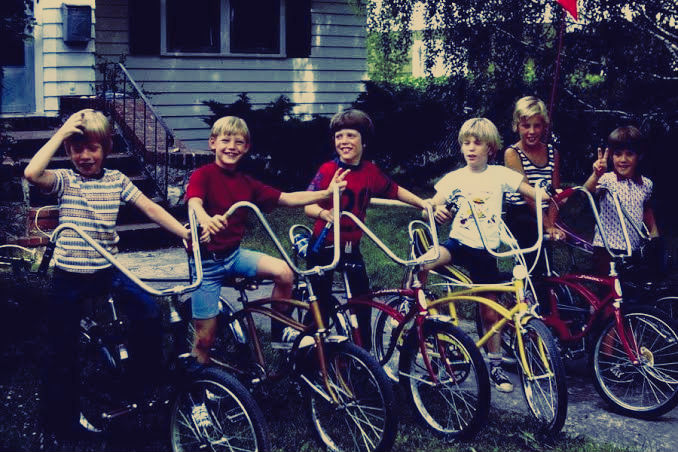
There was a special kind of magic in getting your first bike and realizing you could finally go wherever you wanted. Back in the summer of 1995, a bicycle wasn’t just a way to get exercise; it was your primary set of wheels. You didn’t need a GPS or a ride from your parents to visit a friend or head to the local park. As long as you were home by the time the streetlights flickered on, the world was yours to explore. It was all about that feeling of the wind in your face and the excitement of a little bit of unsupervised adventure.
Riding around the neighborhood taught us how to navigate the world and be aware of our surroundings. Parents used to trust us to roam within a few miles of home, which really helped us grow up and feel capable. Unfortunately, that level of freedom has declined quite a bit lately due to modern safety concerns and much busier schedules. Statistics show that by 2010, the number of kids walking or biking to their destinations had hit record lows compared to the 1970s. Because of this shift, many children today have fewer chances to experience that same spark of early independence.
Playing Outside All Day
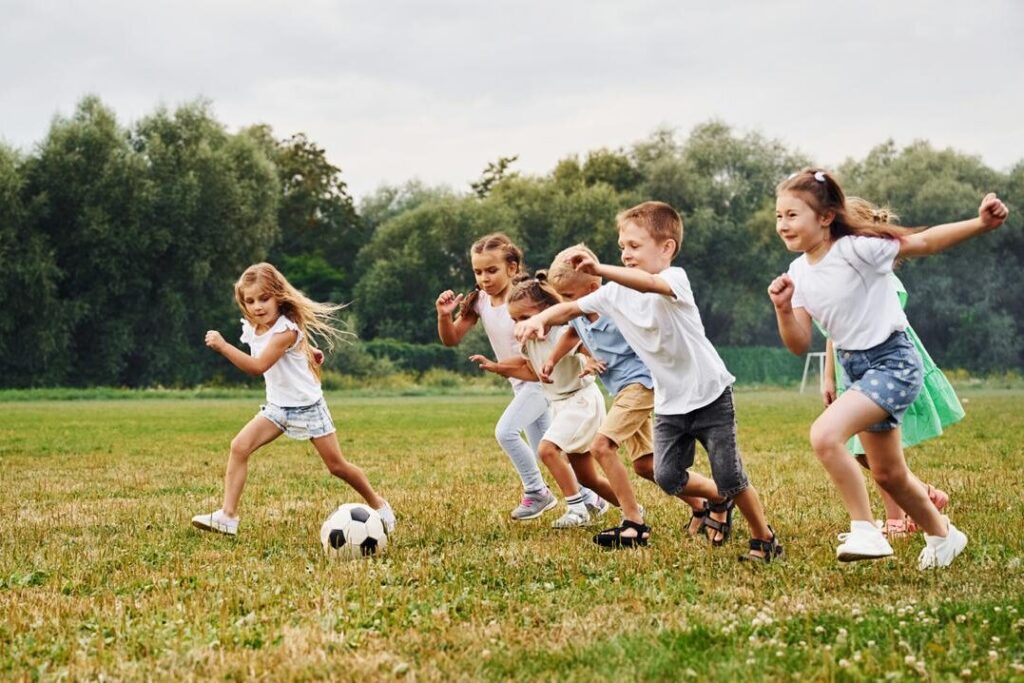
Back in the day, “playing” meant heading out the front door in the morning and not coming back until dinner time. There wasn’t a set plan or a coach telling us what to do; we just used our imaginations to turn a backyard into a fortress or a fallen tree into a pirate ship. Whether it was 1988 or 1992, the outdoors was the ultimate playground. We spent our hours climbing, running, and inventing games on the fly, which kept us active and engaged with the real world for hours on end.
This kind of unstructured time was actually really good for our brains. Experts have found that free play helps kids learn how to solve problems and get along with others without adults stepping in to help. Nowadays, the average child spends about seven hours a day looking at a screen, which doesn’t leave much room for wandering through the woods. Since about the mid-2000s, the shift toward indoor life has changed the way kids interact. We’re losing those spontaneous moments that used to be the very heartbeat of what it meant to be a kid.
Saturday Morning Cartoons
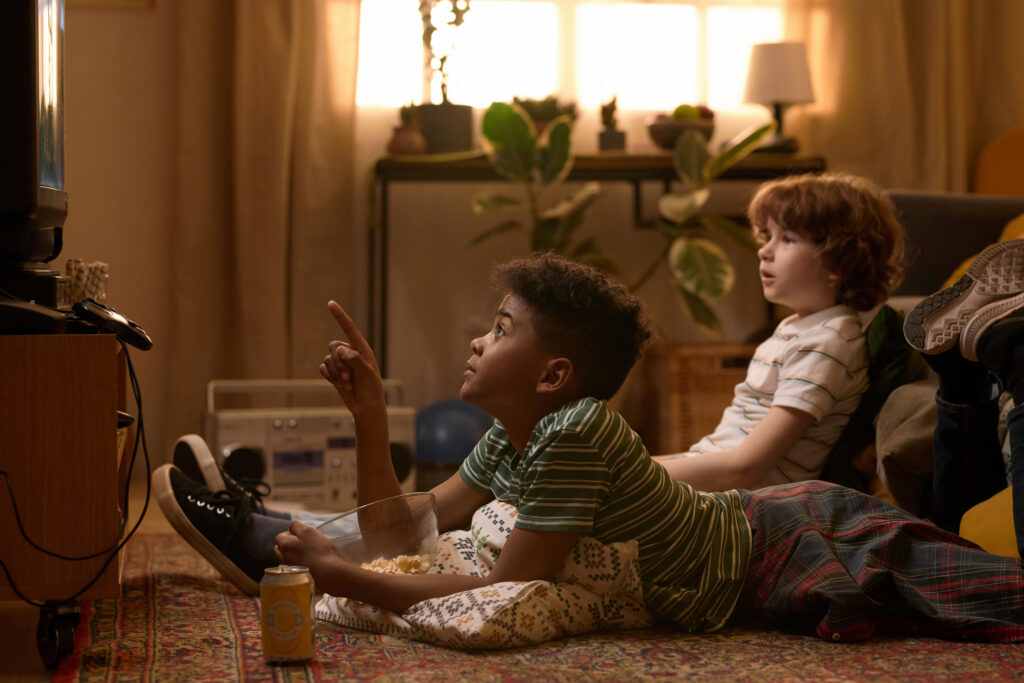
Saturday mornings used to be the biggest event of the week for kids across the country. You’d wake up early—sometimes even before your parents—grab a big bowl of sugary cereal, and plant yourself in front of the TV. From the late 1960s all the way through the 1990s, the major networks like ABC and CBS had a special block of cartoons that only aired once a week. If you missed your favorite show at 8:00 AM on a Saturday in 1994, you were out of luck until the next week.
This limited schedule created a huge shared experience for everyone in class. On Monday morning, every kid was talking about the same episodes because we all watched them at the exact same time. It made entertainment feel like a reward and something to really look forward to. Today, with streaming services like Netflix and YouTube, cartoons are available 24/7 at the touch of a button. While it’s great to have so many choices, we’ve lost that sense of anticipation and the “event” feel that made those Saturday mornings so legendary.
Recording Songs On Radio
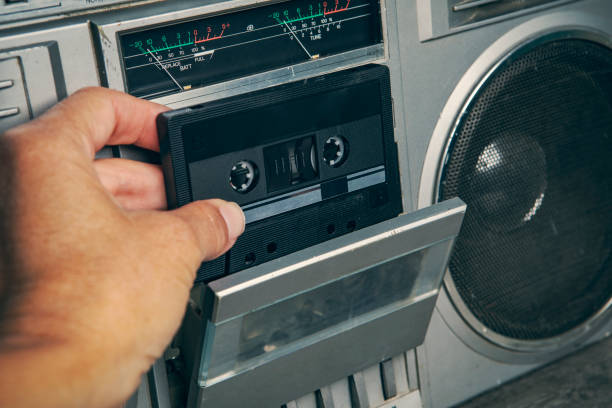
If you wanted to own a song in the 1980s or 90s without buying the whole album, you had to be a master of the radio. You would sit by your boombox for hours, finger hovering over the “record” button, waiting for the DJ to play your favorite track. It took serious focus and lightning-fast reflexes to catch the beginning of the song. Most of the time, you’d end up with a recording that had the DJ talking over the intro or an abrupt cut at the end, but it was yours, and that’s what mattered.
Making those homemade mixtapes was like a personal art project. We would carefully curate the tracks, write out the titles on the little paper inserts, and give them to friends or crushes. It took time and effort, which made the music feel much more valuable. Since the launch of Napster in 1999 and the eventual rise of Spotify, music has become instant and infinite. While it’s incredibly convenient to have millions of songs in our pockets, we no longer have to “earn” our music, which takes away some of the magic.
Using A Landline
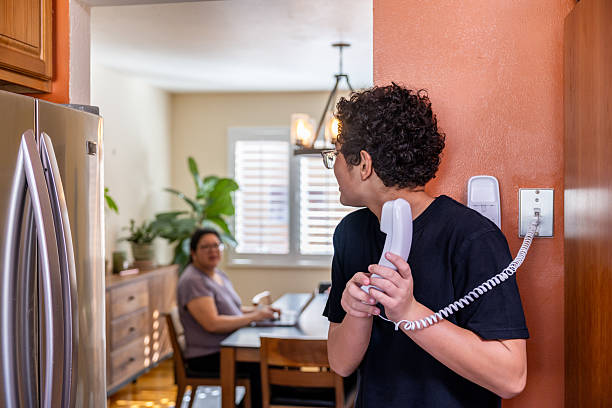
There was a time when the entire family shared just one phone, and it was usually attached to a wall in the kitchen. If you wanted to call a friend in 1996, you had to dial their home number and hope they were the one who picked up. More often than not, you had to politely ask their mom or dad if your friend was available. There was no such thing as a private conversation in a busy house; you usually had to stretch the long, coiled cord as far as it would go just to get a little bit of space.
Having a shared phone taught us a lot about manners and how to wait our turn. You had to learn how to speak clearly to adults and keep your calls brief so someone else could use the line. By the time the first iPhone launched in 2007, the landline started its slow disappearance from American homes. Today, everyone has their own private device, which is great for privacy but has removed that communal, shared way of communicating. We don’t have to “check in” with our friends’ families anymore, making our social lives much more isolated.
Walking To School Alone

Walking to school was a rite of passage for generations of kids. Whether you were trekking through the neighborhood with a group of friends or heading out solo with your backpack, it was a daily dose of independence. In the 1970s, nearly 50% of children walked or biked to school. You’d spend that time talking, exploring the sidewalk, and learning how to cross the street safely. It was a simple routine that gave us a sense of responsibility before the first bell even rang at 8:15 AM.
These days, the walk to school is much less common. By 2022, only about 10% of students were still walking to class, with most getting dropped off in car lines or taking the bus. Parents are more worried about traffic and safety than they used to be, and schedules are tighter than ever. While driving is faster, kids are missing out on that quiet time to clear their heads and wake up their brains. That early morning walk was a small way to feel like a “grown-up” kid, and it’s a habit that is slowly becoming a thing of the past.
Passing Notes In Class
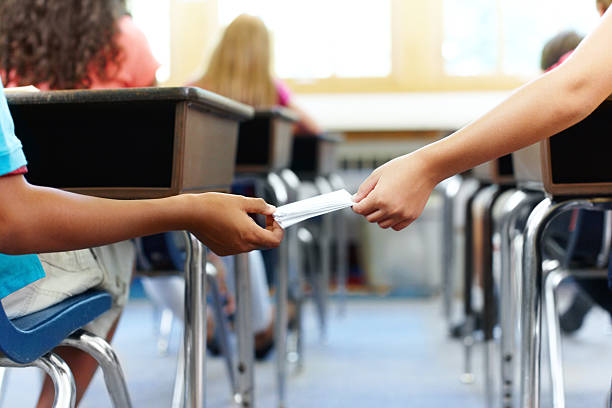
Long before there were group chats or DMs, we had the art of passing notes. If you had a secret or a funny joke to share during a boring math lesson in 1993, you had to write it down on a piece of notebook paper. The real skill was folding that paper into a tiny triangle or a complex square and sneakily sliding it across the floor or handing it off in the hallway. There was always the terrifying risk that the teacher would intercept it and read your private thoughts out loud to the whole class.
These notes were like little physical treasures. We used colorful pens, drew doodles in the margins, and sometimes kept the best ones in a shoebox under our beds. It was a creative way to stay connected throughout the school day. Now that almost every student has a phone by middle school, texting has completely taken over. It’s definitely more efficient and harder for teachers to catch, but it lacks the heart and the physical “souvenir” feel of a hand-folded note. Digital messages vanish into a cloud, but a paper note was something you could actually hold onto.
Using Paper Maps
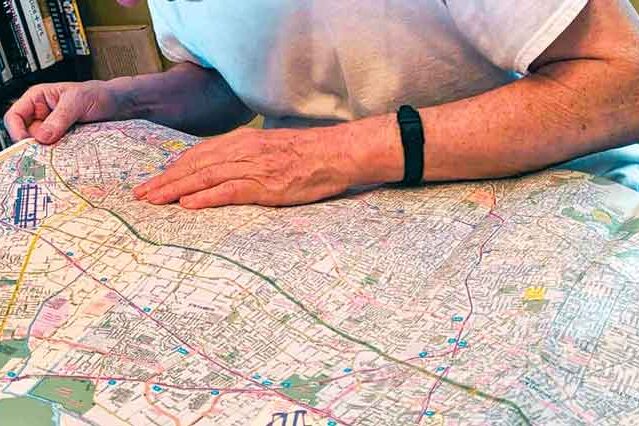
Going on a family road trip in the 1980s or 90s meant one thing: someone was going to have to wrestle with a giant paper map. There were no GPS voices telling you to “turn left in 200 feet.” Instead, you’d have a massive Rand McNally atlas spread across the dashboard or a crinkly local map from a gas station. Kids were often recruited as the “co-navigator,” tasked with tracing the red and blue lines to make sure the family didn’t miss the exit for the Grand Canyon or a favorite roadside diner.
Fiddling with those maps actually helped us develop a great sense of direction and spatial awareness. You had to understand how different roads connected and visualize the world around you. Getting lost was almost a guarantee, but it often led to unplanned adventures and funny stories that the family would tell for years. Since Google Maps became a staple on smartphones around 2008, the art of navigation has changed forever. We get where we’re going much faster now, but we don’t have to engage with the world in the same active way we used to.
Memorizing Phone Numbers
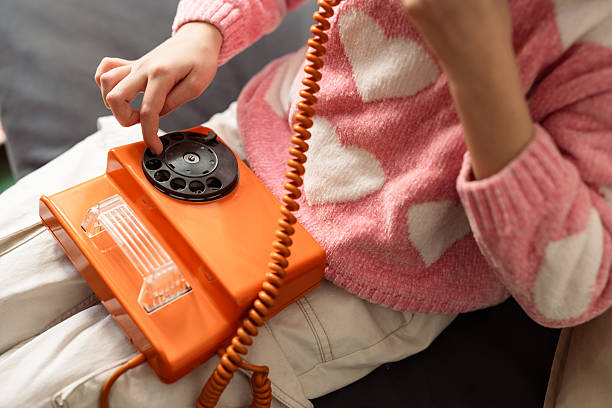
Back in the days before smartphones, your brain was your primary contact list. Whether it was your best friend’s house, your parents’ work, or even the local pizza shop, you had to know those seven digits by heart. In the mid-1990s, if you were at a payphone or a friend’s house and needed to call home, you didn’t have a digital directory to rely on. You simply dialed from memory. This was a basic life skill that everyone, from elementary schoolers to grandparents, used every single day to stay connected.
This habit was actually a great workout for our memories. Research suggests that relying on our brains to store information, rather than external devices, helps improve cognitive retention. Since the late 2000s, when contact syncing became standard on mobile phones, most of us have stopped memorizing numbers entirely. Today, if you lost your phone, you might struggle to call even your closest family members. We’ve gained a lot of convenience, but we’ve lost that mental “rolodex” that made us feel a little more capable and prepared for anything.
Browsing Toy Catalogs
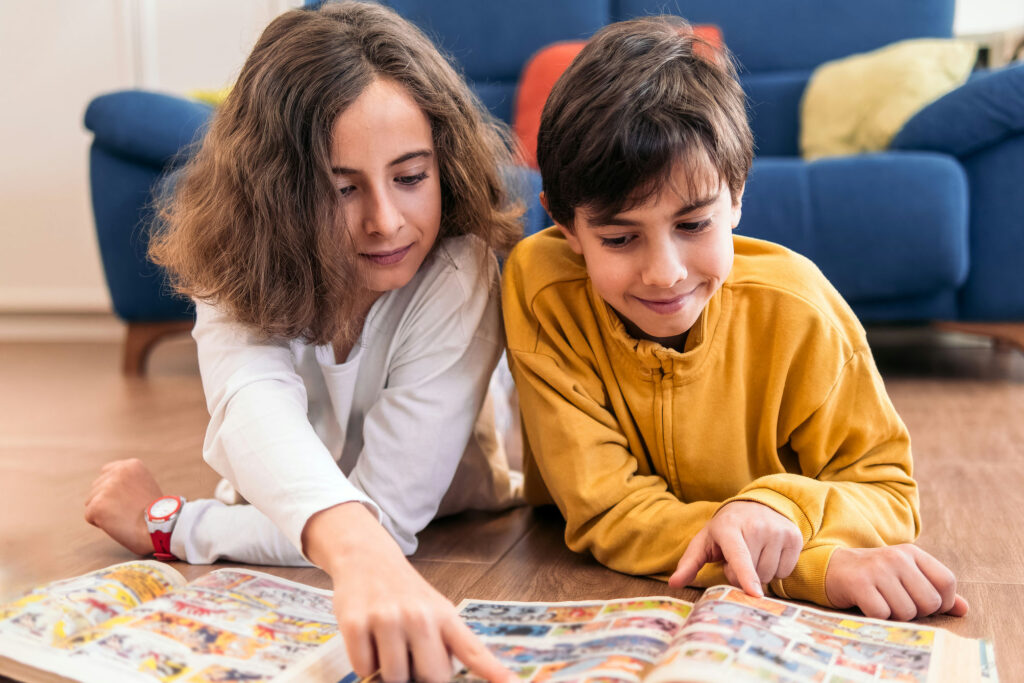
Nothing signaled the start of the holiday season quite like the arrival of a massive toy catalog in the mail. Whether it was the legendary Sears “Wish Book” or a colorful spread from Toys “R” Us, kids would spend hours poring over every single page. Around November 1998, you could find children across America sprawled out on the living room floor with a permanent marker, circling their top picks and dreaming about what might be under the tree. It wasn’t just about the toys; it was about the ritual of looking and hoping.
This experience was all about building anticipation. Because you couldn’t just click “buy” and have an item arrive the next day, you had weeks to imagine playing with that new action figure or board game. This taught us a bit of patience and made the eventual gift feel so much more significant. Now, with online marketplaces like Amazon providing instant access to everything, the slow-burn excitement of the catalog has mostly vanished. Digital browsing is definitely faster, but it lacks that tactile, thumb-flicking magic that made the holidays feel so special.
Writing Letters To Friends
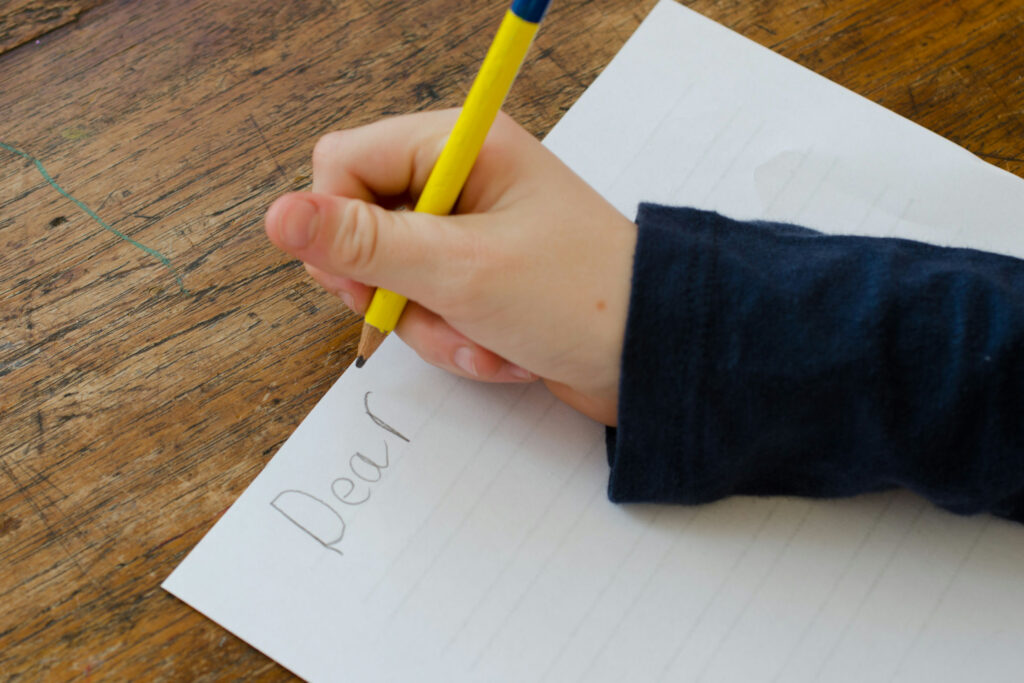
Before the era of instant messaging and DMs, staying in touch with someone who lived far away required a pen, some paper, and a postage stamp. Whether you were writing to a “pen pal” or a friend who moved away in 1991, you knew it would be at least a week before you got a response. You’d pour your heart into a few pages, lick the envelope, and drop it in a blue mailbox, then spend the next several days checking the front porch for a reply. It was a slow, deliberate way to communicate.
Writing letters made every message feel incredibly meaningful. Because it took effort and time, you really thought about what you wanted to say, which often led to deeper and more personal connections. According to the U.S. Postal Service, the volume of personal letters has plummeted since the early 2000s as email and social media took over. While we can talk to anyone instantly now, we’ve lost the physical keepsakes of friendship. A handwritten letter is something you can tuck away in a drawer and read again twenty years later, unlike a text that disappears into a digital void.
Spending Time In Arcades
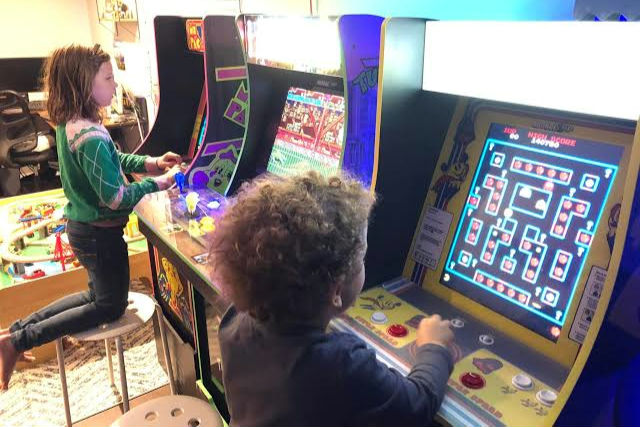
In the 1980s and early 90s, the local arcade was the ultimate social hub for kids and teenagers. It was a world of neon lights, buzzing electronic sounds, and the constant jingle of quarters hitting the bottom of a change machine. You didn’t just go there to play games like Pac-Man or Street Fighter II; you went there to see your friends and show off your skills. If you landed a high score on a Saturday afternoon in 1992, everyone in the room knew about it, and your three-letter initials stayed on that screen as a badge of honor.
Arcades provided a communal experience that you just couldn’t get at home. You’d stand shoulder-to-shoulder with strangers and friends alike, cheering each other on and sharing tips. By the late 1990s, home consoles like the Sony PlayStation became so powerful that the need to go to an arcade started to fade. While gaming is bigger today than it has ever been, most of it happens solo or through a headset. We’ve traded the high-energy, physical atmosphere of the arcade for the convenience of the couch, losing that shared public excitement in the process.
Playing Board Games Together
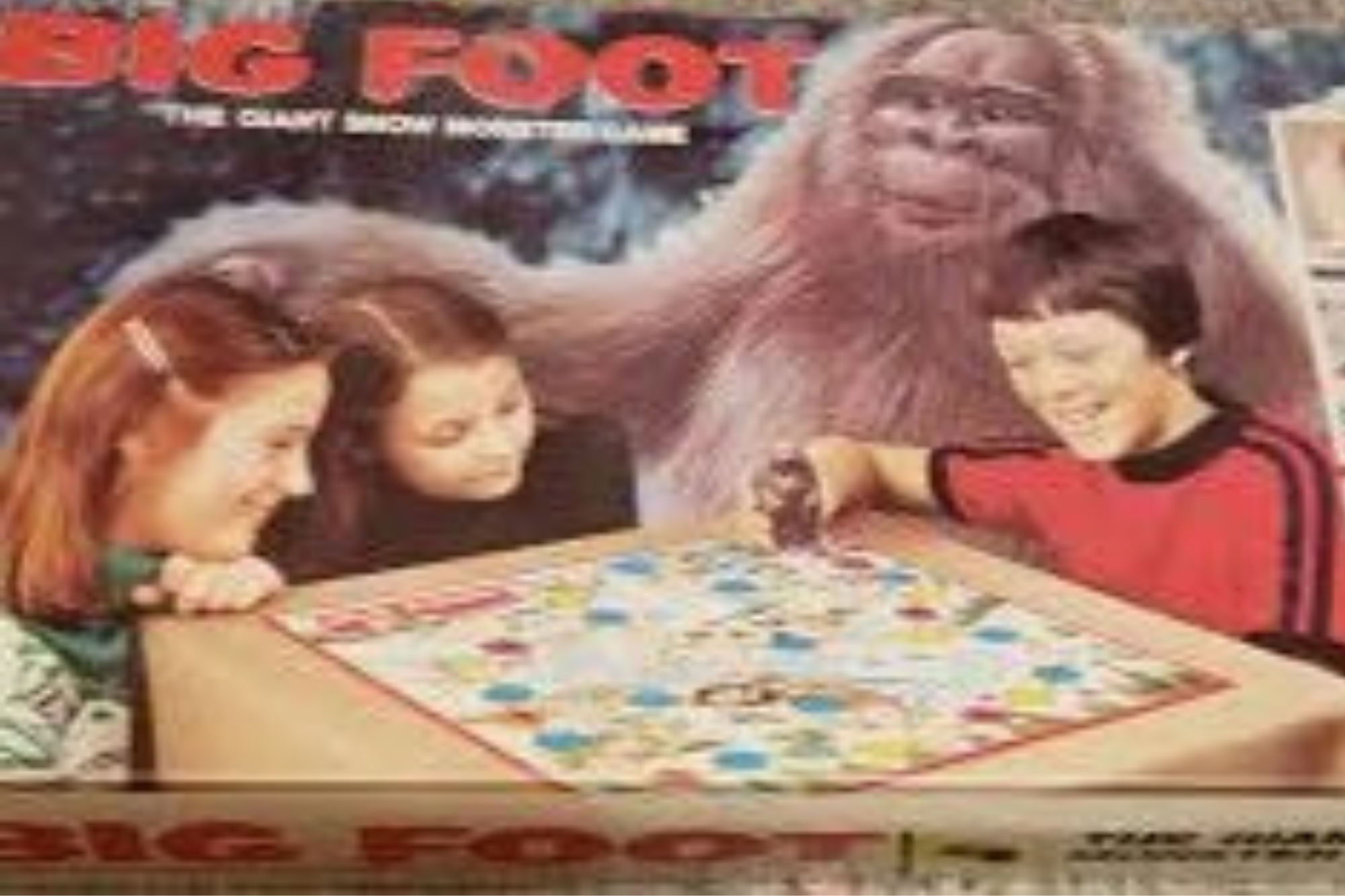
There was a time when Friday night meant clearing off the dining room table for a serious session of board games. Whether it was a marathon game of Monopoly or a quick round of Sorry!, the whole family was involved. Back in 1985, this was the primary way people entertained themselves without a television or a computer. You sat across from each other, moved physical pieces, and dealt with the thrill of a lucky dice roll or the frustration of a “Go Back to Start” card in real time.
These games were about much more than winning or losing; they were about conversation and connection. Without phones to distract us, we actually talked to one another, laughed at inside jokes, and learned how to be good sports. Today, while digital versions of these games exist, the experience of sitting around a physical board has become much less common. A 2021 survey showed that while board games are seeing a bit of a “tabletop revival,” most people still spend their leisure time on individual screens. Those analog nights of laughter and friendly competition are a nostalgic reminder of simpler times.


