
1. George Washington
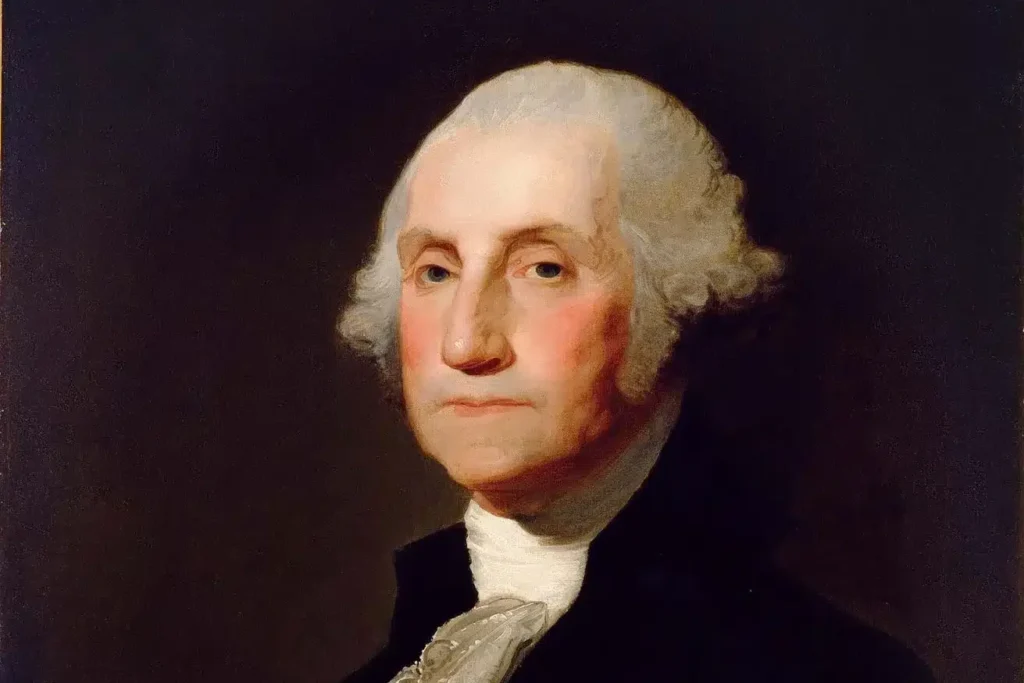
Growing up, George Washington often appears as the man who could not tell a lie, a calm and noble leader who stepped naturally into history. That image feels clean and reassuring, almost like a moral lesson wrapped in a person. But when you look closer, you find someone far more intentional about how he was seen, someone who understood reputation and carefully shaped it over time.
Washington was deeply concerned with honor and public perception, sometimes even rehearsing how he would present himself in certain situations. The famous cherry tree story, as it turns out, was invented later to teach character, not record fact. He once wrote, “Few men have virtue to withstand the highest bidder,” a line that hints at his awareness of human weakness, including his own. He also struggled with the contradictions of his time, especially as a slave owner who spoke about liberty. Seeing him clearly does not diminish his leadership, but it replaces the polished legend with a person navigating power, image, and responsibility all at once.
2. Rosa Parks
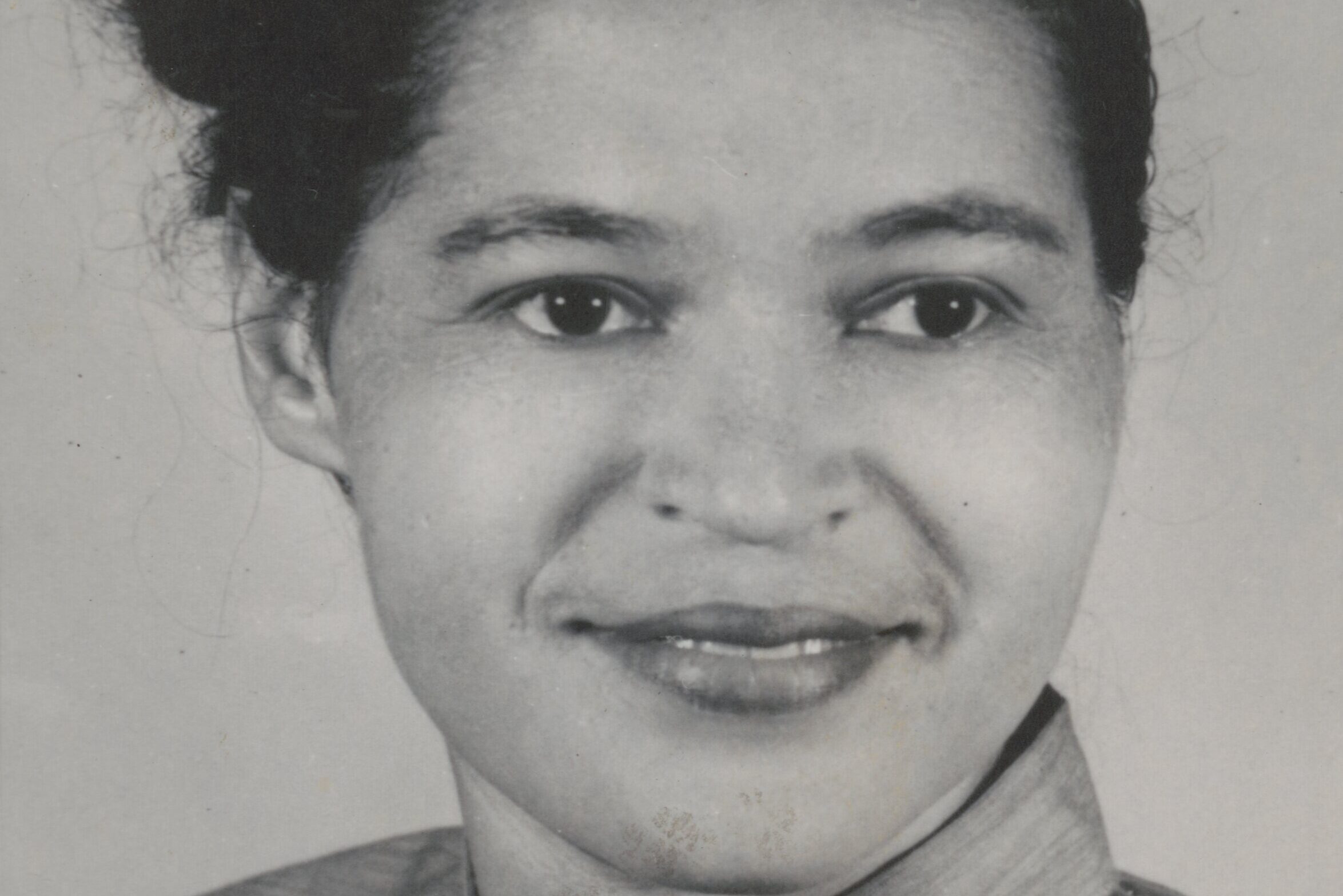
Rosa Parks is often remembered as a tired woman who simply refused to give up her seat one day, as if the moment happened by chance. That version feels relatable, almost accidental, which is perhaps why it stuck. But the deeper truth shows a woman who had been quietly preparing for that moment for years, someone deeply involved in civil rights work long before that bus ride.
She was an active member of the NAACP and had investigated cases of racial injustice. Her decision on that day in Montgomery was not just about fatigue but about intention. Parks later said, “The only tired I was, was tired of giving in.” That line shifts everything. It shows purpose rather than spontaneity. Instead of a single act, her story becomes one of steady courage and long-term commitment. When you see her this way, the moment on the bus feels less like luck and more like the visible tip of something much deeper, a life already shaped by quiet resistance.
3. Nicola Tesla
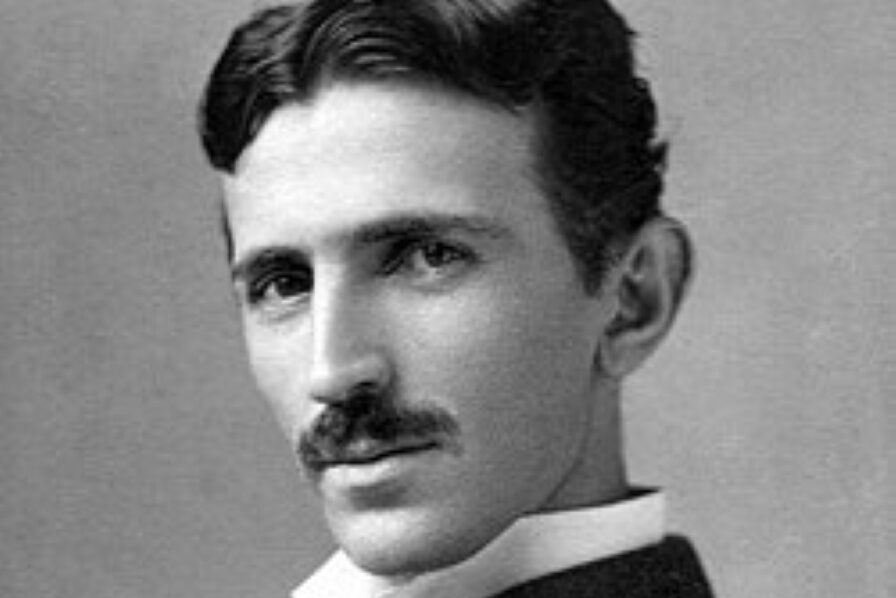
Nikola Tesla is often painted as the forgotten genius, the man who was overshadowed and robbed of recognition. That story has a certain appeal, especially in a world that loves the idea of the misunderstood inventor. While there is truth in how his contributions were overlooked at times, the full picture is more nuanced than a simple tale of neglect.
Tesla was brilliant, no doubt, but he also struggled with practical business decisions and financial stability. Some of his ideas were ahead of their time, while others were not entirely workable. He once said, “The present is theirs, the future, for which I really worked, is mine,” a quote that captures both his confidence and his distance from immediate reality. His rivalry with Thomas Edison is often dramatized, but both men had strengths and flaws. Seeing Tesla clearly means appreciating his genius while also acknowledging the challenges that shaped his career. It turns him from a myth into a person you can actually understand.
4. Abraham Lincoln
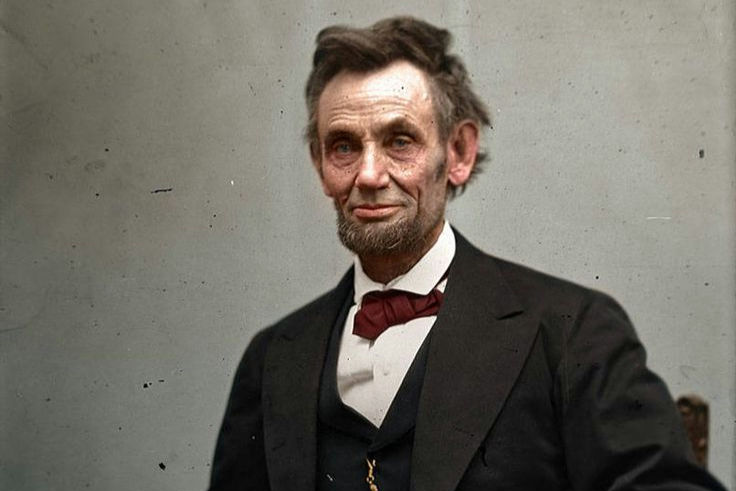
Abraham Lincoln is often remembered as the steady, almost saintly leader who guided the United States through one of its most difficult periods. His image is calm, wise, and unwavering, and while there is truth in that, it can sometimes flatten the real emotional depth of who he was.
Lincoln struggled deeply with melancholy, something that friends and colleagues noticed throughout his life. He was also a careful politician, someone who weighed decisions slowly and understood the power of timing. His views on slavery evolved over time, shaped by both moral conviction and political reality. Lincoln once reflected, “I claim not to have controlled events, but confess plainly that events have controlled me.” That honesty gives a glimpse into the pressure he carried. Instead of a perfect figure, he becomes someone navigating uncertainty, doing his best in a moment that demanded more than anyone could comfortably give.
5. Christopher Columbus
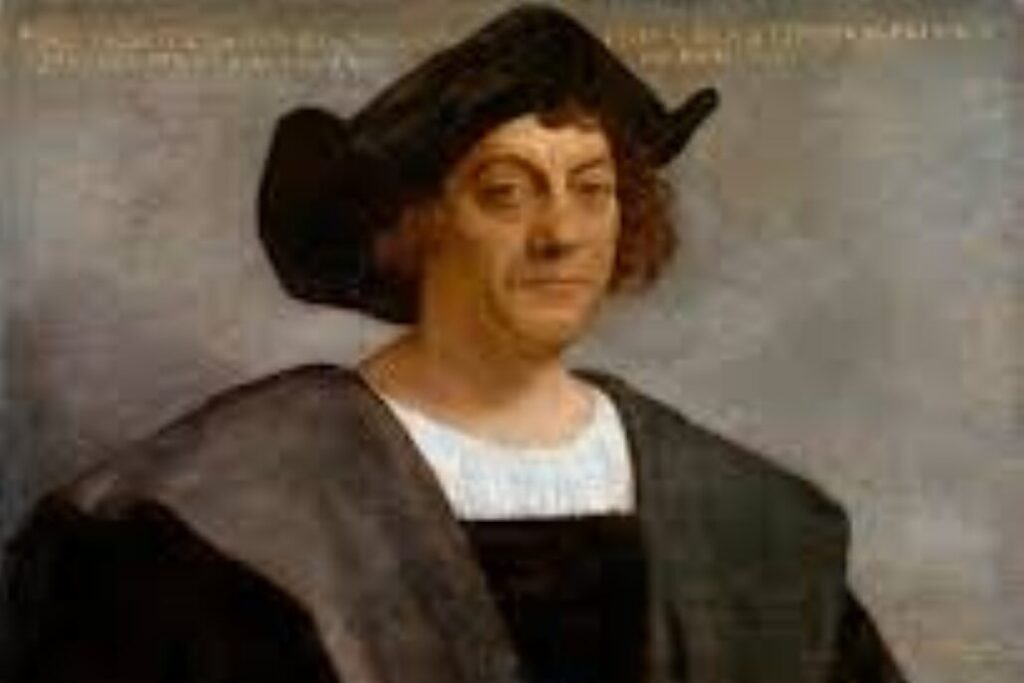
It is easy to picture Christopher Columbus as the brave sailor who set out to prove the world was round, a man driven purely by curiosity and courage. That version shows up in schoolbooks and celebrations, often without much friction. But when you step into the fuller story, you find someone far more strategic and complicated, someone who was chasing wealth, status, and royal favor as much as discovery.
Many historians point out that Columbus never actually set out to prove anything about the shape of the Earth, which educated people already understood. His goal was to find a faster trade route to Asia, and he miscalculated the distance significantly. In his own words, he once wrote that “gold is most excellent,” revealing how central wealth was to his ambitions. His governance in the Caribbean was also harsh, with documented cruelty toward indigenous people. Seeing him this way does not erase his impact, but it replaces the simple hero image with something more grounded, where ambition and consequence sit side by side.
6. Cleopatra
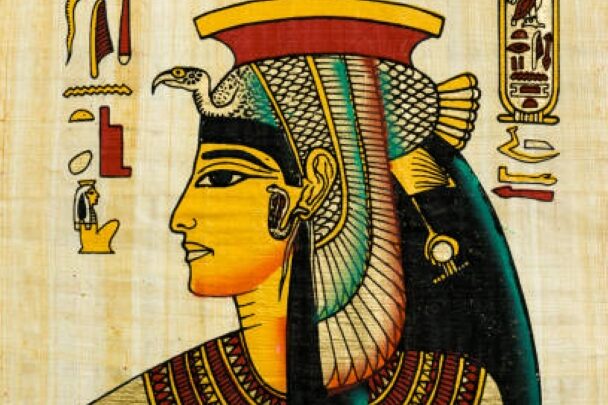
Cleopatra is often reduced to a story of beauty and seduction, a queen who used charm to influence powerful men. It is a version that has been repeated for centuries, shaped by Roman writers who had their own reasons for portraying her that way. But when you look beyond that lens, a different figure begins to appear.
Cleopatra was highly educated, spoke multiple languages, and was deeply involved in the political and economic strategies of her kingdom. Her relationships with leaders like Julius Caesar and Mark Antony were not just personal but strategic. Ancient accounts even note her intelligence and presence more than her looks. As one historian summarized from classical sources, she had “a charm of personality” that went beyond appearance. Seeing Cleopatra this way shifts the focus from myth to leadership. She becomes a ruler navigating power in a world that was not built to favor her, which feels far more real than the story we usually hear.
7. Marie Antoinette
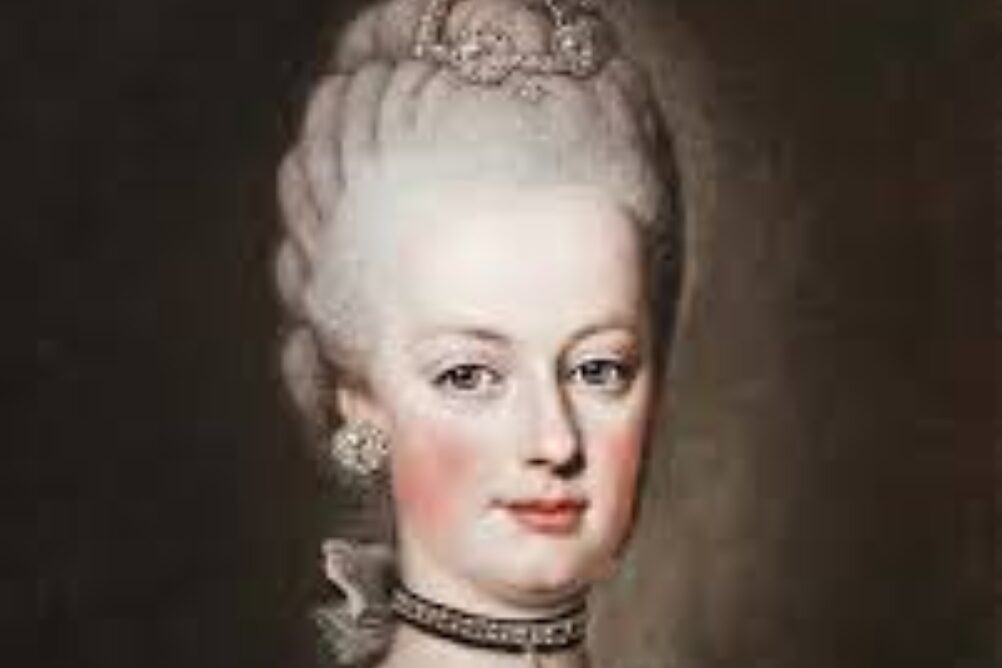
Marie Antoinette is often remembered for a single phrase, “Let them eat cake,” which has come to symbolize detachment and excess. It is a line that has followed her through history, shaping how people imagine her without much room for anything else. But historians have long agreed that there is no solid evidence she ever said it.
In reality, Marie Antoinette was a young woman placed in an intense political spotlight, often criticized for things beyond her control. She did spend lavishly at times, but she also supported certain charities and tried, in quieter ways, to adjust to a role she had not chosen. During her imprisonment, her letters reveal a more reflective and composed voice. She once wrote, “I was a queen, and you took away my crown; a wife, and you killed my husband; a mother, and you deprived me of my children.” That line feels less like extravagance and more like loss. When you see her this way, the story shifts from caricature to something more human and complicated.
8. Napoleon Bonaparte
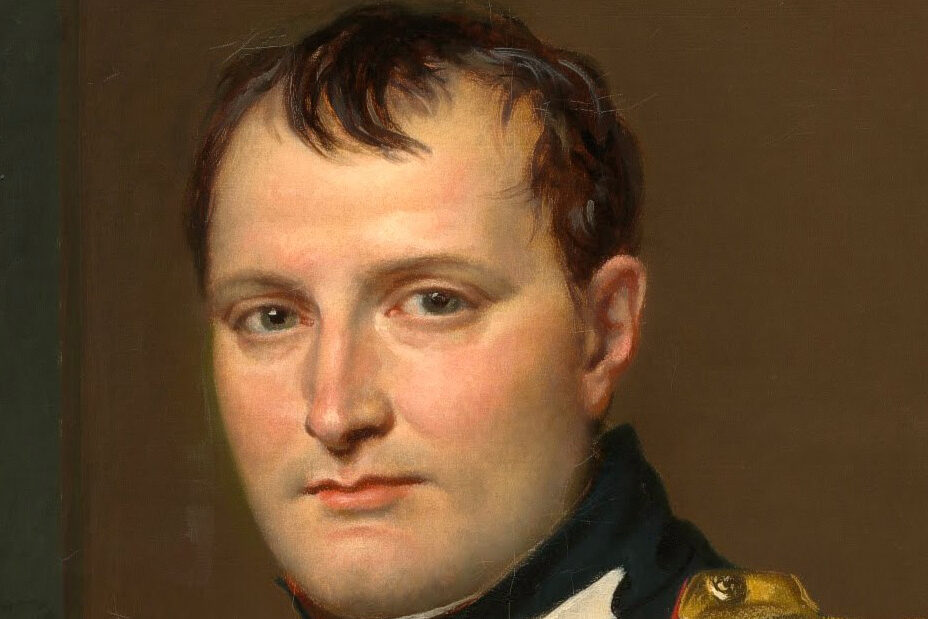
Napoleon Bonaparte is often framed as either a brilliant hero or an overreaching villain, depending on who is telling the story. The extremes make him memorable, but they can also blur the steady, calculating mind that defined much of his rise. He was not simply driven by ego or ambition alone, but by a careful understanding of timing, organization, and opportunity.
He reformed legal systems, improved education structures, and left behind institutions that lasted long after his fall. At the same time, his military campaigns caused immense suffering across Europe. Napoleon once said, “History is a set of lies agreed upon,” a remark that feels almost self-aware given how differently he has been portrayed. His legacy sits in that tension, where innovation and destruction exist side by side. Seeing him clearly means accepting both, not choosing one over the other. It makes his story less about judgment and more about understanding how power can shape, and sometimes distort, the path of a single life.
9. Pocahontas
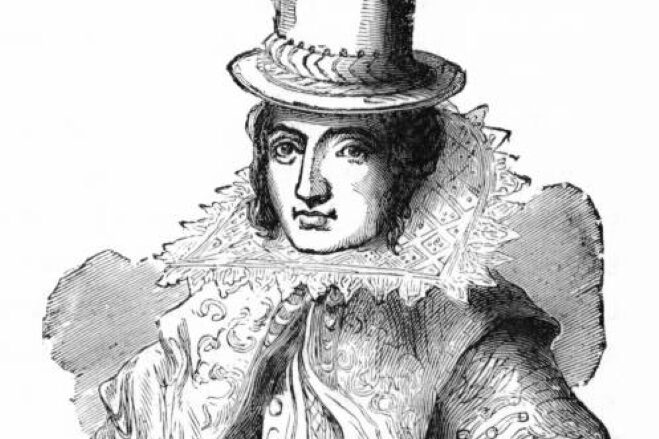
Pocahontas is often remembered through a softened, romantic story, one that focuses on her connection with English settlers and presents her as a bridge between cultures. It is a version that has been told so often it begins to feel complete. But much of that story was shaped by later retellings, especially by John Smith, whose accounts are still debated.
In reality, Pocahontas was very young during the events often described, and her role was likely more limited than the legend suggests. She was later taken to England, where she was presented as a symbol of “civilized” success, a narrative that served colonial interests. In one recorded statement attributed to her, she questioned Smith’s actions, asking why he would “call me child” while treating her people with force. That moment feels revealing. It shifts her from a passive figure into someone aware of the imbalance around her. Seeing her story this way brings back a voice that was often overshadowed, making the history feel less like a tale and more like a lived experience.
10. Amelia Earhart

Amelia Earhart is usually remembered for her disappearance, a mystery that has lingered longer than many of her achievements. The focus on that final flight can sometimes overshadow the determination and discipline that defined her life long before it. She was not simply chasing adventure, but steadily building a career in a field that did not easily welcome her.
Earhart worked hard to create opportunities, not just for herself but for other women in aviation. She once wrote, “The most difficult thing is the decision to act, the rest is merely tenacity,” a line that captures the persistence behind her success. Her disappearance in 1937 remains unsolved, and while theories continue, they do not fully define her. What stands out more is the way she approached risk and possibility with a clear sense of purpose. As you sit with her story, it feels less about the mystery at the end and more about the steady courage that carried her there, which quietly brings this part of the list full circle.
11. Joan of Arc
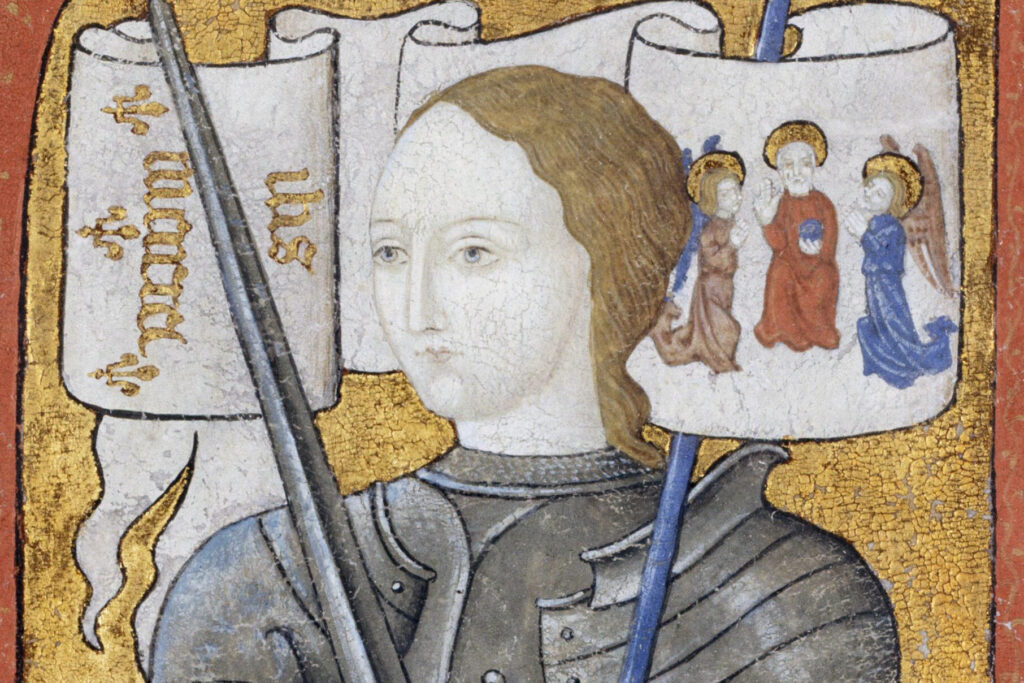
Joan of Arc is often remembered as the fearless young heroine who heard divine voices and led armies with unwavering certainty. That image feels powerful, almost larger than life, as if she moved through her story without hesitation. But when you slow down and look at the details, you begin to see a teenager carrying something far heavier than simple courage.
She was only about nineteen when she was executed, and much of what we know comes from trial records that show both her conviction and her vulnerability. Under pressure, she answered carefully, sometimes even cleverly, aware that her words could determine her fate. She once said, “I am not afraid, I was born to do this,” a line that sounds strong, but in context, feels like something she had to keep telling herself. Joan’s story becomes less about unshakable certainty and more about holding onto belief in the middle of fear. That shift does not weaken her legacy, it makes it feel closer, like something a real person had to live through.
12. Albert Einstein
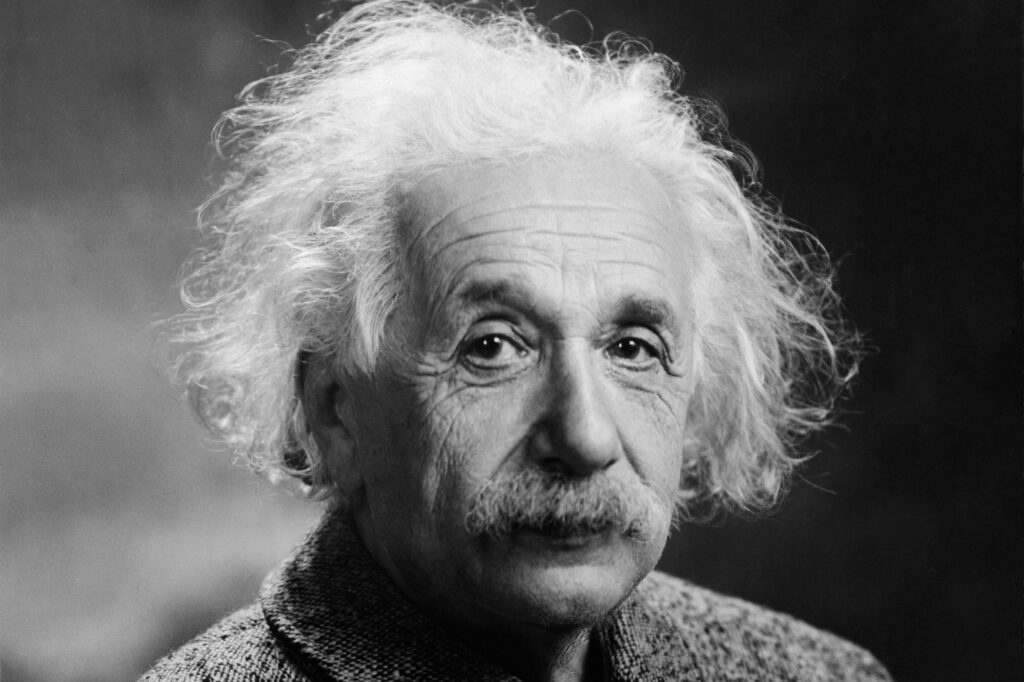
Albert Einstein is often seen as the ultimate symbol of genius, the absent-minded thinker lost in equations and imagination. That image shows up everywhere, from cartoons to classrooms, and it feels almost comforting in its simplicity. But the real Einstein was far more grounded in daily life than that version suggests.
He worked steadily, sometimes struggling, sometimes revising, and often collaborating with others. His early academic path was not especially smooth, and he held a patent office job while developing some of his most important ideas. He once said, “I have no special talent. I am only passionately curious,” which reframes his brilliance in a quieter way. It was not just raw intelligence, but persistence and curiosity working together. He also held strong personal views, some admirable, some complicated, particularly in his relationships. Seeing Einstein this way makes his achievements feel less distant, like something built over time rather than something that simply appeared fully formed.
13. Florence Nightingale
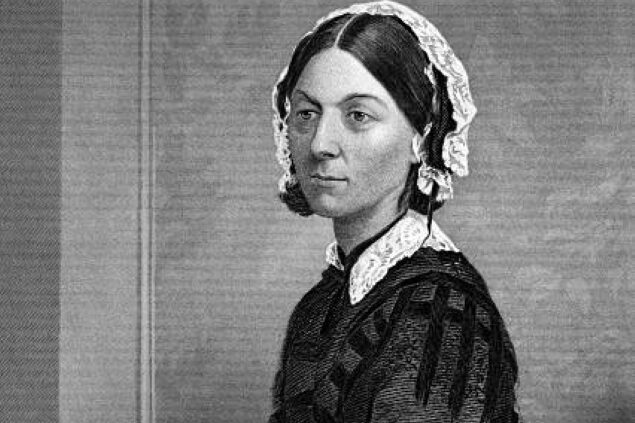
Florence Nightingale is often remembered as the gentle “lady with the lamp,” moving quietly through hospital halls, offering comfort and care. It is a soft image, one that emphasizes kindness above all else. While that kindness was real, it only tells part of the story.
Nightingale was also a determined reformer who pushed against systems that resisted change. She used data, statistics, and persistent advocacy to improve medical practices, often challenging authority figures who dismissed her ideas. She once wrote, “I attribute my success to this, I never gave or took any excuse,” which reflects a firm, almost stubborn dedication to her work. Her approach was not always gentle, and she could be direct when necessary. Seeing her clearly shifts the focus from quiet compassion alone to a balance of care and determination. It shows someone who was not just tending to problems, but actively working to change them, even when it was uncomfortable to do so.
14. Malcolm X
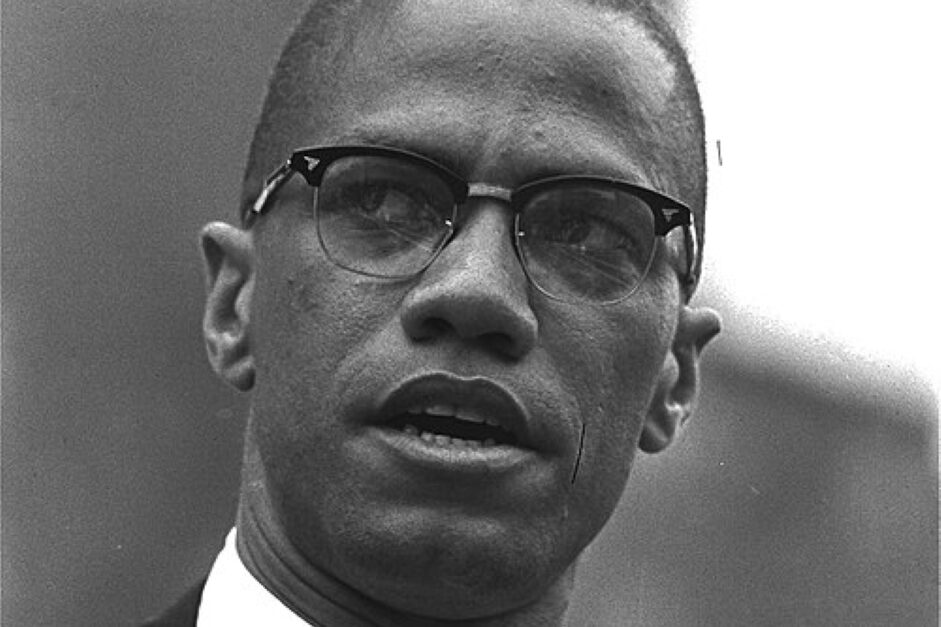
Malcolm X is often remembered in sharp, fixed terms, either as a militant figure or as a powerful voice for justice. Those labels, while rooted in truth, can sometimes freeze him in a single moment and overlook how much he changed over time.
His early speeches were shaped by anger and urgency, reflecting the realities he had experienced. But later in life, especially after his pilgrimage to Mecca, his views began to broaden. He spoke about unity in ways that surprised even those who had followed him closely. He once said, “I am for truth, no matter who tells it,” a line that captures that openness to growth. Malcolm X’s story is not static, it moves, it shifts, it reflects a person thinking through his beliefs in real time. Seeing him this way makes his voice feel less like a fixed message and more like an ongoing conversation, one that did not end but continues to echo.
15. Walt Disney
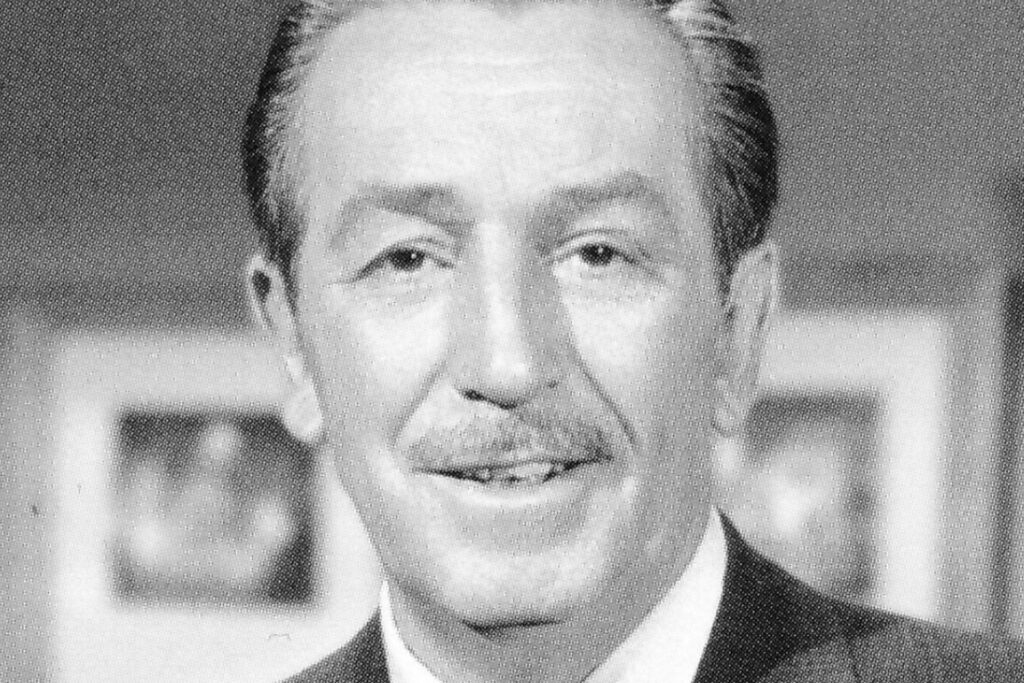
Walt Disney is often remembered as the man who built a world of magic, someone whose imagination seemed endless and effortless. That image feels bright and polished, much like the stories he helped create. But behind that was a person navigating setbacks, criticism, and constant pressure to keep creating something new.
Disney faced financial struggles early on and dealt with failures that could have easily stopped his progress. He was deeply involved in his work, sometimes to the point of being demanding with those around him. At the same time, he believed strongly in persistence. He once said, “All our dreams can come true if we dare to pursue them,” a line that feels earned when you look at the path he took. His story, like the others here, settles into something quieter by the end. Not perfect, not simple, just real. And maybe that is what makes history worth returning to: the chance to see people as they were and, in doing so, understand a little more about how stories are shaped.


