
The Mystery of Dog Intuition
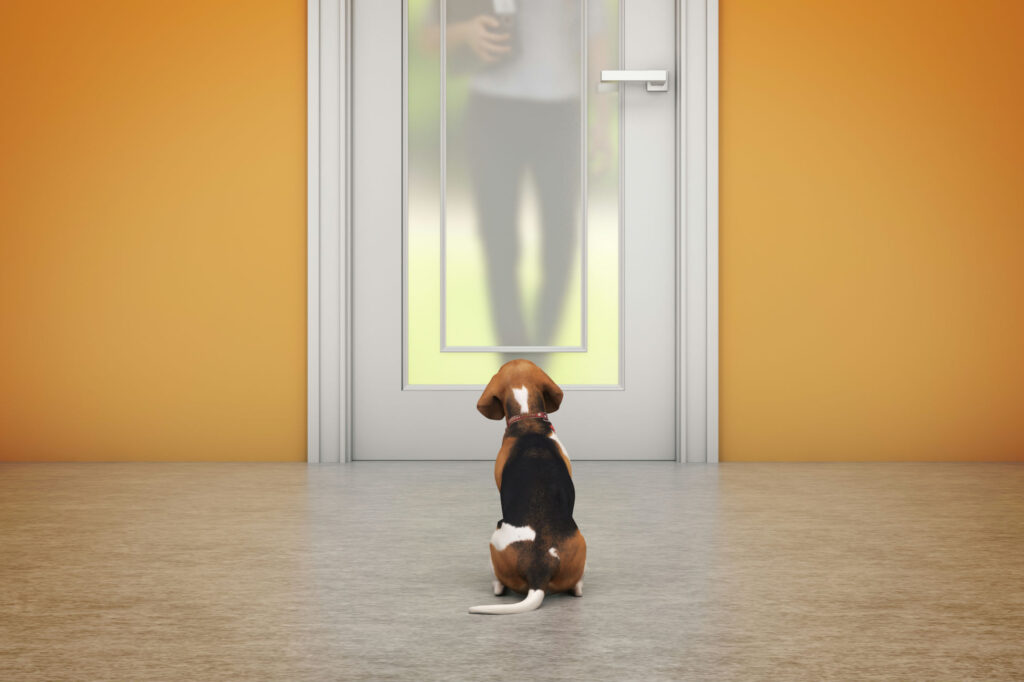
For generations, dog owners have shared stories of their pets anticipating their departure long before the first foot hits the pavement. This phenomenon has become a cultural touchstone because it highlights the profound, almost supernatural bond between humans and their animals. It is a story of evolutionary partnership where dogs have shifted from wild hunters to emotional mirrors of our own lives. People find this fascinating because it suggests that while we are busy living our lives, our dogs are busy studying us with a level of dedication that is rarely matched by our human peers.
This connection remains a legal and ethical touchstone in modern society as we increasingly recognize dogs not just as property, but as sentient beings with complex emotional worlds. Understanding how they perceive our routines helps us become more empathetic caregivers whereas ignoring these cues can lead to separation anxiety and behavioral issues. By diving into the science of how dogs “know,” we validate the deep-seated belief that our pets truly understand us. This exploration reminds us that the trust our dogs place in us is a fragile gift which requires constant care and attention to maintain.
The Fading Scent Clock
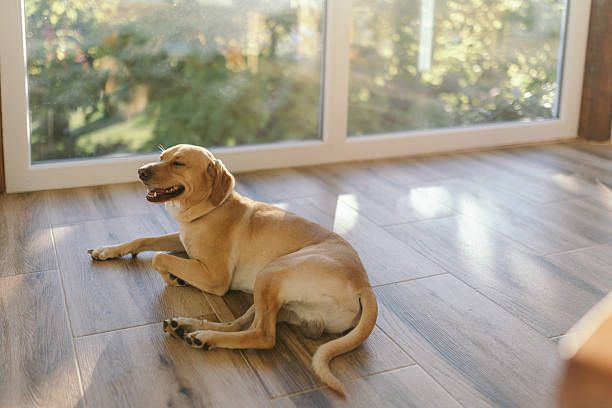
Dogs possess a remarkable ability to smell the passage of time through a process often called the scent clock. When you are home, your unique aroma is concentrated and fresh throughout the house, but the moment you step out, that scent begins to slowly dissipate at a predictable rate. Your dog tracks this diminishing intensity throughout the day which allows them to gauge exactly how much time has passed since your departure. They eventually learn that when your scent reaches a specific, faint level, it is almost time for your car to pull into the driveway.
This sophisticated use of their 220 million scent receptors turns your home into a living timeline for your pet. They are not guessing when you will return but are instead measuring the air to see how much of “you” is left in the room. This olfactory sensitivity is far more advanced than anything humans can experience, resulting in a dog that seems psychic to the casual observer. While we rely on digital clocks or sun positions, our dogs are simply breathing in the data of our absence to stay connected to us.
The Sound Of Keys
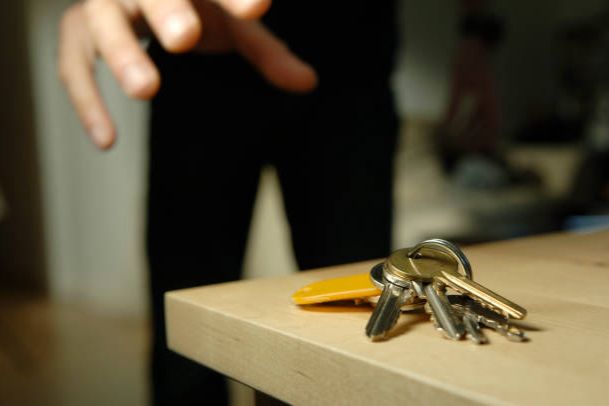
The jingle of a key ring is perhaps the most universal signal that a human is about to cross the threshold. Dogs are incredibly attuned to the specific frequency of metal hitting metal, which acts as a definitive auditory trigger for the end of social time. They can distinguish the sound of your house keys from a handful of loose change in your pocket, whereas a stranger’s keys might not elicit any reaction at all. This sound effectively breaks the silence of a quiet morning and tells the dog that the transition from home to away has officially begun.
Beyond the keys themselves, dogs notice the shift in focus that occurs when you reach for your phone or wallet. Placing your mobile device into a purse or pocket is a visual cue that your attention is no longer on the household environment but is moving toward the outside world. This sequence of events creates a predictable chain of signals that dogs follow with intense focus. By the time you actually reach for the doorknob, your pet has already processed the reality of your departure through these tiny, metallic alarms.
The Special Leaving Voice
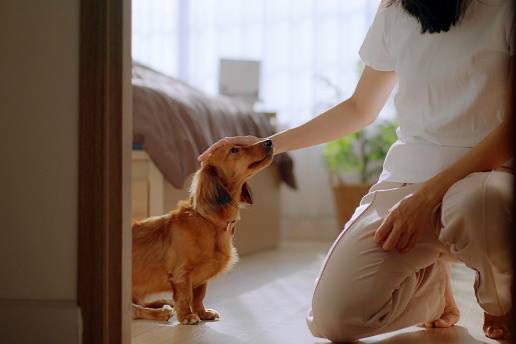
Many dog owners have a specific way of speaking when they are about to head out the door. We often use a high-pitched, sweet, or slightly guilty tone to say “Bye buddy” or “Be a good boy,” which sounds nothing like our normal conversational voice. Dogs are masters of vocal tone and quickly realize that this specific frequency is a “blaring siren” for imminent separation. While we think we are comforting them with our soft words, we are actually providing a loud and clear announcement that we are leaving.
This vocal routine becomes a part of the dog’s pattern recognition system because it is so consistent. They associate the overly enthusiastic or apologetic tone with the sight of the front door closing, resulting in a dog that begins to look sad or anxious the moment you open your mouth to say goodbye. Even if you haven’t picked up your bag yet, your voice has already betrayed your intentions. It is a fascinating example of how our attempts to be kind can unintentionally signal a period of loneliness for our canine companions.
Shoe Choice Signals
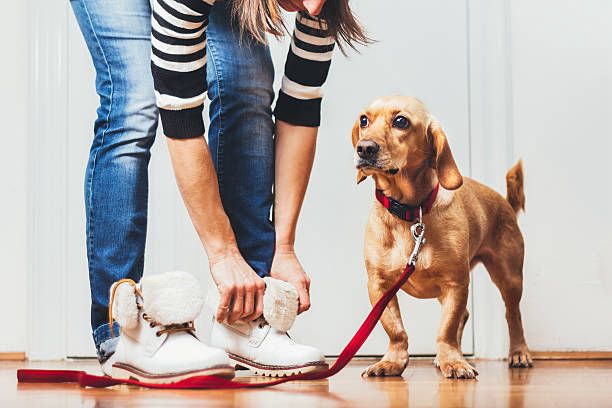
The footwear you choose is a major indicator of what your day will look like from a dog’s perspective. Most pets can easily distinguish between the soft thud of slippers and the sharp “clack” of dress shoes or the specific squeak of sneakers. Slippers usually mean you are staying in for a cozy afternoon, whereas the act of sitting down to lace up boots or slip on heels signals a much longer absence. Dogs pay close attention to these lower-level cues because shoes are essentially the foundation of our movement away from the pack.
This recognition goes beyond just the sight of the shoes to the specific sounds they make on different floor surfaces. A dog might remain perfectly relaxed while you walk around in socks, but they will perk up the moment they hear the distinct sound of leather soles on a hardwood floor. This auditory distinction helps them categorize your activities into “staying” or “leaving” events. It is a simple part of our morning ritual that carries an immense amount of information for a pet who is always watching our feet.
Fragrance As A Signal

Applying perfume or cologne is often one of the very last things a person does before walking out the door. Because dogs live in a world defined primarily by smell, this sudden burst of fragrance is an unmistakable sign that a change is occurring. They learn that this specific chemical odor only appears when you are about to vanish for several hours, making it a reliable predictor of your schedule. The scent is so powerful to them that it likely drowns out the familiar household smells, creating a clear sensory boundary between home life and work life.
For a dog, the application of scent is like a final coat of paint on the morning routine. They recognize that you don’t typically put on expensive cologne just to sit on the couch and watch television. This odor change happens at the end of the sequence, resulting in the dog moving toward their bed or the door before you even grab your coat. It is another example of how our sensory habits provide a roadmap for our pets to follow throughout the day.
The Leaving Bag Recognition

Whether it is a purse bag, a leather briefcase, a gym bag, or a large suitcase, dogs are experts at identifying “leaving bags.” These items often live in closets or high shelves and only come out when a significant period of separation is about to occur. The appearance of a suitcase is particularly stressful for many dogs because it represents a multi-day absence rather than a quick trip to the store. They recognize these bags by both their visual shape and the unique scents of dust or travel that they carry.
Many dogs will begin “milling around” or even sitting on the bag to prevent you from packing it. They understand that the bag is a vessel for your belongings, which led to the realization that where the bag goes, you will eventually follow. This behavior shows a high level of cognitive association where an object becomes a symbol for an emotional event. To a dog, a bag is not just a piece of luggage; it is a physical manifestation of the fact that the pack is about to be broken.
Laundry And Closet Cues

The simple act of getting dressed is another long-sequence pattern that dogs observe with great interest. They notice when you are pulling clothes out for yourself instead of interacting with them, which signals that your focus has shifted to your own external needs. Opening specific drawers or the sliding of closet doors creates a rhythmic series of sounds that dogs associate with the start of a workday. They can even tell the difference between “home clothes” like sweatpants and “away clothes” like a crisp button-down shirt.
If you have a habit of laying your clothes out on the bed, your dog is likely watching this process from a distance. They understand that once the “away clothes” are on your body, the countdown to your departure has begun. This recognition of our wardrobe choices is a testament to how closely dogs study our daily habits to find meaning. By the time you are fully dressed, your dog has already processed the likelihood of being left alone for the afternoon.
Reading The Departure Face

Dogs are absolute masters of reading human body language, a skill known as kinesics. They can pick up on a “departure face,” which is a subtle shift in your facial expressions and eye contact as you prepare to leave. When humans are getting ready to go, they often move with more purpose and urgency, whereas their eyes are usually fixed on their tasks rather than on their pet. This decrease in eye contact and increase in physical tension tells the dog that you are already mentally checked out of the house.
This change in body language is often subconscious for us, but it is glaringly obvious to an animal that relies on visual cues for survival. Your dog might notice that you are walking faster or that your shoulders are tighter than they were during breakfast. These physical signals act as a silent language that communicates your intentions clearly. Even if you try to act normal, your dog can feel the shift in your energy, resulting in them becoming more watchful or subdued as the moment of exit nears.
Locking The Final Door

Every American home has a specific final step that signals the transition to an empty house. For some, it is the heavy “thud” of the door leading to the garage, while for others, it is the electronic beep of a home security alarm being set. Dogs learn these specific auditory cues as the definitive end of the departure sequence. They know that once that specific lock turns or that alarm chirps, the interaction is over and the house will be quiet for a long time.
This sound often provides a sense of closure for the dog, who may then go to their designated sleeping spot. The finality of the locking door is a clear boundary that they understand perfectly. It is the last piece of the puzzle in a long series of events that they have tracked since you first woke up. For a dog, these mechanical sounds are the period at the end of the sentence, confirming that their human has officially moved into the outside world.


