
The Shocking Arrest
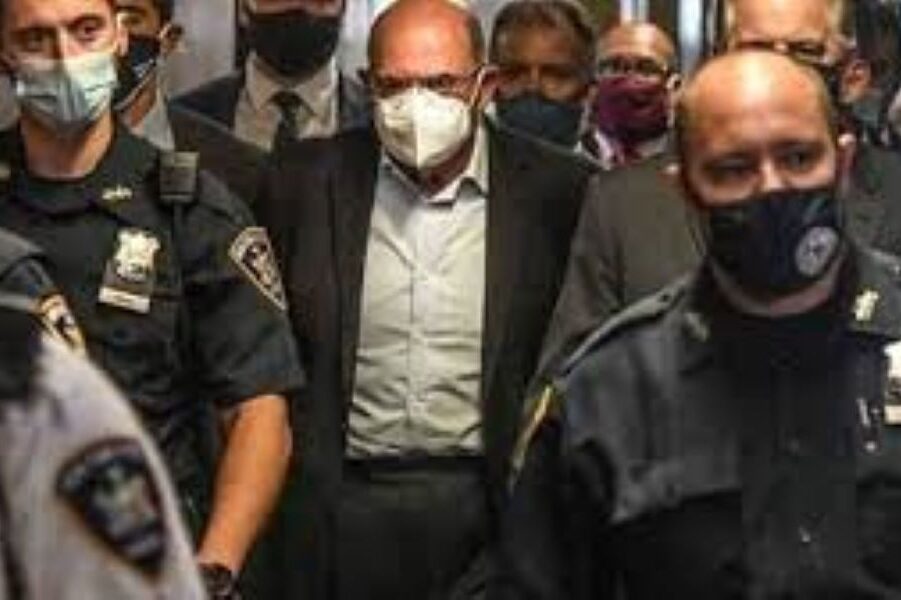
When the news first broke that Allen Weisselberg, longtime CFO of the Trump Organization, was heading to jail, it sent shockwaves through both Wall Street and Main Street. For many, Weisselberg was a behind-the-scenes figure, quietly managing complex financial operations while rarely appearing in public. His arrest reminded the world that in the eyes of the law, titles and reputations hold no shield, actions matter more than status. Observers immediately noted the broader implications: if someone so embedded in a powerful corporate structure could face legal consequences, then executives across industries might need to reassess the risks associated with discretionary financial decisions.
The circumstances of Weisselberg’s arrest involved allegations of years of tax fraud, benefits misreporting, and underreported perks that authorities claimed amounted to millions in unpaid taxes. Court documents revealed intricate arrangements with off-the-books apartments, tuition payments, and car leases, all allegedly concealed to reduce tax liability. Legal experts commented, “This case sends a clear message to executives that the law applies equally, regardless of rank.” For the public, it became a stark illustration that numbers on a balance sheet are more than figures, they carry consequences that extend far beyond the office walls. The arrest also sparked a cultural conversation about accountability in high-level corporate environments, underscoring the tension between privilege and responsibility.
Background on Weisselberg
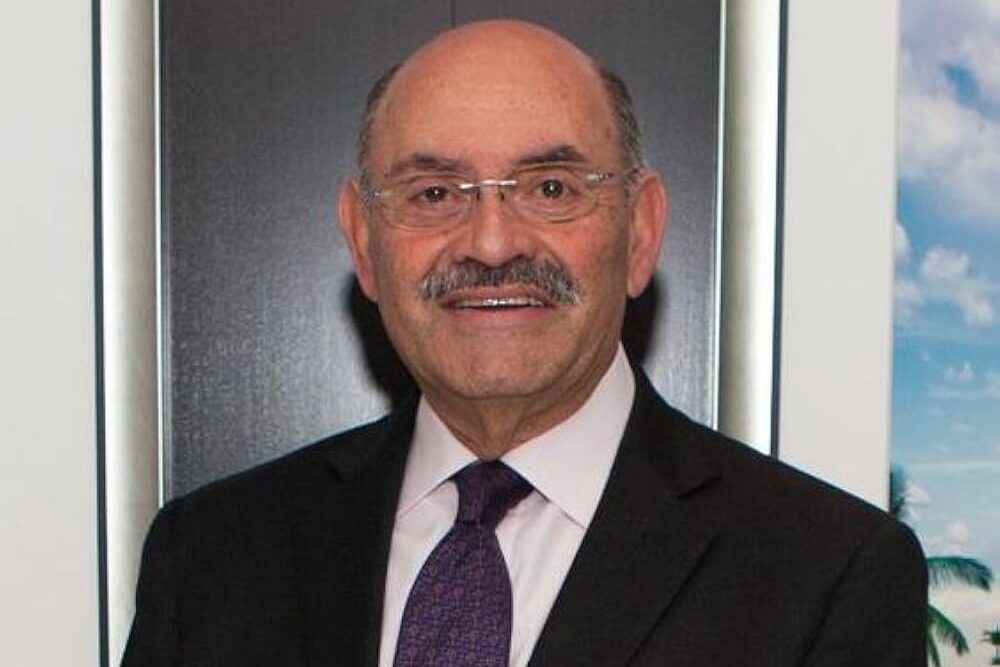
Allen Weisselberg’s career with the Trump Organization spanned decades, during which he rose steadily to become CFO. Internally, he was regarded as a trusted confidant of Donald Trump, overseeing not just accounting but payroll, corporate benefits, and real estate transactions. His responsibilities were vast, covering luxury properties, Manhattan skyscrapers, and prestigious golf courses. His rise demonstrated both loyalty and competence, which earned him respect but also placed him squarely in the scrutiny of investigators as they examined the organization’s financial practices.
Despite a reputation for discretion, Weisselberg’s deep familiarity with complex corporate finance exposed him to risk. Analysts point out that executives often navigate grey areas where aggressive tax strategies and routine corporate maneuvers can intersect with legality. In Weisselberg’s case, his involvement in structuring compensation packages and fringe benefits created opportunities for alleged misreporting. Experts highlight that corporate finance professionals occupy a delicate space: balancing business interests with regulatory compliance is a constant challenge, and even minor oversights can escalate into legal jeopardy. His story underscores the importance of ethical practices in large-scale operations, where accountability is essential to both personal and organizational integrity.
The Legal Charges Explained

Weisselberg faced a range of serious legal charges, including tax fraud and falsifying corporate records. Prosecutors alleged that he received perks like luxury apartments, car leases, and tuition payments that were not reported as income. Over the years, these unreported benefits purportedly saved him hundreds of thousands of dollars in taxes. Legal analysts stress that charges like these are significant because they strike at the heart of corporate trust and public faith in financial governance.
Tax fraud is not only about money, it is about fairness and the integrity of the system. Commentators remarked that when executives evade taxes, it sets a precedent that undermines the rules that govern businesses and individuals alike. The evidence presented in Weisselberg’s case appeared strong enough to secure a guilty plea and eventual jail sentence. Observers note that the case illustrates the power and reach of oversight mechanisms, showing that even senior executives are subject to scrutiny and accountability. The charges also prompted broader discussions on ethical corporate culture, highlighting that internal policies and employee conduct must align with legal and moral standards.
How the Plea Deal Worked

Rather than risk a lengthy and highly publicized trial, Weisselberg opted for a plea deal with prosecutors. This allowed him to admit guilt for specific charges while receiving a reduced sentence. Plea deals are a common tool in complex financial cases, where evidence is detailed and litigation could drag on for months, involving intricate accounting and benefit records. In Weisselberg’s situation, the plea also required cooperation with authorities investigating wider practices at the Trump Organization.
Legal experts note that plea deals in high-profile corporate cases balance efficiency with accountability: the public sees justice served while courts avoid extended trials. Weisselberg’s acceptance of the plea also underscored a rare reality; high-ranking executives can be held personally responsible, not shielded by corporate titles. While he avoided the uncertainty of a protracted trial, the case demonstrated that no one is beyond legal consequence, and it emphasized the value of transparency and compliance for large organizations.
Life in Rikers Island

Upon entering Rikers Island, Weisselberg confronted a world vastly different from corporate boardrooms. The correctional facility is notorious for its strict routines, security measures, and austere living conditions. Where he once managed multimillion-dollar budgets and luxuries, he now had to adhere to regimented schedules, limited personal freedom, and the reality of coexisting with a diverse inmate population, many of whom faced vastly different life circumstances.
Observers point out that such experiences often reshape perspectives, reminding executives that financial misconduct carries tangible consequences. Correctional staff noted that even non-violent offenders like Weisselberg encounter significant adjustments in daily life. Inmates must navigate hierarchy, rules, and communal living, creating an environment that emphasizes discipline and accountability. For Weisselberg, the contrast between corporate privilege and life inside Rikers highlighted the human cost of white-collar crime and underscored the broader societal impact of corporate misconduct.
Early Release and Public Reaction

After serving part of his sentence, Weisselberg was released early due to good behavior and correctional system overcrowding, a standard practice in many jurisdictions. Public reactions were mixed. Some viewed his early release as a just outcome that balanced punishment with rehabilitation, while others argued it seemed lenient given the financial scale of the alleged misconduct. Media coverage emphasized both symbolic and practical dimensions: the case demonstrated that executives could face consequences, but it also sparked debates about equity within the justice system.
Analysts highlighted that early release in white-collar cases often leads to discussion of fairness, especially when compared to non-violent offenders serving comparable or longer sentences. Despite the differing opinions, Weisselberg’s story remains a cautionary tale about accountability, illustrating that even seasoned executives can encounter serious repercussions when corporate practices conflict with legal requirements. The case serves as a reminder that personal and professional ethics must align to safeguard both reputation and liberty.
Corporate Fallout

The Trump Organization faced immediate and far-reaching corporate implications following Weisselberg’s jail term. Stakeholders across the board from investors to business partners began reassessing their positions, concerned about potential financial instability and reputational damage. Clients who once trusted the company’s operations started asking questions about internal processes, while stockholders grew anxious over how leadership turmoil might affect long-term profitability. Reports suggest that board members initiated comprehensive internal reviews to ensure compliance with regulatory standards and to identify any gaps that might expose the company to future liabilities. These proactive steps were aimed not only at damage control but also at restoring a measure of confidence among partners who depend on the organization’s stability.
Executives and advisors across industries took note, seeing Weisselberg’s sentencing as a cautionary tale. Analysts highlighted that high-profile legal consequences serve as a wake-up call for companies that rely heavily on long-standing executive loyalty: “Companies can no longer assume loyalty shields top executives from legal scrutiny.” For the Trump Organization, the departure of a key CFO created operational gaps, leaving teams to adapt quickly to maintain financial continuity. This disruption triggered broader conversations about corporate governance, especially in large, family-run enterprises where informal practices sometimes replace structured oversight. The incident underscored the necessity for robust internal controls, clear reporting lines, and a culture that prioritizes transparency over assumption, proving that even trusted leadership can have vulnerabilities with widespread consequences.
The Trump Organization Conviction
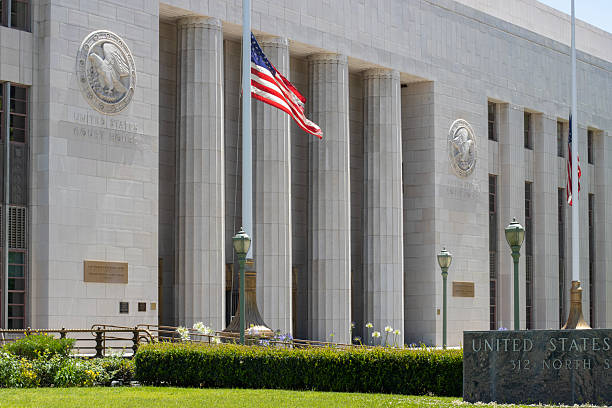
Weisselberg’s legal case became a central chapter in the broader story of the Trump Organization’s ongoing challenges with regulatory and financial oversight. Prosecutors argued convincingly that systemic practices within the company facilitated tax avoidance, underreporting of benefits, and other questionable financial arrangements. Courts affirmed that corporate responsibility is more than a statement of policy—it requires diligent adherence to ethical leadership, accurate financial reporting, and compliance with legal obligations. This conviction signaled that executives cannot simply rely on titles or tenure to shield themselves from legal scrutiny.
The ruling set an important precedent, reinforcing that organizational leaders are accountable for mismanagement, whether intentional or due to oversight. Legal commentators emphasized that high-level prosecutions serve as a warning to other companies: ethical lapses and financial misreporting will be examined closely. Employees, investors, and industry observers alike saw the verdict as a clear reminder that corporate culture and compliance are inseparable. Companies must align internal practices with legal expectations, ensuring that every decision from executive perks to tax reporting is transparent, documented, and auditable. Weisselberg’s case thus illustrates how individual accountability intersects with organizational governance, highlighting lessons that resonate far beyond a single company.
Questions That Remain

Even after Weisselberg’s plea and the resulting convictions for the organization, numerous questions continue to linger. Observers and analysts ask whether other executives were aware of the practices in question, and if so, what role leadership played in shaping internal compliance policies. These uncertainties sustain ongoing media scrutiny and invite speculation about the organization’s broader culture. While some see the case as closure for one chapter of legal accountability, others view it as a prompt to examine whether deeper systemic issues remain unaddressed.
Investigative journalists continue probing potential undiscovered areas, such as undisclosed benefits or overlooked internal controls. Experts emphasize that transparency in corporate operations can prevent similar situations, yet the opacity surrounding internal practices fuels curiosity and debate. For the public and other corporate observers, Weisselberg’s case serves as both a cautionary tale and a learning moment: leadership decisions echo across departments, influencing employee behavior, investor confidence, and regulatory attention. The case is a reminder that the consequences of executive actions ripple far beyond boardrooms, leaving a lasting impression on corporate governance practices.
Broader Legal Context

Weisselberg’s case sits within a broader legal landscape where executive accountability is increasingly scrutinized. In recent years, authorities have heightened enforcement of tax laws, financial disclosure, and anti-fraud regulations, signaling that no executive, regardless of rank, is exempt from oversight. Companies that once operated under assumptions of autonomy are now aware that regulatory bodies will investigate discrepancies when evidence suggests misconduct Legal scholars see the case as emblematic of a larger trend: courts are willing to pursue high-level executives when sufficient evidence exists.
For companies, this emphasizes the importance of ethical accounting, transparent benefit reporting, and clearly documented compliance procedures. Beyond the legal ramifications, the case highlights public expectations: stakeholders, clients, and employees alike demand integrity and adherence to law. The broader lesson is clear; internal controls, ethical leadership, and transparent reporting are not optional but essential to sustaining corporate credibility, public trust, and long-term operational success.
Lessons on Corporate Accountability

One critical takeaway from Weisselberg’s case is that corporate accountability cannot be compromised. Companies must implement clear compliance systems, conduct independent audits, and establish transparent reporting mechanisms to prevent misconduct. Weisselberg’s experience reinforces the principle that executive rank does not grant immunity; even trusted leaders are subject to legal consequences for lapses in judgment or oversight.
This case is frequently referenced in corporate training programs and law schools as a prime example of how oversight failures, even by long-standing executives, can yield serious personal and organizational consequences. Observers note that fostering a culture of responsibility and transparency benefits both employees and the company. By encouraging ethical practices and maintaining clear lines of accountability, organizations can shield themselves from reputational damage and legal exposure. Weisselberg’s situation demonstrates that embedding accountability into corporate culture is essential for long-term success and risk mitigation.
What Comes Next

Looking ahead, Weisselberg’s case will continue influencing discussions on corporate governance and regulatory policies. Legal analysts predict that large organizations will adopt stricter oversight procedures, proactive compliance programs, and more rigorous audits to prevent similar incidents. These measures are not merely reactive, they reflect an evolving expectation for executive responsibility and organizational transparency. For both the public and the corporate world, Weisselberg’s journey, from trusted boardroom executive to incarceration illustrates the intersection of personal accountability and corporate ethics.
Companies now have a tangible example of why transparency, monitoring internal practices, and respecting legal boundaries are non-negotiable. The case serves as a roadmap: executive privilege cannot override accountability, and sustained commitment to ethical governance is essential to protect reputation, operational integrity, and public trust. It’s a clear signal that today’s corporate landscape demands vigilant oversight and a culture where compliance is embedded into every decision.


