
The Science Of Spending
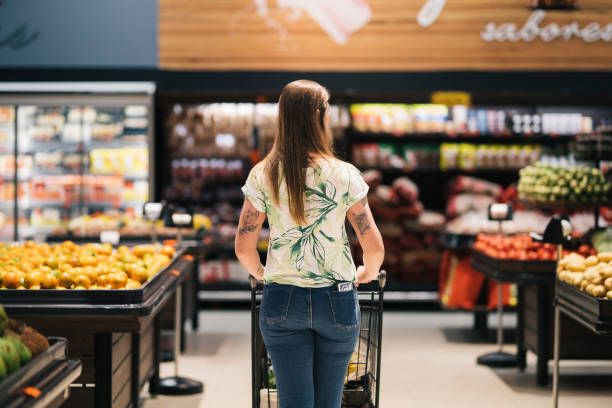
Walking into a grocery store might feel like a simple errand, but it is actually a carefully laid trap between you and a team of retail psychologists. Even the tile design on the floor and every scent in the air is part of a blueprint designed to lower your guard and open your wallet. While we like to think we are in total control of our shopping carts, the reality is that the modern supermarket is an environment engineered to nudge us toward decisions we never intended to make.
In an era where food costs are a major concern for most families, being aware of how we are being manipulated at supermarkets and grocery stores can lead to significant savings. Therefore, it is vital to note that, from the moment you step through those sliding glass doors, you are entering a world where nothing was positioned accidentally to catch your glimpse, which is why learning the “rules” of the store is the first step toward becoming a smarter shopper.
The Decompression Zone
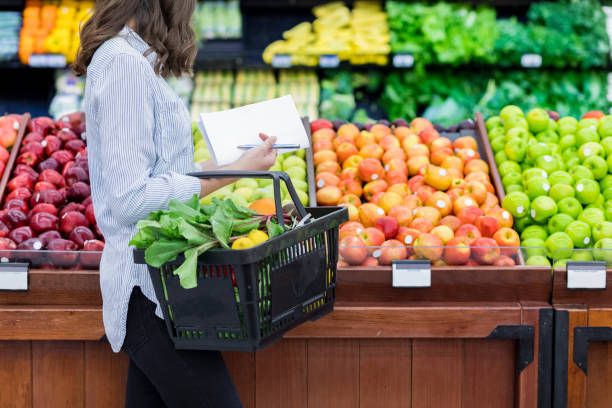
The moment you walk through the doors, you usually find yourself in a wide, open space filled with flowers or fresh produce. This area is known as the decompression zone, and its primary purpose is to slow you down. By surrounding you with bright colors and pleasant natural scents, the store encourages you to shift from the fast-paced stress of the parking lot into a more relaxed shopping mindset. This mental shift makes you more likely to browse rather than rush through your list.
This tactical layout also creates a powerful first impression of freshness that carries through the rest of your trip. When the first thing you see is vibrant fruit or a bouquet of lilies, your brain subconsciously associates the entire store with high quality and health. This halo effect makes it easier for the retailer to sell you processed items later on because you have already established a baseline of “freshness” in your mind, resulting in a more filled cart.
Strategic Scent Marketing

If you have ever been lured toward the back of a store by the smell of baking bread or rotisserie chicken, you have experienced scent marketing firsthand. Retailers pump these delicious aromas through the ventilation systems because the sense of smell is tied directly to the brain’s emotional center. This olfactory stimulation triggers hunger pangs even if you just ate, which led to a significant increase in unplanned snack purchases for the average weekly shopper.
These scents do more than just make you hungry since they also create a sense of comfort and nostalgia. The smell of cinnamon or fresh cookies can make a cold, industrial warehouse feel like a warm kitchen, encouraging you to linger longer in the aisles. The longer a customer stays in the store, the more money they statistically spend, whereas a quick trip based on logic alone rarely results in those high-margin impulse buys that stores love.
Eye Level Is Buy Level
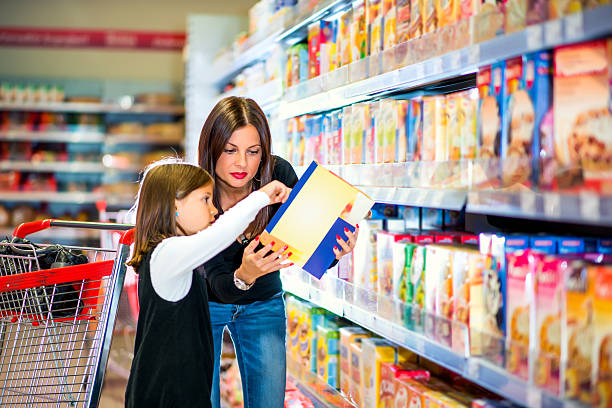
Be it children or adults, there is a very specific reason why the most expensive name brands are always located directly in front of your face. Known as the “eye-level” rule, this strategy places premium products at the height where they are easiest to see and grab. Most shoppers are in a hurry and will instinctively reach for the first option that catches their eye, whereas the budget-friendly generic brands are hidden on the bottom shelves where you have to work to find them.
This vertical positioning is even more calculated when it comes to children, who have their own specific eye level. Sugary cereals and colorful toys are often placed on the lower-middle shelves so they are perfectly aligned with a toddler’s line of sight. This creates a situation where a child sees a “must-have” item and asks for it, resulting in a stressful moment for the parent that often ends with the item being tossed into the cart just to keep the peace.
The Maze Of Essentials
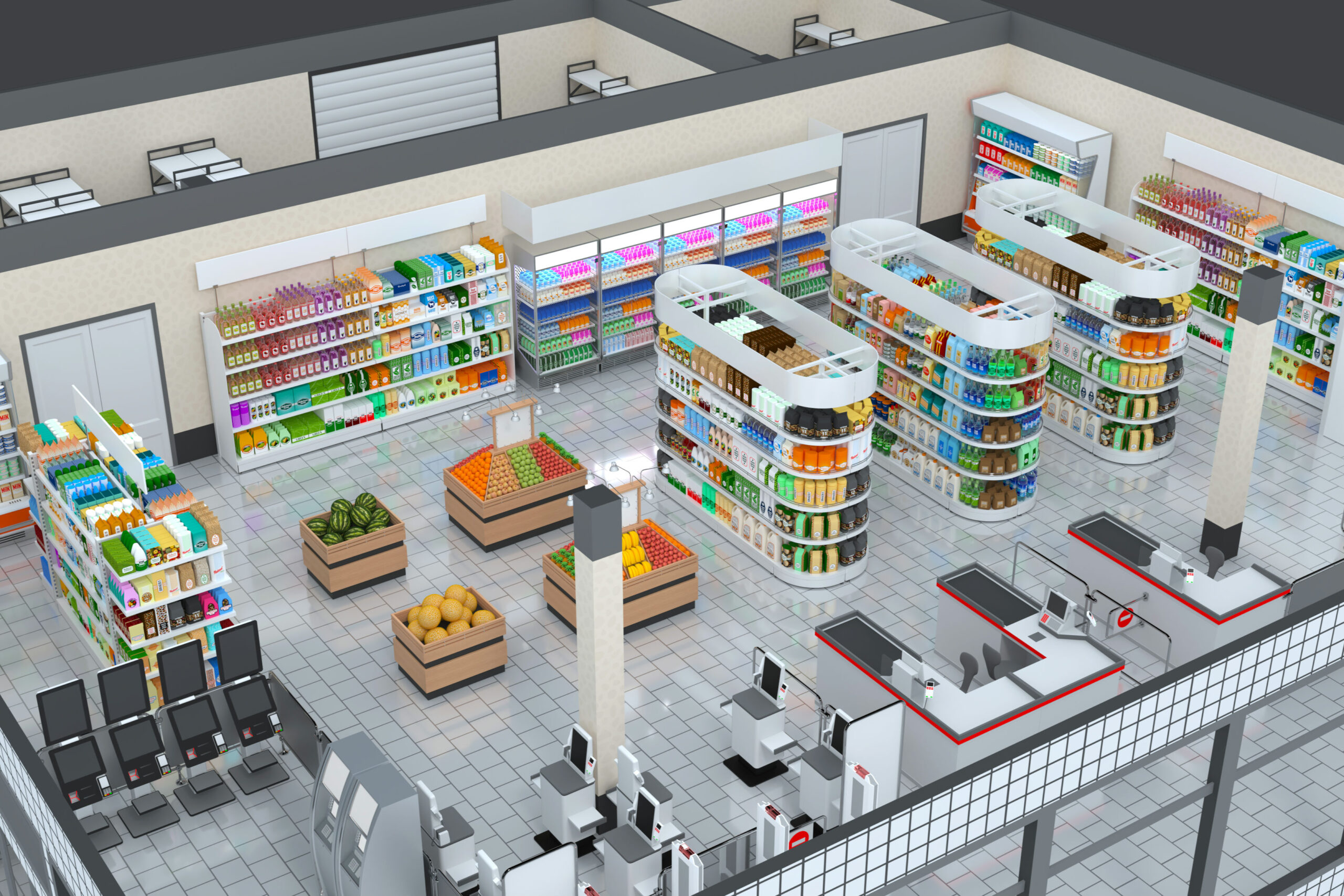
You may have noticed that basic necessities like milk, eggs, and bread are almost always located at the very back of the store. This is not an accident of plumbing or refrigeration, but rather a way to force you to walk through as many aisles as possible. To get to the one thing you actually need, you are forced to pass by end-caps, promotional displays, and tempting snacks, which increases the probability that you will pick up several extra items.
This forced traffic flow is a cornerstone of supermarket design because it maximizes product exposure for every single visitor. If the dairy section was at the front, many shoppers would be in and out in two minutes without seeing the rest of the inventory. By placing the “destination items” in the furthest corners, the store ensures that you have to navigate a gauntlet of temptations, which frequently turns a five-dollar milk run into a fifty-dollar grocery haul.
Oversized Shopping Carts
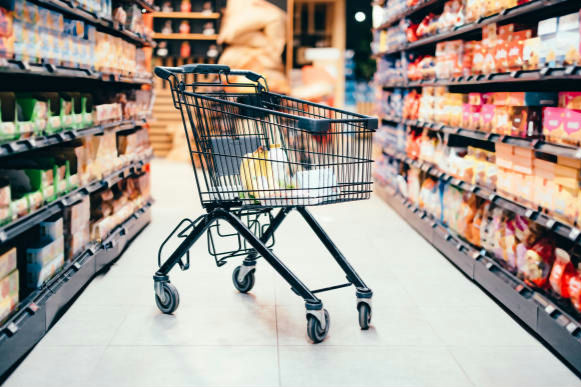
Modern shopping carts are significantly larger than the ones used decades ago, and there is a psychological trick behind this growth. A large, empty cart can make a modest amount of groceries look small or insufficient, which creates a subtle pressure to fill the space. When we see a lot of wire mesh still visible, we subconsciously feel like we haven’t finished our task, which led to consumers buying up to forty percent more than they did with smaller carts.
The physical act of pushing a large cart also changes the way we move through the aisles. The bulkier the cart, the slower we tend to walk, which gives our eyes more time to scan the shelves for things we don’t really need. Retailers know that if you are carrying a small basket, you will stop when it gets heavy or full, whereas a giant cart with wheels removes that physical limit and allows you to keep adding items indefinitely.
Strategic Tile Sizes
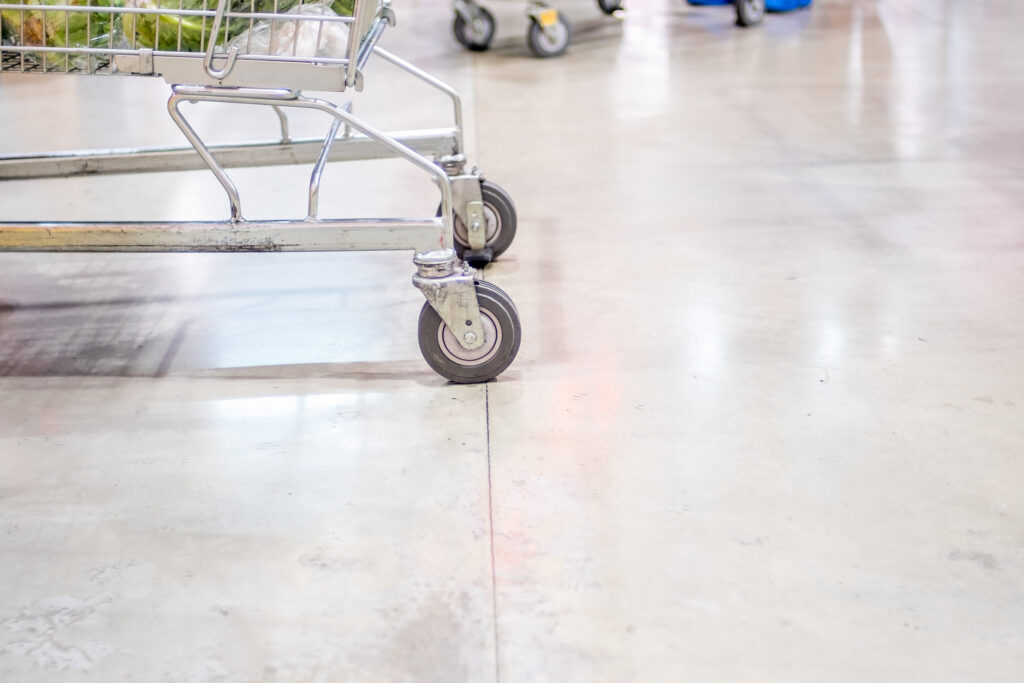
It might sound like a conspiracy theory, but even the floor under your feet is working against your budget. Many grocery stores use smaller tiles in the more expensive aisles, such as the wine or beauty sections. As your cart wheels click across the grout lines, the faster clicking sound makes you feel like you are moving too quickly. This naturally causes most people to slow their pace down to a more “comfortable” rhythm, giving them more time to look at the pricey merchandise.
In contrast, the main thoroughfares often have larger tiles or smooth concrete to encourage a steady flow of traffic. The intentional manipulation of sound and vibration is a subtle way to control the speed of the consumer without them ever realizing they are being managed. By slowing you down in the areas with the highest profit margins, the store increases the chances of an impulse buy occurring while you are mesmerized by the rhythm of the floor.
Complimentary Product Pairing
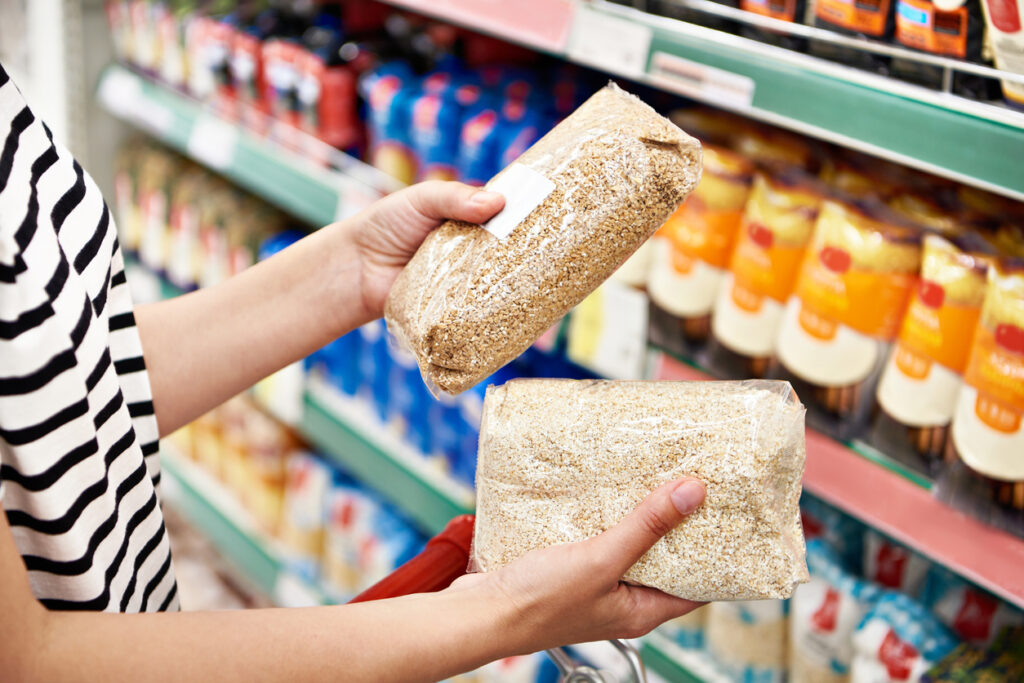
Grocers are masters of the “suggestive sell,” which is why you will often find expensive crackers sitting right next to the fancy cheeses or lemons placed near the seafood counter. This technique, known as cross-merchandising, saves you the trouble of hunting for related items but also encourages you to spend more than you intended. It creates a “complete meal” narrative in your mind that makes it much easier to justify the extra cost of those peripheral items.
This strategy works because it plays on our desire for convenience and our fear of forgetting a key ingredient. When you see a display of pasta, sauce, and expensive Parmesan cheese all in one spot, your brain perceives it as a helpful solution rather than a sales tactic. However, these convenience displays rarely feature the best prices, resulting in you paying a premium for the luxury of not having to walk two aisles over to find the cheaper version.
The End Cap Illusion
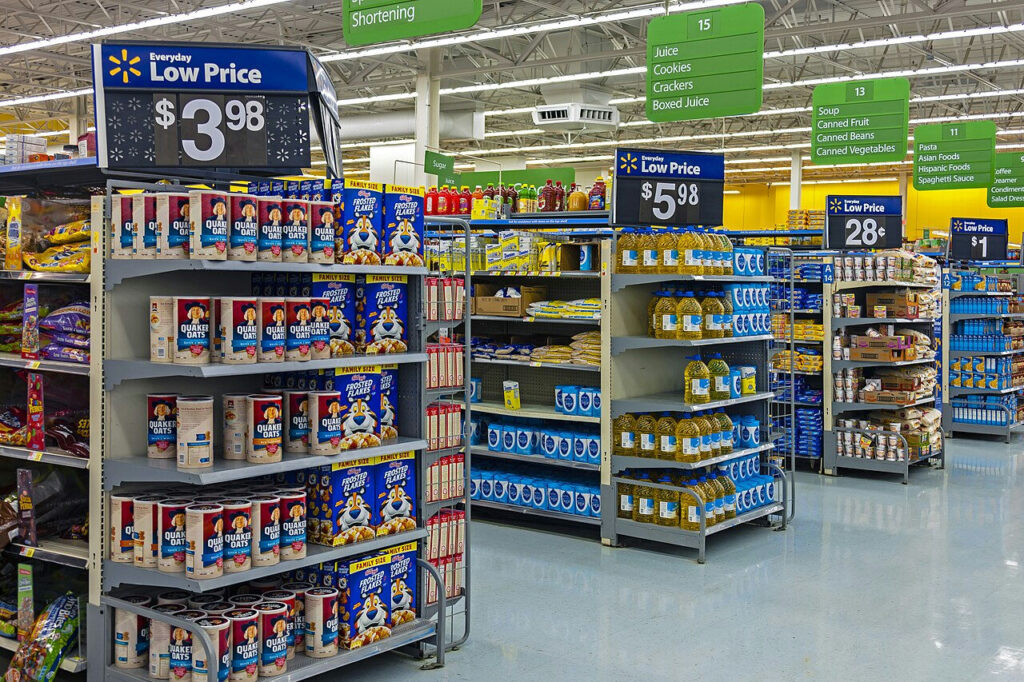
The displays at the ends of aisles, known as end-caps, are some of the most valuable real estate in the entire building. Most shoppers assume that because an item is featured prominently on an end-cap, it must be on sale or represent a great value. In reality, manufacturers often pay “slotting fees” to have their products placed there, and the items are frequently sold at full price. The sheer prominence of the display creates a false sense of urgency and value.
Because these displays are separate from the rest of the shelf, you cannot easily compare the price of the featured item with its competitors. This lack of context makes it much more likely that you will grab the product without thinking, whereas you might have chosen a cheaper alternative if you were looking at the standard aisle. It is a visual shortcut that bypasses our logical price-checking habit, resulting in a quick addition to the cart that benefits the store’s bottom line.
False Sense Of Scarcity
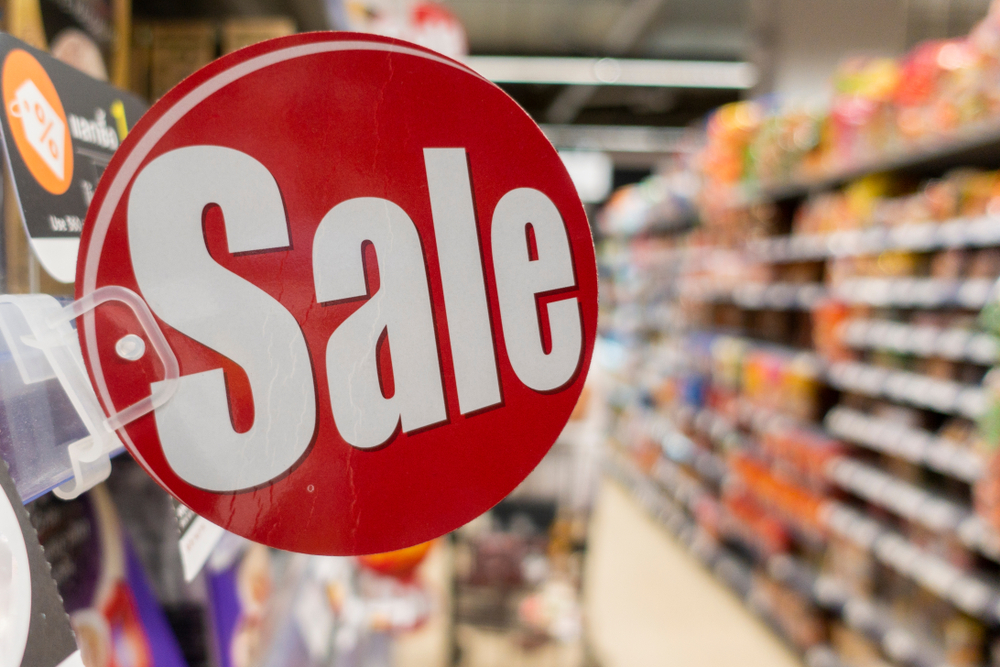
Signs that say “Limit 10 per customer” or “Special 4-day sale” are designed to trigger a primal fear of missing out. Even if you only needed one can of soup, seeing a limit can trick your brain into thinking the item is in high demand or is an incredible bargain. This leads many people to buy more than they actually need just to “stock up,” which is a huge win for the retailer who has successfully increased their volume of sales.
Similarly, “multi-buy” offers like “10 for 10 dollars” are highly effective even when you don’t actually have to buy ten to get the deal. Many shoppers don’t read the fine print that says the items are a dollar each regardless of quantity, which led to a massive increase in people buying the full ten items anyway. The suggestion of a bulk deal creates a psychological anchor that pulls your spending upward, regardless of your actual household needs or consumption patterns.
The Checkout Gauntlet
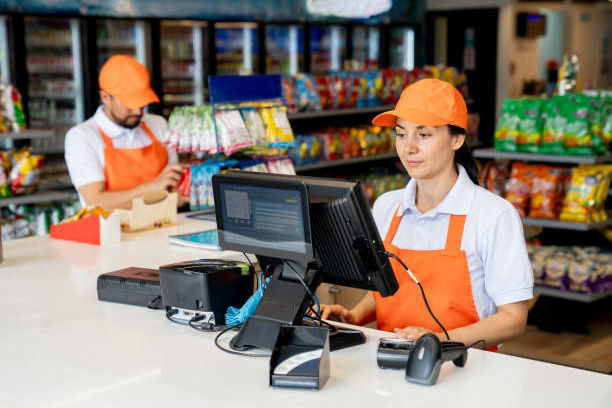
The final hurdle of any shopping trip is the checkout line, which is purposefully designed to be narrow and filled with small, high-margin temptations. After an hour of making decisions, most shoppers experience “decision fatigue,” which weakens their willpower. This is the moment when you are most likely to grab a candy bar, a magazine, or a cold soda because your brain is looking for a quick reward after the chore of navigating the store.
This area is the ultimate trap for impulse spending because you are essentially a captive audience while you wait for the person in front of you. There is nowhere else to look but at the shelves of gum, batteries, and lip balm that you probably didn’t have on your list. By the time you reach the cashier, your defenses are down, resulting in those small “guilty pleasure” purchases that add up to millions in pure profit for grocery chains every year.
Like this story? Add your thoughts in the comments, thank you.


