
1. Six Gun Territory
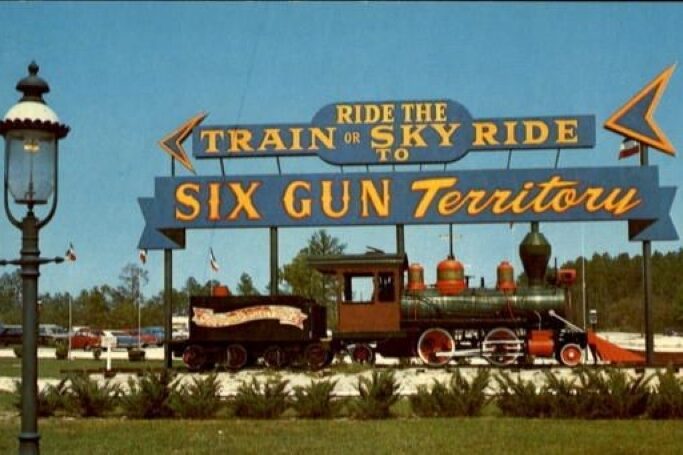
Six Gun Territory in Florida was once a lively Wild West-themed amusement park where families rode staged trains, watched gunfights, and explored cowboy villages. Children ran through the dusty streets pretending to be outlaws or sheriffs, while parents admired the detailed sets and cheerful energy of a park that offered something unique compared to traditional rides. It wasn’t massive, but it had a charm that made it memorable, a kind of playful immersion that drew locals and tourists alike for decades.
Over time, competition from larger attractions and shifting tourism patterns led to its closure in 1984. Today, the land is quiet, and remnants of the western facades and old wooden buildings still stand, weathered but still hinting at the excitement that once filled the air. Visitors often describe it as a place frozen in time, saying, “It’s like walking through a storybook that someone closed halfway through,” and that sense of paused life is both nostalgic and haunting. Six Gun Territory reminds us that even smaller parks can leave lasting memories long after their doors close.
2. Action Park
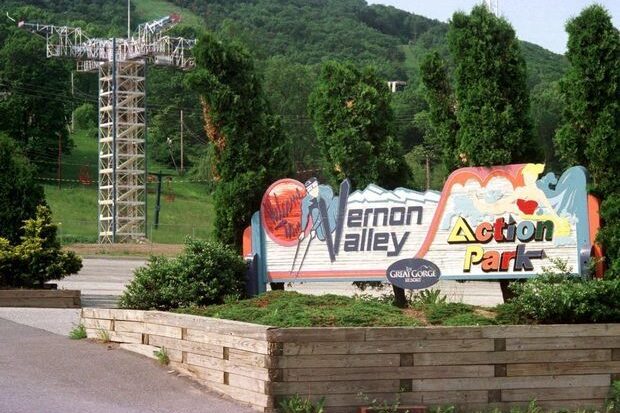
Action Park in Vernon, New Jersey, was legendary for its daring water slides and extreme rides. Kids and teens flocked there for summer thrills, while parents watched anxiously, knowing some rides had a reputation for being dangerously unpredictable. It was a place full of energy, screams of excitement, and the chaotic fun of youth summers. For a while, it defined summer in the area, a must-visit destination where stories of wild rides became part of local lore.
Eventually, accidents, legal challenges, and safety concerns forced sections of the park to close. Today, some areas sit empty, slides cracked, and pools dry, leaving behind only memories and photographs. Visitors recall, “You can almost hear the echoes of laughter and chaos if you close your eyes,” which captures the park’s essence even in its quiet state. Action Park stands as a reminder that thrill and risk can leave lasting stories, even long after the lights have gone out.
3. Six Flags New Orleans
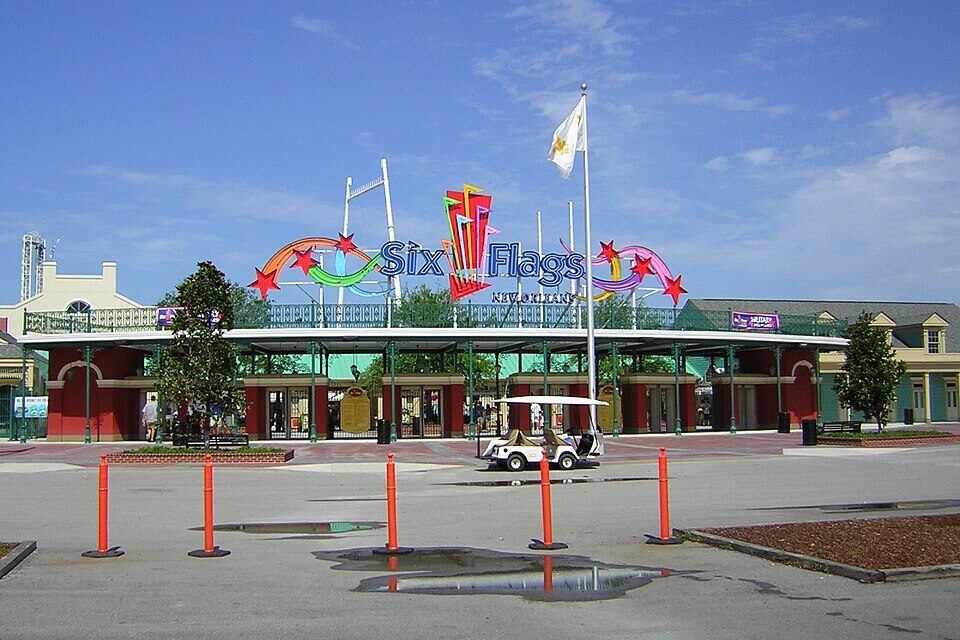
It’s easy to imagine the sound of laughter when you first see Six Flags New Orleans, even now. Before 2005, it was a lively theme park filled with families, long lines, and the hum of rides spinning through humid Louisiana air. Then Hurricane Katrina arrived, and everything changed in a way that no one could have planned for. The park was flooded, heavily damaged, and eventually left behind, frozen in a moment that never resumed. A visitor once wrote online, “It feels like time just stopped mid-sentence,” and that’s exactly the feeling people describe when they see it today. Rust has taken over the rides, weeds grow through concrete, and the gates that once welcomed thousands now stand closed without much explanation to passersby.
What makes it more personal is how recent it feels. This isn’t ancient history. It’s a place people still remember visiting as kids, which makes the silence even louder. And if you’ve ever driven past a place you used to love and felt that quiet shift, you already understand part of this story. Keep reading, there’s more to uncover.
4. Michigan Central Station
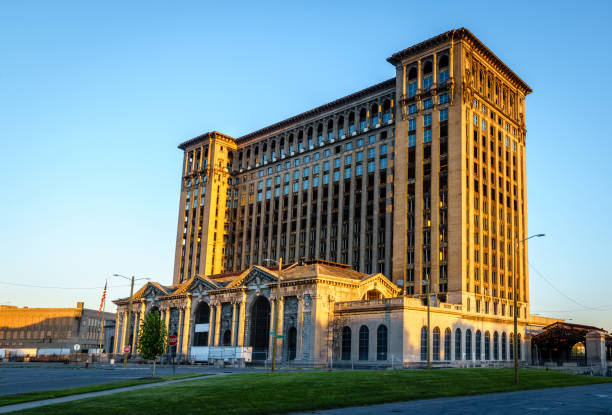
There was a time when Michigan Central Station stood as a proud gateway to Detroit, filled with travelers coming and going at all hours. Opened in 1913, it was more than just a station. It was a statement about movement, growth, and connection. But as train travel declined and the city faced economic challenges, the building slowly emptied out, finally closing in 1988. For decades, it stood there, tall and quiet, its windows broken and halls hollow. People who passed by often said things like, “It still feels important, even like this,” and that’s part of what made it so striking. It wasn’t forgotten, just left waiting.
There’s something deeply human about that kind of pause. A place that once mattered doesn’t suddenly stop mattering. It just loses its audience for a while. Recently, there have been efforts to restore it, which adds a layer of hope to its story. Not every abandoned place stays that way forever. Some just need time and attention to find their purpose again. And as you think about that, it makes the next place feel even more uncertain.
5. Salton Sea
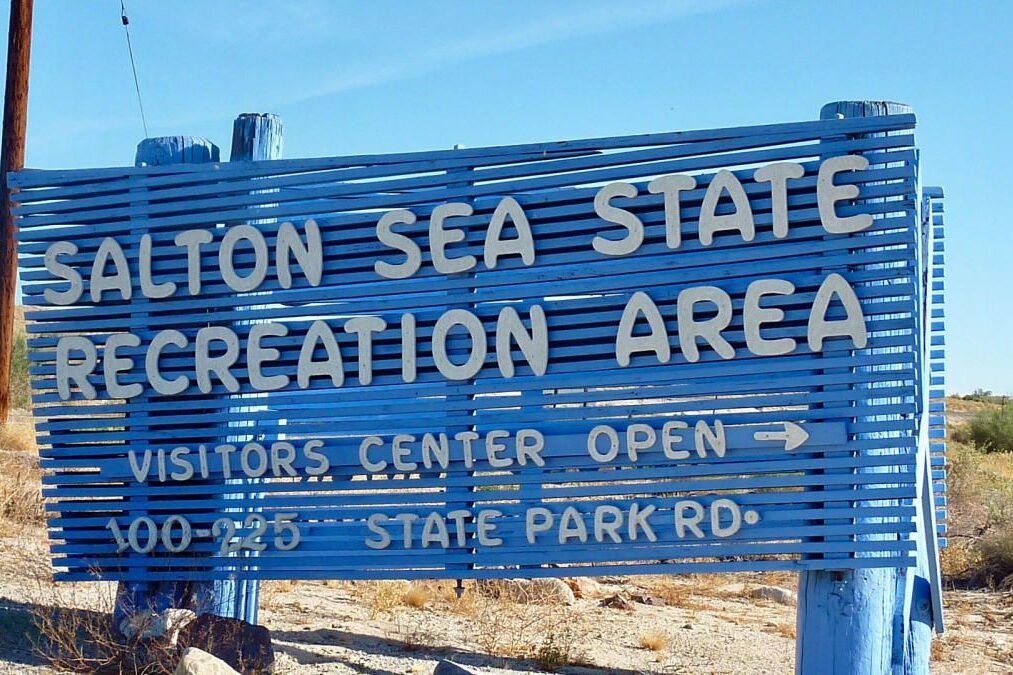
In the 1950s and 60s, the Salton Sea was a booming resort destination in California. Celebrities visited, families vacationed, and the shoreline buzzed with energy. It was often compared to the French Riviera, which feels almost hard to believe when you see it today. Environmental issues slowly changed everything. Rising salinity, pollution, and declining water levels drove people away. Buildings were abandoned, marinas dried up, and what was once a lively escape became a quiet stretch of cracked earth and still water.
One former visitor shared online, “We used to go every summer. Now it feels like a memory you can walk through,” and that line sticks because it’s so simple and true. The place hasn’t disappeared. It’s just no longer what it was. There’s a kind of softness in that decline. It didn’t happen overnight. It was gradual, almost gentle, until one day people realized it was no longer the same. And maybe that’s the thread connecting all these places. They remind us that change doesn’t always announce itself. Sometimes it just settles in quietly.
6. Borscht Belt Resorts
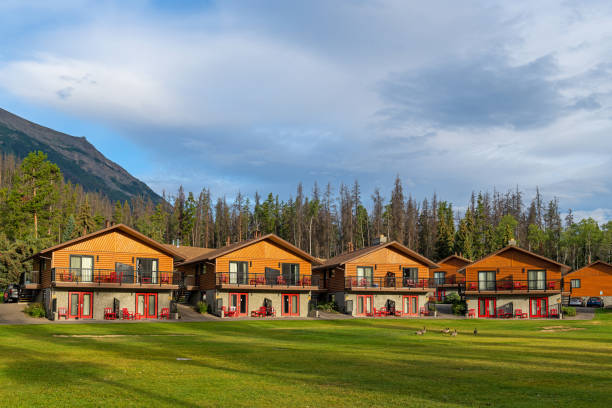
The Borscht Belt in New York’s Catskill Mountains once held dozens of bustling resorts, filled with music, comedy, and packed dining halls. Families returned year after year, creating traditions that felt almost permanent. It was more than a vacation spot. It was a cultural hub, especially for Jewish American communities in the mid-20th century. As travel options expanded and tastes changed, the crowds slowly thinned. Air travel made distant destinations more accessible, and the old resorts couldn’t keep up. One by one, they closed, leaving behind large, quiet buildings that still echo with the energy they once held.
A former guest once said, “You could hear laughter everywhere back then,” and that memory lingers even now, long after the doors have shut. The buildings remain, but the feeling has shifted into something softer and more reflective. It’s not just about loss. It’s about how places live on in memory even when they fade in reality.
7. Atlantic City Boardwalk
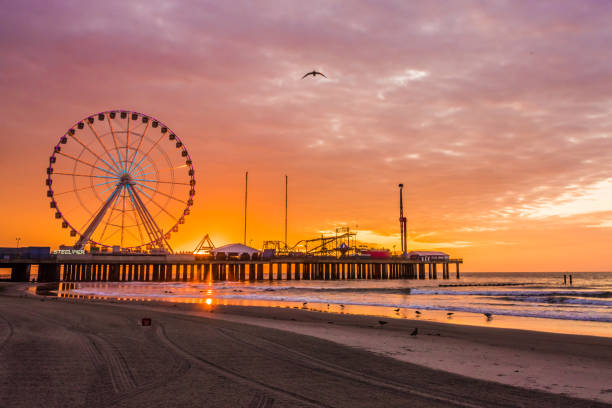
There was a time when the Atlantic City Boardwalk felt like a constant celebration. Lights flashed from every direction, music spilled out of open doors, and casinos stayed busy deep into the night. It drew crowds from across the East Coast, offering a close-to-home version of the excitement people often associated with Las Vegas. For many, it was tradition, a place you returned to without thinking twice. Families walked the boards with snacks in hand, friends gathered around gaming tables, and everything seemed to move with a steady rhythm that felt reliable and familiar.
Over time, things shifted. Competition from newer casinos in nearby states slowly pulled visitors away, and several iconic properties shut their doors. A visitor once wrote, “It still looks bright, but it doesn’t feel as full,” and that quiet difference says a lot. Parts of the boardwalk remain active, but others feel noticeably thinner, like a story missing a few pages. What stands out most is how gradual it all felt. There wasn’t one moment where everything changed, just a steady easing of energy. And if you’ve ever returned somewhere expecting it to feel the same, you already understand that quiet shift.
8. Cincinnati Subway
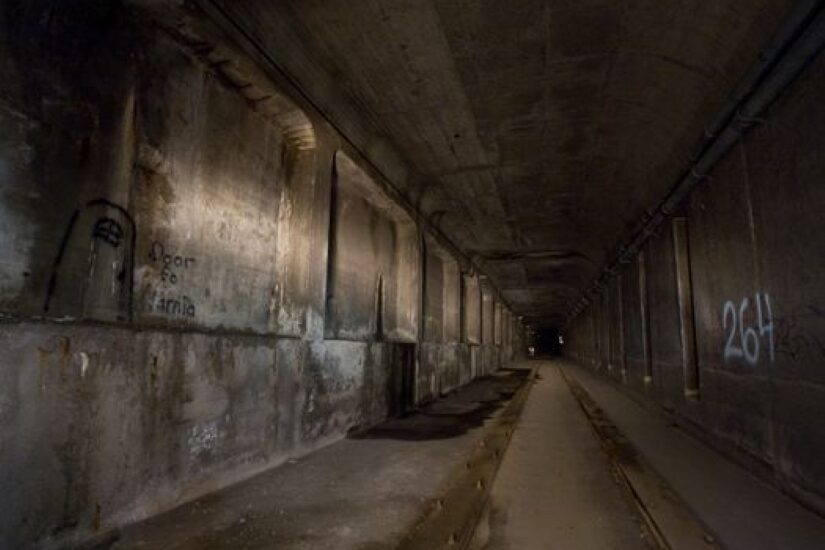
Cincinnati’s subway system was meant to revolutionize city transportation in the early 20th century, with tunnels and stations already partially constructed beneath the streets. Construction began in 1920 with high hopes, promising to connect neighborhoods, ease traffic, and modernize the city. Workers built tunnels, platforms, and tracks, and the city buzzed with excitement about the possibilities this new infrastructure promised.
Unfortunately, funding ran out, and the subway was never completed. Today, the abandoned tunnels lie dark and empty beneath Cincinnati, mostly forgotten by residents above. Urban explorers describe the experience as eerie yet fascinating, saying, “It’s a city beneath the city, frozen in its own rhythm.” The subway doesn’t carry trains or passengers, but it carries history, ambition, and a reminder that even carefully planned projects can remain unfinished. Walking through the tunnels or imagining their silence from above gives a sense of time suspended, where hope and failure exist side by side.
9. Dogpatch USA
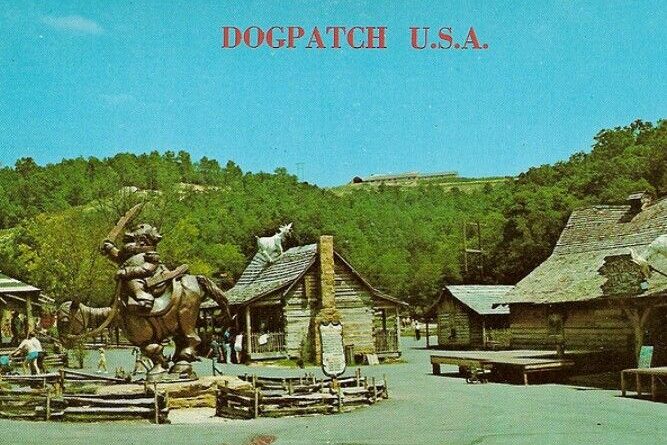
Dogpatch USA was once a cheerful, quirky theme park based on the Li’l Abner comic strip, tucked away in the hills of Arkansas. Families came for the rides, the shows, and the novelty of stepping into a place that felt a little different from the usual amusement parks. It had its own charm, something a bit more personal and less polished, which made it easy to enjoy. Visitors wandered through themed areas, laughed at simple attractions, and found comfort in a place that didn’t try too hard to be something it wasn’t.
But as tastes changed and larger parks grew more popular, attendance declined. Financial struggles followed, and eventually the gates closed for good. A former visitor shared, “It felt like a place that tried to hold on,” and that feeling still lingers in photos and stories. The rides remain, but they no longer move, and the paths that once filled with people now sit quiet and overgrown. There’s something about smaller attractions that makes their absence feel more personal, like losing a familiar place that once quietly belonged to you.
10. Elitch Gardens Original Site
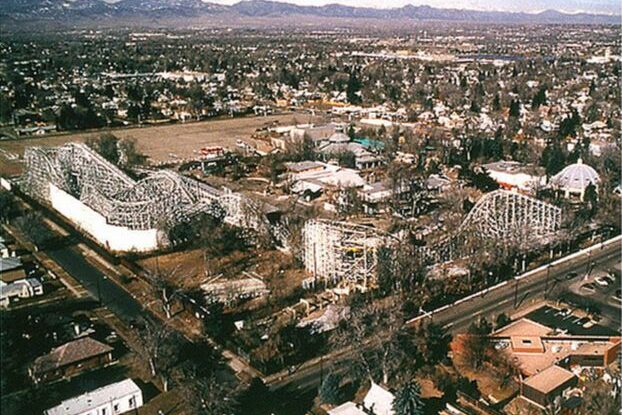
Elitch Gardens in Denver has existed in various forms, but its original site was once a lively amusement park with roller coasters, carnival games, and summer concerts. Families filled the park on warm afternoons, children delighted in carousel rides, and the scent of popcorn and cotton candy filled the air. It became a beloved local tradition, a summer escape where memories were made with every laugh and photo taken.
Over time, changes in location, modernization, and redevelopment left parts of the original park unused or abandoned. The old grounds now carry only the faintest echoes of excitement, with overgrown paths and silent rides that speak to a past era. One longtime visitor said, “It feels like a memory you can walk through,” highlighting how the energy of the park has been preserved in nostalgia rather than activity. Elitch Gardens’ story reminds us that places can live on in memory even when they’re no longer bustling with life.
11. Magic Mountain
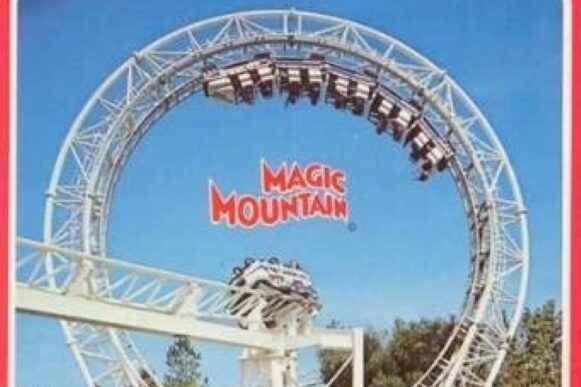
Magic Mountain in California was once a local favorite, a park filled with rides that thrilled and delighted families looking for a weekend escape. Children ran from one attraction to the next while parents watched from benches, enjoying the sunshine and sounds of laughter. It wasn’t as famous as some larger parks, but it had a charm that made it feel like a secret treasure. The park became part of the rhythm of summer for local communities, a place to gather and make small, simple memories.
However, as competition from larger parks grew and visitor numbers dwindled, Magic Mountain closed its gates for good. Rides became overgrown with weeds, buildings slowly weathered, and the sounds of excitement faded into quiet. One former visitor reflected, “It feels like a place frozen in our memories,” and that sentiment resonates because you can almost feel the energy that once filled the air. The park isn’t destroyed, but it’s lost its purpose. Walking through it today, it’s easy to imagine the happy chaos that once existed, making the silence feel even more poignant and reflective.
12. Bodie
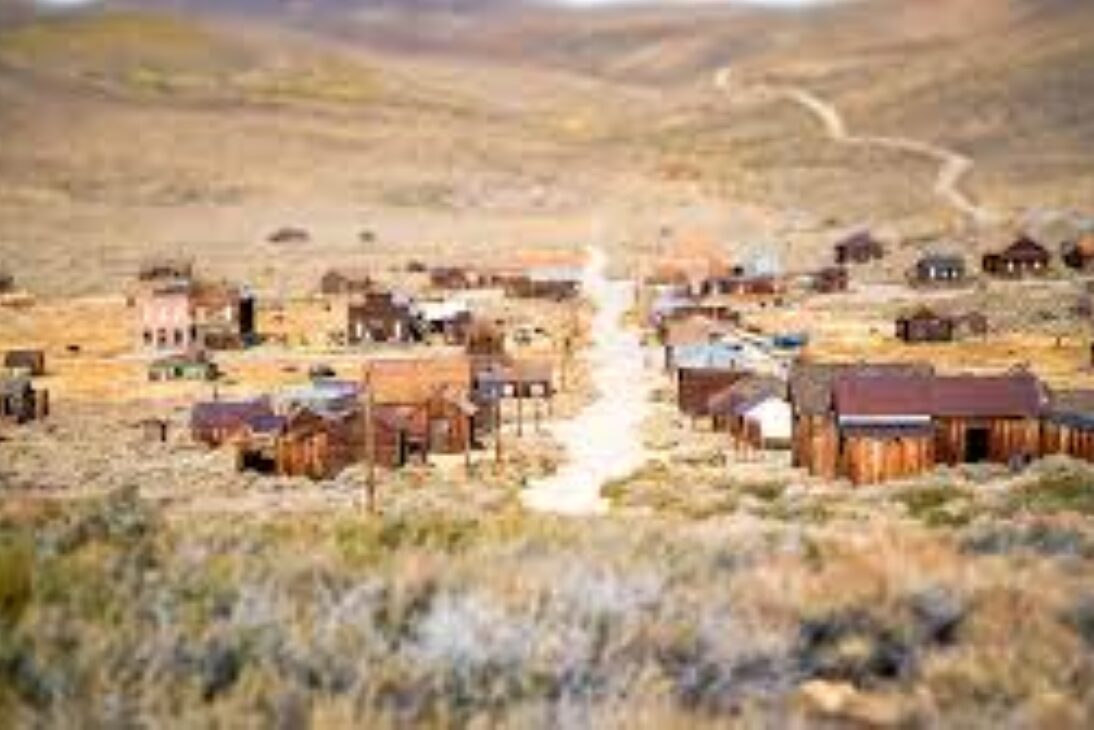
Bodie, California, was once a bustling mining town during the gold rush, full of families, shops, and saloons echoing with laughter and music. The streets were crowded, houses were packed with people, and the town had an energy that spoke of opportunity and hope. Visitors often describe imagining the miners’ daily routines, children playing, and the vibrant community that thrived despite harsh conditions. It was a slice of the American dream frozen in gold-streaked dust and wooden frames.
Today, Bodie is preserved as a ghost town, with decaying buildings and empty streets creating an eerie yet fascinating atmosphere. One historian notes, “It’s like walking through a photograph of a life paused,” and that description feels just right. While the town is empty, it has been maintained enough to give visitors a glimpse of what life might have been like. The quiet here tells a story, showing both the power of dreams and the inevitability of change, leaving a sense of melancholy and awe that lingers long after you leave.
13. Lake Delton’s Theme Park
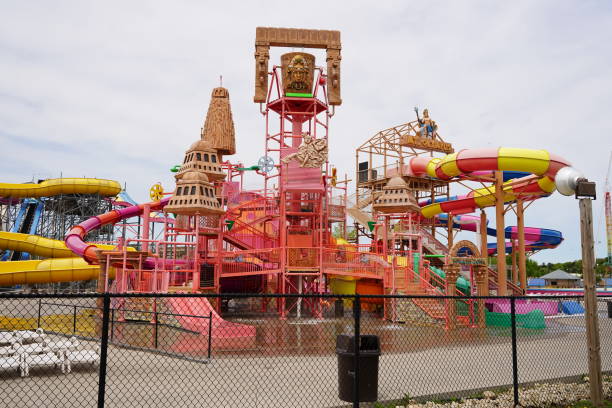
In the early 1980s, Lake Delton’s amusement park was a favorite destination for families across the Midwest. Crowds flocked to the water rides, roller coasters, and summer shows, filling the park with the smell of popcorn and the sound of joyful screams. It was a place where kids could spend an entire day laughing, and adults could feel transported to a carefree world. The park became central to the local summer economy, drawing tourists and keeping the community bustling.
Over time, the original site faced challenges with flooding and structural issues, which eventually forced closure. Today, remnants of paths and foundations peek through overgrown vegetation, hinting at the days when people gathered in droves. One local visitor said, “You can feel the echoes of fun if you listen closely,” capturing the quiet beauty of what remains. Though the park no longer operates, its memory survives in photographs, stories, and the imagination of those who once walked its paths, reminding us how places that were once alive continue to exist in memory long after the crowds have gone.
14. Enchanted Forest
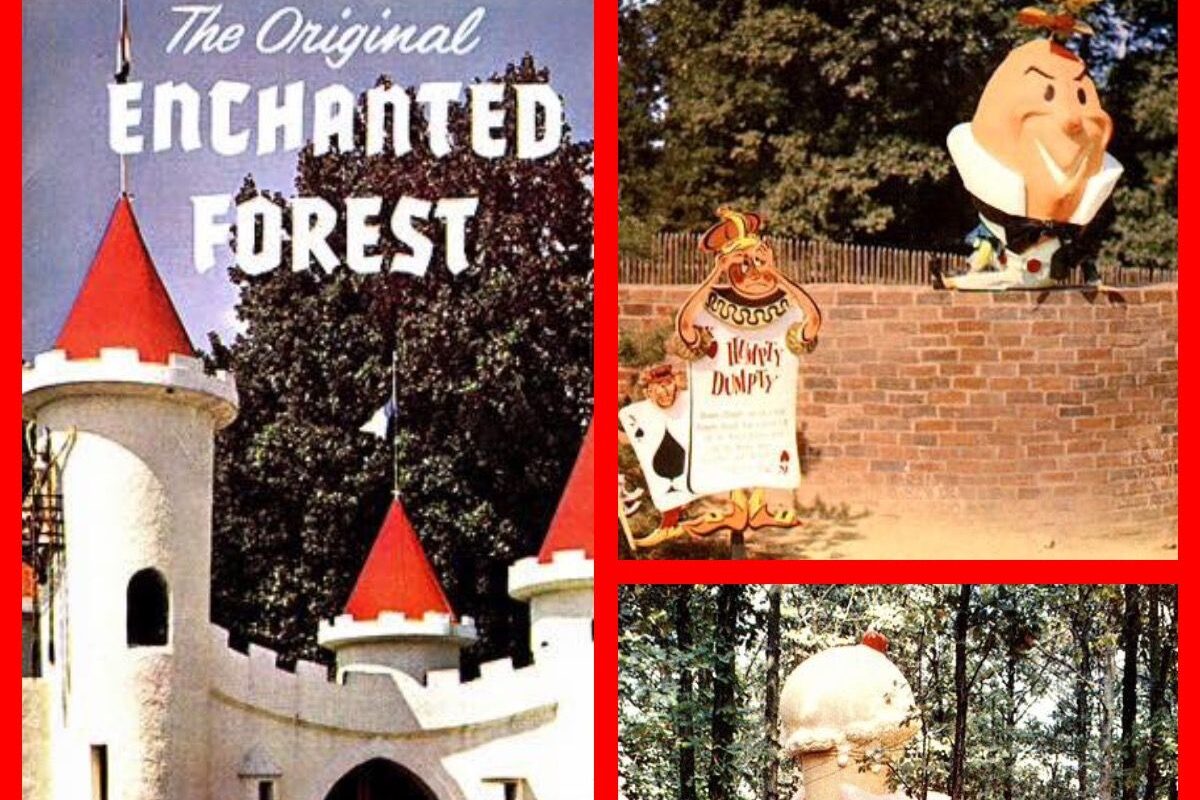
Enchanted Forest was once a lively spot, filled with storybook-themed attractions and whimsical rides that drew families from across Oregon. Children laughed as they explored fairy tale lands, and parents marveled at the charming attention to detail. For decades, it served as a magical escape, a place where imagination could flourish alongside the simple joys of amusement park fun. The park had a rhythm to it, one that visitors quickly fell into each summer, making annual visits feel like a tradition.
Though parts of Enchanted Forest still operate, many sections have been closed, leaving quiet corners where rides stand idle and paths are cracked. A visitor reflected, “It’s like the magic slowed down and waited for someone to notice,” highlighting the delicate balance between memory and reality. Walking through the quiet areas today, it’s easy to feel both nostalgia and a sense of lingering charm. It reminds us that even when crowds disappear, the essence of a place can linger quietly in the details and in the hearts of those who once experienced it.
15. Heritage USA
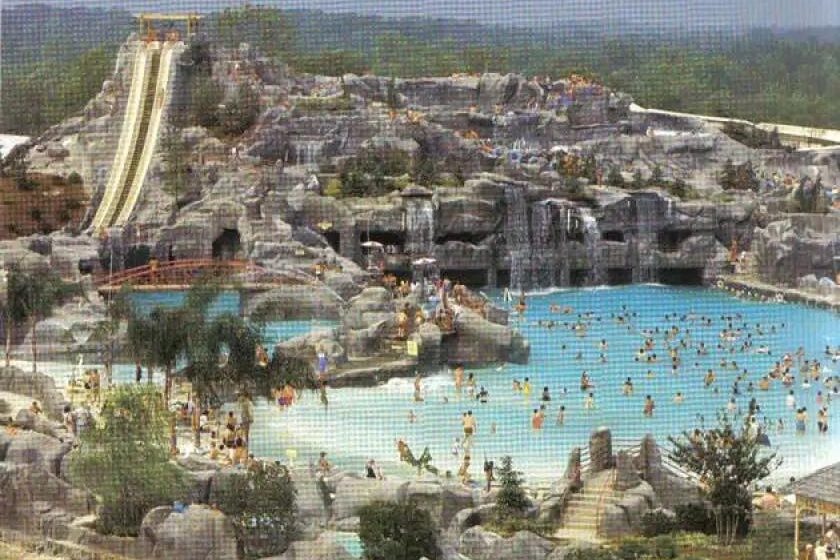
Heritage USA was once a massive Christian-themed resort and water park in Fort Mill, South Carolina. Families from across the country came for faith-based entertainment, water slides, and live shows. It combined amusement park thrills with a retreat-like atmosphere, making it a unique experience. The park thrived in the 1980s, drawing thousands of visitors and making headlines as one of the most ambitious themed resorts in the country.
Financial troubles, management issues, and devastating fires led to the park’s closure in the late 1980s. Today, buildings are empty and overgrown, the rides are gone, and the remaining structures tell a story of ambition and fleeting popularity. A former visitor recalls, “Walking there now feels like stepping into someone else’s dream,” capturing the mixture of awe and nostalgia. Heritage USA is a perfect example of how even large, once-thriving attractions can fade into quiet reflection, leaving only memories and photos to tell their story.


