
When Your Smallest Injury Feels Like Your Biggest Disaster
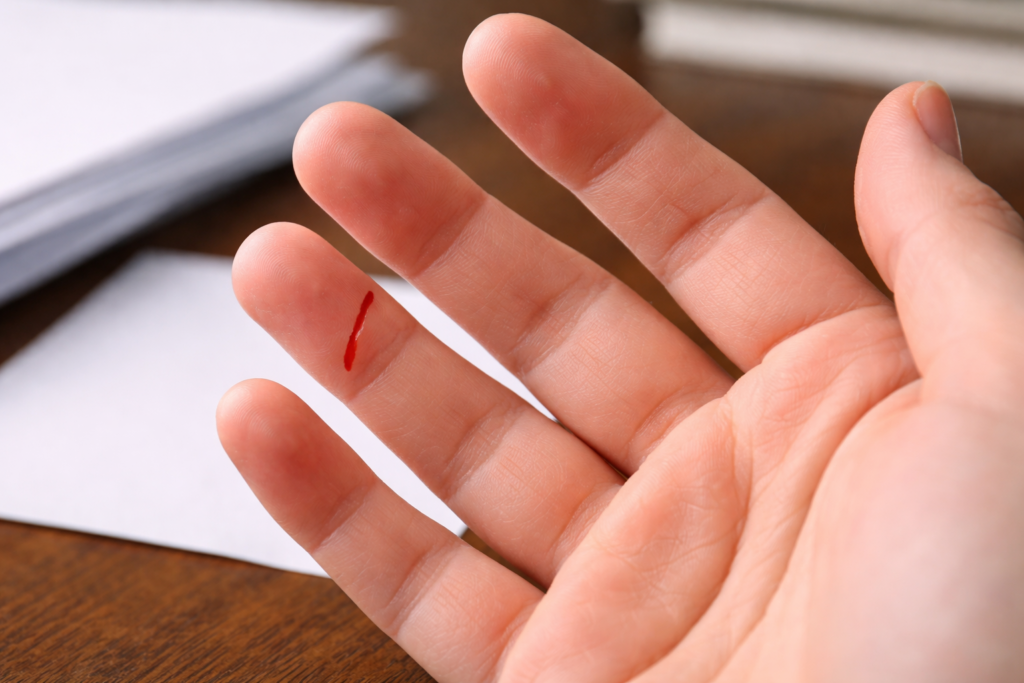
We have all been there, casually flipping through a magazine or opening a wedding invitation, only to feel that sudden, sharp sting that stops us in our tracks. A paper cut is a peculiar kind of betrayal because it comes from something so mundane and harmless looking as a sheet of white bond paper. While we might walk off a bruised shin or a scraped knee with a bit of grumbling, a paper cut seems to demand our absolute and undivided attention for hours.
This strange phenomenon remains a significant cultural touchstone because it represents a universal human experience of disproportionate consequences. It is a reminder that our bodies are incredibly sensitive instruments which are designed to protect us from even the most microscopic threats. Understanding the science behind this localized agony helps us appreciate the complex biological systems at play, whereas ignoring the mechanics only makes the next unexpected sting feel that much more unfair.
High Density Of Nerves
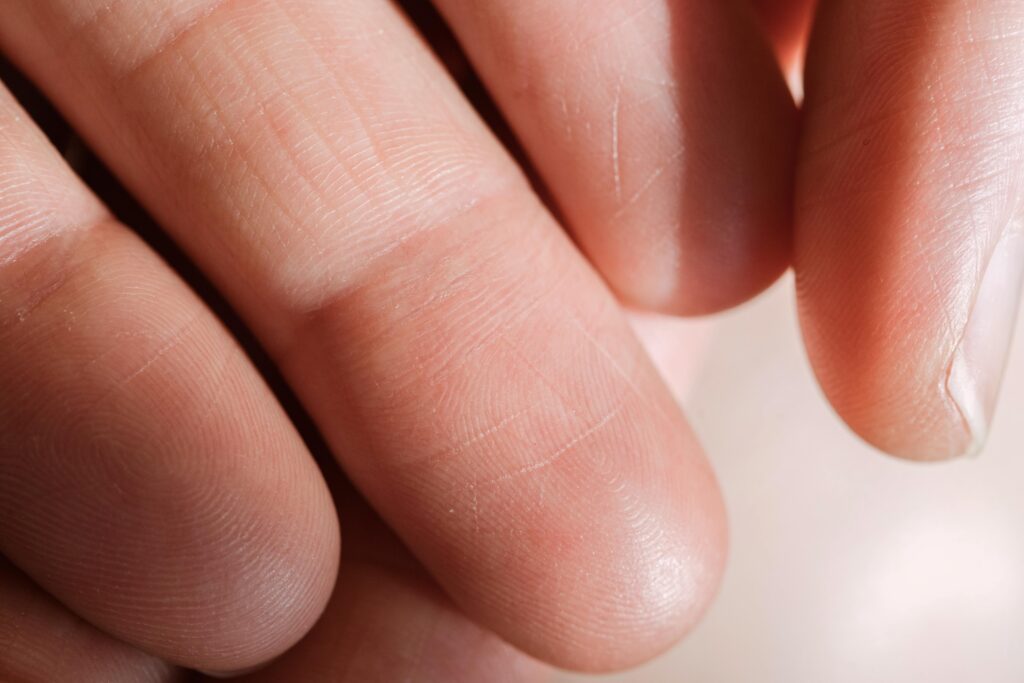
The primary reason a paper cut feels like a lightning bolt to the brain is the geography of your hands. Our fingertips are packed with a higher concentration of nociceptors than almost any other part of the body, which allows us to perform delicate tasks like buttoning a shirt or typing on a keyboard. These specialized nerve endings are designed to send immediate, high-priority signals to the brain to alert us to potential danger or damage.
When a piece of paper slices through this crowded neighborhood of sensors, it triggers an absolute alarm bell of activity. Because there are so many nerves packed into such a tiny surface area, the brain receives a massive amount of data from a relatively small injury. This density ensures that even the slightest breach of the skin is felt with maximum intensity, resulting in a sensation that feels far more significant than the physical mark would suggest.
Jagged Microscopic Edges
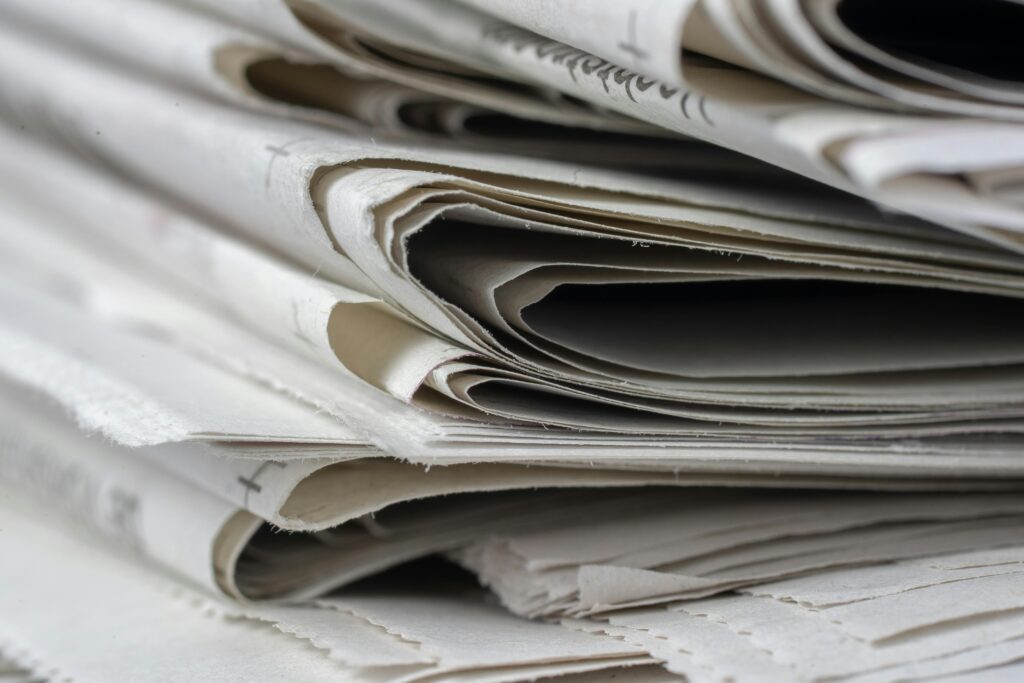
While a sheet of paper looks perfectly smooth and straight to the naked eye, its microscopic reality is far more menacing. If you were to look at the edge of a page under a high-powered lens, you would see a jagged and irregular surface that resembles a saw blade rather than a clean razor. This rough texture means that as the paper passes through your skin, it does not make a clean incision but instead tears and shreds the delicate tissue.
This sawing action causes significantly more trauma to the surrounding cells than a sharp metal blade would, which led to a more complex and painful healing process. The microscopic debris left behind by the wood fibers and chemicals in the paper also irritates the wound further. Because the cut is ragged and uneven, the nerve endings are left frayed and screaming, creating that signature burning sensation that defines the experience of a typical paper cut.
Shallow Wounds Stay Open
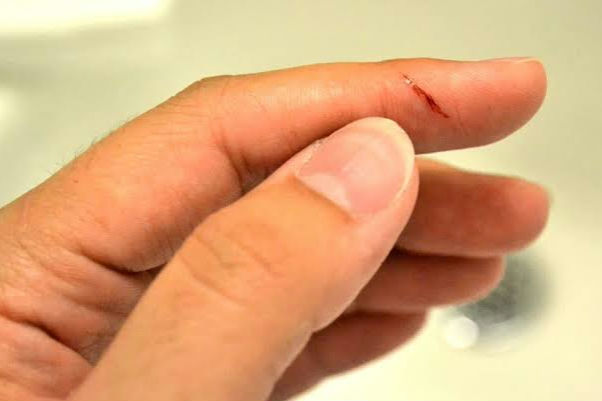
Most significant injuries penetrate deep into the flesh, but a paper cut is notoriously shallow, which is exactly why it hurts so much. When a wound is deep, the body initiates a robust clotting response that fills the gap with blood and eventually a protective scab. However, a paper cut is often just deep enough to slice the nerves but not deep enough to trigger a significant flow of blood to seal the area.
Without a thick layer of blood to provide a natural bandage, the damaged nerve endings remain exposed to the air. Every time you move your hand or a slight breeze passes over the cut, the nerves are stimulated all over again. This lack of protective covering means the wound stays “live” for a much longer period, resulting in a persistent and nagging pain that refuses to dull down like a deeper bruise or scrape might.
Constant Hand Movement

We use our hands for almost every interaction with the physical world, which makes the hands a terrible place to have an injury. Every time you reach for your phone, pick up a coffee mug, or type a message, the skin on your fingers stretches and pulls. Because a paper cut is located on these highly active surfaces, the wound is subjected to constant mechanical stress that prevents it from staying closed.
This repetitive motion effectively reopens the tiny wound hundreds of times throughout the day, whereas an injury on your forearm might stay still and heal in peace. Each tiny tug on the skin sends a fresh jolt of pain to the brain to remind you that the injury is still there. This constant cycle of irritation ensures that the pain remains fresh and sharp, making it nearly impossible to ignore the tiny slice during your daily routine.
Lack Of Protective Bleeding
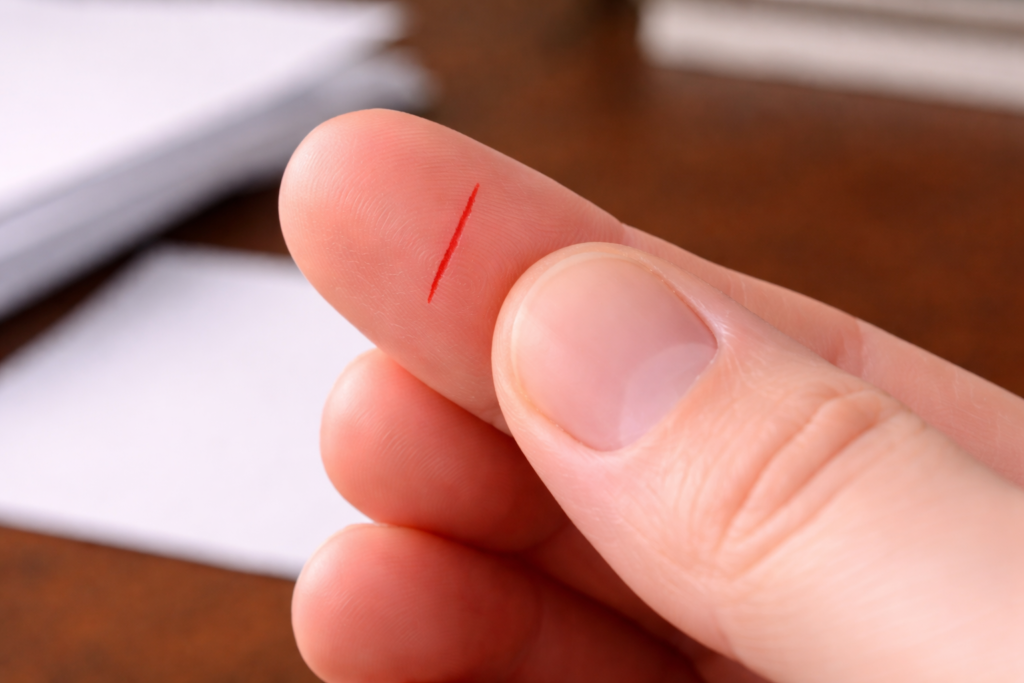
When you cut yourself with a kitchen knife, the resulting blood flow is actually a helpful part of the recovery process. Blood helps to wash out bacteria and debris, while the subsequent clotting creates a barrier against the external environment. In the case of a paper cut, there is often very little bleeding, which means the wound is not cleaned by the body’s internal irrigation system.
This lack of bleeding leaves the “sawdust” of the paper fibers and any surface bacteria trapped inside the shallow slit. Without the protective cushion of a clot, the raw nerves are directly subjected to the drying effects of the atmosphere and any irritants you touch. The result is a wound that feels “angry” and inflamed because it lacks the natural insulation that blood usually provides to more significant injuries.
The Brain Priority Shift
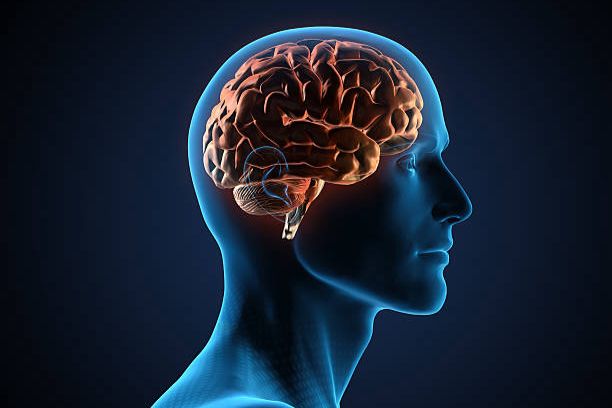
The human brain is wired to prioritize information coming from the hands and face, which are our primary tools for exploring the environment. In the somatosensory cortex, the area of the brain responsible for processing touch, the hands occupy a disproportionately large amount of space. This biological mapping means that a tiny stimulus on the fingertip is amplified significantly compared to the same stimulus on your back or thigh.
When you receive a paper cut, your brain treats it as a high-level emergency because of where it is located on your internal map. The evolutionary benefit of this was to protect our most important tools from infection or permanent damage. However, in the modern world, this means your brain reacts to a stationery mishap with the same intensity it might use for a much more dangerous threat, resulting in an agonizingly focused experience.
Chemical Irritants In Paper
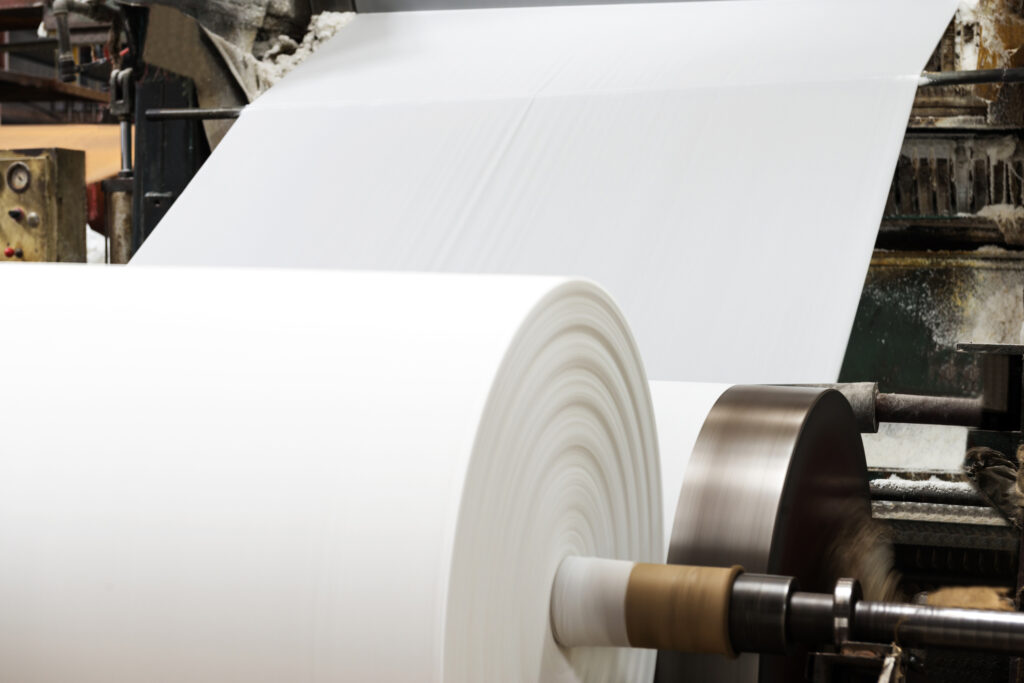
Paper is rarely just mashed wood pulp, most modern varieties are treated with a cocktail of chemicals to achieve specific colors and textures. Bleaches, sizing agents, and synthetic coatings are all present on that innocent-looking sheet of printer paper. When the jagged edge slices into your skin, these chemicals are deposited directly into the open wound and come into contact with your sensitive nerve endings.
These foreign substances act as irritants that can cause a localized chemical burn or inflammatory response. This adds a layer of stinging discomfort that goes beyond the mechanical damage of the cut itself, resulting in a lingering ache that can last for days. The body treats these chemicals as invaders, which led to an increase in sensitivity around the area as the immune system begins to react to the presence of the manufacturing residues.
Psychological Surprise Factor

There is a significant psychological component to the pain of a paper cut because it usually happens when we are in a relaxed or focused state. Unlike a sports injury where adrenaline might be pumping, a paper cut occurs during mundane tasks like filing or reading. This lack of preparation means the nervous system is caught completely off guard, which tends to amplify the perceived intensity of the sudden sharp sting.
The cognitive dissonance of being “attacked” by a piece of paper also plays a role in how we experience the pain. We expect a certain level of hurt from a heavy fall or a hot stove, whereas we expect paper to be harmless. When that expectation is shattered by a sudden jolt of agony, our focus narrows entirely onto the finger. This mental hyper-fixation makes the sensation feel all-encompassing, whereas a more expected pain might be processed with more emotional distance.
Evolutionary Warning Signals
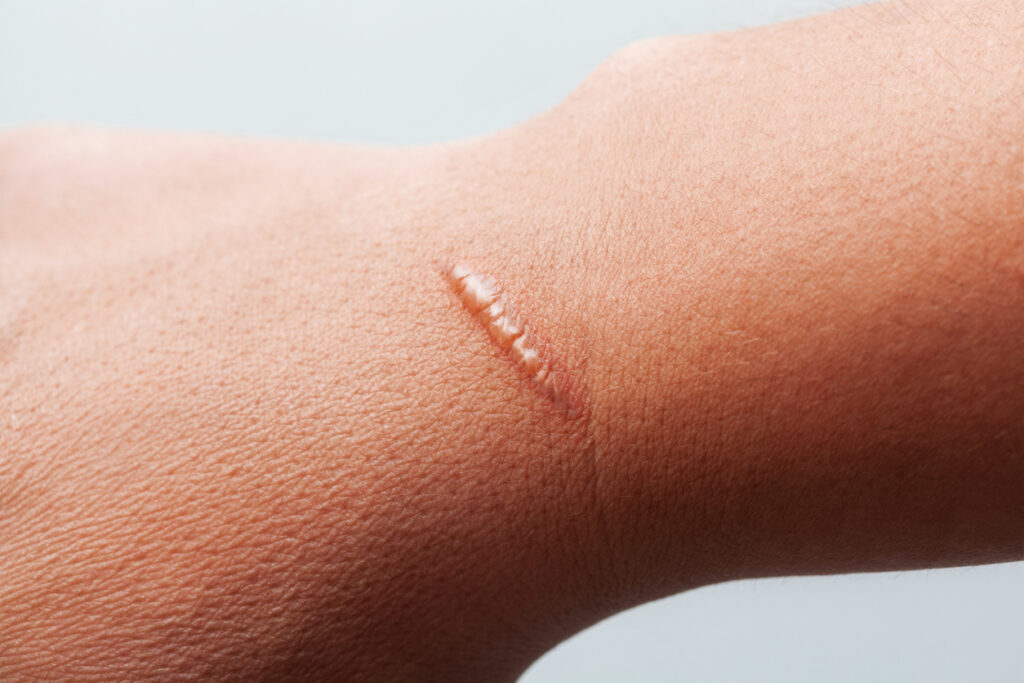
From an evolutionary perspective, our skin is our primary suit of armor, and any breach is a potential entry point for life-threatening infections. Small, shallow cuts are particularly dangerous in the wild because they are easy to overlook and do not always trigger the heavy immune response seen in larger wounds. Consequently, humans may have evolved to find these small nicks exceptionally irritating to ensure we take notice and clean the area.
The intense pain serves as a persistent reminder to protect the hand and keep the wound clean until it has fully sealed. If a paper cut didn’t hurt, we might continue to use our hands in dirty environments without a second thought, resulting in a much higher risk of sepsis or localized infection. The “overreaction” of our nervous system is actually a highly effective survival strategy that has kept our ancestors safe from the invisible world of microbes.
The Difficulty Of Bandaging
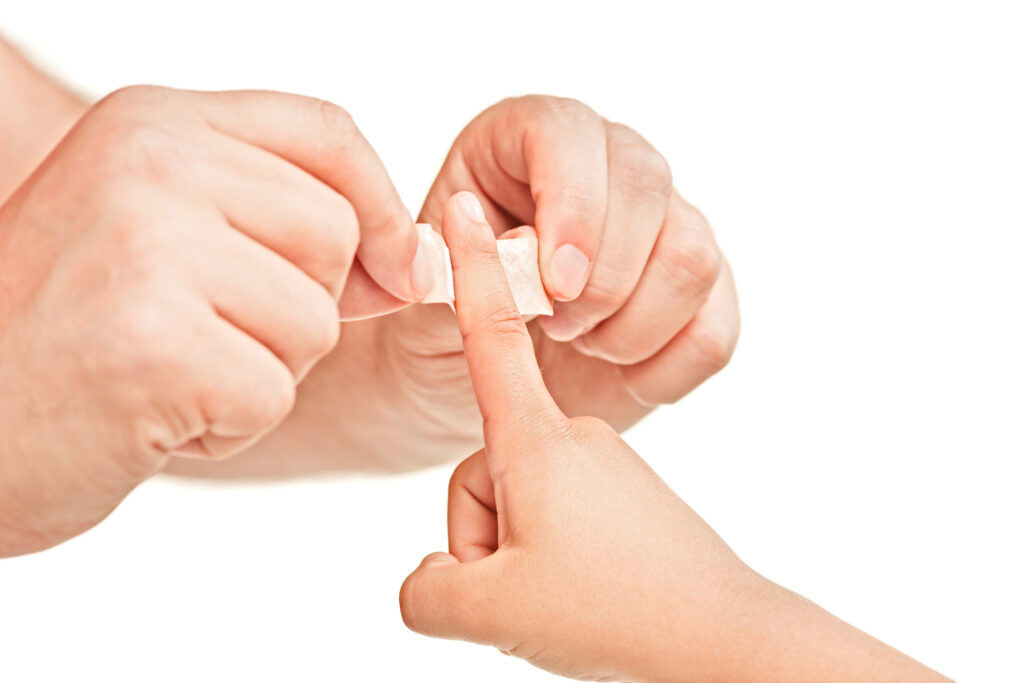
Part of the misery of a paper cut is the logistical nightmare of treating it properly. Because they usually occur on the tips or joints of the fingers, standard bandages rarely stay in place or provide a comfortable fit. A bandage that is tight enough to stay on often cuts off circulation or makes the finger feel clunky, whereas a loose one simply slides off the moment you try to use your hand.
This struggle often leads people to leave the cut uncovered, which only prolongs the exposure of the nerves to the air and further irritation. Even if you manage to secure a dressing, the adhesive can pull on the skin and cause its own set of minor discomforts. This ongoing battle to protect a wound that is almost too small to see adds to the frustration and perceived severity of the entire experience. The disproportionate agony of a paper cut reveals the complexity of the human nervous system and our evolutionary history.


