
Your Body Already Knows The Time

It is a common morning mystery: you are sound asleep, only to pop your eyes open at 6:58 AM, exactly two minutes before your 7:00 AM alarm is set to blast. While it feels like a weird superpower, it is actually your brain’s way of being incredibly efficient. Scientists have found that our bodies are masters of anticipation, often preparing for the day long before we consciously realize it. This phenomenon isn’t just a lucky break; it’s a sophisticated biological process that involves your hormones, your habits, and even your subconscious thoughts working in perfect harmony to ensure you don’t oversleep.
This internal timing sits at a cool intersection of biology and psychology. Your brain isn’t just idling while you snooze; it is constantly tracking your environment and predicting what happens next. By understanding these biological triggers, we get a fascinating look at how the human body fine-tunes itself to match our daily lives. Whether it is the light in the room or the stress of a big meeting, your internal systems are always one step ahead.
Your Body Clock
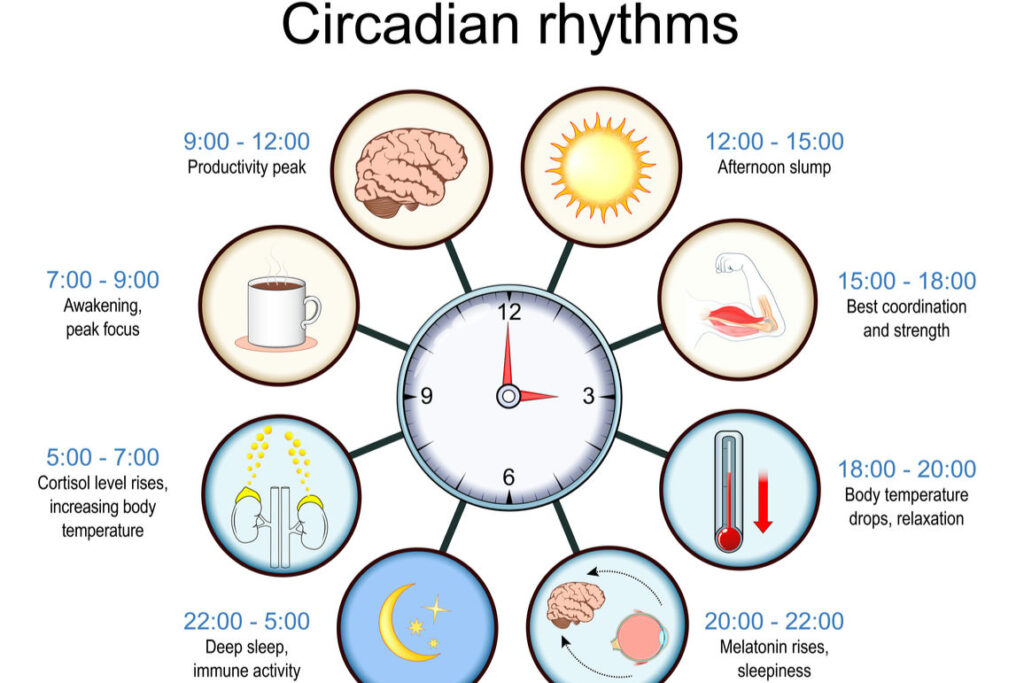
Every human has an internal timekeeper known as the circadian rhythm. This 24-hour biological cycle is managed by the suprachiasmatic nucleus, a tiny region in your brain that reacts to light cues. When the sun goes down, it tells your body to produce melatonin so you can sleep; when it rises, it signals that it is time to get moving. If you have been waking up at the same time for years, your body clock actually memorizes that schedule. It is a learned biological response that helps you transition from deep sleep to being fully awake without a jarring noise.
Research has shown that people with a consistent sleep-wake schedule, meaning they go to bed and wake up at the same time every day, have much more accurate internal clocks. When your routine is predictable, your brain starts the “wake-up process” at the exact same time each morning. This is why you might find yourself awake at 6:30 AM on a Saturday even though you planned to sleep in. Your body doesn’t know it’s the weekend; it just knows its usual 24-hour cycle.
Cortisol Rise
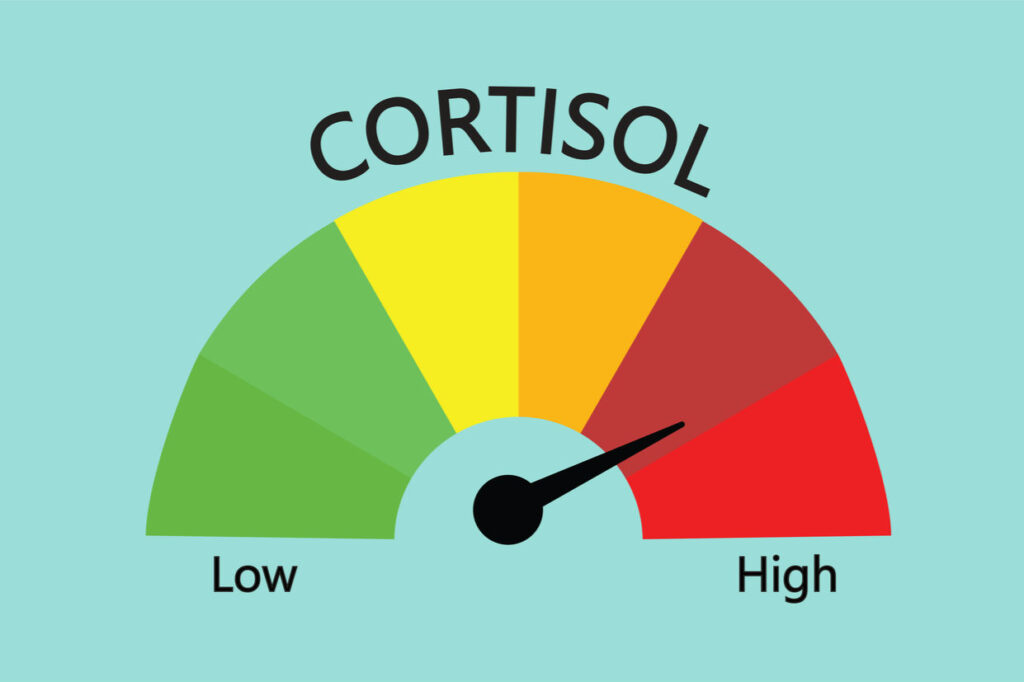
One of the main reasons you might beat your alarm clock is a hormone called cortisol. While many people recognize cortisol as the “stress hormone,” it actually plays a vital role in your morning energy levels. Scientists have identified something called the Cortisol Awakening Response, where your body begins to flood your system with this hormone about 30 to 60 minutes before you actually wake up. This process acts like a natural “power-on” switch for your internal systems, slowly increasing your blood pressure and body temperature so you aren’t caught off guard by the day.
This spike in cortisol is your body’s way of prepping for the demands of your to-do list. By the time your alarm is set to go off, your cortisol levels are already peaking, which is why you often feel alert enough to open your eyes just moments before the beeping starts. Your body isn’t reacting to the sound; it’s actually finishing a chemical process that started an hour ago. It is a brilliant survival mechanism that ensures we are ready to face the world, with enough energy and mental clarity to get through our morning commute.
Anticipation Effect

Your brain is incredibly proactive, especially when it knows you have something important on the horizon. If you have a 6:00 AM flight on June 12, 2026, or a big job interview, your brain recognizes the stakes and stays in a state of “high alert” throughout the night. This mental anticipation triggers the release of adrenocorticotropic hormone (ACTH) earlier than usual. ACTH is what tells your adrenal glands to produce more cortisol, effectively creating a biological backup plan to ensure you don’t miss your wake-up call.
This effect is particularly strong when you are emotionally invested in your schedule. Studies have shown that when people are told they need to wake up early for a specific task, their bodies begin the chemical wake-up process much earlier than on a normal day. This explains why you might wake up at 4:00 AM without any help when you’re excited about a vacation. Your brain is essentially “monitoring” the time while you sleep to make sure everything goes according to plan.
Learned Routine

Habits are the foundation of your sleep health, and your body loves a good routine. If you have been waking up for work at 7:00 AM for several months, your body begins to treat that specific time as a fixed biological landmark. This is a classic form of conditioning. Just like Pavlov’s dogs salivated at the sound of a bell, your body starts its internal “boot-up” sequence because it knows the 7:00 AM mark is approaching. Eventually, the external alarm becomes redundant because your internal systems have already completed the work.
When your daily habits are consistent, your body trusts the timing. However, even small changes to your routine can throw this balance off. If you stay up late one night or change your alarm time frequently, your internal clock gets confused and stops trying to predict when you should wake up. This is why “weekend jet lag” is so real, changing your wake-up time by just two hours can disrupt the conditioning your body worked hard to build.
Light Sensitivity

Light is the most powerful external cue for your internal clock. Even through closed eyelids, your brain can detect subtle shifts in the brightness of your room. As the sun begins to rise, the light hitting your skin and eyes sends a signal to the pineal gland to stop producing melatonin, the hormone that keeps you in a deep slumber. This natural decrease in melatonin, paired with an increase in alertness, often nudges you into a lighter stage of sleep right before your alarm is scheduled to ring.
This sensitivity is why many people find it easier to wake up during the summer months when the sun rises earlier. If you use “blackout curtains,” you might find yourself relying more on your alarm because your brain isn’t receiving those natural light signals. On the flip side, if you have thin curtains, your body is likely responding to the gradual brightening of the sky as a signal that the day has started.
Sleep Cycles
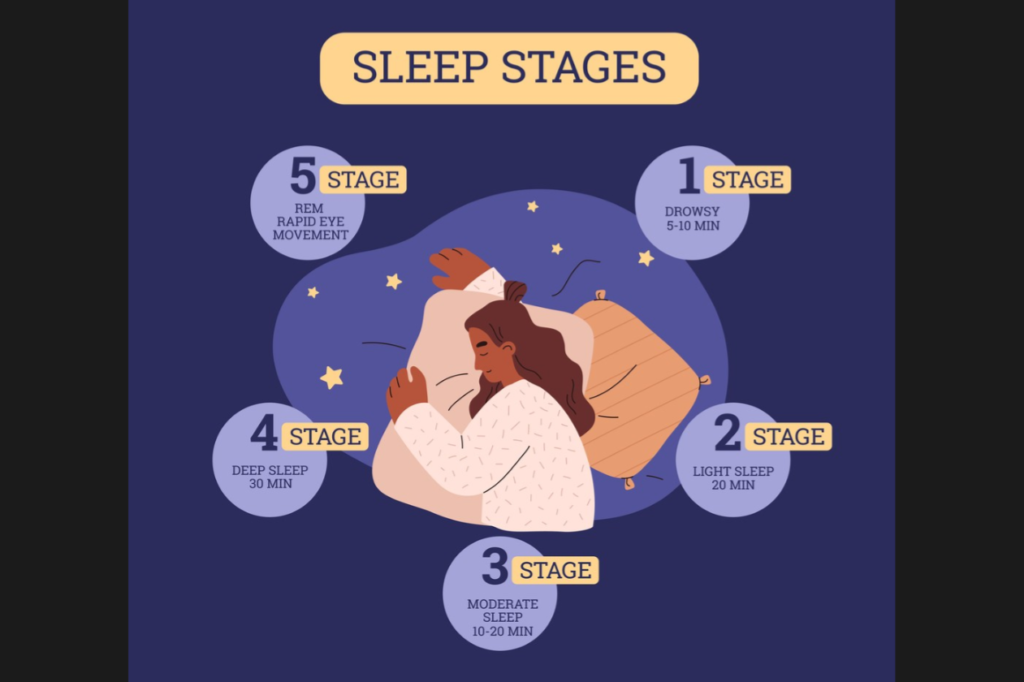
Sleep isn’t just one long, flat experience; it happens in stages. Every night, you move through cycles that last roughly 90 minutes, transitioning from light sleep to deep sleep and finally to REM (Rapid Eye Movement) sleep. Waking up feels great if you do it at the end of a cycle when you’re already in a light stage of sleep. If your alarm happens to be set for a time that aligns with the natural end of a 90-minute cycle, your body will naturally start to drift toward wakefulness just before the sound starts.
If you have ever felt incredibly “groggy” after an alarm, it’s usually because you were jolted out of a deep sleep stage in the middle of a cycle. Your body tries to avoid this by timing your wake-up for a lighter phase whenever possible. This is why you might wake up feeling refreshed at 6:45 AM, even though your alarm is set for 7:00 AM. In those fifteen minutes, your body completed its final cycle and decided it was the perfect time to get up.
Stress Signals

While we usually think of stress as a bad thing, it can actually be a very effective alarm clock. When you are worried about a deadline or a big event, your body remains in a slightly more alert state throughout the night. This isn’t just “tossing and turning”, it’s a physiological shift. Stress increases your heart rate and keeps your cortisol levels higher than normal, which often results in you waking up earlier than you intended. It’s your body’s way of saying, “Hey, we have a lot to do today, let’s get a head start!”
In small doses, this “stress waking” can be helpful for meeting important deadlines. However, if you are constantly under pressure, your body might start waking you up hours before your alarm, which can lead to exhaustion. Chronic stress disrupts the natural balance of your sleep-wake cycle, making it harder for your body to find a calm rhythm. If you find yourself waking up early and feeling anxious rather than refreshed, it might be a sign that your body is overstimulated.
Brain Activity
Even when you are deep in dreamland, your brain is surprisingly busy. It spends the night processing your memories, cleaning out cellular waste, and, interestingly, keeping a loose track of time. Researchers believe that the brain uses various internal signals to estimate how long you have been asleep. This isn’t a conscious “counting,” but rather a background process that monitors your physiological state. As morning approaches, your brain activity shifts, preparing your mental faculties to move from the world of dreams back into reality.
This background processing is what allows your brain to gently pull you out of sleep at just the right moment. It’s almost like your brain is running a countdown timer in the background of your mind. If your routine is solid, your brain becomes very good at hitting the “zero” mark right before your alarm does. It shows that even when we are totally unconscious, a part of us is still looking out for our schedule and making sure we stay on track.
Hormone Balance
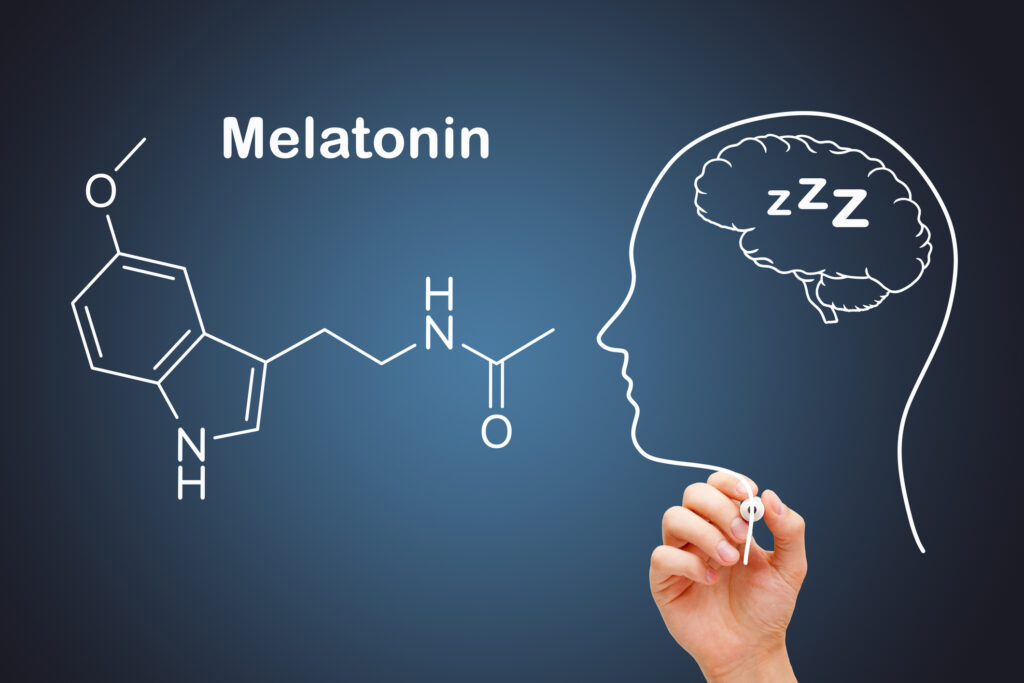
The transition from sleep to wakefulness is like a carefully choreographed dance between different hormones. As the night ends, your levels of melatonin, the hormone that helps you stay asleep, start to drop significantly. At the same time, cortisol and adrenaline begin to rise. This shift creates a natural “bridge” between being asleep and being awake. When these hormones are perfectly balanced, the transition happens so smoothly that you often wake up naturally and calmly just before your alarm goes off.
However, many things can knock this delicate balance out of whack. Things like looking at a blue-light screen late at night or having a caffeine boost in the late afternoon can interfere with your melatonin production. If your hormone levels aren’t where they should be, waking up can feel like a total struggle, and you’ll find yourself hitting the “snooze” button repeatedly.
Consistency Matters

If there is one “magic trick” to waking up feeling great, it is consistency. Your internal clock thrives on predictability. When you wake up at the same time every single day, yes, even on Sundays, you are training your brain and your hormones to follow a specific pattern. Over time, your body internalizes this schedule so deeply that it starts the wake-up process automatically. This is why many people who have worked the same job for decades find they don’t even need an alarm clock anymore; their bodies have become the clock.
On the other hand, an irregular schedule is the fastest way to confuse your system. If you wake up at 6:00 AM on Monday but sleep until 10:00 AM on Saturday, your circadian rhythm never gets a chance to settle into a groove. This leads to that “foggy” feeling where you’re awake but your brain hasn’t quite caught up yet. By prioritizing a steady routine, you allow your body to take the lead. Eventually, waking up right before your alarm becomes a sign of a healthy, well-regulated system that is perfectly in sync with your life.


