
1. A Fixed Place for a Fixed Phone
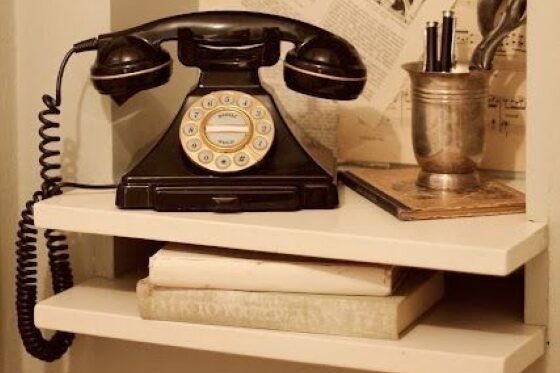
It’s funny to think about now, but there was a time when phones didn’t travel with us from room to room. They stayed put, usually in one central spot in the house. That’s where the wall niche came in, giving the phone a dedicated home that felt intentional rather than in the way. It kept the device accessible without cluttering up a table or counter, which made everyday life feel a little more organized.
In many homes, this spot became part of a daily rhythm. You’d pass by, check for messages, maybe jot something down, or pause for a quick call. According to historical home design notes, “early residential telephones were typically installed in a single, central location to serve the entire household,” which made a built-in space not just helpful but necessary. Over time, the niche blended into the home’s character, becoming something people didn’t think twice about but used constantly. It’s a small reminder of when communication was shared, stationary, and a bit more deliberate.
2. Keeping Cords Neat and Tidy
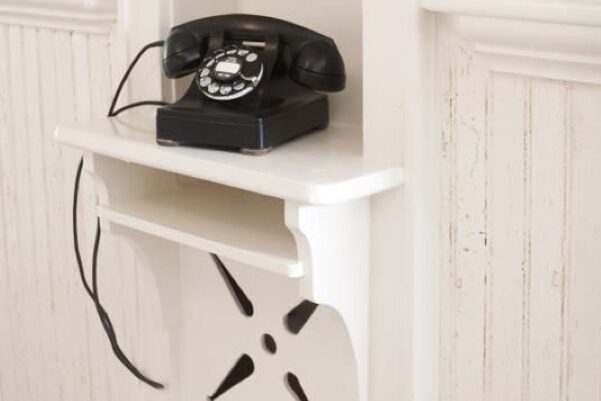
Anyone who has dealt with tangled cords knows how quickly things can look messy. Early telephones came with wires that weren’t exactly easy to hide, and leaving them draped across surfaces could make a space feel cluttered. The wall niche helped solve that problem in a simple, practical way by containing the phone and its cords in one neat area.
Builders often designed these niches with just enough depth to tuck everything in without it sticking out awkwardly. Some even included small holes or openings for cords to pass through cleanly. As one home restoration guide puts it, “built-in telephone alcoves helped conceal wiring while maintaining easy access,” which made them both functional and visually pleasing. It’s the kind of quiet design choice that doesn’t draw attention to itself but makes a space feel more put together. Looking back, it’s easy to appreciate how something so small could make such a noticeable difference in everyday living.
3. A Built-In Spot for Notes and Messages
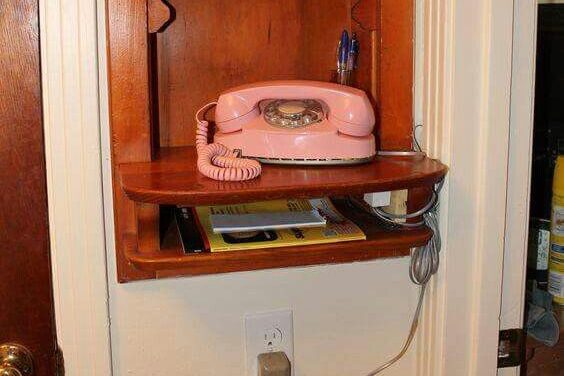
Back when voicemail wasn’t an option, missed calls often meant scribbled notes left for someone else in the house. Phone niches often included a small shelf or ledge where a notepad and pen could live, making it easy to jot down messages on the spot. It turned that little wall space into a mini communication hub for the entire household.
You can almost picture it, a quick note written in a hurry, a reminder to call someone back, or a number carefully copied down. Some designs even added a small drawer or cubby for extra paper or directories. As noted in vintage home descriptions, “telephone niches frequently doubled as message centers, complete with shelves for directories and writing tools.” It wasn’t fancy, but it worked beautifully. That simple setup made sure important details didn’t get lost, and it gave everyone in the house a shared place to stay connected in a slower, more intentional way.
4. Designed Around Daily Life
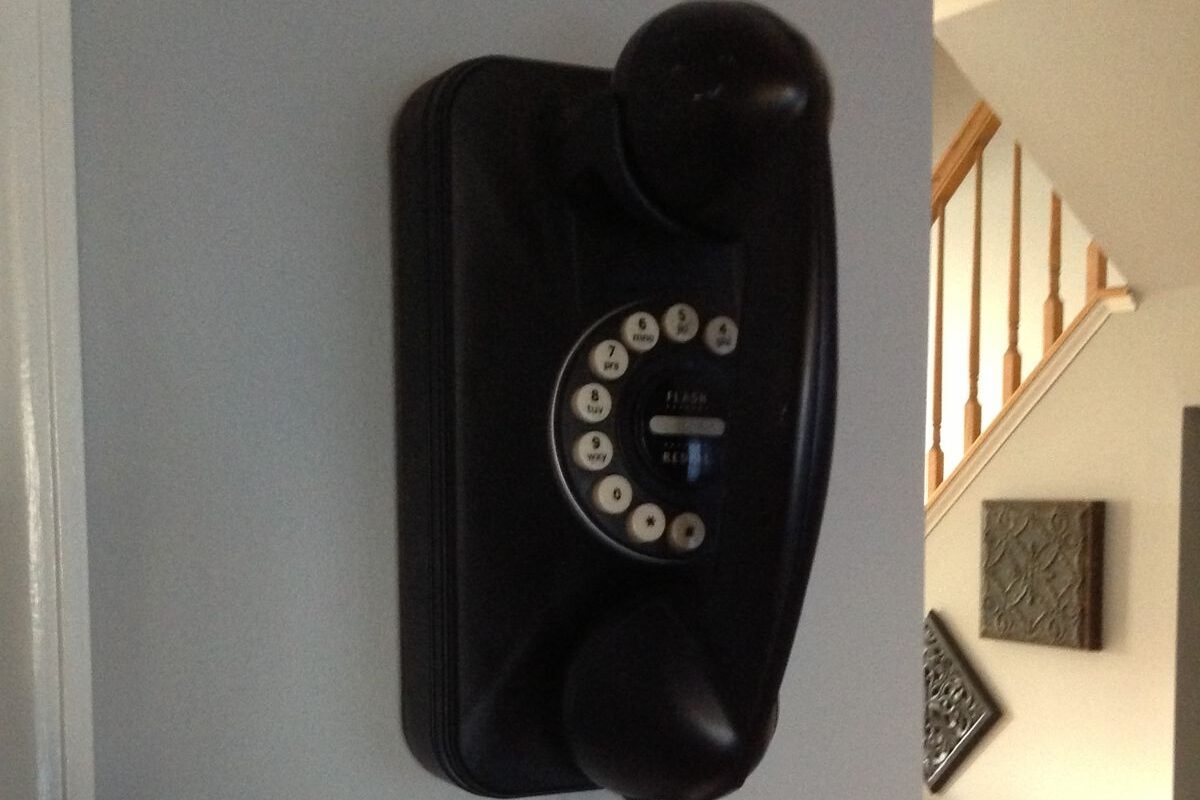
Older homes were often built with very specific daily habits in mind, and the phone niche is a perfect example of that. Instead of adapting a space to fit a device later, builders created a space specifically for it from the start. It reflects a time when home design followed routines closely, rather than trying to accommodate ever-changing technology.
The placement of these niches was rarely random. They were often located in hallways, kitchens, or near living areas, places where people naturally gathered or passed through often. Architectural references note that “these built-ins were positioned for convenience, typically in high-traffic areas of the home.” That thoughtful placement meant you didn’t have to go out of your way to answer a call or leave a message. It all felt natural, almost effortless. It’s a quiet reminder that good design doesn’t always need to be complicated, it just needs to understand how people actually live.
5. A Touch of Character That Still Stands Out
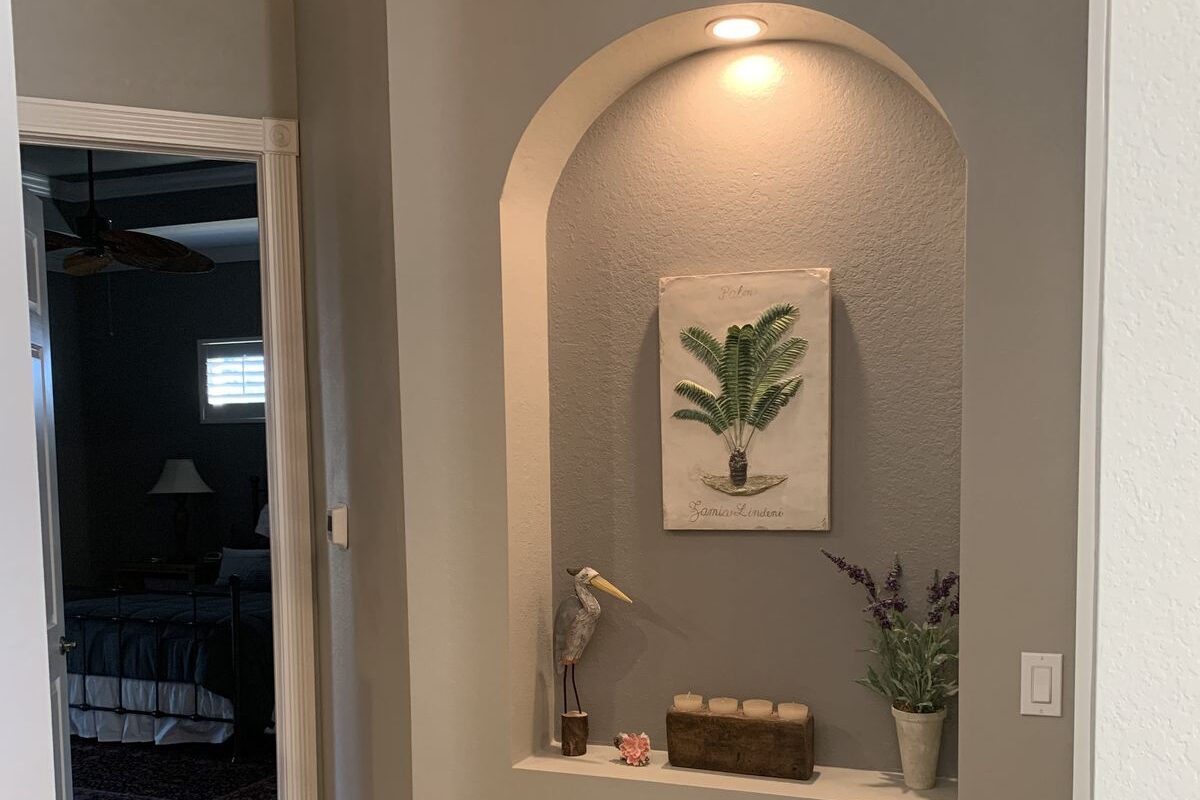
Even though we no longer need a fixed place for a home phone, those wall niches still catch the eye. They’ve become part of what gives older homes their unique personality. Some people repurpose them for décor, small plants, or books, while others leave them as they are, a small window into the past.
What’s interesting is how something once purely functional can turn into a design feature people appreciate years later. As preservation enthusiasts often say, “original built-ins add charm and tell the story of how a home was used over time.” That’s exactly what these niches do. They remind us of a slower pace, when communication was shared, and spaces were designed with care. And calmly, they still do their job, holding something meaningful, even if it’s no longer a telephone.
6. When One Phone Served Everyone

It might feel strange now, but once, a single phone connected an entire household, and sometimes even more than one household. Everyone shared that one line, so the phone niche wasn’t just a convenient spot, it became a shared hub. When the phone rang, it was everyone’s business. You’d hear someone calling out who it was for, or maybe wait your turn if another family member was already on the line. That little wall recess made it easy for everyone to know exactly where the phone lived and kept things fair.
This communal approach shaped daily life. Calls were more deliberate because you couldn’t just grab a device and wander off. The niche made the phone accessible but also subtly enforced a rhythm in the household. Historians note that early home telephones “functioned as communal devices rather than personal ones,” and that placement mattered. The niche kept the phone in a consistent spot, easy to find, easy to use, and impossible to ignore. It’s a reminder of a time when communication was more intentional, and the small shared space created a gentle sense of togetherness.
7. A Safe Spot Away from Daily Clutter
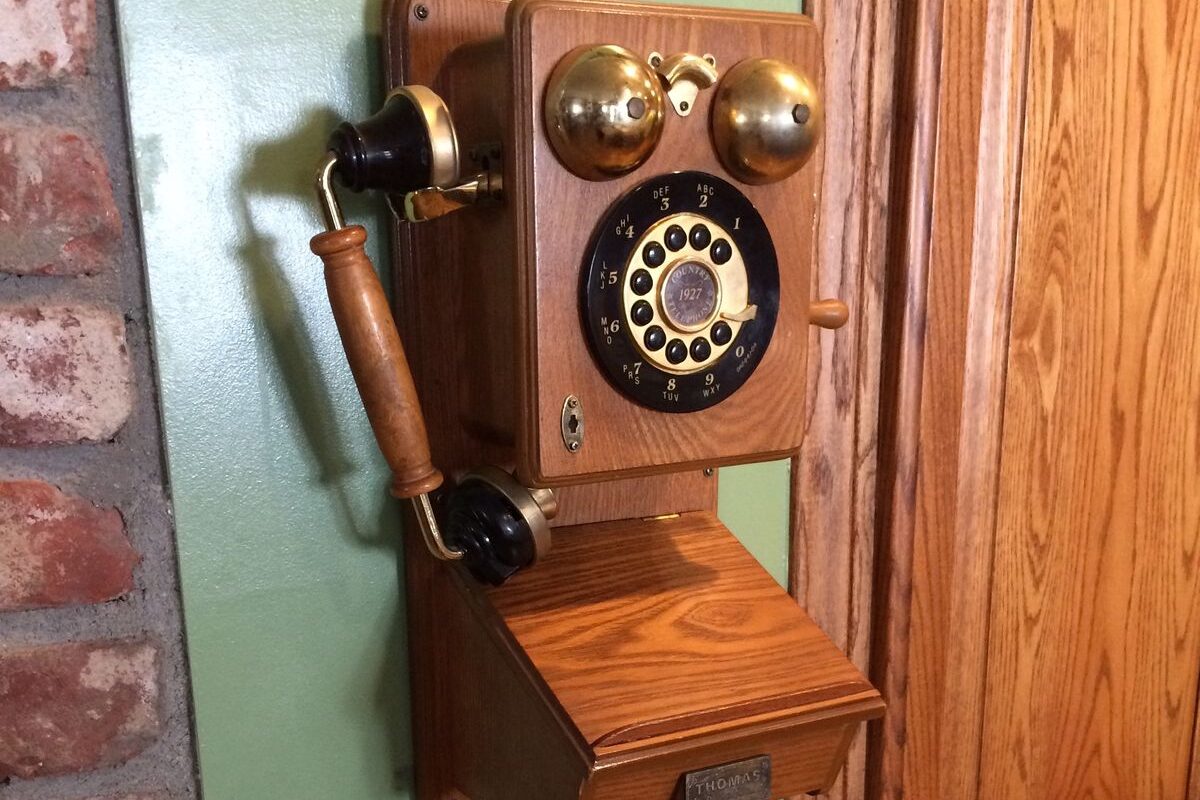
Life in a busy household can get messy fast, and early telephones weren’t exactly fragile, but they did need protection. The wall niche provided a safe little home, keeping the phone off counters, tables, or other crowded surfaces. That small recess created a sense of order without anyone having to think twice about it. No one had to move the phone to make room or risk knocking it over because it already had its own proper spot.
Built-in features like this were practical design choices that quietly improved daily life. Many guides to older homes note that “built-in elements reduce clutter while keeping frequently used items accessible.” The phone niche did exactly that: it was protective, practical, and simple. Even today, when people repurpose these spaces for small décor items or mail, the same sense of intentionality shines through. The niche continues to quietly support the organization, a little functional pause in an otherwise hectic household, showing that even small design choices can have a lasting impact.
8. Reflecting the Technology of the Time
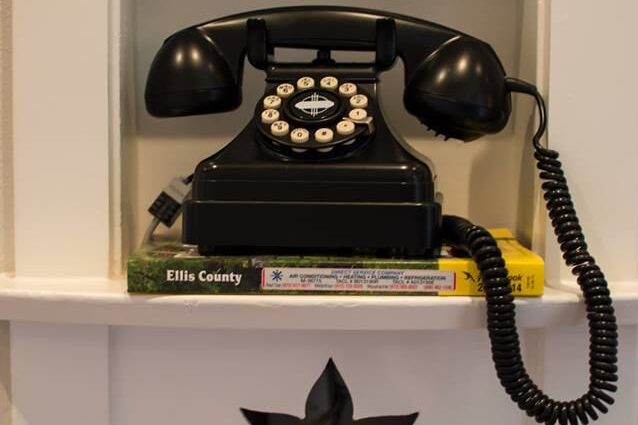
Every era leaves its mark on home design, and phone niches are a clear reflection of the technology people used. Early phones weren’t small or portable; they came with cords, wall jacks, and a need for stability. The niche wasn’t just decorative; it was a structural solution. Builders created the space specifically to house the phone, keeping cords out of the way and providing a spot that made sense for both the user and the home’s flow.
Designers and historians note that “residential features often evolved alongside the technologies they were meant to support.” The phone niche is a perfect example. Its placement, size, and depth were intentional, made to fit the device perfectly while integrating seamlessly into the wall. As technology evolved, phones became mobile and wireless, and the niche lost its original purpose. Yet the structure remained, a quiet architectural nod to how homes once adapted thoughtfully to the tools people relied on every day. It reminds us that design often follows function, even in the smallest details.
9. A Natural Pause in the Day

Picking up a phone from a wall niche created a moment of pause, a tiny break from the rhythm of the house. You had to stand in that spot, focus on the call, and be present for whoever was on the line. It wasn’t a retreat, but it naturally slowed things down. In a busy home, it was one of those small, deliberate rituals that made life feel a little more grounded.
Fixed communication points like these encouraged intentional conversations, a contrast to the constant multitasking we’re used to today. Observers of mid-century homes note that “designated telephone areas fostered meaningful interactions and subtle routines.” You weren’t grabbing the phone while doing everything else; you were standing in one spot, engaged, even if only for a couple of minutes. That pause was brief but meaningful, and the niche played a key role in creating it. It’s one of those little details that shows how thoughtful design can influence behavior without being obvious, shaping daily life in quiet, human ways.
10. Still Useful, Just in New Ways

Even though phones no longer need a fixed wall space, the niches haven’t lost their value; they’ve just evolved. Today, they often hold keys, small plants, mail, or decorative items. Some people leave them empty, appreciating the sense of history they bring. The space remains useful because it was always meant to serve daily routines, even if those routines have changed.
What’s beautiful is how these niches carry both charm and function forward. Preservation guides often highlight that “older features gain new purpose without losing their original character,” which is exactly what these spaces do. They remind us of a slower, more intentional time while still blending into modern life. The niche may no longer hold a telephone, but it continues to hold something meaningful, a small place of organization, a spot for attention, or a touch of personality in a home. It’s a quiet testament to thoughtful design, proving that even simple ideas can last for generations. Next time you see one, pause a moment, it’s more than just a hole in the wall; it’s history, still quietly useful.


