
Rice
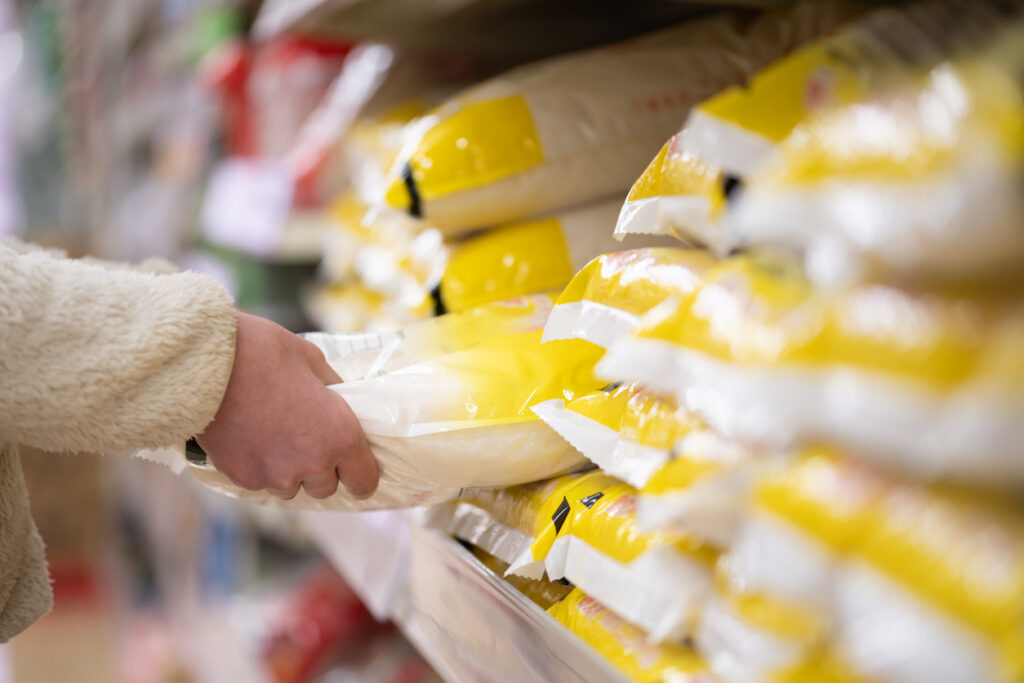
When it comes to filling up your pantry, rice is one of those items where you really shouldn’t pay for a fancy logo. Whether you’re grabbing a bag of long-grain white rice or a fragrant basmati, the store-brand version is usually the exact same grain you’d find in a name-brand bag. Since rice is a basic crop, there isn’t much a big company can do to make their version worth double the price of the store’s version.
Most home cooks find that their stir-fry or side dishes turn out perfectly every time using the generic stuff. In fact, price comparisons throughout 2025 showed that store-brand rice consistently offers the best value per pound. If your family eats rice a few times a week, making this small switch is a great way to keep your budget on track. It’s a reliable, “set it and forget it” way to save money while keeping your meals just as hearty and delicious.
Pasta
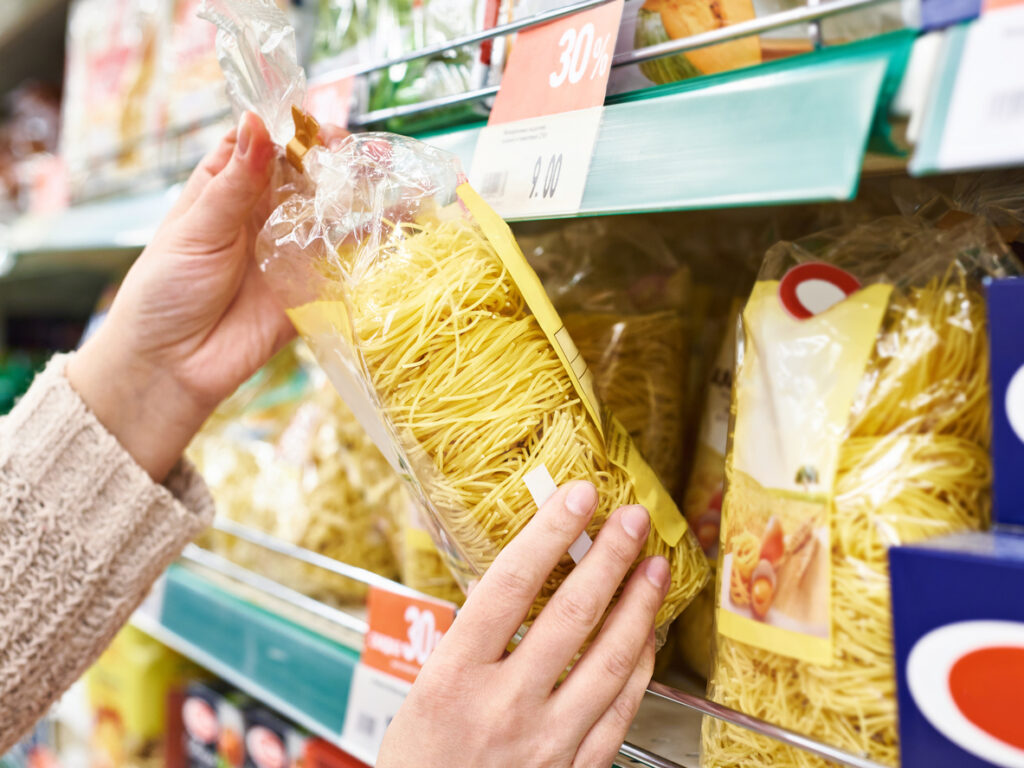
If you’re looking to trim your grocery bill without changing your Friday night dinner plans, store-brand pasta is a total no-brainer. Since basic noodles are really just a simple mix of wheat and water, there isn’t much room for a “secret recipe” to justify a higher price. Most shoppers find that whether they are boiling up spaghetti or rotini, the taste and texture are identical to the big-name boxes.
The real magic happens at the cash register, where generic pasta is almost always the budget-friendly winner. While national brands spend millions on fancy commercials and colorful boxes, the store version keeps things simple. In 2024, many families discovered that switching to private-label pasta can save them 20% to 40% annually on this pantry staple. It’s an easy win that lets you put that extra money toward a better jar of sauce or some fresh Parmesan cheese.
Flour
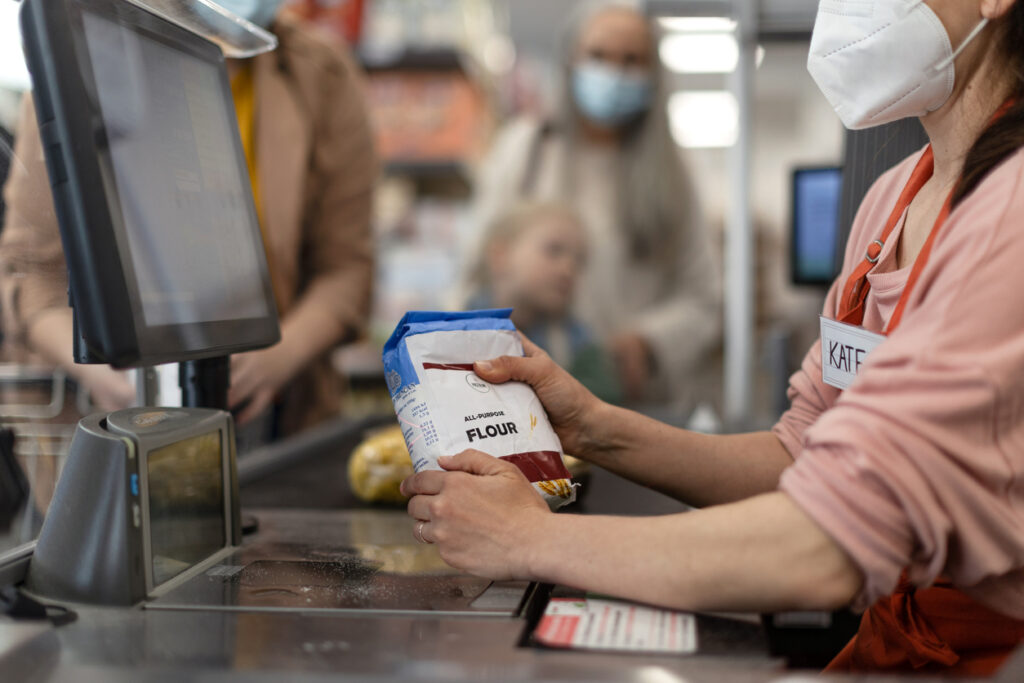
If you love spending your weekends baking cookies or fresh bread, you know how quickly a bag of flour can disappear. Choosing a five-pound bag of store-brand flour is a smart move because, at its core, flour is a very straightforward product. It’s all about consistent milling, and store brands have to meet the same high standards as the famous names you see on TV. You’re getting the same foundation for your recipes without the “brand name tax.”
Many pro bakers and hobbyists alike have realized that generic all-purpose flour performs beautifully in everything from fluffy pancakes to crusty sourdough. Reports from early 2026 suggest that shoppers can save a significant amount each year just by opting for the store’s own label. Since the results in the oven are exactly the same, there’s no reason to spend more. It’s a simple kitchen hack that keeps your canisters full and your wallet a little heavier.
Sugar

Sugar is one of the most basic commodities in the world, and there is almost no difference between the expensive bags and the store-brand ones. Because the production process for granulated sugar is so standardized, the “premium” you pay for a national brand is usually just covering their advertising costs. When you pour it into your coffee or mix it into a cake batter, your taste buds definitely won’t be able to tell the difference.
For families who do a lot of holiday baking or sweeten their own iced tea, these savings really start to add up over the months. In price checks performed during the 2025 holiday season, store-brand sugar was frequently cited as one of the best ways to cut costs on baking supplies. It’s a reliable, safe swap that ensures your treats stay just as sweet while your grocery total stays a lot lower. Why pay for the label when the product inside is identical?
Oatmeal
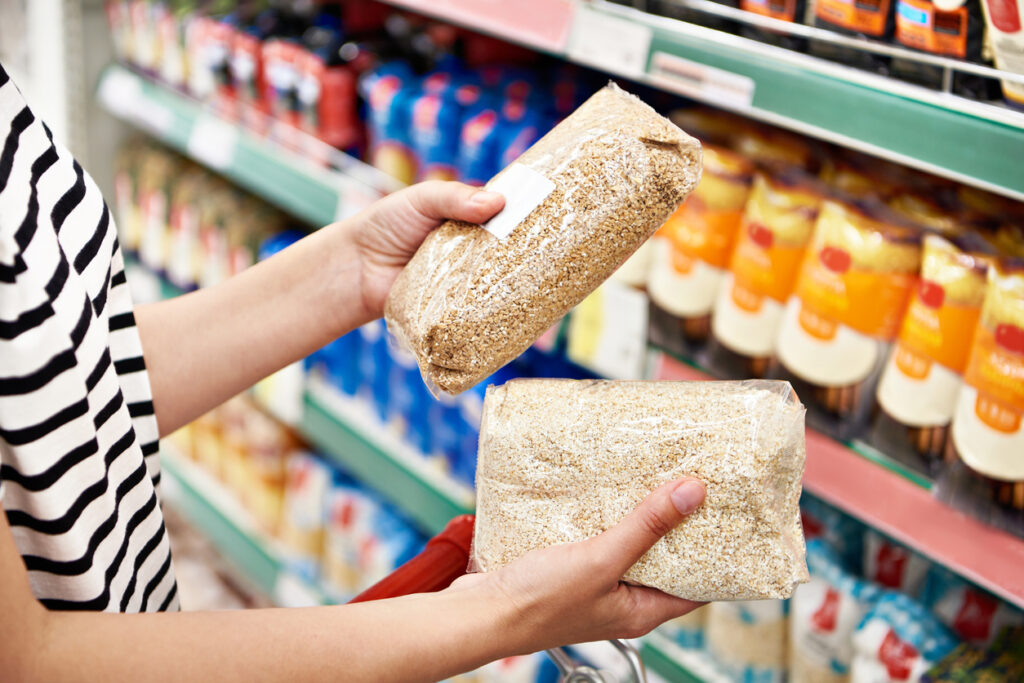
Starting your morning with a warm bowl of oats is a healthy habit, but it shouldn’t have to be an expensive one. Store-brand rolled oats or “old-fashioned” oats are typically much cheaper than the big-name canisters, even though they are virtually the same thing. Since oats are sold with very few additives or extra processing, the store-brand version delivers that same chewy texture and heart-healthy fiber you expect for breakfast.
In blind taste tests conducted over the last few years, most people couldn’t distinguish the generic oats from the ones with the famous mascot. Whether you’re making overnight oats, baking oatmeal cookies, or just a quick morning bowl, the store version holds up perfectly. By making the switch in 2026, you can enjoy a filling, nutritious breakfast every day for a fraction of the cost. It’s a small adjustment that makes your morning routine feel a lot more sustainable for your budget.
Spices
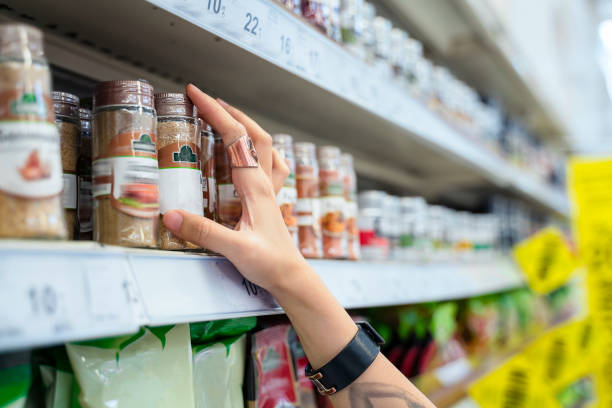
Updating your spice rack can get surprisingly expensive, but opting for store-brand seasonings is a total game-changer for your budget. Whether you need a jar of cinnamon for baking or a packet of taco seasoning for Tuesday night dinner, the generic versions often use the same ingredients as the pricey brands. While the glass jars might look a little different, the flavor inside is what counts, and most home cooks find the taste is spot on.
Since many spices lose their punch over time anyway, it makes more sense to buy the affordable store version and replace it more often if needed. Price data from 2025 shows that shoppers can save upwards of 50% on their spice bill by skipping the national labels. It’s a great way to keep your cooking bold and flavorful without feeling like you’re overspending on a tiny jar. Your chili and your bank account will both thank you for making the swap.
Baking Mixes
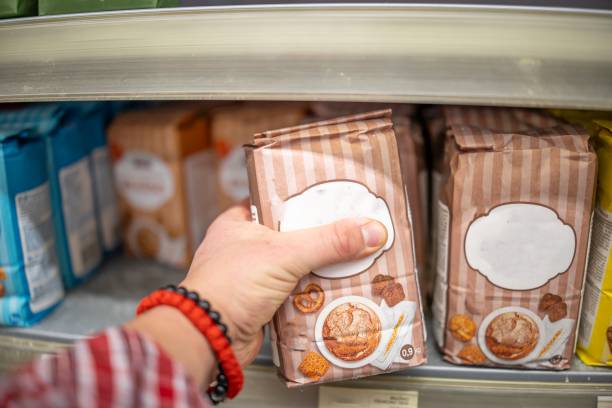
If your family loves a big pancake breakfast on Saturday mornings, you might want to reach for the store-brand mix next time you’re in the aisle. Most generic pancake, muffin, and cake mixes use nearly identical ingredients to the famous national brands. Since the dry base is so similar, the final result, a fluffy stack of flapjacks or a moist birthday cake, is usually indistinguishable from the more expensive options.
Buying store-brand mixes is an easy way to keep those fun family traditions alive without the extra cost. During 2024, many shoppers reported that their kids never even noticed the switch to a generic “complete” mix. When you consider how often these items are used for school snacks or weekend treats, the savings per box really start to make a difference. It’s all about getting that same great homemade taste while keeping your household expenses in check.
Milk

Milk is a staple in almost every fridge, and it’s also one of the easiest ways to save a few dollars every single week. Because the dairy industry is so strictly regulated for safety and nutrition, store-brand milk has to meet the exact same standards as the national names. This means you’re getting the same vitamins, minerals, and freshness regardless of the label. The main difference is simply the price you see on the shelf.
Since most families go through a gallon or two a week, those small price differences add up to big savings over a year. In 2025, market research showed that store-brand milk remains one of the most consistent ways for families to lower their grocery totals. Whether it’s going into a bowl of cereal, a cup of coffee, or a glass for the kids, the taste is exactly what you expect. It’s a smart, safe choice for any household looking to spend a bit wiser.
Eggs
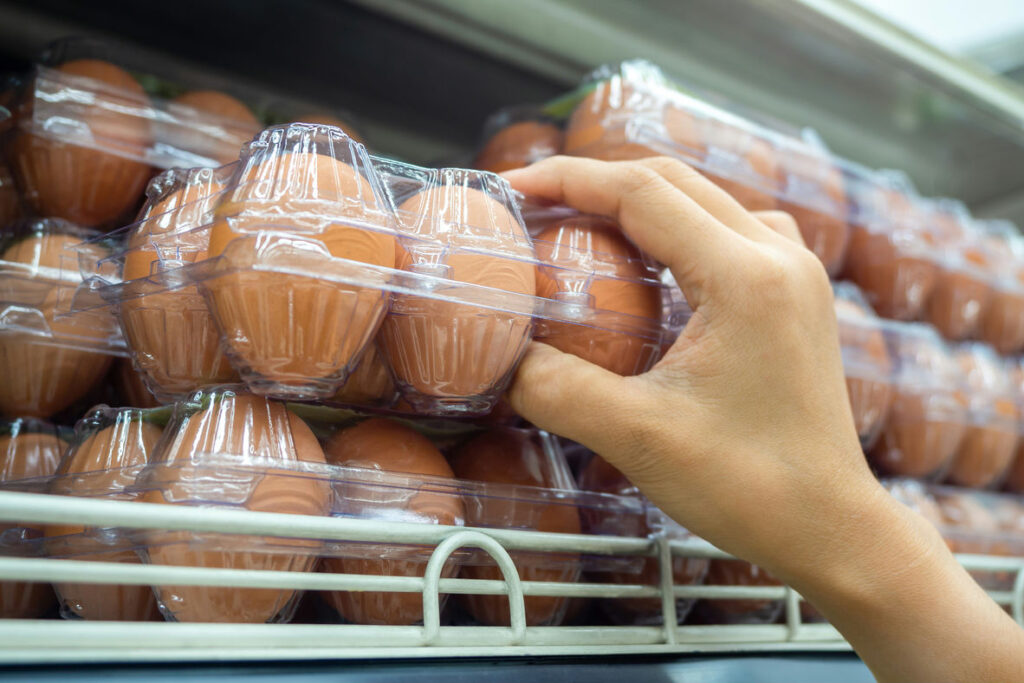
Eggs are one of the most affordable protein sources you can buy, and the store-brand cartons are almost always the best deal in the house. Unless you are specifically looking for specialty labels like “pasture-raised,” the standard store-brand large eggs are functionally identical to the national brands. They work exactly the same way in your morning scramble or as a binder in your favorite meatloaf recipe.
Prices for eggs can fluctuate, but the store brand consistently stays at the bottom of the price range. During the price spikes seen in early 2026, many savvy shoppers made the permanent switch to generic cartons to protect their food budgets. Because eggs are such a versatile kitchen workhorse, saving a dollar or two on every dozen is a move that pays off week after week. It’s a simple, high-quality choice that keeps your breakfast plates full and your budget happy.
Cheese
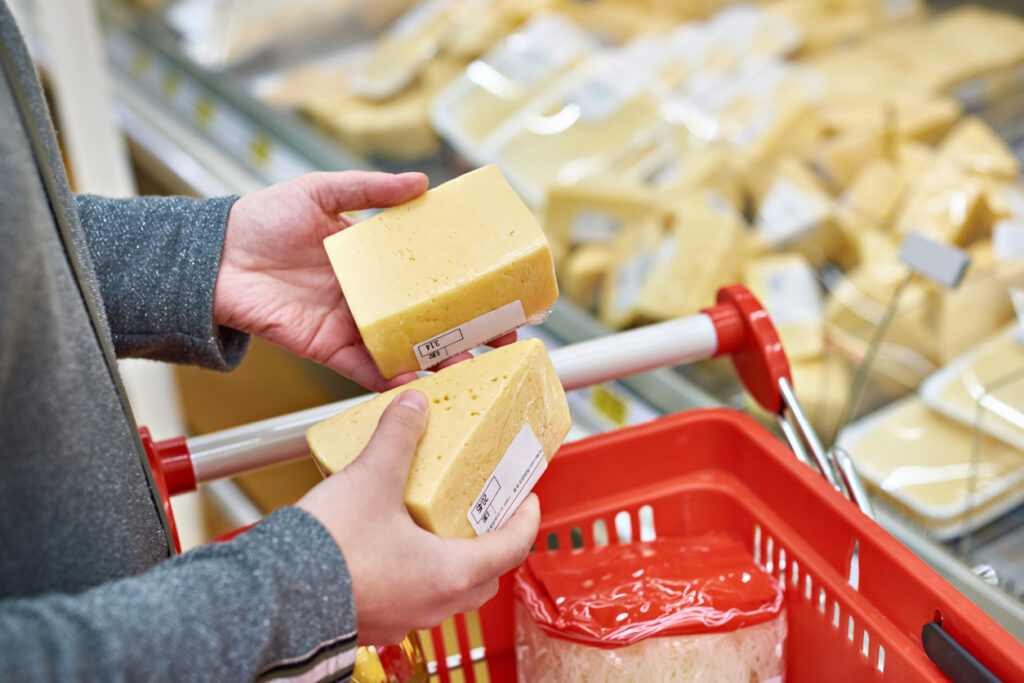
Whether you’re making grilled cheese sandwiches or topping a homemade pizza, store-brand cheese is a fantastic way to save. You can find generic versions of shredded blends, sliced cheddar, and blocks of mozzarella that taste just as good as the name brands. In many professional taste tests, store-brand cheeses actually tie or even beat the more expensive labels because they are often produced by the same regional creameries.
For families who use cheese as a daily snack or a dinner topping, the cost per pound is much lower when you go with the store’s own line. In 2025, price comparisons found that shoppers could often save 30% or more by choosing the generic bag of shredded cheese. It melts perfectly, tastes great, and keeps your grocery bill from spiraling out of control. It’s a delicious way to cut costs without ever feeling like you’re missing out on quality.
Yogurt
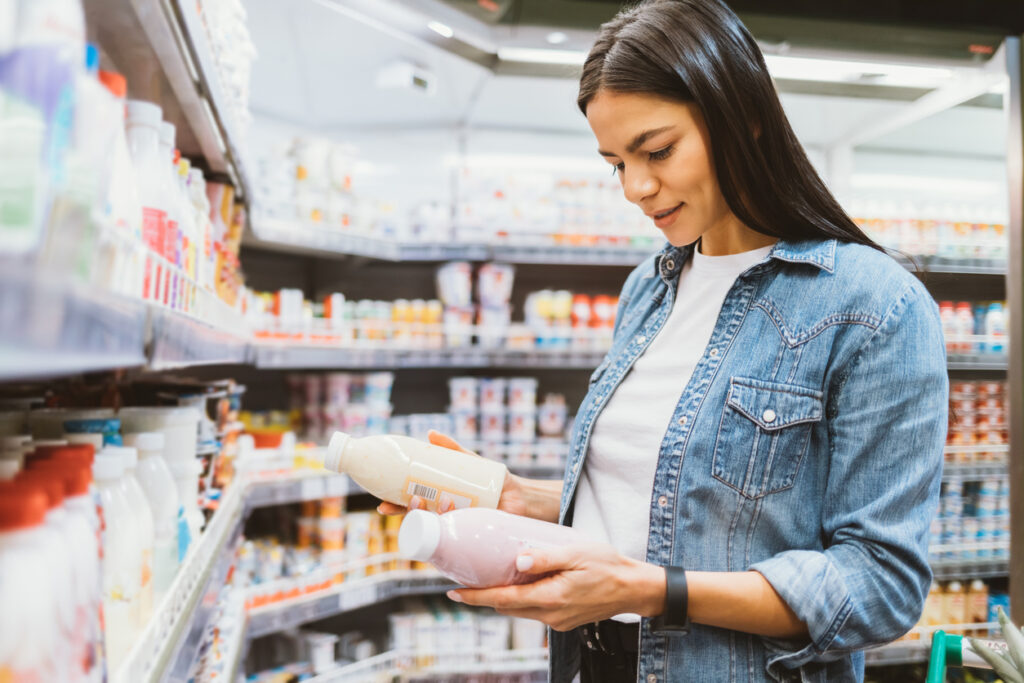
If you’re looking to upgrade your breakfast routine without draining your wallet, grabbing a large tubs or bottle of store-brand yogurt is a total pro move. Whether you prefer a tangy plain version or a thick, protein-packed Greek style, the generic tubs are often significantly cheaper than the flashy individual cups from national names. Since the ingredient list for quality yogurt is actually quite short, mostly just milk and live cultures, the store-brand versions deliver the same creamy texture and nutritional punch you expect for a fraction of the cost.
Many families found throughout 2024 that scooping their own portions into bowls at home was one of the easiest ways to trim their monthly food budget. By opting for the private-label brand, you aren’t just saving on the dairy itself; you’re avoiding the “marketing tax” that comes with big-name advertising campaigns. In 2025, price comparisons showed that buying bulk store-brand yogurt could save a household over 30% compared to buying name-brand singles. It’s a simple, healthy swap that leaves you with more money to spend on fresh berries or honey to top off your morning treat.
Canned Beans
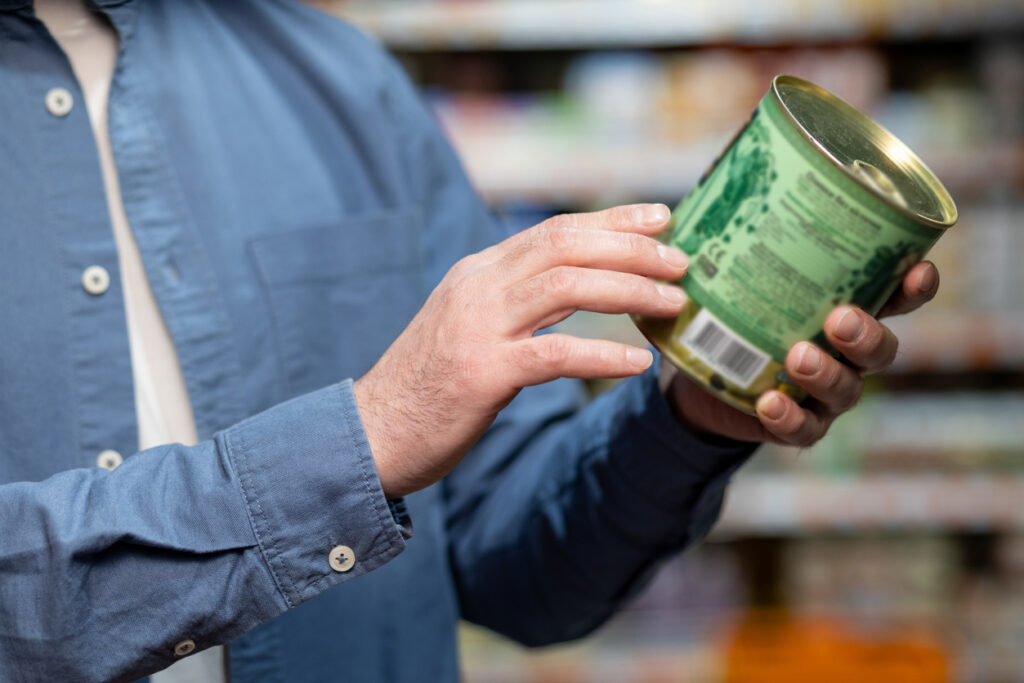
Canned beans are a true kitchen workhorse, and choosing store brands like Great Value or Kroger is one of the smartest ways to stock your pantry. Whether you need black beans for a zesty taco night or chickpeas for a fresh summer salad, the generic versions are consistently among the most affordable items in the grocery store. Because beans are simply preserved in water and a bit of salt, there is almost no difference in quality or flavor between the expensive labels and the store’s own version.
For anyone looking to cook more plant-based meals in 2026, these budget-friendly cans are a lifesaver. Since beans are a fantastic source of fiber and protein, buying them at a lower price point allows you to build hearty, nutritious meals for the whole family without overspending. Many home cooks report that once the beans are rinsed and tossed into a simmering chili or a savory soup, they are completely indistinguishable from the pricer alternatives. It’s a reliable, “no-fail” substitution that helps you keep your grocery bill low while keeping your energy levels high all week long.
Canned Tomatoes
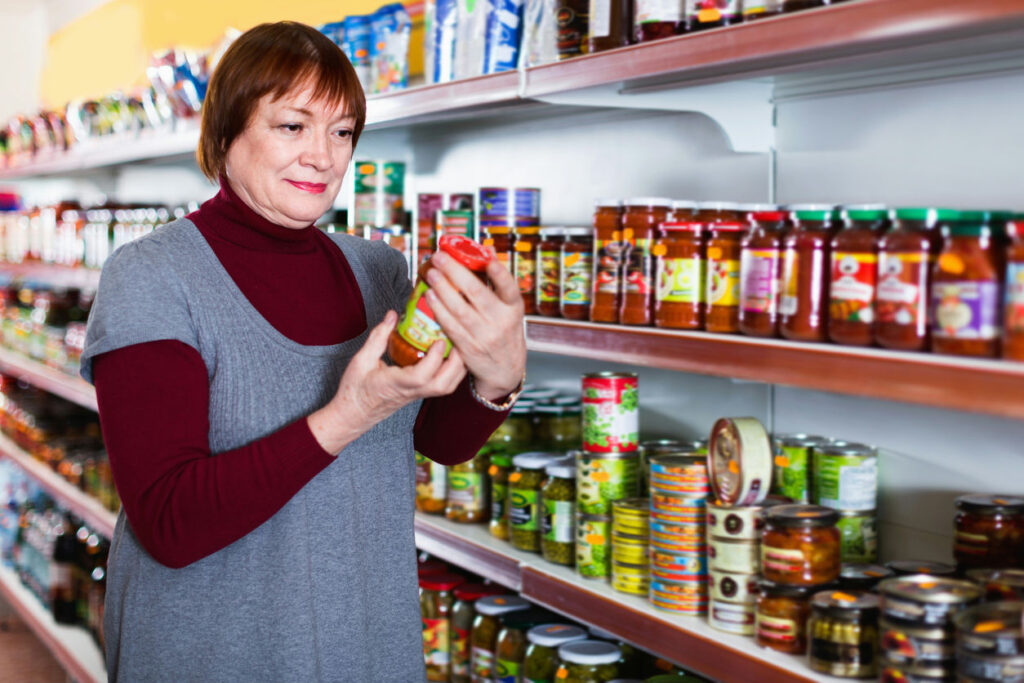
When you’re whipping up a big batch of Sunday sauce or a comforting pot of stew, store-brand canned tomatoes are your best friend. Many people don’t realize that a large portion of these tomatoes are actually grown and packed in the very same regional facilities as the famous national brands. Because the canning process is so standardized, the primary difference you’re paying for with a name brand is the colorful label and the company’s television commercials, rather than a superior tomato.
Budget-conscious shoppers in 2025 frequently noted that they could buy two or three cans of store-brand crushed tomatoes for the price of just one “premium” national can. Once you add your own garlic, onions, and herbs, the flavor is absolutely delicious and professional-grade. In fact, many blind taste tests have shown that generic tomato sauces perform just as well as the pricey ones in recipes. Making this simple switch is a fantastic way to enjoy “from-scratch” cooking while keeping your kitchen expenses manageable and your pantry fully stocked for any mealtime emergency.
Frozen Vegetables
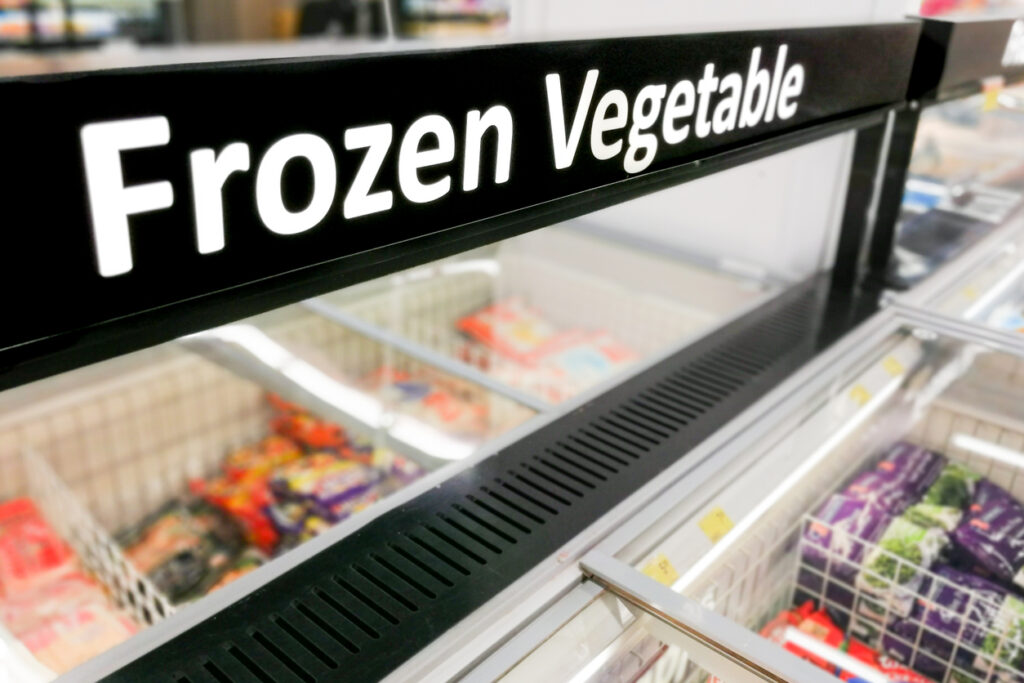
Keeping a few bags of frozen vegetables in the freezer is a great way to ensure your family gets their greens, and store brands make it incredibly affordable. Whether it’s a bag of sweet peas, crunchy broccoli florets, or a colorful stir-fry mix, the generic “steam-in-bag” options are usually a much better deal than both fresh produce and name-brand frozen bags. Since these vegetables are flash-frozen right at the peak of harvest, they lock in all their vitamins and nutrients regardless of the name on the package.
During the grocery price fluctuations of late 2025, many families turned to store-brand frozen veggies to avoid the high cost of out-of-season fresh produce. These bags offer the ultimate convenience because they are already washed and chopped, meaning you can have a healthy side dish ready in minutes. Most shoppers find that the taste and snap of the vegetables are exactly the same as the more expensive brands. It’s a win-win situation: you save time on prep work and save money at the checkout line, all while serving up a nutritious meal for your loved ones.
Frozen Fruit
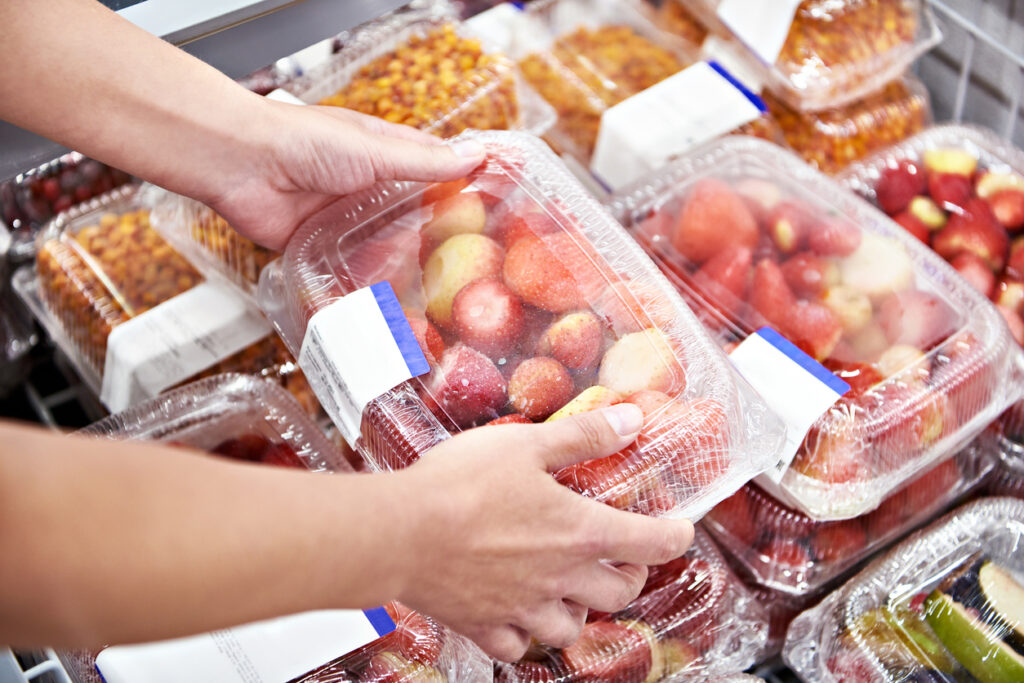
If your family loves refreshing fruit smoothies or a warm bowl of morning oatmeal, store-brand frozen fruit is a must-have item. Whether you’re reaching for a bag of mixed berries, sweet mango chunks, or tropical pineapple, the generic versions are significantly cheaper than the national labels found in the freezer aisle. Because the fruit is simply washed, sliced, and frozen without any fancy processing, the flavor and quality remain high even though the price stays low. It’s a great way to enjoy your favorite fruits all year round.
In 2026, many health-conscious shoppers have discovered that they can blend up a week’s worth of smoothies for the price of just one or two store-bought drinks by using private-label frozen fruit. These bags are also perfect for baking muffins or making a quick fruit sauce for pancakes. Since you don’t have to worry about the fruit spoiling on the counter, you end up wasting much less food and saving even more money over time. It’s an easy, delicious swap that helps you maintain a healthy lifestyle while keeping your household budget in perfect balance.
Breakfast Cereal

Walking down the cereal aisle can be overwhelming with all the bright colors and cartoon characters, but looking at the store-brand boxes is a great way to find a deal. Many generic cereals, like “toasted oats” or “crispy rice,” are designed to be nearly identical to the famous national brands in both taste and nutrition. Usually, the ingredients are almost exactly the same, but you aren’t paying for the multi-million dollar marketing budgets or the licensing fees for the characters on the front of the box.
For parents who see their kids go through a box of cereal in just a few days, the savings from switching to store brands really add up. In price checks conducted throughout 2024 and 2025, store-brand cereals were often found to be 40% to 50% cheaper than their name-brand counterparts. Most kids, and adults, find that once the milk is poured in and maybe a few slices of banana are added, the taste is just as crunchy and satisfying. It’s a simple, everyday choice that makes your morning routine much more affordable without sacrificing any of the breakfast fun.
Snack Crackers And Chips
When it’s time for a movie night or a school lunch snack, store-brand chips, pretzels, and crackers are a fantastic way to save. Most generic snacks are made from the same basic ingredients, like corn, potatoes, flour, and salt, as the big-name bags. Whether you’re grabbing a box of cheese crackers or a bag of salty tortilla chips, you’ll likely find that the crunch and flavor are exactly what you’re looking for. The biggest difference is usually just the price tag, which is often much lower for the store’s own label.
For parties or large family gatherings, choosing store-brand snacks is a total lifesaver for the budget. In 2025, many shoppers reported that when they put out bowls of generic chips and salsa, guests couldn’t tell the difference between them and the pricer versions. By making this small change, you can stock up on all your favorite treats for the weekend without feeling any “buyer’s remorse” at the grocery store. It’s a great way to keep the pantry full of fun snacks while keeping your overall spending goals on track for the year.
Butter
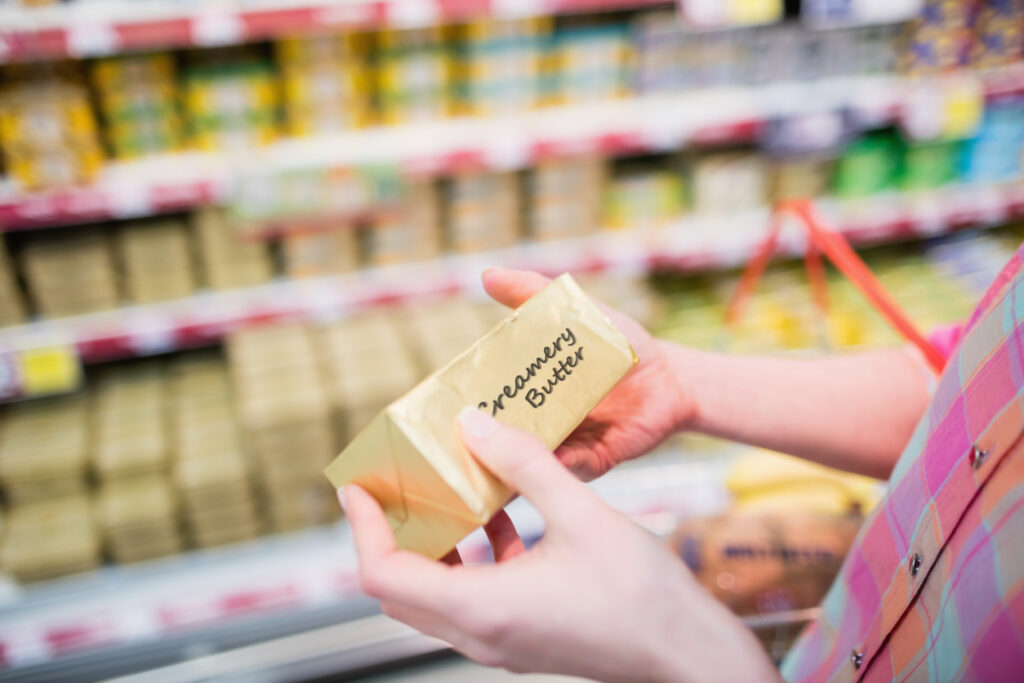
Butter is a staple for everything from baking holiday cookies to spreading on a warm piece of toast, and the store-brand version is a reliable way to save money. Because butter is a highly regulated dairy product, the store-brand sticks must meet the same strict standards for fat content and quality as the national brands. This means you are getting a consistent, high-quality product that performs beautifully in all your favorite recipes. The most noticeable difference is simply the lower price per pound you see on the shelf.
During the baking seasons of 2024 and 2025, many home cooks realized that their cakes and pastries turned out perfectly using generic butter. Since it’s an item many of us buy every few weeks, the savings can really build up over the course of a year. Whether you’re sautéing vegetables for dinner or whisking up a creamy buttercream frosting, store-brand butter is a trustworthy choice that keeps your kitchen running smoothly. It’s a simple, effective way to maintain the quality of your home-cooked meals while being a little more mindful of your grocery spending.


