
Oraibi Origins
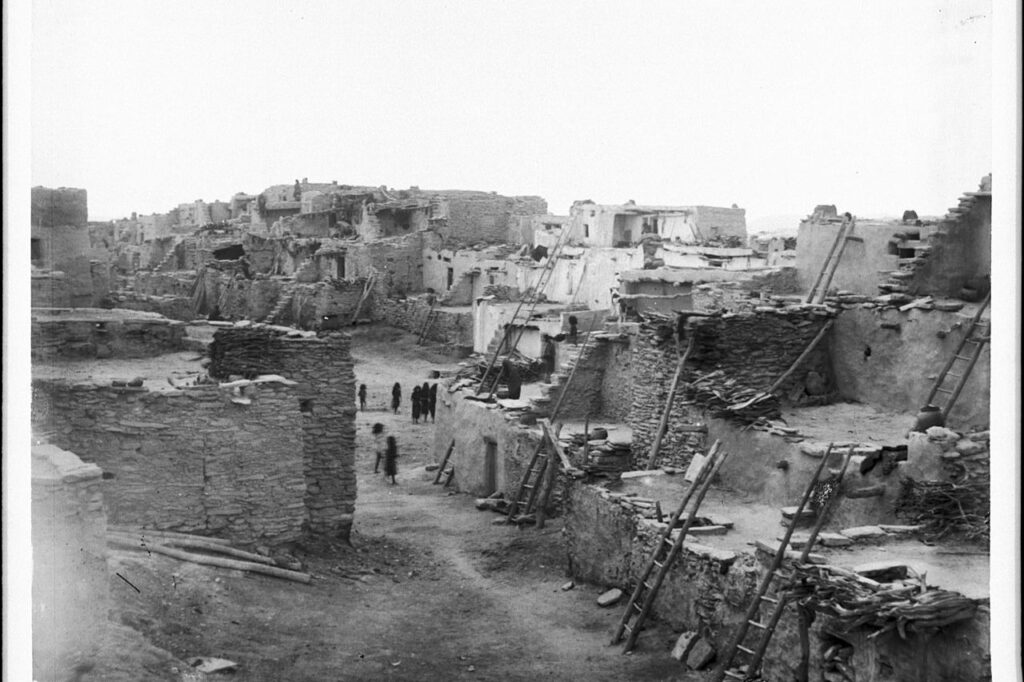
Long before European explorers ever set foot on North American soil, the Hopi village of Oraibi was a bustling center of life in what we now call Arizona. Established around the year 1100, this remarkable community is widely considered one of the oldest continuously inhabited settlements in the United States. It is situated atop the Third Mesa, a high plateau where generations of Hopi people have cultivated a deeply spiritual and agricultural existence. Their lives have always been closely synchronized with the desert sun and the passing seasons, creating a legacy that predates the founding of the United States by over six centuries.
The true wonder of Oraibi lies in its incredible cultural stamina and continuity. While many other early settlements across the continent were either abandoned or forcibly reshaped by colonial expansion, Oraibi has remained a sanctuary for Hopi traditions. To this day, the village preserves ancient ceremonies and social structures that have survived through massive historical shifts. It serves as a living, breathing reminder that American history did not start with a boat landing in the East; rather, it began with rich Indigenous civilizations that continue to thrive in the modern era.
Acoma Sky City
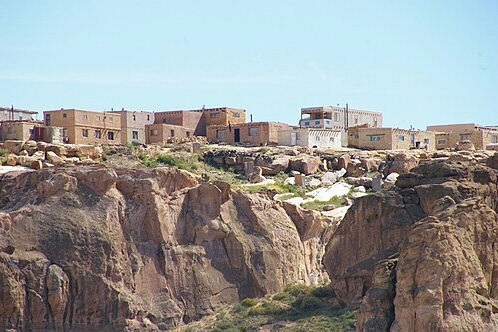
Perched atop a 367-foot sandstone mesa in the heart of New Mexico, Acoma Pueblo has been a home to its people since at least 1200. Often referred to as “Sky City,” it represents one of the most enduring living communities in North America. In its early days, the sheer height of the mesa provided a natural defense against rivals, while the residents became masters of the environment. They developed incredibly clever systems for gathering rainwater and farming in the harsh, arid climate, proving that human ingenuity can flourish even in the most challenging desert landscapes.
The strength of the Acoma people was put to the ultimate test during the Spanish arrival in the late 16th century, particularly during the tragic events of 1599. Despite such heavy historical burdens, the community has managed to keep its language, identity, and traditional laws beautifully intact. Today, the pueblo is both a National Historic Landmark and a sacred home. Visitors are often struck by the profound stillness of the mesa, where time feels like a series of layers rather than something that has simply passed away, offering a rare look at a culture that has lasted over 800 years.
Taos Pueblo Legacy
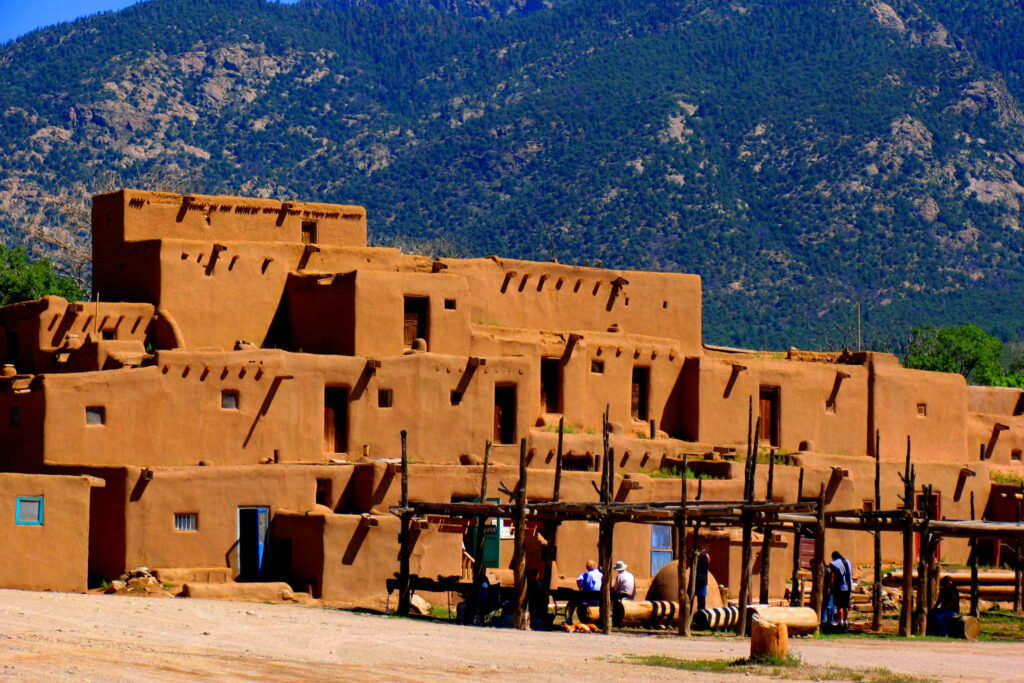
Taos Pueblo is a magnificent Indigenous settlement in northern New Mexico that dates back to approximately 1450. It is famous for its iconic multi-storied adobe buildings, which are made entirely of sun-dried mud, straw, and timber. These structures have stood for over five centuries with remarkably few changes to their original design, earning the site a prestigious spot as a UNESCO World Heritage site. It serves as a powerful symbol of Puebloan resilience, standing firm against the elements and the pressures of the outside world while maintaining its architectural integrity.
Life within the walls of Taos Pueblo continues to follow many of the traditional paths laid down by ancestors. Many residents choose to live without running water or electricity inside the historic dwellings to honor their heritage, balancing these ancient ways with the demands of the 21st century. The surrounding Sangre de Cristo Mountains provide a stunning backdrop to a community that has survived Spanish colonization and the 1680 Pueblo Revolt. Taos Pueblo proves that tradition is not a thing of the past, but a sturdy foundation that can support a community through hundreds of years of change.
St. Augustine Beginnings
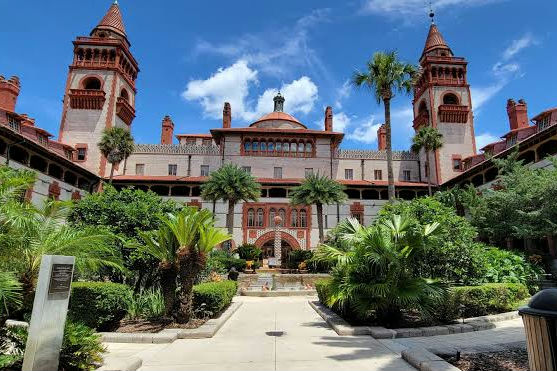
St. Augustine, Florida, holds the title of the oldest continuously inhabited European-established city in the continental United States. It was founded on September 8, 1565, by the Spanish admiral Pedro Menéndez de Avilés, which means it was already a thriving outpost long before the English arrived at Jamestown or Plymouth. For over two centuries, it served as the vital capital of Spanish Florida, acting as a northern shield for Spain’s vast colonial empire in the Americas. Its survival through numerous attacks and sieges is a testament to the strategic importance of its location.
The city’s deep history is etched into its very landscape, most notably in the massive stone walls of the Castillo de San Marcos, a fortress completed in 1695. Throughout the years, control of the city flipped between Spain and Great Britain before it finally became a part of the United States in 1821. Today, St. Augustine is a beautiful blend of a modern tourist destination and a preserved historical treasure. Walking down its narrow, brick-lined streets feels like stepping back into a colonial era, offering a unique perspective on the Spanish influence that helped build the early foundations of American society.
San Juan Heritage
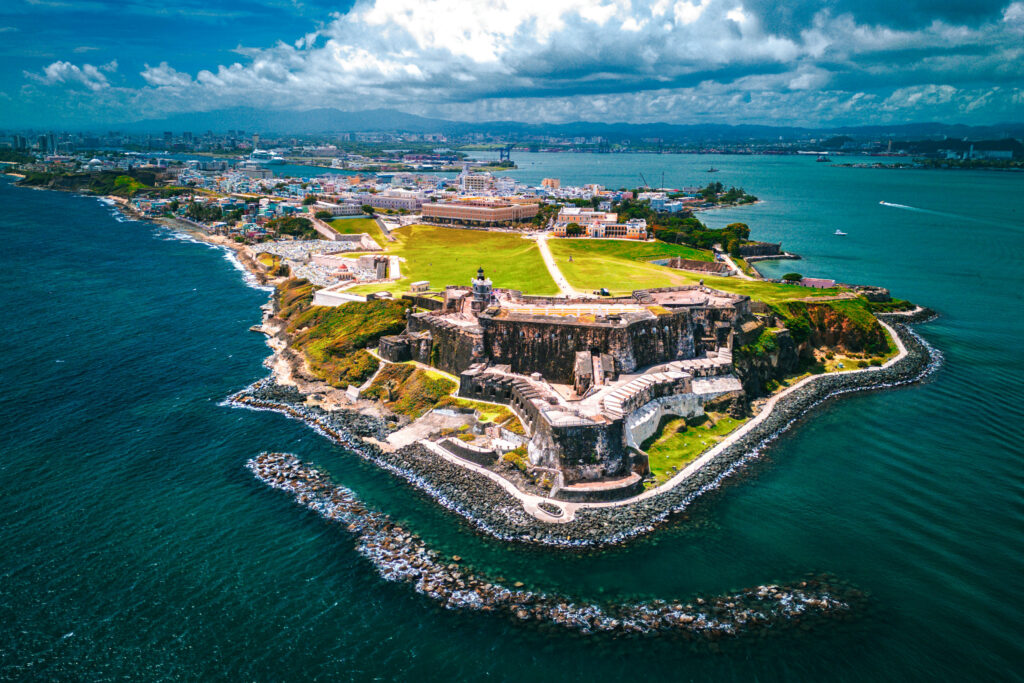
Established in 1521, San Juan is the oldest European-founded city under United States jurisdiction, located on the vibrant island of Puerto Rico. Because of its perfect coastal position, the Spanish Crown transformed it into a critical military and commercial hub for hundreds of years. To protect their interests from pirates and rival empires, the Spanish built incredible fortifications, including the famous Castillo San Felipe del Morro, which began construction in 1539. These walls have weathered centuries of storms and battles, standing as silent guardians over the Atlantic.
The rich history of San Juan is a colorful tapestry woven from Spanish, African, and Caribbean threads. The blue cobblestone streets of Old San Juan are lined with bright, colonial-style buildings that tell a story of global trade, cultural blending, and political evolution. While many people visit today for the stunning beaches and lively atmosphere, the city’s historical importance is rooted in its role as a gateway between the Old World and the New. It remains a powerful symbol of how different cultures can merge over five centuries to create a unique and enduring regional identity.
Española Settlement
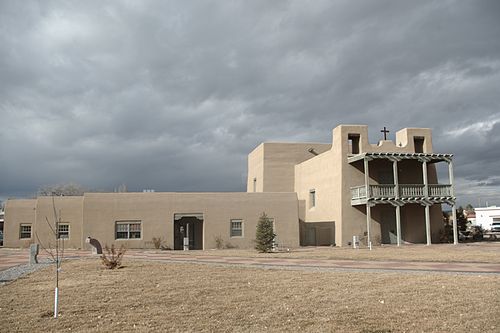
Founded in 1598 by Juan de Oñate, Española is recognized as one of the earliest Spanish capital settlements in what would eventually become the United States. Originally established as San Juan de los Caballeros, it served as a primary base for Spain’s efforts to colonize the upper Rio Grande valley. This settlement predates the founding of Santa Fe and represents the initial, often difficult, steps of European expansion into the American Southwest. It was a place where early settlers had to adapt quickly to a rugged and unfamiliar environment.
Though it may not have the massive population of other historic hubs, Española carries a significant amount of historical weight. Its story is one of complex interactions between Spanish newcomers and the established Tewa-speaking Indigenous communities. These relationships were often marked by tension and conflict, yet they also led to a unique cultural synthesis that still defines the region today. As you explore the area, you can still feel the presence of these layered histories. It stands as a quiet reminder of the early colonial ambitions that shaped the landscape of New Mexico long before the Revolutionary War began.
Santa Fe Capital
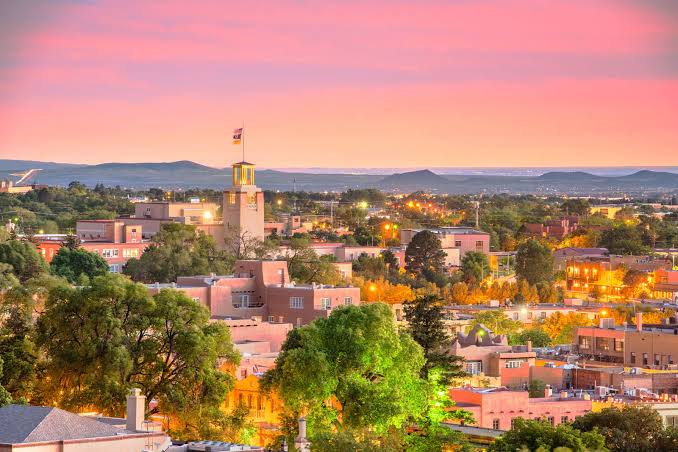
Santa Fe was officially established in 1610, which gives it the prestigious title of the oldest state capital in the United States. While the Spanish founded the city as a seat of government, the site had actually been home to Indigenous Pueblo peoples for centuries prior to their arrival. The city was designed around a central plaza that remains the heart of the community today. Over the years, it has served as a capital under the flags of Spain, Mexico, and eventually the United States, following the conclusion of the Mexican-American War in 1848.
The history of Santa Fe is defined by a spirit of creative resilience and architectural beauty. In the early 20th century, the city made a conscious effort to preserve its heritage by requiring new buildings to follow the traditional Pueblo-style or Territorial architecture. This has resulted in a city that looks and feels unlike any other in America, with its warm earth-toned walls and wooden beams. Beyond the famous art galleries and shops, Santa Fe remains a place where history is a daily reality, reflecting a long journey of cultural exchange and political change that spans more than four centuries.
Hampton Beginnings
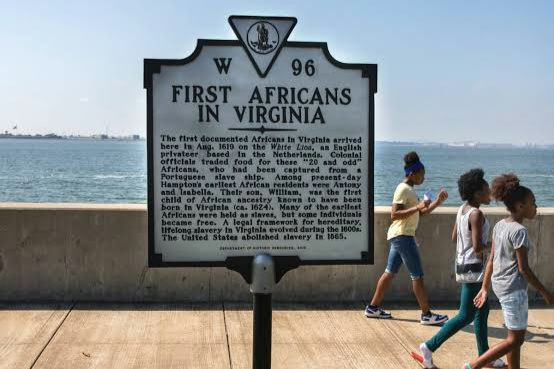
Hampton, Virginia, traces its roots back to 1610 when it was first established as Point Comfort. This makes it one of the very first English-speaking settlements in North America, following closely on the heels of Jamestown. Because it sits right at the mouth of the Chesapeake Bay, it was a vital spot for the English to control. They knew that whoever held Point Comfort controlled the water routes into the heart of the Virginia colony. This strategic importance ensured that Hampton would be a focal point of American history for centuries to come.
Throughout its long life, Hampton has been at the center of major national events, including the Revolutionary War and the Civil War. It is home to Fort Monroe, a massive stone fortress completed in 1834 that famously remained under Union control throughout the entire Civil War. The city also holds a somber and significant place in history as the site where the first enslaved Africans were brought to English North America in 1619. Today, Hampton is a modern city that deeply respects its past, offering a bridge between the earliest colonial days and the complex military history of the United States.
Newport News Rise
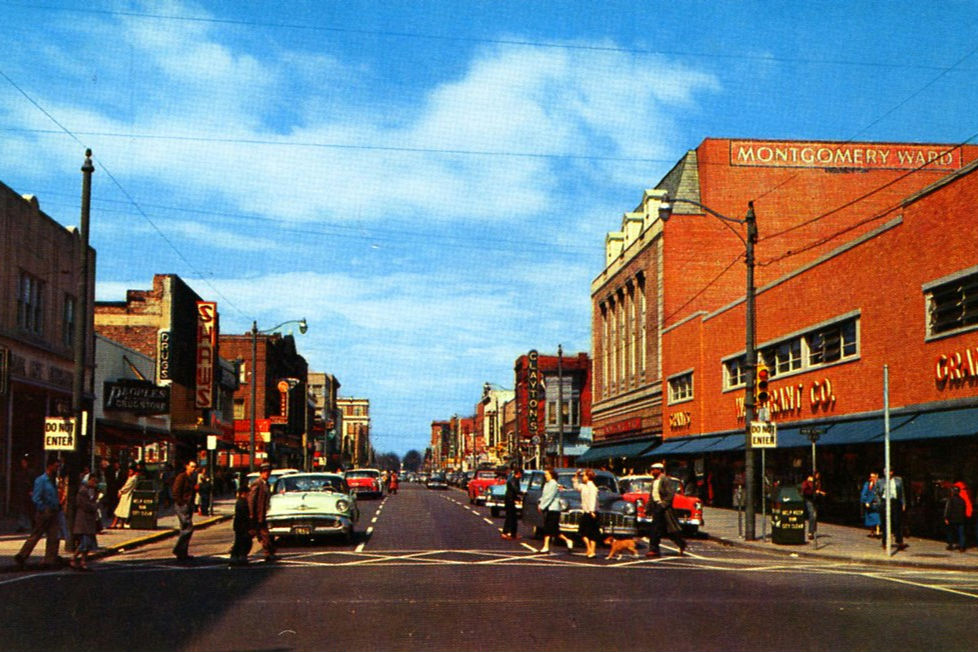
Newport News also shares a founding date of 1610, emerging as part of the initial wave of English colonial growth in the Virginia Tidewater region. While it started as a small settlement, its destiny was forever changed by its deep-water harbor on the James River. For many years, it remained a quiet area of plantations and small farms, but the arrival of the railroad and the establishment of the Newport News Shipbuilding and Dry Dock Company in 1886 transformed it into a global industrial powerhouse. This growth turned the small colonial outpost into a vital part of the nation’s defense.
The city’s identity is inextricably linked to the sea and the massive ships built along its shores. During both World Wars, Newport News was a critical hub for troop movements and naval production, proving that its early strategic value had only grown over the centuries. Despite its heavy industrial presence, the city has not forgotten its 17th-century origins. It stands today as a fascinating example of how a tiny colonial settlement can evolve into a major urban center while still keeping a foot in the past. It remains a key player in the maritime history that continues to shape the eastern seaboard.
Albany Dutch Roots
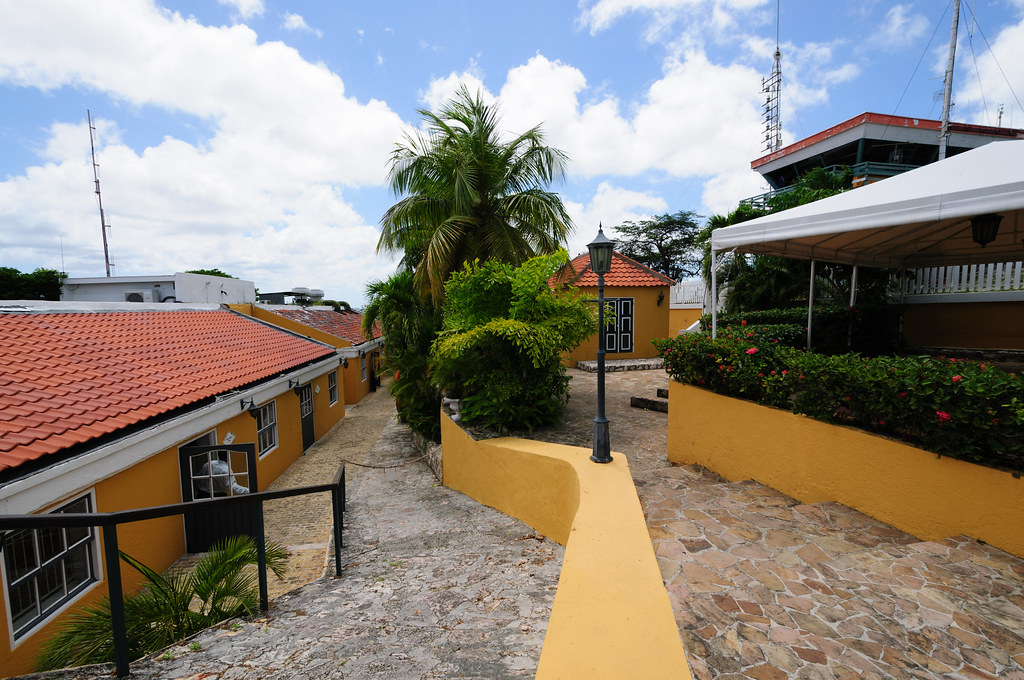
Albany is the oldest continuously settled European-established city in the state of New York, with its roots going back to 1614. It began as Fort Nassau, a Dutch fur-trading post situated along the banks of the Hudson River. The Dutch West India Company recognized the area’s potential for profit, and the settlement soon moved to a new site called Fort Orange in 1624. For decades, it was the center of a lucrative trade network between European settlers and the Haudenosaunee (Iroquois) Confederacy, making it a wealthy and influential northern outpost of the New Netherland colony.
When the British took control of the region in 1664, they renamed the city Albany, but the Dutch influence on the local culture and architecture remained strong for generations. The city’s location made it a natural choice for a political center, and it became the capital of New York in 1797. Today, Albany is a city where you can see the layers of time, from its colonial trading roots to its grand 19th-century government buildings. It serves as a reminder that New York’s history is much older than the United States itself, built on a foundation of international commerce and early European exploration.
Plymouth Beginnings
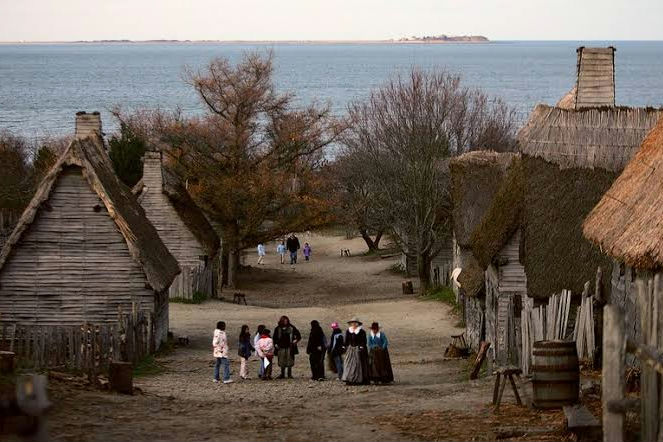
Founded in 1620, Plymouth holds a deeply symbolic place in the American narrative. It was here that the Pilgrims arrived aboard the Mayflower after a grueling 66-day journey across the Atlantic, seeking a place where they could practice their faith without interference. Although they originally intended to settle further south near the Hudson River, stormy weather forced them to anchor along the rugged Massachusetts coast. This settlement became the first permanent English colony in New England, and it is famously linked to the story of the 1621 harvest feast, which we now celebrate as the First Thanksgiving.
The early years in Plymouth were defined by extreme hardship; during the first winter alone, nearly half of the settlers passed away due to disease and lack of shelter. The colony only managed to endure because of the vital assistance provided by the Wampanoag people, who taught the newcomers how to cultivate native crops like corn. Over the next several decades, Plymouth grew into a stable and influential community, serving as the capital of its own colony until it merged with the Massachusetts Bay Colony in 1691. Today, the town is a living museum where the deep history of 17th-century survival meets a modern seaside community.
Weymouth Settlement
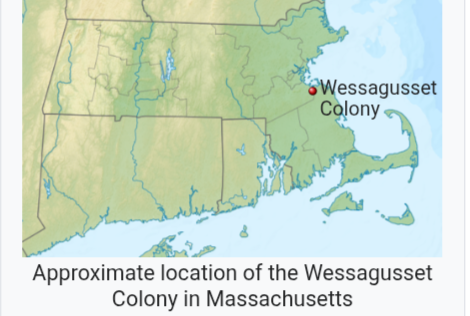
Weymouth, which was originally known by the Indigenous name Wessagusset, was founded in 1622. This makes it the second-oldest permanent English settlement in the state of Massachusetts, trailing only Plymouth in age. Unlike the Pilgrims, who were motivated by religious freedom, the founders of Weymouth were primarily interested in commerce. Established by a merchant named Thomas Weston, the outpost was intended to be a profit-making venture focused on trading. However, the settlement’s early years were plagued by poor leadership and a total lack of preparation for the harsh New England climate, leading to severe food shortages.
Despite these rocky beginnings and several narrow escapes from total collapse, Weymouth eventually found its footing and began to thrive. By 1635, it was officially incorporated as a town and became a permanent fixture of the Massachusetts Bay Colony. Its history offers a fascinating look at a different side of early American colonization, one driven by the cold realities of business rather than the ideals of a religious movement. Over the centuries, Weymouth transitioned from a struggling outpost to a bustling coastal town, yet it remains a quiet testament to the grit required to build a permanent home in a brand-new world.
Dover First Settlement
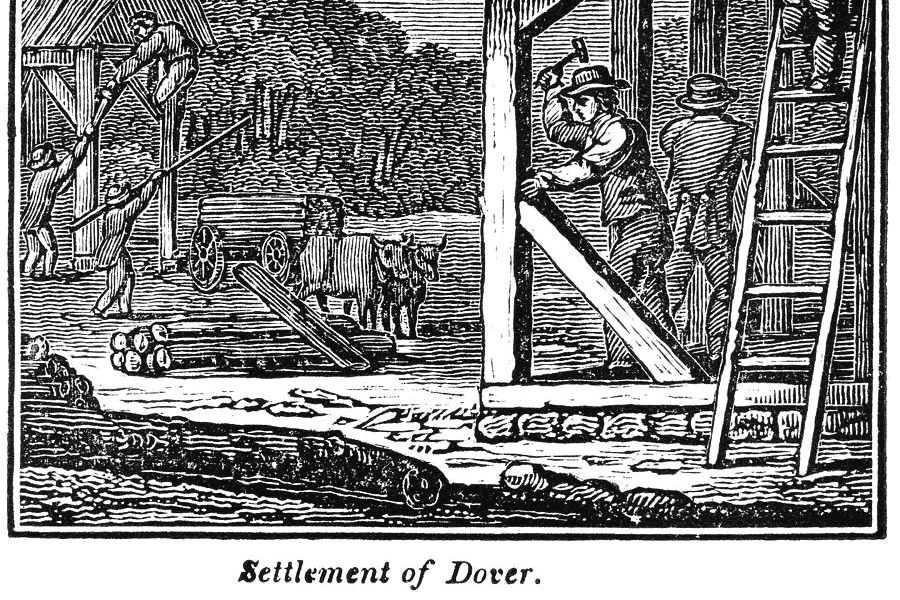
Dover was established in 1623, earning it the distinction of being the oldest permanent settlement in the state of New Hampshire. It began as a small, isolated fishing and trading community known as Northam, perched along the banks of the Cochecho River. The location was chosen specifically for its access to the water, which provided both a food source and a way to transport timber and furs back to Europe. The early settlers were English pioneers who saw the vast natural resources of the Great Bay area as a way to build a new life far from the constraints of the Old World.
As the decades passed, Dover grew into a major center for the colonial brick-making and textile industries, particularly during the industrial boom of the 1800s. However, its 17th-century roots were marked by significant tension, including a major conflict in 1689 known as the Cochecho Massacre, which highlighted the complex and often violent relationships between settlers and Indigenous groups. Today, the city is a vibrant community that prides itself on its “first” status. It serves as a reminder that the early expansion of New England was driven by a constant search for new resources and the determination to turn a wilderness into a home.
Jersey City Roots
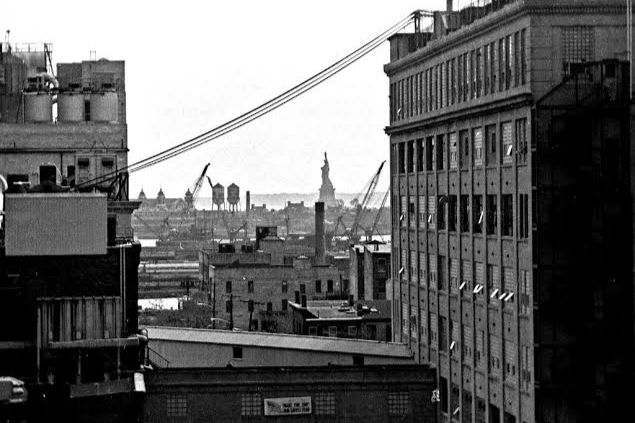
Jersey City traces its European origins back to approximately 1630, when it was established as part of the Dutch colony of New Netherland. Long before the Dutch arrived, the area was the ancestral home of the Lenape people, who navigated the local waterways and hunted the fertile lands. The first Dutch land grant was given to Michael Pauw, who named the area Pavonia. These early settlers recognized the immense strategic value of the land directly across from Manhattan, setting up trading posts that would eventually form the foundation of one of the busiest urban areas in the modern United States.
Under Dutch rule, the settlement faced many challenges, including the Pavonia Massacre of 1643, which nearly wiped out the colony during a period of intense conflict with local tribes. When the British took control of the region in 1664, the area began to see more structured growth, eventually incorporating as the City of Jersey in 1820. Over time, it transformed from a quiet collection of Dutch farms into a massive transportation and manufacturing hub. Beneath the shadows of the modern skyscrapers that define the skyline today lies a 400-year history of global trade, cultural shifts, and the early colonial ambitions of the Dutch Empire.
Boston Puritan Hub
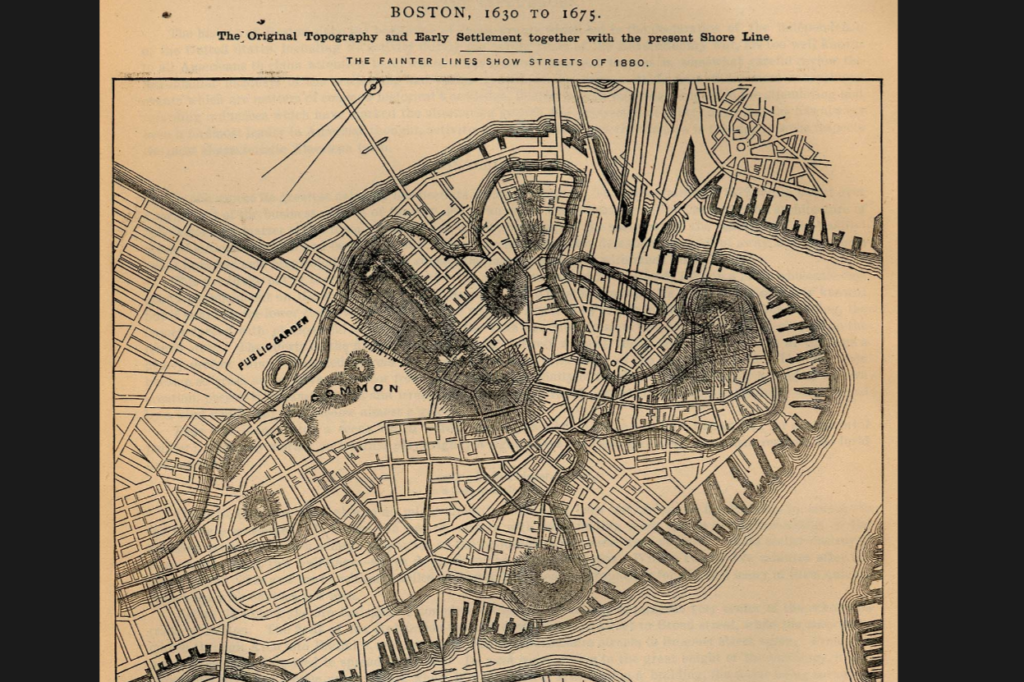
Boston was founded on September 17, 1630, and it quickly rose to become the most influential city in early America. Established by a large group of Puritan settlers led by John Winthrop, the city was intended to be a “City upon a Hill”, a model of Christian living for the rest of the world to see. Its location on a peninsula with a massive natural harbor made it an ideal center for shipping, and by the mid-1700s, it was the largest and wealthiest town in the British colonies. This prosperity gave the citizens the resources and the platform to challenge British rule.
The city is perhaps most famous for its central role in the American Revolution, hosting pivotal events like the Boston Massacre in 1770 and the Boston Tea Party in 1773. These acts of defiance helped spark the flame of independence that eventually led to the birth of the United States. Throughout the 19th and 20th centuries, Boston evolved into a world-class center for education and innovation, but it has never lost its historic soul. Today, the Freedom Trail winds through the city’s modern streets, connecting 21st-century life to the 17th-century bricks and meeting houses where the very idea of American democracy was first debated and refined.


