
The Giant Panda
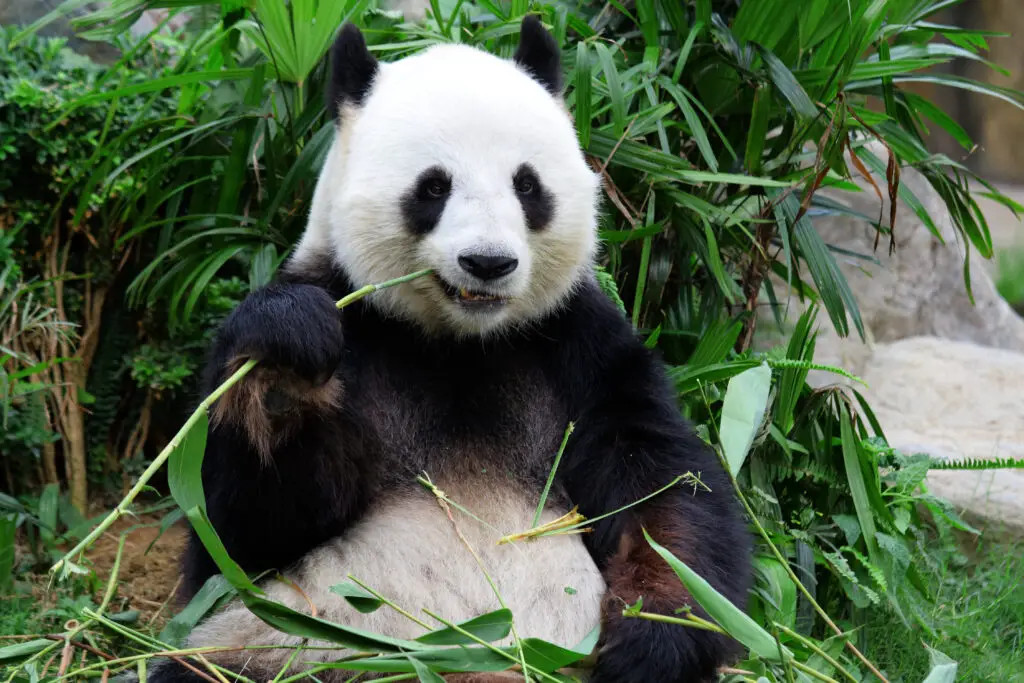
The Giant Panda is perhaps the ultimate poster child for the power of “cute” in the world of international conservation. With their distinct black and white patches and bumbling, toddler-like movements, these bears have successfully captured the global imagination since they were first introduced to Western audiences in the early 20th century. This massive public appeal has translated into billions of dollars in funding and protected habitats. A major milestone occurred in September 2016, when the International Union for Conservation of Nature (IUCN) officially upgraded their status from endangered to vulnerable. This shift was a direct result of decades of intense, high-budget conservation efforts fueled by the animal’s undeniable charm.
If we were to strip away the soft fur and the endearing way they sit while eating bamboo, we might view the panda as a remarkably inefficient evolutionary specialist. From a purely cold, scientific perspective, a large bear that refuses to eat meat and possesses an incredibly low reproductive rate would usually be seen as a biological dead end. Without their iconic look, it is highly unlikely that the world would have invested such staggering resources into breeding programmes and forest corridors. We treat them as international treasures because they look like living soft toys. However, if they possessed the scaly exterior of a lizard, their picky eating habits and slow breeding might have been viewed as a fatal flaw rather than a cute quirk.
The Koala Bear
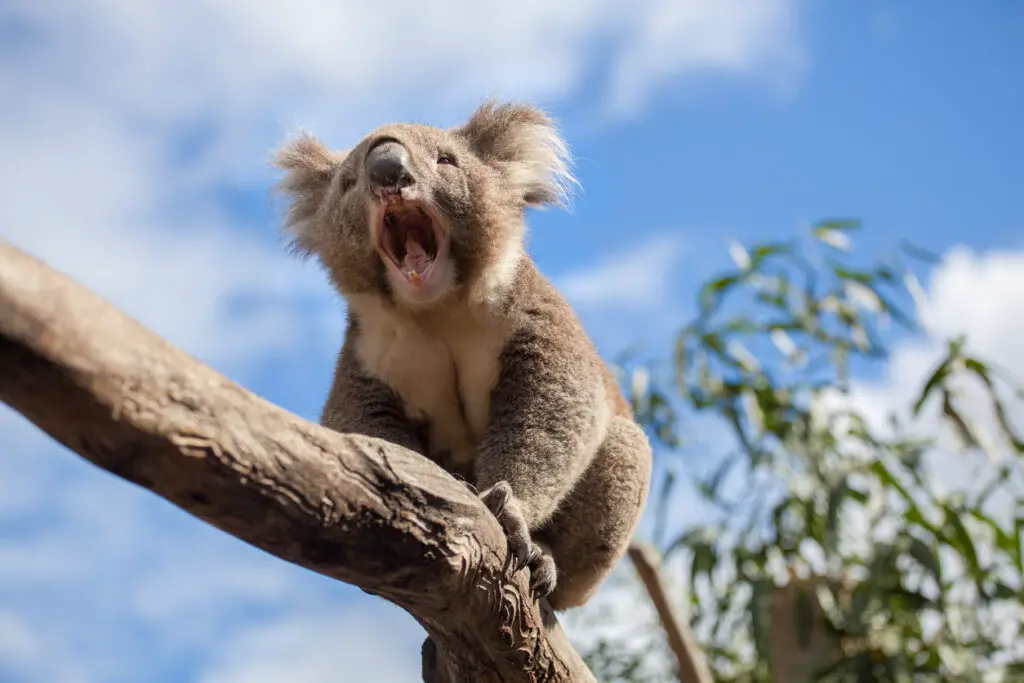
The koala is an Australian icon that enjoys a level of global affection usually reserved for domestic pets. Their fluffy ears and spoon-shaped noses make them appear perpetually sleepy and harmless, which has turned them into a massive driver for tourism. Because they look so cuddly, the public outcry following the devastating “Black Summer” bushfires of 2019 and 2020 was unprecedented. During this period, millions of dollars in donations poured into wildlife hospitals from people moved by images of singed koalas. This emotional connection ensures that the koala remains at the forefront of legislative protection, as people are naturally inclined to save a creature that reminds them of a childhood teddy bear.
However, if the koala looked more like a giant, hairless rat, our perception of their actual lifestyle might be far less forgiving. These marsupials are known to be quite aggressive when provoked and they possess a diet of eucalyptus leaves that makes them smell strongly of musk and urine. Furthermore, a significant portion of the wild population carries chlamydia, a health crisis that scientists have been tracking closely for years but is often glossed over in travel brochures. If they weren’t so undeniably adorable, we might treat them as grumpy, disease-carrying specialists that are difficult to manage. Instead, their “cute” factor acts as a permanent shield, masking their less pleasant biological realities and keeping the public firmly on their side.
The Harp Seal
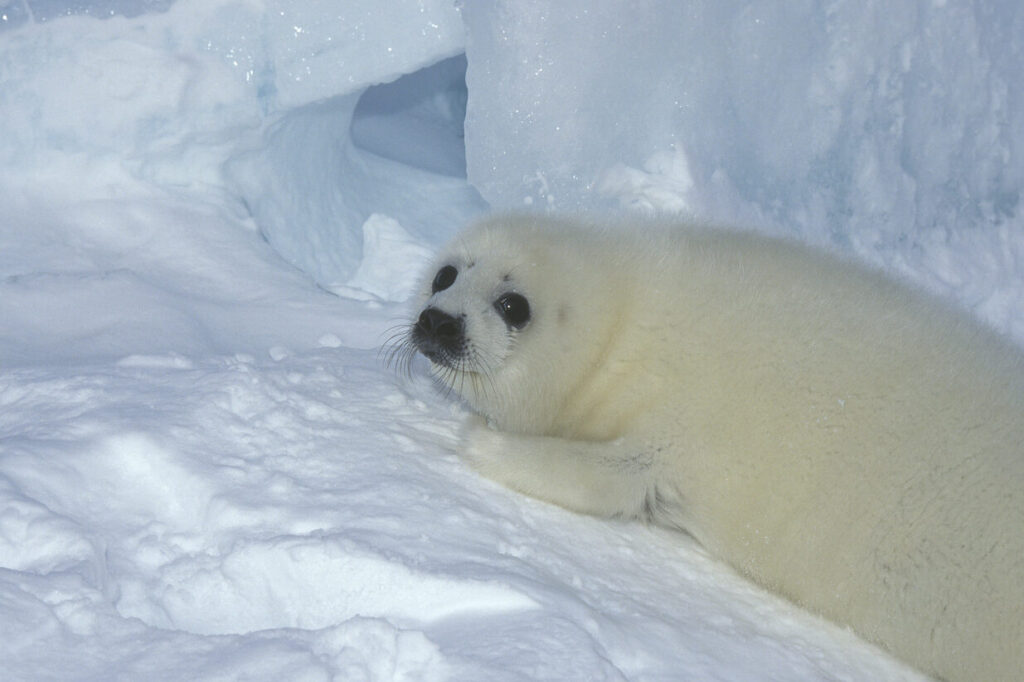
Harp seals, particularly the pups with their snow-white fur and massive, watery black eyes, have been the faces of anti-poaching campaigns for decades. The “Save the Seals” movement in the 1970s and 1980s was one of the first times that mass media used animal imagery to spark a global moral debate. Because the pups look so incredibly vulnerable, the public found the historical practice of clubbing them for fur to be inherently barbaric. This visceral reaction led to strict trade bans, such as the 1983 European Union ban on whitecoat harp seal skins. This proved that a beautiful face is often the most effective tool a conservationist can use to change international law.
If harp seals reached maturity looking like bloated, scarred elephant seals or stayed as grey, leathery creatures from birth, the conversation around sustainable harvesting might be entirely different. We tend to grant “moral status” to animals based on how much pain we imagine they feel, and big eyes are a shortcut to human empathy. If they were seen as just another marine resource rather than “ocean babies,” the outcry against the fur trade would likely have been much quieter. We protect them because we see a reflection of innocence in their faces, but we must wonder if we would care as much if they were covered in warts or slime from the moment they were born in the Arctic.
The Red Panda
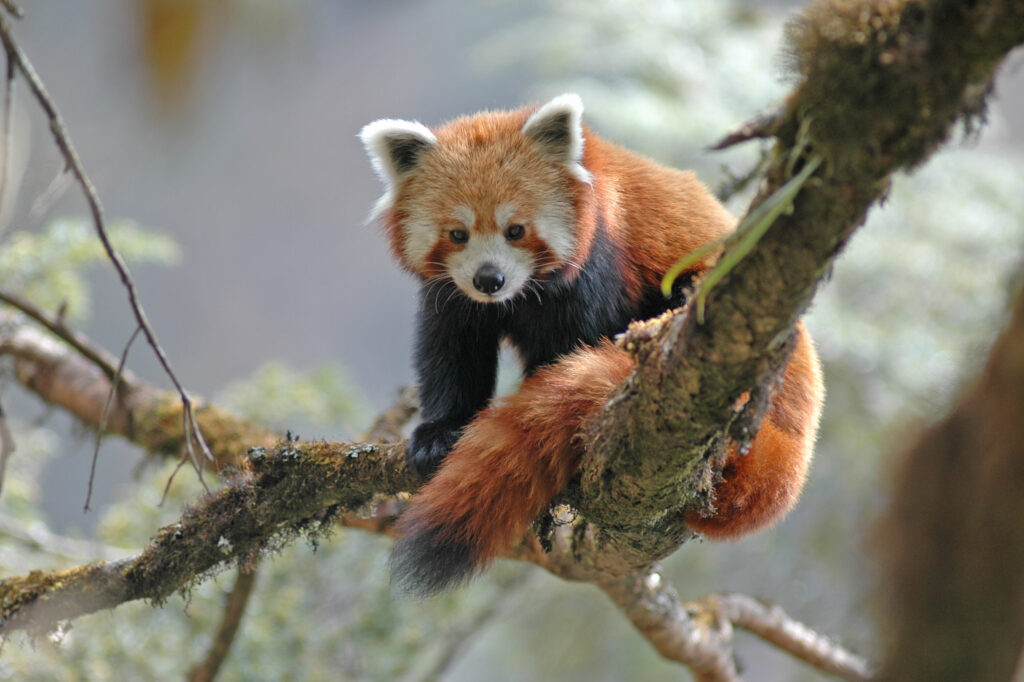
The red panda is a masterclass in accidental charisma, possessing a ringed tail and a masked face that makes it look like a hybrid between a fox and a raccoon. Though they are not closely related to the giant panda, they benefit from a similar “halo effect” where their physical beauty drives significant conservation interest in the Himalayas. People are drawn to their playful nature and vibrant russet fur, which has led to them becoming stars of viral internet videos. International Red Panda Day, established in 2010, serves as a yearly reminder of their popularity. This fame provides a vital buffer for a species that is actually quite shy and elusive, ensuring their forest habitat remains a priority.
Without that striking red coat and those pointed ears, the red panda would likely be viewed as just another small, forest-dwelling carnivore. If they were dull brown and resembled a common rodent, their ecological plight might be ignored in favour of more “impressive” animals like tigers or leopards. Their survival is currently tied to their aesthetic appeal, which keeps them in the public eye even when they are not physically present in their high-altitude homes. It is a strange reality where a species’ best chance at avoiding extinction is its ability to look good on a smartphone screen, rather than its specific role in the mountain ecosystem as a unique and ancient lineage of mammal.
The Bottlenose Dolphin
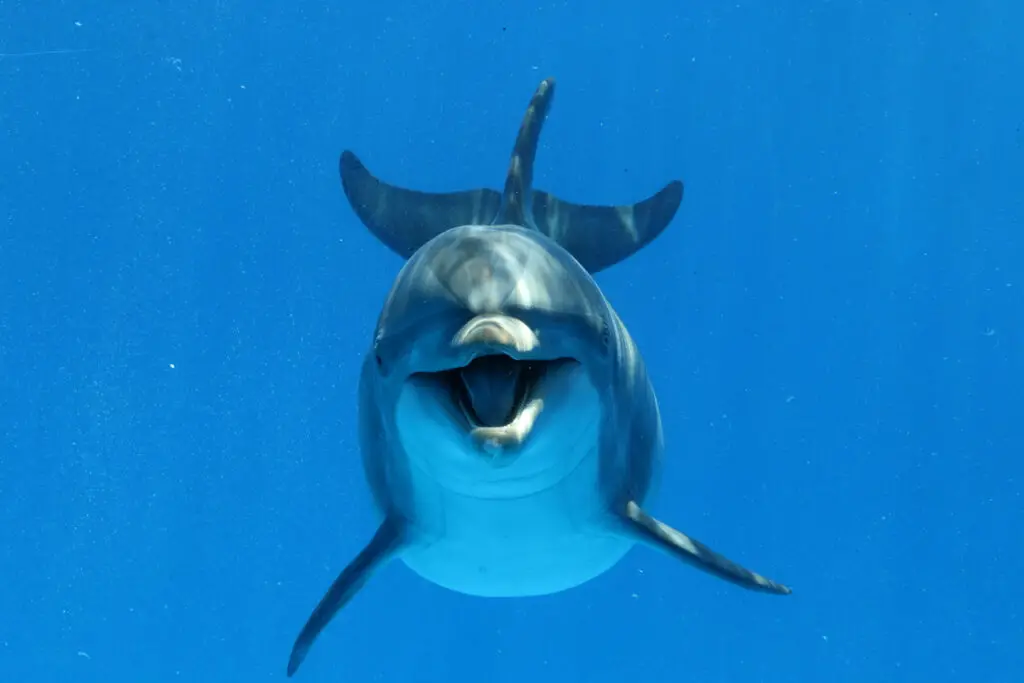
Bottlenose dolphins are often described as the “dogs of the sea” because of their permanent smiles and high levels of intelligence. This perception of friendliness has led to a multi-billion dollar industry involving swim-with-dolphin experiences and marine park performances. We treat them with a level of reverence that is rarely extended to other sea creatures, often attributing human-like emotions and altruism to their actions. Their sleek, graceful bodies and “smiling” mouths make us feel a kinship with them. This was famously seen in the global outcry following the 1960s TV show Flipper, which cemented their image as helpful aquatic sidekicks rather than the wild animals they truly are.
In reality, dolphins are apex predators that can be remarkably violent and territorial. They have been known to harass other marine mammals and engage in aggressive social behaviours that don’t fit the peaceful narrative we have created for them. If they looked like the prehistoric-looking monkfish or the slimy hagfish, we would likely view their predatory instincts as terrifying rather than fascinating. Because they are beautiful and appear to be happy, we give them a “free pass” for their wilder behaviours. If they weren’t cute, we might see them as the formidable, cold-blooded hunters they actually are, rather than charming ocean acrobats that we want to jump in the water and play with.
The Sea Otter
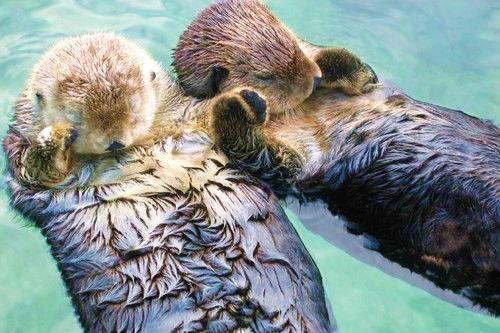
Sea otters are perhaps the most famous “hand-holders” of the animal kingdom, a behaviour that has made them an internet sensation. Their thick fur, whiskered faces, and the way they float on their backs while cracking open shellfish make them seem like the personification of maritime leisure. This cuteness has been instrumental in their recovery along the California coast. Following their near-extinction due to the fur trade in the 18th and 19th centuries, they were protected under the International Fur Seal Treaty of 1911. Today, people are eager to support any initiative that keeps these “water puppies” safe, ensuring they have the funding needed for their continued protection and monitoring.
If sea otters were scaly, semi-aquatic reptiles with the same diet and habits, we might view them as a nuisance to the shellfish industry. Fishers often complain about otters eating valuable stocks of abalone and urchins, but these complaints are usually drowned out by the public’s love for the animal. If they weren’t so photogenic, their competition with human industries would likely lead to calls for culling or removal. Their appearance serves as a powerful PR tool that allows them to exist in areas where less attractive animals would be viewed as pests. We tolerate their impact on local fisheries because it is hard to stay angry at a creature that sleeps while holding hands with its friends.
The Fennec Fox

The fennec fox is the smallest of all canids, but its massive ears and tiny frame give it an outsized level of popularity. Native to the Sahara, these foxes have become highly sought after in the exotic pet trade simply because they look like something out of a fantasy novel. Their “cute” factor has made them a symbol of desert wildlife, drawing attention to an environment that is often overlooked in favour of lush rainforests. Their appearance inspires a sense of wonder and a desire to protect the fragile desert ecosystems they inhabit. They have become iconic enough that they are even the national animal of Algeria, appearing on various cultural emblems.
However, this same cuteness is a double-edged sword that leads to them being removed from the wild for the amusement of humans. If they were scruffy, grey, and lacked those iconic ears, they would likely be treated with the same indifference as many other desert rodents or small predators. We tend to “objectify” cute animals by wanting to own them, which can be just as damaging as ignoring them entirely. If the fennec fox weren’t so aesthetically pleasing, it would be allowed to live its life in the dunes without the constant threat of being turned into a domestic novelty. Their beauty makes them a target for capture, proving that being attractive is not always a biological advantage.
The Emperor Penguin
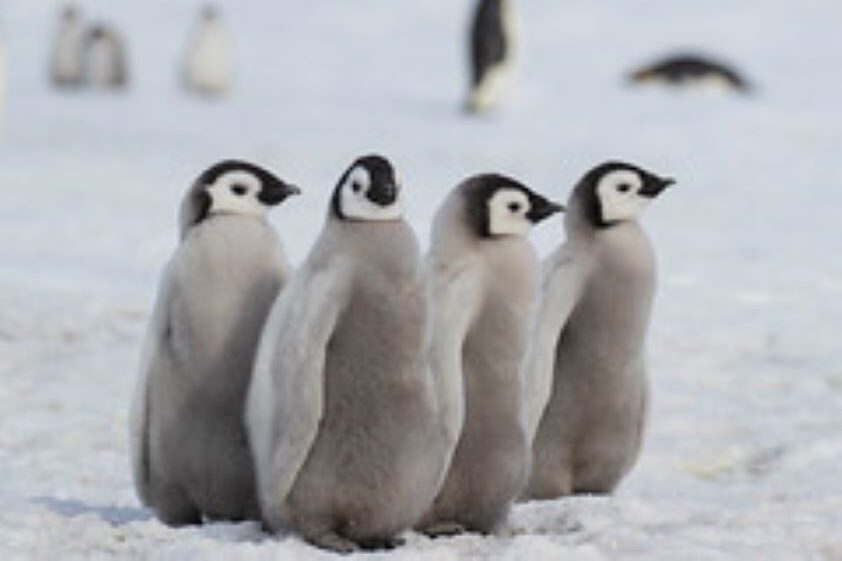
Emperor penguins are viewed as the stoic heroes of the Antarctic, largely thanks to documentaries like March of the Penguins (2005) which highlighted their incredible parenting skills. Their tuxedo-like markings and the fluffy, grey appearance of their chicks make them incredibly sympathetic to a global audience. We see them as symbols of endurance and family values, which has made them the face of many climate change awareness campaigns. Their “cuteness” makes the melting of sea ice feel like a personal tragedy to people living thousands of miles away. Because they look so dignified, we feel a moral obligation to protect their frozen kingdom from the effects of global warming.
If penguins were flightless birds that looked more like vultures or large, featherless lizards, our emotional investment in their survival might be significantly lower. The struggle to raise a chick in the freezing cold is objectively impressive, but it is the “adorable” factor that makes us want to intervene. If they were visually repulsive, we might view their harsh life as just another grim reality of nature rather than a call to action. Their appearance bridges the gap between scientific data and human emotion, turning a bird into a symbol that people are willing to fight for. Without their charming waddle and fluffy babies, the data about melting ice shelves might not carry the same emotional weight.
The Hedgehog
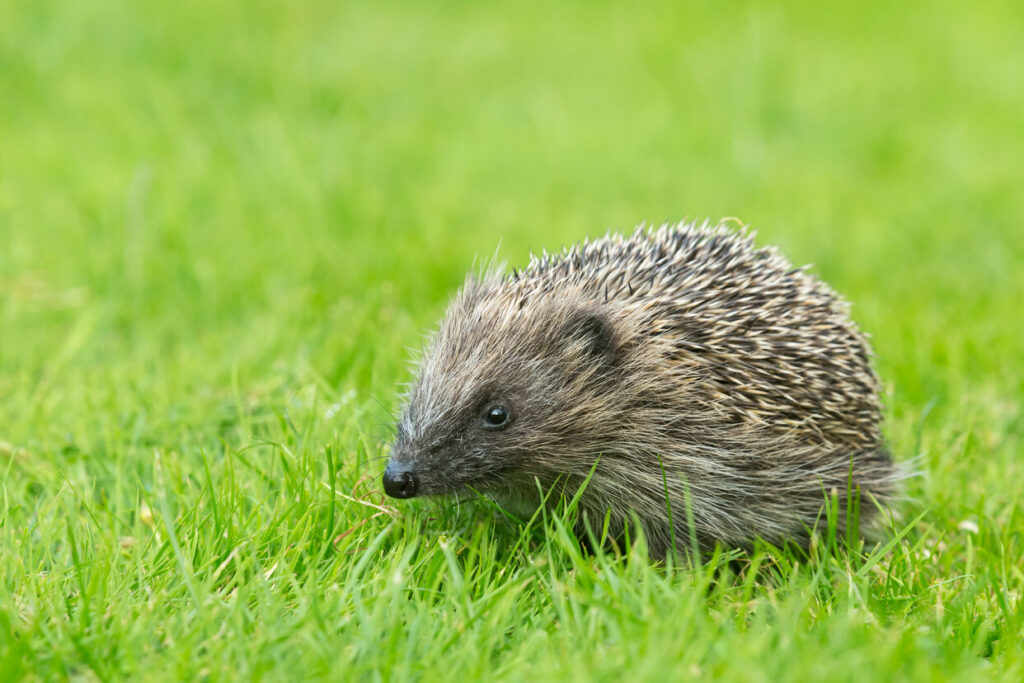
The European hedgehog is one of the most beloved garden visitors, often associated with children’s literature and cozy autumn scenes. Despite being covered in sharp spines, their little snouts and habit of curling into a ball make them appear endearing rather than threatening. This affection leads to thousands of people leaving out specialized food and building “hedgehog highways” in their fences to help them travel. We treat them as vulnerable neighbours that deserve our protection. In the UK, the hedgehog was voted the nation’s favourite wild animal in a 2013 poll, highlighting the deep-seated cultural love for these prickly little mammals.
If hedgehogs were just as beneficial to the garden but looked like giant, prickly cockroaches, we would almost certainly treat them as pests. Our willingness to share our space with them is entirely dependent on the fact that they are “cute” mammals rather than “creepy” invertebrates. Many insects perform the same pest-control roles as hedgehogs by eating slugs and beetles, yet we often crush them without a second thought. The hedgehog enjoys a privileged status in our back gardens simply because it fits our narrow definition of what a friendly animal should look like. Their appearance allows them to be the one “bug hunter” that humans are actually happy to see on their lawns.
The Squirrel
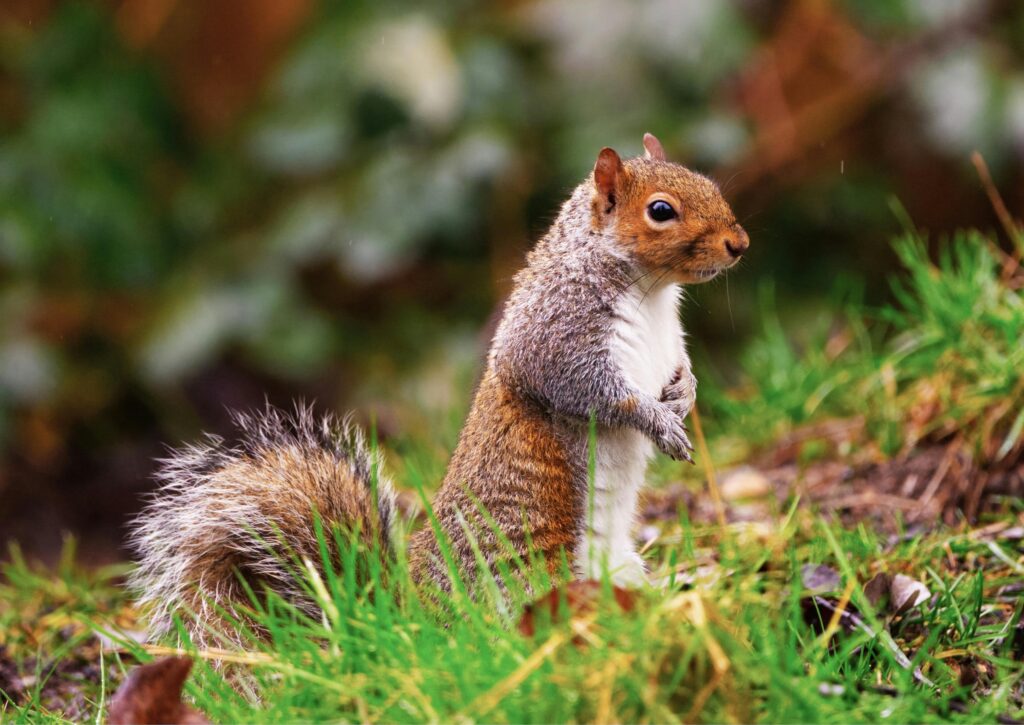
In many urban areas, squirrels are the only wild mammals that people see on a daily basis. Their bushy tails and the way they sit up to hold nuts with their paws make them a constant source of entertainment in parks and gardens. While the grey squirrel is technically an invasive species in many parts of the world, many people still enjoy feeding them and watching their acrobatic antics. Their “cute” appearance allows them to live in close proximity to humans without the same level of hostility that is directed at other urban wildlife. They have successfully rebranded the life of a rodent into a delightful public spectacle.
If squirrels lacked their bushy tails and moved with the same scurrying gait as a common brown rat, they would be viewed with horror by the general public. In fact, squirrels are often jokingly referred to as “rats with better outfits,” a phrase that highlights how much we rely on aesthetics to judge a species. If they weren’t cute, they would be seen as destructive rodents that chew through wiring and invade lofts, which they actually do. Because they are pretty to look at, we tolerate their presence and even encourage them with bird feeders. Meanwhile, a rat doing the exact same thing in a garden would be met with a trap or a call to pest control.


