
Why Modern Life Leaves Us Running On “Empty”

There is a quiet, heavy kind of tiredness that many of us carry around these days. It is not just the result of one late night or a particularly long shift at the office; it is something much deeper and more stubborn. Across our homes and workplaces, a growing number of people describe a sense of constant exhaustion that simply refuses to lift, even after a full weekend of rest. Experts are now looking at this as a perfect storm of biological strain and the sheer overload of modern life.
This issue is incredibly important because it often slips under the radar until it starts to damage our health, our work, and our happiness. Fatigue in the 2020s is rarely caused by just one thing. Instead, it builds up slowly through our daily habits, hidden stress, and sometimes medical issues we don’t even know we have. Understanding why we feel this way is the first step toward actually fixing it, especially since long-term tiredness is proven to wear down both the mind and the body over time.
Sleep Debt
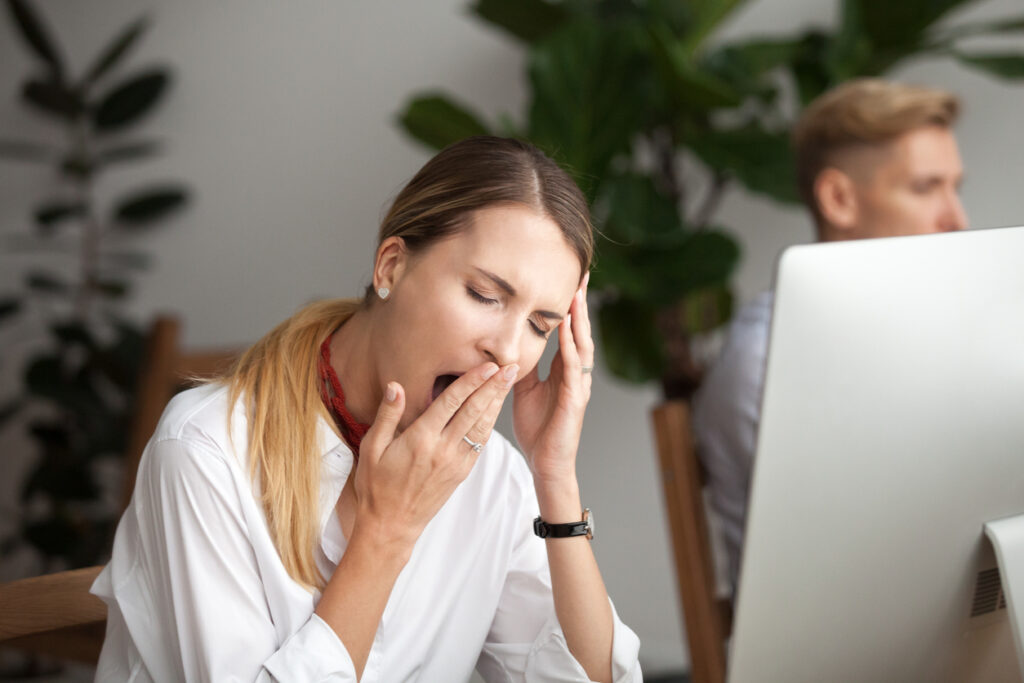
Sleep debt has become a silent epidemic in our fast-paced world, and it happens when you consistently get less rest than your body requires. Think of it like a bank account; every time you shortchange your sleep, you add to a deficit that grows over days or weeks. While you might feel fine after a few shots of espresso, research from 2021 suggests that this accumulated loss creates a “brain fog” that severely hampers your memory and emotional control.
The most frustrating part of sleep debt is that you cannot simply “fix” it with one long nap on Sunday afternoon. Scientific studies have shown that it can take up to four days of quality rest to recover from just one hour of lost sleep. Many people are currently living on what doctors call “borrowed energy,” which eventually leads to a physical crash. Over time, sticking to this pattern increases the risk of serious conditions like heart disease and a weakened immune system.
Poor Sleep Quality

Just because you spent eight hours in bed doesn’t mean you actually got eight hours of rest. Sleep quality is just as vital as the quantity, yet many of us are “shallow sleepers” without realizing it. Environmental factors like a room that is too warm, street noise, or even the soft glow of a standby light can prevent your brain from entering the deep, restorative REM stages. You might technically be unconscious, but your body isn’t doing the heavy repair work it needs.
When your sleep is frequently interrupted, you wake up feeling like you haven’t slept at all. This “non-restorative sleep” makes it hard to focus the next morning and often leads to a short temper. Since the mid-2010s, sleep studies have increasingly linked poor sleep quality to long-term cognitive decline. Because many people assume they are resting enough based on the clock, they often overlook the simple environmental changes that could finally help them feel refreshed again.
Digital Overload

Our modern lives are flooded with a never-ending stream of pings, dings, and red notification bubbles. This digital overload keeps our brains in a state of “high alert” that humans weren’t really designed to handle 24/7. Every time you glance at a text or scroll through a feed, your brain experiences a tiny spike in cortisol. These “micro-stresses” might seem small on their own, but when they happen hundreds of times a day, they leave the mind feeling completely fried.
The real danger here is the total lack of “white space” or mental downtime in our schedules. When we use our phones to fill every spare second, like waiting for a bus or sitting in a lift, we rob our brains of the chance to reset. A 2022 survey found that the average person checks their phone 58 times a day, which leads to a lingering sense of mental fatigue. This habit makes it nearly impossible to truly relax, creating a cycle of exhaustion that follows us into the night.
Blue Light Exposure

The glow from our smartphones and laptops is more than just bright; it’s chemically disruptive. These devices emit blue light, which tricks the brain into thinking it is still daytime. This suppresses the production of melatonin, the essential hormone that tells your body it is time to wind down. When you scroll through social media in bed, you are essentially telling your internal clock to stay awake, making it much harder to drift off naturally.
This shift in our “circadian rhythm” can have a massive impact on our energy the following day. By 2023, eye health experts began sounding the alarm more loudly about how late-night screen use is directly linked to chronic daytime fatigue. Because screens are so integrated into our work and social lives, many of us are stuck in a loop of poor rest. Breaking this habit, perhaps by putting the phone away an hour before bed, is often the quickest way to reclaim lost energy.
Caffeine Overuse

Caffeine is the world’s most popular way to “fake” energy, but it often ends up making us more tired in the long run. While that morning latte provides a quick spark, consuming caffeine too late in the afternoon can stay in your system for up to six hours or more. This prevents you from reaching the deep sleep cycles you need, meaning you wake up tired the next day and reach for even more caffeine to compensate.
This creates a cycle of dependency that is hard to break. Over time, your body becomes less sensitive to the effects of caffeine, and your natural energy-regulating systems start to get lazy. Many people experience “caffeine crashes” in the mid-afternoon, where they feel significantly more drained than they would have without the stimulant. Balancing your intake and setting a “caffeine cutoff” time is a proven way to help your body rediscover its own natural rhythm and stamina.
Dehydration Effects

It is surprising how much a simple lack of water can drain your energy. Even mild dehydration, where you’ve lost just 1% to 2% of your body’s fluid, can make you feel sluggish and irritable. When you aren’t hydrated, your blood volume actually drops slightly, which forces your heart to pump harder and faster to get oxygen to your brain and muscles. This extra effort is physically exhausting, even if you’re just sitting at a desk.
Many people mistake the early signs of dehydration for hunger or boredom, leading them to snack instead of drink water. Research has shown that even slight fluid loss can lead to headaches and a noticeable drop in concentration. In our busy lives, it is easy to go hours without a drink, but this neglect adds up to a heavy sense of “afternoon fatigue.” Keeping a water bottle handy is perhaps the simplest and cheapest way to boost your daily energy.
Sedentary Living

It sounds counterintuitive, but the less you move, the more tired you feel. When we spend most of our time sitting, whether at a desk or on the sofa, our cardiovascular system becomes less efficient. This means that when we finally do need to move, our bodies have to work much harder, leading to a feeling of constant lethargy. Inactivity actually tells your body it doesn’t need to produce as much energy, so it simply slows down.
Regular physical activity, even just a brisk 20-minute walk, helps improve circulation and boosts the production of energy-giving mitochondria in your cells. Since the global shifts in work habits in 2020, more people than ever are living sedentary lives, which has led to a spike in reports of “unexplained fatigue.” While it feels difficult to start moving when you’re tired, exercise is often the very thing that will wake your system up and improve your sleep quality.
Nutrient Deficiencies

Your body is a complex machine that requires specific “fuel” to keep the lights on. If you are low on essential nutrients like Iron, Vitamin B12, or Vitamin D, your energy levels will naturally plummet. For instance, iron is what allows your red blood cells to carry oxygen; without enough of it, your organs are essentially gasping for air, leaving you feeling weak and exhausted. This is a common issue that often goes undiagnosed for years.
These deficiencies usually creep up slowly, so you might not notice the change until you find yourself struggling to climb a flight of stairs. Vitamin D deficiency became particularly widespread following the 2020 lockdowns when people spent less time outdoors, leading to a surge in “winter blues” and fatigue. If you feel tired despite eating well and sleeping enough, it may be a sign from your body that it’s missing a key ingredient. A quick blood test is often all it takes to find the answer.
High Sugar Intake

We’ve all experienced the “sugar rush” followed by the inevitable “sugar crash.” When you eat sugary snacks or refined carbs, your blood sugar spikes, giving you a temporary burst of energy. However, your body responds by pumping out insulin to bring those levels down, often causing your blood sugar to drop lower than it was before you started. This leaves you feeling shaky, tired, and desperate for another sugary fix.
Living on this “blood sugar rollercoaster” is incredibly taxing for the body and mind. Over time, these constant fluctuations can lead to insulin resistance and a permanent sense of exhaustion. Data from 2022 suggests that diets high in processed sugars are one of the leading causes of mid-day fatigue in Western countries. Switching to slower-releasing energy sources, like whole grains and proteins, helps keep your energy levels steady throughout the day and prevents that dreaded 3 PM slump.
Chronic Stress

Chronic stress is like leaving your car engine running at a high RPM while it’s parked in the garage; eventually, it’s going to run out of fuel or break. When you are constantly stressed, your body stays in “fight or flight” mode, releasing hormones like cortisol and adrenaline. While this is great for escaping a predator, staying in this state for weeks or months is physically and mentally draining. It keeps your muscles tense and your mind racing.
Recent health reports from 2024 indicate that stress-related exhaustion has reached record highs, with many people feeling “pushed to the brink” by daily pressures. This kind of fatigue doesn’t go away with a nap because the nervous system is still stuck in an active state. Over time, chronic stress can lead to inflammation and a total burnout of your energy reserves. Learning to “down-regulate” through breathing or hobbies is essential to stopping this drain on your vitality.
Workplace Burnout

Workplace burnout has transitioned from a buzzword to a significant public health crisis over the last decade. In 2019, the World Health Organization officially recognized burnout in the International Classification of Diseases as an “occupational phenomenon” resulting from unmanaged chronic stress. It isn’t just about being busy; it is characterized by three distinct dimensions: feelings of energy depletion, increased mental distance from one’s job, and reduced professional efficacy. Since 2020, the shift toward remote and hybrid work has blurred the lines between “home” and “office,” making it even harder for employees to truly disconnect and recharge their batteries.
What makes burnout particularly draining is its slow, creeping nature. Many high achievers push through the initial signs, unaware that their internal resources are bottoming out. By 2022, surveys indicated that nearly 40% of the global workforce felt some level of burnout, leading to physical symptoms like tension headaches and chronic fatigue. Unlike standard tiredness, which a weekend getaway might fix, burnout requires a systemic change in how one approaches work and rest. Without setting firm boundaries, the constant “always-on” culture of the 2020s will continue to leave millions of talented individuals feeling completely hollowed out.
Decision Fatigue

Every day, the average person makes thousands of decisions, ranging from what to wear to how to word a sensitive email. While these choices seem small, each one consumes a tiny amount of mental “fuel.” This leads to a state known as decision fatigue, where the brain’s ability to make trade-offs and exercise self-control diminishes as the day goes on. Psychologists have noted that by late afternoon, most people find it significantly harder to focus or make rational choices, often opting for the path of least resistance because their minds are simply too tired to think.
The rise of the internet and the “paradox of choice” have only made this worse. In 1990, a trip to the grocery store involved fewer brands and options than a single search on a modern shopping app today. This constant cognitive load means that by the time you finish your workday, your brain has run a marathon of micro-choices. Research from 2021 suggests that this mental exhaustion is a leading cause of “revenge bedtime procrastination,” where people stay up late scrolling because they finally feel they have control over their time, further fueling a cycle of total depletion.
Anxiety and Depression

Mental health conditions like anxiety and depression are among the most physically taxing experiences a person can go through. Depression is often misunderstood as just “sadness,” but in reality, it frequently manifests as profound physical heaviness and a lack of motor energy. A 2023 mental health report highlighted that nearly 90% of people with depression experience severe fatigue. This isn’t a tiredness that can be slept away; it is a deep-seated lethargy that makes even simple tasks, like brushing one’s teeth or making a phone call, feel like climbing a mountain.
Anxiety acts on the body in a different but equally exhausting way. It keeps the nervous system in a state of “hyper-arousal,” meaning your body is constantly preparing for a threat that never arrives. This state of high alert uses up massive amounts of glucose and oxygen, leaving the individual feeling brittle and worn out. Since 2021, there has been a global increase in anxiety disorders, which experts link to the “constant crisis” cycle of modern news. Addressing the mental root is the only way to stop the physical drain, as the body cannot rest while the mind is at war.
Emotional Labour

Emotional labour is the invisible work of managing your feelings to make others feel comfortable or supported. Whether you are a nurse providing “bedside manner,” a parent soothing a toddler, or an employee navigating a difficult boss, this effort takes a real physical toll. In the mid-2010s, the term gained wider recognition as people realized that “keeping a smile on” for eight hours a day is just as tiring as lifting heavy boxes. It requires constant self-regulation, which drains the brain’s executive function and leaves you feeling emotionally spent by evening.
The burden often falls heavily on “sandwich generation” caregivers, those looking after both children and aging parents. Statistics from 2022 show that this group reports higher levels of chronic fatigue than almost any other demographic. Because this work is often unpaid and unacknowledged, many people don’t realize why they feel so exhausted at the end of a day where they “didn’t do much” physically. Recognizing that emotional energy is a finite resource is vital for preventing long-term exhaustion. It is important to remember that you cannot pour from an empty cup, and finding time for personal “emotional boundaries” is a necessity.
Sleep Apnea
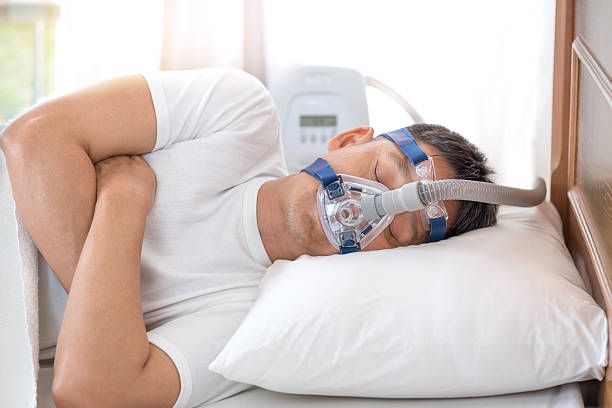
Moving on to health issues, sleep apnea is a serious medical condition where breathing repeatedly stops and starts throughout the night. Because the brain realizes it isn’t getting enough oxygen, it jolts the body awake just enough to resume breathing, though the person usually doesn’t remember these “micro-wakings.” This can happen dozens of times an hour, preventing the sleeper from ever reaching the deep, restorative “delta” sleep required for physical repair. Consequently, individuals with sleep apnea often wake up feeling like they’ve been hit by a truck, regardless of how long they spent in bed.
By 2024, health organizations estimated that nearly 1 billion people worldwide suffer from some form of sleep apnea, yet a staggering 80% remain undiagnosed. Common signs include loud snoring, gasping for air during the night, and excessive daytime sleepiness. If left untreated, this chronic oxygen deprivation can lead to long-term heart issues and high blood pressure. Because the fatigue feels “normal” to those who have lived with it for years, it is often dismissed as just getting older. However, medical interventions like CPAP machines can be life-changing, restoring energy levels almost overnight once the body finally gets the oxygen it needs.
Thyroid Imbalance

The thyroid is a small, butterfly-shaped gland in your neck that acts as the “master controller” for your metabolism. When it isn’t working correctly, specifically in the case of hypothyroidism, your body’s internal processes slow to a crawl. This can cause a laundry list of symptoms, but the most prominent is a crushing, persistent fatigue that no amount of coffee or sleep can fix. Because the thyroid influences everything from heart rate to body temperature, a malfunction feels like your entire system is running on a low-battery mode that won’t charge.
According to data from 2023, thyroid disorders are significantly more common in women, with roughly one in eight women developing a thyroid condition during their lifetime. Because symptoms like weight gain, dry skin, and feeling cold develop so gradually, many people attribute them to stress or simple aging. However, a standard blood test to check TSH (Thyroid Stimulating Hormone) levels can reveal the truth. Once diagnosed, thyroid imbalances are generally very treatable with medication. For many, starting treatment feels like someone finally turned the lights back on in their brain, ending months or even years of unnecessary, heavy exhaustion.
Iron Deficiency

Iron deficiency, also known as anemia, remains one of the most common nutritional deficiencies globally, affecting over 2 billion people as of 2024. Iron is a critical component of hemoglobin, the substance in red blood cells that carries oxygen from your lungs to the rest of your body. When your iron levels are low, your heart has to work significantly harder to move oxygen-rich blood through your system. This leads to a specific type of exhaustion where you feel out of breath easily and physically weak, often accompanied by pale skin or cold hands and feet.
This condition is particularly prevalent among women of childbearing age and those following strict vegan or vegetarian diets without proper supplementation. In 2021, medical journals noted that even “subclinical” iron deficiency, where you aren’t quite anemic yet, can still cause brain fog and irritability. Many people push through this fatigue for years, thinking they are just “not a morning person,” when they are actually suffering from a lack of oxygen at a cellular level. Increasing iron-rich foods like spinach, lentils, or red meat, or taking a doctor-approved supplement, can often resolve this persistent tiredness in just a few weeks.
Blood Sugar Issues
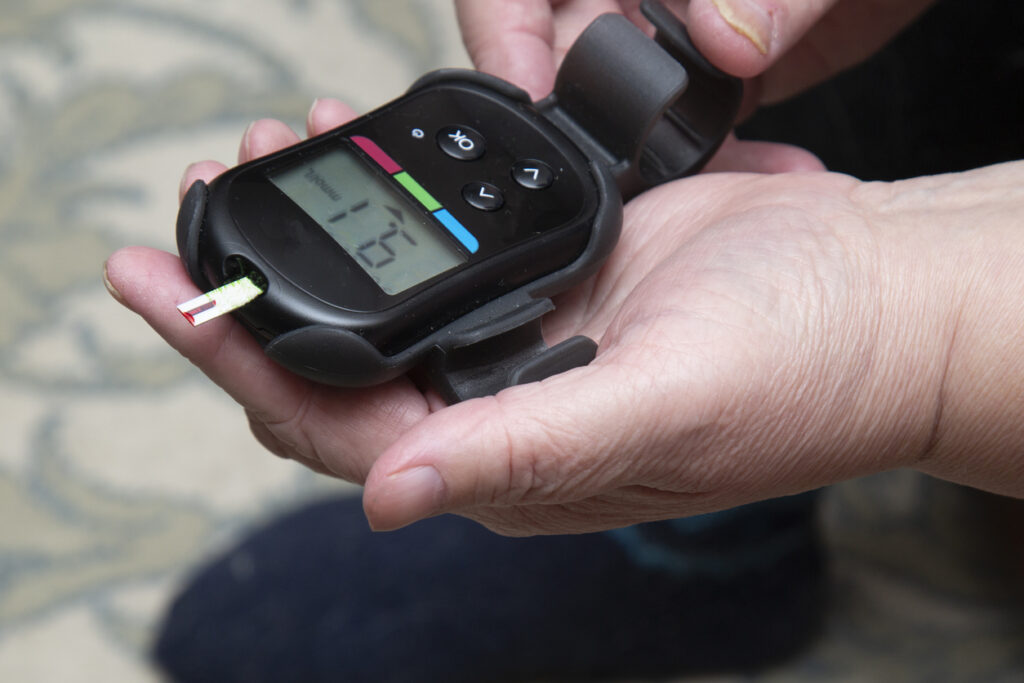
Our bodies are designed to run on a steady supply of glucose, but modern diets often turn this into a rollercoaster of spikes and crashes. When you eat highly processed carbohydrates or sugary snacks, your blood sugar skyrockets, leading to a temporary “high.” However, the subsequent insulin surge causes your blood sugar to plummet just as quickly. This “hypoglycemic crash” triggers a release of stress hormones and leaves you feeling shaky, irritable, and incredibly tired. If this cycle repeats daily, your body’s ability to manage energy becomes severely compromised.
Beyond simple diet, conditions like Type 2 diabetes or pre-diabetes have seen a sharp rise since the early 2010s due to sedentary lifestyles and processed food availability. In 2022, health reports indicated that millions of adults are living with undiagnosed blood sugar issues that contribute to chronic lethargy. When blood sugar is consistently high, the blood becomes “thicker,” and the heart must work harder to circulate it, leading to fatigue. Stabilizing your energy requires eating fiber-rich foods and proteins that slow down sugar absorption, ensuring that your body gets a slow, steady burn of fuel rather than a series of exhausting explosions.
Chronic Fatigue Syndrome

Chronic Fatigue Syndrome (CFS), often referred to as ME/CFS, is a complex and long-term illness that goes far beyond everyday tiredness. The hallmark of this condition is “post-exertional malaise” (PEM), where even minor physical or mental activity can cause a total crash that lasts for days or even weeks. For someone with CFS, a simple walk to the mailbox might result in a “flare” that leaves them bedridden. Since 2020, this condition has gained more mainstream attention due to its similarities with “Long COVID,” which has left millions of people struggling with similar energy-depletion symptoms.
Living with CFS is incredibly challenging because there is currently no single diagnostic test or cure. Research from 2023 suggests that the condition may be linked to a “glitch” in the body’s cellular energy production or an overactive immune system. For years, patients were told their fatigue was “all in their head,” but modern science now recognizes it as a multi-system biological disorder. Management usually involves “pacing”, carefully rationing energy to avoid crashes. While it is a difficult journey, the recent surge in research funding offers hope that we are getting closer to understanding and treating this life-altering form of exhaustion.
Hidden Health Conditions

If you have improved your diet, started sleeping eight hours a night, and reduced your stress, yet you still feel exhausted, there may be a hidden health condition at play. Fatigue is a “non-specific” symptom, meaning it is a red flag for hundreds of different issues, from heart disease and chronic infections like Lyme disease to autoimmune disorders like Lupus. In 2024, doctors are increasingly seeing patients whose only symptom of a serious underlying issue is a persistent, unexplained lack of energy that doesn’t improve with traditional rest.
It is vital to listen to your body when it tells you something is wrong. A study from 2022 found that many people wait an average of six months before seeing a doctor about chronic tiredness, often dismissing it as a personal failing or a “busy life.” However, early detection of issues like heart valve problems or kidney dysfunction can make a massive difference in recovery. If your fatigue is accompanied by unexplained pain, fever, or sudden changes in your mood, it is time to seek professional medical advice. Treat your energy levels as a vital sign, just like your heart rate or blood pressure, and don’t be afraid to investigate further.


